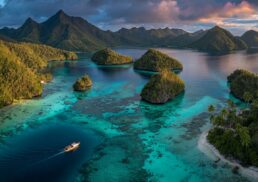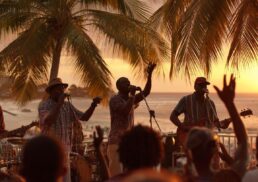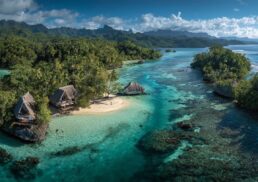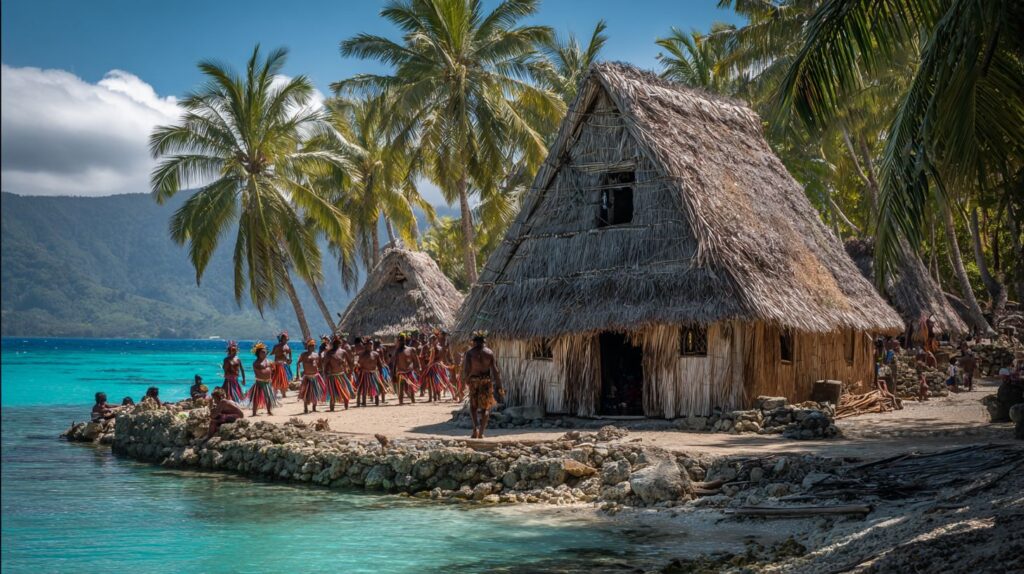
Planning a trip to Melanesia and wondering where to go amid its wild islands and cultures? This Melanesia Travel Guide 2026: Where to Go, What to See & Local Traditions points you to Papua New Guinea’s highlands, Solomon Islands’ WWII relics, and Vanuatu’s volcanoes. You’ll get the real scoop on local customs to make your visit feel like coming home to new friends.
Table of Contents
Key Takeaways:
- Explore Papua New Guinea’s Highlands and Port Moresby for tribal ceremonies and rugged adventures, immersing in authentic Melanesian culture during 2026 festivals.
- Visit Solomon Islands’ Honiara for WWII relics and Vanuatu’s Port Vila volcanoes, perfect for history buffs and thrill-seekers in the dry season.
- Discover Fiji’s cultural gems and respect local customs like kava rituals; plan for easy visas and inter-island flights for seamless 2026 travel.
Best Time to Visit
Timing your Melanesia trip right enhances every moment, balancing ideal weather with cultural events across the islands. Melanesia’s tropical climate brings consistent warmth, but seasonal patterns shape your experience. Dry seasons from May to October mean clearer skies for diving and hiking, while wet seasons from November to April bring lush greenery and heavier rains.
During the dry season, lower humidity supports long days on the water or trails in places like Papua New Guinea or Fiji. Wet periods can limit access to remote spots due to mud or flooded paths, yet they offer vibrant landscapes for photography. Plan around these to match your activities in this Melanesia Travel Guide 2026: Where to Go, What to See & Local Traditions.
Festivals add rhythm to visits, with many peaking in cooler months. Rain in the wet season may pause outdoor plans, so check island-specific forecasts. Flexible itineraries help capture both nature’s peaks and local celebrations.
Packing layers works year-round, as evenings cool even in tropics. Quick-dry clothes suit sudden showers, keeping you ready for hikes or beach dives. This approach ensures comfort amid variable conditions.
Climate and Festivals
Melanesia’s tropical climate features warm temperatures year-round, but dry seasons from May to October offer the best conditions for outdoor exploration. Clearer skies and calmer seas make this prime for diving in Vanuatu or hiking in the Solomon Islands. Festivals draw crowds, blending weather perks with cultural immersion.
Wet seasons from November to April paint islands in lush greens, ideal for birdwatching amid waterfalls. Rain can disrupt travel, so opt for indoor cultural experiences. Still, fewer visitors mean intimate encounters with traditions.
Monthly highlights guide your plans:
- May-June: PNG’s Goroka Show celebrates highland cultures with dances; perfect for clear-weather trekking.
- July-August: Vanuatu land diving rituals thrill, with dry paths to remote villages.
- September-October: Solomon Islands marlin fishing tournaments heat up; seas stay calm for boats.
- November-December: Fiji’s hibiscus festivals bloom amid rains; focus on indoor feasts.
- January-February: New Caledonia’s cultural fairs shine, despite showers.
- March-April: Wet-season turtle nesting in PNG beaches offers quiet views.
Pack for variables: lightweight rain gear, insect repellent, and sun protection. Breathable fabrics handle humidity, ensuring you join land diving or fishing without pause in your Melanesia adventure.
Getting There and Around
Reaching Melanesia’s remote islands requires planning, but reliable flights and ferries make it accessible for 2026 travelers. Major entry points include Auckland Airport for Fiji and Vanuatu, Brisbane Airport for Papua New Guinea, and Honiara Airport in the Solomon Islands.
Internal travel relies on small aircraft and ferries between islands. Book these in advance, as schedules fill quickly and weather can cause delays. For example, flights from Nadi to Yasawa Islands in Fiji often require early reservations.
Ferries connect main hubs like Port Vila in Vanuatu to outer atolls. Renting a car works on larger islands such as Viti Levu in Fiji, but roads can be rough. Always check seasonal disruptions for smooth Melanesia Travel Guide 2026 adventures.
Local buses and shared taxis offer budget options on populated islands. Hire guides for remote areas to navigate safely. Pack light for frequent boat transfers to experience local traditions fully.
Visa Requirements
Visa policies vary by nationality and destination, so check official sources well before your Melanesia 2026 journey. Start by visiting government tourism sites, such as PNG Immigration for Papua New Guinea details.
Apply online where available, like the Fiji eVisa system, which simplifies the process. Ensure your passport has 6+ months validity, and prepare return tickets plus proof of funds to avoid entry issues.
- Visit official government or tourism websites for your specific nationality.
- Submit online applications early if offered, such as for Fiji or Vanuatu.
- Gather documents including passport copies, flight itineraries, and bank statements.
Australians and New Zealanders often get visas on arrival in Vanuatu and the Solomon Islands. A common mistake is overlooking health declarations, so confirm required vaccines like yellow fever based on your travel history.
Papua New Guinea Highlights

Papua New Guinea captivates with its rugged highlands, diverse tribes, and world-class diving in 2026. As the largest nation in Melanesia, it offers unmatched scale and variety, from coral reefs to remote jungles. This makes it the adventurous heart of Melanesia for travelers seeking raw, authentic experiences in the Melanesia Travel Guide 2026: Where to Go, What to See & Local Traditions.
Over 800 languages spoken here reflect its cultural depth. Visitors encounter unique traditions like body painting and ceremonial dances. Coastal areas boast vibrant marine life, perfect for snorkeling trips.
Land-based adventures include hiking volcanic trails and river kayaking. The mix of urban hubs and isolated villages ensures every journey feels personal. Plan for multi-day treks to immerse in local ways of life.
Diving sites around Kimbe Bay draw enthusiasts for pristine reefs. Combine these with cultural festivals for a full picture of PNG’s allure. Safety comes first with guided outings in this wild paradise.
Port Moresby and Highlands
Start in Port Moresby for urban energy and markets, then venture to the Highlands for misty mountains and tribal villages. The capital serves as your gateway, blending modern life with Melanesian roots. Explore its role as the trailhead for iconic hikes in this Melanesia Travel Guide 2026: Where to Go, What to See & Local Traditions.
Visit the National Museum to see artifacts from ancient tribes and WWII relics. Stroll bustling markets for fresh produce and crafts like billy bags woven from vines. For a day trip, head to the Kokoda Track trailhead, but stick to guided half-day walks to avoid overexertion.
- Day 1: Arrive in Port Moresby, settle in, and tour the museum and markets.
- Day 2: Fly to Mt. Hagen, check into a lodge, and witness a local sing-sing with feathered headdresses.
- Day 3-4: Trek the Waghi Valley for 3-5 days on guided tours, spotting bilum weavers and valley views.
Expect costs around routine guided rates; book through registered operators.
Prioritize safety by using registered guides and avoiding night walks. Highlands treks offer chances to join community feasts and learn traditions. This itinerary balances city buzz with cultural immersion.
Solomon Islands Must-Sees
The Solomon Islands blend WWII history, coral atolls, and laid-back island life for unforgettable 2026 escapes. Pristine waters draw snorkelers to vibrant reefs teeming with marine life. The islands’ cultural depth shines through local traditions, from wantok kinship systems to carved wooden artifacts, making this a top pick in the Melanesia Travel Guide 2026: Where to Go, What to See & Local Traditions.
History buffs find relics from intense Pacific battles scattered across Guadalcanal and nearby atolls. Snorkelers explore Iron Bottom Sound, where sunken ships host colorful fish and corals. Island hopping reveals quiet villages where elders share stories of ancient navigators.
For a balanced trip, pair Honiara’s markets with outer island dives. Local customs emphasize respect for elders and communal feasts. Pack reef-safe sunscreen to protect these fragile ecosystems.
Experts recommend starting in the capital before venturing to remote spots. This mix of adventure and heritage creates lasting memories amid Melanesia’s unspoiled beauty.
Honiara and WWII Sites
Honiara serves as the gateway to dive sites and relics from the Pacific Theater. The bustling Central Market offers fresh produce, crafts, and a taste of daily island life. Nearby, the National Museum displays wartime artifacts and traditional shell money.
Explore WWII landmarks like the Guadalcanal landings site via boat tours from Honiara’s harbor. Snorkel Iron Bottom Sound wrecks, where gear rentals run about $20 per day from local operators. Guided trips ensure safe access to these historic underwater gravesites.
Plan a 4-day loop itinerary: Day 1 in Honiara for museums, Day 2 at battlefields, Day 3 flying to Gizo for shorter connections, and Day 4 diving. This path suits travelers with limited time, as recommended in the Melanesia Travel Guide 2026: Where to Go,What to See & Local Traditions. Book dive operators like Bilikiki for comfortable liveaboards.
- Visit the Central Market early for the best shell jewelry selection.
- Join guided tours to unmarked trails around battle sites for safety.
- Combine snorkeling with village visits to learn about local war stories.
- Opt for Gizo as a hub for day trips to shorter-flight atolls.
Vanuatu Adventures
Vanuatu thrills with active volcanoes, blue holes, and ni-Vanuatu hospitality in 2026. Adrenaline seekers climb Yasur Volcano for its fiery lava shows at night. Relaxation follows with pristine beaches and calm lagoons perfect for unwinding.
Balance high-energy treks with beach bliss on Tanna or Efate islands. Dive into blue holes for a refreshing swim amid jungle surroundings. Local hosts share kava ceremonies, blending adventure and culture in this Melanesia Travel Guide 2026.
From heart-pounding hikes to serene sunsets, Vanuatu offers variety. Plan for both thrills and rest to fully experience local traditions like sand drawing and village feasts. Weather stays warm year-round, ideal for outdoor pursuits.
Pack light layers for volcano chills and reef-safe sunscreen for waters. Respect ni-Vanuatu customs by asking permission before photos. These adventures highlight where to go and what to see in Vanuatu.
Port Vila and Volcanoes
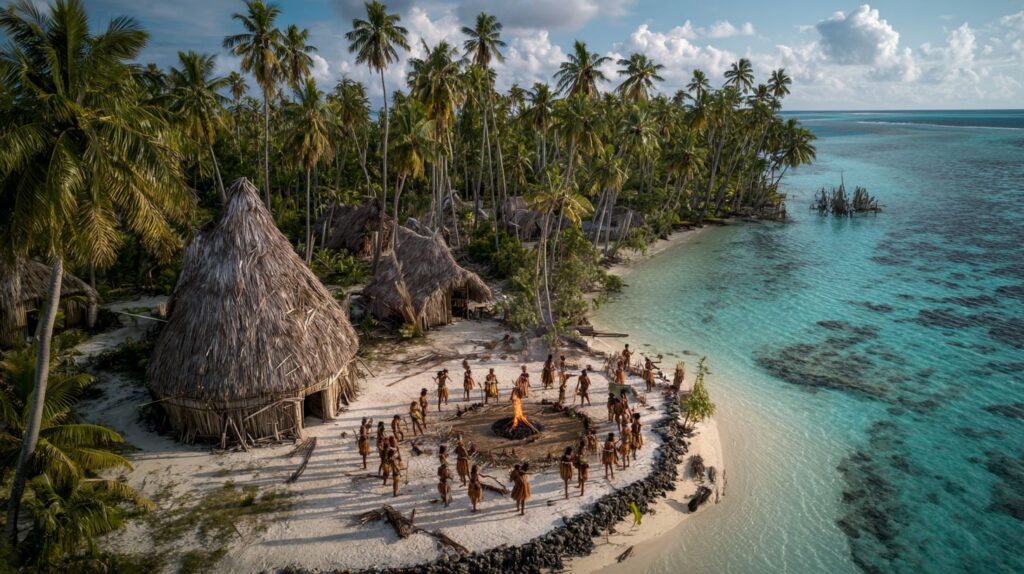
Port Vila buzzes with markets and cafes, launching point for Tanna Island’s fiery Yasur Volcano. Fresh produce stalls and coffee spots fill the harbor area. It’s the gateway to Vanuatu’s volcanic wonders in this Melanesia Travel Guide 2026.
Start with Mele Cascades for a swim under cascading waterfalls just outside town. Head to Hideaway Island for diving among colorful reefs and marine life. These spots mix nature and water activities easily.
For Yasur, join a 1-day volcano tour with night hikes to watch eruptions. Tours often cost around $100 including transport from Tanna. Multi-day trips to Espiritu Santo feature Millennium Cave kayaking for about two hours at $50, paddling through glowing waters.
- Book flights to Tanna via Air Vanuatu from Port Vila.
- Wear sturdy shoes to avoid underestimating volcano altitude.
- Carry water, snacks, and a headlamp for hikes.
- Check weather for clear eruption views.
Fiji Cultural Gems
Fiji shines as Melanesia’s accessible gem, offering luxury resorts alongside authentic village stays and kava ceremonies. In this Melanesia Travel Guide 2026: Where to Go, What to See & Local Traditions, explore Viti Levu and the Yasawa Islands for deep cultural immersion. English is widely spoken, making interactions easy for visitors.
On Viti Levu, hike the Sigatoka Sand Dunes to see ancient burial sites and learn Fijian history from local guides. Visit bustling Suva markets for fresh produce and handmade crafts. These spots blend nature with everyday Fijian life.
For village experiences, join homestays with Fijian families. Practice sevusevu etiquette by presenting a yaqona root upon arrival, a sign of respect that opens doors to traditions. Pair your trip with fire-walking festivals for thrilling cultural displays.
7-Day Itinerary: Viti Levu to Yasawas
Start in Nadi upon arrival, then head to Coral Coast beaches for relaxation and snorkeling. Spend days two and three exploring Sigatoka Sand Dunes and Suva markets. This builds a strong base on Viti Levu.
Day four, catch a ferry to the Yasawa Islands for about $50, a scenic journey to remote villages. Days five through seven involve homestays, kava sessions, and beach hikes. End with fire-walking if timed right.
- Day 1: Arrive Nadi, transfer to Coral Coast resort.
- Day 2-3: Sigatoka hikes, Suva market visit, sevusevu intro.
- Day 4: Ferry to Yasawas, settle into village homestay.
- Day 5-6: Kava ceremonies, traditional meke dances.
- Day 7: Fire-walking festival, return ferry to mainland.
This itinerary highlights local traditions while keeping travel practical. Expect warm hospitality and stories passed down generations.
Local Traditions and Customs
Melanesia’s living traditions-from body paint to storytelling-offer profound cultural connections for respectful 2026 visitors. Communal values shape daily life, emphasizing sharing resources and family ties across Papua New Guinea, Vanuatu, Fiji, and Solomon Islands. Taboos include pointing at sacred sites or touching others’ heads without permission.
Visitors should approach customs with humility and openness. Participate where invited, but observe quietly if unsure. This builds trust and enriches your Melanesia Travel Guide 2026 experience.
Respect for elders guides interactions. Offer small gifts like tobacco or food to show appreciation. Such gestures honor the reciprocal spirit central to Melanesian communities.
Learn basic phrases in local languages to express gratitude. Dress modestly to blend in. These steps ensure meaningful encounters with local traditions.
Tribal Ceremonies
Participate in tribal ceremonies to witness dances, feasts, and rituals that have endured for generations. In Papua New Guinea, Huli wigmen sing-sings feature elaborate headdresses and chants. Arrange through Highlands lodges for authentic access.
Vanuatu’s land diving, or Nagol on Pentecost Island, draws crowds from May to June. Watch men leap from tall towers with vines tied to ankles, a rite honoring Tamate spirits. Stay back for safety and respect.
Fiji’s meke performances showcase warrior dances during village visits. Join by offering kava in the yaqona ceremony. Wear modest clothing to show reverence.
Follow these best practices for positive experiences:
- Ask permission before taking photos.
- Remove shoes before entering homes.
- Reciprocate gifts with simple items like soap or cloth.
Share a meal with hosts to forge genuine bonds. This emotional connection deepens your understanding of Melanesian ways in the 2026 travel guide.
Frequently Asked Questions
What is the Melanesia Travel Guide 2026: Where to Go, What to See & Local Traditions?
The Melanesia Travel Guide 2026: Where to Go, What to See & Local Traditions is a comprehensive resource for travelers planning trips to Melanesian countries like Papua New Guinea, Fiji, Solomon Islands, Vanuatu, and New Caledonia in 2026. It covers top destinations, must-see attractions, and immersive local traditions to help you plan an authentic adventure.
Where to go in Melanesia according to the 2026 travel guide?
The Melanesia Travel Guide 2026: Where to Go, What to See & Local Traditions recommends starting with Port Moresby and the Kokoda Track in Papua New Guinea for history buffs, diving in Fiji’s Yasawa Islands, and exploring Vanuatu’s Tanna Island for active volcanoes. These spots offer diverse landscapes from coral reefs to rainforests.
What to see in Melanesia as highlighted in the 2026 guide?
In the Melanesia Travel Guide 2026: Where to Go, What to See & Local Traditions, key sights include the Blue Lagoon in Vanuatu, WWII relics in the Solomon Islands, and New Caledonia’s Loyalty Islands beaches. Don’t miss natural wonders like Mount Yasur’s lava flows and cultural sites like Fiji’s Sigatoka Sand Dunes.
How does the guide cover local traditions in Melanesia for 2026 travelers?
The Melanesia Travel Guide 2026: Where to Go, What to See & Local Traditions dedicates sections to experiencing kastom ceremonies in Vanuatu, Hiri Moale Festival in Papua New Guinea, and meke dances in Fiji. It provides respectful tips for participating in village visits, fire-walking rituals, and tattoo traditions.
Best time to visit Melanesia based on the 2026 travel guide?
According to the Melanesia Travel Guide 2026: Where to Go, What to See & Local Traditions, the dry season from May to October is ideal for outdoor activities and festivals. Avoid cyclone season (November-April) for safer travel to see traditions like the Goroka Show in Papua New Guinea.
What unique tips does the Melanesia Travel Guide 2026 provide for cultural immersion?
The Melanesia Travel Guide 2026: Where to Go, What to See & Local Traditions advises learning basic Tok Pisin phrases in Papua New Guinea, joining homestays in the Solomon Islands, and respecting tabu customs in local communities to authentically engage with Melanesian traditions and sights.