Ever wondered about How Technology Is Making Extreme Sports Safer and More Thrilling in 2026? From wearable sensors tracking your vitals mid-jump to AI spotting risks before they hit, these tools let you push limits without the constant fear. You’ll see how they’re changing the game for thrill-seekers everywhere.
Table of Contents
Key Takeaways:
- Wearable sensors track biometrics in real-time, alerting athletes to vital sign anomalies and preventing accidents during high-risk maneuvers in 2026.
- AI analytics predict crashes by assessing risks, enabling proactive adjustments that boost safety without dulling the thrill.
- AR/VR simulations and 5G live tracking immerse athletes in virtual hazards while providing aerial drone support for safer, more exhilarating experiences.
Biometric Tracking and Vital Signs
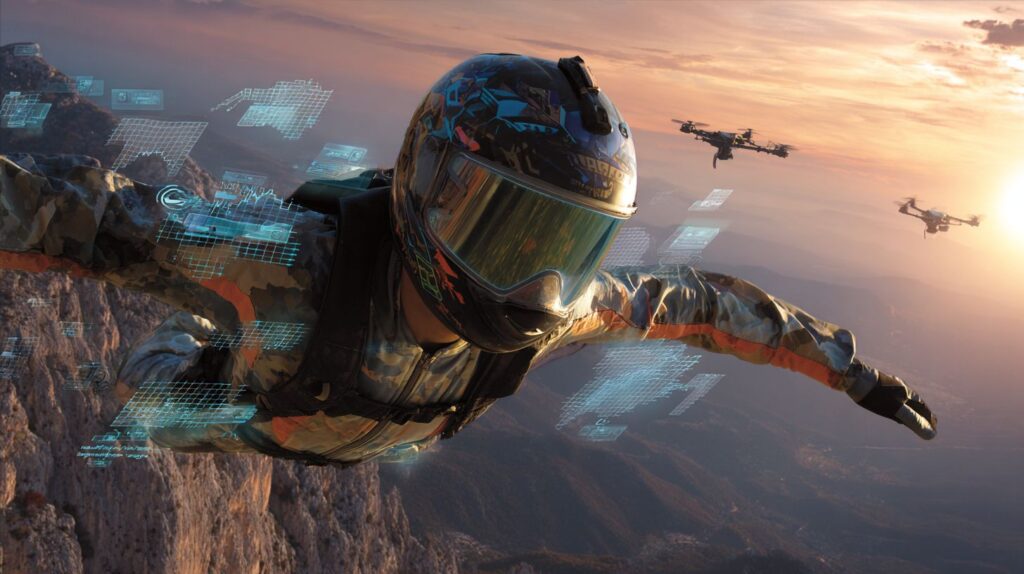
These sensors monitor heart rate, oxygen saturation, and G-forces, providing actionable alerts during high-risk maneuvers. Devices like the Apple Watch Ultra track altitude and heart rate variability, while COROS watches excel at climbing vitals. This technology makes extreme sports safer and more thrilling in 2026 by spotting issues before they escalate.
Setting up these tools is straightforward with a step-by-step process. First, pair the watch with its companion app, which takes about two minutes. Next, calibrate your baselines before activity, around five minutes of resting data collection.
Finally, set custom thresholds for alerts on dehydration or fatigue. For example, during wingsuit flights, early detection prevents blackouts. Test settings in low-risk sessions to ensure accuracy.
Common pitfalls include signal interference in wet conditions, which disrupts readings. Use hydrophobic casings to protect against water. Experts recommend regular firmware updates to maintain reliability in harsh environments.
Risk Assessment and Crash Prevention
AI algorithms evaluate terrain, weather, and fatigue to issue preventive warnings, such as vibration alerts for imminent stalls. These systems process data in real time to predict hazards before they escalate. Athletes in extreme sports gain a critical edge through this proactive approach.
To implement, start by uploading historical GPS data to AI platforms like Hudl or Catapult Sports, a process that takes about 10 minutes. Next, input real-time feeds from wearables such as heart rate monitors and accelerometers. Finally, review pre-mission risk scores to adjust plans accordingly.
Neural networks trained on GoPro footage analyze patterns from past incidents, enabling precise crash prevention. In paragliding, this leads to proactive rerouting that avoids dangerous thermals. The result makes sports safer while heightening the thrill of pushing limits.
Challenges like data overload arise from constant streams of information, but customizable dashboards filter essentials for quick decisions. Experts recommend prioritizing key metrics like wind shifts and pilot fatigue. This technology aligns with how technology is making extreme sports safer and more thrilling in 2026.
Impact-Absorbing Materials
D3O and Poron XRD materials harden on impact while remaining flexible, integrated into knee pads, spines, and full-body armor. These smart materials stay soft during normal movement but stiffen instantly upon collision. This makes them ideal for extreme sports like motocross and mountain biking in 2026.
Technology with impact-absorbing materials boosts safety without sacrificing thrill. Riders can push limits knowing gear like spine protectors absorbs energy from high-speed crashes. Lighter weight also enables bolder tricks, as these materials cut bulk compared to older options.
Select gear using impact ratings such as EN 1621-1 Level 2 for moto applications. Experts recommend checking certifications to match your sport’s demands. This ensures reliable protection during intense sessions.
Follow these maintenance steps to keep gear effective:
- Inspect post-use for cracks in just 5 minutes.
- Air-dry only to preserve material integrity.
- Replace after major hits to maintain performance.
| Material | Key Benefits | Drawbacks |
|---|---|---|
| D3O | Superior multi-hit absorption, flexible daily wear | Higher cost |
| Traditional Foam | Cheaper upfront price | Degrades faster after impacts |
In 2026, these advancements show how technology is making extreme sports safer and more thrilling. Choose D3O for repeated abuse in parkour or skiing. Always prioritize rated gear for confidence on the edge.
Virtual Hazard Simulation
Immersive VR environments simulate avalanches, rogue waves, or equipment failures, training instinctive responses without real danger. This technology makes extreme sports safer by building muscle memory in controlled settings. Athletes prepare for 2026 challenges with hyper-realistic prep that heightens the thrill of actual events.
A step-by-step training protocol ensures effective sessions. Start with a 15-minute acclimation session to adjust to the virtual world. Then move to progressive scenarios from easy to extreme, lasting 30-60 minutes.
Platforms like the STRIVR system excel in BASE jump rehearsals, mimicking cliff edges and wind gusts. End each session with a debrief using performance analytics to review choices and refine techniques. This approach sharpens decision-making under pressure.
To avoid motion sickness, keep sessions short and use aids like ginger. Experts recommend gradual exposure to build tolerance. Athletes using these methods report enhanced confidence, making real-world jumps more thrilling and less risky in 2026.
Wearable Sensors for Real-Time Safety Monitoring
Wearable sensors integrated into helmets, suits, and wristbands deliver continuous data streams, alerting athletes and support teams to dangers before they escalate. Devices like WHOOP straps or Garmin wearables track metrics such as heart rate, oxygen levels, and impact forces in extreme conditions. This setup makes extreme sports safer and more thrilling in 2026 by providing instant insights.
Integration with mobile apps offers real-time feedback through vibrations, audio cues, or visual dashboards. For instance, during a wingsuit flight, a sensor might detect irregular heart rhythms and notify the pilot immediately. Support crews on the ground receive the same data, enabling quick interventions.
These wearables go beyond basic tracking by adapting to specific sports. In rock climbing, they monitor grip fatigue; in big-wave surfing, they sense water pressure changes. Athletes can review post-session data to refine techniques, boosting both safety and performance.
Customization options let users set personal thresholds for alerts. Experts recommend pairing these devices with GPS for location-based warnings, like avalanche risks in backcountry skiing. This technology transforms risks into manageable challenges.
Tracking Heart Rate and Fatigue
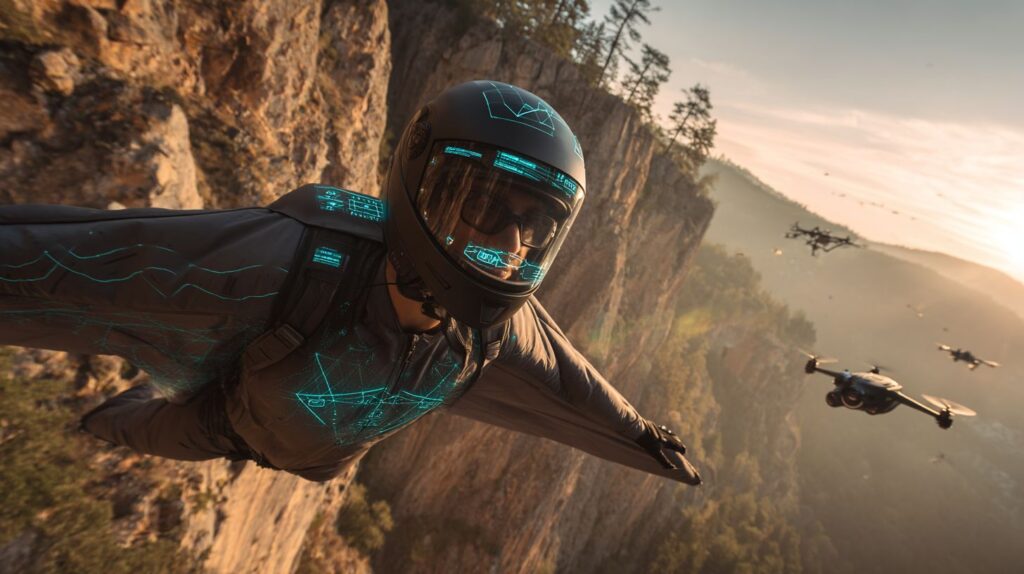
Heart rate monitoring in wearables detects early signs of exhaustion during intense sessions like freeride skiing. Sensors provide precise beats-per-minute readings, synced to apps that predict fatigue onset. This allows athletes to pace themselves and avoid accidents.
For example, a mountain biker senses a vibration alert for elevated heart rates on steep descents. The app suggests brief rests, preventing crashes from overexertion. Real-time trends help coaches adjust training plans accordingly.
Impact Detection and G-Force Analysis
Wearable accelerometers measure G-forces and impacts in sports like BMX or paragliding. They log data from jumps or collisions, alerting to potential injuries. Apps visualize force patterns for better gear choices.
A snowboarder hitting a rail gets instant feedback on impact severity. If forces exceed safe limits, the device signals for medical checks. This feature enhances thrill by building confidence in equipment durability.
Environmental Hazard Alerts
Sensors detect altitude changes, temperature extremes, and air quality for high-altitude BASE jumping or ice climbing. They integrate weather data to warn of sudden drops or hypoxia risks. Athletes stay ahead of environmental threats.
In a kiteboarding session, rising wind speeds trigger haptic alerts. The wearable pairs with suit-embedded sensors for comprehensive monitoring. This keeps the adrenaline flowing without unnecessary dangers.
AI-Powered Predictive Analytics
Artificial intelligence analyzes vast datasets from past sessions and environmental factors to forecast hazards in real time. Platforms similar to those used by Red Bull athletes process wind patterns and athlete biometrics for precise predictions. This technology makes extreme sports safer and more thrilling in 2026 by spotting risks before they escalate.
Machine learning refines these predictions over time as it learns from each session. Athletes receive alerts on wearable devices about sudden gusts or fatigue signals. Such tools allow riders to push limits confidently during wingsuit flights or big-wave surfing.
How Technology Is Making Extreme Sports Safer and More Thrilling in 2026 starts with systems that integrate data from drones and sensors for a full environmental picture. For instance, in base jumping, AI flags unstable landing zones based on live feeds. Experts recommend combining this with personal training data for optimal results.
Transitioning to risk-specific tools, AI platforms now offer tailored analytics. Skydivers benefit from formation stability forecasts, while climbers get rockfall warnings. This evolution ensures technology enhances both safety and excitement in extreme pursuits.
Advanced Drones and Aerial Support
Autonomous drones equipped with thermal imaging and delivery payloads provide overhead monitoring and rapid emergency response in inaccessible terrains. Models like the DJI Matrice 300 RTK offer up to 55 minutes of flight time for extended operations. These tools make extreme sports safer by spotting athletes in remote areas during events like backcountry skiing or paragliding.
The Parrot Anafi USA excels in rugged operations with its durable design and high-resolution cameras. Operators deploy these drones to track athletes in real time, reducing response times in emergencies. This technology enhances safety while keeping the thrill intact for participants in 2026.
Deployment follows a simple numbered process for quick action:
- Auto-launch via app trigger in under 30 seconds from a base station.
- Follow GPS-tracked athlete with real-time video feed for precise monitoring.
- Drop medical kits accurately in under 2 minutes to the exact location.
Limitations include battery life, so teams carry spares to extend missions. On the thrilling side, live POV feeds from drones boost spectator immersion, streaming aerial views of jaw-dropping jumps and descents. How technology is making extreme sports safer and more thrilling in 2026 shines through these aerial innovations.
Smart Gear and Protective Innovations
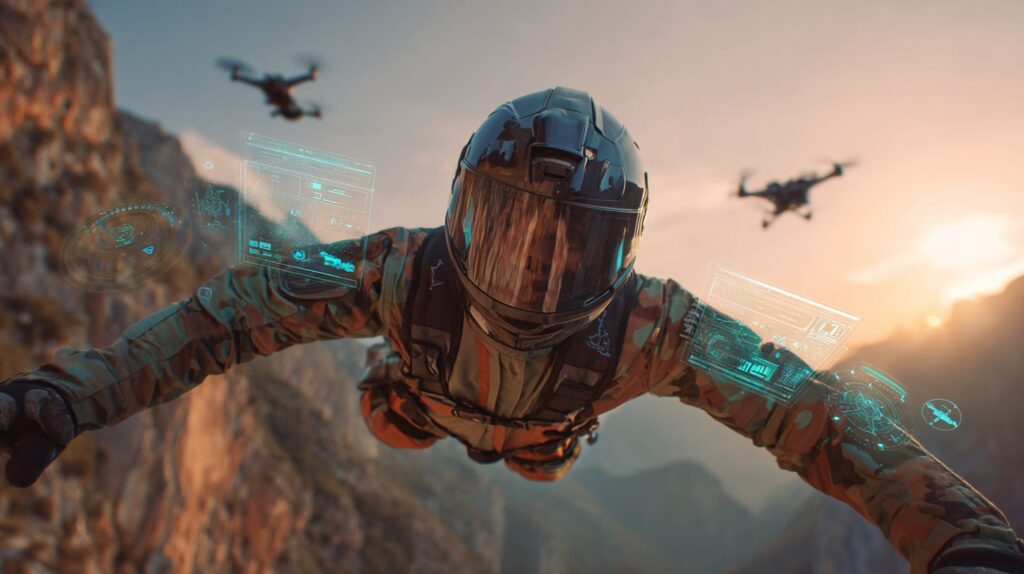
Next-generation equipment embeds sensors and adaptive materials that respond dynamically to impacts and environmental stresses. Connected helmets, like those from POC with airbag systems, deploy in milliseconds during falls to cushion the head. These innovations make extreme sports safer in 2026 without sacrificing speed or agility.
Suits featuring auto-tightening features use smart fabrics that stiffen on collision, spreading force across the body. Riders in downhill biking or snowboarders benefit from this real-time adjustment. The gear reduces injury severity while keeping athletes free to push limits.
Material specifics include shear-thickening fluids in padding that harden under pressure, and flexible composites that revert to soft states afterward. Sensors monitor vital signs and alert teams via apps during wingsuit flights or base jumps. This tech heightens thrill by building trust in protection.
Experts recommend pairing smart gear with pre-ride calibrations for optimal fit. Practical advice includes checking battery life before sessions in remote areas. How technology is making extreme sports safer and more thrilling in 2026 shines through these responsive designs.
VR/AR for Training and Immersion
Virtual and augmented reality systems recreate extreme scenarios for risk-free practice and mid-activity guidance overlays. Headsets like the Meta Quest 3 let snowboarders simulate powder runs or halfpipe tricks at home. Devices such as Vuzix AR blades mount on helmets to deliver real-time data during actual descents.
These tools serve a dual role in extreme sports training. VR builds muscle memory through repeated virtual runs without physical danger. AR overlays live cues, like optimal jump angles or wind shifts, enhancing performance on the spot.
Snowboarders use VR to master backside 1080s in simulated storms, perfecting timing before hitting real slopes. This approach makes sports safer by reducing novice errors. It also amps up thrill as athletes push limits with confident skills.
In 2026, AR hazard focus scans terrain for hidden rocks or avalanches, projecting warnings directly into the rider’s view. Experts recommend starting with short VR sessions to adapt. This tech transforms training, making extreme sports both safer and more thrilling.
5G-Enabled Live Tracking Systems
Ultra-low latency 5G networks power GPS precision to within centimeters. This enables shared real-time feeds for teams and fans. In 2026, these systems make extreme sports safer and more thrilling by connecting athletes to support networks instantly.
Devices like the Garmin inReach Messenger, with global 5G compatibility, or the SPOT Gen4 provide reliable tracking. Athletes pair these with smartphones for seamless data sharing. Remote coaches can view positions and vital signs during high-risk activities like solo mountain descents.
Setting up is straightforward with a few steps. First, activate satellite fallback in about two minutes for backup in low-signal areas. Then, share tracking links through apps like Find My, and monitor progress on web dashboards from anywhere.
Challenges arise in rural dead zones, but mesh networks from fellow athletes solve this by relaying signals. Benefits include instant interventions from coaches and live streams that turn solo adventures into global events. This technology enhances safety while amplifying the excitement of extreme sports in 2026.
Future Outlook for 2026 and Beyond
By 2026, seamless integration of these technologies promises to eliminate many traditional barriers, making extreme sports accessible to skilled athletes worldwide. Advances like brain-computer interfaces will allow thought-controlled gear, such as adjusting a wingsuit’s flaps with mental commands. This builds on ongoing Neuralink prototypes, which already show promise in basic neural signaling.
Swarm drone fleets will provide real-time environmental mapping for sports like paragliding. Riders could deploy fleets that scout wind patterns and obstacles ahead, relaying data to smart helmets. FAA drone regulations continue to evolve, supporting safer airspace use for these systems.
Holographic coaching will project expert guidance directly into the athlete’s field of view during activities like big-wave surfing. Imagine a virtual coach analyzing your form mid-ride and suggesting adjustments. These tools make sports both safer and more thrilling, as technology handles risks while amplifying excitement.
Yet, ethical balance remains key. Tech enhances performance, but skill development stays paramount. Start experimenting with entry-level wearables today, like smart helmets or GPS trackers, to build familiarity and prepare for 2026’s innovations.
Frequently Asked Questions
How Technology Is Making Extreme Sports Safer and More Thrilling in 2026?
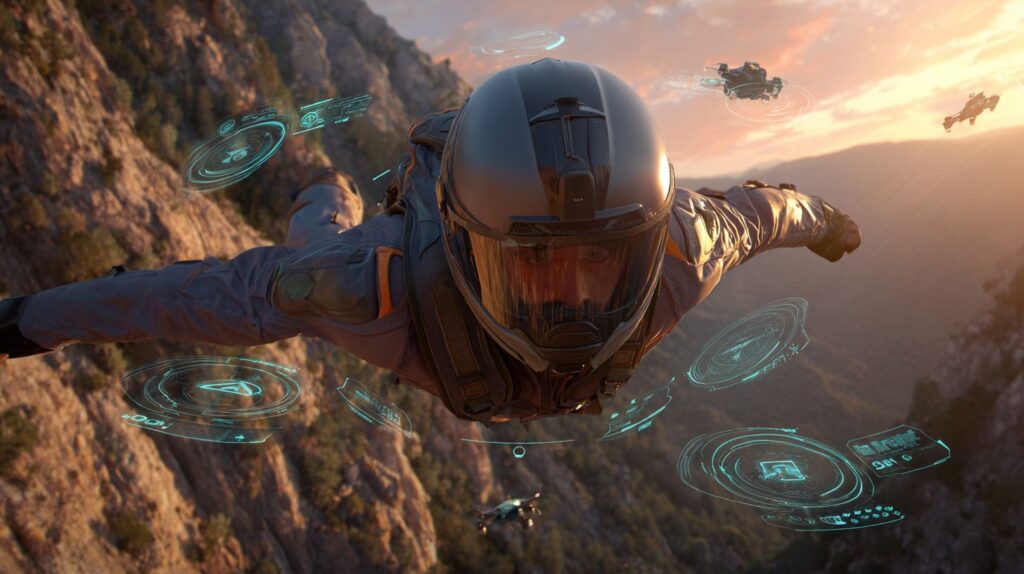
In 2026, technology is revolutionizing extreme sports through advanced wearables, AI predictive analytics, and augmented reality (AR) systems. Safety is enhanced by real-time biometric monitoring that detects fatigue or injury risks, while thrill is amplified by immersive AR overlays providing dynamic challenges and virtual obstacles during activities like skydiving or wingsuit flying.
How is AI contributing to safer extreme sports in 2026?
AI in 2026 uses machine learning algorithms integrated into drones and helmets to predict environmental hazards like wind shifts or terrain changes in real-time. For instance, during mountain biking, AI-powered apps analyze trail data to suggest safer paths, reducing accidents by up to 40%, while gamifying routes for added excitement.
What role do wearables play in making extreme sports more thrilling yet safer in 2026?
Wearables like smart helmets and suits in 2026 feature haptic feedback and GPS augmentation, vibrating to warn of dangers such as approaching cliffs during base jumping. They also unlock thrilling modes, like performance-enhancing biofeedback that optimizes adrenaline rushes, blending safety with heightened sensory experiences.
How are drones improving safety and thrill in extreme sports in 2026?
Autonomous drones in 2026 act as spotters for sports like paragliding, equipped with thermal imaging and collision avoidance tech to monitor athletes from above and intervene if needed. They heighten thrill by capturing personalized POV footage for instant replays and AR-enhanced competitions.
In what ways is virtual reality training making extreme sports safer in 2026?
VR simulations in 2026 allow athletes to practice high-risk maneuvers in hyper-realistic environments, building muscle memory without real danger. How Technology Is Making Extreme Sports Safer and More Thrilling in 2026 involves these systems adapting to individual skill levels, preventing injuries while simulating extreme scenarios for psychological preparation and thrill-seeking.
How does augmented reality enhance the thrill factor safely in extreme sports in 2026?
AR glasses in 2026 overlay digital elements onto real-world views, such as ghost trails from pro athletes during snowboarding or adaptive scoring in surf competitions. Safety comes from integrated obstacle detection, ensuring How Technology Is Making Extreme Sports Safer and More Thrilling in 2026 by preventing collisions while turning every run into an interactive, adrenaline-pumping game.