Thinking about How to Become a Sports Coach in 2026: Skills, Certifications & Career Paths? Whether you’re passionate about a specific sport or just love helping athletes improve, this guide covers the essential skills, certifications, and career paths you need to get started. You’ll see clear steps from building expertise to landing roles in high-demand areas.
Table of Contents
Key Takeaways:
- Master essential skills like technical expertise, communication, and leadership to excel as a sports coach in 2026’s competitive landscape.
- Pursue top certifications from national governing bodies and specialized online programs to validate your coaching credentials.
- Build experience through training pathways, high-demand roles, and advanced paths toward professional and elite coaching levels.
Essential Skills for Sports Coaches
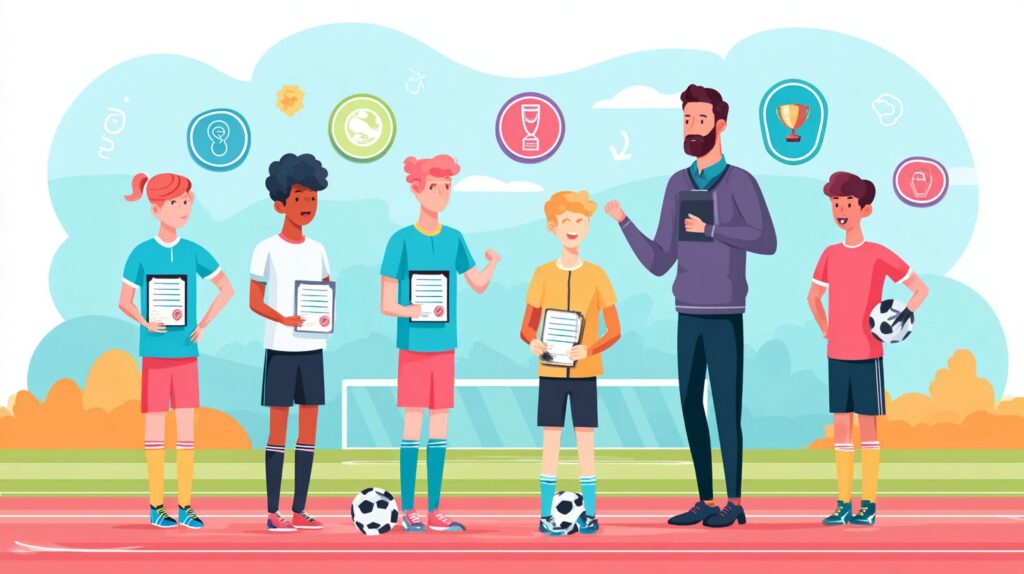
Aspiring sports coaches in 2026 must master a blend of technical prowess and interpersonal abilities to effectively guide athletes toward peak performance. Technical knowledge helps you design precise training sessions, while soft skills build trust and motivation within teams. Together, these skills set you apart in How to Become a Sports Coach in 2026: Skills, Certifications & Career Paths.
Technical expertise ensures athletes master sport-specific techniques safely and efficiently. Strong communication fosters accountability and growth. Leadership turns individual efforts into collective success.
Focus on developing both areas through practice and feedback. Observe experienced coaches and adapt their methods to your style. This balanced approach prepares you for diverse coaching environments, from youth leagues to professional teams.
Technical Coaching Expertise
Technical expertise forms the foundation of effective coaching, enabling you to break down complex movements and design targeted training programs. Start with sport-specific drills like soccer passing sequences or basketball footwork patterns. These build fundamental skills before advancing to game-like scenarios.
Use analysis tools such as Hudl or Dartfish for video breakdowns. Record sessions, review footage with athletes, and highlight key improvements. This visual feedback accelerates skill development and prevents injuries.
Progress from basic to advanced techniques by layering complexity. A beginner drill might focus on simple passes, while advanced ones add defenders and time pressure. Always tailor plans to athlete levels for optimal results.
Follow this 5-step process for creating a session plan:
- Warm-up (10 minutes): Dynamic stretches and light jogging to prepare muscles.
- Skill drills (20 minutes): Focus on one core technique with variations.
- Game simulation (15 minutes): Apply skills in small-sided games.
- Cool-down (5 minutes): Stretching and reflection discussion.
- Review (5 minutes): Note progress and set next goals.
Communication and Leadership
Clear communication and strong leadership inspire athletes to buy into your vision and push their limits. Use active listening by paraphrasing what athletes say, like “You feel the drill was too fast, right?” This builds rapport and uncovers real issues.
Master non-verbal cues during games, such as a thumbs-up for encouragement or a hand signal for defensive shifts. Pair these with concise verbal instructions to keep teams focused. Practice in scrimmages to make them instinctive.
For conflict resolution, try scripts like “I see you’re frustrated, let’s adjust the drill together.” This validates emotions and invites collaboration. Adapt transformational coaching by setting shared goals that motivate intrinsic effort.
Avoid these 4 common mistakes with simple fixes:
- Over-critiquing: Balance feedback with praise, aiming for a 3:1 positive ratio.
- Ignoring individual needs: Schedule one-on-one check-ins weekly.
- Poor timing: Save deep talks for post-session, not mid-game.
- Lack of clarity: Use simple language and demonstrate actions yourself.
Top Certifications in 2026
In 2026, recognized certifications validate your expertise and open doors to coaching opportunities across youth, amateur, and professional levels. They build credibility with athletes, parents, and employers. Certifications also ensure you meet legal and safety standards for How to Become a Sports Coach in 2026: Skills, Certifications & Career Paths.
Online accessibility has grown, making it easier for aspiring coaches to earn credentials from home. Platforms now offer self-paced modules with video lessons and assessments. This flexibility suits those balancing jobs or studies.
Employability rises with certified status, as schools and clubs prioritize qualified hires. Renewal keeps skills current amid evolving sports science. Start with entry-level certs to build toward advanced ones.
Focus on programs from trusted bodies for maximum impact. They often include insurance eligibility and networking perks. Choose based on your sport and career goals.
National Governing Body Certs
National governing body certifications, like those from U.S. Soccer or USA Basketball, provide sport-specific credentials respected industry-wide. These programs align with official standards for safe, effective coaching. They suit beginners in How to Become a Sports Coach in 2026: Skills, Certifications & Career Paths.
Consider USSF Grassroots for soccer: complete online modules for $25-100, no prerequisites needed. Enroll via the U.S. Soccer website, finish interactive lessons, and pass quizzes. USA Track & Field Level 1 costs $150 for an 8-hour course with basic coaching techniques.
NFHS Fundamentals of Coaching offers an online option at $75. Steps include registration, self-study videos, and a final exam. Prerequisites are minimal, often just a background check.
- Benefits: Access to liability insurance, higher pay at schools, and pathways to higher levels.
- Renewal: Every 2-3 years with continuing education units.
- Career boost: Essential for high school or club roles.
Specialized Online Credentials
Online platforms offer flexible, specialized certifications ideal for working aspiring coaches balancing schedules. They focus on niche skills like strength training or mental performance. These fit into paths for How to Become a Sports Coach in 2026: Skills, Certifications & Career Paths.
NFHS Learn provides courses on injury prevention and leadership. CoachBetter emphasizes tactical planning with app-based tools. Human Kinetics offers sport psychology modules for player motivation.
NSCA’s Strength & Conditioning cert runs $400-600 with practical assessments. Compare options in the table below for quick selection based on your needs.
| Platform/Cert | Duration | Cost | Format | Unique Value |
|---|---|---|---|---|
| NFHS Learn | 4-8 weeks | $50-100 | Self-paced | Fundamentals for school coaches |
| CoachBetter | 6-10 weeks | $200-300 | Self-paced + app | Session planning tools |
| NSCA Strength | 8-12 weeks | $400-600 | Self-paced + exam | Fitness program design |
| Human Kinetics | 4-6 weeks | $150-250 | Live webinars | Mental performance focus |
Enroll by creating an account on the platform, selecting your course, and completing modules. Most renew every 2 years with updates.
Education and Training Pathways
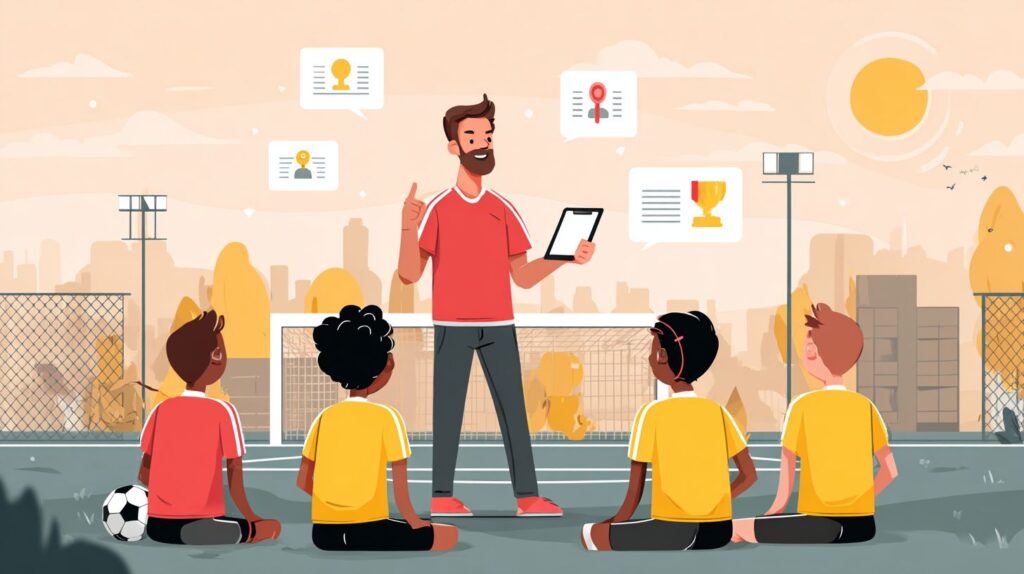
Formal education combined with hands-on training accelerates your journey to becoming a sports coach. Programs in kinesiology or sports science build foundational knowledge in anatomy, physiology, and training methods. These pathways range from associate degrees at community colleges to bachelor’s programs at universities.
Apprenticeships through local sports clubs offer practical experience alongside formal study. For example, shadowing a coach at a community soccer league helps apply classroom concepts in real games. This blend prepares you for the demands of How to Become a Sports Coach in 2026: Skills, Certifications & Career Paths.
Follow these numbered steps to get started on your education path.
- Assess current education: Review your high school transcripts or prior college credits in one week. Identify gaps in subjects like biology or physical education to plan next moves.
- Enroll in a degree program: Research community colleges for associate degrees, then transfer to universities for bachelor’s in kinesiology. Applications often take two to six months, so apply early in the academic year.
- Supplement with workshops: Attend coaching clinics on injury prevention or youth development. These short sessions, often one to two days, fill skill gaps quickly.
A common pitfall is skipping practical experience. Experts recommend at least 100 volunteer hours coaching youth teams to gain real-world insights. This hands-on time prevents theoretical knowledge from staying unused.
Gaining Practical Experience
Hands-on experience bridges the gap between theory and real-world coaching success. In How to Become a Sports Coach in 2026: Skills, Certifications & Career Paths, practical steps turn knowledge into skills. Start building experience right away to stand out.
Volunteering offers an immediate entry point. Contact local schools or clubs to assist with practices. Commit for 3-6 months to gain consistent exposure and references.
Assistant coach roles build on initial volunteering. Use networking tools like LinkedIn to connect with head coaches. These positions sharpen leadership under guidance.
Summer camps provide intensive practice. Apply by February for June starts to secure spots. They offer diverse athlete interactions and session variety.
Step-by-Step Guide to Building Experience
Follow this structured path to accumulate hands-on hours effectively. Each step prepares you for paid opportunities in coaching.
- Volunteer at schools or clubs to start immediately. Offer to help with drills or games for 3-6 months. This builds basic field time and connections.
- Secure assistant coach roles through networking on LinkedIn. Reach out to coaches in your sport with a short message about your passion. Expect part-time hours initially.
- Join summer camps by applying early, around February for June sessions. These roles involve full-day coaching and group management. Use them to test different age groups.
Track progress by logging sessions and outcomes. This creates a foundation for career advancement.
Building Your Coaching Portfolio
A strong portfolio showcases your work to future employers. Include session plans and athlete testimonials as core elements. Keep it digital for easy sharing.
Document sample plans for drills like soccer passing sequences or basketball shooting routines. Add photos or notes on adaptations made. This demonstrates planning skills.
Collect testimonials from athletes or parents after sessions. Ask for specifics on improvements seen, like better teamwork. Update regularly to reflect growth.
Present it professionally in interviews. It proves your readiness beyond certifications.
Overcoming Challenges Like Low Pay
Early roles often mean low pay or unpaid work. Balance this with side hustles to stay committed. Focus on long-term gains in experience.
- Offer private lessons in evenings, charging per session for skills like golf swings.
- Work part-time at sports retail for gear knowledge and extra income.
- Freelance fitness training online via video calls for flexibility.
Experts recommend viewing these as investments. Persistence leads to higher-paying head coach positions over time.
Navigating the Job Market
The 2026 job market favors certified coaches with proven experience and digital savvy. Competition remains strong, especially for popular youth and high school roles. Focus on platforms like TeamSnap jobs, Indeed with filters for coaching positions, and local recreation department postings to find openings.
Build a standout resume by quantifying your impact. For example, note how you improved team win rates by leading targeted drills or boosted player retention through skill-building programs. Tailor applications to highlight certifications and hands-on experience from volunteering or assistant roles.
Network at coaching clinics and join online communities for sports professionals. Track job trends on sites like LinkedIn by searching sports coach 2026. Persistence pays off, as many positions fill through referrals rather than public ads.
Prepare for interviews by practicing scenarios like handling team conflicts. Emphasize your ability to adapt to digital tools for scheduling and performance tracking. This approach positions you well for How to Become a Sports Coach in 2026: Skills, Certifications & Career Paths.
High-Demand Coaching Roles
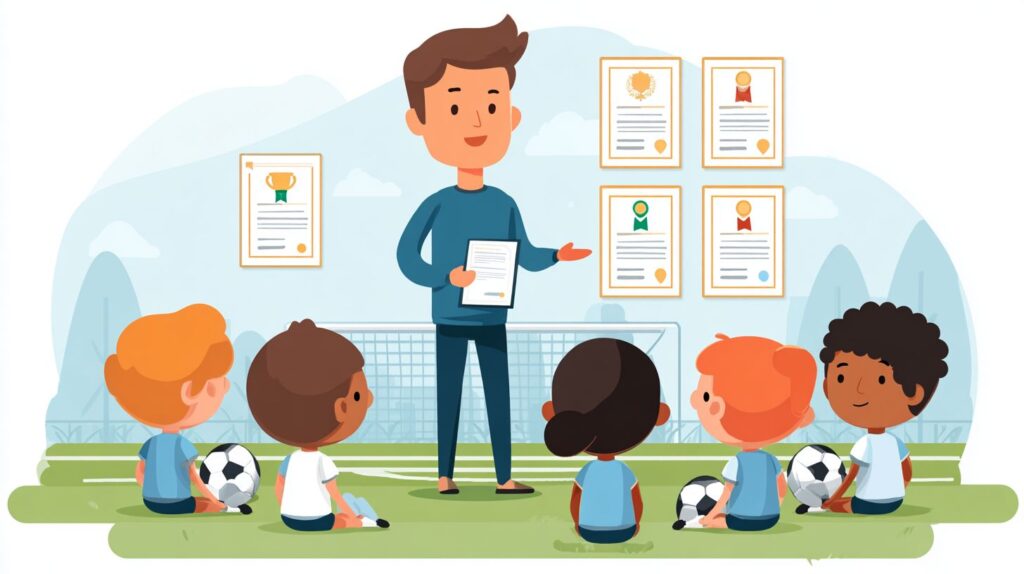
Youth soccer, high school basketball, and club volleyball coaches top the demand list in 2026. These roles offer entry points for new coaches while providing clear paths to advancement. Demand stems from growing participation in organized youth sports and school programs.
| Role | Salary Range (Entry-Level) | Requirements | Growth Potential |
|---|---|---|---|
| Youth Soccer | $30K part-time | Grassroots certification, CPR/First Aid | Path to academy director or pro scout |
| High School Basketball | $35K-$45K seasonal | State coaching license, teaching credential | Advance to college assistant coach |
| Club Volleyball | $28K-$40K | USAV certification, club experience | Lead national teams or private academy |
Follow these job search steps to land a role. Start with TeamSnap jobs for team-based postings, use Indeed filters like entry-level coach and location, and check local rec department sites weekly.
Customize your resume for each application, quantifying achievements such as leading a team to regional finals. Attend tryouts and clinics to connect with hiring managers. This strategy aligns with building a career in How to Become a Sports Coach in 2026: Skills, Certifications & Career Paths.
Advanced Career Paths
Seasoned coaches can ascend to influential roles shaping the next generation of athletes. Progression from entry-level positions often involves targeted specialization in areas like strength training or tactical analysis.
Networking plays a key part in this climb. Attend industry events to connect with scouts and executives, turning relationships into opportunities.
Focus on niches such as youth development or performance analytics to stand out. This path supports long-term success in How to Become a Sports Coach in 2026: Skills, Certifications & Career Paths.
Build a portfolio of athlete achievements to showcase your impact. Consistent results open doors to elite levels over time.
Professional and Elite Levels
Reaching professional leagues like MLS or NBA requires a track record of results and elite networking. Start by gaining experience in structured environments.
First, aim for a college assistant coach role, typically spanning 2-5 years. Here, you develop game plans and recruit talent, building credibility.
- Spend time as a college assistant to learn high-stakes coaching.
- Move to pro scout or analyst positions, using tools like Sportscode for video breakdown.
- Secure a head coach spot through credentials like the USA Pro License.
Examples include paths from college programs to AAU teams, then pro leagues. Best practices involve attending conferences like NSCA to network.
Build contacts with agents early. They often recommend coaches for openings, accelerating your rise in competitive fields.
Future Trends in Coaching
Coaching in 2026 embraces technology, data, and holistic athlete development. Coaches use tools like AI wearables and VR to enhance training. These trends help aspiring sports coaches stay competitive in evolving fields.
AI wearables such as Catapult GPS track player metrics in real time. They provide data on speed, distance, and workload during practices. Coaches analyze this to prevent injuries and optimize performance.
VR training simulations immerse athletes in game scenarios without physical risk. Mental health integration becomes standard, with coaches addressing stress and focus. Experts recommend combining these for well-rounded programs.
To prepare, follow an upskilling roadmap. Learn Python for data analysis through free Codecademy courses in about four weeks. Adopt hybrid remote and in-person models to reach more athletes.
AI and Wearables in Daily Practice
AI wearables transform how coaches monitor athletes. Devices like Catapult GPS capture movement data during sessions. This allows for personalized feedback based on actual performance.
Coaches review metrics to adjust drills on the spot. For example, a soccer coach spots fatigue patterns and rotates players early. Such tools make training more precise and effective.
Start by experimenting with affordable wearables in your current role. Pair data insights with traditional observation for best results. This prepares you for How to Become a Sports Coach in 2026.
VR Simulations for Skill Building
VR training simulations offer safe, repeatable practice environments. Athletes face virtual opponents in basketball or tennis scenarios. Coaches design sessions to target weak areas without injury risk.
These tools build decision-making under pressure. A coach might simulate high-stakes penalty kicks for soccer players. Integration saves time and boosts confidence.
Test free VR apps to get familiar. Use them alongside physical drills in hybrid setups. This skill sets you apart in modern coaching paths.
Mental Health and Holistic Approaches
Mental health integration focuses on the whole athlete. Coaches incorporate mindfulness and recovery strategies into routines. This supports long-term success beyond physical gains.
Practical steps include short breathing exercises before games. Track emotional states with simple journals or apps. Research suggests these practices improve focus and resilience.
Upskill by reading resources on sports psychology. Blend with tech trends for comprehensive care. It’s key for certifications and career paths in 2026.
Upskilling Roadmap
Build a clear upskilling roadmap to stay ahead. Begin with Python basics for data analysis via free Codecademy courses over four weeks. Apply skills to wearable data right away.
- Complete introductory Python modules on data handling.
- Practice analyzing sample sports datasets.
- Integrate findings into mock training plans.
- Explore VR tools and mental health certifications.
Shift to hybrid models by offering online sessions. This expands your reach while testing new tech. Follow this path for a thriving coaching career in 2026.
How to Become a Sports Coach in 2026: Skills, Certifications & Career Paths – Frequently Asked Questions
How to Become a Sports Coach in 2026: Skills, Certifications & Career Paths – What are the essential skills required?
To become a sports coach in 2026, focus on developing key skills like leadership, communication, technical expertise in your sport, motivational abilities, and data analytics for performance tracking. Adaptability to emerging tech like AI-driven training apps and VR simulations will set you apart in this evolving field.
How to Become a Sports Coach in 2026: Skills, Certifications & Career Paths – Which certifications should I pursue?
Essential certifications in 2026 include the National Academy of Sports Medicine (NASM) Certified Personal Trainer, USA Coaching Certification (e.g., Level 1-4 for specific sports), and CPR/AED from the Red Cross. Advanced options like the International Coach Federation (ICF) accreditation or sport-specific ones from NFHS are highly recommended for credibility.
How to Become a Sports Coach in 2026: Skills, Certifications & Career Paths – What education background is needed?
A bachelor’s degree in kinesiology, sports science, physical education, or a related field is typically required. In 2026, online programs from universities like those offering AI-integrated coaching modules will be popular, with many roles preferring a master’s for higher-level positions.
How to Become a Sports Coach in 2026: Skills, Certifications & Career Paths – What are the main career paths available?
Career paths include high school or college coaching, professional team assistant coach, private academy trainer, youth development coach, or freelance performance coach. In 2026, paths in esports coaching and virtual reality training programs are booming, offering diverse opportunities from entry-level to elite levels.
How to Become a Sports Coach in 2026: Skills, Certifications & Career Paths – How do I gain practical experience?
Start by volunteering at local clubs, assisting school teams, or interning with professional organizations. In 2026, platforms like CoachMatch apps and virtual coaching simulations provide hands-on experience, building your resume through documented hours and player success metrics.
How to Become a Sports Coach in 2026: Skills, Certifications & Career Paths – What is the job outlook and salary range?
The job outlook is strong, with a projected 20% growth due to increased sports participation and tech integration. Entry-level salaries range from $40,000-$60,000, while experienced coaches at pro levels earn $80,000+, with top earners exceeding $200,000 in 2026.