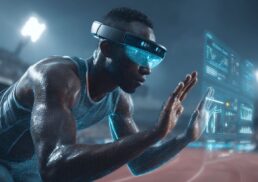
Ever wonder how top athletes in 2026 stay ahead of the competition? Dive into Modern Sports Training Methods in 2026: From Analytics to Mental Conditioning, which breaks down the latest tools like AI predictions and wearable tech that are reshaping performance. You’ll see exactly how these approaches optimize everything from movement to mindset.
Table of Contents
Key Takeaways:
- AI-driven analytics and wearable tech predict performance and optimize training in real-time, revolutionizing personalized athlete development by 2026.
- Biomechanics with motion capture and VR drills refine movement efficiency, while genetic protocols like CRISPR accelerate recovery and injury prevention.
- Neurofeedback and VR simulations advance mental conditioning, enhancing focus, resilience, and team dynamics through data-backed psychological training.
Data Analytics Revolution
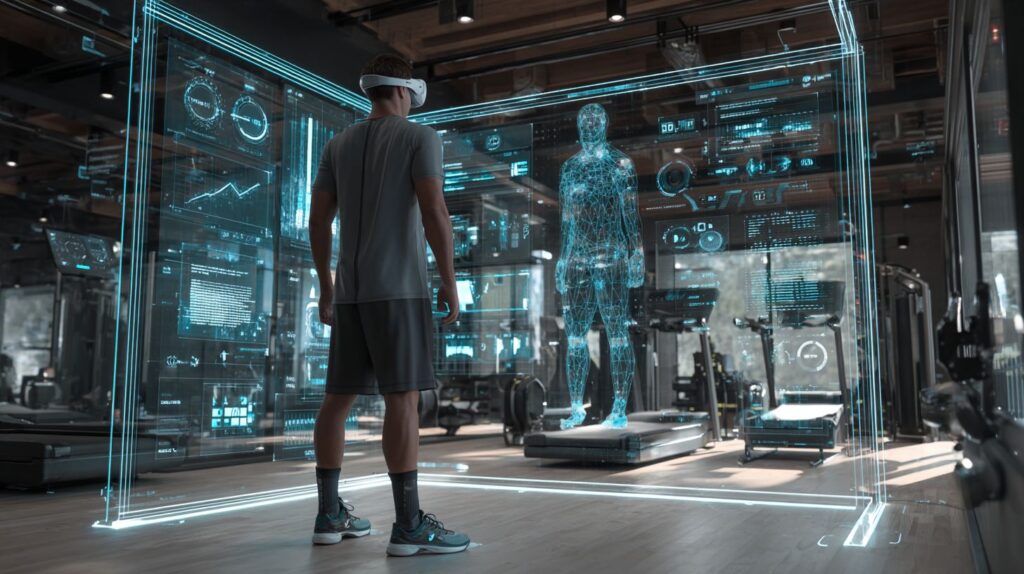
Data analytics transforms sports training by delivering precise insights into athlete performance, enabling coaches to make informed decisions in real time. This shift moves training from gut feelings to evidence-based strategies, using data from games and practices to optimize every aspect of preparation. In modern sports training methods in 2026, analytics drives smarter player development and team success.
Coaches now scout talent by analyzing movement patterns and predictive metrics, spotting potential stars before traditional tryouts. Game strategies evolve through simulations that test scenarios against opponent data. This approach reduces guesswork and sharpens focus on what works.
Linking to tools like AI predictions and wearable integration, analytics platforms process data streams for immediate feedback. Teams integrate these methods to refine tactics, such as adjusting lineups based on fatigue forecasts. The result is a competitive edge grounded in facts.
Practical applications extend to injury prevention and skill drills, where data highlights weaknesses early. Coaches review dashboards post-session to tweak plans, ensuring sustained progress in high-stakes environments.
AI-Powered Performance Prediction
AI algorithms analyze vast datasets from past games and training sessions to forecast athlete output with remarkable accuracy. Tools like TensorFlow or custom models on AWS SageMaker process metrics such as speed and shot precision. This powers modern sports training methods in 2026 by anticipating performance dips.
Follow this 5-step process for implementation. First, collect data via APIs in about 10 minutes from sources like game trackers. Second, clean the data in 30 minutes to remove errors.
- Collect data via APIs (10 min).
- Clean data (30 min).
- Train model (2-4 hours).
- Validate predictions.
- Deploy in apps.
Common pitfalls include overfitting, where models memorize data instead of learning patterns. Use cross-validation to test on unseen data, ensuring reliable forecasts. Experts recommend starting with simple models before scaling complexity.
| Tool | Key Strength | Best For |
|---|---|---|
| TensorFlow | Flexible modeling | Custom predictions |
| AWS SageMaker | Scalable training | Team-scale data |
| Custom ML | Tailored accuracy | Sport-specific metrics |
For example, predict a soccer player’s sprint endurance to adjust training loads, avoiding burnout while maximizing output.
Wearable Tech Integration
Wearables like WHOOP straps and Catapult vests track biometrics during training, feeding data directly into analytics platforms. This integration supports modern sports training methods in 2026 by providing real-time health insights. Devices capture heart rate, GPS position, and acceleration without interrupting play.
Set up with these steps for seamless use. First, pair the device in 5 minutes via Bluetooth. Second, sync to the cloud in real time for instant uploads.
- Pair device (5 min).
- Sync to cloud (real-time).
- Visualize in dashboards.
Benefits include heart rate variability monitoring for overtraining alerts, helping coaches rest athletes proactively. Dashboards from Strava API or Hudl display trends, like recovery scores after intense sessions. This data flow informs daily adjustments.
| Device | Battery Life | Key Metrics |
|---|---|---|
| WHOOP | 5 days | Strain, recovery |
| Garmin | 14 days | HRV, GPS |
| Catapult | 8 hours | Player load |
In practice, a basketball coach spots elevated fatigue via vest data, scaling back drills to prevent injury and boost long-term performance.
Biomechanics and Movement Optimization
Biomechanics uses sensor technology to refine athlete movements, reducing inefficiencies and boosting power output through targeted adjustments. Coaches apply these methods to optimize form, which cuts injury risk and enhances performance in sports like sprinting or golf. In Modern Sports Training Methods in 2026: From Analytics to Mental Conditioning, this approach focuses on precise body mechanics for lasting gains.
Athletes start with baseline assessments to identify flaws in their movement patterns. For sprinters, this means fixing hip drive issues; for golfers, it involves perfecting swing paths. Adjustments lead to smoother actions and more efficient energy use.
Experts recommend regular sessions to track progress over time. Combining biomechanics with strength work ensures changes stick. Real-world results show athletes gaining speed or distance without added strain.
Transitioning to advanced tools, real-time motion capture brings these insights live. Coaches use it for immediate corrections during drills. This integration marks a key shift in modern training practices.
Real-Time Motion Capture
Systems like Vicon or Xsens deliver instant 3D motion analysis, allowing coaches to correct form mid-session. These tools capture every joint angle and velocity in real time. In sprinting, they spot overstriding; in golf, they flag wrist breaks early.
Implementation follows a clear step-by-step process. First, calibrate markers or sensors in about 15 minutes for accuracy. Then record sessions as athletes perform drills, generating data streams for review.
Next, analyze footage with software like Theia Markerless in roughly 5 minutes post-session. Coaches review key metrics and create a feedback loop using AR overlays on the athlete’s view. This guides instant tweaks during practice.
Best practices include focusing on technique drills for maximum benefit. A common mistake is ignoring calibration drift, which skews data; use auto-checks to stay precise. Here’s a comparison of popular systems based on official specs:
| System | Approx. Cost Range | Latency | Key Feature |
|---|---|---|---|
| Vicon | High-end | Sub-10ms | Optical precision |
| Xsens | Mid-range | Under 20ms | Inertial sensors |
| Theia Markerless | Lower entry | 10-30ms | No markers needed |
Personalized Training Algorithms
Custom algorithms adapt workouts to individual athlete profiles, factoring in fatigue, goals, and progress for optimal results. These tools go beyond basic tracking by using data-driven predictions. In Modern Sports Training Methods in 2026: From Analytics to Mental Conditioning, they represent a shift toward precision.
Platforms like TrainingPeaks integrate athlete metrics into adaptive plans. Coaches input data from sessions, and the system suggests adjustments. Custom Python scripts with libraries like scikit-learn offer even more flexibility for tailored solutions.
Building a basic personalized algorithm follows these steps:
- Input athlete data such as heart rate variability, sleep quality, and past performance logs.
- Set key performance indicators (KPIs) like target pace or strength thresholds based on goals.
- Run an optimization loop daily to generate workout recommendations.
- Adjust via feedback from post-session reviews and real-time inputs.
These algorithms prevent training plateaus. For example, a marathon runner might see pacing tweaks that avoid overtraining, like reducing intensity after poor recovery days. Unlike wearables, which only monitor, algorithms actively personalize for long-term gains.
Virtual and Augmented Reality Drills
VR and AR create immersive training environments, simulating game scenarios without physical wear and tear. Tools like Oculus Quest for VR and Microsoft HoloLens for AR let athletes practice in realistic settings. This fits into modern sports training methods in 2026 by enhancing precision and decision-making.
To get started, follow these steps for effective sessions. First, select a scenario app such as STRIVR for soccer drills. Then, calibrate the headset in about 10 minutes to ensure accurate tracking.
- Select scenario app like STRIVR for soccer.
- Calibrate headset in 10 minutes.
- Run 20-30 minute drills.
- Review metrics for improvement.
Advantages include repetition without fatigue, allowing endless practice on specific skills. Athletes can repeat high-pressure moments, like penalty kicks, countless times. This builds muscle memory safely.
One challenge is motion sickness, which some users experience. Combat it with gradual exposure, starting with short sessions. Over time, the body adapts, making longer drills possible.
Genetic and Recovery Optimization
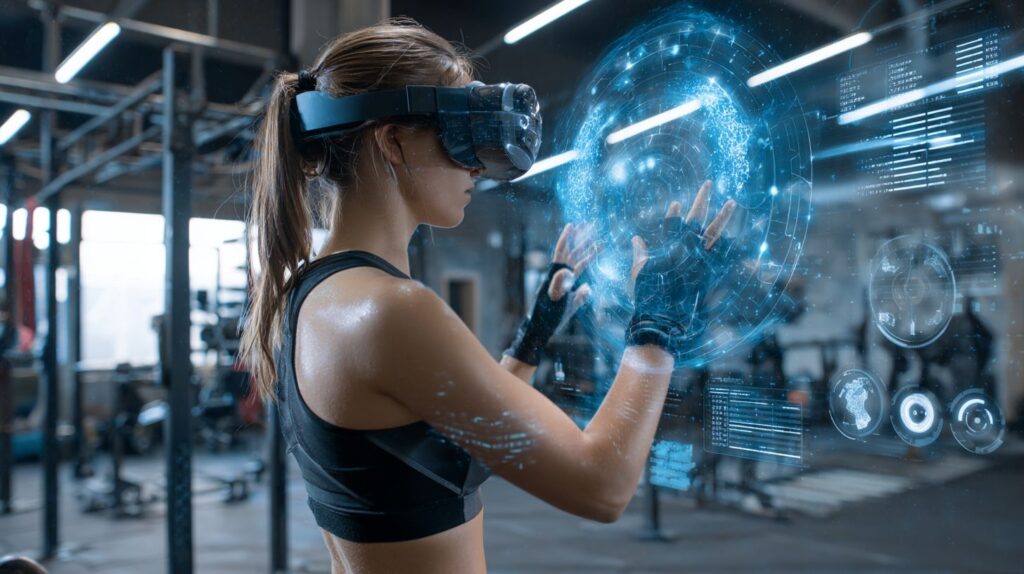
Genetic testing and advanced recovery methods tailor rest and rehab to an athlete’s DNA and biomarkers. Within Modern Sports Training Methods in 2026: From Analytics to Mental Conditioning, personalized recovery science uses data from genes and daily metrics to optimize downtime. This approach helps athletes avoid overtraining while speeding up return to peak performance.
Coaches now integrate genetic profiles with wearable data for custom plans. For example, a sprinter with variants linked to slow muscle repair might extend rest periods after intense sessions. Such tailoring fits into broader strategies from analytics to mental conditioning.
Monitoring tools like smart rings track sleep quality and heart rate variability. These provide actionable insights without needing complex lab setups. Experts recommend combining this with basic blood tests for inflammation markers to guide recovery.
Practical steps include baseline genetic scans before seasons start. Regular check-ins adjust protocols based on real-time data. This keeps training efficient and reduces injury risks in high-stakes sports.
CRISPR-Enhanced Recovery Protocols
Emerging CRISPR applications target inflammation genes to accelerate tissue repair in elite sports medicine settings. Research-stage protocols, often tested in clinical trials for tendon repair, show promise for faster healing. Coaches should view these as experimental tools, not standard practice.
To explore safely, partner with certified labs offering genetic analysis. Start by identifying athletes’ key recovery markers through simple tests. Then, track changes with pre- and post-workout biomarker checks using portable devices.
Integrate findings with proven methods like cryotherapy sessions after training. Use wearables such as the Oura Ring for daily recovery scores based on sleep and activity. This monitoring builds a data-driven picture without relying on unproven edits.
- Consult sports medicine specialists before any advanced testing.
- Log biomarker trends in team apps for pattern recognition.
- Adjust loads only when multiple metrics align positively.
- Combine with nutrition tweaks for inflammation control.
Focus remains on accessible monitoring to support natural recovery. These steps align with 2026’s emphasis on precise, athlete-specific training.
Nutrition and Biohacking
Biohacking combines continuous glucose monitors and nootropics with nutrition plans for sustained energy and focus. In modern sports training methods in 2026, athletes use these tools to optimize performance and recovery. Tools like Levels CGM or NutriSense track real-time blood sugar levels during training.
Athletes pair this data with personalized nutrition to avoid energy crashes. For example, a sprinter might adjust carbs after seeing glucose spikes from certain meals. This approach enhances endurance without relying on guesswork.
Biohacking also includes ketone testing and fasting protocols for fat adaptation. Experts recommend cycling supplements to match training phases. These methods tie directly to faster recovery in high-intensity sports.
Step-by-Step Nutrition Tracking Plan
Start with a simple daily routine to build awareness of your body’s responses. Use apps like MyFitnessPal to log macros consistently. This creates a baseline for adjustments in modern sports training.
Follow these steps for optimal results:
- Track macros via MyFitnessPal every day, noting protein, carbs, and fats from meals.
- Test ketone levels weekly with strips or a meter to measure fat-burning efficiency.
- Experiment with fasting windows, such as 16:8, to improve metabolic flexibility.
Review data weekly to refine your plan. A distance runner might shorten fasting on heavy training days. This methodical process supports sustained performance gains.
Best Practices and Supplement Cycling
Cycle supplements to prevent tolerance and align with goals. For endurance athletes, a ketogenic approach fuels long sessions with fats. Switch to higher carbs during strength phases for muscle repair.
Key practices include timing nootropics before mental drills. Pair electrolyte supplements with fasting to maintain hydration. Always consult a coach to tailor cycles.
Examples like creatine for power athletes show how cycling boosts recovery. This prevents overlap with other training elements. In 2026, these habits define elite sports biohacking.
Learn Why Supplement Cycling Might Be the Key to Long-Term …
Mental Conditioning Technologies
Mental tech strengthens psychological resilience, helping athletes maintain focus under pressure through brain-training tools. These methods stand apart from physical training by targeting the mind directly. In modern sports training methods in 2026, technologies like neurofeedback and VR build mental edge.
Athletes use these tools to sharpen concentration and recover from setbacks faster. They complement analytics and physical drills by addressing mental barriers. Coaches integrate them into weekly routines for peak performance.
From wearable devices to immersive simulations, mental conditioning tech offers real-time feedback on brain states. This shift give the power tos athletes to train their mindset as rigorously as their bodies. Results show up in high-stakes moments.
Experts recommend starting with short sessions to build habits. These technologies make mental training accessible and measurable. They fit seamlessly into holistic programs from analytics to conditioning.
Neurofeedback Training
Neurofeedback devices like Muse headbands train brainwaves for better concentration and stress control. Athletes wear them during sessions to monitor and adjust mental states in real time. This approach fits into modern sports training methods in 2026.
Implementation starts simple. First, put on the headset for two minutes to calibrate. Then play focus games in 20-minute sessions, three times a week.
Track progress through the app’s dashboard. Benefits include improved clutch performance in tense moments, like final laps or free throws. Pitfalls arise from inconsistent use, so set scheduled reminders.
| Feature | Muse | Emotiv |
|---|---|---|
| EEG Sensors | 4 channels | 5-14 channels |
| Focus Games | Built-in meditation | Custom profiles |
| App Tracking | Daily reports | Advanced analytics |
| Price Range | $250-$400 | $300-$800 |
Choose based on needs, like portability for Muse or depth for Emotiv. Pair with coaching for best results. Consistency turns brain training into a game-changer.
VR Psychological Simulation

VR simulates high-stakes scenarios, like penalty shootouts, to build mental toughness without real-world consequences. This focuses on psychology, unlike physical VR drills. It enhances mental conditioning in 2026 sports training.
Apps like Flowly create anxiety simulations for emotional prep. Steps include choosing a scenario, immersing for 15 minutes, then debriefing emotions. This builds resilience step by step.
- Select a pressure situation, such as a tiebreaker.
- Enter VR and experience it fully.
- Review feelings afterward to process reactions.
Practical wisdom calls for journaling post-session. Write about “heart racing before the shot” to deepen insights. This emotional processing speeds mental growth.
Athletes report calmer responses in actual games after regular use. Integrate into routines twice weekly. Coaches guide debriefs for team benefits.
Team Dynamics Analytics
Analytics dissect team interactions, optimizing passing networks and leadership roles through social graph modeling. Coaches in 2026 use this approach to reveal hidden patterns in group performance. It shifts focus from individual stats to collective efficiency in Modern Sports Training Methods in 2026: From Analytics to Mental Conditioning.
Tools like Gephi or Hudl create visualizations of player connections. Teams log game data first, such as passes and assists. Building graphs takes about one hour, allowing quick insights into bottlenecks.
The process starts with logging interactions from game data. Next, coaches build network graphs to map relationships. They then identify issues like overloaded players or weak links in possession chains.
For example, in soccer, possession chains show how teams maintain control. Analytics highlight central players who dictate play. This group focus uncovers dynamics that individual metrics miss.
Key Tools for Visualization
Gephi excels at open-source network analysis for sports teams. It renders complex graphs of passes and communications. Hudl provides sport-specific dashboards for real-time team insights.
Coaches import data into these tools to spot patterns. Gephi handles large datasets for detailed modeling. Hudl integrates video footage with analytics for comprehensive reviews.
Choose Gephi for custom graphs in research settings. Use Hudl for quick, team-ready visualizations. Both support Modern Sports Training Methods in 2026: From Analytics to Mental Conditioning by making data accessible.
Step-by-Step Process
Begin by logging interactions from game data, including passes, tackles, and positions. Collect this during matches or practices for accuracy. Raw data forms the foundation of analysis.
- Log all player interactions from footage and sensors.
- Build graphs in one hour using Gephi or Hudl.
- Analyze to identify bottlenecks like slow transitions.
Refine models weekly to track improvements. This methodical approach boosts team cohesion over time.
Real-World Examples
Soccer teams map possession chains to optimize build-up play. Analytics reveal if midfielders overload wings, causing turnovers. Adjustments strengthen overall flow.
Basketball squads analyze assist networks for leadership roles. Graphs show who drives team scoring. Coaches reassign duties based on these insights.
This group vs. individual focus transforms training. Teams simulate weak links in drills. Results lead to balanced dynamics and better wins.
Injury Prevention Systems
Predictive systems combine wearables and AI to flag injury risks early, enabling proactive adjustments. Platforms like Zone7 and Kitman Labs lead this shift in modern sports training methods in 2026. They analyze data patterns beyond simple tracking.
Coaches start by establishing a baseline athlete workload during preseason. This captures normal training loads for each player. From there, systems track daily activities to build a reliable profile.
Next, teams monitor acute:chronic workload ratios in real time. Acute load covers the past week, while chronic spans four weeks. Deviations signal potential overload.
Systems set alert thresholds delivered via mobile apps. For example, if a soccer player’s ratio spikes, coaches receive instant notifications. Weekly reviews ensure adjustments like reduced sessions or recovery days.
Key Steps in Implementation
Begin with baseline data collection over two to four weeks. Integrate inputs from sessions, games, and sleep patterns. This foundation powers accurate predictions.
- Establish baseline athlete workload to define normal patterns.
- Monitor acute:chronic ratios daily for emerging risks.
- Trigger alert thresholds through app notifications for quick action.
- Conduct weekly reviews to refine models and workloads.
Experts recommend pairing these steps with team meetings. Discuss alerts to tailor responses, such as light drills for at-risk athletes.
Prediction Models in Action
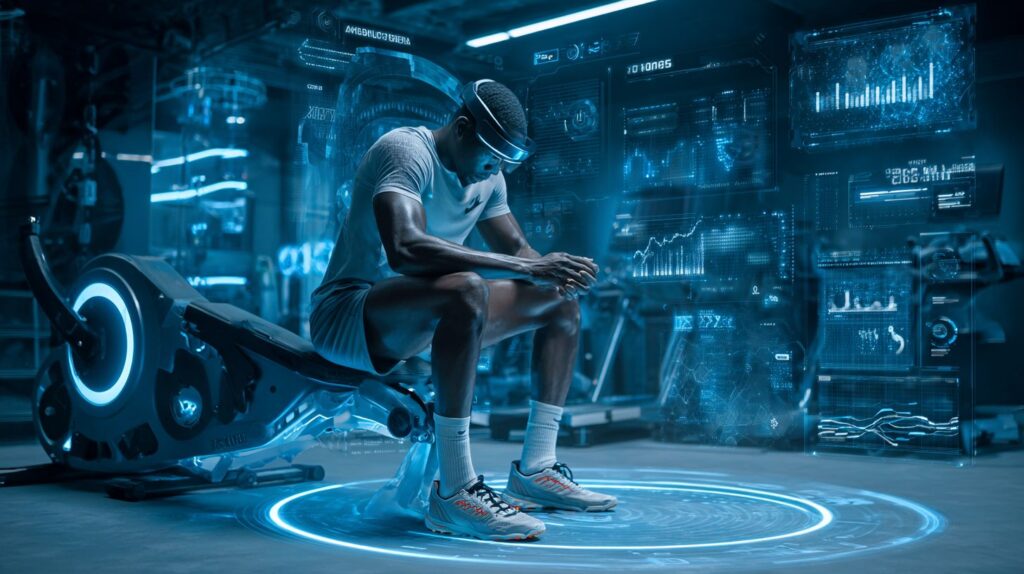
Unlike basic wearables, these AI-driven models predict injuries by spotting subtle trends. For instance, a basketball player’s unusual sprint patterns might forecast hamstring issues. Platforms process vast datasets for personalized insights.
Teams using Zone7 report fewer sidelined days through early flags. Mental conditioning ties in, as reduced injury fear boosts performance. Analytics from games refine model accuracy over time.
Best practices include cross-checking model outputs with staff input. Rotate workloads weekly to stay under thresholds. This proactive approach defines sports training in 2026.
Frequently Asked Questions
What are Modern Sports Training Methods in 2026: From Analytics to Mental Conditioning?
Modern Sports Training Methods in 2026: From Analytics to Mental Conditioning represent a holistic approach integrating data-driven analytics, biomechanical tracking, and psychological techniques. Analytics use AI-powered wearables and real-time video analysis to optimize performance, while mental conditioning employs VR simulations and neurofeedback to build resilience and focus, revolutionizing athlete preparation across sports.
How do analytics play a role in Modern Sports Training Methods in 2026: From Analytics to Mental Conditioning?
In Modern Sports Training Methods in 2026: From Analytics to Mental Conditioning, analytics dominate through advanced AI algorithms that process vast datasets from sensors, predicting injury risks, refining techniques, and personalizing workouts. Tools like machine learning models analyze movement patterns in milliseconds, enabling coaches to adjust training dynamically for peak performance.
What is the importance of mental conditioning in Modern Sports Training Methods in 2026: From Analytics to Mental Conditioning?
Mental conditioning is pivotal in Modern Sports Training Methods in 2026: From Analytics to Mental Conditioning, addressing the psychological demands of elite sports. Techniques such as biofeedback, mindfulness apps integrated with EEG headsets, and AI-guided visualization help athletes manage stress, enhance concentration, and recover from setbacks, complementing physical analytics for comprehensive training.
How has technology evolved in Modern Sports Training Methods in 2026: From Analytics to Mental Conditioning?
Technology in Modern Sports Training Methods in 2026: From Analytics to Mental Conditioning has evolved with 6G-enabled IoT devices, quantum computing for predictive modeling, and AR overlays for real-time feedback. These advancements bridge analytics and mental conditioning, allowing immersive training environments that simulate game pressures virtually.
What are examples of Modern Sports Training Methods in 2026: From Analytics to Mental Conditioning in team sports?
In team sports, Modern Sports Training Methods in 2026: From Analytics to Mental Conditioning include swarm intelligence analytics for tactical positioning in soccer, synchronized VR drills for basketball teamwork, and group neurotraining sessions to foster collective mental toughness, ensuring synchronized physical and psychological readiness.
How can athletes adopt Modern Sports Training Methods in 2026: From Analytics to Mental Conditioning?
Athletes can adopt Modern Sports Training Methods in 2026: From Analytics to Mental Conditioning by integrating affordable apps with smartwatches for analytics, daily mental conditioning via apps like CalmAI or Headspace Pro, and consulting coaches certified in hybrid programs. Starting with baseline assessments ensures personalized progression from analytics insights to mental mastery.