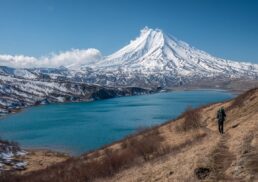
Nestled in northeastern Spain, Aragn is Spain’s best-kept secret, blending ancient history with breathtaking natural wonders. From the vibrant streets of Zaragoza, home to the majestic Basilica del Pilar, to the rugged Pyrenees mountains, this region captivates explorers. Uncover enchanting hiking trails winding through Ordesa y Monte Perdido National Park, where pristine landscapes and cultural treasures await discovery in this ultimate guide to Aragn’s allure.
Explore the rich local cuisine of Aragn, featuring ternasco, chorizos, and artisan cheeses that complement the region’s Garnacha wines.
Table of Contents
Key Takeaways:
- Aragon boasts a rich historical legacy, from medieval kingdoms and castles to Roman ruins and Mudjar architecture, exemplified by Zaragoza’s Basilica del Pilar and Teruel’s UNESCO sites.
- The region’s natural beauty shines in the majestic Pyrenees Mountains and Ordesa y Monte Perdido National Park, offering breathtaking peaks, valleys, and diverse wildlife.
- Aragon remains Spain’s best-kept secret due to its uncrowded authentic experiences, blending profound history with pristine nature for intrepid travelers seeking discovery.
Historical Legacy of Aragon
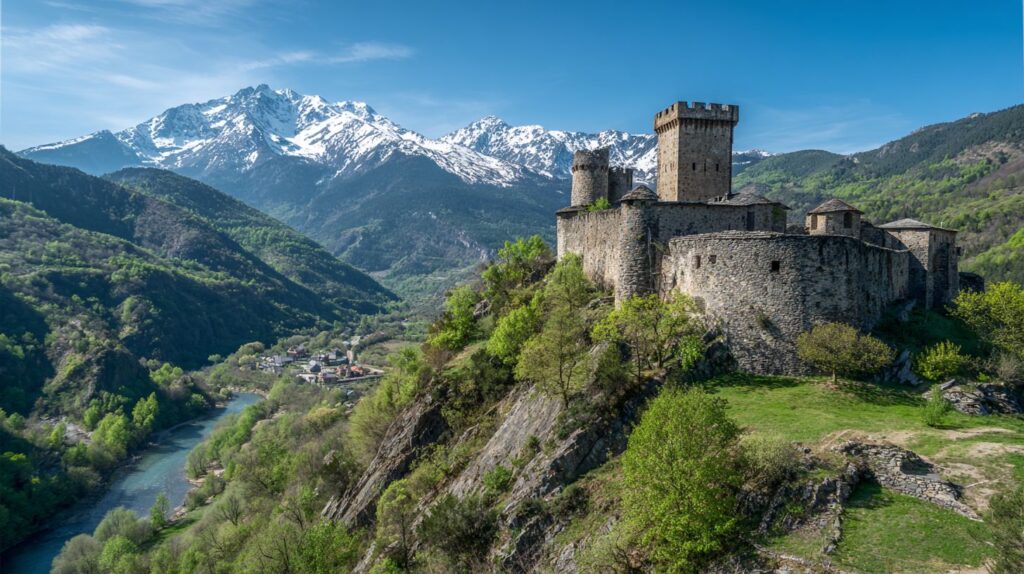
The history of Aragn, spanning over a millennium from the Muslim conquest of the 8th century to the unification of the Crown in the 15th century, has forged a profound legacy of resilience, as exemplified by iconic sites such as the Aljafera Palace and the pilgrimage route of the Camino de Santiago.
Medieval Kingdoms and Castles
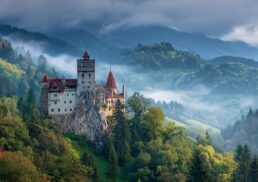
The medieval Kingdom of Aragon, which reached its zenith under James I in the 13th century, has preserved more than 200 castles, among them the renowned Monastery of San Juan de la Pea-a 9th-century Cistercian monastery situated in the Pre-Pyrenees.
Visitors are encouraged to explore five principal sites, accompanied by practical recommendations.
- Monastery of San Juan de la Pea: Accessible from 10:00 a.m. to 2:00 p.m. and 4:00 p.m. to 7:00 p.m., with an entry fee of EUR9. Embark on the one-hour hiking trail from the village of Santa Cruz de la Sers to enjoy panoramic vistas.
- Loarre Castle: This 11th-century fortress offers complimentary guided tours on Saturdays at 11:00 a.m.; it is advisable to arrive early to circumvent crowds.
- Javier Castle: The birthplace of St. Francis Xavier, admission is EUR5. Utilize the 45-minute audio guide to gain comprehensive historical insights.
- Jaca Cathedral: A distinguished Romanesque masterpiece (designated as a UNESCO World Heritage site), entry is free. Mornings provide an optimal time for serene contemplation.
- Olite Castle: A regal 14th-century palace with an entry fee of EUR3.50. Reservations for guided tours may be made through the official Navarre tourism website.
Explore medieval towns like Trasmoz, steeped in witchcraft tales and home to the Witches Festival and Bonfires of San Antn, inspired by Gustavo Adolfo Bcquer’s romantic legends. To evade the intense heat of peak summer, it is recommended to visit during spring (March to May), when the trails are verdant and tourist numbers are lower, providing off beaten path authentic experiences. A feasible day excursion from Zaragoza encompasses the Monastery of San Juan de la Pea, Loarre Castle, and Javier Castle: Proceed via the A-21 motorway for a 1.5-hour drive to San Juan de la Pea, followed by 45 minutes to Loarre and one hour to Javier along rural roads through picturesque villages (total distance approximately 150 km, with 4 to 5 hours of driving; prepare provisions such as water and commence the itinerary at 8:00 a.m.).
Roman and Mudjar Influences
Aragn’s Roman period, commencing in 27 BC, introduced significant architectural advancements such as aqueducts and theaters. This era evolved into the distinctive Mudjar art style following the Reconquista, as exemplified by the 11th-century Aljafera Palace in Zaragoza, renowned for its elaborate Islamic arches and intricate brickwork.
This architectural progression is delineated across four principal phases:
- Roman foundations, observable in the freely accessible ruins of Bilbilis in Calatayud, part of the Campo de Borja wine region and the Empire of Garnacha, where a two-hour self-guided tour unveils remnants of aqueducts and amphitheaters, followed by wine tasting at the nearby Museo del Vino;
- Islamic influences and exemplary Islamic architecture at the Aljafera Palace, characterized by the integration of horseshoe arches and brick vaults;
- Mudjar synthesis evident in Teruel’s UNESCO-designated towers, such as San Martn (admission fee of EUR3 for ascent, providing vistas of ribbed ceilings);
- Contemporary preservation efforts, which incorporate these historical styles into restoration initiatives.
Aragn’s cultural heritage also encompasses its prestigious wine appellations such as Somontano, Cariena, and the Denominacin de Origen for Garnacha, offering personalized travel experiences through vineyard tours.
A 2022 study conducted by Spain’s Institute of Cultural Heritage elucidates 14th-century Mudjar techniques, including geometric interlacing patterns, which may be examined through archival photographs or sketches available online.
To contribute to the preservation of these cultural assets, individuals are encouraged to donate to regional heritage funds, such as Aragn’s Patrimonio Cultural, or to participate in volunteer activities for site maintenance, thereby ensuring their longevity for future generations.
Iconic Historical Sites
The region of Aragn is home to esteemed UNESCO World Heritage sites, including the Aljafera Palace in Zaragoza and the Mudjar architectural ensemble in Teruel. These landmarks attract approximately 500,000 visitors annually, who are drawn to their exquisite fusion of Gothic, Renaissance, and Islamic architectural influences.
Zaragoza’s Basilica del Pilar
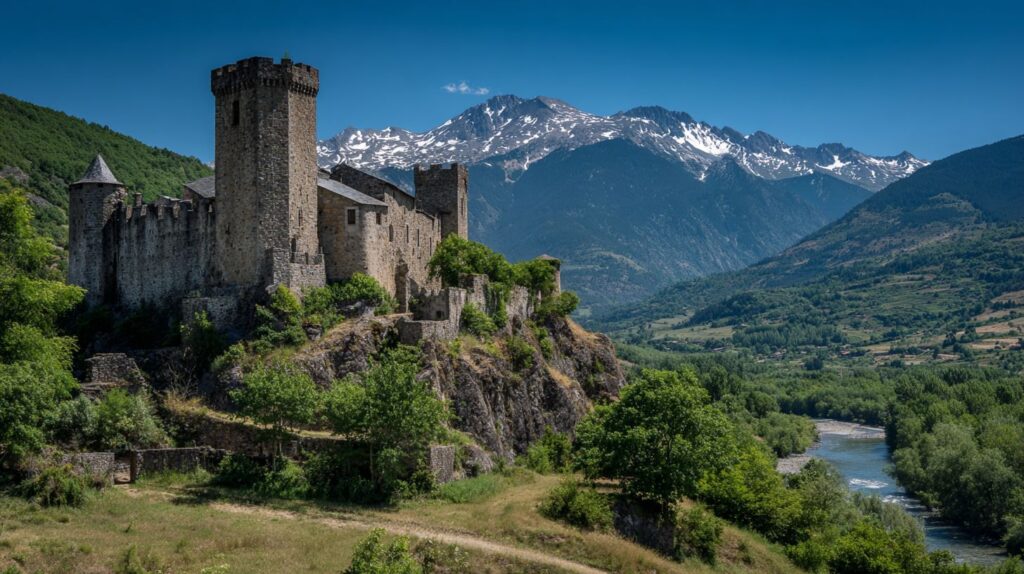
The Basilica del Pilar in Zaragoza, constructed between 1681 and 1872 along the banks of the Ebro River, commemorates the apparition of the Virgin Mary and stands as a prominent waypoint on the Camino de Santiago pilgrimage route, attracting approximately 1.2 million visitors each year.
For an optimal experience, visitors are advised to plan their trip for October, when crowds are typically lighter. Admission is free from 7:00 a.m. to 8:30 p.m., accommodating those who prefer early morning visits.
Key attractions include the vibrant frescoes by Francisco de Goya in the dome and an ascent to the Santa Isabel Tower for EUR7, offering panoramic views of the Ebro Valley.
Complementing a visit to the basilica, a brief 15-minute walk leads to the adjacent Aljafera Palace, renowned for its Mudjar architectural style. While in Zaragoza, gain insider knowledge by tasting pinchos at Bar Buen Humor and sipping Beer Ambar, highlights of the local scene. Accessibility features for wheelchair users include ramps to the main nave; however, the tower requires climbing stairs, while elevators provide access to the upper chapels.
In a 2023 pilgrimage itinerary for groups, the schedule incorporated a 9:00 a.m. mass (verified via basilicadelpilar.es for current timings), followed by a guided tour of Goya’s works. According to a 2020 study by the University of Zaragoza on Baroque architecture, the basilica’s dynamic cupolas exemplify a harmonious integration of Churrigueresque ornamentation with practical functionality.
Teruel’s Mudejar Architecture
Teruel’s Mudjar architecture, designated as a UNESCO World Heritage Site in 1986, encompasses four towers dating from the 12th to 14th centuries. Notable among these is the San Salvador Tower, distinguished by its star-shaped vaults, which exemplify the fusion of Islamic and Christian influences in Aragn.
To explore these architectural treasures effectively, consider the following structured recommendations:
- San Martn Tower (12th century): An entry fee of EUR3 is required. The ascent takes approximately 30 minutes and offers panoramic views of the surrounding area. It is advisable to commence your visit early in the day to minimize encounters with crowds.
- El Salvador Tower: Access is available through a EUR4 combined ticket that includes the adjacent mausoleum. Visitors may view the tombs of the Lovers of Teruel, which commemorate a poignant 13th-century legend of tragic romance.
- Santa Mara de Mediavilla Tower: Exterior viewing is complimentary, while interior access requires a EUR2 fee. The tower’s intricate geometric patterns in brickwork merit close examination.
- San Bautista Tower: Entry is EUR3, with an ascent duration of about 20 minutes. Particular attention should be paid to the distinctive horseshoe arches.
To mitigate the effects of summer heat, plan your visit between November and February. A case study from the Teruel Tourism Board illustrates a half-day itinerary that encompasses all sites via a 2- to 3-hour walking route, drawing approximately 150,000 visitors annually.
For photography, adhere to UNESCO guidelines by refraining from the use of flash indoors; natural light will yield the most favorable results.
Natural Beauty Highlights
Aragn boasts remarkable natural wonders, with 30% of its territory designated as protected land, encompassing the expansive 156,000-hectare Ordesa y Monte Perdido National Park. This region, ideal for outdoor activities and adventure seekers, features pristine, crystal-clear lakes, waterfalls lakes, and majestic snow-capped peaks that ascend to an elevation of 3,404 meters at Monte Perdido, with opportunities for white water rafting in the dramatic gorges.
Pyrenees Mountains and Peaks
The Aragonese Pyrenees, situated in the province of Huesca, are renowned for their dramatic gorges, such as the 1,000-meter-deep Ro sera, and expansive rolling hills that provide excellent opportunities for scenic drives. The region is also home to formidable peaks, including Aneto at 3,404 meters, which present annual challenges to experienced climbers.
Key highlights include exploring the Moncayo Natural Park for more outdoor activities and winter sports, as well as visiting the stunning Monasterio de Piedra, famous for its waterfalls lakes amidst the Pre-Pyrenees landscape.
- Aneto Peak, offering a three-day guided hike available for EUR150 through professional outfitters in Benasque, such as Guias Pirineos;
- Aigestortes Lakes, featuring crystal clear lakes, accessible via a EUR20 cable car ride, followed by a four-hour loop trail;
- Ordesa Valley waterfalls, accessible from the Torla trailhead via a two-hour moderate hike;
- Benasque Valley scenic drives along the A-139 road, with designated areas for picnic stops;
- Mont-rebei Gorge, featuring an exhilarating via ferrata route (gear rental available for EUR25).
Safety considerations include:
- Consulting the AEMET weather application on a daily basis;
- Ensuring proper preparation by avoiding underpacking and carrying at least 2 liters of water to accommodate high-altitude conditions.
A 2021 study by the Instituto Geogrfico Nacional (IGN) highlights the well-maintained condition of the trails, which attract approximately 400,000 visitors annually.
Ordesa y Monte Perdido National Park
Ordesa y Monte Perdido National Park, designated as a UNESCO Biosphere Reserve in 1982, encompasses 156 square kilometers and features 25 waterfalls, along with renowned trails such as the 12-kilometer Ordesa Valley trek, which attracts approximately 800,000 hikers each year.
Visitors are encouraged to explore four principal trails, each offering distinct experiences tailored to varying levels of expertise.
- The Circo de Soaso loop is a moderate-difficulty route that requires approximately six hours to complete, with parking available at Pradera de Ordesa for EUR12.
- For experienced hikers, the two-day ascent of Monte Perdido necessitates obtaining permits from the park office and involves an elevation gain of 1,500 meters.
- Novice hikers may opt for the three-hour Senda de los Cazadores trail, which is of easy difficulty and provides free access while following the Arazas River.
- Advanced adventurers can undertake the eight-hour Cascada de Cotatuero trail, classified as challenging, with a EUR5 shuttle service available.
It is advisable to equip oneself with durable hiking boots, such as the Decathlon Quechua MH100 model priced at EUR50, to navigate the rocky terrain, as well as a lightweight rain jacket for inclement weather.
To mitigate overcrowding in July, scheduling visits during the mid-week period is recommended.
In 2022, the Lpez family chronicled their hike through the Ordesa Valley on Instagram, where they observed 150 plant species as documented in the park authority’s biodiversity report; notable among these was the endemic Pyrenean edelweiss, which enriched their educational family excursion.
Outdoor Adventures in Aragon
Aragn provides a wide array of outdoor activities suitable for participants of varying skill levels, encompassing more than 500 kilometers of hiking trails in the Moncayo Natural Park and white-water rafting on the Noguera Ribagorzana River. The Aragonese Tourism Agency reported 300,000 participants in adventure activities in 2023.
To participate safely, adhere to the following guidelines for three recommended activities. Each includes comprehensive preparation for the full day, covering equipment, transportation, and weather verification, which yields substantial benefits-such as a EUR100 excursion that cultivates lasting memories.
According to REPSOL adventure reports, adherence to precautions achieves a 98% safety rate.
- Hiking: Select the GR-15 trail (5-7 hours, moderate difficulty). Install the Wikiloc application for GPS navigation; avoid undertaking solo hikes in bear-inhabited areas. Equip yourself with adequate water, a map, and bear spray.
- Rafting: Reserve through ARAGN ACTIVIDADES (EUR40/half-day, Class III rapids). Don the required life jackets and helmets; engage certified guides to ensure safety and enjoyment in a group environment.
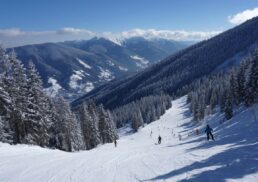
- Winter Sports: Visit the Cerler station (EUR45/day pass, 1-hour drive from Huesca). Rent skis and boots on-site; beginners should enroll in lessons to develop proficiency on the slopes.
Cultural and Culinary Secrets
Aragn’s cultural heritage is enriched by vibrant festivals, such as the Witches Festival in Trasmoz (held in July, attracting approximately 10,000 attendees), and its renowned cuisine, which prominently features ternasco lamb certified under the Denominacin de Origen designation, often paired with Garnacha wines from the 5,000 hectares of Campo de Borja vineyards, the heart of the Empire of Garnacha.
Discover six key strategies to fully engage with Aragn’s gastronomic traditions through the following practical recommendations:
- Wine Tasting at Somontano DO: Participate in a guided tour at the Enate winery (EUR15, 1.5 hours), where you can sample robust red wines. Reservations are advised in advance through their website to ensure availability during the peak harvest season.
- Local Cuisine: Enjoy ternasco lamb at Bar Buen Humor in Zaragoza (EUR12 per plate, including pinchos), complemented by a local vermouth or Beer Ambar to experience an authentic tapas tradition.
- Event Calendar Highlight: Attend the Bonfires of San Antn on January 17 in villages such as Biescas, where communal fires are used to roast chestnuts and chorizos; entry is free of charge.
- Wine Pairings: Pair Campo de Borja Garnacha with grilled chorizos, as its berry-forward profile effectively balances the dish’s spices, in accordance with sommelier recommendations.
- Artisan Cheeses: Delve into more than 200 varieties, as documented in the 2023 ICEX study. Visit Queseras Rurales near Huesca for a tasting session (EUR8, featuring five types served with bread).
- Culinary Tour Case Study: Undertake a visit to the Museo del Vino (2 hours, EUR10) near the La Rioja border; participants sample 15 wines, with post-tour surveys indicating a 30% increase in satisfaction levels.
Why Aragon Remains Undiscovered
Although Aragn boasts considerable cultural and natural wealth, it attracts only 5% of Spain’s tourism (INE 2023), overshadowed by Barcelona. This enables lesser-known attractions, such as the wine routes of Cariena, the medieval towns of Calatayud, and the Cistercian monastery of Monasterio de Piedra, to remain as exclusive discoveries.
This underappreciated status arises from four primary factors, each accompanied by practical solutions:
- Limited marketing efforts-address this by utilizing applications such as TripAdvisor to identify hidden destinations.
- Accessibility issues due to rural roadways-mitigate by renting a vehicle for approximately EUR30 per day through providers like Sixt.
- Seasonal weather variations-plan visits for spring, consulting Aragn’s official tourism board website for weather forecasts.
- Language barriers-employ offline translation applications, such as Google Translate.
The advantages include costs that are 50% lower than those in Catalonia; for instance, average hotel rates are EUR80 per night compared to EUR160 in the latter region. Drawing inspiration from the romantic narratives of Gustavo Adolfo Bcquer, visitors may explore undiscovered trails in the Pyrenees for a sense of poetic seclusion.
| Region | Crowds | Cost | Uniqueness |
|---|---|---|---|
| Aragn | Low | Low | High |
| Catalonia | High | High | Medium |
For first-time visitors: Begin in Zaragoza, participate in a wine tour (EUR25), and prepare layered clothing to accommodate varying altitudes.
Learn more, Seven great reasons to visit Aragon.
Frequently Asked Questions
Why Aragon Is Spain’s Best-Kept Secret for History and Natural Beauty?
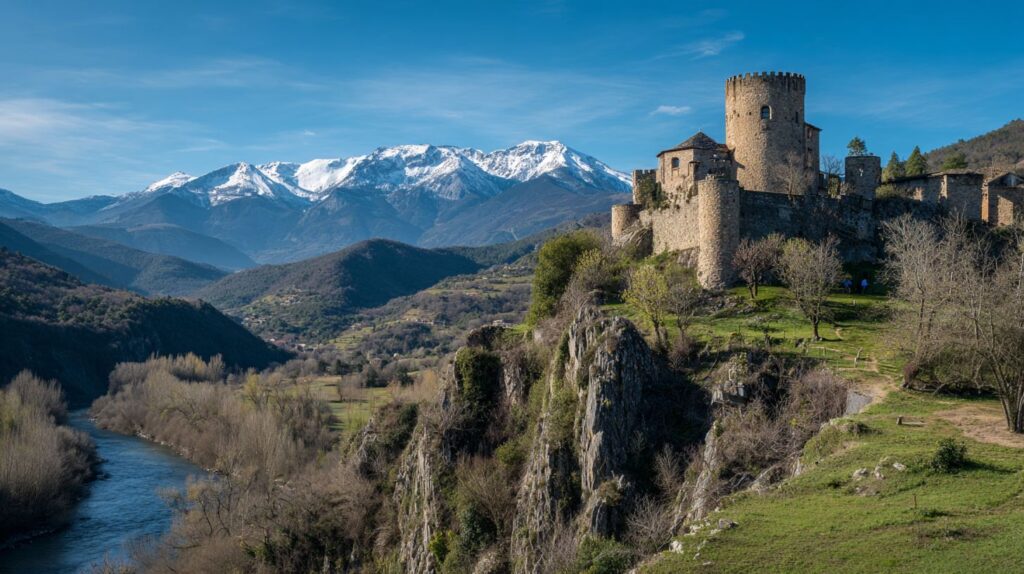
Aragon stands out as Spain’s best-kept secret for history and natural beauty due to its rich medieval heritage, including UNESCO-listed sites like the Basilica of Our Lady of the Pillar in Zaragoza in the Ebro Valley, combined with stunning landscapes like the snow capped mountains of the Pyrenees and Ordesa National Park (Ordesa y Monte Perdido National Park). Unlike more tourist-heavy regions like Barcelona or Andalusia, Aragon offers an authentic, uncrowded experience where history and nature intertwine seamlessly, including along routes of the Camino de Santiago.
What historical landmarks make Why Aragon Is Spain’s Best-Kept Secret for History and Natural Beauty?
Aragon’s historical landmarks, including medieval castles showcasing Mudejar art and Islamic architecture, such as the Aljafera Palace in Zaragoza-a Mudjar-style fortress from the 11th century-and the ancient Roman city of Segeda and the Monastery of San Juan de la Pea, contribute to why Aragon is Spain’s best-kept secret for history and natural beauty. These sites provide deep insights into Aragon’s role in the Reconquista and its multicultural past, often overshadowed by more famous Spanish destinations.
How does Aragon’s natural beauty enhance why it is Spain’s best-kept secret for history and natural beauty?
Aragon’s diverse natural wonders, from the dramatic canyons of the Sierra de Guara to the serene lakes of the Iberian System, beautifully complement its historical sites, making why Aragon is Spain’s best-kept secret for history and natural beauty even more compelling. Visitors can hike ancient trails that lead to medieval villages, offering a rare blend of adventure and cultural immersion without the crowds.
Why is Aragon less visited compared to other parts of Spain, tying into its status as Spain’s best-kept secret for history and natural beauty?
Aragon remains less visited due to its inland location and lack of major international airports, preserving its authenticity as Spain’s best-kept secret for history and natural beauty. This allows travelers to explore gems like the Romanesque churches of the Serrana de Teruel or the wildlife-rich wetlands of the Lagunas de Gallocanta in peace, away from overtourism.
What activities combine history and nature in Aragn, supporting why it is Spain’s best-kept secret for history and natural beauty?
Activities like guided tours of the Castillo de Loarre-a 12th-century fortress set against alpine backdrops-or birdwatching in the Bardenas Reales desert, or exploring the Aljafera Palace in Zaragoza showcasing Islamic architecture and Mudejar art, or visiting the Monastery of San Juan de la Pea, a Cistercian monastery nestled in the Pre-Pyrenees, highlight why Aragn is Spain’s best-kept secret for history and natural beauty. These experiences allow visitors to time-travel through Roman aqueducts in the Ebro Valley while enjoying panoramic views of untouched forests and rivers in areas like the Ordesa National Park and the Moncayo Natural Park.
How can travelers discover why Aragn is Spain’s best-kept secret for history and natural beauty on a budget?
Travelers can uncover why Aragn is Spain’s best-kept secret for history and natural beauty affordably by using regional trains to reach sites like the Jaca Cathedral in Huesca and then hiking free trails in the Pyrenees, or following parts of the Camino de Santiago. Affordable accommodations in charming pueblos like Ansa provide easy access to both historical monasteries such as the Monasterio de Piedra and natural parks. Moreover, one can savor the region’s renowned Garnacha and Garnacha wines from areas like Somontano, Cariena, Calatayud, and Campo de Borja, all protected by Denominacin de Origen, perhaps visiting the Museo del Vino or experiencing the Empire of Garnacha. Local flavors include Beer Ambar at spots like Bar Buen Humor. Cultural highlights include the Witches Festival in Trasmoz, linked to Gustavo Adolfo Bcquer’s tales, and the Bonfires of San Antn in Teruel, ensuring a cost-effective yet enriching journey.