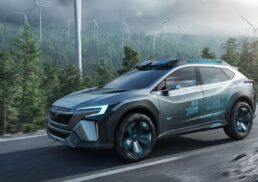
The automotive industry is currently experiencing a significant transformation, influenced by a convergence of technological advancements, innovation trends, and evolving consumer preferences. The increasing demand for electric vehicles, coupled with supportive government initiatives, signifies a crucial shift towards sustainability. Innovations in autonomous driving technology, including autonomous vehicles and self-driving cars, are redefining our understanding of mobility, while the use of sustainable materials in manufacturing addresses pressing environmental concerns. As shared mobility services gain prominence and vehicle connectivity enhances user experiences, the future of the automotive landscape is poised for remarkable changes. It is essential to explore these trends and their potential impact on the transportation sector by 2025.
Table of Contents
Key Takeaways:
- The automotive industry is shifting towards electric vehicles due to a growing demand and government initiatives, driving towards a greener and more sustainable future.
- The rise of autonomous driving technology is not only bringing advancements in the industry, but also has the potential to greatly impact the way we drive and use cars in the future.
- Incorporating sustainable materials in car manufacturing can bring multiple benefits, but also poses challenges as the industry continues to prioritize making more eco-friendly choices.
The Shift Towards Electric Vehicles
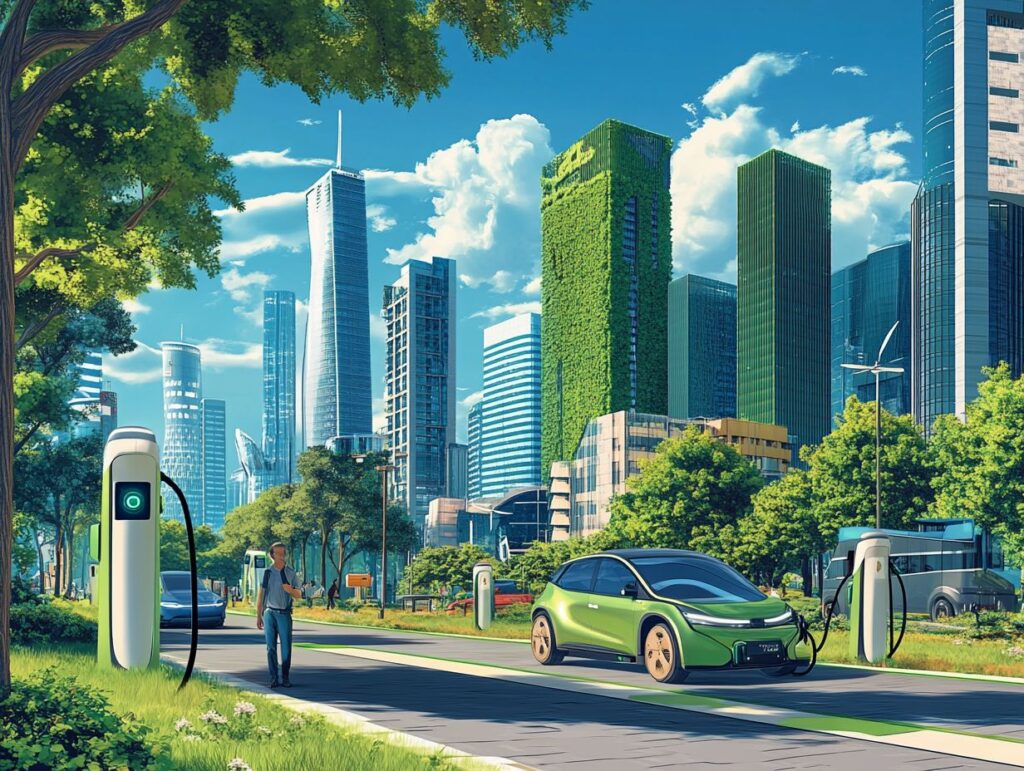
The automotive industry is currently experiencing a substantial transformation as the transition towards electric vehicles accelerates, fueled by increasing consumer demand, government initiatives, and the imperative for environmental sustainability.
This evolution is characterized by advancements in electric vehicle (EV) technology, including lithium-ion batteries, alternative fuels, and innovative mobility solutions. Prominent automakers such as Toyota, Volkswagen, and Hyundai are leading this transition, adapting to market growth and evolving consumer preferences while also addressing challenges within the automotive supply chain.
According to the International Energy Agency, the electrification of vehicles, including the rise of electric cars, is anticipated to redefine the automobile sector and generate new opportunities for innovation and sustainability efforts.
Growing Demand and Government Initiatives
The increasing demand for electric vehicles (EVs) is primarily driven by heightened consumer awareness regarding environmental sustainability, alongside a growing number of government initiatives aimed at promoting cleaner transportation alternatives.
In recent years, various federal and state programs, including tax credits, rebates, and grants, have incentivized both manufacturers and consumers to adopt electric mobility. These initiatives not only enhance the affordability of EVs but also promote advancements in charging infrastructure and software updates, facilitating the transition from traditional vehicles (as highlighted in a Wikipedia article on government incentives for plug-in electric vehicles).
As public sentiment increasingly favors sustainability, numerous automakers are adjusting their strategies, including the development of hybrid vehicles, by introducing new electric models to meet evolving consumer preferences. This shift is intensifying competition within the automotive industry, as various brands strive to capitalize on the latest trends and technologies, including improvements in lithium-ion batteries, vehicle performance, and enhanced range capabilities.
Autonomous Driving Technology
Autonomous driving technology signifies a transformative development in the automotive industry, highlighting significant advancements in the integration of artificial intelligence (AI), vehicle automation, advanced safety features, and driver assistance systems that are poised to redefine the driving experience.
Leading companies such as Tesla, Toyota, and Volkswagen are making substantial investments in self-driving vehicles, utilizing the capabilities of 5G connectivity to improve vehicle communication and responsiveness, addressing engineering challenges in the process. As noted by USDOT, these advancements are part of broader efforts to enhance automated vehicle activities.
As autonomous vehicles progress, they encounter regulatory scrutiny and engineering challenges; however, their potential to revolutionize transportation and enhance road safety remains a key driver of innovation within the automotive sector.
Advancements and Impact on the Industry
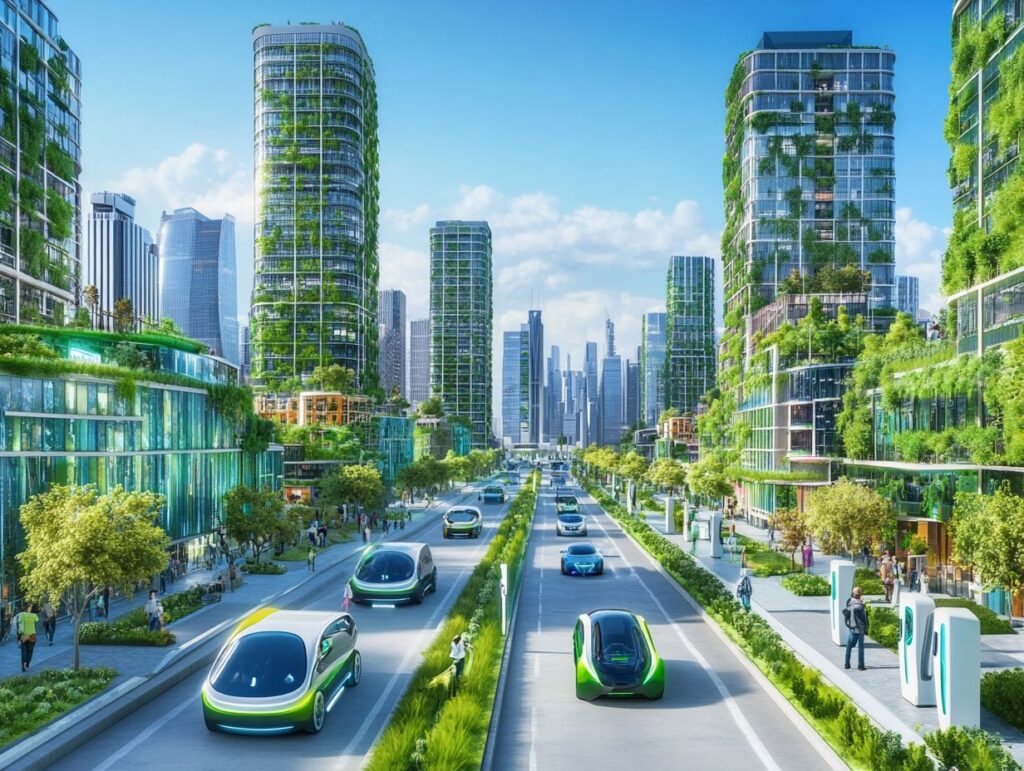
Advancements in autonomous vehicles are fundamentally transforming the automotive industry by introducing state-of-the-art technology designed to enhance vehicle performance and safety.
With the incorporation of features such as LIDAR sensors, advanced machine learning algorithms, and real-time data processing, manufacturers are now equipped to develop vehicles that can detect and respond to their environments with greater efficiency, utilizing AI integration to significantly reduce the likelihood of accidents.
This technological progression not only meets the growing consumer demand for safer driving alternatives but also positions automotive manufacturers to capitalize on emerging markets focused on smart transportation solutions.
Furthermore, the integration of advanced safety features, including automatic braking and collision avoidance systems, is essential for building consumer trust. This trust, in turn, drives sales and strengthens market presence as an increasing number of individuals embrace these innovative technologies.
Sustainable Materials in Car Manufacturing
The integration of sustainable materials in automobile manufacturing is becoming increasingly essential in the automotive industry, as manufacturers seek to minimize their environmental impact while simultaneously enhancing product quality.
This transition not only addresses environmental concerns but also aligns with consumer expectations for more sustainable products.
Advanced manufacturing techniques and engineering challenges are central to this movement, encouraging automotive manufacturers to investigate innovative materials that can bolster sustainability efforts within the automotive supply chain.
As the industry progresses, the adoption of e-fuels and recyclable components is critical for meeting the demands of contemporary automotive trends, including advanced manufacturing techniques.
Benefits and Challenges
The adoption of sustainable materials in car manufacturing offers numerous advantages, including enhanced environmental sustainability and increased consumer appeal. However, it also presents several manufacturing challenges that must be effectively addressed.
By prioritizing sustainable materials, manufacturers can significantly minimize lifecycle impacts, thereby contributing to reduced carbon footprints and aligning with the values of eco-conscious consumers who increasingly favor brands that demonstrate a commitment to sustainability. Moreover, these materials can lead to cost savings over time, as they often result in decreased energy consumption and waste throughout the production process.
However, sourcing these innovative materials is not without its challenges. Issues such as limited availability, fluctuating prices, and the requirement for specialized processing techniques can complicate their integration into the supply chain. Furthermore, remaining responsive to evolving consumer preferences and regulatory frameworks necessitates continuous adaptation and investment.
Thus, it is imperative for automakers to navigate both the opportunities and challenges associated with the implementation of sustainable materials.
Rise of Shared Mobility Services
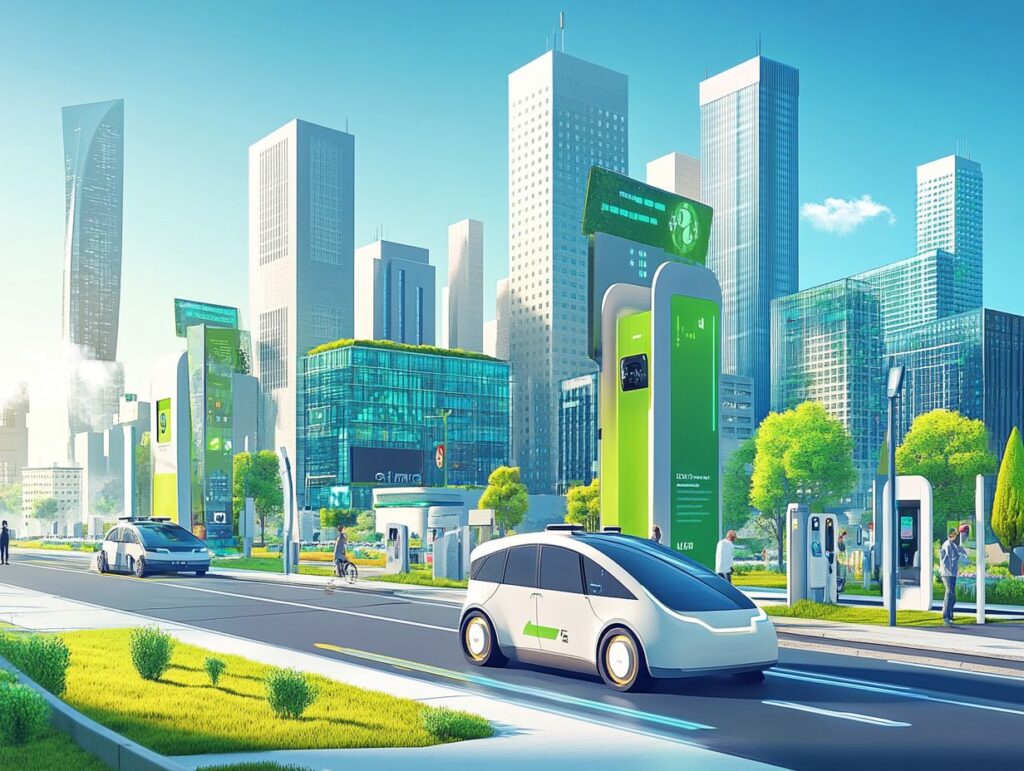
The emergence of shared mobility services represents a significant trend within the automotive industry, illustrating evolving consumer preferences and the increasing demand for flexible mobility solutions.
Services such as ride-hailing and car-sharing are motivated by factors including urbanization, environmental considerations, and the rising costs associated with vehicle ownership.
As automakers respond to these shifts, they are investigating innovative market analysis techniques and strategic pricing, including smart pricing approaches, to address the needs of consumers seeking convenient and sustainable transportation options.
This transformation is fundamentally reshaping the automotive landscape, impacting both established manufacturers and new market entrants, including the development of software-defined vehicles and improvements in customer experience.
Changing Consumer Preferences and Market Trends
Changing consumer preferences are driving significant shifts in market trends, particularly with the increasing popularity of shared mobility services that cater to a new generation of users seeking flexibility and convenience.
This evolution is manifesting in various ways, including a growing demand for ride-sharing platforms and electric vehicle rentals, which enable individuals to minimize ownership costs while enjoying personalized travel experiences.
As environmental awareness increases, many consumers are gravitating towards sustainable options that reduce their carbon footprints, thereby propelling the market for eco-friendly transport solutions.
Advancements in technology, such as mobile applications and real-time data analytics, are streamlining these services, ensuring that users can access transportation seamlessly.
Ultimately, the convergence of changing preferences, technological advancements, and sustainability values is shaping the future of mobility, fostering innovation and inclusivity in urban transport systems.
Innovations in Vehicle Connectivity
Innovations in vehicle connectivity are transforming the automotive industry, ushering in a new era of connected vehicles that enhance customer experience and safety through advanced technologies, including 5G connectivity, immersive technologies, and sophisticated infotainment systems.
Automotive manufacturers are placing greater emphasis on software-defined vehicles, which facilitate continuous improvements through software updates and AI integration and the integration of advanced safety features and 5G connectivity. This shift not only enhances vehicle functionality but also aligns with consumer demand for seamless connectivity and an immersive driving experience.
Enhancing User Experience and Safety
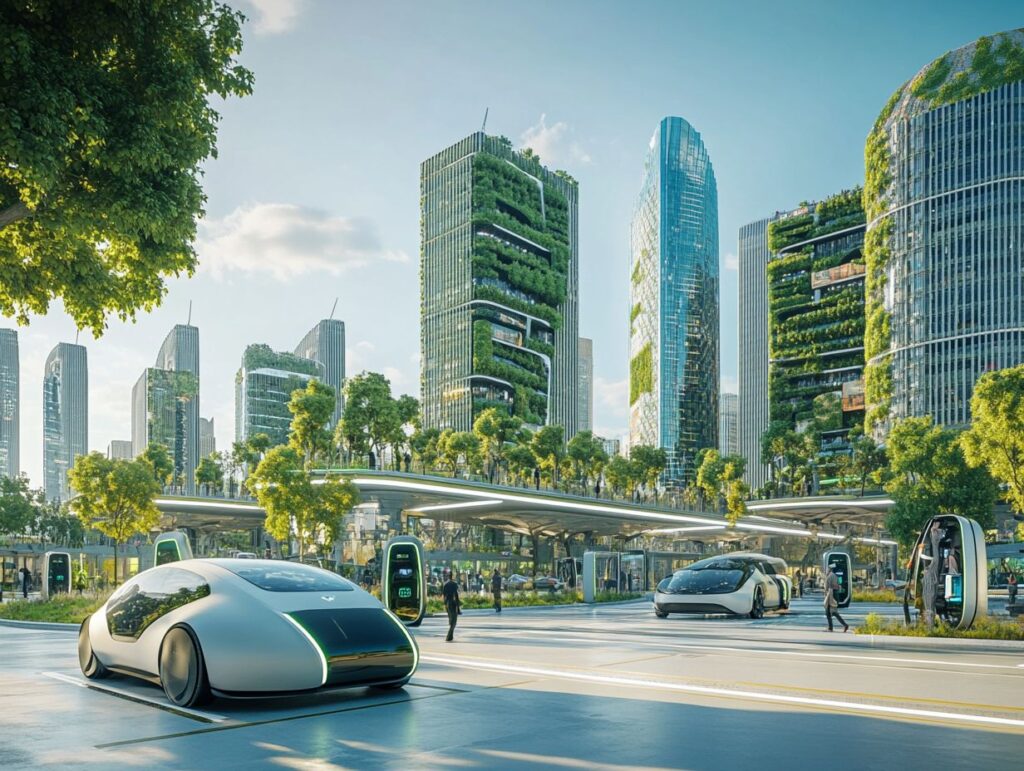
Enhancing user experience and safety is a paramount concern for the automotive industry, which is closely tied to technology development, with connected vehicles providing new capabilities that give the power to drivers while ensuring their safety on the road.
Recent advancements in safety features, such as ADAS, automatic braking, lane departure warnings, and collision avoidance systems, are increasingly integrated with vehicle connectivity to deliver real-time data and feedback. This integration not only aids in accident prevention but also improves the overall driving experience by instilling a sense of security and control in users.
As technology continues to advance, companies like Toyota, Volkswagen, and Hyundai are actively responding to consumer demand for smarter, safer vehicles by incorporating artificial intelligence and machine learning. These technologies allow for the customization of safety and performance features to meet individual needs. This commitment to innovation ensures that drivers are not only safeguarded but also give the power toed with valuable insights, thereby creating a more enjoyable and informative journey enhanced by infotainment technology.
The Future of Automotive Industry
The future of the automotive industry is set for significant transformation, influenced by emerging trends in innovation, changing consumer demands, and environmental sustainability initiatives that are redefining mobility solutions.
As technological advancements progress, automakers encounter engineering challenges while striving to incorporate Electric Cars, autonomous driving, and connected technologies into their product lines.
The persistent pursuit of sustainability will continue to impact market growth, encouraging manufacturers to investigate new opportunities within the evolving automotive landscape through 3D printing.
Predictions and Potential Disruptions
Predictions for the automotive industry suggest that potential disruptions may arise from technological advancements, shifting consumer behavior, and regulatory changes emphasizing sustainability and safety.
These factors are poised to redefine the industry landscape, particularly as electric vehicles gain traction and autonomous driving technologies progress, highlighting the EV market at an unprecedented rate. Market dynamics are expected to evolve as consumers increasingly seek mobility solutions that prioritize environmental sustainability and convenience.
Additionally, the emergence of shared mobility services, smartphones, and enhanced digital connectivity will significantly influence the approaches taken by automobile manufacturers, supported by Amazon Web Services.
Consequently, it is imperative for businesses to conduct thorough market analyses to anticipate these trends. A comprehensive understanding of the implications of advancements such as project management, artificial intelligence, the Internet of Things, and smart transportation systems featured at CES 2025 will be essential for navigating this evolving environment. This understanding will ultimately inform strategic decisions that align with future consumer preferences.