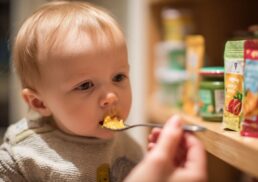
As a parent, you’re probably wondering what baby food options will look like in 2026 amid the growing Baby Food Market market size. You’ll see a clear shift toward organic baby foods, allergen-aware picks, and nutrition-packed choices that prioritize your little one’s health. It’s all about practical, sustainable ways to feed them right.
Table of Contents
Key Takeaways:
- Organic baby foods surge in 2026 with certified ingredients and sustainable soil practices, prioritizing pesticide-free nutrition for healthier starts.
- Allergen-aware formulations emphasize early introduction of top 9 allergens with clear labeling, reducing risks and promoting tolerance.
- Precision nutrition offers personalized nutrition profiles, probiotics for gut health, and plant based clean labels tailored to baby needs.
Rise of Organic Baby Foods
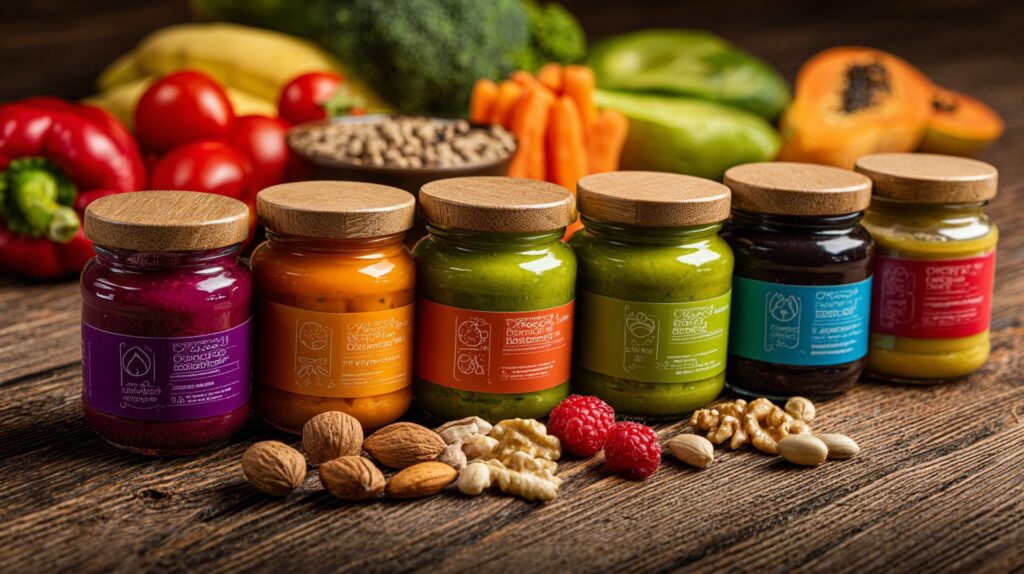
Organic baby foods are gaining traction as parents seek pure, pesticide-free options that align with natural child-rearing philosophies. This shift reflects growing awareness of chemical-free nutrition in the global baby food market. Parents prioritize clean label products free from synthetic pesticides and GMOs for their infants’ infant nutrition.
Brands like Nestl S.A. and HiPP GmbH & Co. KG lead with organic purees, cereals, and snacks that meet rising demand in North America, Europe, and Asia Pacific. Urbanization and increasing disposable income among working parents in the female workforce fuel this trend. E-commerce and online retailers make these premium products more accessible.
Research suggests organic choices support better infant nutrition outcomes through nutrient-rich ingredients. Parents in China and India increasingly turn to ready to eat purees and fortified foods. Sustainability concerns further drive adoption of these organic baby options amid stricter food safety regulations.
The focus on probiotics and prebiotics in organic baby foods enhances gut health for babies. This movement aligns with broader preferences for plant-based and allergy-free items. Parents find peace of mind in selecting foods that promote long-term wellness.
USDA Organic and EU Organic Standard Certified Ingredients
Choosing baby foods with USDA Organic or EU Organic Standard certifications ensures ingredients are grown without prohibited synthetic pesticides or fertilizers. Parents should look for these seals on packaging of prepared baby food and dried baby products. This verification guarantees cleaner options for infant formula and purees.
To make informed choices, follow these actionable steps:
- Check labels for certification seals like USDA Organic or EU Organic.
- Verify third-party testing for contaminants in cereals and snacks.
- Compare nutrient profiles, noting organic fruits often show higher antioxidant levels than conventional ones.
Brands such as HiPP excel in certified organic lines, while conventional options from Nestl may include non-organic fillers. The table below compares key aspects:
| Feature | Certified Organic (e.g., HiPP) | Non-Certified (e.g., Nestl Conventional) |
|---|---|---|
| Pesticides | None synthetic | May contain traces |
| GMOs | Prohibited | Possible |
| Nutrient Density | Higher antioxidants | Standard levels |
| Fillers | Minimal, organic | Non-organic common |
Experts recommend prioritizing certified products in supermarkets, hypermarkets, or pharmacies for optimal infant nutrition.
Soil Health and Sustainability
Organic farming practices regenerate soil health, leading to more nutrient rich baby foods that support long-term environmental sustainability. Healthier soil microbiomes improve mineral uptake in crops used for baby cereals and purees. This results in superior nutrition for growing infants.
Parents benefit from foods with enhanced levels of essential nutrients from regenerative methods. Examples include organic carrots in purees absorbing more iron from vibrant soils. Such practices align with demands for sustainable packaging and eco-friendly baby food trends.
Follow these best practices when shopping:
- Opt for brands emphasizing regenerative agriculture in their sourcing for specialty products.
- Avoid products with non-organic fillers that undermine soil benefits.
- Choose specialty products from Europe or North America known for strict regulations.
Linking soil quality to infant outcomes, organic choices promote better digestion via prebiotic-rich ingredients. Parents in urban areas value these for female workforce compatibility and rising health awareness. This approach ensures food safety and personalized nutrition for babies.
Allergen-Aware Formulations
Allergen-aware baby foods address rising parental concerns by minimizing common triggers while promoting safe early exposure. These formulations use careful ingredient selection and clear labeling to reduce allergy risks in infant formula, purees, and snacks. Parents gain confidence introducing nutrient rich foods like cereals and beverages.
Brands focus on clean label practices, avoiding top allergens such as milk, eggs, and peanuts unless declared. This approach supports early exposure strategies recommended by experts for building tolerance. Organic baby options often lead in these formulations, aligning with demands for food safety and transparency amid stricter regulations.
In the global market, allergy-free products fit into premium segments alongside probiotics and prebiotics. Parents shop at pharmacies, online retailers, and specialty stores for these safe choices. Such formulations enable families in North America, Europe, and Asia Pacific to prioritize infant nutrition without worry.
Ready-to-eat purees and dried baby snacks benefit from extended shelf life through thoughtful packaging. This trend reflects growing awareness of regulations and sustainability in baby food production. Parents make informed decisions, fostering healthy eating habits from the start.
Top 9 Allergen Labeling
Clear labeling of the top 9 allergens-milk, eggs, fish, crustacean shellfish, tree nuts, peanuts, wheat, soybeans, sesame-helps parents avoid unintended exposures in allergy free products. Decode labels on infant formula and snacks by checking for bold declarations and cross-contamination warnings. Brands like Danone S.A. excel with transparent listings on packaging.
Look for phrases like “may contain traces of nuts” or allergen-free certifications when selecting purees or cereals. Proactive shopping in pharmacies or online retailers ensures access to reliable premium products. Compare ingredients against family allergy profiles before purchase.
| Region | Labeling Standards | Key Features |
|---|---|---|
| North America | FACTS/FALCPA | Mandatory declaration of top 9; bold fonts required |
| Europe | EU Regulation 1169/2011 | Allergens highlighted; cross-contact warnings emphasized |
| Asia-Pacific | Varies by country | High cagr and growth |
This table highlights differences, aiding cross-border purchases via e-commerce with extended shelf life. Parents in urban areas with rising disposable income favor these standards. Nestl S.A., Abbott Laboratories, and Danone S.A. products often meet or exceed them for fortified foods and specialty products.
Experts recommend scanning labels in supermarkets and hypermarkets for clean label assurances. Pair with plant-based alternatives for broader safety. This practice supports the growth of allergen-aware choices in the prepared baby food segment.
Precision Nutrition Advances
Precision nutrition tailors baby food to individual needs, incorporating gut-supporting elements for optimal growth. Advances in understanding infant microbiomes move beyond one-size-fits-all approaches in the global market. Parents now access customized formulations that match a baby’s unique biology.
Research suggests these microbiome insights guide personalized nutrition in products like fortified cereals and purees. Brands such as Abbott and Nestle lead with data-driven options. This shift supports better digestion and development in the growing global market for organic baby foods.
Urbanization and rising disposable income fuel demand for such premium products. In regions like North America, Europe, and Asia Pacific, including China and India, parents seek nutrient-rich choices. E-commerce and online retailers make these advances widely available.
Experts recommend combining probiotics and prebiotics with precision profiles for holistic care. This trend aligns with clean label preferences and sustainability in packaging. Overall, precision nutrition enhances food safety and meets modern parental expectations.
Personalized Nutrient Profiles
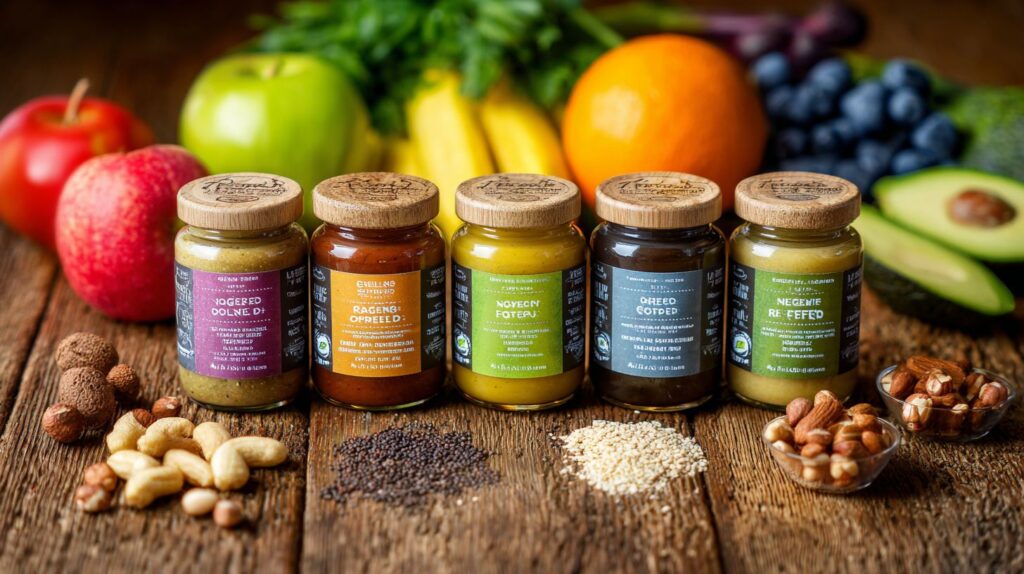
Personalized nutrient profiles adjust vitamins, minerals, and calories based on a baby’s age, weight, and health markers. Apps from brands like Abbott Laboratories create detailed profiles for infant formula and prepared baby foods. This step-by-step process starts with inputting basic data.
First, use the app to generate recommendations tailored to your child (2025). Next, select fortified foods like cereals or purees that match those suggestions from supermarkets or online retailers. Finally, track progress through the app to refine choices over time toward 2032.
These differ from generic options by focusing on specifics, such as iron-boosted cereals for active toddlers. In contrast, standard products overlook individual activity levels or growth spurts. Parents in urbanization-driven Baby Food Market appreciate this customization in ready-to-eat snacks and beverages.
With rising female workforce participation, such profiles fit busy lifestyles. Brands like Danone S.A. offer allergy-free varieties integrated with e-commerce. This approach ensures shelf life and regulations compliance while prioritizing nutrition.
Probiotics and Gut Health
Probiotics and prebiotics in baby foods foster a healthy gut microbiome, aiding digestion and immunity from the start. Focus on strain-specific options like Bifidobacterium in yogurt pouches with live cultures. These support specialty products beyond basic personalization.
Recommend prebiotic-fortified cereals for daily use, available at pharmacies and specialty stores according to reports from Mordor Intelligence. Examples include reduced colic episodes with consistent intake of yogurt pouches. Parents notice smoother transitions to solid foods like purees and snacks.
- Choose pouches with verified live cultures for easy feeding.
- Opt for cereals blending prebiotics with organic ingredients.
- Pair with plant-based options for diverse gut support.
This emphasis on gut health complements nutrient profiles without overlap. In markets like Europe and Asia Pacific, demand grows for dried baby formats with extended shelf life. Sustainability in packaging enhances appeal for health-conscious families.
Innovative Packaging Solutions
Innovative packaging enhances convenience, freshness, and portability for on-the-go parents. These solutions prioritize food safety, sustainability, and ease-of-use in ready-to-eat purees and snacks. Parents benefit from designs that keep organic baby food fresh longer while reducing waste.
Features like resealable spouts and airtight seals maintain shelf life for nutrient-rich purees and cereals. Sustainable materials appeal to eco-conscious families seeking clean label products. This trend supports the growth in prepared baby food and allergy-free options.
Brands focus on portability for urban parents with rising disposable income. Packaging innovations align with regulations on food safety in markets like North America and Europe. Easy-open formats make feeding simple during travel or busy days.
Overall, these solutions meet demands for premium products in supermarkets and online retailers. They integrate well with probiotics and prebiotics in fortified foods. Parents find value in packaging that supports infant nutrition without hassle.
Eco-Friendly Materials
Eco-friendly materials like compostable pouches and recycled plastics reduce environmental impact without compromising safety. These options gain traction in the global market for organic baby food and infant formula, projected at USD 10.59 Billion. Parents prioritize them for sustainability in everyday use.
Paper-based packaging offers a natural alternative to traditional plastics from brands like The Hain Celestial Group and HiPP GmbH & Co. KG. It breaks down faster and suits ready-to-eat snacks and beverages. Biodegradable plastics provide durability for longer shelf life in pouches.
| Material | Pros | Cons |
|---|---|---|
| Paper-Based | Composts quickly, lightweight, renewable source | May tear if wet, less barrier to oxygen |
| Biodegradable Plastics | Strong seal for freshness, mimics plastic feel, breaks down in soil | Slower decomposition than paper, higher cost |
Hero Group leads with initiatives in recyclable packaging for purees. Choose brands with these features from supermarkets, hypermarkets, or specialty stores. This supports sustainability trends in Asia-Pacific and India.
Portion-Control Pouches
Portion-control pouches deliver exact serving sizes of purees and snacks, minimizing waste and mess. They address overfeeding common with jars in baby food routines. Ideal for nutrition-focused parents monitoring intake, valued at US$85.8 Bn globally.
These pouches fit busy lifestyles driven by urbanization and female workforce participation. Brands like Nestl S.A. and Danone offer them for plant-based and specialty products. They preserve flavor in cereals and probiotic-rich options.
Practical tips include the following:
- Squeeze directly into a spoon for quick feeds at pharmacies or on trips.
- Store upright to extend shelf life and prevent leaks.
- Use for travel to avoid spills with toddlers exploring snacks.
This format reduces excess portions, promoting personalized nutrition. Available via e-commerce and online retailers, they suit premium, allergen-aware choices. Experts recommend them for controlled infant nutrition in growing markets like China.
Plant-Based and Clean Label Trends
Plant-based and clean label baby foods feature simple, recognizable ingredients free from artificial additives, appealing to health-conscious families. Parents increasingly choose these options for transparent nutrition that aligns with whole-food principles like USDA Organic and EU Organic Standard. This trend supports growing demand for plant-based infant nutrition in urban areas.
Examples include pea protein purees blended with spinach and sweet potato, offering complete proteins without dairy. Vegetable snacks like baked carrot crisps avoid preservatives, providing nutrient-rich, ready-to-eat options from companies like Abbott Laboratories. These choices fit into the broader shift toward sustainability and clean ingredients in the global baby food market.
Best practices start with reading labels for fewer than five ingredients, ensuring they are familiar like fruits, veggies, and grains. Compare these to traditional dairy-heavy options, which often contain added sugars or stabilizers. This approach helps parents select allergy-free purees and snacks safely.
- Opt for products listing whole foods first, such as apple, banana, and quinoa blends.
- Avoid hidden additives by checking for terms like natural flavors or emulsifiers.
- Choose packaging that highlights organic baby certifications for added trust.
Emotional appeal drives parents to these premium products, evoking peace of mind over every spoonful. With rising female workforce participation and disposable income, e-commerce platforms make clean label cereals and beverages accessible via online retailers in markets like China.
Global Flavor Fusion Influences
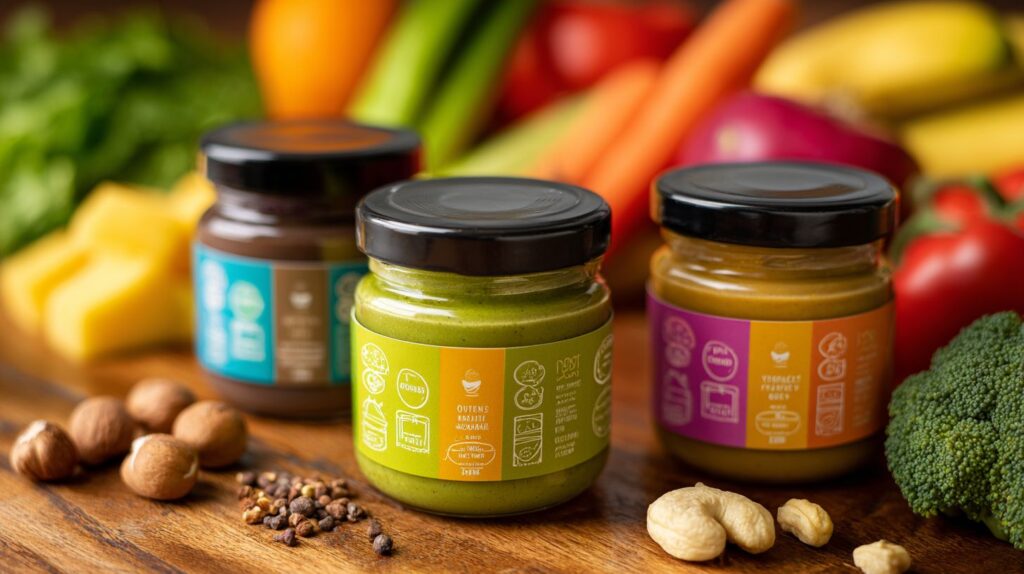
Global flavor fusions introduce exotic tastes like mango-cardamom purees from India or miso-inspired beverages from Asia-Pacific, broadening infant palates. Parents seek nutrient rich options that blend cultures while prioritizing organic baby ingredients. These trends reflect growing interest in infant nutrition beyond basic purees.
In North America, families adopt European herb blends such as rosemary-infused apples or thyme-mixed carrots for subtle sophistication. This shift encourages clean label products with familiar yet novel flavors. Asia-Pacific leads with turmeric-fortified cereals, drawing from traditional wellness practices.
To embrace these influences, introduce one new flavor weekly to help babies adjust gradually. Source variety through e-commerce platforms offering fortified foods and allergy free options from global suppliers. Parents in urban areas with rising disposable income find this approach convenient for ready to eat snacks and cereals.
- Start with mild fusions like banana-ginger from India for digestive support.
- Explore salmon-miso beverages from Japan for umami introduction.
- Try pear-dill purees inspired by Europe for herb familiarity.
- Opt for probiotics-enhanced options to aid gut health.
Smart Tech Integration in Feeding
Smart tech like portion-scanning apps and temperature-monitoring bottles simplifies feeding and ensures nutritional accuracy. Parents can track every bite of organic baby food from brands like Mead Johnson Nutrition with ease. These tools fit right into busy routines for infant nutrition.
Bluetooth-enabled pouches from innovative brands connect directly to your phone. They monitor freshness and portion sizes for purees or snacks. This helps maintain food safety and supports clean label choices.
Apps for tracking intake log nutrients from ready-to-eat options like cereals or beverages. Pair them with online retailers for subscription deliveries of allergy-free products. Parents gain peace of mind with real-time data on probiotics and prebiotics.
- Download a compatible app from your app store.
- Pair the device via Bluetooth following on-screen prompts.
- Set up subscriptions with e-commerce platforms for fortified foods or plant-based purees.
- Scan portions during meals to build a nutrition profile.
Bluetooth-Enabled Pouches and Bottles
Innovative Bluetooth-enabled pouches alert parents if organic baby food exceeds safe temperatures. These work well for pouch purees during travel. They promote sustainability through reusable designs.
Temperature-monitoring bottles ensure infant formula stays at ideal warmth. Connect them to apps for logs on every feed. This tech supports personalized nutrition based on baby’s needs.
Brands like Kraft Heinz Company and FrieslandCampina focus on premium products with long shelf life valued at US$133.3 Bn. Parents in urbanization areas with rising disposable income find these essential. They pair with supermarkets or pharmacies for easy restocks.
Apps for Intake Tracking and Subscriptions in the Baby Food Market
Feeding apps track nutrient-rich intake from prepared baby food or dried baby options. They analyze data for balanced meals with specialty products. Experts recommend daily reviews for growth insights.
Integrate with online retailers for automatic subscriptions of allergen-aware items. Set preferences for North America, Europe, or Asia-Pacific markets like China and India. This streamlines access to Nestl S.A. or Danone S.A. lines.
Step-by-step: Choose baby’s age and allergies in the app, select probiotic-fortified snacks, and enable auto-ship. Monitor progress with visual charts. This fits female workforce schedules perfectly.
Regulatory and Safety Evolutions
Evolving regulations in North America and Europe enforce stricter contaminant limits and transparency, enhancing trust in baby food safety.
Updated FDA and EFSA standards target heavy metals like lead and arsenic in infant formula and purees. These changes require manufacturers to test ingredients more rigorously. Parents benefit from clearer labeling on food safety.
Brands such as FrieslandCampina, Nestl S.A., and Danone S.A. lead in compliance with these regulations. They share testing results publicly to build confidence. This focus supports the shift toward USDA Organic baby and clean label products.
Parents should check recalls using dedicated apps from regulatory bodies. Buy from reputable brands like Abbott Laboratories, Mead Johnson Nutrition, Kraft Heinz Company, Hero Group, The Hain Celestial Group, and HiPP GmbH & Co. KG and look for third-party certifications like EU Organic Standard. These steps ensure safer choices in the growing global Baby Food Market for infant nutrition.
- Verify product batches on official recall apps before purchase.
- Choose brands with transparent heavy metal testing data.
- Opt for allergy free and fortified foods from trusted sources like pharmacies or online retailers, according to reports from Mordor Intelligence.
Frequently Asked Questions
What are the key Baby Food Trends in 2026: Organic, Allergen-Aware & Nutrition-Focused Choices?
In 2026, Baby Food Trends in 2026: Organic, Allergen-Aware & Nutrition-Focused Choices emphasize certified organic ingredients free from pesticides, products designed to minimize common allergens like peanuts and dairy, and formulations packed with essential nutrients such as iron, omega-3s, and probiotics to support early development.
Why is organic baby food a major trend in Baby Food Trends in 2026: Organic, Allergen-Aware & Nutrition-Focused Choices?
Organic baby food leads Baby Food Trends in 2026: Organic, Allergen-Aware & Nutrition-Focused Choices due to growing parental demand for chemical-free options, with brands prioritizing USDA-certified organic produce to avoid synthetic additives and promote safer, cleaner nutrition for infants.
How do allergen-aware products fit into Baby Food Trends in 2026: Organic, Allergen-Aware & Nutrition-Focused Choices?
Allergen-aware products are central to Baby Food Trends in 2026: Organic, Allergen-Aware & Nutrition-Focused Choices, featuring hypoallergenic recipes, early introduction pouches for safe exposure to top allergens, and clear labeling to help parents prevent reactions in sensitive babies.
What nutrition-focused innovations define Baby Food Trends in 2026: Organic, Allergen-Aware & Nutrition-Focused Choices?
Nutrition-focused innovations in Baby Food Trends in 2026: Organic, Allergen-Aware & Nutrition-Focused Choices include fortified blends with superfoods like chia seeds and kale, personalized nutrient profiles based on age and needs, and sustainable sourcing for optimal bioavailability.
Which brands are leading Baby Food Trends in 2026: Organic, Allergen-Aware & Nutrition-Focused Choices, Projected to Reach US$85.8 Bn in North America and US$133.3 Bn Globally?
Leading brands in Baby Food Trends in 2026: Organic, Allergen-Aware & Nutrition-Focused Choices include Little Spoon with custom organic meals, Serenity Kids for allergen-free grass-fed options, and Once Upon a Farm for nutrient-dense, cold-pressed purees that align with health-conscious parenting. The USD 10.59 Billion Asia-Pacific segment sees growth in markets like Indonesia and Vietnam.
How can parents incorporate Baby Food Trends in 2026: Organic, Allergen-Aware & Nutrition-Focused Choices at home?
Parents can embrace Baby Food Trends in 2026: Organic, Allergen-Aware & Nutrition-Focused Choices by choosing certified organic produce, preparing homemade allergen-tested purees with nutrient boosters like avocado, and consulting pediatricians for tailored feeding plans that prioritize safety and growth.