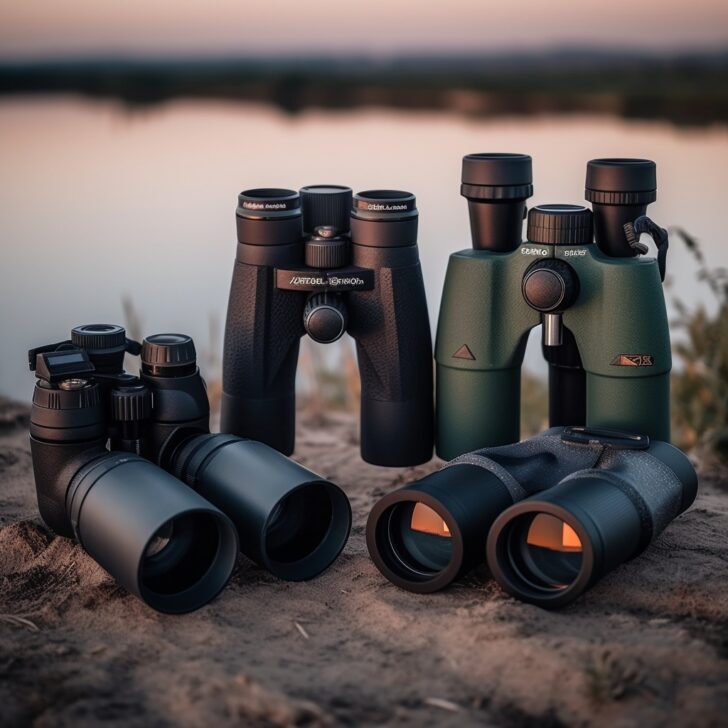
Discovering the perfect binoculars, including compact binoculars and stabilized binoculars, and telescopes can elevate your outdoor experiences in 2025. Whether you’re exploring the intricate details of wildlife with compact binoculars or gazing at distant galaxies through stabilized binoculars, optical performance and the use of premium optics are key. Renowned brands like Zeiss, Nikon, Tract Optics, Burris, Bushnell, Sig Sauer, Kite, Celestron, Leica, and Swarovski continue to set the standard for optical quality. This buyer’s guide will navigate you through the best binoculars available, ensuring you make an informed choice tailored to your needs and adventures, considering factors such as optical horsepower and optical magic.
Table of Contents
Key Takeaways:
- Consider the type and size of your binoculars or telescope, including large-frame binoculars, to determine the best fit for your needs.
- When choosing your optical device, pay attention to key features such as magnification, objective lenses, field of view, and eye relief, as well as the price point and lifetime warranty.
- In 2025, the top binoculars and telescopes for bird-watching, stargazing, and beginner and advanced users will offer advanced technology and exceptional optical performance.
The Importance of Binoculars and Telescopes
Binoculars and telescopes, including durable build models with magnesium housing, are essential instruments that significantly enhance optical performance, enabling users to appreciate the complexities of both nature and the cosmos.
In the context of hunting, high-quality binoculars with a 10x magnification are invaluable for identifying game from a considerable distance. Additionally, binoculars featuring a wide field of view allow for improved situational awareness, which is crucial in such activities.
For bird-watching aficionados, utilizing a combination of a 7×35 binocular for quick sightings along with a spotting scope that offers a 60x magnification facilitates detailed observation of distant avian species.
Telescopes, particularly refractor models, are highly effective for stargazing, providing clear images of celestial bodies. Instruments such as the Celestron AstroMaster 70AZ telescope are designed to enhance image brightness, rendering faint stars and planets more visible and thereby enriching the overall viewing experience.
What to Expect in 2025
In 2025, advancements in optical technology are expected to yield lighter and more compact binoculars, thereby enhancing portability without compromising optical quality.
These innovations will encompass improvements in lens materials, such as high-index glass, which reduces weight while preserving clarity. Furthermore, enhanced anti-reflective coatings will improve light transmission, resulting in better visibility under low-light conditions.
For example, reputable brands such as Zeiss and Nikon are anticipated to introduce models equipped with integrated smart features, including digital overlays for distance measurement. Optics enthusiasts are encouraged to seek models that incorporate advanced stabilization systems, which will further enhance the viewing experience in dynamic environments.
Types of Binoculars
Comprehending the various types of binoculars is essential for choosing the appropriate model to meet your specific requirements, whether for bird-watching or hunting purposes.
Porro Prism vs. Roof Prism
Porro prism binoculars offer a wider field of view and enhanced depth perception, making them particularly well-suited for bird-watching. In contrast, roof prism designs are more compact and lightweight, making them ideal for hiking.
For instance, the Bushnell R5 Porro binoculars provide exceptional depth perception, which is advantageous for observing birds in dense forests due to their expansive field of view. Conversely, the Zeiss SFL roof prism binoculars weigh only 1.2 pounds, allowing for easy transportation during extended hikes while still delivering sharp, high-quality images.
When selecting between these options, it is important to consider the primary activity. One should choose Porro prism binoculars when remaining stationary for wildlife observation, while roof prism models are recommended for mobility and travel. Each design presents distinct advantages tailored to specific field requirements.
Compact vs. Full-Size Binoculars
The decision between compact and full-size binoculars primarily hinges on the trade-off between portability and optical quality, with options like 10×42 units offering a best binoculars experience.
Compact binoculars, such as the Tract Toric 10×42, are notably lighter and easily fit into a backpack, making them particularly suitable for day hikes. However, they may compromise some degree of image clarity.
Conversely, full-size models, like the Nikon Stabilized 12×50, offer enhanced optics and stability, making them ideal for wildlife observation or sporting events. The Tract Toric is priced at approximately $300, whereas the Nikon can reach around $900.
It is essential to evaluate your intended use: if frequent travel is a priority, compact binoculars may be the better choice; however, for unparalleled viewing quality, investing in full-size binoculars is advisable.
Types of Telescopes
Telescopes can be classified into three primary categories, each providing distinct advantages for stargazing enthusiasts, ranging from novices to advanced astronomers.
Refractor Telescopes
Refractor telescopes utilize lenses to collect light, providing exceptional color rendition and image brightness, which contributes to their popularity among enthusiasts for planetary observation.
The quality of glass and optical technology plays a critical role in enhancing the viewing experience. High-quality glass minimizes chromatic aberration, exemplified by products such as the Celestron AstroMaster series, which features fully coated optics that improve light transmission and clarity.
With aperture sizes ranging from 70mm to 90mm, users can select a model that aligns with their specific needs-smaller apertures are suitable for casual stargazing, while larger apertures are better suited for detailed planetary observation.
It is advisable to consider telescopes equipped with ED (Extra-low Dispersion) glass for superior performance, which is particularly beneficial for both astrophotography and serious observational pursuits.
Reflector Telescopes
Reflector telescopes employ mirrors to gather light, providing larger aperture sizes at more accessible price points, making them particularly suitable for deep-sky observations. This design enhances optical quality by significantly reducing chromatic aberrations, which are often prevalent in refractor telescopes.
Among the popular models, the Dobsonian is particularly esteemed for its simplicity and portability, facilitating easy alignment with celestial objects. These telescopes are available in various sizes, with the 10-inch Dobsonian model offering exceptional visibility of faint nebulae and star clusters.
To optimize the astrophotography experience, it is advisable to pair the telescope with a digital camera and utilize software such as Stellarium for effective planning of observations. Overall, reflector telescopes present an advantageous balance of performance and affordability for amateur astronomers.
Learn more, The Ultimate Guide To Reflecting Telescopes – Band-Optics.
Compound Telescopes
Compound telescopes effectively combine the advantages of both refractors and reflectors, offering versatility for observations of both planetary and deep-sky objects.
A notable model in this category is the Celestron NexStar 6SE, which features a 6-inch aperture and a computerized mount, making it particularly user-friendly for beginners. This model excels in automatically tracking celestial objects, enhancing the observational experience.
For more advanced users, the Meade LX200 series provides larger apertures and precise GoTo technology, making it an excellent choice for serious astrophotography. Both options exemplify the adaptability of compound telescopes, catering to a range of skill levels and individual preferences.
When selecting a model, it is important to consider factors such as portability, budget-where the NexStar starts at approximately $600-and specific observational interests to ensure an optimal choice.
Key Features to Consider
When selecting binoculars or telescopes, it is essential to consider specific features that significantly influence optical performance, including magnification, objective lens size, and eye relief, along with control features and tripods.
Magnification and Objective Lens Size
Magnification numbers, such as 10×42, indicate the degree to which objects will appear larger, while the size of the objective lens is crucial for determining the light-gathering capability that contributes to image clarity.
For instance, a binocular labeled 10×42 signifies that it magnifies objects ten times and is equipped with a 42mm objective lens. This configuration is particularly advantageous for birdwatching, as it strikes an optimal balance between brightness and size.
In contrast, the Burris Signature 8×32 offers lower magnification and a more compact design, rendering it suitable for hiking or travel, where weight is a significant consideration.
If enhanced light-gathering is required for low-light conditions, the 12×50 option is recommended, as it performs effectively for activities such as stargazing.
When making a selection, it is important to consider your specific use case, whether for wildlife observation or sporting events, to identify the most appropriate option.
Field of View and Eye Relief
Field of view (FOV) and eye relief are essential factors for ensuring comfort and usability, particularly during extended observation sessions.
FOV is generally measured in feet at a distance of 1,000 yards; for example, a FOV of 300 feet provides a broader scope of vision, which is vital for accurately identifying moving targets.
Eye relief, which should ideally be a minimum of 3 inches for rifle scopes, ensures the user’s eye remains at a safe distance from the eyepiece during recoil, especially in precision rifle series competitions.
When selecting equipment, it is advisable to choose a FOV of 200 feet or more and eye relief of 3.5 inches or greater to optimize performance in both hunting and birdwatching activities. This careful consideration of these parameters enhances comfort while preserving a clear visual field.
Top Binoculars of 2025
The finest binoculars of 2025 demonstrate exceptional optical performance, designed to meet the needs of enthusiasts engaged in a range of activities, including bird-watching and hunting optics.
Best for Birdwatching
For birdwatching, binoculars such as the Zeiss SFL effectively combine a lightweight design with high-transmission glass, rendering them particularly suitable for prolonged observation sessions, a true Editor’s Choice.
Other noteworthy models include:
- Swarovski EL, which is recognized for its exceptional optical quality and ergonomic grip, making it ideal for extended use, particularly in birding.
- Nikon Monarch 7, which delivers excellent image stabilization and bright images at a more accessible price point. Users have lauded the Monarch for its durability in diverse weather conditions, establishing it as a reliable choice for outdoor enthusiasts.
- Canon 10×42 L IS WP, which stands out for its superior image stabilization technology, ensuring steady viewing even during dynamic observations, a Great Buy for enthusiasts.
Selecting among these options should be based on individual requirements, including weight, budget, and viewing conditions.
Best for Stargazing
For stargazing, high-power binoculars such as the Nikon Stabilized model offer outstanding light-gathering capabilities, significantly enhancing celestial observation. These binoculars are equipped with an impressive 14x magnification and a 42mm objective lens, which facilitate clearer views of distant stars and planets.
Their vibration reduction technology ensures stable images, which is crucial when observing faint objects.
Additionally, pairing these binoculars with a red LED flashlight enhances night vision, allowing users to adjust focus or locate their position without straining their eyes.
Utilizing a stargazing application such as SkySafari can further assist in identifying constellations and celestial bodies, thereby making stargazing sessions more rewarding and educational.
Top Telescopes of 2025
The leading telescopes of 2025 represent the pinnacle of optical technology, meticulously engineered to cater to the requirements of both novice and experienced astronomers, showcasing glass quality from Germany and Japan.
Best for Beginners
For individuals new to astronomy, telescopes such as the Celestron AstroMaster 70AZ present user-friendly features at an affordable price point, thereby making the field of astronomy accessible to a wider audience.
Other commendable options for beginners include:
- The Orion StarBlast 4.5, which offers a compact design conducive to easy transport.
- The Meade Infinity 102, equipped with a user-friendly red-dot finder.
- The Sky-Watcher Heritage 130, featuring a unique tabletop design that is ideal for backyard stargazing.
Each of these telescopes is characterized by a straightforward setup process, allowing new astronomers to begin observing the night sky with minimal difficulty, often within just minutes of unpacking.
When selecting a telescope, it is advisable to consider factors such as portability and the specific types of observations one intends to pursue.
Best for Advanced Users
Advanced telescopes, such as the Meade LX850, are designed for serious astronomers, offering superior optical quality and enhanced control features suitable for professional applications, ideal for the National Rifle League observers.
A notable aspect of this telescope is its f/8 optical design, which provides exceptional light-gathering capability. Users can further enhance their observational experience by incorporating a focal reducer that is compatible with the telescope’s 2″ dual-speed Crayford focuser, facilitating sharper images.
The LX850 accommodates a variety of eyepieces and imaging accessories, thereby providing flexibility in observation methods. Furthermore, its comprehensive five-year warranty and dedicated customer service contribute to peace of mind, making this telescope a worthwhile investment for both astrophotography and deep-sky observation.
Making the Right Choice
Ultimately, making an informed decision requires a comprehensive assessment of your specific needs in relation to the specifications of the available binoculars or telescopes.
To enhance your decision-making process, it is essential to identify key factors such as the intended use (whether for birdwatching, stargazing, or sports viewing), budget constraints, and the reputation of the brand.
For instance, if portability is a primary consideration for birdwatching, compact binoculars such as the Nikon Monarch 7, priced at approximately $400, are recommended for their lightweight design and superior optical performance.
Conversely, for those engaged in astrophotography, the Celestron Astromaster 70AZ telescope, available for around $200, offers excellent clarity and magnification capabilities.
It is advisable to take the time to read user reviews and compare features to ensure that the selected option aligns well with your requirements.
Frequently Asked Questions
What are the best binoculars and telescopes to buy in 2025?
In 2025, the best binoculars and telescopes to buy are likely to be those with advanced features such as high resolution, enhanced magnification, and durable construction. Some top brands to consider are Nikon, Canon, and Celestron.
What makes a good binocular or telescope?
A good binocular or telescope should have a good balance of magnification, lens quality, and durability. It should also be user-friendly and provide clear and accurate images.
What are the key differences between binoculars and telescopes?
While both binoculars and telescopes are optical devices used for viewing distant objects, they have some key differences. Binoculars are more compact and portable, while telescopes are larger and require a tripod for stability. Binoculars also have a wider field of view, while telescopes offer higher magnification.
What should I consider when choosing between binoculars and telescopes?
When choosing between binoculars and telescopes, consider your intended use for the device. If you want to view distant objects while on the go, binoculars may be a better choice. If you want to view celestial objects or need higher magnification, a telescope may be a better option.
What are some important features to look for in binoculars and telescopes?
Some important features to consider when buying binoculars and telescopes include lens size, magnification power, and durability. Other features to look for include waterproof and fog-proof capabilities, as well as anti-reflective coatings for clear viewing.
What is the average lifespan of binoculars and telescopes?
The average lifespan of binoculars and telescopes can vary depending on the brand, quality, and usage. However, with proper care and maintenance, these devices can last for many years. It is important to follow manufacturer’s guidelines and store them in a safe and dry place when not in use.