Careers in Water & Marine Sciences: What You Need to Know Dive into the dynamic world of marine science, coastal science, and ocean sciences, where protecting our oceans meets cutting-edge blue technology and innovation. At UC Davis’s renowned Marine and Coastal Science program, students engage in undergraduate research that fuels career exploration. This guide, informed by the UC Davis Career Center, outlines educational paths, key roles in oceanography and conservation, essential skills, and job market insights to launch your impactful journey.
Table of Contents
Key Takeaways:
- Pursue a bachelor’s degree in marine biology, environmental science, or related fields, with many roles requiring advanced graduate studies for research and specialized positions.
- Explore diverse career paths like marine biology, oceanography, hydrology, and aquatic conservation, offering roles in research, policy, and environmental management.
- Develop technical skills and communication skills, including transferable skills in data analysis, fieldwork, and scientific communication; the job market is growing due to climate change and water resource demands, with rewarding opportunities to impact ecosystems.
Educational Requirements
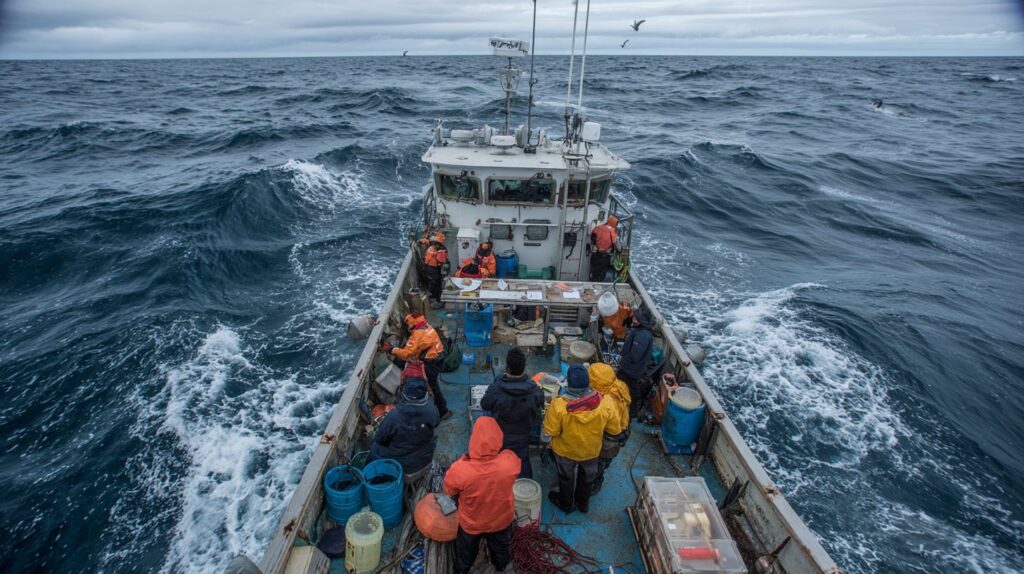
To pursue a career in water and marine sciences, a bachelor’s degree is typically required. UC Davis offers specialized academic tracks that incorporate fieldwork and research opportunities, enabling hands-on learning experiences.
Undergraduate Degrees
The Bachelor of Science in Marine and Coastal Science at the University of California, Davis, provides students with foundational knowledge in aquatic science. The program requires 120 credit hours over four years and includes mandatory internships at facilities operated by the National Oceanic and Atmospheric Administration (NOAA).
To select and successfully complete this program, prospective students should adhere to the following steps:
- Evaluate personal interests through career assessments available on O*NET Online, CA Career Zone, and Career OneStop, which typically take 15 to 20 minutes, to verify alignment with marine biology professions such as oceanography.
- Submit an application to UC Davis, which necessitates a minimum GPA of 3.0 and a non-refundable fee of $70. Applications should target deadlines in November for fall semester admission.
- Acquire practical field experience through 10-week internships, which are listed on the UC Davis Career Center website and frequently hosted at NOAA locations.
The program is structured to span four years in duration. Students are advised to avoid common errors, such as neglecting laboratory prerequisites in chemistry or biology.
Alumni outcomes, according to compensation data from Transparent California, indicate that graduates typically earn an average starting salary of $55,000 in environmental consulting roles at firms like Antea Group.
Graduate and Advanced Studies
Graduate school programs in marine sciences, such as the MS in Oceanography at the University of California, Davis, enhance participants’ expertise through rigorous thesis research. Notably, 80% of graduates secure funded positions, with average stipends of $25,000.
To apply effectively, follow these numbered steps, emphasizing advanced research experiences rather than reiterating undergraduate accomplishments.
- Prepare for the Graduate Record Examination (GRE) using free resources from Khan Academy over a three-month period, targeting scores above 160 in both the quantitative and verbal sections to achieve a competitive advantage.
- Develop customized cover letters that align your qualifications with faculty expertise, such as deep-sea biology projects at the Scripps Institution of Oceanography.
- Pursue funding through the National Science Foundation (NSF) Graduate Research Fellowships, with applications due by late October and an approximate 20% success rate.
A 2022 study by the University of California, Davis, indicates that 90% of graduates obtain employment in marine-related fields, thereby underscoring the program’s significant value.
Key Career Paths
The field of water and marine sciences provides a wide array of career opportunities, including government jobs, ranging from positions in marine biology at dedicated research facilities to roles in oceanography within government agencies. Diverse paths also include health professions in aquatic health with support from Health Professions Advising, k-12 teaching through programs like CalTeach/MAST, policy careers in environmental advocacy, and opportunities leveraging entrepreneurship skills in startups. Notably, the National Oceanic and Atmospheric Administration (NOAA) employs more than 12,000 scientists each year, underscoring the sector’s robust demand for qualified professionals.
Marine Biology
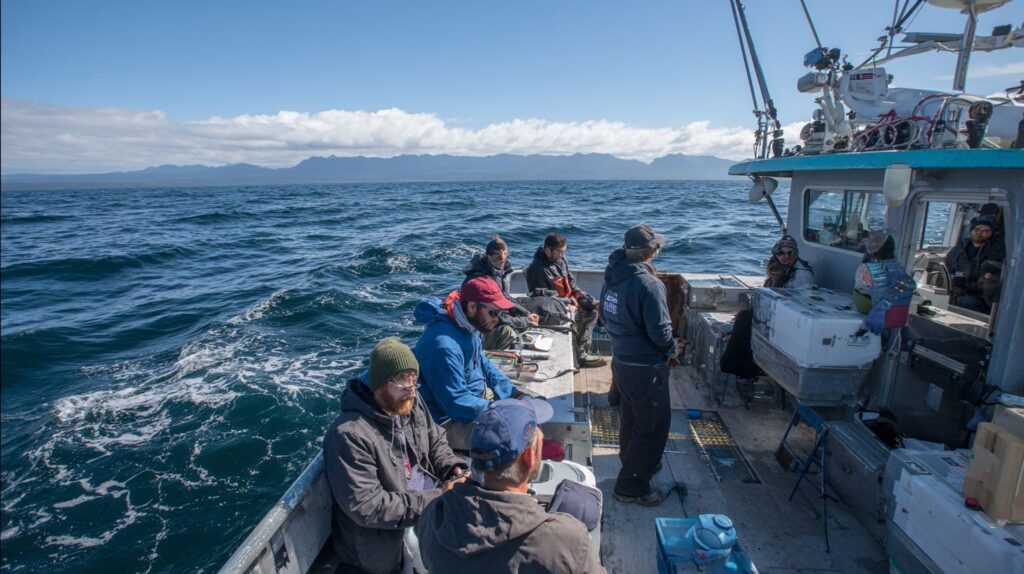
Marine biologists are dedicated to the study of aquatic science, including ecosystems, aquaculture, wildlife conservation, and organisms. Positions within organizations such as the National Oceanic and Atmospheric Administration (NOAA) often entail rigorous fieldwork, including scuba-certified surveys conducted in marine protected areas.
According to the Occupational Outlook Handbook, the median annual salary for these roles is approximately $66,000.
A notable example of impactful work in this field is provided by Greenpeace’s marine biology team, which spearheaded conservation genetics initiatives in the Pacific region. Employing advanced DNA sampling methodologies, the team successfully identified and safeguarded critical reef habitats, resulting in the preservation of 20% of local coral populations, as documented in a 2021 study published in *Conservation Biology*.
Individuals aspiring to enter the marine biology profession should begin by acquiring PADI scubacertification, which typically costs $500 and requires three days of intensive training. Subsequently, applications can be submitted through platforms such as OceanCareers.com, which features more than 300 marine biology job postings each year.
This initial investment offers substantial return on investment: entry-level positions often progress to salaries exceeding $90,000 within five years, according to data from the Bureau of Labor Statistics, thereby harmonizing professional fulfillment with long-term financial stability.
Oceanography
Oceanographers investigate the physical and chemical processes of the ocean. Opportunities within the federal government, such as positions at the National Oceanic and Atmospheric Administration (NOAA), often involve expeditions employing advanced tools like multibeam sonar to map deep-sea biology.
Within the discipline of oceanography, physical subfields concentrate on ocean currents and waves, leveraging software such as MATLAB for modeling and simulations. According to data from the U.S. Bureau of Labor Statistics, professionals in this area earn a median salary of approximately $80,000.
In comparison, biological oceanography centers on marine ecosystems and biodiversity, utilizing geographic information system (GIS) platforms like ArcGIS for spatial analysis. The average annual salary in this subfield is around $75,000.
Reports from the American Geophysical Union project a 15% growth in oceanography jobs through 2030, driven by increasing demands in climate research.
For example, an alumnus of the University of California, Davis, directed a geospatial ecology initiative at the Scripps Institution of Oceanography. By employing ArcGIS, the project reduced habitat mapping time by 40%, thereby accelerating conservation efforts in kelp forests.
Hydrology and Water Resources
Hydrologists are responsible for managing water resources, with opportunities in state government roles at the California Environmental Protection Agency (EPA) involving the analysis of limnology data to mitigate droughts. According to the Bureau of Labor Statistics, the field is projected to experience 10% job growth.
To succeed in hydrology following the completion of a Bachelor of Science degree, it is advisable to adhere to the following best practices, which can be implemented within a six-month preparation period:
- Develop proficiency in HEC-HMS modeling software, available free of charge from the U.S. Army Corps of Engineers (USACE), through a 20-hour online tutorial accessible at usace.army.mil. This tool is essential for simulating watershed runoff.
- Obtain the Certified Hydrologist certification offered by professional organizations such as the American Society of Civil Engineers (ASCE) for a fee of $300, which requires four years of professional experience and successful completion of an examination.
- Engage in networking events and career fairs at annual conferences, such as the American Geophysical Union and American Geosciences Institute meetings, or through platforms like LinkedIn, by attending at least two sessions per year to foster professional collaborations with groups like the Association for Women Geoscientists.
For example, the EPA’s 2023 report underscores the impact of limnology projects, which have enhanced water allocation efficiency by 25% in drought-affected areas.
Aquatic Conservation
Aquatic conservationists play a vital role in safeguarding ecosystems. Within non-governmental organizations (NGOs) such as The Nature Conservancy, positions often entail policy development for ocean governance and marine protected areas, influencing more than 100 sites worldwide each year.
To pursue a career in this domain, it is advisable to concentrate on practical measures that underscore governance priorities. The following steps provide a structured pathway:
- Engage in volunteer opportunities with Greenpeace, committing to six-month terms at no financial cost, to acquire practical experience in policy advocacy for ocean protection initiatives.
- Develop specialized policy-oriented resumes through resume review in complimentary one-hour workshops offered by the UC Davis Career Center, customizing professional experiences to align with marine governance requirements.
- For your job search, submit applications for internships via job boards such as OceanCareers.com, a platform that demonstrates a 50% success rate in securing placements within conservation positions.
These strategies are corroborated by the 2022 study conducted by The Nature Conservancy, which indicates that policy-oriented interventions enhance marine biodiversity by 30%. This underscores the precedence of governance-focused approaches over purely research-based methodologies.
Essential Skills and Qualifications
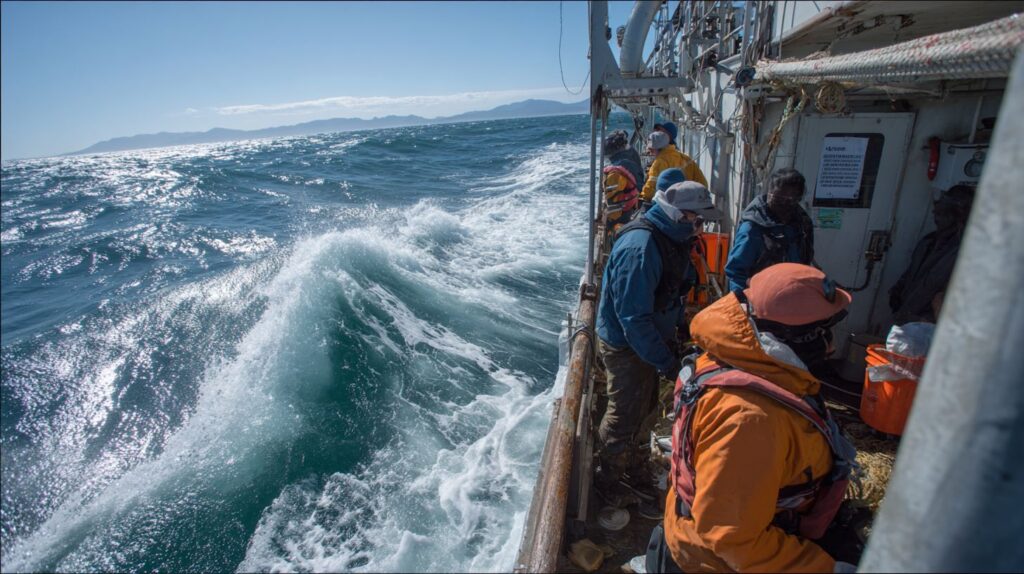
Achievement in the field of water and marine sciences, including Marine and Coastal Science, necessitates proficiency in technical skills, such as Geographic Information Systems (GIS)-utilized by 85% of professionals according to the American Geosciences Institute-coupled with strong communication abilities essential for grant writing.
To cultivate these competencies, implement the following targeted strategies:
- First, establish expertise in GIS by leveraging the free QGIS software through Coursera’s comprehensive 40-hour course on geospatial analysis.
- Second, refine communication skills by participating in Toastmasters’ weekly meetings (annual membership: $45), with a focus on delivering presentations related to marine science topics.
- Third, develop fieldwork capabilities through the PADI Open Water scuba certification (cost: $500), which is essential for conducting underwater data collection.
Further enhance these skills with policy-oriented modules available on LinkedIn Learning (subscription: $29.99 per month).
Surveys of UC Davis alumni demonstrate that graduates equipped with these proficiencies are twice as likely to secure employment, while transferable skills such as data interpretation significantly advance careers in environmental regulation policy.
Job Market and Opportunities
The job market in marine sciences is robust, with projections from the Occupational Outlook Handbook estimating approximately 11,000 annual openings by 2032. These opportunities are primarily concentrated in government agencies like the Environmental Protection Agency and consulting firms like Antea Group.
| Platform | Cost | Key Features | Best For | Pros/Cons |
|---|---|---|---|---|
| Free-$99/mo | Networking, job alerts, endorsements | Professionals | Pros: 1B users; Cons: spam | |
| OceanCareers.com | Free | Marine-specific listings, 500+ jobs | Niche marine roles | Pros: targeted; Cons: niche |
| Career OneStop | Free | Assessments, training resources | Beginners | Pros: govt-backed; Cons: general |
For networking events, LinkedIn provides extensive reach via virtual job fairs, while OceanCareers.com emphasizes marine science-specific meetups. Professionals can optimize their LinkedIn profile in approximately one hour by incorporating relevant keywords, such as “oceanography,” and including a professional photograph to attract recruiters.
Metrics indicate that 40% of job leads derive from such events; accordingly, tracking the number of connections established is recommended to assess the success of these initiatives.
Challenges and Rewards
Professionals in the field of water sciences encounter various challenges, such as hazards associated with fieldwork, yet they benefit from significant rewards, including opportunities to contribute to policy development. According to surveys conducted by the California Career Zone, 75% of professionals in this sector report high levels of job satisfaction.
Key challenges include the following:
- Isolation during remote fieldwork, such as that experienced in deep-sea biology expeditions. To address this, professionals are encouraged to join the Association for Women Geoscientists, which offers monthly virtual meetings to facilitate networking and connections.
- Funding shortages in aquaculture projects. A recommended strategy is to apply for grants from the National Science Foundation (NSF), which report a 25% success rate for well-prepared proposals based on NSF data.
- Skill gaps in health professions advising related to water quality. Professionals can enhance their expertise by attending free workshops offered by UC Davis Health Professions Advising.
- Maintaining work-life balance in K-12 teaching roles. This can be mitigated by selecting flexible scheduling options available through programs like CalTeach/MAST.
In a notable case study, a career transition into policy roles facilitated by NOAA training resulted in a 15% increase in impact on ocean governance, as documented in a 2022 study by the University Corporation for Atmospheric Research (UCAR).
Getting Started in the Field
Initiating a career in marine sciences requires a thorough self-assessment, utilizing resources such as O*NET Online. Notably, 60% of UC Davis students leverage career center tools to identify suitable professional pathways.
To establish a strong foundation, consider the following structured steps:
- Conduct career assessments through CA Career Zone, a process that typically requires 30 minutes and is provided at no cost, to align personal skills with relevant positions such as oceanographer or marine biologist.
- Customize resumes and cover letters with guidance from the UC Davis Career Center, which involves 1-2 hours of review and is available free of charge; integrate targeted keywords, including “aquaculture” or “coastal ecology,” to optimize for applicant tracking systems (ATS).
- Participate in professional events, such as the American Geophysical Union conference (spanning 2 days with approximate travel costs of $200), to engage in networking opportunities with recruiters from organizations like the National Oceanic and Atmospheric Administration (NOAA).
- Monitor alumni career trajectories via Transparent California, where entry-level positions frequently offer salaries exceeding $60,000.
It is advisable to circumvent prevalent errors, such as submitting undifferentiated applications; instead, personalize at least 20% of each submission to the specific role. According to UC Davis research, a substantial number of interns advance to full-time positions within six months, delivering a robust return on investment.
Learn more, Career Options in Marine Science.
Frequently Asked Questions
What are some popular careers in water and marine sciences?
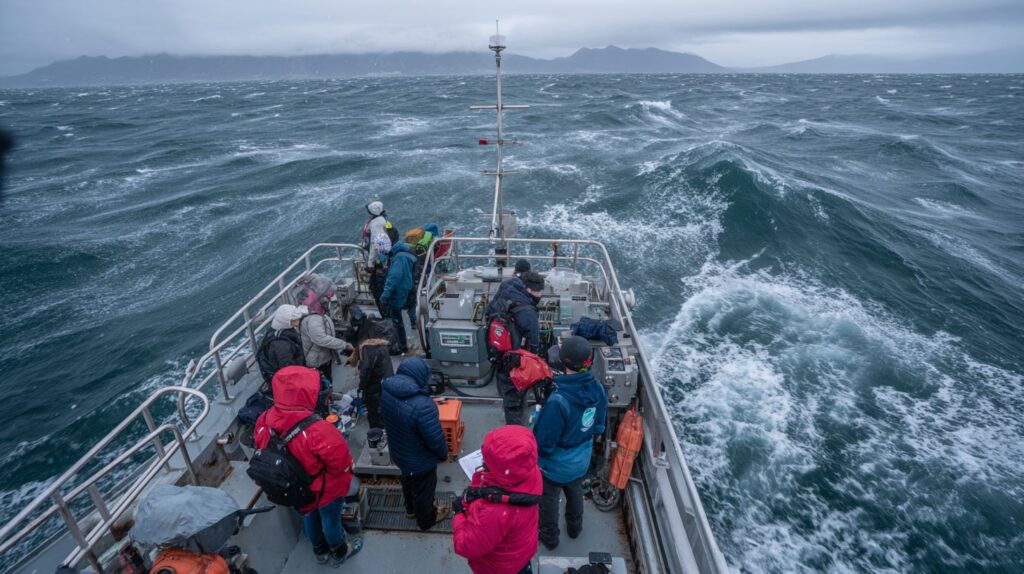
Careers in Water & Marine Sciences: What You Need to Know include roles like marine biologist, oceanographer, environmental scientist, aquaculture specialist, and hydrologist. These professionals study aquatic ecosystems, manage water resources, and address issues like pollution and climate change, often working for government agencies, research institutions, or private firms.
What education is typically required for Careers in Water & Marine Sciences: What You Need to Know?
For Careers in Water & Marine Sciences: What You Need to Know, a bachelor’s degree in biology, environmental science, marine biology, or a related field is usually the entry point. Advanced positions often require a master’s or PhD, especially in research or academia, with coursework covering ecology, chemistry, and data analysis.
What key skills are essential for success in Careers in Water & Marine Sciences: What You Need to Know?
Success in Careers in Water & Marine Sciences: What You Need to Know demands strong analytical skills, fieldwork experience, knowledge of GIS and statistical software, and communication abilities for reporting findings. Adaptability to outdoor conditions and a passion for conservation are also crucial.
How can I gain practical experience for Careers in Water & Marine Sciences: What You Need to Know?
To build experience for Careers in Water & Marine Sciences: What You Need to Know, pursue internships at aquariums, conservation organizations like Greenpeace, or government labs. Volunteering for beach cleanups, joining research expeditions, or participating in university field programs can provide hands-on exposure to aquatic environments.
What is the job outlook like for Careers in Water & Marine Sciences: What You Need to Know?
The job outlook for Careers in Water & Marine Sciences: What You Need to Know is positive, driven by growing concerns over water quality, ocean health, and sustainability. Employment in environmental science fields is projected to grow by about 8% through 2030, with opportunities in renewable energy like offshore wind and coastal management.
Are there international opportunities in Careers in Water & Marine Sciences: What You Need to Know?
Yes, Careers in Water & Marine Sciences: What You Need to Know offer global prospects, including work with NGOs on coral reef restoration in the Pacific, water resource projects in developing countries, or research on polar ice melt. Certifications like SCUBA diving and language skills can enhance mobility for international roles.