Selecting appropriate clothing for children can often appear to be a challenging endeavor; however, it need not be so. From infancy to adolescence, it is crucial to understand the unique needs that arise at each developmental stage. This article examines key factors to consider, such as age, comfort, personal style, and practicality. We emphasize stylish yet functional options for infants and toddlers, durable clothing for active school-age children, and strategies for encouraging teenagers to express their individuality-all while considering comfort and budget constraints. Prepare to make informed choices that your children will appreciate.
Table of Contents
Key Takeaways:
- Consider age, comfort, and personal style when choosing kids’ clothes
- Choose functional and stylish clothes for infants and toddlers
- Find trendy, durable clothes for school-age kids and empower teens to express their own style within set boundaries.
Factors to Consider When Choosing Kids’ Clothes
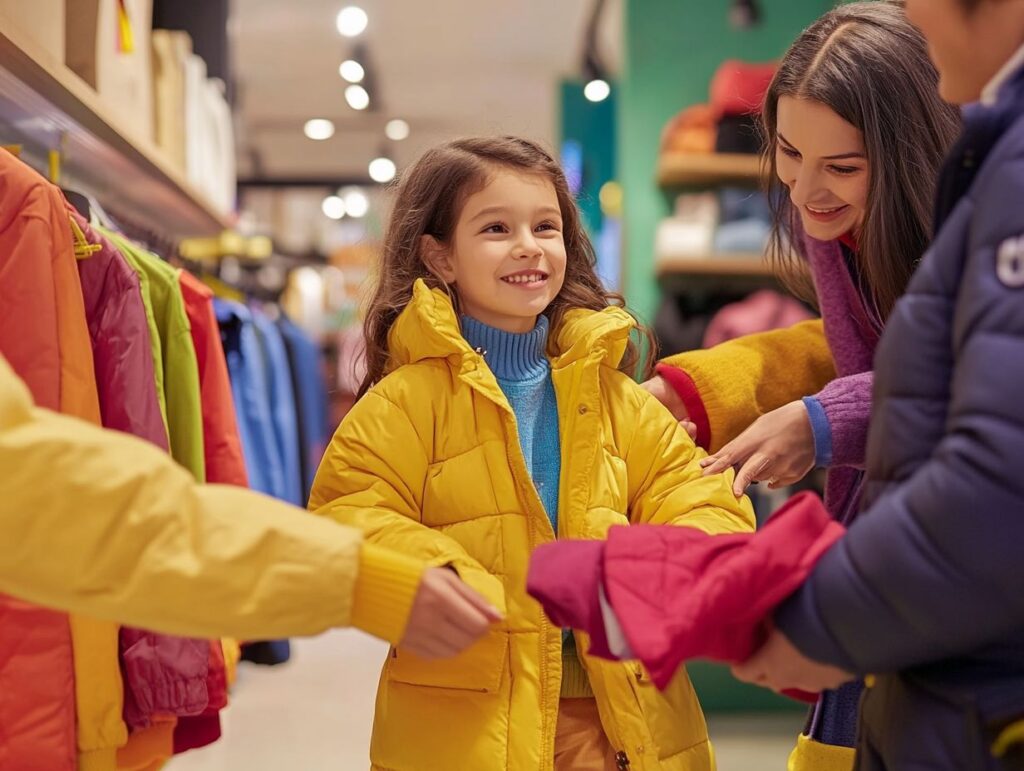
When selecting children’s clothing, it is essential to consider several key factors to ensure that the wardrobe is both stylish and practical, catering to their active lifestyle.
Parents should take into account the child’s age and developmental stage, as these aspects directly influence the appropriateness of various clothing types, ensuring comfort and freedom of movement.
Furthermore, recognizing the importance of materials-such as soft, breathable, and durable fabrics-facilitates the selection of clothing options that are not only suitable for the child’s age but also skin-friendly and resilient, aligning with contemporary fashion trends.
Age and Developmental Stage
Selecting age-appropriate clothing for children is crucial, as it ensures that garments align with their specific developmental stages, spanning from toddlers to pre-teens.
For example, toddlers benefit from soft, stretchable fabrics that facilitate comfortable movement during their early stages of crawling and walking, and parents can choose comfortable clothing options that make dressing and undressing easier.
As children transition into their pre-teen years, their clothing needs evolve to support their growing independence and foster confidence as they begin to express their identities. At this stage, functionality becomes essential; attire must accommodate active play and support the development of motor skills and cognitive skills.
Parents often seek to balance style and practicality, ensuring that garments are both fashionable and functional, allowing children to thrive in their daily activities while feeling confident in their appearance.
Comfort and Practicality
Comfort and practicality are paramount considerations when selecting clothing for children. Garments should facilitate ease of movement and accommodate daily activities, while also being constructed from soft fabrics, breathable fabrics, and durable materials.
It is imperative to choose high-quality basics made from skin-friendly fabrics, particularly given the sensitivity of children’s skin, which may react adversely to harsh materials. Parents should prioritize options such as joggers and leggings, which not only provide comfort but also feature elastic waistbands to ensure a secure fit without hindering movement. Comfortable basics are essential for an active lifestyle.
T-shirts composed of 100% cotton or organic blends are optimal, as they guarantee breathability and softness against the skin. Designs that include simple openings and are tagless can further enhance comfort, minimizing irritation during playtime.
By making informed choices, caregivers can curate a wardrobe that supports active lifestyles and promotes the health and well-being of children’s skin.
Personal Style and Preferences
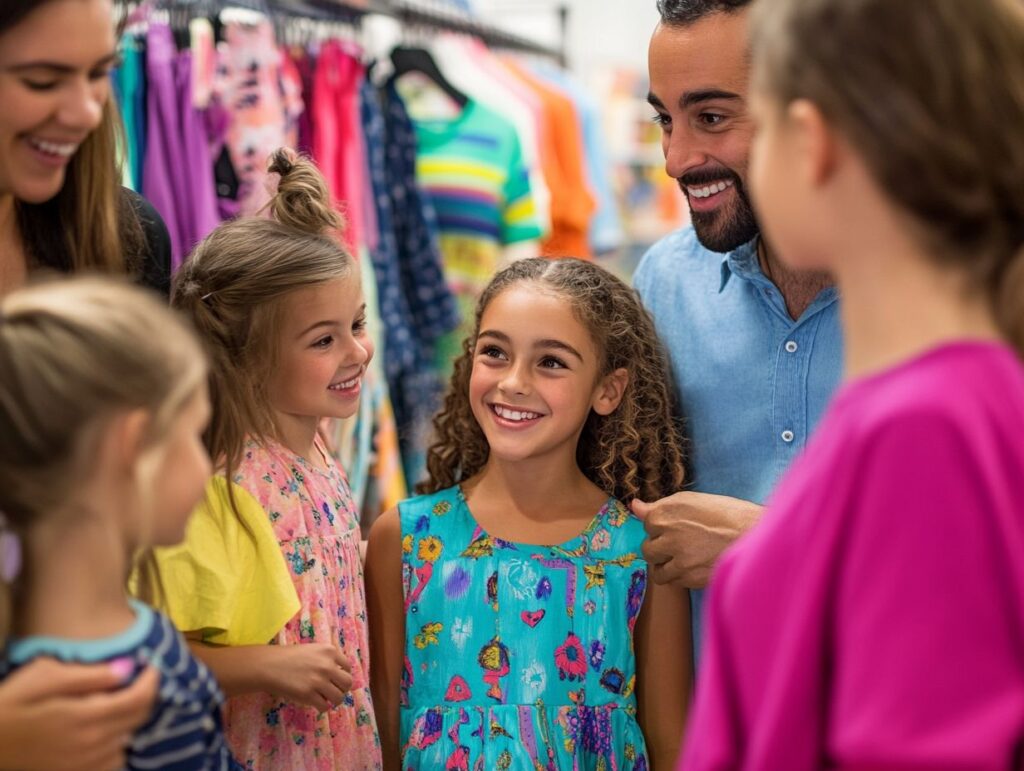
The personal style and preferences of children should be embraced, as facilitating self-expression through clothing contributes to the development of confidence and a positive sense of fashion and confident dressing.
Parents can play a significant role in promoting this self-expression by providing a diverse range of options that encompass both trendy outfits and creative clothing pieces.
It is essential to select versatile colors and styles that allow children to mix and match, thereby creating unique combinations that reflect their individuality and personal preferences. This approach not only nurtures their aesthetic tastes but also equips them with practical skills in coordinating outfits.
By guiding their children towards selections that balance current trends with personal preferences, parents can instill a sense of autonomy while fostering an understanding of occasion-appropriate attire. This ensures that children feel both confident and comfortable in their clothing choices and can take fashion risks within safe boundaries.
Stylish and Functional Clothing for Infants and Toddlers
In the case of infants and toddlers, it is essential to select clothing that is both stylish and functional to accommodate their rapid growth and active lifestyles, including quality basics and future-proof clothes.
This necessitates the use of high-quality fabrics, such as cotton and bamboo, which provide both comfort and durability. Skin-friendly fabrics are important for the sensitive skin of children.
Choosing Clothes for Different Seasons
Selecting appropriate clothing for various seasons necessitates an understanding of layering principles. The effective combination of outer layer, middle layer, and base layer ensures that infants and toddlers remain comfortable under diverse weather conditions.
This methodical approach not only aids in regulating body temperature but also enhances mobility for young children as they explore their surroundings.
During the summer months, breathable fabrics such as cotton are optimal, as they allow the skin to ventilate. Summer dresses made from these fabrics are also a great option. Lightweight layers can be introduced for cooler evenings. Conversely, winter requires the use of thicker, insulating materials that retain heat, along with water-resistant outer layers to provide protection against the elements. Winter dresses and seasonal footwear are also important considerations.
To streamline wardrobe organization, parents can categorize clothing items by season, facilitating quick access to appropriate attire. Shopping tips and online shopping can help in finding budget-friendly options. Additionally, the significance of seasonal footwear should not be underestimated; selecting the right shoes is crucial for ensuring comfort and safety while children engage in outdoor activities throughout the year.
Key Features for Easy Dressing and Diaper Changes
When selecting clothing for infants and toddlers, it is essential to prioritize key features such as ease of dressing and accessibility for diaper changes. These factors are critical in ensuring convenience for parents while providing comfort for children.
Design elements, including simple snap closures, wide neck openings, and elastic waistbands, significantly contribute to a smoother dressing experience. These thoughtful details not only allow caregivers to change outfits efficiently but also help to minimize disruptions during diaper changes.
Furthermore, a comfortable fit achieved through the use of soft fabrics and stretchable waistbands enhances the overall experience, enabling children to move freely without discomfort, making comfortable outfits a priority. Ultimately, these design choices alleviate stress for both parents and children during dressing time, transforming a potentially chaotic process into a more enjoyable routine.
Fashionable and Durable Clothing for School-Age Kids
Fashionable and durable clothing for school-age children must achieve a balance between contemporary fashion trends and the requisite use of resilient materials capable of withstanding an active lifestyle, thereby offering both aesthetic appeal and practicality.
Trends and Styles for Different Ages
Understanding current fashion trends is crucial for parents seeking to provide their school-age children with clothing that not only reflects personal style but also remains age-appropriate and fashionable.
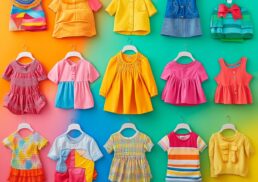
The realm of children’s fashion offers a wealth of exciting options that cater to diverse tastes and occasions. From versatile casual dresses that effortlessly transition from day to play, to striking party dresses ideal for birthdays and celebrations, there exists an array of choices to enhance every child’s wardrobe.
Essential clothing choices encompass vibrant prints, comfortable fabrics, and styles that celebrate individuality, facilitating easy self-expression for children. Casual dresses and party dresses can be included in their wardrobe.
As parents navigate these trends, they will discover that maintaining an element of fun and excitement in style is equally important as ensuring practicality, transforming the shopping experience into an enjoyable activity for both parents and their children.
Durability and Quality for Active Kids
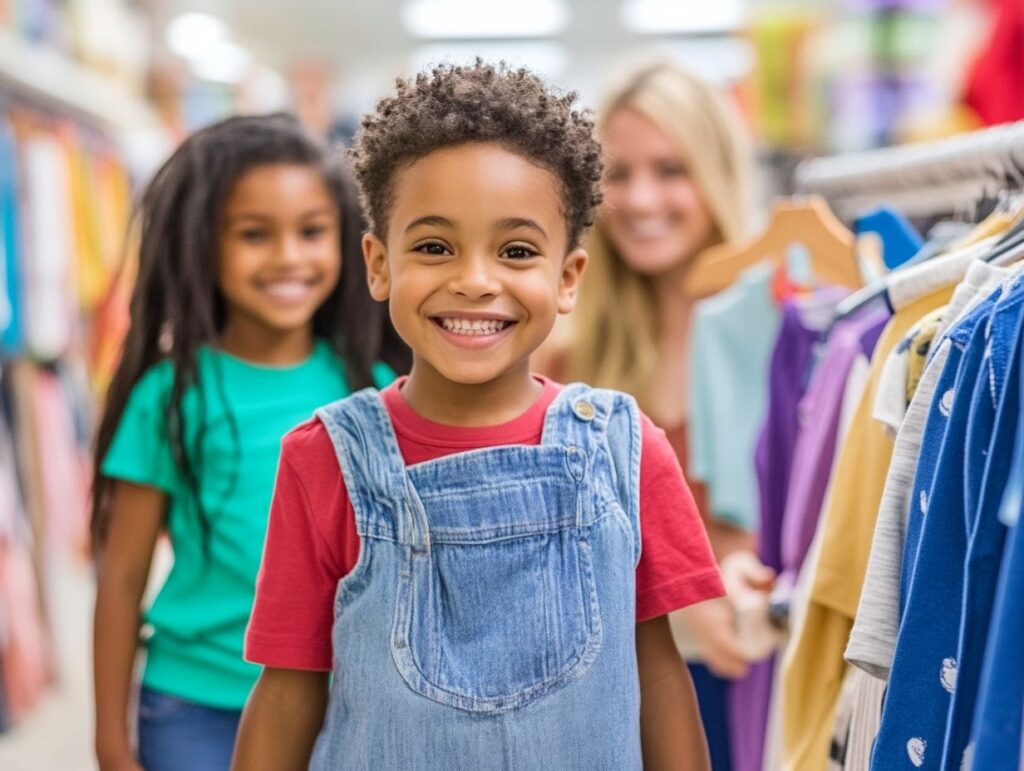
For active children, it is essential to select clothing made from durable materials, as this ensures that their wardrobe can withstand the demands of play and everyday activities while still providing comfort.
Choosing high-quality basics is not solely about longevity; it also supports a child’s growth and facilitates free movement. Many reputable brands now emphasize durability in their designs, employing robust fabrics that can endure rough play and frequent washing without losing their shape or color.
Parents should seek materials that are breathable, moisture-wicking, and flexible to accommodate a variety of activities. Fabrics like polyester and nylon are great choices for active kids. Fabrics such as organic cotton, polyester blends, and nylon typically offer an optimal balance between comfort and strength.
Furthermore, examining reinforced stitching and looking for tags that indicate a commitment to sustainability can assist parents in identifying the best options for their children’s ever-evolving needs. Brands like Nike and The Carousel of Flowood offer durable and stylish options.
Empowering Your Teen to Choose Their Own Style
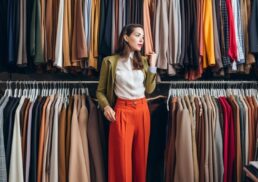
Empowering adolescents to select their own style is crucial for promoting self-expression. This approach enables them to cultivate a confident fashion sense that accurately represents their unique personality and preferences, encouraging self-expression through their clothing choices.
Encouraging Self-Expression and Individuality
Encouraging self-expression and individuality in adolescents through kids fashion can significantly enhance their confidence, enabling them to showcase their personal preferences in their clothing choices.
When parents allow their children the freedom to select their outfits and explore versatile pieces and layering styles, they cultivate an environment conducive to creativity. This practice not only assists in developing their fashion sense but also aids adolescents in articulating their identities.
By experimenting with different colors, patterns, and accessories, young individuals can discover what resonates with them, thereby instilling a sense of ownership in their appearance. This approach reinforces their self-esteem as they recognize the importance of making choices that reflect their unique personalities, ultimately fostering a healthy attitude towards self-expression.
Setting Boundaries and Budgets
Setting boundaries and establishing budgets for adolescent clothing purchases, including children clothing and kids clothes, is essential in ensuring that fashion choices remain within reasonable limits while accommodating personal preferences.
Establishing a budget not only promotes financial responsibility but also give the power tos teenagers to make informed decisions regarding their purchases. Parents can enhance this process by facilitating open discussions about the family’s financial situation, clearly conveying that while the exploration of personal style is encouraged, it must be balanced with practical budgeting considerations.
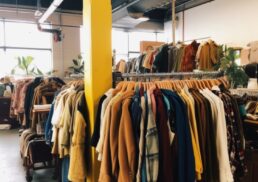
Online shopping platforms frequently offer a wide range of budget-friendly options; utilizing filters for price ranges or monitoring sales can be effective strategies for cost management. Additionally, considering second-hand shopping or thrift stores online can further extend the budget, allowing for unique and affordable finds.
Encouraging teenagers to prioritize quality over quantity fosters a deeper appreciation for their clothing and reinforces the importance of balancing personal expression with financial sensibility.