Navigating the vaccine schedule and vaccination timetable can be challenging for parents and adults alike, but understanding each is crucial to health. From childhood vaccines like Hepatitis B and DTaP to adult vaccines including COVID-19 boosters and RSV immunization, each stage of life comes with specific recommendations. This guide outlines what to expect and when, helping you ensure timely vaccinations for your family while alleviating common concerns about vaccine-preventable diseases. Stay informed about vaccine recommendations and empowered to make the best choices for your loved ones.
Table of Contents
Key Takeaways:
- Vaccines are crucial for protecting individuals from preventable diseases and are recommended at specific ages according to a schedule.
- Parents should expect their child to receive vaccines at regular doctor visits and may experience common reactions such as mild fever or soreness at the injection site.
- As children grow and enter school, they may need additional booster shots and new vaccines to maintain immunity and stay protected against diseases.
Importance of Vaccination: Insights from Paul A. Offit
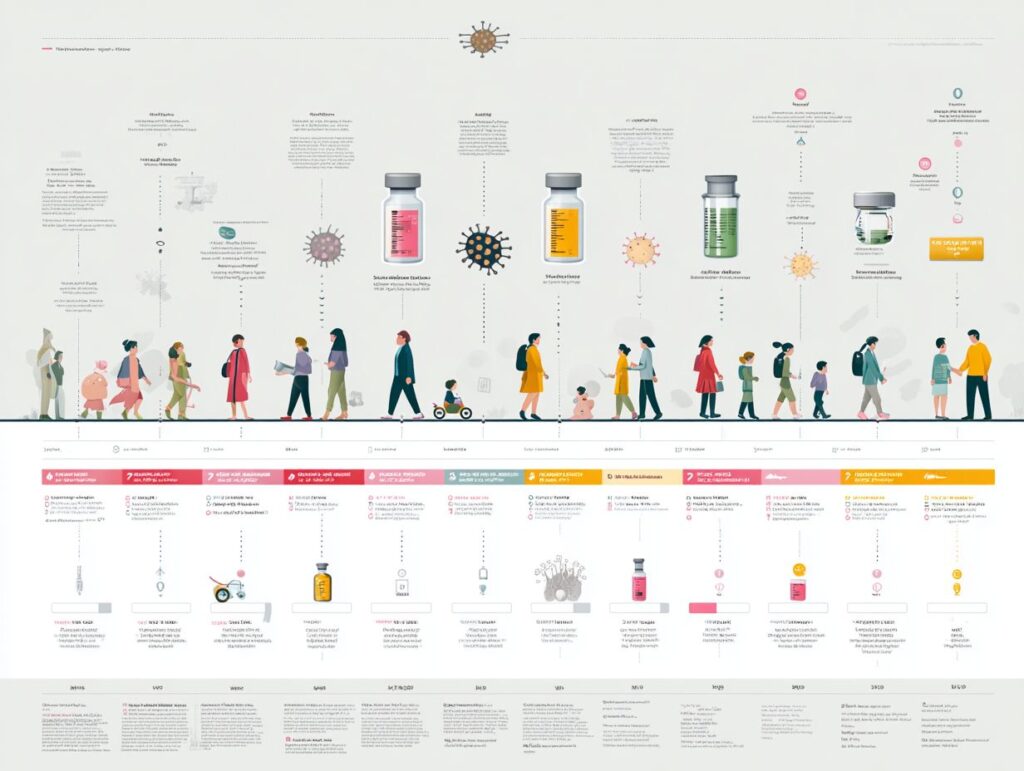
Vaccination serves as a critical instrument in the control of vaccine-preventable diseases, resulting in a 90% reduction in illnesses such as measles and polio since the introduction of vaccines. Routine immunization, including vaccines like the Hib and pneumococcal vaccine, is essential for maintaining herd immunity, which in turn protects individuals who are unable to be vaccinated, including infants and those who are immunocompromised.
For instance, the World Health Organization indicates that achieving a 95% vaccination rate for measles is necessary to avert outbreaks. Resources such as the CDC’s Immunization Schedules assist healthcare providers in ensuring that vaccinations are administered in a timely manner.
Countries that prioritize routine immunization, such as Finland and Australia, exhibit lower incidences of these diseases, thereby demonstrating the effectiveness of well-implemented vaccination programs.
Understanding Vaccine Schedules
Understanding vaccination schedules is essential for parents to adhere to recommended timelines, ensuring that children receive critical vaccinations such as DTaP, MMR, and rotavirus vaccine in a timely manner.
The vaccination schedule is typically organized by age, with specific vaccines administered at designated intervals. For instance, the DTaP vaccine is administered at 2, 4, and 6 months, followed by additional doses at 15-18 months and 4-6 years.
The MMR vaccine is recommended at 12-15 months, with a subsequent dose at 4-6 years.
In cases where children may be behind on their vaccinations, the Centers for Disease Control and Prevention (CDC) provides guidelines outlining the necessary vaccines for catch-up immunizations. Parents are encouraged to visit the American Academy of Pediatrics website for comprehensive resources and the latest updates on vaccination recommendations.
Vaccines for Infants (0-12 Months): Including RSV Immunization and Rotavirus Vaccine
During the first year of life, infants generally receive six essential vaccines, including the DTaP vaccine, hepatitis B, and pneumococcal vaccine, to establish a foundational immunity.
Recommended Vaccines
The recommended vaccinations for infants include hepatitis B, DTaP, pneumococcal, and rotavirus, which are administered at 2, 4, and 6 months of age. Each vaccine plays a crucial role in safeguarding the child from serious infectious diseases.
Hepatitis B is the initial vaccine administered at birth, providing protection against liver infection, and it’s crucial to adhere to the immunization schedule recommended by healthcare providers. The DTaP vaccine, given at 2, 4, and 6 months, offers defense against diphtheria, tetanus, and pertussis. The pneumococcal vaccine protects against pneumonia and meningitis, while the rotavirus vaccine is effective in preventing severe diarrhea.
It is essential for parents to consult with their pediatricians regarding the timing of booster shots and to discuss any potential side effects, such as mild fever or irritability, in order to ensure that their child’s vaccination schedule remains up to date.
What to Expect During Visits
During vaccination visits, parents can anticipate a thorough check-up in which healthcare providers, such as those at the Cleveland Clinic, assess the child’s health and discuss upcoming vaccinations. The healthcare provider will elucidate the significance of each vaccine, addressing prevalent concerns regarding side effects, effectiveness, and the vaccination schedule.
To assist in managing a child’s anxiety, it is advisable to prepare them by discussing what to expect: a brief pinch followed by the application of a bandage. Parents may also consider bringing a comfort item, such as a favorite toy, and distracting the child with a story or video during the injection.
Following the vaccination, it is beneficial to acknowledge the child’s bravery with a small treat, thereby fostering a positive association with future visits.
Vaccines for Toddlers (1-3 Years): Including Influenza Vaccine
As children transition into the toddler stage, they receive essential vaccinations, including the influenza vaccine, hepatitis A, and catch-up vaccination for any missed doses. These vaccinations are critical for the prevention of prevalent illnesses.
Key Vaccines During This Stage
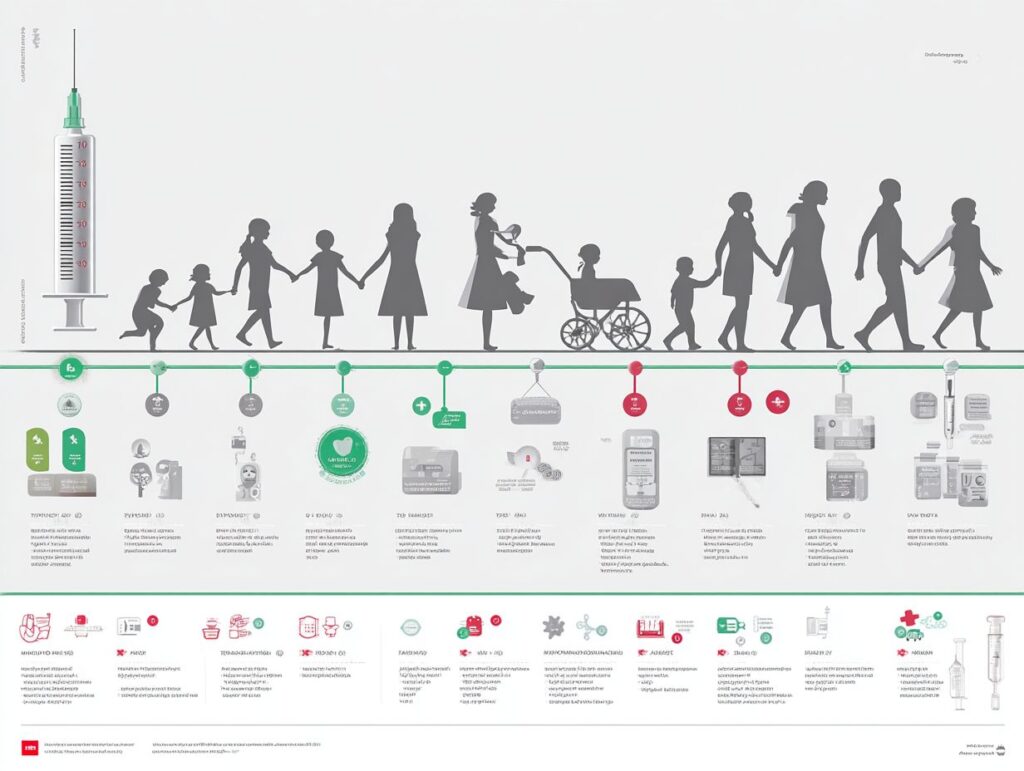
Key vaccinations during this developmental stage include DTaP, Hib, and the annual influenza vaccine, typically administered between 12 to 36 months of age.
The DTaP vaccine provides protection against diphtheria, tetanus, and pertussis, with three doses recommended by the age of 15 months. The Hib vaccine, essential for preventing infections caused by Haemophilus influenzae type b, is also given in a three-dose series.
The influenza vaccine is recommended annually, starting at six months of age, and has demonstrated effectiveness rates of up to 60%. Recent recommendations underscore the significance of timely vaccinations to bolster community immunity, particularly in light of the increasing prevalence of respiratory illnesses.
Parents are encouraged to consult with pediatricians to stay informed about any updates to the vaccination schedule.
Common Reactions and Concerns
Common reactions to toddler vaccinations may include mild fever and localized soreness at the injection site, which typically resolve within a few days. Other typical side effects can encompass irritability, sleepiness, or a minor rash at the injection site.
Parents are advised to manage these reactions by ensuring adequate fluid intake and applying a cool compress to affected areas.
In the case of mild fevers, administering a pediatric dose of acetaminophen can be effective, provided that dosage guidelines are followed carefully. Should any reactions persist beyond a few days, worsen, or if the child displays unusual symptoms such as a high fever or difficulty breathing, it is imperative to contact a healthcare provider promptly.
Vaccines for Preschoolers (4-5 Years): Preparing for Varicella Chickenpox and HPV Vaccines
Ahead of commencing their formal education, preschool-aged children receive several vital vaccinations, including the varicella (chickenpox) vaccine and the DTaP booster.
Essential Vaccines Before School
Essential vaccinations for preschool-aged children include the MMR (measles, mumps, and rubella), DTaP (diphtheria, tetanus, and pertussis), and varicella (chickenpox) vaccines, typically administered between the ages of 4 to 6 years.
The MMR vaccine is designed to protect against measles, mumps, and rubella and is administered in two doses: the first dose is given between 12 to 15 months of age, while the second dose is provided between 4 to 6 years.
The DTaP vaccine offers protection against diphtheria, tetanus, and pertussis, requiring a total of five doses prior to the age of six.
The varicella vaccine, which prevents chickenpox, is also administered in two doses, with the first dose given at 12 to 15 months and the second at 4 to 6 years.
Many parents find that scheduling these vaccinations during routine check-ups facilitates a seamless process, ensuring that their children are adequately protected before entering the school environment.
Preparing Your Child for Vaccination
Preparing a child for vaccination can significantly alleviate anxiety, and various strategies can be employed to facilitate this process. Engaging preschoolers with storybooks such as *The Berenstain Bears’ Visit the Doctor* can help normalize the experience.
Additionally, incorporating role-playing by simulating the vaccination visit allows children to participate as both the doctor and the patient, fostering a sense of understanding and control.
It may also be beneficial to bring along a favorite toy or blanket for comfort during the appointment. Utilizing a mobile device to play games or videos can serve as a distraction, redirecting their attention during the procedure.
Resources available on the CDC’s website offer valuable guidance on how to effectively explain vaccines to children, thereby making the vaccination process more manageable.
Vaccines for School-Aged Children (6-12 Years)
School-aged children may require booster shots and additional vaccinations, such as the Tdap and meningococcal vaccines, to ensure continued immunity as they develop.
Boosters and New Vaccines: Including Tdap and Meningococcal Vaccine
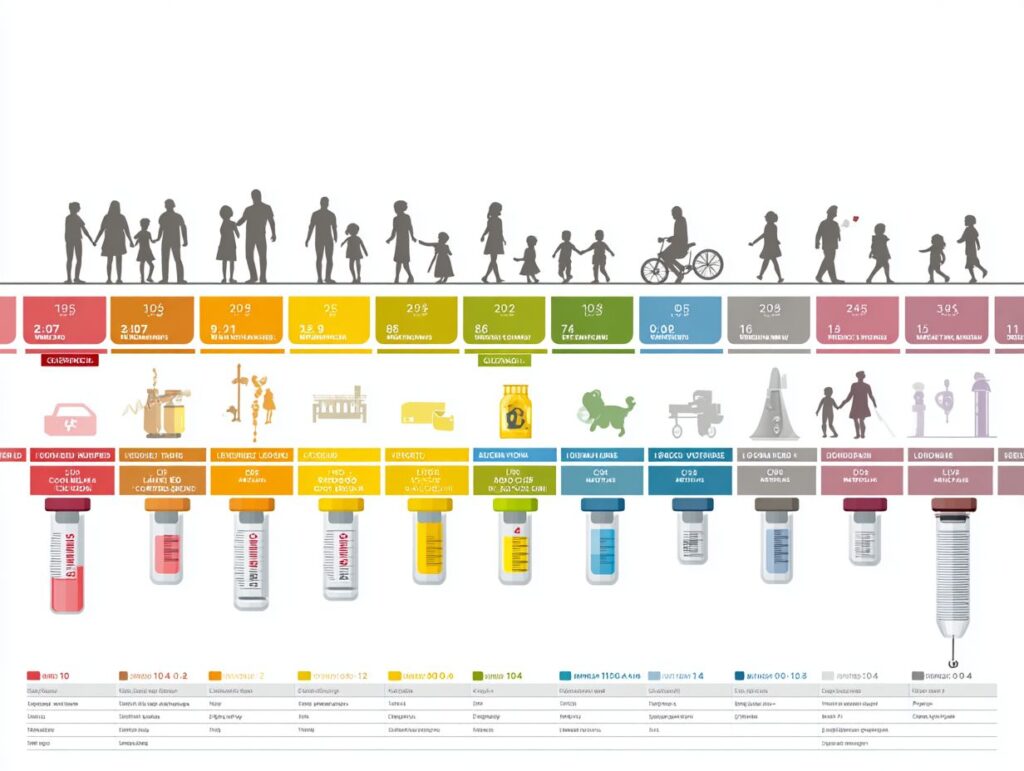
Booster vaccinations, including the Tdap and meningococcal vaccines, are essential for school-aged children to safeguard against serious diseases.
It is critical to schedule booster vaccinations, including the Tdap and meningococcal vaccine, to maintain ongoing protection. The Tdap vaccine, which provides immunity against tetanus, diphtheria, and pertussis, is typically administered once every ten years, with the first booster recommended at ages 11 to 12.
The meningococcal vaccine, which is vital for the prevention of meningitis, is recommended for children at the ages of 11 and 16.
To assist parents in keeping track of immunizations, such as the DTaP and RSV immunization, and setting reminders for upcoming vaccinations, resources such as MyIR Mobile are available.
Ensuring that booster vaccinations, including RSV-mab (Nirsevimab), are administered in a timely manner is crucial for protecting children from preventable diseases.
Addressing Parental Concerns
Addressing parental concerns regarding vaccines, including the DTaP vaccine and hepatitis B, is of paramount importance, particularly in the context of widespread misinformation surrounding vaccine safety and efficacy.
Many parents express apprehensions regarding potential side effects or perceived links between vaccines and conditions such as autism. However, research conducted by reputable experts, including pediatricians like Dr. Paul A. Offit, consistently demonstrates that vaccines are both safe and effective.
For example, clinical trials for vaccines rigorously monitor outcomes to ensure that any adverse effects are comprehensively understood and reported. To further alleviate concerns, parents are encouraged to consult healthcare providers for tailored, evidence-based information.
Additionally, resources available on websites such as the CDC and Cleveland Clinic can assist parents in staying informed and making confident decisions regarding their children’s health.
Vaccines for Adolescents (13-18 Years)
Adolescents require a series of vaccinations, particularly the human papillomavirus (HPV) and meningococcal vaccines, which are essential for the prevention of significant health complications during this developmental stage.
Vaccines Required for School Entry
Vaccines such as Tdap and meningococcal are frequently mandated for school entry, ensuring that adolescents are protected against serious diseases. To ensure compliance, students entering middle and high school are typically required to receive the following vaccines:
- Tdap (administered at ages 11-12)
- Meningococcal (administered at age 11-12 with a booster at age 16)
- Varicella vaccine (two doses if the individual has not previously been infected), and RSV immunization
Additionally, many states require the human papillomavirus (HPV) vaccine for adolescents around ages 11-12. It is essential to verify state-specific vaccination requirements, which can be accessed through your local health department’s website or the CDC’s Immunization Schedule.
Staying informed about these requirements is crucial to ensuring your child’s readiness for school.
Importance of HPV and Meningococcal Vaccines
The HPV vaccine is strongly recommended for preteens and adolescents to prevent certain types of cancers, while the meningococcal vaccine serves to protect against life-threatening infections.
The HPV vaccine has been shown to significantly reduce the risk of cervical, throat, and other cancers associated with human papillomavirus, with studies indicating effectiveness rates of up to 90% following vaccination.
Conversely, the meningococcal vaccine is essential for safeguarding against meningitis outbreaks; data reveal that approximately one in ten cases can result in fatality.
To acquire further information regarding these vaccines, parents are encouraged to visit reputable sources such as the Centers for Disease Control and Prevention (CDC) and the Vaccine Education Center, which offer comprehensive guidance for making informed health decisions.
Resources for Parents
Parents have access to valuable resources, including the Centers for Disease Control and Prevention (CDC) and the American Academy of Pediatrics, which provide comprehensive vaccine schedules and information on vaccines such as Dengue.
Plus these organizations, it is advisable to consult the Immunization Action Coalition (IAC) for downloadable immunization schedules and educational materials that can effectively clarify vaccine recommendations.
Local healthcare providers can be located through the Health Resources and Services Administration (HRSA) website, which features a searchable database. It is essential to ensure that the information obtained is current and based on scientific evidence, as misinformation can contribute to vaccine hesitancy and disparities in vaccination rates.
Checkout The Ultimate Guide to Vaccinations for Children

Frequently Asked Questions
What vaccines are recommended for infants?
At 2 months, infants are recommended to receive vaccines for Diphtheria, Tetanus, Pertussis, Polio, Haemophilus influenzae type b, Pneumococcal disease, and Rotavirus. These vaccines are important to protect against serious and potentially life-threatening diseases.
What vaccines should young children receive?
Between 4 and 6 years old, children are recommended to receive vaccines for Diphtheria, Tetanus, Pertussis, Measles, Mumps, Rubella, Varicella, and Polio. These vaccines help protect against common childhood illnesses and are important for maintaining overall health.
What vaccines are recommended for pre-teens and teenagers?
From 11 to 12 years old, pre-teens and teenagers are recommended to receive vaccines for Tetanus, Diphtheria, Pertussis, Human Papillomavirus, Meningococcal disease, COVID-19, and Influenza. These vaccines are important for preventing serious diseases and promoting good health throughout adolescence.
Are there any vaccines recommended for adults?
Yes, adults are recommended to receive vaccines for Tetanus, Diphtheria, Pertussis, Influenza, Pneumococcal disease, and Shingles. It is important for adults to stay up to date on their vaccinations to protect not only themselves, but also those around them.
What vaccines are recommended for senior citizens?
At 65 years old and older, seniors are recommended to receive vaccines for Influenza, Pneumococcal disease, Shingles, and Tetanus. These vaccines are important for protecting against common illnesses and potentially severe complications as we age.
Are there any side effects to receiving vaccines?
Most people do not experience any side effects from vaccines. However, some may experience mild reactions such as soreness, redness, or swelling at the injection site, mild fever, or aches. These reactions are temporary and are a sign that your body is building immunity. Severe reactions are extremely rare. If you have any concerns, talk to your healthcare provider.