Planning a trip to Costa Rica in 2026 and want to keep it eco-friendly? This guide shows you the best spots to stay, eat, and explore with sustainable travel in mind, from cloud forest cabins to farm-to-table meals. It’s all about enjoying the pura vida without leaving a big carbon footprint.
Table of Contents
Key Takeaways:
- Stay sustainably at eco lodge s in Arenal, beachfront glamping in Guanacaste, or cloud forest cabins in Monteverde Reserve for immersive, low-impact experiences amid stunning nature hikes and biodiversity.
- Dine responsibly with farm-to-table meals in Central Valley and fresh seafood in Manuel Antonio, supporting local sourcing through organic farming and sustainable fishing practices.
- Explore top eco-tourism adventures like zip-lining and wildlife tours, prioritizing low-emission transport like public transportation and electric vehicles for conservation-focused activities for guilt-free 2026 travels.
Sustainable Travel Principles
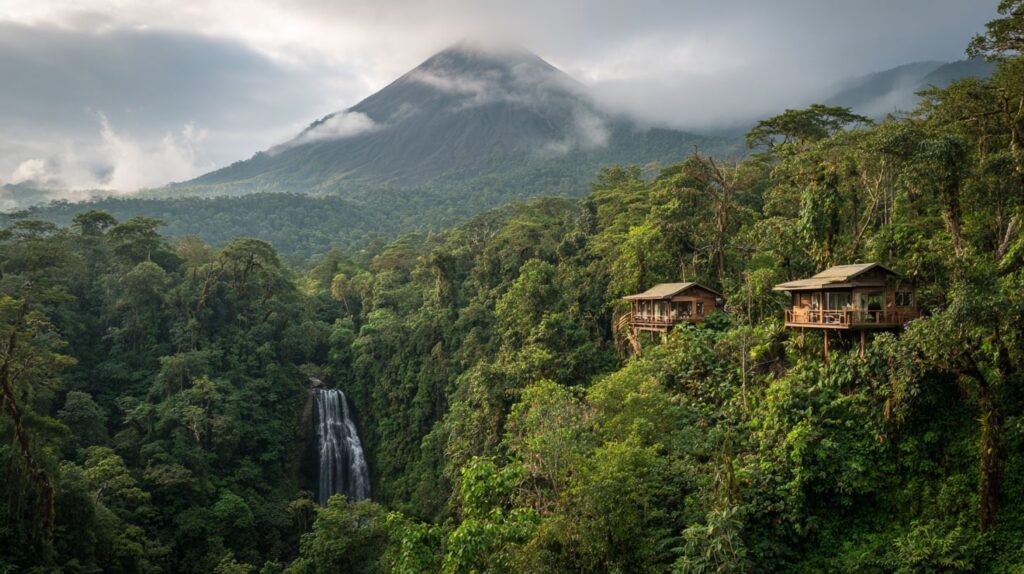
Adopting sustainable travel principles in Costa Rica means making conscious choices that protect its fragile ecosystems and support local communities. These practices help preserve the country’s rich biodiversity in places like Corcovado National Park and Tortuguero National Park. Travelers can enjoy immersive experiences while minimizing their impact.
Pack a reusable water bottle and reef safe sunscreen to cut down on plastic waste and safeguard wildlife. Opt for biodegradable products in your personal care routine, such as soap and shampoo that break down naturally. Choose accommodations like eco lodge s with solar panels for renewable energy.
Offset your carbon footprint by contributing to reforestation projects near Arenal Volcano or the Osa Peninsula. Follow leave no trace rules on trails in Monteverde Reserve, packing out all waste for water conservation. Support eco-tourism through guided tours with local guides who promote organic farming and farm-to-table meals featuring gallo pinto.
Here is a checklist of packing essentials for responsible travel:
- Reusable water bottle for refilling at stations in national parks
- Reef safe sunscreen to protect coral during beach visits in Uvita
- Biodegradable toiletries for use in cloud forests
- Quick-dry towel and reusable bags for water conservation
- Binoculars for birdwatching without disturbing wildlife
- Lightweight rain gear for the green season
Getting There and Around
Reaching costa rica and navigating its diverse landscapes sustainably requires planning for low-impact flights and eco-friendly ground transport. Direct flights land at San Jos or Liberia airports, serving major hubs from the US and Europe. Many nationalities enjoy visa-free access for short stays. Many nationalities enjoy visa-free entry for short stays.
Opt for eco-conscious airports with renewable energy like solar panels at Juan Santamara International. On the ground, choose public transportation, shared shuttles, or electric vehicles to cut your carbon footprint. These options align with sustainable travel in national parks and cloud forests.
Public buses connect cities to eco-lodges in Monteverde Reserve or Arenal Volcano areas. Rent electric vehicles for flexibility on the Nicoya Peninsula or Papagayo Peninsula. Apps help book shuttles like those for Omar’s Shuttle, avoiding high-emission private taxis.
Pack a reusable water bottle and reef-safe sunscreen for nature hikes and birdwatching. Local guides offer insights into biodiversity and organic farming. This approach supports pura vida while exploring Tortuguero National Park or Osa Peninsula.
Visa, Flights & Eco-Transport
Simplify your journey with visa-free access for up to 90 days for most visitors and flights from major hubs landing in eco-conscious airports. First, ensure your passport has at least six months validity. US and EU citizens typically need no visa, but confirm details through official channels.
Book direct flights to San Jos or Liberia to minimize emissions. Use flight search tools with eco-filters to compare options quickly, taking just minutes. Choose airlines investing in sustainable fuels for trips to wildlife hotspots like Corcovado National Park.
- Verify passport and visa rules for smooth entry.
- Select direct flights with low-emission carriers.
- Plan ground transport like electric vehicles or buses upon arrival.
On the ground, rent electric vehicles for drives to Uvita or Manzanillo. Shared shuttles serve Puerto Viejo and Limn Province efficiently. Public buses are budget-friendly for reaching coffee plantations or farm-to-table spots, though schedules vary, so check apps like those for Omar’s Shuttle.
| Option | Pros | Cons |
|---|---|---|
| Public Buses (public transportation) | Affordable, low emissions, supports local economy | Fixed schedules, less comfortable for long trips |
| Car Rentals (Electric) (electric vehicle) | Flexible routes to remote areas like Osa Peninsula | Higher cost, charging stations limited in green season |
Avoid the common mistake of overlooking bus timetables by booking ahead. Pair with guided tours for turtle nesting views or yoga wellness retreats. This keeps your adventure aligned with water conservation and local sourcing principles.
Where to Stay Sustainably
Costa Rica‘s eco-lodges prioritize renewable energy, water conservation, and local sourcing, offering guilt-free stays immersed in nature.
Options span regions from Arenal’s volcanic landscapes to Guanacaste’s beaches and Monteverde’s cloud forests. Many hold CST Certification for Sustainable Tourism, ensuring low carbon footprint s through solar panels and biodegradable products.
In Arenal, expect farm-to-table meals and nature hikes. Guanacaste glamping features oceanfront tents with wildlife protection. Monteverde cabins provide hanging bridge access amid biodiversity hotspots.
Pack a reusable water bottle and reef safe sunscreen for these sustainable travel spots. Experts recommend booking early for green season deals in Limn Province or Osa Peninsula alternatives.
Eco-Lodges in Arenal
Arenal’s eco-lodges blend volcanic views with sustainability, like Finca Rosa Blanca‘s organic farming and solar-powered comforts.
Stay at Finca Rosa Blanca for coffee plantation tours and farm-to-table dining using local ingredients. Lodges near Arenal Volcano National Park and Tobcon Hot Springs rely on solar panels and water conservation systems.
Prices range from $200-400 per night. These spots minimize impact while maximizing pura vida vibes. Book via platforms with eco-filters, and request guided nature hikes with local guides. These spots minimize impact while maximizing pura vida vibes.
| Lodge | Amenities | Sustainability Features | Proximity to Attractions |
|---|---|---|---|
| Finca Rosa Blanca | Farm-to-table restaurant, spa | Organic farming, solar panels | 20 min to Arenal Volcano |
| Near Tobcon | Hot springs access, pools | Water conservation, local sourcing | 5 min to hot springs |
| Parkside Lodge | Trails, yoga deck | Renewable energy, biodegradable products | Adjacent to national park |
Beachfront Glamping in Guanacaste
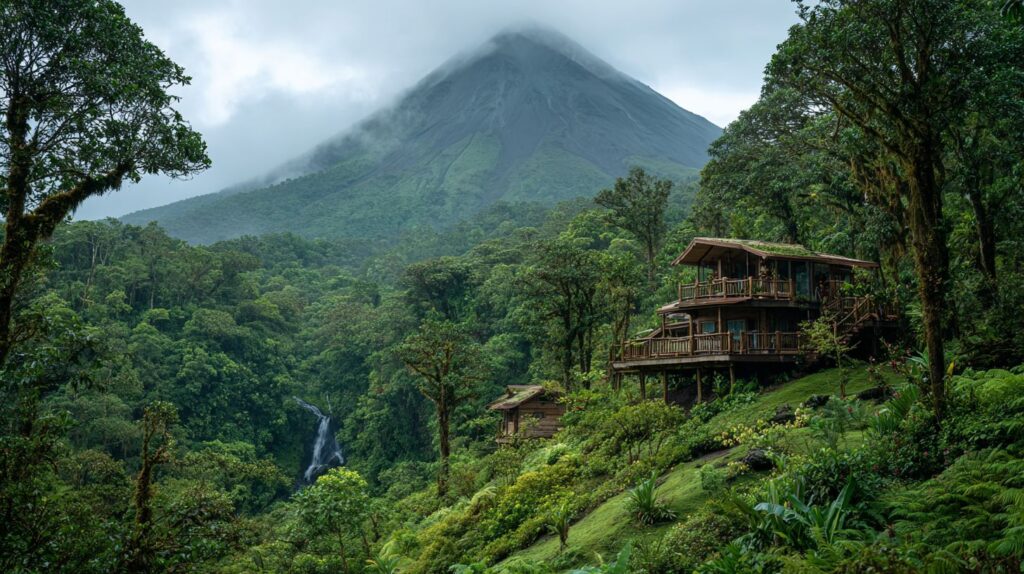
Guanacaste’s beachfront glamping sites on the Nicoya Peninsula and Papagayo Peninsula elevate sustainable luxury with oceanfront tents and conservation programs.
Try Nekajui Ritz-Carlton Reserve for solar-powered tents and wildlife protection efforts. Hacienda AltaGracia offers organic farming gardens and yoga wellness retreats with electric vehicle access.
Rates start at $300+ per night. Join birdwatching tours or turtle nesting watches. Use public transportation or electric vehicles to reduce your carbon footprint.
- Pack lightweight layers for evenings.
- Bring a reusable water bottle and reef-safe sunscreen.
- Include bug spray and binoculars for birdwatching.
- Add quick-dry clothes for beach activities.
Cloud Forest Cabins in Monteverde
Montverde Cloud Forest Reserve‘s cabins offer intimate stays amid misty canopies, powered by renewable energy and focused on biodiversity preservation.
Choose cabins with hanging bridges access and meals from local sourcing. Solar panels and water conservation systems keep operations eco-friendly.
Book using Booking.com eco-filters, ideally for green season when mists enhance views. Rates vary by views and trails; pair with guided tours in Monteverde Reserve.
| Cabin Option | Views | Trails Access | Price Range |
|---|---|---|---|
| Forest Edge Cabin | Panoramic canopy | Hanging bridges, 2 km trails | $250-350/night |
| Riverside Retreat | Stream and mist | Private nature paths | $200-300/night |
| Peak Vista Cabin | Cloud forest peaks | Guided hike starts | $300-450/night |
Where to Eat Sustainably
Sustainable dining in Costa Rica spotlights farm-to-table meals, organic farming, and local sourcing, from gallo pinto breakfasts to fresh seafood. Zero-waste kitchens minimize plastic use with biodegradable products and compost scraps. Community-supported eateries connect diners to eco-tourism through shared harvests and cultural meals in areas like Limn Province.
These spots link to regional specialties like coffee plantation brews in the Central Valley of Costa Rica or line-caught fish near national parks. Opt for places using reusable water bottles and solar panels for renewable energy. This approach cuts your carbon footprint while tasting pura vida flavors.
Seek eateries tied to local guides for stories on water conservation. Pair meals with nature hikes or birdwatching for full sustainable travel. From cloud forest cafes to Osa Peninsula shacks, options abound for mindful eating.
Embrace green season deals on organic produce. Experts recommend choosing spots near eco lodges for easy access via public transportation or electric vehicles.
Farm-to-Table in Central Valley
Central Valley’s farm-to-table restaurants, like those at Finca Rosa Blanca, serve dishes grown on-site amid lush coffee plantations. Menus highlight organic farming with salads, casados, and fresh juices. After, relax at nearby Tobcon Hot Springs. Reserve tastings for one to two hours to learn bean-to-cup processes.
Other spots include Finca Palo Alto for vegetable-forward plates and La Luz Coffee Farm for roast pairings. These venues support biodiversity by avoiding pesticides. Pair visits with nearby hikes in Monteverde Reserve or Arenal Volcano trails.
- Reserve tastings early via phone to secure spots.
- Avoid peak hours from noon to 2 p.m. for quieter tours.
- Bring a reusable water bottle for hydration during walks.
Sample itinerary: Start with a 10 a.m. tasting at Finca Rosa Blanca, hike coffee paths post-meal, then lunch on-site. End with yoga wellness nearby. This flow blends food, nature, and sustainable travel.
Seafood Spots in Manuel Antonio
Near Uvita and Manuel Antonio, sustainable seafood spots prioritize line-caught fish and local sourcing to support ocean health. Eateries like El Pescado Loco and Soda Sanchez use biodegradable packaging. Must-tries include ceviche made with reef-safe practices and minimal waste.
Agua Azul in Uvita offers fresh catches with ocean views, while Falafel Bar provides vegetarian gallo pinto alternatives using local beans. Opt for lunch specials to sample small-batch dishes. These align with eco-tourism near Corcovado National Park.
- El Pescado Loco: Beachfront, line-caught tuna tacos.
- Soda Sanchez: Ceviche bowls with organic limes.
- Agua Azul: Grilled mahi-mahi, veggie sides.
Dining tips: Choose lunch for lighter crowds and fresher picks. Use reef-safe sunscreen for pre-meal beach time. Map spots along the coast from Manuel Antonio to Uvita for guided tours spotting wildlife like turtles.
Top Sustainable Exploration
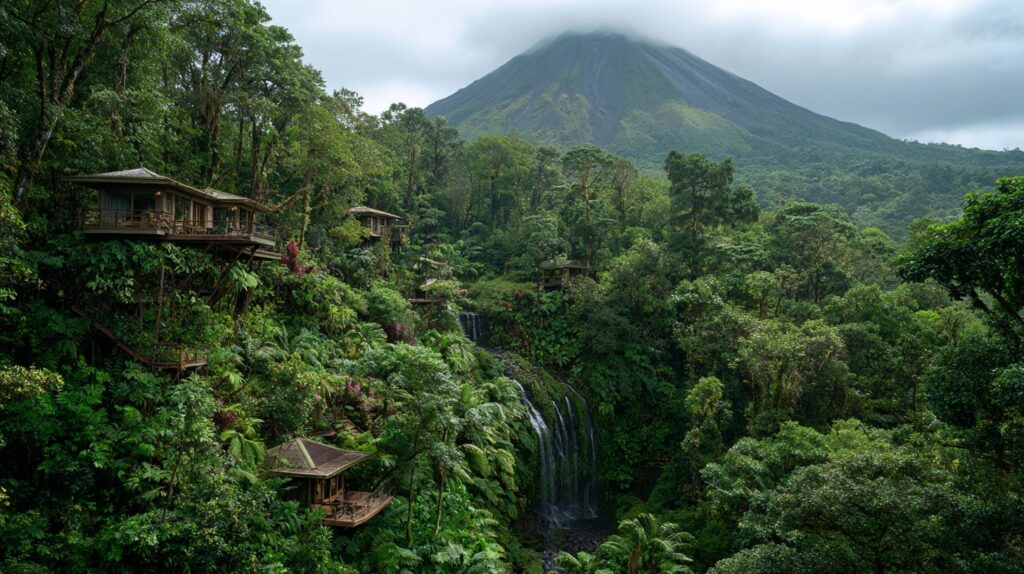
Corcovado National Park‘s national parks and reserves offer unparalleled eco-tourism, from wildlife spotting to guided tours that fund conservation. Must-visits like Tortuguero National Park and Corcovado National Park highlight biodiversity hotspots. Emphasize local guides for authentic insights into sustainable travel practices.
These areas promote eco-friendly activities such as the Green Circle Experience, nature hikes and boat tours. Booking with community-based operators supports conservation efforts and reduces your carbon footprint. Expect immersive experiences amid rainforests and coastlines.
Pack a reusable water bottle and reef-safe sunscreen for responsible exploration. Green season visits bring fewer crowds and lush scenery. Pair tours with stays at eco-lodges for a full pura vida immersion.
Research suggests local guides enhance understanding of wildlife habitats. Focus on low-impact options like electric vehicle transfers where available. This approach ensures your trip aids renewable energy projects and organic farming communities.
National Parks like Tortuguero and Corcovado
Tortuguero National Park in Limn Province and Corcovado in the Osa Peninsula showcase biodiversity hotspots with turtle nesting and jungle treks. Reach Tortuguero by boat for a true wilderness feel. Corcovado via Drake Bay offers remote hikes teeming with wildlife.
Book local guides for 2-4 hour tours, including guided night walks in Tortuguero to witness turtle nesting. In Corcovado, spot monkeys and tapirs on expert-led paths. These tours fund park maintenance and community projects.
Green season tips include packing rain gear and insect repellent for muddy trails. Pros include rich biodiversity, cons involve limited access and weather dependency. Use the table below for quick comparison.
| Aspect | Tortuguero | Corcovado |
|---|---|---|
| Access | Boat only | Drake Bay hikes |
| Highlight | Turtle tours | Jungle wildlife |
| Best For | Night spotting | Day treks |
| Green Season | Lush, fewer crowds | Wet trails, vibrant flora |
Caribbean Coast Adventures
Puerto Viejo de Limon and Manzanillo in Limn Province deliver vibrant Caribbean adventures with sustainable snorkeling and cultural immersion. Try reef-safe snorkeling to protect coral reefs. Rent electric bikes for easy coastal exploration.
Join chocolate tours at local farms to learn about organic farming and taste fresh cacao. These experiences highlight local sourcing and support small producers. Safety tips include sticking to marked paths and using biodegradable products.
Best times fall in the dry season for calm waters, though green season offers solitude. Combine with farm-to-table meals featuring gallo pinto. Experts recommend dawn snorkel sessions for clearest visibility.
Opt for operators using public transportation or electric vehicles to minimize impact. This area blends adventure with eco-tourism, fostering water conservation through reusable bottle stations at beaches.
Pacific Coast: Uvita and Ballena
Uvita‘s Ballena National Park offers whale-watching and beach hikes, epitomizing Pacific eco-tourism with minimal environmental impact. Spot humpback whales from July to October on guided boat tours. Hike the whale tail formation for stunning views.
Follow a sample itinerary: morning nature hike followed by afternoon yoga wellness sessions. Many spots feature reusable water bottle stations powered by solar panels. Local guides share insights on marine conservation.
Book ethical operators who use low-emission boats. Pack sturdy shoes and binoculars for birdwatching. This region on the Nicoya Peninsula emphasizes sustainable practices like carbon footprint reduction.
Green season enhances greenery but check weather for whale sightings. Pair visits with nearby eco-lodges for relaxation. Focus on biodegradable products to preserve pristine beaches.
Monteverde and Arenal Experiences
Montverde Cloud Forest Reserve and Arenal Volcano deliver birdwatching and nature hikes through suspended bridges and hot springs. Join night walks with local guides to spot nocturnal creatures. Zip-lines feature eco-brakes for safety and low impact.
Plan full-day tours covering cloud forest trails and volcano views. Essential gear includes binoculars, sturdy shoes, and rain ponchos. These activities support biodiversity protection in misty highlands.
Explore coffee plantations nearby for insights into organic farming. Hot springs at Arenal offer renewable energy-heated waters. Research suggests guided options deepen appreciation for resplendent quetzals.
- Start with bridge walks in Monteverde.
- Move to Arenal for volcano hikes.
- End with evening soaks in thermal pools.
- Always choose local guides for authenticity.
Off-the-Beaten-Path: Tirimba and Tortuga
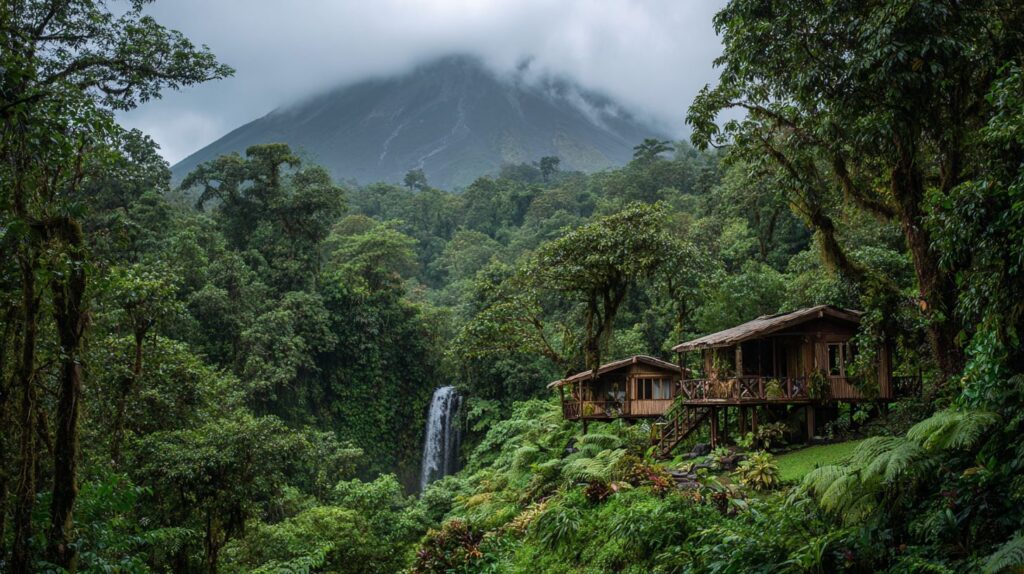
Hidden gems like Tirimba Biological Reserve and Tortuga Island provide serene escapes for intimate wildlife encounters. Access via boat or ferry for an adventurous approach. Fewer crowds mean deeper connections with nature.
Enjoy ethical monkey feeding sessions led by experts and calm kayaking tours. Book through local operators who prioritize conservation. These spots boast richer biodiversity away from main tourist paths.
Why visit? Expect personalized guided tours and untouched habitats. Pack light with a reusable water bottle and reef-safe sunscreen. Green season visits reveal exploding flora and fauna.
Combine with nearby eco-lodges for overnight stays. This style of sustainable travel supports remote communities and reduces overtourism pressure. Embrace pura vida in these tranquil havens.
Frequently Asked Questions
What is the ‘Costa Rica Travel Guide 2026: Where to Stay, Eat & Explore Sustainably’ all about?
The ‘Costa Rica Travel Guide 2026: Where to Stay, Eat & Explore Sustainably’ is your ultimate resource for eco-conscious travelers visiting Costa Rica in 2026. It highlights sustainable accommodations, farm-to-table dining spots, and low-impact exploration activities across rainforests, beaches, and volcanoes, ensuring you contribute positively to the country’s biodiversity while enjoying an unforgettable trip.
Where should I stay according to the ‘Costa Rica Travel Guide 2026: Where to Stay, Eat & Explore Sustainably’?
The guide recommends eco-lodges and sustainable hotels like Hacienda AltaGracia in Monteverde Cloud Forest or Manuel Antonio National Park. Look for properties certified by the Costa Rican Tourism Institute (ICT) with features like solar power, zero-waste policies, and reforestation initiatives to minimize your environmental footprint in 2026.
What are the best places to eat featured in the ‘Costa Rica Travel Guide 2026: Where to Stay, Eat & Explore Sustainably’?
For sustainable dining, the ‘Costa Rica Travel Guide 2026: Where to Stay, Eat & Explore Sustainably’ spotlights spots like Finca Rosa Blanca and organic sodas (local eateries) in Arenal Volcano National Park near Tobcon Hot Springs and farm-fresh restaurants in the Osa Peninsula. Emphasize venues using local, seasonal ingredients, supporting community farms and reducing food miles for an authentic, green culinary experience.
How can I explore Costa Rica sustainably using the ‘Costa Rica Travel Guide 2026: Where to Stay, Eat & Explore Sustainably’?
The guide promotes activities like guided night walks in Tortuguero National Park and Corcovado National Park, zip-lining with eco-operators in Montverde Cloud Forest Reserve, and turtle-watching tours at Tortuga Island and Tirimba Biological Reserve that fund conservation. It advises choosing carbon-offset transport, avoiding single-use plastics, and sticking to marked trails to protect habitats in 2026.
Why focus on sustainability in the ‘Costa Rica Travel Guide 2026: Where to Stay, Eat & Explore Sustainably’?
Costa Rica aims for carbon neutrality by 2050, and this guide aligns with that by curating options that support biodiversity hotspots like Ballena National Park in Uvita and Puerto Viejo de Limon in Limn Province. In 2026, overtourism pressures make sustainable choices essential-helping preserve sloth sanctuaries, coral reefs, and cloud forests for future generations.
Is the ‘Costa Rica Travel Guide 2026: Where to Stay, Eat & Explore Sustainably’ suitable for first-time visitors?
Absolutely! The ‘Costa Rica Travel Guide 2026: Where to Stay, Eat & Explore Sustainably’ is beginner-friendly, with itineraries from San Jos to the Nicoya Peninsula and Papagayo Peninsula, options near Drake Bay and the Nekajui Ritz-Carlton Reserve, packing tips for rainy seasons like the Green Circle Experience at Hacienda AltaGracia, and budget-friendly sustainable options. It ensures newcomers experience pura vida responsibly from day one.