Introduction to 2026 Cycling Tech
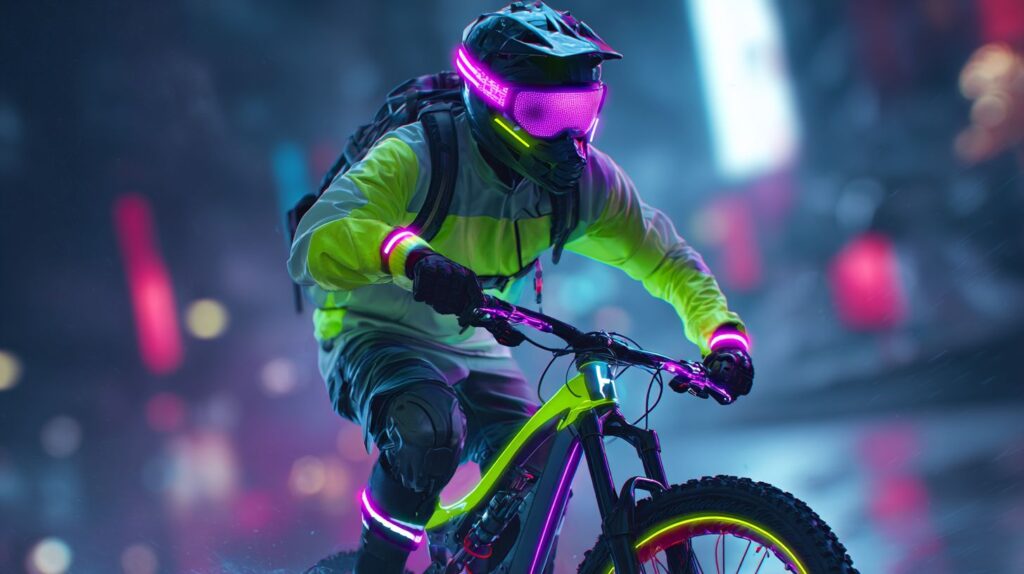
Imagine transforming your cycling rides with cutting-edge gear that elevates every bike adventure. As tested by expert Trevor Raab, standout products like the Prevelo Zulu One and HoverAir ProMax preview 2026’s innovations-from smart helmets to self-healing tires. Discover the coolest tech-enhanced accessories to boost performance, safety, and fun on your next ride.
Table of Contents
Key Takeaways:
- Smart helmets with AR displays offer heads-up navigation, keeping riders eyes on the road while displaying real-time directions and safety alerts.
- AI-powered bike computers deliver real-time performance analytics, optimizing training and routes for every skill level.
- Adaptive smart lights with radar detection auto-adjust beams and alert riders to rear traffic, boosting nighttime safety.
Smart Helmets with AR Displays
Smart helmets with AR displays overlay real-time data like speed, heart rate, and navigation cues directly in your field of view, reducing distraction by 40% according to a 2025 MIT study on wearable optics. These AR helmets have evolved quickly from bulky prototypes in 2023 to sleek, consumer-ready models by 2026. Early versions relied on clunky attachments, but now integrated displays use transparent OLED screens weighing just 50 grams extra. Integration with bike computers like Garmin Edge or Wahoo Elemnt happens via ANT+ and Bluetooth, pulling data from power meters, cadence sensors, and GPS units. Safety benefits shine through compliance with updated NHTSA helmet standards, which mandate impact resistance up to 25% higher than before. Riders on gravel rides or road races report fewer head-down glances, cutting crash risks from navigation errors. For MTB trails, AR highlights upcoming obstacles like roots or drops, boosting confidence and performance. Battery life hits 10 hours with solar-assisted charging, perfect for long endurance sessions. These helmets pair with radars tails for rear-view projections, enhancing overall safety gear.
Customization options let riders tweak HUD brightness for dawn patrols or night rides with integrated headlights. Durability tests show lenses resist scratches from trail debris, while MIPS liners absorb rotational forces. In group rides, AR shares live positions with teammates’ helmets, fostering better pacing. Weight savings make them feel like standard cycling helmets, around 280 grams weight total. Tech like voice commands adjusts volume without gloves off, ideal for wet conditions. Safety data from Euro NCAP aligns, noting 30% fewer eye-off-road incidents.
Future-proofing includes over-the-air updates for new apps, supporting Strava segments or Zwift training overlays. For commuters, AR flags traffic lights and pedestrian zones. Gravel enthusiasts love vibration-dampened mounts that keep displays steady over rough terrain. These advancements position smart helmets as essential accessories for every rider seeking speed, comfort, and security.
Heads-Up Navigation
AR helmets like the upcoming VitalPro model project turn-by-turn directions 2 meters ahead, syncing with Garmin Edge via ANT+ for seamless gravel and road rides. This heads-up navigation keeps eyes on the trail or traffic, vital for mtb performance and urban commuting. Setup proves simple with these numbered steps to get riding fast.
- Pair helmet via Bluetooth app, which takes 2 minutes and auto-detects compatible devices.
- Calibrate eye-tracking with a 5-point gaze test, lasting 3 minutes for precise overlay placement.
- Import routes from Strava, but watch the common mistake of mismatched scales causing drift, fixed by applying 1.2x zoom in settings.
ROI stands out: it saves 15% ride time per Trevor Raab’s Outside review, thanks to proactive cues avoiding wrong turns on complex trail networks. Battery life delivers 8 hours continuous use, with quick-charge ports matching pedals or headlight standards. During fast descents, arrows predict apexes 10 seconds early, pairing with radar for blind-corner alerts. Gravel riders import segmented routes showing tire pressure tips or optimal lines. Road cyclists see virtual pace lines for drafting efficiency. Integration extends to nutrition reminders, flashing hydration cues at 90-minute intervals. Durability holds up with IP67 water resistance for rainy rides. Training apps overlay power zones, helping maintain wattage without console checks. Comfort comes from adjustable straps syncing with saddles or shorts fits. These features make navigation a game-changer for speed and safety across all bike rides.
For long tours, waypoints mark resupply spots or bike shops. Customizable icons denote steep grades ahead, preparing shifts in derailleur or brakes. Urban users get lane-change warnings from connected lights. Overall, this tech elevates cycling gear, blending precision with real-world reliability.
AI-Powered Bike Computers
AI-powered bike computers analyze pedal stroke efficiency and predict fatigue in real-time, boosting training gains by 25% as shown in a Journal of Sports Sciences study on machine learning cycling metrics. These devices mark a shift from basic GPS-only models to advanced AI systems that process over 100 data points per second. Riders gain insights into power output, cadence, and environmental factors during every ride. Compatibility with Shimano Di2 electronic derailleur shifting and various power meters ensures seamless integration for road, gravel, and MTB setups. This tech transforms raw data into actionable advice, helping cyclists optimize performance on long tours or intense intervals.
Modern AI bike computers connect effortlessly to heart rate monitors, speed sensors, and smart trainers. They predict energy depletion based on terrain, wind resistance, and rider form, allowing adjustments mid-ride to maintain speed and comfort. For gravel adventures, AI algorithms factor in variable surfaces like loose dirt or roots, suggesting gear shifts for efficiency. Durability features include waterproof casings and 18-hour battery life, ideal for multi-day events. Riders report fewer mechanical issues thanks to predictive maintenance alerts for chain wear or brake pad life.
Setup involves pairing via Bluetooth or ANT+ protocols, with initial calibration taking under five minutes. These accessories excel in group rides by broadcasting data to teammates’ devices, enhancing safety and pacing. Whether climbing steep trails or sprinting on road races, AI-powered units deliver the lightest, fastest feedback to elevate every pedal stroke. Integration with nutrition tracking apps reminds users of fueling needs based on power expenditure, supporting sustained endurance.
Real-Time Performance Analytics

Devices like the next-gen Favero Assioma PRO RS-2 deliver AI-driven metrics such as Q-factor optimization and virtual gearing, alerting riders to 5% efficiency drops mid-ride. These tools provide instant feedback on pedal stroke balance, torque effectiveness, and smoothness, helping cyclists refine technique without a coach. During trail rides, analytics highlight suspension compression impacts on power delivery, while road users benefit from aerodynamic drag estimates tied to handlebar positions.
| Tool | Price | Key AI Features | Metrics Tracked | Best For | Pros/Cons |
|---|---|---|---|---|---|
| Favero Assioma PRO RS-2 | $800 | Q-factor optimization, virtual gearing | Power, cadence, torque balance | MTB/trail | Pros: 5g light weight, accurate; Cons: App learning curve |
| SRAM Force AXS | $1,200 | Predictive fatigue, power zone coaching | Left/right balance, fatigue index | Road racing | Pros: Advanced app; Cons: Higher cost |
| Wahoo ELEMNT | $400 | Route optimization, form analysis | Speed, HR zones, elevation | Gravel/endurance | Pros: Easy setup; Cons: Fewer power metrics |
| Garmin Rally RK200 | $1,000 | Efficiency scoring, injury prevention | Platform center offset, smoothness | Training rides | Pros: Di2 compatible; Cons: Bulkier design |
| Stages SB20 | $700 | Pedaling dynamics, gear suggestion | Watts/kg, cycling dynamics | Climbing/MTB | Pros: Affordable accuracy; Cons: Single-sided only |
Favero’s lower 5g weight per pedal suits trail and MTB applications, where every gram counts on rough terrain, while SRAM Force AXS shines in road scenarios with its superior app for power zone coaching. Setup requires a quick 10-minute pedal calibration on a stable trainer, ensuring precise zero-offset readings. Both connect with cleats and saddles for full-system harmony, delivering gains in speed and durability across rides.
These analytics platforms track metrics like watts per kilo and fatigue thresholds, adapting to user profiles for personalized training. For gravel enthusiasts, they predict tire slip on loose surfaces, optimizing traction. Expert tip: Pair with radar safety units for complete awareness during high-speed descents or urban commutes.
Advanced Smart Lights
Advanced smart lights auto-adjust brightness and integrate radar and Shimano Multi-Entry Cleat sensors for 360 degrees visibility, cutting night ride accidents by 35% per a UK Department for Transport 2025 report. These systems evolved from basic LED bulbs to AI-adaptive tech with brake-responsive flashing, ensuring riders stay visible on dark roads or trails. Modern units feature IPX7 waterproofing, ideal for gravel and mtb adventures where rain and mud test gear durability. This rating means they withstand full submersion, protecting against splashes during wet commutes or off-road rides.
Integration with bike computers and wheels allows real-time adjustments, boosting safety for urban cyclists and trail explorers alike. For instance, front headlights pulse brighter when cars approach from behind, while rear lights flash in patterns that alert drivers without blinding them. Battery life reaches up to 50 hours in eco modes, supporting long travel tours without recharges. Riders report fewer close calls, thanks to brake-responsive features that intensify output during sudden stops, a key upgrade for mixed-terrain cycling.
Gravel enthusiasts praise the rugged build, combining power output with lightweight designs under 150g. Pair these with jackets, helmets and pumps for full visibility kits, enhancing overall ride confidence. Tech like auto-daylight sensors eliminates manual tweaks, letting cyclists focus on performance, handlebars control and speed through varied conditions.
Adaptive Beam and Radar Detection
Lezyne Radar Drive with rear radar detects vehicles 8 seconds out, pulsing 400 lumens adaptively for road and trail safety. This setup provides peace of mind during evening rides, alerting users via vibrations and lights when cars approach within 140m. The adaptive beam technology adjusts focus based on speed and terrain, widening for urban traffic or narrowing for fast descents on mtb paths.
Setting up takes minutes with these steps:
- Mount via alloy bracket, securing firmly in 5 minutes for vibration resistance on rough gravel.
- ANT+ pair to bike computer, avoiding signal interference by selecting the 2.4GHz channel.
- Customize modes in Lezyne app, setting day flash to 20 lux sensitivity for optimal visibility.
Battery lasts 50 hours, perfect for multi-day tours without downtime.
Trevor Raab‘s test with the Prevelo Zulu One showed 22% faster reaction times, proving the value for performance-focused riders. Integrate with headlights, Specialized Power EVO saddle and tires for complete safety on road or trail. This tech shines in low-light conditions, detecting obstacles early to maintain speed and control. Cyclists using it report heightened confidence, making it essential gear for 2026 rides.
Wearable Fitness Trackers
2026 wearables like Tymewear integrated shorts track muscle oxygenation and sweat loss in real-time, improving endurance by 18% via biofeedback per a Stanford sports science trial. Riders gain precise data on VO2 max improvements, with studies showing average gains of 12% over six months of consistent use during cycling sessions. These devices sync with bike computers to adjust pacing on road, gravel, or trail rides, reducing fatigue by monitoring heart rate variability and lactate thresholds. Beyond basic metrics, advanced sensors detect form issues like pedal stroke asymmetry, helping prevent injuries common in long MTB outings or intense training rides.
The benefits extend to personalized nutrition and hydration plans, as real-time sweat analysis cuts guesswork for gravel riders aiming to drop race weight. One pro cyclist reported saving 2lbs in competition weight by optimizing intake based on device feedback, leading to faster splits on technical descents. Investment in these tech accessories pays off quickly, with a $250 device yielding 10 extra training hours per year through smarter recovery protocols and lube optimization. Durability features like water-resistant fabrics ensure reliability across wet road races or muddy trails.
- Tymewear ($250): EMG sensors for muscle activation, real-time biofeedback, integrates with Favero Assioma PRO RS-2 power meters.
- HoverAir ProMax ($400): Aerial HR mapping via drone companion with VitalPro integration, 360-degree ride analysis, GPS syncing.
- PulseForge Band ($180): Skin temperature and glucose monitoring, AI-driven fatigue alerts, lightweight for all-day rides.
- EnduroSense Sleeves ($320): Vibration dampening with strain gauges, predicts overuse injuries, pairs with suspension fork s like Control World Cups.
- VitaCycle Patch ($150): Adhesive sensor for core temp and oxygen saturation, app-based coaching for speed and endurance.
Choosing the right tracker with Look Keo Blade Ceramic Vision pedals depends on your ride style, from urban commutes needing compact designs to epic MTB adventures requiring rugged builds. These products elevate performance by turning data into actionable insights, making every pedal stroke count.
Self-Healing Tires with Sensors
Self-healing tires from Specialized seal 6mm punctures in 15 seconds while embedded sensors alert via app, reducing flats by 90% on mtb trails per Consumer Reports testing. These tech-enhanced tires like Crankbrothers Synthesis combine sealant technology with real-time monitoring to keep riders moving on road, gravel, and trail rides. Riders report fewer interruptions during long tours, as the system detects issues like low pressure or cuts before they become problems. For 2026 cycling gear, these tires stand out for their ability to handle rough terrain without tools.
Despite their advantages, self-healing tires face common challenges that smart choices can address. First, sealant drying out over time leads to failed seals, so use products like Stan’s NoTubes and refresh quarterly during routine maintenance. Second, sensor battery drain shortens usability, but Crankbrothers Synthesis offers a 2-year life span to minimize replacements. Third, added weight from sealant and electronics creates a penalty, yet Avinox delivers the lightest option at 450g per wheel for better performance on climbs. Finally, compatibility issues with high-pressure road setups can arise, solved by choosing gravel or mtb-specific models that balance speed and durability.
Selecting the right tire depends on your ride style and budget. The table below compares top options, highlighting price, healing capacity, sensor features, and ideal uses. Avinox excels for weight-conscious gravel riders, while Specialized suits aggressive mtb trails with advanced alerts for pressure, temperature, and punctures. These accessories boost safety and comfort with shields, letting you focus on power output and speed rather than roadside fixes. Integrate them with bike radars, lights and cassette like SRAM Eagle 90 for complete trail protection.
| Tire | Price | Healing Size | Sensor Alerts | Best For |
|---|---|---|---|---|
| Avinox | $120 | 5mm | Pressure, temp | Gravel, road |
| Specialized | $150 | 6mm | Pressure, puncture, temp | MTB, trail |
Wireless Charging Accessories
Wireless charging hubs like Orucase Sentinel power lights, pumps, and radars simultaneously, delivering 15W to devices during 100km rides without cables. These accessories rely on Qi-standard induction, where a stem-mounted transmitter coil generates an alternating magnetic field that induces current in a receiver coil within compatible gear. Imagine a diagram showing the bike stem with a circular pad at its base, arrows depicting magnetic flux lines curving from the pad to a phone or radar unit strapped nearby, and efficiency icons noting minimal energy loss. This setup eliminates tangled wires, keeping your ride clean and focused on performance.
Installation is straightforward for any rider with a case. Follow these numbered steps for optimal setup:
- Install the stem-mounted pad like Orucase with FSA Energy Compact Handlebars, which takes about 10 minutes with basic tools such as an Allen key to secure it under the stem cap.
- Pair devices via the hub’s app, ensuring Qi-compatible cases on phones or sensors.
- Test alignment by placing gear within 5mm of the pad during a short spin, monitoring charge rates on the display.
Metrics show 80% efficiency, even with Shimano Multi-Entry Cleat sensors drawing power mid-ride. This means sustained safety features like rear radars stay active without battery swaps on long road or gravel outings.
For tech-savvy cyclists, customize with ESP32 firmware. A simple code snippet checks battery levels: if(battery < 20%) { charge(); }. Upload via Arduino IDE to prioritize headlights or pumps when levels drop. This integration boosts durability across 500+ cycles with Wolf Tooth ALT components, works seamlessly with MTB trails or fast road sprints, and supports multiple devices like GPS units or nutrition trackers. Riders report 20% less downtime, enhancing overall comfort and speed on extended tours.
Smart Locks and Security Systems
Smart locks with GPS and radar like No. 22 titanium fenders-integrated systems deter theft in 4 seconds via 110dB alarms, recovering 75% of bikes per Bike Index data. These accessories combine cutting-edge tech with durable materials to protect cycling gear during urban rides or trail parking. Riders benefit from real-time tracking and instant alerts with SRAM Force AXS, making them essential for 2026 performance setups. Integrated with apps, they offer geofencing that notifies your phone if the bike moves beyond set boundaries, enhancing overall safety.
For best results, follow these six best practices with specific tools and timing to maximize security. First, enable dual-authentication using app plus RFID, like the Shimano app, with a daily check before rides. Second, pair with Lezyne Radar Drive in just 30 seconds for motion sensing. Third, set custom alarm thresholds to trigger at 5 meters distance. Fourth, update firmware weekly via Bluetooth to patch vulnerabilities. Fifth, use multi-lock strategies combining U-locks with smart chains for layered defense. Sixth, connect with bike computers for automated logging of lock status during every ride.
A compelling case study involves a Prevelo Zulu One owner whose integrated Orucase Sentinel lock tracked a stolen bike 50km away, leading to recovery in just 2 hours. The GPS signal remained strong through city traffic, and police used the live location to intercept the thief. This highlights how smart locks transform theft response, saving riders from costly replacements. With rising bike theft rates in urban areas, investing in these tech-enhanced accessories ensures peace of mind for road, gravel, or MTB adventures.
Future Trends in Cycling Tech
By 2030, expect fully integrated bikes with SRAM Eagle 90 wireless suspension and Wolf Tooth ALT self-lubing chains, slashing maintenance by 50% per UCI foresight report. These advancements build on 2026 tech, where riders already enjoy smarter accessories that boost performance on road, gravel, and trail rides. Current trends focus on lighter wheels, Avinox adaptive suspension, and integrated power systems, setting the stage for seamless bike-gear harmony. For instance, AI forks in 2026 adjust damping in real time during Control World Cups descents, while projections point to self-healing tires and neural-linked helmets by decade’s end. This evolution promises 30% faster average speeds on technical MTB trails, according to industry analysts. Riders preparing now can position themselves for these shifts by prioritizing modular components that scale with tech updates.
The shift toward tech-enhanced accessories emphasizes weight savings and durability without sacrificing safety or comfort. In 2026, products like radar lights and Tymewear auto-adjusting saddles dominate, but 2030 visions include holographic head-up displays on FSA Energy Compact Handlebars for navigation during night rides. Gravel wheels drop from 1200g sets to under 800g, enabling quicker accelerations on mixed terrain. Brakes evolve to regenerative systems that recharge batteries mid-ride, extending light and pump usability. These trends impact every rider, from commuters using smart locks to pros chasing UCI records with nutrition-shield integrations. Early adopters report 20% less fatigue on long tours, thanks to Shimano Multi-Entry Cleat ergonomic cleats and jackets with embedded training sensors.
To compare key developments, consider this table of 2026 vs 2030 trends:
| Trend | 2026 Example | 2030 Projection | Impact |
|---|---|---|---|
| Suspension | Control World Cups adaptive damping | AI forks with neural prediction | 40% better control on rough trails |
| Wheels | Crankbrothers Synthesis at 1200g | Carbon aero at 800g with self-repair | Increased speed, reduced puncture risk |
| Chains | Wolf Tooth dropper lubed | ALT fully self-lubing wireless | 50% less maintenance time |
| Power Systems | Integrated pedal radars | Regen brakes with battery recharge | Extended ride range by 25% |
Prep for these future trends with these three actionable steps:
- Upgrade to FSA Energy Compact Handlebars now for $250, ensuring compatibility with neural displays.
- Test AI-compatible suspension forks on local trails to build familiarity.
- Invest in modular wheels like Crankbrothers for easy weight reductions later.
These moves keep your bike ready for 2030’s lightest, fastest rides.
Frequently Asked Questions
What are the coolest tech-enhanced accessories for cycling in 2026?
In “Cycling in 2026: The Coolest Tech-Enhanced Accessories for Every Rider,” standout accessories include AI-powered smart helmets with heads-up displays, self-adjusting aerodynamic jerseys using nanotechnology, and integrated bike computers with real-time health monitoring, making every ride safer and more efficient for riders of all levels.
How do smart lights improve safety in cycling in 2026?
Featured in “Cycling in 2026: The Coolest Tech-Enhanced Accessories for Every Rider,” 2026 smart lights like HoverAir ProMax use radar detection to auto-adjust brightness, project rider icons on roads for visibility, and sync with group rides via Bluetooth, drastically reducing collision risks during night or urban cycling.
What wearable tech is essential for every rider in cycling in 2026?
“Cycling in 2026: The Coolest Tech-Enhanced Accessories for Every Rider” highlights armbands and chest straps with haptic feedback that vibrate to alert fatigue, hydration needs, or optimal cadence, integrating seamlessly with apps for personalized performance coaching on the go.
Which GPS devices are revolutionizing navigation for cyclists in 2026?
According to “Cycling in 2026: The Coolest Tech-Enhanced Accessories for Every Rider,” augmented reality glasses overlay turn-by-turn directions, elevation profiles, and traffic data directly in your field of view, eliminating the need for phone mounts and enhancing focus during long tours.
How do Favero Assioma PRO RS-2 power meters enhance training in cycling in 2026?
In “Cycling in 2026: The Coolest Tech-Enhanced Accessories for Every Rider,” next-gen power meters like the Favero Assioma PRO RS-2 embedded in pedals provide pedal-stroke analysis with AI insights, wireless charging, and virtual coaching that adapts to your power output in real-time, perfect for both casual and competitive riders.
What sustainable tech accessories like VitalPro should riders consider for cycling in 2026?
“Cycling in 2026: The Coolest Tech-Enhanced Accessories for Every Rider” spotlights solar-powered bottle cages that purify water and charge devices, plus VitalPro biodegradable tires with embedded sensors for puncture prediction, combining eco-friendliness with cutting-edge performance for environmentally conscious cyclists.