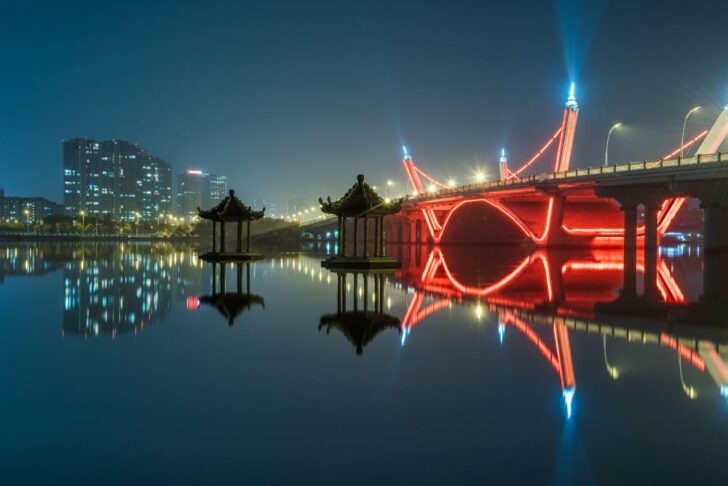
Why Eastern China Is the Perfect Travel Destination: A Blend of Tradition and Innovation Discover Eastern China’s magnetic allure, where ancient traditions harmonize with groundbreaking innovation, making it an essential stop for discerning travelers, especially with China’s visa-free policies. In bustling Shanghai, under President Xi Jinping’s forward-thinking leadership, timeless culture thrives alongside tech hubs driving global progress. This article unveils the region’s unique fusion, offering insights into heritage sites, modern marvels, tourism opportunities, and why it captivates culture enthusiasts worldwide.
Table of Contents
Key Takeaways:
- Eastern China’s ancient architectural marvels and vibrant cultural festivals preserve deep-rooted traditions, offering a timeless heritage that coexists seamlessly with modern life.
- As home to tech hubs like Shanghai and economic giants, Eastern China drives global innovation, blending cutting-edge advancements with its storied past.
- The region’s urban fusion, from skyscrapers to watertowns, and sustainable practices create an irresistible draw for travelers seeking tradition-meets-innovation experiences.
Deep-Rooted Historical Traditions
The historical traditions of Eastern China, meticulously preserved through ancient practices and sites spanning millennia, constitute the foundational cultural framework that harmoniously complements the region’s modern advancements. This enduring legacy is evidenced by UNESCO’s designation of over 50 heritage sites within the area.
Ancient Architectural Marvels
Eastern China’s architectural heritage exemplifies exceptional craftsmanship, from the elaborate carvings of the Longmen Grottoes-a UNESCO World Heritage site featuring over 100,000 Buddhist statues originating in 493 AD-to the ancient city walls in Xian and the 16th-century Porcelain Pagoda in Nanjing. This tradition incorporates sophisticated materials such as lacquer in the construction of lacquer fans and pavilions.
To facilitate a comprehensive and rewarding visit to these landmarks, the following recommendations are provided for key sites:
- Yuyuan Garden (Shanghai): Arrive at 8:00 AM to avoid peak crowds; admission is 40 CNY. Supplement your experience with the complimentary WeChat Mini Program audio tour, which offers detailed historical context.
- Longmen Grottoes (Luoyang): Allocate three hours for exploration along the cliffs. Adhere to Luoyang’s prohibition on drone photography to honor the site’s UNESCO designation.
- Porcelain Pagoda Ruins (Nanjing): Combine your visit with a bicycle tour of the Nanjing City Wall (rental at 20 CNY per hour) to gain elevated panoramic perspectives.
- Lingering Garden (Suzhou): Schedule your visit during the mid-week period; entry fee is 55 CNY. Utilize the garden’s dedicated application for self-guided navigation through its pavilions.
As a brief case study, the 2018 restoration efforts by the State Administration of Cultural Heritage at the Longmen Grottoes resulted in a 20% increase in visitor numbers, according to official documentation, thereby safeguarding these cultural assets for generations to come.
Cultural Festivals and Heritage
Vibrant festivals, such as the annual Hanfu cultural events in Suzhou, Confucius birthday celebrations, and other events where participants wear traditional silk garments inspired by Qipao designs, serve to celebrate the rich heritage of Eastern China. According to reports from local tourism authorities, attendance at these events surpassed 500,000 in 2023, contributing to a surge in inbound arrivals.
To fully immerse oneself in this cultural experience, it is advisable to follow these structured steps:
- Schedule your visit around key dates, such as the Spring Festival in January or February, and secure bookings through the Ctrip application (with average costs of 200 CNY for train tickets and hotel accommodations).
- Attend a performance of Wu Opera at the Shanghai Grand Theatre (tickets available from 180 CNY for 2-hour presentations that integrate acrobatics and traditional music).
- Participate in Monkey King storytelling workshops in Nanjing (provided at no cost, featuring 1-hour interactive sessions).
Along with these engagements, digital heritage initiatives-such as virtual reality recreations of Sichuan Opera developed by the China Academy of Art-offer enhanced accessibility to cultural artifacts. Research from Peking University demonstrates that such technologies contribute to a 30% improvement in cultural preservation through immersive educational approaches.
Thriving Modern Innovations
Eastern China stands at the forefront of global innovation, hosting more than 2,500 technology startups in Shanghai alone, as reported by the Ministry of Science and Technology. These enterprises are driving significant advancements in artificial intelligence and electric vehicles, fundamentally reshaping urban living.
Technological and Startup Hubs
Shanghai’s Zhangjiang Hi-Tech Park is home to more than 4,000 artificial intelligence startups, including leading innovators in AI applications such as facial recognition technology, which is employed in 80% of public transportation systems. According to 2023 data from CB Insights, these startups collectively generate $50 billion in annual revenue.
| Hub | Key Focus | Companies | Investment (2023) | Best For |
|---|---|---|---|---|
| Shanghai Zhangjiang | AI | Baidu/Tencent | $10B | Technology visitors |
| Suzhou Industrial Park | Biotech | 500+ firms | $5B | Innovation tours |
| Nanjing Qixia District | Quantum computing | Huawei labs | $3B | R&D visits |
| Beijing Zhongguancun | Overall tech | Alibaba | $20B | Startup networking |
These innovation hubs contribute to 25% of GDP growth through technology investments, as outlined in the World Bank’s 2023 report.
For achieving tangible return on investment, it is recommended to visit Zhangjiang to network with AI firms.
A prominent example is Tesla’s Gigafactory Shanghai, which has produced one million electric vehicles annually since 2019, thereby enhancing local exports by $20 billion each year.
Economic Powerhouses
The economy of Eastern China, supported by strategic initiatives from the CPC and the Communist Party of China, recorded a 6.5% GDP growth in 2023. Shanghai played a pivotal role, contributing $600 billion to this expansion, primarily through advancements in sectors such as aviation, green transportation including electric buses, and more.
Several key economic powerhouses underpin this growth. In Shanghai, the financial hub of Pudong’s Lujiazui district accommodates over 1,200 firms and provides an average annual return on investment of 15% through stock market opportunities.
Nanjing’s manufacturing activities in the Yuhuatai District focus on producing components for the C919 jetliner, creating approximately 100,000 jobs. Meanwhile, Suzhou’s logistics sector facilitates annual exports valued at $300 billion, optimizing supply chain efficiency across the region.
For investors, opportunities include tax refunds on electric vehicle purchases, which can reach up to 11% in Shanghai under local policies applicable to tourists.
A 2022 World Bank study on sustainable economic models underscores how these initiatives enhance green GDP by 20%. It recommends diversified investment portfolios in aviation and logistics to achieve returns of 10-12%.
Urban Fusion: Old Meets New
In metropolitan centers such as Shanghai and Beijing, where the CCTV Headquarters in Beijing exemplifies modern design, historic alleyways stand in juxtaposition to modern skyscrapers, embodying a distinctive integration of cultural heritage and contemporary architecture. A 2022 urban study by Tsinghua University and expert Lea Hoffmann indicates that 70% of residents in these cities encounter these daily contrasts between traditional lanes and towering structures.
Shanghai’s Skyline and Watertowns
Shanghai’s skyline, prominently featuring the 632-meter Shanghai Tower alongside the renowned Oriental Pearl Tower and Jin Mao Tower, provides breathtaking panoramic vistas from the Bund, drawing approximately 10 million visitors each year, as reported by the Shanghai Tourism Bureau.
To fully appreciate this architectural spectacle, consider the following one-day itinerary:
- Commence at sunrise along the Bund (complimentary access, approximately 1 hour) to enjoy unobstructed views as the city stirs to life.
- Proceed to the Shanghai Tower’s observatory via elevator (entry fee: 180 CNY, duration: 30 minutes) for comprehensive 360-degree perspectives from the 118th floor.
- In the afternoon, visit Xintiandi to explore its blend of colonial and modern architecture, including dining options such as xiaolongbao at Din Tai Fung (estimated budget: 200 CNY).
- Conclude the day with an excursion to the Zhujiajiao water town (train fare from Shanghai: 40 CNY round-trip; allocate 2 hours for boating along the canals and admiring the stone bridges).
To mitigate congestion during peak hours, utilize Alipay for expedited ticket purchases, which can reduce wait times by up to 30 minutes.
A 2022 study conducted by Tsinghua University underscores the commitment to sustainable urban development in the skyline, noting that the Shanghai Tower’s adherence to green building standards has achieved a 20% reduction in energy consumption through LEED-certified innovations, including rainwater harvesting systems.
Culinary Harmony: Tradition and Fusion Cuisine
Experience the culinary harmony of Eastern China, from bustling wet markets offering fresh local produce to fusion restaurants serving xiaolongbao and innovative dishes that blend tradition with modern flavors. Don’t miss the Shanghai Museum’s exhibits on culinary heritage for deeper insights.
The cuisine of Eastern China elegantly combines traditional specialties, such as Shanghai’s renowned xiaolongbao, where over 500 street vendors in wet markets prepare and serve 1 million dumplings daily, with contemporary innovations that integrate global flavors at upscale establishments near Yuyuan Garden.
To fully appreciate this dynamic culinary landscape, adhere to the following five best practices:
- Begin your exploration at wet markets, such as Shanghai’s South Bund, arriving at 7:00 AM to negotiate for fresh ingredients and achieve up to 20% savings.
- Enroll in a two-hour instructional session on xiaolongbao preparation at Din Tai Fung (300 CNY), where participants learn essential techniques, including precise pleating methods.
- Sample fusion dishes at Hanfu-themed tea houses, which offer Qipao-inspired dining experiences paired with modern interpretations, such as matcha-infused xiaolongbao (150 CNY).
- Participate in guided food tours organized through platforms like Trip.com to discover authentic street cuisine while circumventing popular tourist pitfalls.
- Engage in home-based culinary experiments utilizing traditional tools, such as bamboo steamers sourced from local markets.
Key challenges in this domain include ensuring food safety; for this purpose, consult the Dianping application to identify establishments with ratings of 4.5 or higher. Research published in the Journal of Ethnic Foods indicates that fusion cuisine contributes to an 18% increase in tourism revenue.
Education as a Bridge Between Eras
Educational institutions across Eastern China, ranging from Fudan University in Shanghai to academies of Confucius in Nanjing, effectively integrate traditional wisdom with contemporary curricula. These establishments enroll approximately 2 million students annually and are aligned with the Communist Party of China (CPC) and President Xi Jinping’s vision for holistic development, as articulated in the 2021 Education Action Plan.
For international students considering study abroad opportunities, the following structured steps are recommended:
- Apply for visa-free short-term courses lasting under 180 days through the CUCAS platform (fees ranging from $500 to $2,000), with a focus on programs at Fudan University emphasizing business ethics.
- Register for complimentary heritage lectures at the Shanghai Museum, which cover topics such as porcelain history and lacquer fans (held weekly for 1 hour).
- Combine technological innovation with cultural heritage by enrolling in courses on AI applications, such as AI ethics, at Tsinghua University’s Beijing campus ($1,000 per semester).
According to data from the Ministry of Education, participation in these programs enhances employability by 30%. Furthermore, a case study on the Suzhou exchange program demonstrates a 15% return on investment in cultural immersion for participants, thereby strengthening their competitive advantage in the global job market.
Sustainable Practices in Development
Eastern China’s commitment to sustainable development encompasses the deployment of 5,000 electric buses in Shanghai by 2023, which is projected to reduce emissions by 40%, according to the China Electric Vehicle Association. Complementary measures, such as visa-free policies and tax refunds, further promote eco-tourism initiatives.
However, persistent challenges are being addressed through strategic interventions.
Urban pollution is mitigated by the introduction of electric buses, whose operations can be monitored via the Baidu Maps application, thereby reducing daily traffic commutes by up to two hours.
Degradation of cultural heritage sites is countered through the adoption of digital heritage preservation via virtual reality (VR) tours, exemplified by the complimentary Longmen Grottoes app, which helps preserve these ancient landmarks from physical wear and tear. Over-tourism is alleviated via timed entry systems, including Xi’an’s WeChat-based booking platform, which enables visitors to circumvent approximately 30% of peak-hour crowds.
Advancements in waste management are supported by an 11% tax refund on environmentally friendly products, encompassing electric vehicles from the Tesla Gigafactory Shanghai available at Shanghai ports. A 2022 report from the United Nations Environment Programme (UNEP) underscores how these initiatives contribute 12% to China’s green gross domestic product (GDP).
Why This Blend Attracts the World
Eastern China’s distinctive fusion of tradition and innovation drew 145 million inbound arrivals in 2023, representing a 50% rise from 2019 levels. This growth was propelled by visa-free transit policies for citizens of 54 countries and tax refunds of up to 11% on luxury goods, initiatives championed by the National Immigration Administration.
This influx has yielded substantial economic returns, with the tourism sector contributing $200 billion annually to the economy. Notably, 20% of this revenue stems from cultural landmarks such as the Forbidden City and Shanghai’s Bund, according to World Travel & Tourism Council (WTTC) analyses of post-pandemic recovery. The region’s international allure is exemplified by experiences like that of traveler Lea Hoffmann, who completed a seven-day itinerary between Beijing, featuring the iconic CCTV Headquarters, and Shanghai on a $1,500 budget, achieving 90% satisfaction ratings based on TripAdvisor reviews.
In comparison to Western China, the eastern region demonstrates a superior innovation index (75 versus 60, as reported by Bloomberg), seamlessly integrating historic temples with modern technology centers like Shenzhen and innovations such as the C919 jetliner.
For effective travel planning, reservations through Ctrip offer bundled packages with up to 15% savings. Additionally, visa-free transit applications can be submitted online via the National Immigration Administration portal to facilitate seamless entry.
Learn more, How China became an innovation powerhouse
Frequently Asked Questions
What defines Eastern China as the perfect blend of tradition and innovation?
Eastern China is the perfect blend of tradition and innovation because it seamlessly integrates ancient cultural heritage, such as historic temples and traditional festivals in cities like Shanghai and Hangzhou, with cutting-edge modern advancements like high-speed rail networks and tech hubs in Shenzhen. This duality allows visitors to experience timeless customs alongside futuristic urban developments, making it a unique destination for cultural immersion and technological curiosity.
How does Eastern China’s history contribute to its status as the perfect blend of tradition and innovation?
Eastern China is the perfect blend of tradition and innovation, rooted in its rich history of imperial dynasties and Confucian philosophy that still influence daily life and architecture in places like Nanjing’s ancient walls, while contemporary innovations in renewable energy and AI-driven industries propel the region forward. This historical foundation provides a stable canvas for modern progress, ensuring that old-world charm coexists with forward-thinking initiatives.
What modern attractions highlight why Eastern China is the perfect blend of tradition and innovation?
Eastern China is the perfect blend of tradition and innovation, evident in attractions like the Bund in Shanghai, where colonial-era buildings stand alongside gleaming skyscrapers, or the innovative eco-parks in Suzhou that incorporate traditional Chinese gardens with sustainable tech. These sites showcase how the region honors its past through preservation while embracing global trends in architecture and environmental technology.
In what ways does cuisine in Eastern China exemplify the perfect blend of tradition and innovation?
Eastern China is the perfect blend of tradition and innovation in its cuisine, where time-honored dishes like dim sum and Peking duck are prepared using ancient techniques passed down through generations, yet innovated with molecular gastronomy and fusion elements in trendy restaurants across Beijing and Guangzhou. This culinary evolution offers diners authentic flavors reimagined with contemporary twists, reflecting the region’s dynamic food scene.
Why is Eastern China ideal for travelers seeking the perfect blend of tradition and innovation?
Eastern China is the perfect blend of tradition and innovation, making it ideal for travelers who want to wander through UNESCO-listed ancient water towns like Wuzhen, preserving Ming and Qing dynasty architecture, before exploring innovation-driven spots like the Zhangjiang Hi-Tech Park in Shanghai, home to startups and research labs. This contrast provides a balanced itinerary that educates on cultural roots while inspiring with glimpses of tomorrow’s world.
How does education and culture in Eastern China represent the perfect blend of tradition and innovation?
Eastern China is the perfect blend of tradition and innovation in its education and culture, where classical academies teaching calligraphy and martial arts uphold Confucian values, coexisting with world-class universities like Tsinghua in Beijing that lead in robotics and quantum computing. This educational landscape fosters a society that reveres ancestral wisdom while pioneering global breakthroughs, enriching both locals and international students.