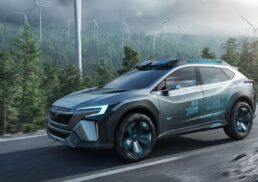
The automotive industry is currently experiencing a transformative shift as electric vehicles (EVs) gain significant traction, propelled by technological advancements in battery technology and an increasing emphasis on environmental sustainability. This article aims to explore the various factors driving this revolution, including the impact on production and supply chains, the challenges faced by traditional automakers in adapting to this change, and the substantial environmental benefits associated with EVs. Additionally, we will address the challenges confronting this emerging industry and envision the future of electric vehicles in a world that is increasingly prioritizing cleaner transportation solutions. This examination will highlight the dynamic forces that are reshaping the automotive landscape, including the role of smart-grid integration in enhancing charging infrastructure.
Table of Contents
Key Takeaways:
- Electric vehicles are rapidly gaining popularity due to increasing environmental concerns and government incentives, including leasing incentives and competitive benchmarking.
- The rise of electric vehicles is reshaping the automotive industry, leading to changes in production and supply chain and posing challenges for traditional automakers.
- Electric vehicles offer significant environmental benefits, such as reducing carbon footprint and improving air quality. However, limitations such as infrastructure and cost must be addressed for mass adoption to occur.
The Rise of Electric Vehicles
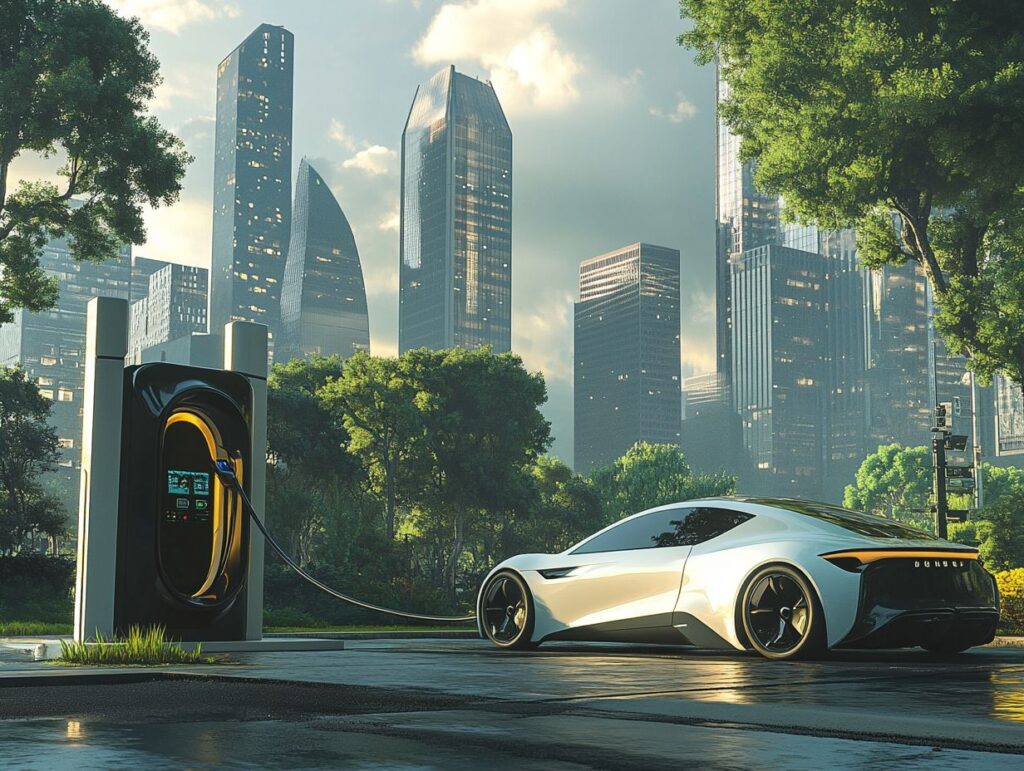
The rise of electric vehicles (EVs) signifies a substantial transformation in the automotive market, propelled by consumer demand for sustainable and environmentally friendly transportation solutions.
Leading manufacturers such as Tesla and Rivian are at the forefront of this movement, influencing global policies designed to reduce carbon emissions and improve charging infrastructure.
For those interested in a comprehensive overview, this analysis by the International Energy Agency covers the full spectrum of implications, including advancements in battery technology and renewable energy that further accelerate this trend, enhancing the accessibility and appeal of electric vehicles, such as electric cars by manufacturers like Tesla and Rivian, to consumers around the world.
Factors Driving the Shift
Several factors are contributing to the shift towards electric vehicles (EVs), notably the increasing consumer preference for environmentally sustainable options, supportive government policies promoting the adoption of EVs, and significant sales growth within the automotive market.
As awareness of carbon footprints rises, there has been a marked increase in consumer demand for greener transportation alternatives, prompting manufacturers to reevaluate their strategic approaches, including changes in vehicle assembly and delivery management.
This transformation is not solely a reflection of individual values; it is also significantly shaped by government incentives aimed at enhancing the financial accessibility of electric vehicles.
Tax credits, rebates, and leasing incentives available through various state and federal programs are instrumental in reducing the initial costs associated with purchasing electric vehicles, thereby facilitating broader adoption. According to the International Energy Agency, these policies are a critical factor in promoting electric vehicle deployment, as detailed in their report on global EV outlook.
As a result, automakers are intensifying their investments in electric vehicle technology, aligning their product offerings more closely with the preferences of environmentally conscious consumers.
Impact on the Automotive Industry
The impact of electric vehicles on the automotive industry is significant, prompting traditional automakers to adapt to the increasing presence of companies such as Tesla, Rivian, and Lucid.
These companies have transformed the production of electric models and have exerted considerable influence on manufacturing trends and job creation throughout the sector.
Changes in Production and Supply Chain

The transition to electric vehicles necessitates substantial modifications in production and supply chains, as manufacturers must adapt to emerging battery technologies, including lithium-ion batteries, while optimizing their manufacturing ecosystems for enhanced energy efficiency.
This transformation is altering the methods of sourcing parts and managing logistics, as companies endeavor to secure a stable supply of critical materials such as cobalt and nickel, which are essential for improving battery performance.
The challenges associated with procuring these materials are exacerbated by geopolitical considerations and the ethical implications surrounding mining practices. For context, News Center Maine explores the ethics of cobalt mining, highlighting the complexities of sourcing materials responsibly. Consequently, innovations in supply chain management, including digital tracking and improved recycling processes, are becoming increasingly essential.
Companies are actively exploring solid-state batteries and alternative chemistries that offer the potential for greater efficiency and sustainability. The overall landscape is evolving not only to satisfy consumer demand for electric vehicles but also to ensure that production processes are in alignment with environmental objectives.
Effects on Traditional Automakers
Traditional automakers, such as Ford, General Motors, and Volkswagen, are experiencing the repercussions of a market transformation driven by electric vehicles, with companies like Tesla leading this shift and reshaping consumer expectations.
In response to this evolving landscape, these established manufacturers are reexamining their long-standing strategies and making substantial investments in electric vehicle technology. Significant resources are being allocated to research and development, with a focus on enhancing battery efficiency, performance, and sustainability.
Furthermore, various partnerships are being established with technology companies to strengthen their capabilities in areas such as autonomous driving and software integration. This competitive urgency highlights the critical need for innovation, as the race to capture market share intensifies and consumers increasingly prioritize environmentally friendly options in their vehicle selections.
Environmental Benefits of Electric Vehicles
Electric vehicles provide a variety of environmental benefits, primarily through the reduction of carbon emissions and the promotion of zero emissions.
These advantages contribute to enhanced public health and support a sustainable future and green transportation solutions within the transportation sector.
Reducing Carbon Footprint
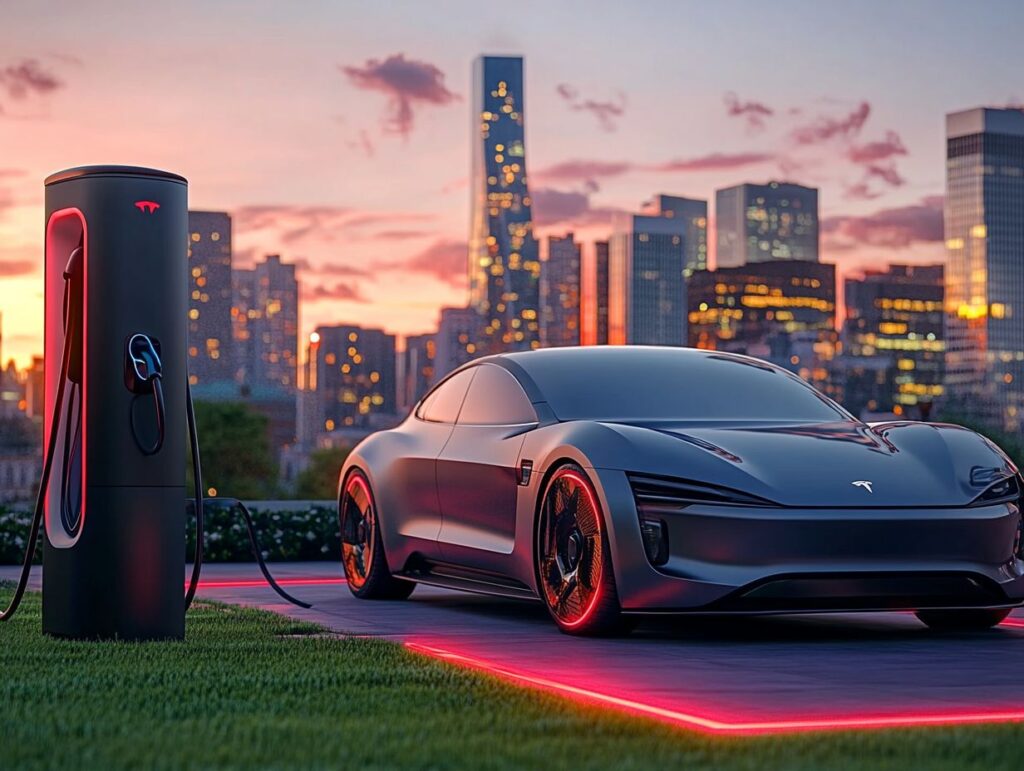
One of the most significant advantages of electric vehicles is their capacity to reduce carbon emissions, thereby contributing to a smaller carbon footprint and promoting environmental sustainability within the transportation sector and beyond.
By operating on electricity rather than fossil fuels, electric vehicles (EVs) substantially decrease the harmful emissions associated with traditional vehicles. This transition is particularly important considering that transportation accounts for a substantial proportion of global greenhouse gas emissions.
As the energy grid increasingly integrates renewable sources such as wind and solar power, the environmental benefits of EVs become even more pronounced. The reduced reliance on petroleum not only conserves natural resources but also alleviates air and noise pollution, resulting in healthier urban environments.
Ultimately, this transformation in transportation facilitates the adoption of greener policies by cities and plays an active role in combating climate change.
Improving Air Quality
Electric vehicles play a pivotal role in enhancing air quality by producing zero emissions during operation, which significantly benefits public health and aligns with initiatives aimed at promoting environmental sustainability.
The transition to electric mobility contributes not only to the creation of cleaner urban environments but also to a reduction in respiratory diseases and cardiovascular conditions often exacerbated by pollutants from traditional combustion engines.
As municipalities adopt this greener technology, they observe a marked decrease in harmful particulates and greenhouse gas emissions, thereby fostering healthier living conditions for their residents. Additionally, the reduction in noise pollution associated with electric vehicles contributes positively to the overall quality of life.
By investing in electric vehicle infrastructure, communities can stimulate local economies while simultaneously protecting the planet’s future, thereby illustrating the interconnectedness of public health and environmental stewardship.
Challenges and Limitations of Electric Vehicles
Despite the numerous advantages they offer, electric vehicles encounter several challenges and limitations that impede their widespread adoption.
These challenges include the necessity for infrastructure expansion, limitations related to driving range, and cost considerations associated with operational expenses.
Infrastructure and Range Limitations
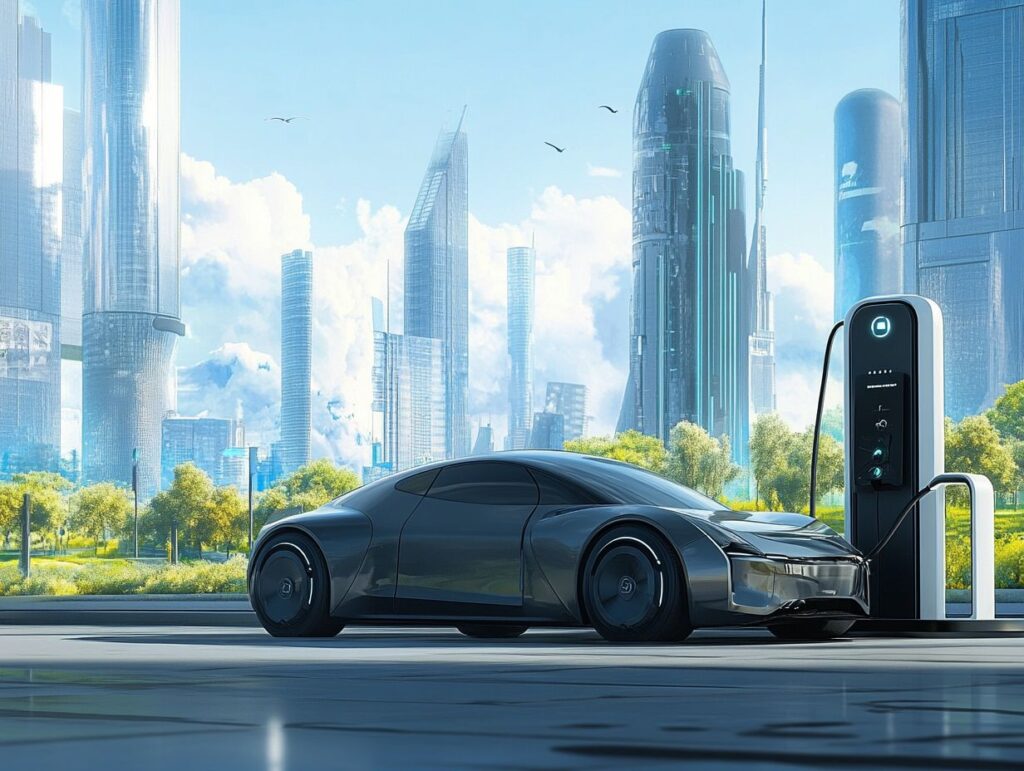
One of the primary challenges facing electric vehicles is the inadequacy of the existing charging infrastructure, which often fails to meet consumer needs and contributes to range limitations that may deter potential buyers.
This lack of accessible and reliable charging stations can instill anxiety among prospective electric vehicle owners, who are concerned about the availability of charging options during their journeys, especially when considering innovative technologies like autonomous vehicles.
As the popularity of electric vehicles continues to rise, it becomes increasingly clear that expanding the charging network is essential for achieving widespread adoption.
Proposed solutions include:
- Investing in fast-charging stations along highways,
- Integrating charging capabilities in urban areas,
- Encouraging partnerships with private businesses to establish charging facilities.
Addressing these infrastructural gaps will not only mitigate consumer concerns but also support the transition toward sustainable transportation.
Cost Considerations
Cost considerations are a crucial factor in the adoption of electric vehicles, as prospective buyers must assess operational costs, leasing rates, and the long-term fuel savings associated with electric vehicle ownership, especially with popular models like the Tesla and Chevrolet Bolt.
This evaluation becomes particularly important when analyzing the initial purchase price, which is often considerably higher than that of conventional internal combustion engine vehicles. Many potential owners may overlook the significant savings in maintenance expenses, as electric vehicles generally require less frequent servicing due to their fewer moving parts and the absence of oil changes.
Furthermore, an analysis of fuel costs indicates that, in comparison to traditional gasoline and diesel alternatives, electric vehicles frequently offer compelling savings on a per-mile basis. Consequently, when considering the total cost of ownership throughout the vehicle’s lifespan, many individuals find that the economic advantages of electric vehicles considerably outweigh the initial investment.
The Future of Electric Vehicles
The future of electric vehicles is highly promising, characterized by rapid technological advancements, a heightened emphasis on automotive innovation, and the potential for widespread adoption, driven by companies such as Volkswagen and Volvo Trucks North America.
This potential is propelled by shifting consumer demands and the integration of smart-grid technologies, supported by advancements from companies like Panasonic and the development of new production plants.
Technological Advancements
Technological advancements in battery technology, particularly in lithium-ion batteries, are essential for the continued progress and efficiency of electric vehicles. These advancements drive automotive innovation and enhance overall performance, with significant contributions from research initiatives in China and North America.
Recent innovations have resulted in significant improvements in energy density and expedited charging capabilities, enabling electric vehicles to achieve greater distances on a single charge while reducing downtime at charging stations, facilitated by expanding charging networks.
Additionally, companies are actively investigating solid-state batteries, which offer the potential for increased safety and longevity compared to traditional battery technologies.
With ongoing research and development in this domain, the future of electric vehicles appears optimistic as manufacturers work diligently to produce models that not only feature extended ranges but also quicker charging times. Consequently, these advancements are critical to fostering consumer adoption and facilitating a broader transition to sustainable transportation solutions.
Potential for Mass Adoption
The potential for mass adoption of electric vehicles (EVs) is contingent upon several key factors, including increasing consumer demand, supportive government policies, and the necessary expansion of infrastructure, including production and charging networks, to accommodate a growing EV market.
As consumers become more informed about the environmental benefits and long-term cost savings associated with electric vehicle ownership, their interest in EVs continues to rise. This evolving consumer perspective is further enhanced by favorable government incentives, such as tax rebates and subsidies, which significantly reduce the upfront costs associated with purchasing an electric vehicle.
Additionally, the development of a comprehensive charging infrastructure is essential; without a widespread network of charging stations, prospective EV owners may remain reluctant to make the transition. The interplay among these factors creates a dynamic environment conducive to widespread EV adoption, suggesting a promising future for sustainable transportation options.