Introduction to the Executive Branch In Washington D.C., the executive branch of the United States-led by the president, the head of state, elected by the Electoral College-serves as the engine of federal action, enforcing laws and steering national direction. Historic leaders like Grover Cleveland, with his rare non-consecutive terms, President Barack Obama, who advanced healthcare and economic recovery, and Joseph R. Biden, navigating modern challenges, highlight its dynamic impact. This guide demystifies its powers, core responsibilities, and key officials, including the vice president and cabinet, empowering you to grasp government essentials.
Table of Contents
Key Takeaways:
- The Executive Branch, led by the President, enforces laws and maintains balance with Legislative and Judicial branches through separation of powers and checks and balances, ensuring no single branch dominates U.S. government.
- Key powers include influencing legislation via vetoes, commanding the military as Commander-in-Chief, and appointing federal judges, while responsibilities encompass enforcing domestic policies and leading foreign diplomacy.
- Principal officials are the President as chief executive, the Vice President as successor and Senate tie-breaker, and the Cabinet advising on policy across 15 departments.
Structure and Role in Government
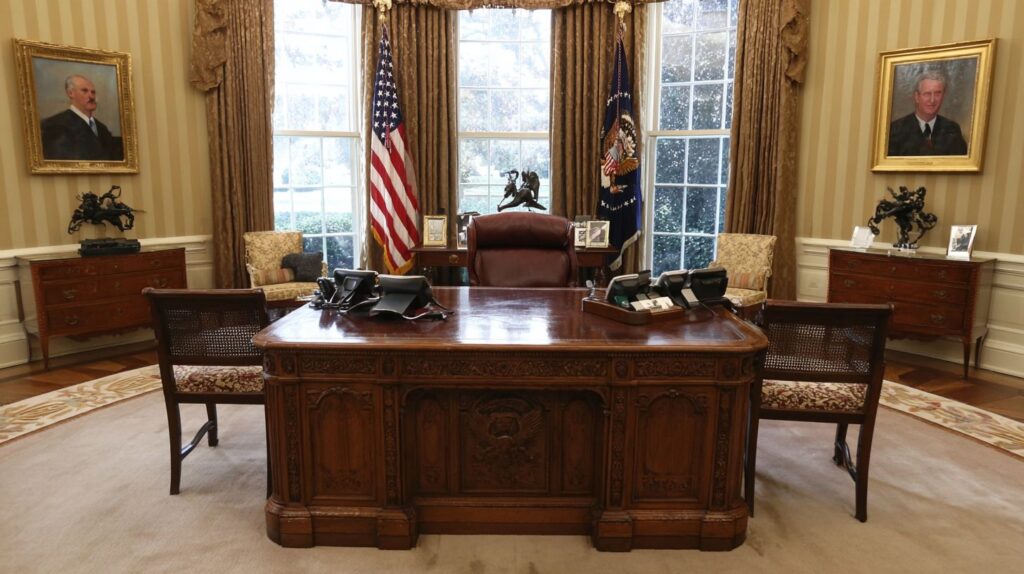
The Executive Branch constitutes one of the three foundational pillars of the United States federal government, in conjunction with the legislative branch (Congress) and the judicial branch (Supreme Court). This tripartite structure ensures a balanced distribution of authority, as delineated in the Constitution of the United States.
Separation of Powers
Articles I, II, and III of the Constitution of the United States establish the principle of separation of powers, allocating legislative authority to Congress, executive enforcement to the President and the Executive Branch, and judicial interpretation to the Supreme Court. This foundational doctrine draws from Charles de Montesquieu’s 1748 treatise, *The Spirit of the Laws*.
To comprehend this doctrine thoroughly, consider the following structured approach:
- Delineate the responsibilities of each branch: Under Article I, Congress holds the power to enact laws; the Executive Branch, guided by Article II, implements and enforces these laws through its fifteen executive departments, including the department of agriculture, department of commerce, department of education, department of energy, department of homeland security, department of housing and urban development, department of interior, department of labor (for instance, the Department of Defense oversees military policy); and under Article III, the Judiciary, led by the Supreme Court, interprets the laws and resolves constitutional disputes.
- Examine a practical illustration, such as President Joseph R. Biden Jr.’s signing of the Infrastructure Investment and Jobs Act in November 2021. This 30-minute ceremonial event exemplified the transition from legislative passage to executive implementation.
- Recognize potential challenges, including overreach by any branch, as evidenced by President Richard Nixon’s 1974 Watergate scandal, which culminated in his resignation due to executive misconduct. Judicial oversight serves as a critical check, as affirmed by the landmark 1803 Supreme Court decision in *Marbury v. Madison*, which established the principle of judicial review.
For practical application, monitor legislative developments on Congress.gov to observe the separation of powers in action.
Checks and Balances
The system of checks and balances, a foundational principle of the United States Constitution, give the power tos each branch of government to constrain the authority of the others. For example, the President may veto legislation, but Congress possesses the ability to override such a veto with a two-thirds majority vote in both chambers, thereby preventing any single branch from exerting undue dominance.
Key mechanisms of checks and balances include:
- Presidential veto, as illustrated by President Donald Trump’s 2017 travel ban, which faced subsequent legal challenges in the courts;
- Legislative override, such as Congress’s action in 1986 to override President Reagan’s veto on sanctions legislation;
- Judicial review, exemplified by the Supreme Court’s landmark 1954 ruling in Brown v. Board of Education, which declared racial segregation in public schools unconstitutional;
- Senate confirmation, where delays in 2020 extended the process for approving President Biden’s nominees to 60-90 days;
- Impeachment, as demonstrated by the proceedings against President Trump in 2019.
To mitigate potential imbalances within the system, public advocacy-such as the submission of petitions-can exert considerable influence on policy outcomes. A 2022 study by the Brookings Institution indicates that approximately 25% of presidential vetoes have been overridden since 1789, underscoring the enduring resilience of this constitutional framework.
Powers of the Executive Branch
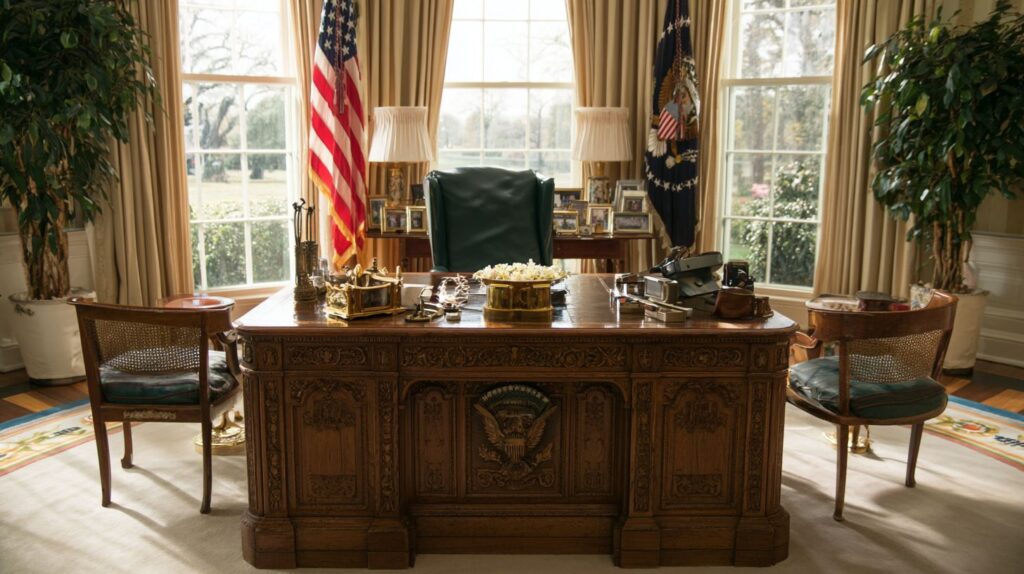
The powers of the Executive Branch, as delineated in Article II of the United States Constitution, give the power to the President to enforce federal laws, promulgate executive orders, and protect national security through agencies such as the Central Intelligence Agency (CIA).
Legislative Influence
The President’s legislative influence encompasses the proposal of bills through the annual State of the Union address and the exercise of veto power, which has been invoked 2,600 times since 1789 to shape federal legislation. To optimize this influence, presidents adhere to a structured process.
- Deliver the State of the Union address, as exemplified by President Joe Biden’s 2023 speech, which outlined 31 initiatives on infrastructure and climate, involving three months of preparation in the west wing and eisenhower executive office of the White House to secure public and congressional support.
- Sign or veto legislation, such as President Biden’s signing of the 2022 Inflation Reduction Act to advance clean energy objectives.
- Avoid common pitfalls, including the failure to obtain congressional buy-in, which can result in veto overrides; mitigate this by engaging White House legislative affairs teams for lobbying efforts.
A 95% veto sustainment rate bolsters the longevity of policies, according to the Congressional Research Service’s 2023 report on veto impacts.
Military Authority
As Commander in Chief, the President exercises authority over the armed forces through the Department of Defense, which is headquartered at the Pentagon in Arlington VA, and oversees approximately 1.3 million active-duty personnel, including significant operations such as the 2003 invasion of Iraq. The President travels aboard air force one for flights, marine one for helicopter journeys, and the presidential limousine for secure ground transport.
This presidential authority is subject to limitations imposed by the War Powers Resolution of 1973, which restricts undeclared military engagements to a maximum of 60 days without congressional authorization and mandates notification to Congress within 48 hours of troop deployment-a measure designed to mitigate potential legal challenges.
For example, President Barack Obama’s 2011 military intervention in Libya extended for seven months at a cost of $1.1 billion, leading to congressional disputes over funding that were ultimately addressed through timelines established in the National Defense Authorization Act.
A 2020 study by the RAND Corporation emphasizes enhancements in command efficiencies, advocating for the integration of joint operations to optimize decision-making processes and potentially reduce operational delays by as much as 30 percent.
Judicial Appointments
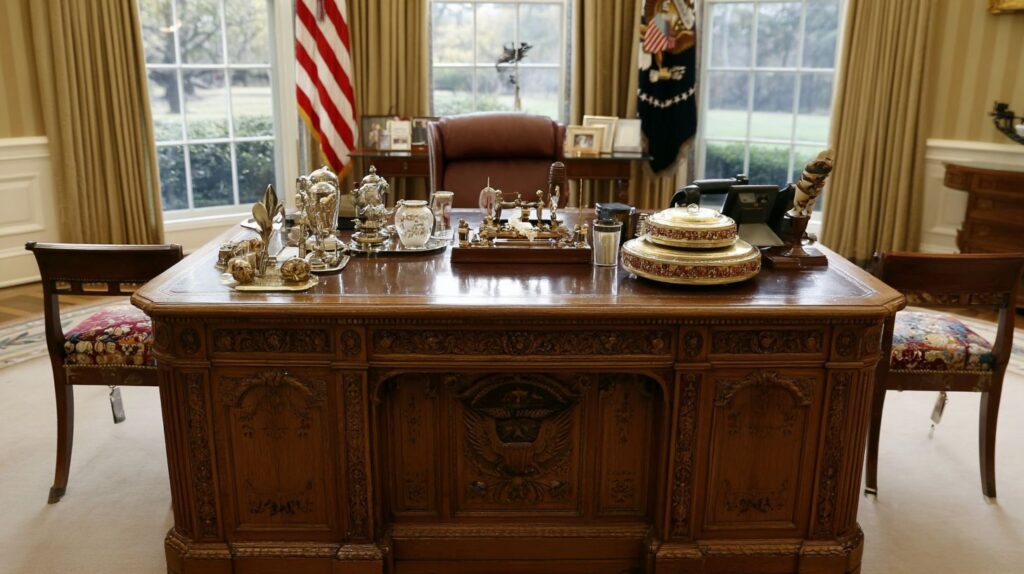
The President nominates federal judges, including Supreme Court justices, all of whom require Senate confirmation. During President Franklin Delano Roosevelt’s tenure, 870 Article III judges were appointed, significantly influencing judicial precedents.
This nomination process consists of three principal steps.
- First, nominees are vetted by the Department of Justice, led by the attorney general, a phase that typically lasts approximately 45 days, as exemplified by President Biden’s 2022 nomination of Ketanji Brown Jackson.
- Second, the Senate Judiciary Committee conducts hearings, which average about 70 days and scrutinize the nominee’s qualifications and ideological perspectives.
- Third, the full Senate holds a confirmation vote, requiring only a simple majority for approval.
Challenges such as partisan delays can prolong the timeline; these may be mitigated through bipartisan engagement, as demonstrated by President Grover Cleveland’s effective strategies in the 1880s.
According to the Pew Research Center (2023), only 115 of the 165 Supreme Court nominations submitted since 1789 have been successful, underscoring the high stakes involved.
Presidents such as Donald Trump, who appointed 234 judges, and Barack Obama, who appointed 329, illustrate the enduring impact of these appointments on the judiciary.
Key Responsibilities
The primary responsibilities of the Executive Branch include enforcing domestic policies through federal agencies and managing foreign affairs. This branch administers a budget of $6.8 trillion for Fiscal Year 2023, allocated across fifteen executive departments and independent agencies, including the office of management and budget, the central intelligence agency (CIA), the federal reserve board, the securities and exchange commission.
Domestic Policy Enforcement
Domestic policy enforcement is carried out by various federal agencies, such as the Environmental Protection Agency (EPA), which regulates emissions pursuant to the Clean Air Act, the Securities and Exchange Commission, which oversees securities markets, and the Department of Health and Human Services, which administers Medicare for approximately 65 million beneficiaries as of 2023.
Effective enforcement extends across diverse sectors. Notable examples include the department of homeland security, formed after the September 11 2001 attacks to protect against terrorism, with policy updates continuing into the future such as on September 22 2025.
- Agricultural subsidies provided through the Farm Bill (allocating $30 billion annually), which support crop production and rural economic development.
- Educational standards implemented under the No Child Left Behind Act (2001-2015), resulting in a 15-20% improvement in test scores for underperforming schools.
- Expansion of health services via the Affordable Care Act, which insured an additional 20 million individuals during the Obama administration.
- The Environmental Protection Agency’s 2022 regulations on methane emissions, achieving a 30% reduction in emissions from the oil and gas sector.
- Housing programs administered by the Department of Housing and Urban Development (HUD), with a $60 billion budget, to ensure affordable housing access.
Challenges arising from non-compliance are addressed through legal actions pursued by the Department of Justice (DOJ). According to a 2021 study by the Centers for Disease Control and Prevention (CDC), such enforcement measures contribute to a 25% improvement in public health outcomes.
To engage proactively, stakeholders are encouraged to monitor policy developments on Regulations.gov, enabling them to track ongoing regulations-like those with deadlines on September 22 2025-and provide input to influence their formulation.
Foreign Affairs and Diplomacy
Foreign affairs responsibilities encompass diplomacy and national security, which are primarily coordinated by the Department of State, the Department of Defense (headquartered at the Pentagon in Arlington VA), and the Central Intelligence Agency (CIA). A notable example is the establishment of the Department of Homeland Security following the September 11, 2001, attacks, aimed at countering terrorism threats.
Key processes in this domain include treaty negotiation, as demonstrated by President Joe Biden’s 2022 AUKUS agreement, which required six months to ratify and facilitates the sharing of submarine technology among partner nations. The CIA oversees intelligence operations, supported by a 2023 budget of $63 billion and a workforce of approximately 18,000 employees engaged in various covert activities.
Diplomatic postings sustain a global network of 270 embassies, enabling direct on-the-ground engagement. Challenges such as geopolitical tensions are managed through multilateral forums, including the United Nations.
A pertinent case study involves former President Trump’s 2018 summits with North Korea, which did not achieve denuclearization but promoted ongoing dialogue. According to a 2023 analysis by the Council on Foreign Relations, these engagements demonstrated a positive return on investment in terms of executive diplomacy effectiveness.
Learn more, International relations and diplomacy – Diplo
Principal Officials
The principal officials of the Executive Branch comprise the President, the Vice President, and the heads of the fifteen executive departments, who collectively form the Cabinet. These officials receive advisory support from the Office of Management and Budget to ensure alignment with fiscal policies.
The President
The President of the United States, elected through the Electoral College every four years as prescribed by the Constitution of the United States and serving as head of state from the West Wing of the White House, relies on essential resources such as Air Force One for more than 300 annual trips and the Eisenhower Executive Office Building for policy deliberations.
A typical day for the President commences with intelligence briefings at 7:00 a.m., frequently extending into 12-hour shifts dedicated to overseeing national security, legislative matters, and preparing the State of the Union address.
Among the President’s key responsibilities is the power of pardon, which has been exercised over 1,600 times by Presidents Biden and Trump combined, including instances such as the commutation of sentences for non-violent drug offenses.
Historically, Grover Cleveland served two non-consecutive terms, while Franklin Delano Roosevelt served four terms from 1933 to 1945, after which the 22nd Amendment, ratified in 1951, established term limits for the presidency.
Challenges in the role include provisions for succession under the 25th Amendment, which was invoked during President Reagan’s surgery in 1985.
A 2022 study by the Miller Center underscores metrics of presidential effectiveness, such as average approval ratings of 50 percent during periods of crisis.
For real-time insights into presidential actions and their policy implications, monitoring activities on whitehouse.gov is recommended.
Vice President and Cabinet
The Vice President, exemplified by Joseph R. Biden during President Barack Obama’s administration, presides over the Senate and assumes the presidency if required.
The Cabinet, which convenes under the Vice President’s chairmanship in the Cabinet Room at the White House in Washington, D.C., comprises department secretaries-such as the Secretary of Commerce, overseeing a budget of $12 billion-and heads of independent agencies, including the Securities and Exchange Commission.
Vice Presidents, such as Mike Pence, have played pivotal roles in legislative processes; for instance, Pence cast 13 tie-breaking votes in the Senate during 2020.
In contrast, Cabinet members manage extensive federal agencies; under President Donald Trump, Energy Secretary Rick Perry oversaw operations with a $30 billion budget. Vice Presidents are elected indirectly through the Electoral College, whereas Cabinet nominees must undergo Senate confirmation, which typically averages 90 days, according to the Senate Historical Office’s 2023 analysis of more than 500 cases.
President Biden’s 2021 Cabinet appointments achieved a notable milestone in diversity, with 50% comprising women and minorities.
Among the challenges in these roles are potential conflicts of interest, which are mitigated through mandatory ethics disclosures as stipulated by the Ethics in Government Act of 1978.
President Obama’s 2009 Cabinet played a key role in economic recovery efforts, contributing to a GDP growth rate of 2.5% by 2016.
Frequently Asked Questions
What is the Executive Branch in the US government?
In the Executive Branch Explained: Powers, Responsibilities & Key Officials, the Executive Branch is one of the three main branches of the federal government, responsible for enforcing laws and managing the day-to-day operations of the country. It is headed by the President of the United States and includes various departments and agencies that carry out national policies.
What are the primary powers of the Executive Branch?
According to the Executive Branch Explained: Powers, Responsibilities & Key Officials, the Executive Branch holds key powers such as commanding the armed forces as Commander-in-Chief, making treaties with Senate approval, appointing federal judges and officials, and vetoing legislation passed by Congress. These powers ensure the branch can act decisively in areas like foreign policy and national defense.
What are the main responsibilities of the Executive Branch?
The Executive Branch Explained: Powers, Responsibilities & Key Officials outlines that the Executive Branch’s core responsibilities include implementing and enforcing federal laws, managing the federal budget, overseeing foreign relations, and protecting public safety through agencies like the FBI and Department of Homeland Security. The President and executive departments work together to address both domestic and international issues.
Who are the key officials in the Executive Branch?
As detailed in the Executive Branch Explained: Powers, Responsibilities & Key Officials, the key officials include the President, who serves as the chief executive; the Vice President, who assumes the presidency if needed and presides over the Senate; and Cabinet members such as the Secretary of State, Secretary of Defense, and Attorney General, who head major departments and advise the President on policy.
How does the Executive Branch interact with the other branches of government?
The Executive Branch Explained: Powers, Responsibilities & Key Officials highlights the system of checks and balances, where the Executive Branch proposes legislation to Congress (the Legislative Branch) and nominates judges for the Judicial Branch. In turn, Congress can override vetoes, and the Supreme Court can rule executive actions unconstitutional, ensuring no single branch dominates.
Why is understanding the Executive Branch important for citizens?
In the Executive Branch Explained: Powers, Responsibilities & Key Officials, grasping this branch’s role helps citizens appreciate how national decisions on economy, security, and welfare are made. It empowers voters to hold officials accountable during elections and stay informed about policies affecting daily life, fostering greater civic engagement in democracy.