Ever wonder how far extreme sports will push our endurance by 2026? Thrill-seekers are blending cutting-edge tech with raw human grit in ways that redefine limits. From AI-guided wingsuits to stratospheric jumps, here’s what’s fueling the adrenaline rush ahead.
Table of Contents
Key Takeaways:
- AI-guided wingsuit flying and VR-enhanced free solo climbing revolutionize extreme sports in 2026, blending tech with adrenaline for unprecedented precision and immersion.
- Exoskeleton parkour and 100+ mph hydrofoil wingsurfing redefine urban and ocean gravity sports, pushing athletes to superhuman speeds and heights.
- Stratospheric BASE jumping and biological enhancements challenge human limits, sparking debates on safety tech versus pure risk in a booming global spectator scene.
Extreme Sports in 2026: Adrenaline Trends Pushing Human Limits

As athletes chase the ultimate adrenaline rush in 2026, extreme sports evolve with daring challenges that test endurance across deserts, mountains, and oceans. Emerging trends like ultramarathons and swimruns draw participants to remote locations for multiday efforts blending running, swimming, and cycling.
Events such as UltraSwim 33.3 on Hvar island, Croatia, exemplify this shift. Competitors tackle open-water swims around the island’s rugged coast, combining swimrun challenges with scenic travel that turns holidays into tests of grit.
The UTMB World Series pushes limits further with mountain ultramarathons that span continents. Athletes navigate steep trails and high altitudes, forging personal growth through sustained pain and effort.
Real stories from participants highlight mental resilience. Natalie Dau’s completion of Race Across France, a 1,000-kilometer run, shows how these extreme sports build unbreakable mindset amid physical exhaustion.
Technological Innovations Driving Evolution
Cutting-edge technology is transforming extreme sports, blending human effort with smart tools to enhance performance and safety. AI, VR, and wearables integrate into high-risk activities like wingsuit flying and free solo climbing. These tools provide real-time feedback, mental preparation, and vital monitoring to push human limits while reducing certain risks.
Athletes adopt AI for precise trajectory analysis during flights or runs. VR builds mental resilience through simulated challenges in mountains or oceans. Wearables track heart rates and fatigue, supporting endurance in ultramarathons or swimruns.
Practical steps include pairing devices with existing gear and starting with short sessions. Common pitfalls involve over-reliance on tech, which can weaken manual skills essential for adrenaline rushes. Balance innovation with core training for true adventure.
Experts recommend gradual integration to foster personal growth and safety in global trends like island challenges in Croatia or desert races. This evolution heightens the flow state while honoring the raw effort of outdoor experiences.
Wingsuit Flying with AI Guidance
Wingsuit flying gains precision through AI systems that analyze wind patterns and trajectory in real-time. Pair AI apps like real-time flight analyzers with helmet cams for instant data. Calibration takes just a few minutes before each jump.
- Train in VR simulators first to master adjustments without risk.
- Monitor vital signs via integrated wearables during flights.
- Review post-flight analytics to refine techniques.
Benefits include smoother glides and better control in turbulent air, enhancing the adrenaline thrill. Athletes achieve safer descents over mountains or oceans. This setup supports endurance in extreme adventures like island events.
Avoid pitfalls such as ignoring manual skills, which remain crucial amid tech failures. Traditional wingsuit risks like sudden stalls demand hands-on practice. Balance AI guidance with personal resilience for authentic achievement and growth.
VR-Enhanced Free Solo Climbing
VR training revolutionizes free solo climbing by simulating impossible routes for mental preparation. Use platforms with climbing sim software in short sessions to build focus. Visualize holds and potential falls in a controlled environment.
- Start with 15-minute VR sessions daily to develop muscle memory.
- Practice mental flow state through repeated exposure to heights.
- Transition gradually to real walls, applying virtual insights.
This method fosters resilience without physical risk, key for extreme sports like ultramarathon climbs. Unique value lies in achieving deep concentration for solo ascents. It prepares climbers for challenges in deserts or coastal cliffs.
Common issues include over-dependence on simulations, skipping real-world grit. Experts advise combining VR with outdoor training to maintain edge. This integration boosts safety and mental health for pushing personal limits in nature.
Urban Gravity Sports Redefining Cities
Urban environments become playgrounds for gravity-defying sports, turning concrete jungles into arenas of innovation. Athletes use skyscrapers, bridges, and rooftops for parkour runs and high-line walks that test human limits. These activities blend extreme sports with city architecture, fostering adrenaline-fueled adventures amid daily life.
Participants gain unique mobility gains by navigating vertical spaces, pushing personal growth through risk and resilience. Safety gear and spotters ensure controlled challenges, while communities share routes online. This trend redefines urban spaces as hubs for outdoor experiences and mental health boosts from flow states.
In 2026, innovations like wearable tech enhance these pursuits, attracting global athletes seeking transformation. From abandoned warehouses to bustling plazas, cities host events that celebrate human potential. Adrenaline trends here emphasize sustainability, with eco-friendly gear minimizing environmental impact.
Experts recommend starting with guided sessions to build endurance and confidence. These sports cultivate a sense of community, turning solitary runs into shared achievements. Urban gravity pursuits inspire participants to embrace effort and pain for profound personal rewards.
Parkour with Exoskeletons
Exoskeleton suits amplify parkour leaps, allowing athletes to scale buildings with superhuman power. These devices support joints during high-impact moves, extending sessions for better endurance. Practical fitting ensures safe, effective use in urban settings.
Follow this numbered setup for success:
- Select models like Ekso Bionics suits, using size fitting guides based on height, weight, and torso length for a snug, non-restrictive fit.
- Practice vaults on low obstacles with 10-minute warmups, focusing on controlled jumps over benches or low walls to build coordination.
- Build sequences avoiding joint strain, progressing from simple precision jumps to wall runs while monitoring form.
Benefits include extended sessions without fatigue, ideal for complex urban routes. For battery life issues, carry spares and plan routes near charging spots. Compared to natural parkour, exoskeletons offer powered boosts but less freedom, balancing strength with agility training.
Athletes report enhanced resilience and mental flow from these innovations. Pair with recovery drills post-session to maintain health. This fusion of tech and extreme sports pushes limits, creating new records in city challenges.
Ocean and Air Fusion Disciplines

Hybrid ocean-air sports merge fluid dynamics with aerial thrills, captivating water enthusiasts worldwide. Inspired by swimrun events like TILL, these fusion disciplines blend swimming, running, and airborne maneuvers across oceans and islands. Athletes chase adrenaline trends in places like Croatia’s Hvar, where UltraSwim challenges push endurance limits.
Participants transition seamlessly between water and air, building resilience through ultramarathon-style efforts. These sports demand mental toughness, fostering a flow state amid waves and winds. Global events highlight innovation, drawing communities for shared adventure and personal growth.
Gear evolves for safety and speed, with high-speed water crafts enabling extreme feats. Training emphasizes wave reading and harness techniques, turning pain into achievement. As trends grow, these disciplines redefine outdoor experiences in nature’s harshest arenas.
From desert coasts to mountain-ringed seas, fusion sports offer transformation for swimmers and runners alike. Experts recommend gradual progression to master the risk-reward balance, ensuring sustainable fitness and health benefits.
Hydrofoil Wingsurfing at 100+ mph
Hydrofoil wingsurfing lifts riders above waves at blistering speeds, fusing kite power with foil efficiency. Riders achieve sustained flow state through precise control, carving turns in 15+ knot winds. This extreme sport tests limits, blending ocean adventure with aerial freedom.
Start with assembly using foils like Armstrong designs. Follow this step-by-step checklist:
- Secure mast to board with locking pins.
- Attach wing and fuselage, tightening all bolts evenly.
- Check straps and fins for stability before launch.
Launch in steady 15+ knot winds, pumping the foil to gain lift. Maintain speed by reading waves for optimal glide, using body weight shifts for direction.
For turns, lean into the carve while keeping the wing powered. Harness use anchors you securely, distributing force across hips and shoulders. Practice in open water to build muscle memory for these techniques.
Wipeouts demand quick recovery tactics: release the wing bar immediately, surface feet-first, and signal if needed. Safety gear like impact vests and helmets is essential for risk management. Best practices include group sessions for spotting and pre-event fitness training focused on core strength and mental resilience, much like events in the Finland Arctic Circle.
Space-Influenced High-Altitude Challenges
Drawing from space exploration, high-altitude extreme sports test human adaptation in thin air. These challenges echo the endurance demands of Mount Everest climbs, like those summited by Lhakpa Sherpa, where athletes push limits in oxygen-scarce environments. Participants face similar risks of hypoxia and extreme cold, building resilience through rigorous training.
Innovation in gear draws from astronaut protocols, enabling safer ventures into the stratosphere. Athletes train for mental and physical strain, much like ultramarathon runners in mountains or swimmers tackling ocean challenges. This fusion of space tech and adventure sports creates new adrenaline trends for 2026.
Safety protocols emphasize gradual acclimatization and team support, mirroring high-altitude records. Experts recommend combining fitness routines with hypoxia simulations to prepare for these tests. Such experiences foster personal growth and a sense of achievement amid pain and effort.
Global trends show rising interest in these outdoor experiences, blending risk with innovation. From desert ultramarathons to island swimruns, high-altitude pursuits expand the boundaries of human potential.
Stratospheric BASE Jumping
BASE jumping from stratospheric heights incorporates space-suit tech for extreme freefalls. Athletes use pressurized suits modeled after stratospheric prototypes to combat low pressure and cold. Fit tests ensure mobility during long descents, vital for safety.
Preparation involves key steps for success. First, conduct hypoxia drills to simulate thin air conditions. Second, practice deploying sequential chutes for controlled flight. Third, master altimeter apps to monitor descent and mitigate risks.
- Fit test pressurized suits for a snug seal against altitude effects.
- Train with sequential parachutes for prolonged, stable flights.
- Run regular hypoxia sessions to build endurance in low oxygen.
Benefits include extended hang times and stunning views, enhancing the flow state. Unique protocols from high-altitude records stress team monitoring and recovery plans. This sport demands mental health focus alongside physical training for true resilience.
Biological Enhancements and Human Limits
Biological tweaks like optimized training and recovery protocols redefine what’s possible in extreme endurance. Athletes in ultramarathons push past natural boundaries using methods honed by ultramarathoners like those in Marathon des Sables. These approaches focus on body and mind without invasive changes.
Cryotherapy aids recovery by reducing inflammation after grueling runs through deserts or mountains. Nootropics, such as caffeine or adaptogens, sharpen focus during long efforts. Mental conditioning builds the resilience needed for events like UltraSwim 33.3 around Croatia’s Hvar island.
Athletes like Lhakpa Sherpa and Natalie Dau inspire with her multiple Everest summits, showing sustainable growth through consistent effort. Her story highlights turning pain into achievement in extreme sports. Participants in swimrun challenges like TILL Swimrun adopt similar habits for personal transformation.
- Start with daily mental visualization: Picture completing the challenge to build confidence.
- Incorporate progressive exposure: Gradually increase training intensity in nature settings like oceans or trails.
- Prioritize recovery: Use cold exposure and sleep to foster resilience.
- Track effort journals: Note mental states to refine your flow during adventures.
Safety Tech vs. Risk Acceptance
Balancing advanced safety tech with the thrill of risk keeps extreme sports accessible yet responsible. Athletes in events like swimrun on Hvar island in Croatia weigh GPS beacons against pure risk embrace. This tension shapes how participants push limits in water and mountains.
GPS beacons offer real-time tracking during ultramarathons such as UltraSwim and UltraSwim 33.3 in Croatia. They alert teams to emergencies in remote oceans or deserts. Yet, over-reliance can dull the mental sharpening that builds resilience.
Pure risk acceptance fosters a flow state essential for personal growth in extreme challenges. Riders in cycling adventures or runners in UTMB events thrive on uncertainty. This approach demands rigorous training and self-awareness to manage adrenaline highs.
Hybrid methods from events like UTMB World Series combine tech with informed consent. Athletes review risks during pre-race briefings. Focus on recovery practices ensures long-term health amid the pursuit of records.
| Approach | Pros | Cons |
|---|---|---|
| GPS Beacons & Tech | Real-time tracking in swimrun; quick rescue in oceans; data for training improvements | Reduces mental sharpening; tech failures in remote areas; dependency on batteries |
| Pure Risk Embrace | Heightens adrenaline and resilience; pure immersion in nature; fosters community bonds | Higher injury risk in ultramarathons; no immediate help in deserts or mountains; demands peak fitness |
Best Practices: Hybrid Approaches
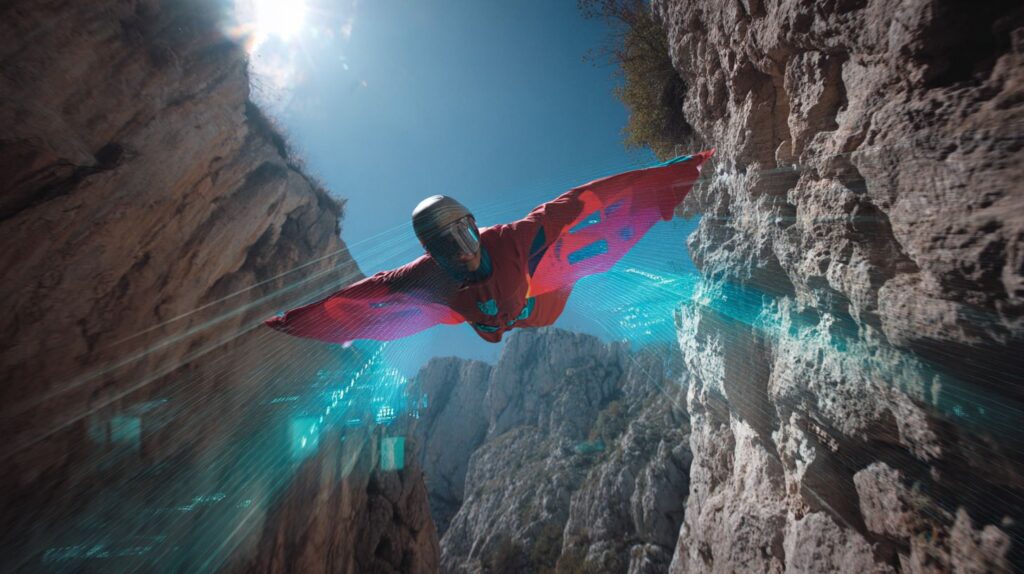
Events like UTMB exemplify hybrid approaches blending safety tech with risk. Runners use wearable beacons while embracing trail uncertainties. This setup supports endurance without eliminating the challenge.
Practical wisdom starts with informed consent. Participants in Croatia’s UltraSwim review gear limits and weather risks. Teams practice hybrid drills, like beacon checks during swimrun simulations.
Recovery focus follows every adventure. Athletes prioritize rest, nutrition, and mental health check-ins post-event. This sustains participation in global trends pushing human limits.
Informed Consent and Recovery Focus
Informed consent enables athletes in extreme sports. Before Hvar island challenges, sign waivers detailing risks in water running. This builds trust and mental preparation for pain and effort.
Experts recommend clear communication in events. Organizers outline tech options versus raw risk in ultramarathons. Swimmers and cyclists then choose paths aligning with their fitness and goals.
Post-event recovery focus prevents burnout. Incorporate active rest like yoga after desert races. Track personal growth through journals, turning adrenaline experiences into lasting transformation.
Global Events and Spectatorship Boom
Iconic events like UltraSwim 33.3 on Croatia‘s Hvar island draw global crowds, blending competition with communal adventure. Swimmers tackle the demanding route from Palmiana in the Pakleni Islands to Cape Pelegrin, pushing through open water challenges. These gatherings foster a sense of shared endurance among participants and fans.
The Marathon des Sables in the Moroccan desert tests runners across scorching dunes in a grueling ultramarathon. Competitors like Mark Turner share stories of mental resilience, enduring pain for personal growth. Spectators tune in for live-streams that capture every achievement.
TILL Swimrun in the Stockholm Archipelago combines swimrun with island hopping, alternating between water and trails. Alison King recounts her transformation from novice to finisher, highlighting the event’s role in building community. Viewers worldwide join via innovative streaming, enhancing the global adrenaline rush.
To attend these events, plan travel early and prioritize safety training. Aspiring athletes should build fitness through progressive runs, swims, and strength sessions in nature. These spectacles offer more than competition, they create lasting outdoor experiences and connections.
Tips for Attending and Training
Prepare for extreme sports events by scouting routes like Hvar’s coastal paths ahead of time. Book accommodations near start lines for easy access, and pack essentials for variable weather. Spectators benefit from community meetups that amplify the excitement.
For training, mimic event conditions with long swims in open water or desert-like runs. Mark Turner’s approach involved gradual mileage increases and mental drills to handle effort. Focus on resilience through recovery days and nutrition plans tailored to endurance.
Alison King recommends cross-training like cycling for swimrun prep, building overall fitness. Join local groups for accountability and shared tips on gear. These steps ensure safer participation and deeper personal growth.
Unique Value: Community and Live-Stream Trends
These global events shine through community building, where athletes and fans bond over shared challenges. Stories from UltraSwim participants inspire newcomers, turning holidays into adventures. Live-streams make oceans, deserts, and islands accessible from anywhere.
Innovation in viewing trends lets audiences experience the flow state of competitors in real time. TILL’s broadcasts highlight swimrun transitions, drawing virtual crowds. This shift boosts engagement without the physical risk.
Sustainability efforts, like eco-friendly routes, add value for conscious travelers. Participants gain not just records, but lifelong networks. Embrace these trends for transformative extreme sports involvement.
Future Predictions Beyond 2026
Beyond 2026, extreme sports will integrate sustainability and hybrid realities, expanding human potential further. Events like eco-friendly ultramarathons such as UltraSwim and UltraSwim 33.3 on Hvar island in Croatia, including swims around Palmiana and the Pakleni Islands near Cape Pelegrin, will set the standard, blending endurance challenges with nature preservation. Athletes can expect races that prioritize low-impact trails and ocean swims to minimize environmental harm.
AR-enhanced events will transform competitions by overlaying digital elements on real-world obstacles. Runners in desert ultramarathons such as the Marathon des Sables in the Moroccan desert, Mont Blanc, or mountain climbs might see virtual guides for optimal paths, heightening the adrenaline rush while improving safety. This hybrid approach pushes physical limits through immersive experiences.
Biofeedback technology will become standard, monitoring heart rates and fatigue in real time during events like TILL Swimrun in the Stockholm Archipelago or cycling adventures. Participants in global events such as the UTMB World Series, races across the Finland Arctic Circle, or even Mount Everest challenges will use wearables to stay in the flow state, avoiding overexertion and fostering mental resilience. Ethical evolution ensures these innovations promote health over reckless risk.
Athletes like Mark Turner, Alison King, and Gemma Morris preparing now should focus on cross-training with running, cycling, and swimrun sessions. This builds versatile fitness for future hybrid races, such as those combining island swims with trail efforts. Consistent practice enhances personal growth and readiness for sustainable adrenaline trends.
Frequently Asked Questions
What are the key Extreme Sports in 2026: Adrenaline Trends Pushing Human Limits?
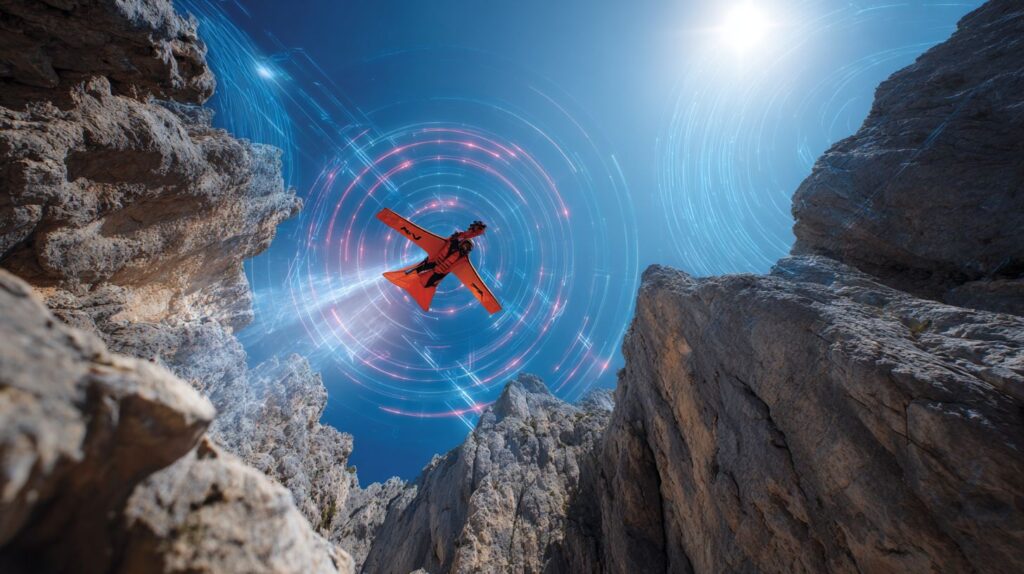
In 2026, Extreme Sports in 2026: Adrenaline Trends Pushing Human Limits highlight wingsuit flying with AI-assisted navigation, high-altitude BASE jumping from drones, and underwater cave freediving with augmented reality gear, all designed to amplify thrill while testing human endurance.
How is technology shaping Extreme Sports in 2026: Adrenaline Trends Pushing Human Limits?
Technology in Extreme Sports in 2026: Adrenaline Trends Pushing Human Limits includes wearable exoskeletons for parkour leaps, VR-enhanced big-wave surfing simulations for training, and biofeedback suits that monitor vitals in real-time during free solo climbs, pushing boundaries safely yet intensely.
What new Extreme Sports in 2026: Adrenaline Trends Pushing Human Limits are gaining popularity?
Emerging trends in Extreme Sports in 2026: Adrenaline Trends Pushing Human Limits feature urban speed climbing on skyscrapers, rocket-powered snowboarding, and zero-gravity skateboarding in suborbital flights, attracting adrenaline junkies seeking unprecedented rushes.
Who are the top athletes in Extreme Sports in 2026: Adrenaline Trends Pushing Human Limits?
Leading figures in Extreme Sports in 2026: Adrenaline Trends Pushing Human Limits include ultrarunner Natalie Dau, ultracycling record holder Lhakpa Sherpa, wingsuit pioneer Elena Voss, who shattered records in drone-launched flights, free solo expert Kai Rivera, mastering sheer cliffs with neural implants for enhanced focus, and ultra-athletes conquering the Race Across France.
What safety measures are evolving in Extreme Sports in 2026: Adrenaline Trends Pushing Human Limits?
Safety advancements in Extreme Sports in 2026: Adrenaline Trends Pushing Human Limits involve AI predictive analytics to forecast risks, nanomaterial suits for impact absorption, and drone rescue swarms deployable in seconds, balancing extreme risks with cutting-edge protection.
Where can enthusiasts experience Extreme Sports in 2026: Adrenaline Trends Pushing Human Limits?
Prime locations for Extreme Sports in 2026: Adrenaline Trends Pushing Human Limits are New Zealand’s rocket jumps, Hawaii’s mega-wave arenas, and Dubai’s vertical urban circuits, where global events draw crowds to witness humanity’s boldest adrenaline pursuits.