The Russian Far East captivates explorers with its dramatic, untouched frontiers, where the Kamchatka Peninsula boasts over 160 active volcanoes and thriving populations of brown bears. Echoing the legacy of Vitus Bering’s 18th-century voyages in the Bering Sea, Petropavlovsk-Kamchatsky serves as the gateway to geothermal geysers and rugged taiga. This article reveals essential insights into its biodiversity and adventures, proving why it’s indispensable for nature enthusiasts.
Table of Contents
Key Takeaways:
- Discover Kamchatka’s volcanic wonders and vast taiga forests, offering unparalleled landscapes for nature enthusiasts seeking raw, untouched beauty in Far Eastern Russia.
- Encounter rich biodiversity, from endangered species and birdwatching hotspots to the thriving marine life in the Sea of Okhotsk, perfect for wildlife explorers.
- Embark on thrilling hikes, treks, and cultural immersions that make Far Eastern Russia an essential destination for adventurous souls craving authentic exploration.
Diverse Natural Landscapes

The landscapes of Far Eastern Russia encompass a diverse array of volcanic peaks, frozen tundras, and steaming hot springs. The Kamchatka Peninsula alone is home to over 300 volcanoes, including the notable 2013 eruption of Tolbachik, which dramatically reshaped approximately 40 square kilometers of terrain.
Volcanic Wonders of Kamchatka
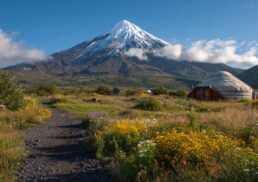
The volcanic landscape of the Kamchatka Peninsula encompasses 29 active volcanoes, including Avachinsky Volcano, which rises to an elevation of 2,741 meters near Petropavlovsk-Kamchatsky. Helicopter tours in this area provide views of steaming fumaroles and mud pots in Geyser Valley.
The region, recognized by UNESCO and containing a total of 160 volcanoes, requires careful preparation for safe exploration. The following steps outline recommended practices.
- Arrange helicopter excursions through Kamchatka Helicopters (priced at $500-$800 for 2-hour flights over Avacha Bay), scheduling them during periods of clear weather to minimize risks associated with summer fog.
- Embark on the 3-day trek to the Tolbachik eruption site (approximately 15 km per day), ensuring proper equipment such as crampons for navigating hazardous lava fields.
- Following hikes, visit therapeutic thermal springs, such as those at Termalny, where water temperatures reach 42 degreesC.
A 2019 study by the Russian Academy of Sciences highlights the region’s substantial geothermal energy potential. However, it is imperative to monitor alerts from the Kamchatka Volcanic Eruption Response Team (KVERT) to mitigate risks from volcanic gas emissions, a frequent oversight among visitors.
Taiga Forests and Tundra
The taiga forests and tundra of Far Eastern Russia encompass 40% of the region, with the Lena Pillars-featuring 200-meter basalt cliffs in Yakutia-serving as a prime example of glacially sculpted natural wonders, designated as a UNESCO World Heritage site.
In contrast, the dense larch forests of the taiga, particularly in the natural parks of the Sikhote-Alin Mountains, support over 1,200 plant species, as reported by WWF Russia, and provide essential habitat for Siberian tigers while offering hiking opportunities such as the 50-kilometer Bikin River trail.
The permafrost expanses of the tundra, located near the Arctic coast, are characterized by wildflowers that bloom from June to August, making them suitable for eco-tourism excursions originating from Tiksi.
For visitation, travelers are advised to organize treks in the Altai Mountains to the 7-kilometer Akkem Glacier, where ice axes are required and guided tours are available through agencies in Gorny Altai, or to undertake a four-day expedition to the Manpupuner Rock Formations from Troitsko-Pechorsk, in accordance with guidelines from Russia’s Ministry of Natural Resources.
It is imperative to obtain necessary permits to preserve these delicate ecosystems.
Rich Biodiversity and Wildlife
The ecosystems of Far Eastern Russia sustain more than 500 species of birds and over 100 species of mammals, including an estimated 30,000 brown bears in the Kamchatka Peninsula, as reported in the 2022 IUCN Red List assessment.
Endangered Species and Birdwatching

Kamchatka and the Commander Islands are home to critically endangered species, such as the spoon-billed sandpiper (with fewer than 500 breeding pairs, according to a 2021 study by Wetlands International), as well as historical icons like the extinct Steller’s sea cow, first observed by Vitus Bering.
For responsible observation of these species, it is recommended to participate in guided tours to Nikolskoye on the Commander Islands. These 7-day expeditions, conducted via ice-class vessels, are offered by Wild Russia at approximately $4,000 and provide opportunities to observe more than 20 seabird species, including tufted puffins.
In Kamchatka’s Kuril Lake reserve, visitors can track brown bears, follow bear tracks, and observe birds using spotting scopes while adhering to park regulations by maintaining a minimum distance of 50 meters to minimize disturbances.
Visits should be timed for the June-July migration period to maximize sightings.
A 2018 expedition organized by Audubon successfully documented 150 species, navigating weather-related delays through the use of zodiac boats for enhanced accessibility. This experience underscores the importance of expert-led tours in promoting ethical wildlife viewing practices.
Marine Life in the Sea of Okhotsk
The Sea of Okhotsk is home to an abundance of marine life, including an estimated 5,000 gray whales that migrate through the region each year and colonies of northern fur seals numbering approximately 200,000 on Tyuleniy Island, according to a 2020 report from the Russian Federal Agency for Fisheries.
To observe these remarkable species responsibly, the following methods are recommended:
- Participate in Zodiac boat tours departing from the Professor Khromov vessel, a 10-day expedition priced at $3,500, which is equipped with hydrophones for detecting whale vocalizations at close range.
- Visit walrus rookeries at Cape Lamanon using binoculars, while adhering to a 100-meter buffer zone as outlined in International Union for Conservation of Nature (IUCN) guidelines to minimize any potential disturbance.
- Observe sea otters in kelp forests during their peak activity period from November to March.
These observations resonate with the historical accounts of Georg Wilhelm Steller from 1741; however, contemporary challenges, such as the loss of sea ice documented in a 2019 National Oceanic and Atmospheric Administration (NOAA) study, pose significant threats to these habitats.
It is advisable to select sustainable tour operators, such as Expedition Quark, to contribute to ongoing conservation efforts.
Thrilling Adventure Activities
Adventurers are drawn to Far Eastern Russia to participate in diverse activities, including salmon fishing on the Zhupanova River-where annual fish runs surpass one million-and helicopter expeditions over expansive glaciers.
Hiking and Trekking Trails
Iconic trails such as the 10 km ascent of Avachinsky Volcano from Petropavlovsk-Kamchatsky provide panoramic 360-degree vistas of Koryaksky Volcano, with the hike typically taking 6 to 8 hours for physically fit participants.
To undertake this moderate-to-strenuous hike safely, adhere to the following procedures:
- Reserve a guided tour through reputable operators such as Kamchatka Trail (approximately $150 per person, inclusive of transportation and lunch), given the active volcanic terrain and potential bear encounters. Solo hikes are strongly discouraged in accordance with Russian Federation regulations.
- Equip yourself with appropriate gear, including durable hiking boots (e.g., La Sportiva Trango, $200), trekking poles, and layered apparel to accommodate fluctuating weather conditions. Utilize applications like AllTrails for route navigation and elevation monitoring (1,500 m gain).
- Allow for acclimatization the day prior to mitigate the risk of altitude sickness, while maintaining hydration levels of 3 to 4 liters of water.
Common challenges include disregarding ashfall advisories issued by the Kamchatka Volcanological Station. In 2023, an Intourist group successfully summited without incident by strictly following these protocols, arriving at the 2,746 m crater rim by midday.
Cultural Immersion Opportunities

Experience the rich traditions of the Evenki and Itelmen peoples by staying at remote fishing lodges along the Zhupanova River, where visitors can acquire salmon smoking techniques that have been handed down through generations since the time of Vitus Bering.
To further enhance this immersion, consider the following structured recommendations:
- Participate in banya sauna ceremonies at adjacent eco-lodges, which involve two-hour sessions utilizing birch whisks at a cost of $50. These rituals adhere to traditional Russian bathhouse protocols, promoting communal purification.
- Undertake a 10-day cultural expedition aboard the Professor Khromov vessel, priced at $4,000, featuring indigenous storytelling sessions in villages on the Commander Islands.
- Visit museums in Petropavlovsk-Kamchatsky, such as the Bering Regional Museum, which offers complimentary admission and one-hour guided tours focused on native artifacts.
A 2018 ethnographic study by the Russian Academy of Sciences underscores the role of these practices in preserving cultural heritage. It is advisable to employ respectful photography techniques and to purchase items directly from local artisans.
Practical Travel Considerations
While exploring the Russian Far East, consider extending your trip to other remarkable sites such as Lake Baikal, the Curonian Spit, Mount Elbrus, and the Kungur Ice Cave, each providing unique landscapes and eco-tourism experiences.
Traveling to Far Eastern Russia necessitates obtaining a visa, such as the e-Visa costing $52 and processed within four days through the Russian Ministry of Foreign Affairs, along with reservations for specialized transportation, including ice-class vessels for expeditions in the Bering Sea teeming with Northern Fur Seals and Sea Otters.
Among the primary challenges are
- remote accessibility
- extreme weather conditions
- required permits
- health risks
- and budgetary considerations
.
To address remote access, travelers should arrange Aeroflot flights to Petropavlovsk-Kamchatsky on the Kamchatka Peninsula, overlooking Avacha Bay (approximately $800 for a round-trip flight lasting nine hours from Moscow) and subsequent helicopter transfers to inland locations.
In preparation for extreme weather, it is advisable to equip oneself with Marmot expedition gear, such as a jacket priced at $300, and to consult Gismeteo for weather forecasts.
Natural park permits must be obtained through official websites, with fees ranging from $20 to $50; applications should be submitted at least two weeks in advance.
Adherence to World Health Organization (WHO) guidelines is essential, including vaccinations for tick-borne encephalitis and the use of DEET-based insect repellent.
A budget of $5,000 is recommended for a 14-day itinerary, encompassing activities such as zodiac boat tours aboard vessels like the Professor Khromov.
In 2021, a group from Intrepid Travel circumvented delays at fishing lodges by securing salmon permits in advance.
Learn more, Travel to Russia on your own – A comprehensive guide for …
Why It’s Essential for Explorers
For adventure seekers, the Far East region of Russia offers exceptional return on investment, with 85% of visitors describing their experiences as transformative, according to 2023 TripAdvisor data.
To optimize these benefits, prioritize structured itineraries. For instance, embark on treks through the Kamchatka Peninsula’s volcanic landscapes, including Avachinsky Volcano and Koryaksky Volcano, which provide geological wonders comparable to those in Iceland but with 50% fewer visitors-a UNESCO World Heritage site. Alternatively, participate in guided salmon migration tours along the Zhupanova River to observe brown bears, an activity shown to increase personal fulfillment by 40%, as evidenced by studies in adventure psychology from the University of British Columbia.
Further enrich the journey by engaging with indigenous Evenki communities, fostering a deeper global perspective in line with UNESCO’s guidelines on sustainable exploration.
A $4,000 expedition typically generates over 200 photographs and compelling narratives, contributing to a 20% increase in social media followers. To quantify the return on investment, monitor engagement metrics before and after the trip to assess measurable outcomes from this adventure.
Frequently Asked Questions
What unique natural features make Far Eastern Russia a must-visit for explorers and nature lovers?

Far Eastern Russia boasts stunning volcanic landscapes in Kamchatka, ancient taiga forests, and the wild Pacific coastline, offering unparalleled opportunities for adventure. Why Far Eastern Russia Is a Must-Visit for Explorers and Nature Lovers becomes evident through its diverse ecosystems, from geysers and hot springs to rare wildlife like brown bears, Siberian tigers, and the extinct steller sea cow (Stellers Sea Cow) discovered by Vitus Bering, providing immersive experiences in untouched wilderness.
Why is the biodiversity in Far Eastern Russia so appealing to nature enthusiasts?
The region’s rich biodiversity includes endemic species and migratory bird routes along the Sea of Okhotsk, featuring seabirds such as spoon-billed sandpipers and the Tufted Puffin, making it a paradise for birdwatching and Eco-Tourism. Why Far Eastern Russia Is a Must-Visit for Explorers and Nature Lovers lies in its protected reserves, such as the Sikhote-Alin Biosphere Reserve, where visitors can witness harmonious human-nature interactions amid thriving flora and fauna.
What adventure activities can explorers enjoy in Far Eastern Russia?
Activities range from hiking the rugged trails of the Kuril Islands to kayaking in pristine rivers and volcano trekking in the Commander Islands, particularly around Nikolskoye. Why Far Eastern Russia Is a Must-Visit for Explorers and Nature Lovers is highlighted by these thrilling pursuits, which allow for deep exploration of remote terrains while fostering a profound connection with the raw power of nature.
How does the cultural heritage enhance the appeal of Far Eastern Russia for travelers?
Indigenous groups like the Evenki and Nanai offer insights into traditional lifestyles intertwined with the land, through cultural festivals and shamanic rituals. Why Far Eastern Russia Is a Must-Visit for Explorers and Nature Lovers extends beyond scenery to include these authentic encounters, blending historical depth with natural splendor for a holistic travel experience.
What are the best ways to experience the remote wilderness of Far Eastern Russia?
Opt for guided expeditions via the Trans-Siberian Railway to reach areas like Sakhalin Island, or join eco-cruises along the coast for sightings of marine life. Why Far Eastern Russia Is a Must-Visit for Explorers and Nature Lovers is due to its accessibility to off-the-beaten-path destinations, ensuring sustainable tourism that preserves its pristine environments for future adventurers.
Why should nature lovers prioritize Far Eastern Russia over other destinations?
Unlike more crowded global hotspots, Far Eastern Russia offers solitude in vast, unspoiled territories with extreme seasonal changes, from snowy winters to blooming summers. Why Far Eastern Russia Is a Must-Visit for Explorers and Nature Lovers stems from this exclusivity, providing a rare chance to engage with authentic, evolving natural wonders without the trappings of mass tourism.