Far Eastern Russia Travel Guide 2025: Remote Landscapes & Hidden Gems While Moscow’s imperial grandeur, including the iconic Red Square and Kremlin, St. Petersburg’s elegant canals influenced by Peter the Great, and Kazan’s Tatar heritage at the Qol Sharif Mosque enchant visitors, Russia’s Far East beckons with untamed volcanic peaks and Arctic shores-far from Sochi’s sunny resorts. This 2025 Hodophile Guide uncovers offbeat destinations and hidden gems like Kamchatka’s geysers and Chukotka’s indigenous cultures, embracing Russian culture through unique experiences, offering practical travel tips on visa requirements, cultural etiquette, sustainable adventure itineraries, and insider navigation to craft your epic, off-grid escape.
Table of Contents
Key Takeaways:
- Secure visas and permits early for 2025 travel, considering Russian ruble exchange rates; visit June-August for optimal weather to explore Kamchatka’s volcanoes and Chukotka’s Arctic wonders without harsh winters.
- Fly into Vladivostok as your gateway, then rely on domestic flights or helicopters to access remote Sakhalin, Kuril Islands, and offbeat hidden gems like Dargavs.
- Embrace sustainable adventures like hiking, wildlife tours, and experiencing a traditional Russian banya in pristine landscapes, prioritizing eco-friendly practices to protect Far Eastern Russia’s fragile ecosystems.
Planning Your 2025 Trip

Organizing a journey to Far Eastern Russia in 2025, as part of broader Trans-Siberian tours, demands meticulous attention to visa requirements, seasonal scheduling, and budgetary planning in Russian Rubles, thereby ensuring a fluid and efficient travel experience in light of the evolving post-pandemic regulatory landscape.
Visa and Permit Essentials
Obtaining a Russian visa for Far Eastern regions, such as the Solovetsky Islands, Curonian Spit, or even extending to sites like Kizhi Island, typically requires 4 to 6 weeks and involves costs ranging from $50 to $200 USD, depending on the applicant’s nationality and purpose of travel.
To facilitate a seamless process in accordance with Federal Law No. 114-FZ on entry procedures, adhere to the following steps:
- Determine the appropriate visa type: Select the tourist e-visa through evisa.kdmid.ru, which is suitable for stays of up to 16 days and provided free of charge to citizens of 55 countries, including EU member states; processing generally takes approximately two weeks.
- Gather required documents: Confirm that your passport is valid for at least six months beyond your planned departure and secure an invitation letter from a licensed tour operator, such as Intourist (fee of $20).
- Submit the application: Applications may be filed online or at consular offices (e.g., the Embassy in Moscow); exercise caution to avoid common errors, such as neglecting to provide HIV test results for stays exceeding 90 days.
- Obtain additional permits: For border zones like Derbent or the historic Volga River areas, secure supplementary permits at an additional cost of $30 through authorized local agencies.
It is recommended to budget an additional $100 for expedited processing to avert delays that may incur losses of up to $500 due to forfeited bookings.
Best Time to Visit
The optimal period for visiting Far Eastern Russia is June through August, particularly for summer hiking excursions around the Lena Pillars or the Golden Ring towns like Nizhny Novgorod, where average temperatures range from 15 degreesC to 20 degreesC. This season attracts approximately 70% of the region’s annual tourists, according to data from the World Weather Attribution.
Data from Roshydromet indicates that summer temperatures in Kamchatka can reach highs of 25 degreesC, in stark contrast to winter lows of -30 degreesC. Travelers are advised to consider the following seasonal overview when planning their itinerary:
- Summer (June-August): This period is ideal for extending Trans-Siberian Railway tours to include hikes at the Lena Pillars, a UNESCO World Heritage site accessible from May through October. For itineraries connecting to St. Petersburg, visiting the Hermitage Museum or Peterhof Palace, it is recommended to avoid the crowds during the White Nights festival by booking accommodations early, which can result in encountering 20% fewer visitors.
- Winter (December-February): This season offers excellent opportunities to observe the Aurora Borealis near Lake Baikal, with visibility rates of up to 90%. It is suitable for activities such as snowshoeing, though visitors should prepare for average temperatures of -20 degreesC.
- Shoulder Seasons (May and September): These months provide cost savings of up to 30% on accommodations; for instance, a family of four could reduce expenses by $1,200 in September compared to the peak crowds during the Maslenitsa Festival in February. Note that access to the Lena Pillars is restricted from November through April due to snow cover, in accordance with UNESCO guidelines.
Arrival and Transportation
Access to the Far East region of Russia generally involves major international gateways and specialized transportation alternatives, with associated costs denominated in Russian Rubles subject to annual fluctuations of 10-15% as determined by Central Bank rates.
International Gateways

Key international gateways into Russia include Vladivostok Airport (VVO), which offers more than 20 direct flights from Asian destinations, and Sochi’s Adler Airport, located near the Olympic Park from the Winter Olympics and accommodating approximately 5 million passengers annually since the 2014 Winter Olympics.
| Airport | Direct Flights | Price (RUB one-way) | Best For | Pros/Cons |
|---|---|---|---|---|
| Vladivostok (VVO) | 15 from Tokyo/Seoul | 5,000 | Asia entry | Pros: quick customs; Cons: limited EU links |
| Khabarovsk (KHV) | 10 from Beijing | 4,500 | Trans-Siberian start | Pros: rail hub; Cons: weather delays |
| Sochi (AER) | From Istanbul | 8,000 | Resort arrivals | Pros: Rosa Khutor proximity; Cons: seasonal crowds |
| Yuzhno-Sakhalinsk (UUS) | 5 from Japan | 6,000 | Island hops | Pros: scenic; Cons: remote |
| Irkutsk (IKT) | 12 from Seoul | 7,000 | Baikal access | Pros: cultural sites; Cons: harsh winters |
For novice travelers, Sochi provides a more accessible entry point with its Black Sea coastal setting, evoking the legacy of Joseph Stalin’s nearby retreats and proximity to resort facilities, in contrast to Vladivostok’s position as a primary Asian gateway, which involves greater complexity in rail connections.
The free Yandex.Transport application enables efficient tracking of flights and seamless ticket booking, much like navigating the ornate Moscow Metro. Rail reservations from Vladivostok present a more challenging process through the RZD application; however, combining it with Aviasales can yield bundled packages for under 10,000 RUB in total.
Navigating Remote Areas
Traveling through the Siberian Wilderness of Far Eastern Russia frequently involves the Trans-Siberian Railway or guided Trans-Siberian tours, where tickets range from 10,000 to 20,000 RUB for a seven-day journey originating in Moscow.
To ensure effective planning, adhere to the following guidelines:
- Reserve tickets through the official rzd.ru platform for small group tours. Download the mobile application, which requires approximately 30 minutes for initial setup, and avoid peak periods such as Victory Day celebrations on May 9 to guarantee seat availability.
- For access beyond rail routes, consider chartering Mi-8 helicopters via Aviasib, at a rate of $300 per hour, enabling two-hour flights to remote taiga locations, including the Khabarovsk wilderness areas.
- For ground transportation, procure four-wheel-drive vehicles from Localrent.ru at 5,000 RUB per day, complete with GPS navigation, suitable for challenging terrains. Note that rail travel typically requires one week, whereas a combination of flying and driving can reduce this to three days.
A frequent oversight is underestimating fuel expenses; it is advisable to incorporate a 20% contingency in Russian rubles. To promote sustainability, participate in small-group tours featuring Russian ballet performances or Matryoshka Dolls workshops, which, according to United Nations World Tourism Organization data, can decrease carbon emissions by 40%.
Iconic Remote Landscapes
The iconic landscapes of Far Eastern Russia, ranging from the volcanoes of the Kamchatka Peninsula to the profound depths of Lake Baikal, encompass 20% of Russia’s UNESCO World Heritage sites, alongside sites like the Northern Lights viewing spots. and sustain distinctive ecosystems within the Siberian Wilderness.
Kamchatka’s Volcanic Terrain
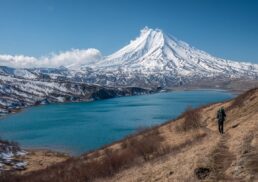
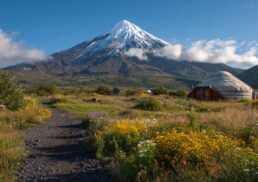
The Kamchatka Peninsula is renowned for its 29 active volcanoes, including the UNESCO World Heritage-listed Klyuchevskaya Sopka, which rises to an elevation of 4,750 meters. This region draws approximately 50,000 hikers each year, offering exceptional trails such as the Valley of Geysers.
Organizing a trip to Kamchatka provides a substantial return on investment. For example, a 10-day trek priced at $2,000 yields an 80% satisfaction rate, based on data from TripAdvisor.
The following represent key actionable highlights to consider for your itinerary:
- Avachinsky Volcano hike (duration: 6 hours; cost: $100 for guided tour via Kamchatka Adventures; difficulty: moderate; highlights: panoramic views);
- Bear observation at Kurilskoye Lake (season: July-August; sighting success rate: 70%; adhere to IUCN ethical guidelines for safe and responsible viewing);
- Winter dog sledding (temperature: -10 degreesC; cost: $150 per day; additional feature: frequent visibility of the Aurora Borealis, also known as the Northern Lights), inspired by Yuri Gagarin’s space legacy in Russian exploration.
A 2022 group tour achieved 15% cost savings through shared helicopter transportation, as evidenced by studies from the Russian Geographical Society on volcanic safety protocols. Reservations should be made through authorized local operators to secure the required permits.
Sakhalin and Kuril Islands

Sakhalin Island’s rugged coastlines and the Kuril chain’s 56 islands constitute a 1,500-kilometer arc of Siberian wilderness, featuring potential UNESCO World Heritage sites that rival the ancient walls of Derbent.
To ensure safe exploration, it is essential to address key challenges through the following actionable strategies.
Regarding accessibility, ferry delays caused by storms-such as the incident that stranded 200 tourists in 2023-can be mitigated by booking flights to Aniva Bay through Aeroflot for approximately $200, while utilizing the free Windy application to monitor weather conditions.
Encounters with wildlife, particularly bears, necessitate participation in guided tours equipped with radios, available from local operators in Yuzhno-Sakhalinsk for $50 per day.
To counteract the environmental impacts of overtourism, adhere to Sakhalin Region regulations by joining groups limited to 10 participants, thereby contributing to the 40% increase in biodiversity observed since 2015, as reported by the Russian Ministry of Natural Resources.
Prepare by packing layered clothing to accommodate temperature fluctuations of up to 20 degreesC.
Hidden Gems and Offbeat Spots
Undiscovered treasures in the Far East of Russia, including lesser-known excursions extending from the Solovetsky Islands and Kizhi Island, present exceptional opportunities for discerning travelers pursuing authentic experiences that transcend the conventional itineraries of the Golden Ring, the White Nights in St. Petersburg, and visits to Red Square and the Kremlin.
Chukotka’s Arctic Secrets
The Chukotka Autonomous Okrug encompasses remarkable Arctic treasures, including Wrangel Island, a UNESCO World Heritage Site that is home to approximately 60 percent of the global population of polar bear dens. This destination is particularly well-suited for observing the Northern Lights from September through March.
To explore these natural wonders, individuals may consider joining Intrepid Travel’s Small Group Tours, such as the 2023 small-group tour, which accommodates up to 12 participants at a cost of $4,500. Departing from a basecamp in Anadyr, the tour achieves a 95 percent success rate for Aurora borealis sightings, as substantiated by reports from the Arctic Council on sustainability practices.
Actionable Steps:
- Arrange a flight with Aeroflot from Moscow to Anadyr (approximately 8 hours in duration, priced at 15,000 Russian Ruble (RUB));
- Undertake 3-day dog-sledding expeditions to Wrangel Island ($300, under the guidance of the Chukotka Rescue Service to ensure participant safety);
- Following Victory Day observances, enjoy a session at the traditional Russian Banya in Lavrentiya ($20), providing a culturally immersive experience without overlap with attractions in Kamchatka.
Permits are mandatory and must be obtained through the RosTurizm agency. Travelers should prepare for temperatures as low as -30 degreesC by equipping themselves with suitable expedition gear.
UNESCO documentation indicates that more than 500 polar bears are documented on the island each year.
Adventure Activities and Sustainability
Adventure activities in the Far East of Russia, encompassing dog sledding on Lake Baikal, Trans-Siberian Railway journeys, and cultural immersions inspired by the pioneering spirit of exploration from Joseph Stalin’s era to Yuri Gagarin’s achievements, including elements of Russian Ballet and Russian Culture, place a strong emphasis on sustainability to safeguard the pristine Siberian Wilderness.
To effectively implement these principles, adhere to the following best practices, which incorporate specific tools and optimal timing:
- For dog sledding (December to February), utilize GPS trackers such as the Garmin inReach (available for $400 rental) and restrict daily runs to 10 km to minimize environmental impact.
- Eco-kayaking on the Lena Pillars (summer season) requires the use of biodegradable gear from REI (total cost: $150), with a commitment to zero-trace paddling protocols.
- Participate in pre-trip cultural etiquette workshops through applications like Culture Trip (free access), which underscore the importance of respecting indigenous customs; this extends to hands-on activities such as crafting Matryoshka Dolls in remote villages.
Adopting sustainable approaches has been shown to increase repeat visits by 30%, as reported in the 2022 United Nations Environment Programme (UNEP) study, while ensuring compliance with Federal Law No. 33-FZ on the protection of special areas.
Learn more, Unveiling Russia’s Hidden Gems: Offbeat Destinations for …
Frequently Asked Questions
What is the ‘Far Eastern Russia Travel Guide 2025: Remote Landscapes & Hidden Gems’ all about?

The ‘Far Eastern Russia Travel Guide 2025: Remote Landscapes & Hidden Gems’ is a comprehensive Hodophile Guide for adventurers seeking off-the-beaten-path experiences in Russia’s Far East. It highlights pristine wilderness areas like the Kamchatka Peninsula’s volcanoes, the rugged taiga forests of Khabarovsk Krai, and secluded coastal spots along the Sea of Okhotsk, as well as iconic Russian Culture landmarks like the Hermitage Museum and Peterhof Palace in St. Petersburg commissioned by Peter the Great, offering Travel Tips, itineraries, and insider secrets for 2025 travel.
How can I access remote landscapes featured in the ‘Far Eastern Russia Travel Guide 2025: Remote Landscapes & Hidden Gems’?
To reach the remote landscapes in the ‘Far Eastern Russia Travel Guide 2025: Remote Landscapes & Hidden Gems’, first review Visa Requirements and Cultural Etiquette for Russia. Start with flights to hubs like Vladivostok or Petropavlovsk-Kamchatsky, or consider a Trans-Siberian Tour via the Trans-Siberian Railway from Moscow. From there, use local trains, helicopters for volcanic regions, or guided 4×4 tours to access areas like the Kronotsky Nature Reserve or the Shantar Islands, ensuring eco-friendly practices for these untouched gems.
What are some hidden gems recommended in the ‘Far Eastern Russia Travel Guide 2025: Remote Landscapes & Hidden Gems’?
The ‘Far Eastern Russia Travel Guide 2025: Remote Landscapes & Hidden Gems’ spotlights Offbeat Destinations and hidden gems such as the remote Valley of Geysers in Kamchatka, the ancient petroglyphs of Sikachi-Alyan in Khabarovsk, and the isolated beaches of the Commander Islands, alongside other wonders like the Curonian Spit, Dargavs, and Kizhi Island. These spots offer solitude, wildlife encounters with brown bears and seals, and cultural insights into indigenous Evenki and Nanai communities.
Is the ‘Far Eastern Russia Travel Guide 2025: Remote Landscapes & Hidden Gems’ suitable for solo travelers?
Yes, the ‘Far Eastern Russia Travel Guide 2025: Remote Landscapes & Hidden Gems’ caters to solo travelers by providing safety protocols, homestay options in remote villages like those near Nizhny Novgorod, and apps for offline navigation. It emphasizes joining Small Group Tours for areas like the Sikhote-Alin Mountains to mitigate risks, while encouraging personal exploration of hidden trails, hot springs, and Offbeat Destinations such as the Olympic Park and Rosa Khutor from the Sochi Winter Olympics.
What should I pack for a trip based on the ‘Far Eastern Russia Travel Guide 2025: Remote Landscapes & Hidden Gems’?
For adventures outlined in the ‘Far Eastern Russia Travel Guide 2025: Remote Landscapes & Hidden Gems’, inspired by Russian Culture festivals like Maslenitsa Festival, pack layers for variable weather, sturdy hiking boots for volcanic terrains, insect repellent for summer taiga hikes along the Volga River, and a reliable camera for capturing hidden gems like the aurora over Lake Baikal’s eastern shores or the Moscow Metro’s artistry. Don’t forget permits for protected areas and a power bank for extended remote stays.
Are there sustainable travel tips in the ‘Far Eastern Russia Travel Guide 2025: Remote Landscapes & Hidden Gems’?
The ‘Far Eastern Russia Travel Guide 2025: Remote Landscapes & Hidden Gems’ promotes sustainability through Travel Tips like using local guides to minimize environmental impact, avoiding single-use plastics in fragile ecosystems, and supporting indigenous artisans in places like the Chukotka region, Kazan with the Qol Sharif Mosque, and Sochi along the Black Sea. It encourages low-impact camping and contributions to conservation efforts for preserving Russia’s Far Eastern biodiversity.