In an era where cybersecurity threats like ransomware and data breaches loom large, effective business security measures have never been more critical. As we approach 2025, integrating advanced security systems that encompass both physical security and digital safeguards is essential for protecting businesses. This article explores the top fire and security services that every organization should consider, ensuring your company is resilient against potential threats while enhancing overall safety.
Table of Contents
Key Takeaways:
- In 2025, businesses must prioritize fire and security services for the safety of their employees and assets.
- Modern fire alarm systems offer advanced features and early detection, providing businesses with increased safety and peace of mind.
- Video surveillance and access control systems are essential in protecting businesses from potential threats and can be integrated for a more robust security plan.
Importance for Businesses in 2025

As businesses encounter an increasing number of security incidents, it is imperative to invest in fire and security services to safeguard sensitive data and assets. Recent statistics indicate a concerning trend, with a reported 50% increase in ransomware attacks over the past year alone. High-profile incidents, such as the Colonial Pipeline breach, have led to significant operational disruptions and considerable financial losses.
Furthermore, companies like Target have experienced severe reputational damage due to data breaches that compromised the information of millions of customers. To mitigate these risks, it is essential for businesses to implement comprehensive security services, conduct regular security audits, and provide training for employees on phishing awareness.
Additionally, organizations should consider investing in intrusion detection systems and data encryption to strengthen their overall security posture.
Fire Alarm Systems
Fire alarm systems have emerged as a vital element in the protection of lives and property, with numerous technologies advancing to improve their overall efficacy.
Types of Fire Alarm Systems: Exploring Security Technologies
Fire alarm systems can be classified into three main categories: conventional, addressable, and intelligent systems, each offering distinct advantages tailored to various environments.
Conventional systems are particularly suited for smaller buildings, utilizing a straightforward wiring method that groups multiple devices together without providing individual detection capabilities. Reputable brands such as ADT typically offer reliable models designed for this application.
Addressable systems, on the other hand, are ideal for larger and more complex facilities as they enable the precise identification of the exact location of a fire through unique identification assigned to each device. These systems are a key component in modern security systems for enhanced personal security.
Intelligent systems leverage real-time data analysis to enhance accuracy and response times, making them particularly well-suited for high-tech environments. A notable example of a trusted provider in this category is SimpliSafe.
Benefits of Modern Fire Alarms
Modern fire alarms play a crucial role in significantly reducing response times to emergencies, equipped with devices that can send real-time alerts through smartphone applications. These alarms employ advanced sensors and connectivity features to enhance safety.
For example, the Nest Protect model not only detects smoke but also monitors carbon monoxide levels, sending immediate alerts directly to users’ smartphones. Alternatively, the First Alert Onelink Safe & Sound offers voice alerts and integrates seamlessly with smart home systems for added convenience.
Selecting a fire alarm with smart features can result in a reported 30% faster response time during emergencies, thereby ensuring improved protection for individuals and their loved ones.
Learn more, Why a Modern Fire Alarm Is a Must-Have for Your Business
Video Surveillance Systems
Video surveillance systems have undergone significant evolution, incorporating advanced technologies to improve security monitoring and response capabilities.
Latest Technologies in Surveillance

Contemporary video surveillance systems employ advanced technologies, including AI-driven analytics, which significantly improve threat detection and operational efficiency.
These systems frequently incorporate features such as:
- 4K cameras for high-resolution imaging
- Motion-activated alerts that promptly notify users of suspicious activities
- Cloud storage solutions that ensure secure data backup
For example, the Lorex 4K cameras, which begin at a price of $199, offer exceptional night vision capabilities and integration with smart home systems. Users consistently report enhanced monitoring capabilities, particularly when these cameras are utilized in conjunction with software like Blue Iris, which provides real-time analytics and customizable alerts.
By leveraging these advanced tools, businesses can markedly improve their security operations.
Integration with Other Security Systems
The integration of video surveillance with fire alarm and access control systems establishes a comprehensive security solution that significantly enhances incident response capabilities.
By utilizing platforms such as Verkada and Kisi, organizations can achieve seamless monitoring and management of their security systems. Verkada provides cloud-based video surveillance that enables real-time access to camera feeds and alerts via mobile devices.
For example, retail establishments can integrate Verkada cameras with their fire alarm systems to receive immediate notifications when smoke is detected, thereby ensuring prompt action is taken.
Kisi’s access control system further complements this integration by managing entry points and sending alerts in instances of unauthorized access. Collectively, these tools create an extensive security network that give the power tos organizations to respond swiftly and effectively to any incidents that may arise.
Access Control Systems
Access control systems are essential for protecting sensitive areas within organizations, providing a range of technologies designed to enhance security measures.
Biometric vs. Traditional Access Control
Biometric access control systems, including fingerprint and facial recognition technologies, offer enhanced security compared to traditional keycard systems. These systems are particularly difficult for unauthorized individuals to circumvent, as they depend on unique physiological characteristics.
For example, Vivint provides a range of comprehensive biometric options that integrate seamlessly with home automation features.
Installation costs for biometric systems generally range from $200 to $800, depending on the complexity of the system, representing a long-term investment in security. Solutions such as the Biometric Time Clock or BioScan present varying levels of sophistication, enabling businesses to select options that best address their specific requirements.
Implementing biometric technology has the potential to reduce theft incidents by up to 80%, thereby significantly improving overall safety.
Fire Suppression Systems
Fire suppression systems are critical in reducing damage during fire incidents, employing various methods tailored to specific environments.
Types of Fire Suppression Methods
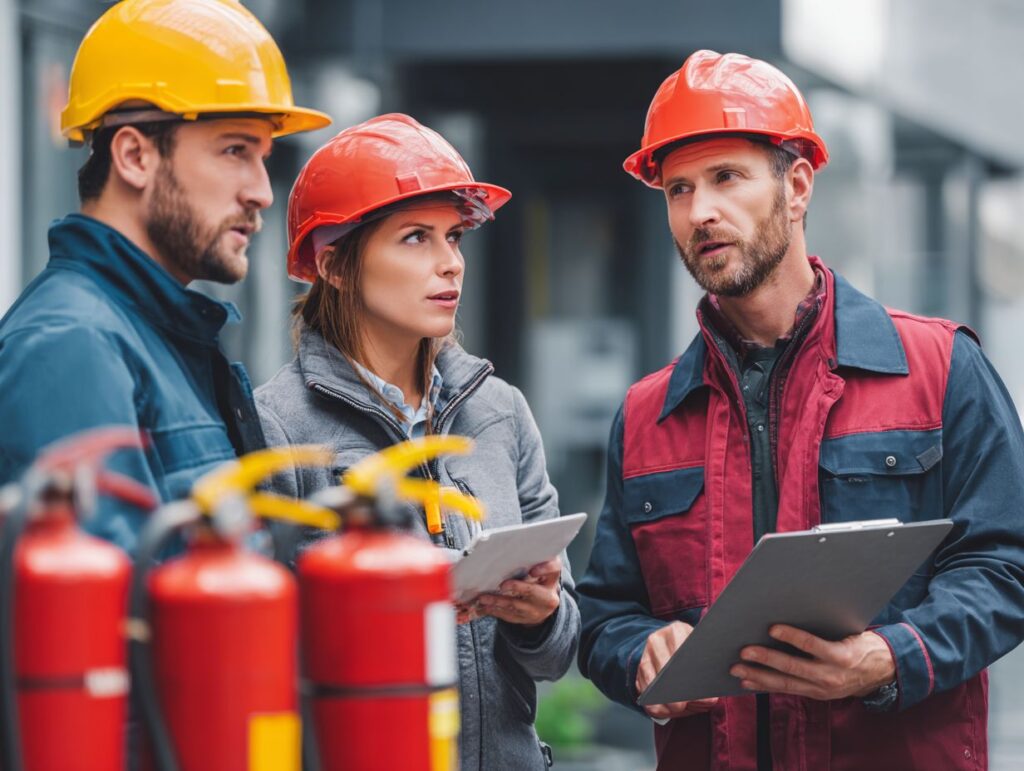
Common fire suppression methods encompass water-based systems, foam agents, and chemical suppression, each specifically designed to address various fire risks.
Water-based systems, such as sprinkler installations, are particularly effective in managing Class A fires, which involve ordinary combustibles, due to their inherent cooling properties.
Foam agents are well-suited for flammable liquid fires (Class B) as they create a blanket that suppresses vapor and prevents re-ignition; these agents are frequently employed in aviation and chemical facilities.
Chemical suppression systems, including those utilizing clean agents like FM-200, are advantageous in enclosed spaces (Class C fires) because they reduce oxygen levels without leaving any residue.
The selection of the appropriate fire suppression method is contingent upon the specific environment; for example, a commercial kitchen may benefit more from foam agents, while a data center may find chemical suppressants to be more effective.
Emergency Planning and Response
A comprehensive emergency planning and response strategy can significantly enhance outcomes during security crises, including fire-related incidents.
Training Staff for Emergencies: Mitigating Security Risks
Regular staff training on emergency protocols significantly enhances response efficacy, with companies observing a 40% increase in readiness following such training. An effective training program may encompass quarterly drills focused on evacuation procedures, first aid, and crisis communication.
For example, XYZ Corporation implemented a comprehensive program that combines tabletop exercises with on-site drills, utilizing realistic scenarios to evaluate staff reactions. Training materials should comprehensively address emergency procedures, delineate roles in various crises, and outline communication processes.
Programs that are successful typically report a 30% improvement in response times, along with elevated levels of staff confidence. Additionally, incorporating feedback sessions after each drill is essential for refining approaches and achieving even better outcomes.

Frequently Asked Questions
What are the top fire and security services every business should consider in 2025?
The top fire and security services every business should consider in 2025 include fire alarm systems, security cameras, motion detectors, access control systems, fire suppression systems, emergency response plans, commercial security systems, and security personnel.
Why is it important for businesses to invest in fire and security services in 2025?
Investing in fire and security services can protect businesses from potential threats such as fires, theft, and vandalism. It also helps ensure the safety of employees and customers, and can save businesses from costly damages, legal issues, and security vulnerabilities.
What factors should businesses consider when choosing fire and security services?
When choosing fire and security services, businesses should consider their specific needs, budget, industry regulations, and the reputation and experience of the service provider. It is important to choose services that are tailored to the unique business needs, and to look into customer support and user reviews.
How can fire and security services help businesses prevent disasters?
Fire and security services can help businesses prevent disasters by providing early detection and warning systems, as well as preventive measures such as access control and fire suppression systems. They can also assist with emergency planning and response services, minimizing potential damage and loss from natural disasters and equipment malfunctions.
Are there any new technologies or advancements in fire and security services that businesses should be aware of in 2025?
Yes, there are constantly new technologies and advancements in fire and security services that businesses should be aware of. Some examples include smart security systems with remote monitoring capabilities, biometric access control, cloud-based security, and artificial intelligence integrated into surveillance systems and analytics capabilities.
Are there any regulations or compliance requirements that businesses should keep in mind when implementing fire and security services?
Yes, businesses should be aware of industry-specific regulations and compliance requirements when implementing fire and security services. These may include fire safety codes, data privacy laws, and security industry standards. It is important to work with reputable security system providers such as ADT, SimpliSafe, or Ring who are knowledgeable about these regulations.