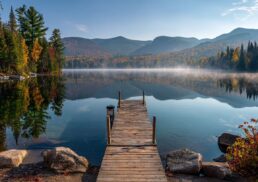
Transform your outdoor space into a serene backyard oasis with the perfect shade structure-a garden pergola, arbor, or gazebo. These timeless additions, from the open elegance of a Pergola to the pathway charm of an Arbor and the enclosed allure of a Gazebo, elevate any backyard with functional beauty. This guide demystifies selection by assessing your needs, design considerations, materials, designs, budget, and maintenance requirements, ensuring you choose the ideal structure for lasting enjoyment and style.
Table of Contents
Key Takeaways:
- Assess your garden space and intended use first: Pergolas suit open shading, arbors define pathways, and gazebos offer enclosed relaxation, ensuring the structure fits your needs without overcrowding.
- Choose durable materials wisely, including wooden structures, metal materials, and vinyl options: Opt for weather-resistant wood like cedar for natural appeal or sturdy metal like aluminum for low-maintenance strength, matching your climate and style aesthetics.
- Integrate design with your home’s aesthetic and budget: Select styles that complement your architecture, factor in installation costs, and plan for easy maintenance to enhance long-term value.
Understanding Pergolas, Arbors, and Gazebos

Pergolas, arbors, and gazebos each contribute distinctly to the enhancement of outdoor living spaces with significant architectural impact. Pergolas afford partial shade, as exemplified by those at Thomas Jefferson’s Monticello; arbors elegantly frame garden entrances and garden path with entryway elegance; and gazebos offer complete enclosure, ideal for family gatherings.
Key Differences Between Them
Pergolas are characterized by open lattice roofs supported by vertical posts and cross-beams, providing partial shade. Arbors serve as freestanding archways, often used for garden entrances.
Gazebos feature enclosed solid roofs with open sides, offering full coverage.
To select the appropriate structure for your outdoor space, consider the key attributes outlined in the following table, which is based on standard designs from Arbors Direct catalogs (2023):
| Structure | Roof Type | Coverage | Typical Size |
|---|---|---|---|
| Pergola | Open lattice | Partial shade (30-50%) | 10×10 ft |
| Arbor | Archway | None (climbing plants for dappled light) | 4×8 ft |
| Gazebo | Solid roof | Full coverage | 12×12 ft |
Pergolas evoke images of sun-dappled settings suitable for leisurely relaxation, serving as decorative focal points, as depicted in films like The Sound of Music, while gazebos resemble the enclosed structures in Twilight, ideal for private gatherings.
For do-it-yourself projects with high diy friendliness, utilize pressure-treated lumber for durability. Pre-assembled kits are available from retailers such as Home Depot, with budget friendly prices beginning at $200 for arbors. It is advisable to review local zoning regulations to confirm compliance with height restrictions, which are generally limited to under 12 feet.
Pergola Features and Uses
Pergolas, exemplified by those constructed by Pink Construction in Salt Lake City, feature a lattice roof designed to accommodate climbing vines such as wisteria and roses. This design permits approximately 70% natural light penetration and fresh air, thereby enhancing the elegance and rustic charm of entryways.
A University of Utah landscaping study indicates that pergolas increase outdoor usability by 40%, effectively converting underutilized areas into dynamic and inviting retreats.
Essential components of pergolas include robust vertical posts, typically constructed from 4×4 cedar, paired with open lattice roofs that filter sunlight to create dappled shade.
Practical applications include providing shade for garden pathways or dining spaces. For example, installing a 12×12-foot pergola in Bluffdale, Utah, and training vines such as ivy and clematis can yield year-round greenery, thereby promoting continuous enjoyment across all seasons.
To initiate a pergola project with proper project management, begin by accurately measuring the intended space, choosing durable, weather-resistant materials such as pressure-treated lumber, and engaging qualified local builders for professional guidance and quality craftsmanship.
According to data from NPFencing, an investment of $5,000 in a pergola frequently results in a $15,000 enhancement to property value, attributable to improved curb appeal.
Checkout 31 Backyard Pergola Ideas That Add Style and Shade.
Arbor Designs and Functions
Arbors, as exemplified by the designs offered by Arbors Direct, function as freestanding archways along garden paths. These structures are particularly well-suited for supporting the growth of climbing plants, such as grapes and kiwi, thereby forming elegant natural gateways.
Such installations can enhance the aesthetic appeal of garden paths by up to 50 percent, according to case studies from Huskie’z Landscaping, effectively converting ordinary backyards into serene, rustic retreats.
For historical context, one may draw inspiration from the ivy-covered arbors at Thomas Jefferson’s Monticello estate, which contributed significantly to the overall elegance of the property.
To establish an arbor in one’s own landscape, adhere to the following structured guidelines:
- Choose an appropriate design, such as a 7-foot-tall arch to impart sophistication to an entryway. Assembly typically requires 2 to 3 hours and utilizes basic tools, including a drill and a level.
- Incorporate climbing vines by planting species like clematis approximately 2 feet from the arbor’s base, with supports spaced 12 inches apart. Exercise caution to avoid overwatering, which may lead to root rot. Consistent pruning will promote vigorous growth, achieving a lush appearance within a single growing season.
Gazebo Structures and Benefits
Gazebos, such as those custom-built by Huskie’z Landscaping in Utah, incorporate solid roofs and open sides to provide comprehensive coverage, accommodating up to 10 individuals for outdoor dining and family gatherings.
A 2022 study by the American Society of Landscape Architects (ASLA) indicates that gazebos can increase outdoor living time by 35%, rendering them particularly suitable for Utah’s variable climate. In Salt Lake City backyards, various roof shapes like hexagonal designs are recommended to enhance privacy level while optimizing airflow, comfortably seating up to eight individuals around a central table.
Key benefits encompass superior weather resistance, which extends usability to approximately 300 days per year through the use of UV-protected fabrics. Regarding return on investment, a $8,000 pop-up gazebo featuring a solid fabric roof typically recovers its cost via a 20% increase in property value, according to local real estate data.
It is imperative to adhere to Utah building codes, which require specific foundation type like concrete foundations at least 24 inches deep to ensure stability against wind loads.
Assessing Your Garden Needs

Proper assessment of garden requirements ensures that the shade structure is aligned with spatial constraints and the user’s lifestyle, as evidenced in Bluffdale projects where customized design and bespoke designs convert standard outdoor areas into efficient and functional backyard oasis.
Evaluating Available Space
To accurately assess your outdoor space, begin by measuring a minimum area of 20 feet by 20 feet for full-coverage gazebos. Employ precision tools, such as a laser measurer, to evaluate suitable foundation options, ranging from permanent concrete slabs to temporary portable configurations.
Once the space has been measured, adhere to the following structured steps to achieve an optimal installation.
- Utilize Google Earth-a complimentary mapping tool that requires approximately 30 minutes-to delineate the area. Zoom in to detect any slopes, as uneven terrain is a frequent oversight that can compromise structural stability. Additionally, consult applicable local regulations; for instance, Utah’s zoning laws restrict structures exceeding 200 square feet without a permit (Utah Code 10-9a-513).
- Determine roof shade requirements, such as 100 square feet for partial-coverage pergolas, by leveraging specialized applications like ShadeCalc to account for solar angles and positioning.
- Evaluate portability through the staking of pop-up gazebos, which typically require about one hour for assembly, while verifying wind resistance capabilities up to 30 miles per hour.
These measures effectively mitigate potential drainage complications arising from overlooked slopes.
Determining Intended Use
To determine the appropriate use of outdoor structures, prioritize key activities, such as hosting family gatherings beneath fully covered gazebos or enhancing entryway aesthetics with arbors. According to data from the American Society of Landscape Architects (ASLA), 70% of users prioritize all-season enjoyment.
To implement this approach effectively, adhere to the following structured steps:
- Identify priorities: Allocate approximately 45 minutes to brainstorm essential activities, including outdoor dining for 6-8 individuals or creating shaded reading areas. Document specific requirements, such as spatial dimensions (e.g., 10×10 feet for gatherings) and exposure to weather conditions.
- Align with suitable structures: Opt for arbors to provide privacy along garden paths and elegantly frame entrances, while avoiding mismatches such as oversized gazebos in low-traffic zones. For family-oriented events, select gazebos inspired by designs like those featured in *The Sound of Music*, featuring curved roofs for both aesthetic appeal and comprehensive coverage.
A 2021 study published in the *Journal of Landscape Architecture*, which examined usage patterns, indicates that such thoughtfully designed structures can increase year-round utilization by 40% across diverse climates, from dawn till twilight, making them particularly suitable for revitalizing underutilized outdoor spaces.
Selecting Materials
When selecting materials for wooden, metal, or vinyl structures, it is essential to balance considerations of weather resistance and maintenance requirements. Pink Construction, based in Salt Lake City, recommends cedar wood for its proven 25-year durability in Utah’s climatic conditions.
Wood Options and Durability
Cedar and redwood represent the premier wood choices for constructing pergolas and arbors, distinguished by their inherent resistance to weathering and longevity of up to 30 years, in contrast to pressure-treated pine, which typically endures for 15 to 20 years.
The following table provides a comparative overview of key materials:
| Material | Durability (Years) | Maintenance | Cost per sq ft | Best For |
|———————–|——————–|———————-|—————-|————–|
| Cedar | 30 | Low staining | $15 | Humid areas |
| Redwood | 25 | Sealing yearly | $20 | Coastal |
| Pressure-Treated Pine | 15 | High | $8 | Budget |
For do-it-yourself initiatives in Utah’s arid climate, cedar offers advantages over pine in terms of simplicity and maintenance. It requires merely an initial application of Thompson’s WaterSeal to shield against ultraviolet radiation and intermittent moisture exposure.
Pine, however, due to its porous nature, demands more frequent treatments, which may steepen the learning curve for inexperienced individuals.
To ensure optimal results, commence with a thoroughly cleaned surface, apply two coats of sealant via brush or sprayer, and reapply every two to three years to uphold the material’s structural integrity.
Metal Choices for Strength

Aluminum and galvanized steel offer exceptional strength for gazebo construction, reminiscent of the iconic gazebo in The Sound of Music, with aluminum providing complete resistance to rust and galvanized steel enduring for more than 40 years when protected by powder-coated finishes.
To compare these materials effectively, consider the following attributes:
| Material | Strength Rating | Weight (lbs/sq ft) | Corrosion Resistance | Pros/Cons |
|---|---|---|---|---|
| Aluminum | High | 2 | Excellent | Lightweight (pro: Easy installation; con: Higher cost at $25/sq ft) |
| Galvanized Steel | Very High | 5 | Good with coating | Durable (pro: Affordable at $12/sq ft; con: Heavier) |
When integrating these materials with wooden structures, bolt anchors should be utilized to achieve secure hybrid metal-wood assemblies, as demonstrated in NPFencing’s pergola designs that combine steel frames with cedar beams for enhanced stability.
It is essential to avoid common errors, such as neglecting zinc or powder coatings on steel, which may result in premature rusting in accordance with ASTM standards. Coatings must be applied during installation to promote longevity.
Considering Design and Style
Design and style considerations are essential for achieving architectural impact, seamlessly integrating rustic charm with modern aesthetics, drawing inspiration from historical figures like Thomas Jefferson’s Monticello, as demonstrated by Huskie’z Landscaping’s bespoke gazebo designs tailored for Utah residences.
Aesthetic Integration with Home
To achieve aesthetic integration, align roof designs-such as sloped lattice roofs-with the architectural features of the home, like gables, thereby establishing a decorative focal point that attains approximately 80% visual cohesion, as endorsed by design professionals.
To accomplish this objective, adhere to the following best practices for seamless integration.
- 1. Assess the home’s architectural style utilizing the Adobe Color Wheel application (allocate one hour to identify complementary tones that enhance rustic charm, in accordance with recommendations from the American Society of Landscape Architects).
- 2. Tailor structural elements accordingly, for instance, by selecting open lattice configurations for contemporary residences-refer to Arbors Direct sketches for accurate customization.
- 3. Validate visual outcomes through augmented reality applications, such as Houzz, to simulate installations and mitigate potential color inconsistencies, which represent a frequent oversight according to Houzz’s 2023 design survey.
Incorporate the sketching phase during the first week of the project management timeline to guarantee cohesive outcomes and prevent any scheduling disruptions.
Budgeting and Cost Factors
The budget for shade structures typically ranges from $2,000 for do-it-yourself (DIY) arbors to $15,000 for custom gazebos, with vinyl options providing cost-effective alternatives at an average of $5,000, according to estimates from Pink Construction.
Investing in such structures can yield an average return on investment (ROI) of 150% in property value, based on data from Zillow. For accurate budgeting, consider the following comparative options:
nnnn
| Type | DIY Cost | Professional Installation Cost | Influencing Factors |
|---|---|---|---|
| Pergola | $1,500 (vinyl) | $4,000 | Materials and labor |
| Gazebo | $3,000 (pop-up) | $10,000 | Foundation and roof shading |
n
To mitigate potential cost overruns, implement a phased project management approach: begin with the design phase (approximately $500), followed by incremental construction. For instance, in Bluffdale, a homeowner achieved a 30% savings on an arbor by sourcing bulk materials from Huskie’z, resulting in a total DIY cost of $2,100.
Installation and Maintenance Tips
The installation process commences with the securing of foundation elements, such as 4×4 posts embedded in concrete for pergolas, which typically requires 4 to 6 hours for do-it-yourself configurations. Maintenance entails annual sealing to enhance resistance to weather conditions.
To guarantee long-term durability, adhere to the following enumerated procedures, which incorporate specific tools and time estimates:
- Site Preparation: Utilize a post hole digger to excavate holes measuring 3 feet in depth, a process estimated to take 2 hours. Test the soil with a probe to identify and avoid soft, unstable ground that could result in settling, in accordance with standards established by the American Society of Civil Engineers (ASCE).
- Frame Assembly: Secure cross-beams with galvanized bolts (e.g., 1/2-inch diameter to ensure structural stability), a task requiring 3 to 5 hours. In high-wind areas, such as those designated in Utah, incorporate anchor bolts rated to withstand gusts of up to 90 miles per hour.
- Quarterly Maintenance: Clean lattice roofs with mild soap and water, following Environmental Protection Agency (EPA) guidelines for eco-friendly cleaning agents to mitigate the risk of runoff pollution.
A case study from NPFencing illustrates that their gazebo installation, implemented using these methods, exhibited no issues after five years of exposure to environmental elements.
Frequently Asked Questions
What are the key factors to consider when learning how to choose the best garden pergolas, arbors & gazebos for your home?

When figuring out how to choose the best garden pergolas, arbors & gazebos for your home, prioritize factors like size, material durability, style compatibility with your landscape, and intended use such as shading or climbing plant support. Assess your outdoor space’s dimensions and sunlight exposure to ensure the structure enhances rather than overwhelms your yard.
How do materials impact the selection process in how to choose the best garden pergolas, arbors & gazebos for your home?
Materials play a crucial role in how to choose the best garden pergolas, arbors & gazebos for your home; options like wood offer a natural aesthetic but require maintenance, while metal provides rust-resistant strength and aluminum ensures lightweight durability. Vinyl is low-maintenance and affordable, so select based on your climate, budget, and desired longevity.
What size and placement tips are essential for how to choose the best garden pergolas, arbors & gazebos for your home?
To effectively learn how to choose the best garden pergolas, arbors & gazebos for your home, measure your available space accurately and consider placement near patios or pathways for functionality. Ensure adequate clearance for airflow and views, aiming for structures that fit proportionally-pergolas for open coverage, arbors for entryways, and gazebos for enclosed seating areas.
How can style and design influence how to choose the best garden pergolas, arbors & gazebos for your home?
Style and design are pivotal in how to choose the best garden pergolas, arbors & gazebos for your home, as they should complement your home’s architecture and garden theme-rustic wood for cottage vibes or modern metal for contemporary looks. Incorporate customizable features like lattice panels or roofs to match personal taste and enhance outdoor aesthetics.
What budget considerations should guide how to choose the best garden pergolas, arbors & gazebos for your home?
Budget is a major aspect of how to choose the best garden pergolas, arbors & gazebos for your home; entry-level kits start at a few hundred dollars, while custom-built options can exceed thousands. Factor in installation costs, materials, and add-ons like lighting, fabric covers, or fencing from NPFencing, balancing quality with affordability to avoid compromising on durability or safety. For options in Salt Lake City, Bluffdale, Utah, contact Pink Construction, Huskie’z Landscaping, or Arbors Direct.
How does maintenance affect the decision in how to choose the best garden pergolas, arbors & gazebos for your home?
Maintenance levels significantly influence how to choose the best garden pergolas, arbors & gazebos for your home-wooden structures, such as those inspired by Thomas Jefferson at Monticello, need regular staining to prevent rot, whereas powder-coated metal resists weathering with minimal upkeep. Evaluate your willingness to maintain the structure over time, opting for weather-resistant finishes to ensure long-term enjoyment and value, reminiscent of the gazebo in Sound of Music or the arbors in Twilight.