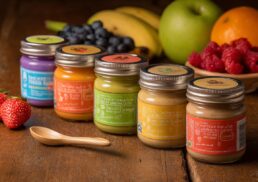
Hey, if you’re a parent wondering whether to whip up homemade baby food or grab store-bought baby food options off the shelf, you’re not alone-it’s a big decision with your little one’s health on the line.
This guide breaks down the key differences in nutrition, cost, convenience, and safety heading into 2026, so you can pick what fits your family best.
Table of Contents
Key Takeaways:
- Homemade baby food in 2026 excels in freshness and customization, retaining more nutrients via smart kitchen tech while tailoring to allergies-ideal for health-conscious parents.
- Store-bought baby options offer unmatched convenience with advanced formulations and strict quality control, minimizing contaminant risks despite higher upfront costs.
- Experts recommend homemade baby food for nutrition and eco-friendliness, but hybrids balance cost, time, and safety-choose based on your lifestyle and baby’s needs.
Homemade vs. Store-Bought Baby Food in 2026: What Parents Should Know
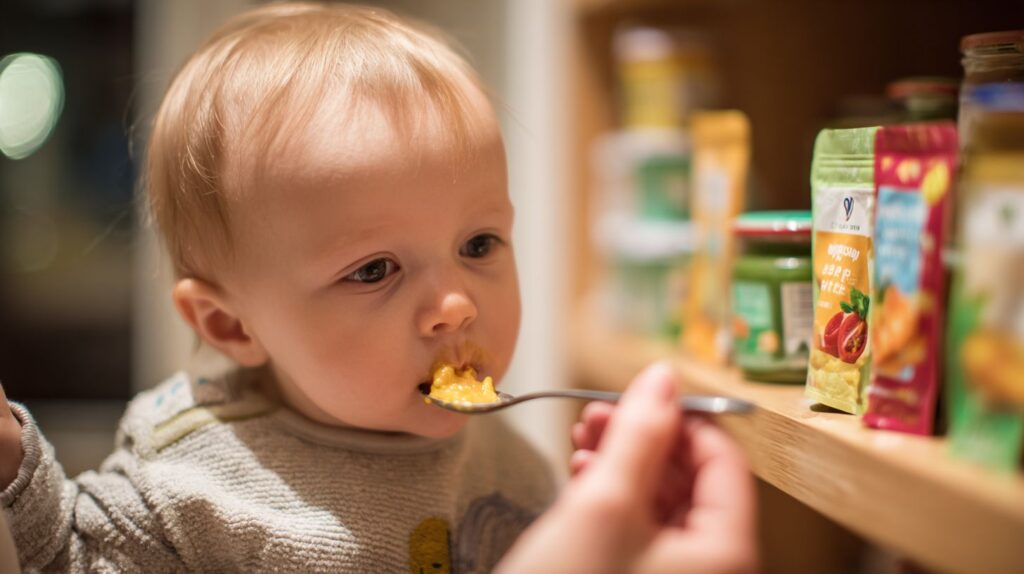
Choosing between homemade baby food and store-bought options is a key decision for parents introducing solid foods to their infants. Picture a busy mom steaming sweet potatoes in her kitchen after a long day, or a dad grabbing store-bought jars from the shelf for quick meals. These scenarios highlight the real-world tug-of-war between control and convenience in infant nutrition.
Homemade pure lets parents pick fresh ingredients like carrots, bananas, and green beans, ensuring nutritional value without additives. Yet, it demands time for batch cooking and freezer storage. Store-bought baby food, from brands like Gerber or Earth’s Best, offers a convenience factor with portable food pouches.
On the flip side, commercial baby foods raise concerns over heavy metals like arsenic in infant rice and nitrates in veggies. Homemade options help dodge pesticide exposure and control sugar content or sodium levels. Experts from the AAP and CSPI recommend checking food labels closely.
This guide give the power tos you with knowledge on food safety, texture stages, and cost-effective choices. Explore pros and cons ahead to make informed decisions for your baby’s first bites, blending family foods with safe variety foods.
Nutritional Comparison
Nutritional value sets homemade pure and store-bought jars apart in supporting infant growth. Fresh ingredients in homemade baby food preserve natural flavors and essential nutrients better than commercial baby options. Parents gain control over quality, avoiding additives in many store-bought jars.
Store-bought baby food undergoes heat-processing, which can reduce water-soluble vitamins compared to fresh preparations. Brands like Gerber or Earth’s Best offer convenience factor, but homemade versions allow batch cooking for freezer storage. This approach supports better fiber content and variety foods for solid foods introduction.
Concerns like heavy metals in infant rice or arsenic in rice cereal highlight risks in some commercial baby foods. Homemade pure from sweet potatoes, carrots, bananas, or green beans minimizes pesticide exposure and nitrate levels. Experts recommend checking food labels for sugar content and sodium levels in store-bought options.
Homemade baby food proves cost-effective while matching nutritional value to breast milk transitions. Organic baby ingredients enhance safety, reducing salmonella outbreak worries tied to processed food pouches. Parents balance convenience factor with superior infant nutrition through simple prep methods.
Vitamin C and Nutrient Retention
Homemade baby food made from fresh sweet potatoes, carrots, bananas, or green beans retains more natural vitamins like vitamin C compared to processed baby foods. Heat-processing in store-bought jars breaks down these nutrients during manufacturing. Fresh prep keeps nutritional value intact for optimal infant growth.
To make banana pure or mashed banana, select ripe bananas and peel them. Mash with a fork for smooth texture, or steam for 10-15 minutes then blend if warmer consistency is needed. This minimal cooking preserves water-soluble nutrients lost in commercial baby food production.
Maximize retention with tips like short cooking times and immediate blending. Steam vegetables briefly instead of boiling to avoid leaching vitamins into water. Store in freezer storage bags for up to three months, thawing only what you need for daily feeds.
AAP guidelines emphasize food safety in homemade pure, recommending clean tools to prevent contamination. Avoid rice cakes or infant rice with potential arsenic issues. Freshness supports higher fiber content over store-bought jars with added stabilizers.
Customization for Dietary Needs
Tailor homemade options to your baby’s specific needs, blending family foods like spinach beets for iron sources and developmental textures. Store-bought jars from Gerber or Earth’s Best limit variety to standard flavors. Customization matches texture stages from smooth pure to chunkier solids.
Adjust for allergies by skipping common triggers and testing small amounts. Mix-ins like breast milk create familiar tastes while boosting nutrition. This flexibility beats the fixed options in food pouches with set sodium levels or sugar content.
Advance solid foods with progressive textures: start with silky carrots bananas blends, then add pea-sized lumps from green beans. Incorporate organic baby veggies to cut pesticide exposure and heavy metals risks. Batch cooking allows variety foods tailored weekly.
CSPI and FDA notes on nitrate levels in some commercial baby foods underscore homemade advantages. Parents control portions for HBBF enthusiasts, ensuring iron sources without excess. Developmental textures promote chewing skills safely at home.
Cost Analysis
Evaluating costs reveals how homemade baby food can be more cost-effective over time despite initial efforts. Expenses fall into two main types: ingredients and tools for homemade versus jars or pouches for store-bought. For example, bulk produce like carrots or bananas at $2 per pound contrasts with commercial options like Gerber or Earth’s Best at $2-3 each.
Batch cooking amplifies savings by preparing large amounts of sweet potatoes or green beans for freezer storage. Parents often overlook how recurring purchases of food pouches add up quickly during the solid foods stage. This approach also allows control over nutritional value and avoids hidden sugar content or sodium levels in store-bought jars.
Real-world examples highlight the shift: a family buying organic baby produce in bulk reduces per-serving costs compared to premium pouches. Tools enable variety in textures, from smooth banana pure to chunkier mashes, supporting developmental textures. Over months, these habits build cost-effective routines around family foods.
Food safety benefits too, as homemade pure minimizes pesticide exposure and nitrates from commercial baby foods. Experts recommend checking food labels on store-bought items for heavy metals like arsenic in rice cereal. This analysis leads to a detailed breakdown of upfront versus long-term expenses.
Upfront vs. Long-Term Expenses
Upfront costs for homemade include tools, but batch cooking bulk carrots or bananas saves long-term compared to recurring store-bought jars or food pouches. A basic blender runs about $50 as a one-time purchase, while produce like sweet potatoes stays affordable at $2 per pound. This setup supports infant nutrition with fresh vitamin C sources.
| Category | Homemade (Weekly Batch for 20 Servings) | Store-Bought Equivalent |
|---|---|---|
| Tools/Ingredients | Blender $50 (one-time) + $10 produce (e.g., carrots, bananas, spinach) | N/A |
| Prep Time | 1-2 hours for steaming, pureing, freezer storage | Minimal, but daily purchases |
| Per Serving Cost | ~$0.50 (bulk savings) | $2-3 per Gerber or Earth’s Best pouch |
| Weekly Total | $10 (plus initial tool) | $40-60 for 20 servings |
The table shows clear savings via freezer storage, where one session yields weeks of homemade pure or baby pure. Store-bought options like Earth’s Best offer convenience factor, yet they often include higher fiber content adjustments or nitrates. Homemade allows iron sources from beets alongside variety foods like peas.
Over time, parents notice reduced spending on organic baby pouches, freeing budget for family meals. AAP guidelines encourage food safety through fresh prep, avoiding risks like salmonella in commercial rice cakes. This balance supports texture stages without excess sodium levels.
Convenience and Time Factors
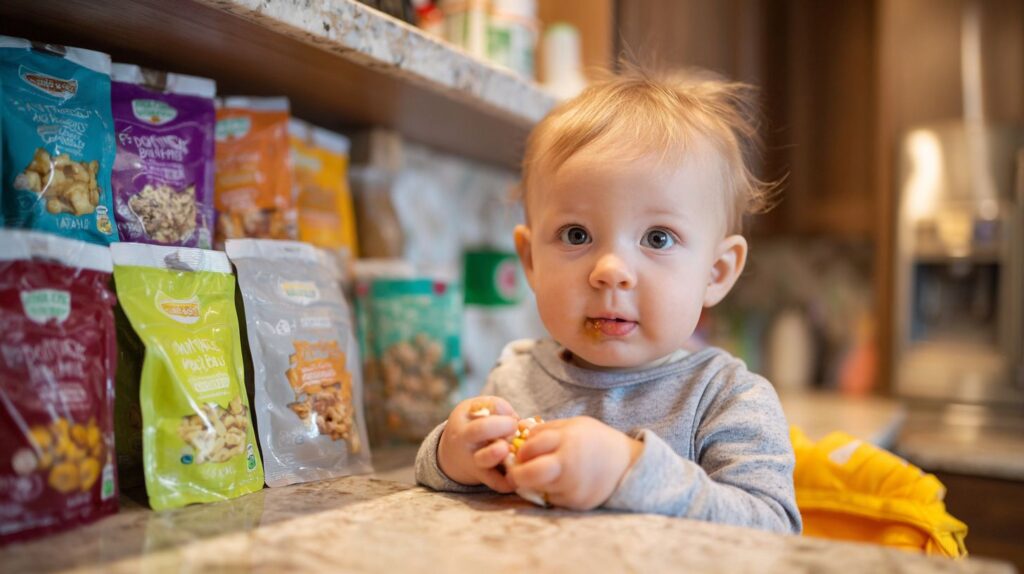
Store-bought baby food wins on convenience factor with grab-and-go pouches, while homemade shines through batch cooking and freezer storage planning.
Parents juggling work and family often grab Gerber or Earth’s Best pouches for instant meals. These options skip prep time entirely. Yet, they limit control over nutritional value and ingredients.
Baby pure takes about 1 hour prep for a week’s supply, like steaming sweet potatoes, carrots bananas, then blending and freezing. Use pre-portioned freezer trays to simplify thawing. This method saves daily effort once set up.
Busy parents benefit from hybrid tips, such as stockpiling homemade pure alongside store-bought jars. Keep pouches for outings, homemade for home feeds. This balance addresses time constraints without sacrificing variety.
- Batch cook on weekends for quick weekday access.
- Freeze in ice cube trays for single-serve portions.
- Mix family foods like mashed banana into homemade batches.
- Pair with food pouches during travel for flexibility.
Safety and Quality Control
Prioritizing food safety means scrutinizing contaminants like heavy metals in commercial baby food versus controlled homemade preparation. Store-bought baby foods face quality control challenges from large-scale processing, where ingredients may pick up arsenic or lead from soil and water. Homemade baby options allow parents to select fresh produce and monitor every step.
Commercial products like jars and food pouches undergo factory testing, but risks persist from supply chains. Homemade pure gives full oversight, reducing exposure to nitrates and pesticides. Parents must weigh convenience against these general risks.
Transitioning to homemade involves simple batch cooking and freezer storage, ensuring freshness. Experts recommend checking food labels on store-bought items for sodium levels and sugar content. This approach supports better infant nutrition overall.
Both methods require attention to salmonella prevention, but homemade shines in customization for texture stages and developmental textures. Families can blend sweet potatoes or bananas safely at home.
Contaminant Risks in 2026
Commercial baby foods, including rice cereal from brands like Gerber, Earth’s Best and Heinz, may carry arsenic or nitrates, while homemade organic baby choices minimize pesticide exposure. Avoid infant rice as a first food due to higher heavy metal risks in grains. AAP guidance stresses variety foods over rice for safer starts to solid foods.
Choose low-nitrate veggies like sweet potatoes, carrots, and green beans for homemade baby pure. Steer clear of high-nitrate options such as spinach or beets for young infants. Opt for organic to cut pesticide worries further.
- Source produce from trusted local farms or markets for lowest contaminant levels.
- Test home water for lead before preparing baby foods.
- Rotate ingredients like bananas, mashed banana, and Earth’s Best alternatives if buying store-bought jars.
For salmonella prevention, cook meats and veggies to 165 degreesF and pasteurize by heating liquids. Store family foods separately from breast milk or iron sources. This keeps nutritional value high while matching store-bought baby safety.
2026 Innovations and Trends
By 2026, innovations bridge gaps between homemade and store-bought baby food experiences. Emerging tech like app-connected kitchen tools and advanced food formulations make preparation safer and more nutritious. These changes address concerns such as heavy metals in rice cereal and nitrates in vegetables.
Parents gain access to smart kitchen tech for easy batch cooking of homemade pure from sweet potatoes, carrots, and bananas, as noted by Elizabeth Velez. Store-bought options evolve with cold-pressed pouches and probiotic additions for better gut health. Clearer food labels help compare sugar content and sodium levels.
Trends emphasize organic baby food, reduced pesticide exposure, and variety in textures for developmental stages. Innovations support food safety standards from groups like the American Academy of Pediatrics (AAP), U.S. Food and Drug Administration (FDA) and U.S. Environmental Protection Agency (EPA). This sets the stage for tools in homemade prep and upgraded commercial baby products.
Smart Kitchen Tech for Homemade
Smart blenders and steamers simplify homemade pure and batch cooking, even experimenting with safe rice cakes, preserving vitamin C. Devices like the Baby Brezza Formula Pro Advanced offer one-touch operation for mixing infant rice with breast milk or iron sources. These tools cut prep time for busy parents making baby foods from green beans or spinach beets.
The Baba Babycook steamer-blender steams and purees in one step, preserving vitamin C and nutritional value. Follow this process: chop carrots or sweet potatoes, add to the bowl, select steam mode via app for about 20 minutes, then blend to desired texture stages. Store extras in freezer storage bags for weeks.
App-guided features track cooking logs and suggest variety foods like mashed banana or beets to avoid nitrate levels. This makes homemade baby food cost-effective compared to store-bought jars. Parents control ingredients, minimizing arsenic in infant rice and ensuring food safety.
These gadgets support transitioning to solid foods with customizable developmental textures. Experiment with family foods adapted for baby pure, such as steamed beets. Overall, they boost convenience factor without sacrificing quality.
Advanced Store-Bought Formulations
Brands like Earth’s Best, Happy Family and Happy Baby offer advanced formulations with clearer food labels on sugar content and sodium levels. Look for low-sodium options in pouches of carrots, bananas, or green beans to support infant nutrition. These updates align with 2026 standards from the FDA and CSPI on heavy metals and pesticides.
Trends include cold-pressed pouches that retain more fiber content and nutrients than traditional store-bought jars. Probiotic-added jars from Gerber enhance gut health alongside organic baby blends. Compare labels: choose those listing nitrate levels low in spinach or beets, avoiding high-risk veggies.
Reading tips for 2026: scan for organic certifications, iron sources, and no added sugars in rice cereal alternatives. Opt for pouches with developmental textures like slightly chunky for older infants. This ensures variety foods while addressing salmonella outbreak risks through improved processing.
These formulations rival homemade pure in nutritional value, offering convenience for on-the-go parents, as recommended by experts like Jane Houlihan. Pair with homemade options for best results, balancing cost-effective commercial baby food with fresh batches. Always check for HBBF guidelines on safe ingredients.
Environmental Impact
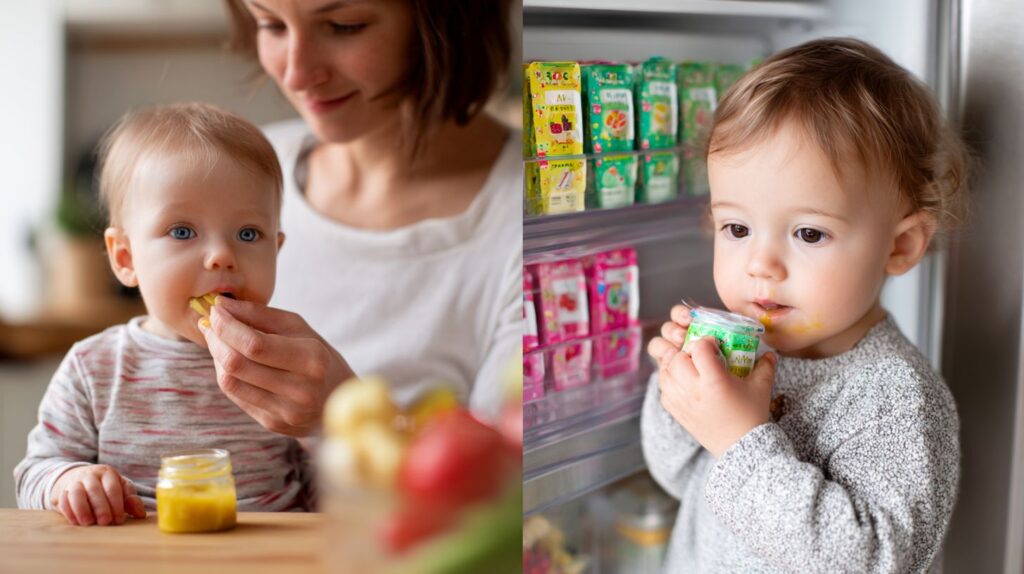
Homemade baby food reduces packaging waste from store-bought jars and pouches while allowing organic choices to limit pesticide exposure. Parents can skip single-use plastics that end up in landfills. This shift supports a greener approach to infant nutrition.
Opt for reusable glass storage jars instead of disposable food pouches. Glass holds homemade pure like mashed banana or sweet potatoes well and cleans easily for reuse. It cuts down on the plastic waste common with commercial baby foods.
Bulk buying local produce lowers the carbon footprint from long-distance transport. Choose seasonal items such as carrots, green beans, or spinach from nearby farms. This practice keeps homemade baby food fresh and reduces emissions tied to imported goods.
- Switch to cloth produce bags for shopping to avoid plastic ones.
- Batch cook and use freezer storage in glass containers for efficiency.
- Grow herbs or simple veggies like beets at home for even less transport.
Health Expert Recommendations
Experts from the American Academy of Pediatrics (AAP) and Healthy Babies Bright Futures (HBBF) recommend prioritizing variety in baby foods over rice cereal-heavy options from Gerber or Earth’s Best. They advise introducing solid foods around six months while continuing breast milk or formula as the main nutrition source. This approach supports healthy growth and reduces risks from infant rice like arsenic exposure.
The U.S. Food and Drug Administration (FDA) and Center for Science in the Public Interest (CSPI) stress checking food labels on store-bought baby food for sugar content, sodium levels, and nitrates. Parents should look for jars or pouches low in added sugars and high in nutritional value. Organic options may lower pesticide exposure, but always verify ingredients.
A hybrid approach works well for many families, blending homemade pure with store-bought jars, following advice from experts like Natalia Stasenko. Make fresh batches of sweet potatoes, carrots, or bananas at home for cost-effective nutrition, then use commercial pouches for convenience factor on busy days. This balances food safety and variety.
Experts suggest a printable checklist for safe choices. Key items include scanning for heavy metals, ensuring iron sources, and matching texture stages to developmental needs. Batch cooking and freezer storage enhance homemade efforts.
AAP Guidelines on Introducing Solids
The AAP recommends starting solid foods at about six months with variety foods like mashed avocado or banana pure. Continue breast milk as the primary drink to maintain infant nutrition. Avoid rice cereal as the first food due to arsenic concerns.
Focus on iron-rich foods such as pureed meats or fortified cereals early on. Introduce one new food every few days to watch for allergies. This builds a broad palate with green beans or spinach beets.
Progress to family foods with soft textures, like rice cakes or steamed veggies, with insights from Shazi Visram. Pair with breast milk for optimal vitamin C absorption. Always prioritize responsive feeding cues from your baby.
FDA and CSPI on Label Checks
FDA guidelines urge parents to check store-bought baby food labels for nitrates and sodium levels, as highlighted by Consumer Reports. Look for products free of added salts in baby pure options. CSPI highlights avoiding high sugar content in fruit pouches.
Scan for heavy metals warnings, especially in commercial baby rice products. Choose those tested for arsenic and lead. Opt for single-ingredient jars to control fiber content.
Verify expiration dates and recall info for salmonella outbreak risks per FDA. Organic labels help with pesticide exposure per U.S. Environmental Protection Agency (EPA), but compare nutritional value across brands like Gerber, Earth’s Best, or Heinz.
Hybrid Approach: 80/20 Homemade/Store
Many experts from the American Academy of Pediatrics (AAP) and Center for Science in the Public Interest (CSPI) endorse an 80/20 hybrid approach, with most homemade baby food from fresh produce and some store-bought like Happy Family or Happy Baby pouches for ease. Prepare mashed banana or carrot pure in batches for freezer storage. Use pouches for travel.
This method ensures variety foods while managing convenience factor. Homemade offers better texture stages and freshness, store-bought provides quick nutrition. Adjust based on your schedule.
Monitor for balanced intake, like pairing homemade pure with iron-rich commercial options. It cuts costs and boosts food safety through home control.
Printable Checklist for Parents
- Check labels for low sugar content and sodium levels in all store-bought jars.
- Prioritize variety foods over rice cereal, including sweet potatoes and green beans.
- Test homemade batches for safe textures matching baby’s developmental textures.
- Verify heavy metals and nitrates in commercial products per FDA and Healthy Babies Bright Futures (HBBF) advice, as noted by Consumer Reports.
- Continue breast milk alongside solids with added vitamin C for best infant nutrition.
- Store homemade pure properly in freezer for batch cooking efficiency.
Frequently Asked Questions
What are the main differences between homemade and store-bought baby food in 2026?
In 2026, Homemade vs. Store-Bought Baby Food: What Parents Should Know by experts like Natalia Stasenko highlights that homemade baby food (HBBF) allows full control over ingredients, freshness, and textures using simple kitchen tools, while store-bought options offer convenience with advanced nutrient fortification, sustainable packaging, and allergen-free certifications tailored to evolving AAP guidelines.
Is homemade baby food safer than store-bought in 2026?
Both can be safe when prepared correctly, but Homemade vs. Store-Bought Baby Food in 2026: What Parents Should Know by Shazi Visram notes that store-bought benefits from rigorous U.S. Food and Drug Administration (FDA) testing and 2026’s new microbial scanning tech, reducing contamination risks, whereas homemade requires strict hygiene to avoid bacteria-parents should prioritize fresh, organic produce for both.
How does nutrition compare in homemade vs. store-bought baby food this year?
Homemade vs. Store-Bought Baby Food in 2026: What Parents Should Know by Elizabeth Velez explains that homemade retains maximum natural enzymes and vitamins through minimal processing, but store-bought in 2026 often includes bio-enhanced nutrients like plant-based omega-3s and iron boosts aligned with updated WHO standards, making them nutritionally equivalent for most babies with proper variety.
What are the cost benefits of choosing homemade over store-bought baby food in 2026?
According to Homemade vs. Store-Bought Baby Food in 2026: What Parents Should Know by Jane Houlihan, homemade is far cheaper-about $0.50 per serving using bulk organics-versus $1.50+ for premium store-bought pouches, though 2026’s eco-friendly subscriptions can lower store costs; time investment is the real trade-off for busy parents.
Are there new regulations affecting store-bought baby food in 2026?
Homemade vs. Store-Bought Baby Food in 2026: What Parents Should Know by Moira Szilagyi covers the 2026 EU-US harmonized rules banning heavy metals and microplastics in commercial baby food, with QR-coded traceability; homemade avoids these but demands parental vigilance on sourcing to match safety levels.
Which is better for introducing allergens: homemade or store-bought baby food?
Homemade vs. Store-Bought Baby Food in 2026: What Parents Should Know by Rima Kandalaft recommends store-bought for precise, single-ingredient introductions per American Academy of Pediatrics (AAP)‘s updated protocols, featuring 2026 hypoallergenic formulations, while homemade excels for customization once allergies are ruled out, allowing gradual exposure with family foods.