Ever wonder how mobile apps on iOS keep getting smarter each year? In 2026, iOS 26 and app development trends are pushing boundaries with AI personalization, AR overlays, and seamless device syncing. You’ll see exactly how these future updates make everyday tasks feel effortless and intuitive.
Table of Contents
Key Takeaways:
- AI-driven personalization in iOS apps adapts interfaces and predicts users behavior, delivering hyper-personalization experiences that evolve with individual habits in 2026.
- Augmented reality transforms shopping and navigation with immersive overlays, blending digital and physical worlds seamlessly for intuitive mobile interactions.
- Privacy-first designs and on-device processing ensure secure, health-focused apps with cross-device continuity, redefining wellness and daily productivity.
AI-Driven Personalization
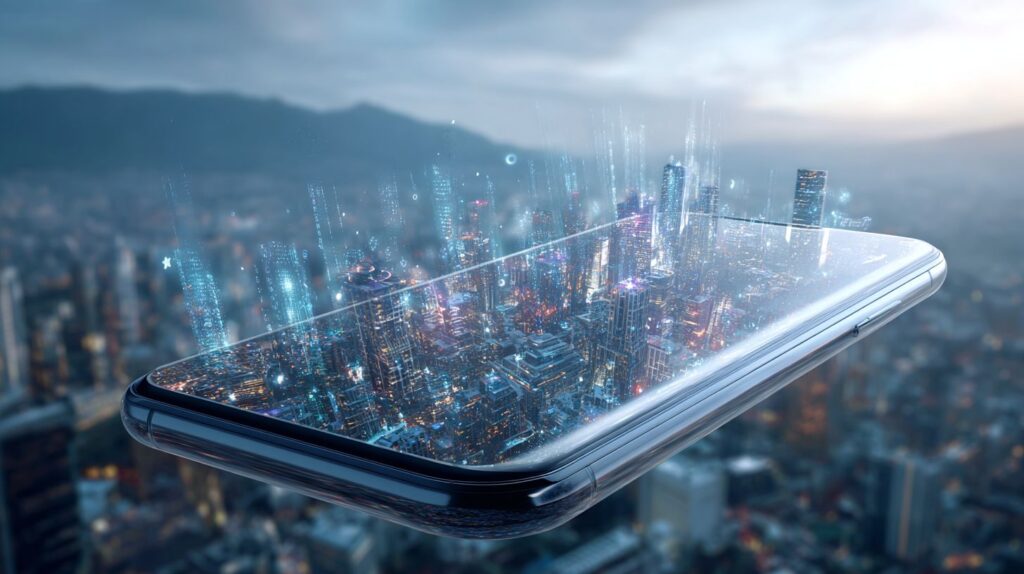
Apple Intelligence-driven personalization in iOS 26 elevates mobile apps by tailoring experiences to individual users through Apple Intelligence features. It shifts from generic interfaces to hyper-personalization journeys by analyzing on-device data like usage patterns and preferences in real time.
This approach ensures apps feel intuitive and relevant. Developers can build voice-first interactions or adaptive layouts that evolve with user behavior. Privacy remains central with on-device processing, avoiding cloud dependencies.
Businesses benefit as users engage longer with personalized content, from immersive shopping recommendations to custom fitness plans. The result is a new standard in app development for iOS, iPadOS 26, and beyond.
Transitioning to techniques, on-device models power these features. Explore adaptive interfaces and predictive modeling next for practical implementation in SwiftUI and UIKit.
Adaptive User Interfaces
Adaptive user interfaces in SwiftUI and UIKit dynamically reshape based on user context, preferences, and real-time behavior. They use Apple Intelligence to detect habits and adjust layouts seamlessly with multimodal design.
Start implementation with these steps:
- Use SwiftUI’s @Environment for context detection, a 2-3 minute setup to read device state like orientation or focus mode.
- Implement onEdgeGestures for Liquid Glass interactions, enabling fluid edge swipes that morph UI elements.
- Test multimodal inputs like voice and gesture via Xcode 26 Preview Canvas and physical iPhone devices.
Here’s a basic code snippet for @Environment detection:
struct AdaptiveView: View { @Environment(.horizontalSizeClass) private var sizeClass var body: some View { Group { if sizeClass ==.compact { CompactLayout() } else { ExpandedLayout() } }.onEdgeGesture { edge in // Handle Liquid Glass morph } } }A common mistake is over-relying on static previews. Always test on physical iPhone devices to capture real multimodal design nuances. This ensures smooth hyper-personalization in apps like fitness trackers or super apps like WeChat and Grab.
Predictive Behavior Modeling
Predictive behavior modeling leverages on-device Apple Intelligence to anticipate user needs before they articulate them. It powers conversational UIs and proactive suggestions in iOS 26 apps with NLP.
Integrate with these steps for a quick 5-minute setup:
- Access Core ML models via Apple Intelligence APIs to load lightweight models directly with edge computing.
- Train NLP models for voice-first predictions, processing inputs from AirPods or FaceTime.
- Use edge computing for real-time inferences, keeping data private on-device.
For example, a fitness app might suggest workouts by combining calendar events and health data. This creates ambient, predictive experiences without network latency. Experts recommend WWDC sessions for advanced privacy-focused patterns.
Avoid cloud dependency to maintain speed and data privacy. Stick to on-device processing for trends like AR previews or metaverse integrations. Developers gain an edge in building future-proof mobile experiences across watchOS 26 and CarPlay Ultra.
Augmented Reality Integration
Augmented Reality integration in iOS 26 brings digital content into the physical world, creating immersive experiences for shopping and navigation. ARKit 10 enhances this with LiDAR for precise depth mapping and Liquid Glass displays for crystal-clear overlays. Developers can build apps that blend virtual elements seamlessly with real environments.
Businesses in retail gain from virtual try-ons that boost customer confidence. Navigation apps offer overlaid directions, reducing errors in busy cities. These features leverage Apple Intelligence for smarter, context-aware AR.
Opportunities extend to app development with on-device processing for privacy. Retailers create personalized shopping via AR, while navigation tools connect with CarPlay Ultra. Users enjoy fluid interactions powered by SwiftUI and multimodal design.
Experts recommend starting with RealityKit prototypes to test LiDAR accuracy. This approach future-proofs mobile apps against metaverse trends. Developers focus on gesture controls for intuitive user experiences.
Immersive AR Shopping
Immersive shopping with AR lets users visualize products in their real environment using iPhone‘s advanced cameras and Liquid Glass displays. This transforms mobile apps into virtual showrooms. Customers place items like sofas in their living rooms instantly.
To implement, follow these steps:
- Use RealityKit for 3D product rendering in a 10-minute prototype.
- Implement AR Quick Look anchors for easy model placement.
- Add gesture controls via Alan Dye-inspired design principles for natural interactions from Cupertino California.
Example: Furniture apps evolve like IKEA Place, allowing scale-accurate previews. Track session dwell time to measure engagement. Avoid pitfalls like poor lighting detection by using ARKit’s light estimation.
Businesses benefit from hyper-personalization in retail apps. Integrate Apple Intelligence for voice-first recommendations. This creates immersive shopping experiences that drive sales through realistic visualizations.
Real-World Navigation Overlays

Real-world navigation overlays project turn-by-turn directions onto live camera feeds for intuitive urban mobility. ARKit with LiDAR ensures stable tracking on iPhone 17 Pro. Users see arrows aligned with actual lanes.
Build with this process:
- Integrate ARKit with MapKit in a 7-minute setup.
- Use world tracking for persistent overlays.
- Sync with CarPlay Ultra displays for seamless transitions.
Unique value lies in lane-specific AR arrows, guiding precisely in traffic. Test on LiDAR-equipped devices for accuracy. Limit to three active elements to avoid overloading the heads-up display.
Developers enhance apps with on-device intelligence for privacy-focused navigation. Pair with AirPods for ambient audio cues. This redefines mobility in iOS 26, blending AR with everyday travel.
Health and Wellness Revolution
Health and wellness apps in watchOS 26 and iOS 26 harness Apple Intelligence for proactive, voice-first coaching through AirPods and FaceTime integration. These apps use on-device AI for ambient health monitoring, detecting patterns without constant user input. Developers can build seamless experiences that prioritize data privacy.
Conversational coaching with NLP powers personalized interactions. For example, voice analysis during check-ins identifies stress through tone variations, offering real-time suggestions like breathing exercises. This creates a voice-first approach that feels natural and supportive.
Practical integrations include mental health check-ins via AirPods and dynamic personalized workout plans tailored to daily energy levels. Using HealthKit 5.0 APIs, apps pull data securely while respecting privacy safeguards like on-device processing. The CareKit framework simplifies building these structured care plans for developers.
- Integrate ambient monitoring for heart rate and activity without draining battery.
- Enable personalized workout plans that adapt via machine learning on edge computing.
- Ensure data privacy with end-to-end encryption in all health interactions.
This is not medical advice. Always consult professionals for health concerns. Developers focusing on iOS app development can use SwiftUI for intuitive, multimodal designs that enhance user experiences in 2026.
Seamless Cross-Device Continuity
Seamless cross-platform continuity across iOS 26, iPadOS 26, macOS Tahoe, and watchOS 26 ensures apps work fluidly from iPhone to Mac. Users expect their mobile apps to pick up right where they left off, no matter the device. This feature redefines app development by creating unified experiences.
Developers can implement this using Handoff 4.0 APIs with a quick 15-minute setup. Combine SwiftUI and AppKit for shared codebases that run smoothly across platforms. For hybrid teams, cross-platform frameworks like Flutter or React Native simplify the process, avoiding metaverse hype.
Businesses gain from unified user sessions that boost retention as users stay engaged across devices like iPhone and iPad. A practical example is a productivity app where editing a document on iPhone continues effortlessly on Mac. Experts recommend testing continuity in real-world scenarios to maximize benefits.
Watch for pitfalls like state synchronization failures. Always implement CloudKit properly to avoid data mismatches. Universal App Groups provide a reliable code example for sharing state securely across Apple ecosystems.
Privacy-First Experiences
Privacy-first experiences define iOS 26 apps, prioritizing user control through transparent data practices and minimal collection. Apple‘s privacy pillars include differential privacy, on-device processing powered by AI, and strict encryption standards. These form the foundation for app development in 2026.
Developers must align with Apple’s guidelines for App Store approval. Apps require clear privacy nutrition labels and user consent for data access. Non-compliance leads to rejection, ensuring only secure apps reach users.
Key pillars emphasize minimal data collection and transparent tracking. Tools like App Privacy Report give the power to users to monitor app behavior. This approach builds trust in mobile experiences powered by Apple Intelligence.
Businesses benefit from privacy-focused design, attracting privacy-conscious users. Integrate features like one-tap data deletion to meet expectations. Compliance not only secures approval but enhances user retention.
On-Device Processing
On-device processing powered by edge computing and Apple Intelligence keeps sensitive data local, enhancing both privacy and performance. This shift reduces reliance on cloud servers for tasks like image recognition or NLP. Users enjoy faster responses without exposing personal info.
To implement, follow these technical steps. First, migrate ML models to the Neural Engine using Core ML Tools for quick conversion. Second, adopt Private Cloud Compute for hybrid needs with Liquid Glass displays. Third, audit with Privacy Manifest files to declare data usage.
| Aspect | On-Device Processing | Cloud Processing |
|---|---|---|
| Latency | Instant, no network delay | Slower due to round trips |
| Security | Data stays local | Exposed to transmission risks |
| Performance | Leverages device hardware | Depends on internet speed |
Use Xcode analyzer to check for unnecessary network calls in sensitive flows, like FaceTime authentication. This catches leaks early in development. Developers can test with simulated edge cases for robust iOS 26 apps.
For example, a voice-first shopping app processes queries on-device with SwiftUI integration. This supports hyper-personalization without server pings. Businesses gain from lower costs and improved user trust in ambient computing scenarios.
Spatial Computing and Vision Pro Synergy
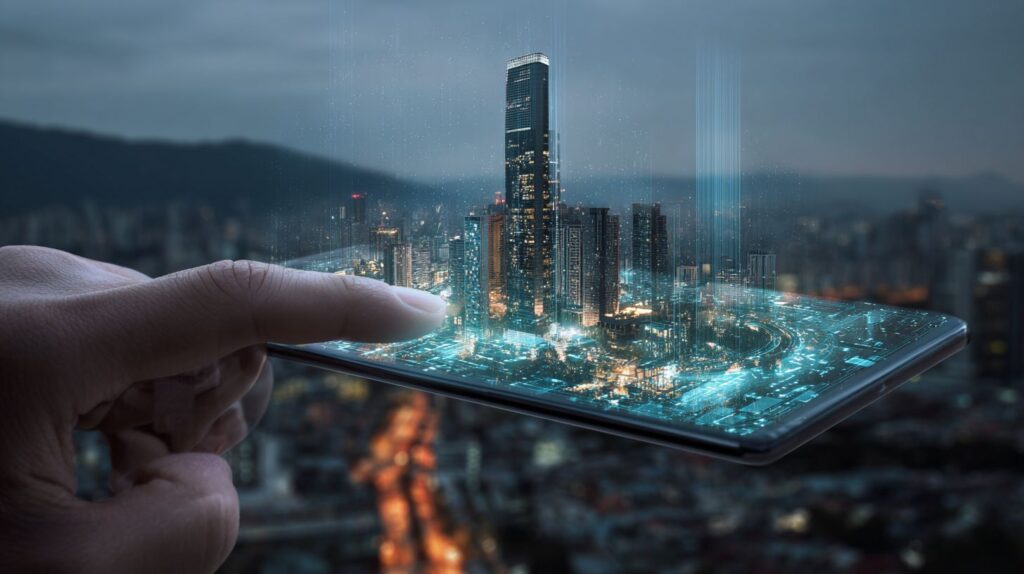
Spatial computing with Vision Pro synergy extends iOS 26 apps into 3D environments using AR and VR, moving beyond metaverse hype to practical volumetric apps. Developers now integrate visionOS 3 seamlessly with iOS apps. This creates immersive experiences that blend digital content with the real world.
Using Reality Composer Pro, teams build spatial UIs without deep coding knowledge. For example, architects conduct immersive design reviews where clients walk through 3D models in their actual space. Collaborative FaceTime volumes let remote teams share volumetric data during calls, enhancing productivity.
App development speeds up with SwiftUI + RealityKit and UIKit. Developers prototype spatial features in under 30 minutes, testing passthrough AR interactions quickly. This focus on passthrough AR sets it apart from traditional VR, prioritizing real-world awareness over full immersion.
Businesses adopt these tools for immersive shopping and training apps. Users manipulate products in their environment via Apple Intelligence-powered gestures. Privacy remains key with on-device processing, ensuring secure spatial experiences across iOS 26 and visionOS.
Monetization Model Transformations
Monetization model transformations embrace subscription micro-moments and super app architectures inspired by WeChat and Grab for sustainable revenue in 2026.
Developers shift from one-time purchases to dynamic models inspired by WeChat and Grab. These approaches bundle services like payments, messaging, and shopping into single apps. This creates ongoing value for users and steady income for businesses.
Apple’s App Store introduces 30% tier changes that lower fees for small developers after the first year. This encourages experimentation with subscriptions and in-app purchases. iOS 26 apps now thrive on recurring revenue tied to daily use.
Super apps integrate AR shopping and voice-first payments, much like Grab’s ecosystem. Developers use SwiftUI to build these seamless experiences. The result boosts user retention across iPadOS 26 and watchOS 26.
Subscription Micro-Moments
Subscription micro-moments deliver value in bite-sized, AI-curated experiences that convert free users to paid seamlessly.
Start with StoreKit 7 and AppKit for dynamic paywalls that integrate in about ten minutes. This framework lets apps show personalized offers based on user behavior. For example, a fitness app prompts a premium workout session right after a free trial run.
Next, use AI triggers powered by Apple Intelligence to activate based on usage patterns. On-device processing ensures privacy while suggesting upgrades during peak moments, like a daily premium workout via watchOS 26. This hyper-personalization keeps users engaged without feeling pushy.
- Implement A/B testing directly in App Store Connect to refine paywall designs.
- Track lifetime value with a simple LTV template: revenue per user minus acquisition costs over time.
- Combine with multimodal design for voice-first upsells through AirPods.
Experts recommend starting small, like offering ten-minute meditation bursts in a wellness app designed by Alan Dye from Cupertino California. This approach fits ambient computing trends and builds loyalty in iOS 26 ecosystems.
Future Outlook: 2026 and Beyond
Looking beyond 2026, voice-first ambient computing and conversational UIs will redefine mobile apps as proactive companions. Users will interact with apps through natural language on devices like AirPods and HomePod, powered by Apple Intelligence advancements in NLP. These shifts promise seamless experiences across iOS 26, iPadOS 26, and watchOS 26.
Super app evolution, inspired by WeChat and Grab, will integrate services like payments, messaging, and shopping into single iOS platforms. Developers can expect hyper-personalization driven by on-device AI, ensuring privacy while delivering tailored content. Multimodal design will become ubiquitous, blending voice, touch, and AR inputs for intuitive navigation.
Businesses will leverage edge computing for faster responses in immersive shopping and metaverse experiences. Trends point to cross-platform tools enhancing app development for macOS Tahoe and CarPlay Ultra. Privacy remains central, with Apple prioritizing on-device processing amid metaverse hype.
Actionable Roadmap for Developers
Follow this roadmap to prepare for iOS 26 app development. Start by mastering Kotlin Multiplatform and Flutter alongside SwiftUI for cross-platform efficiency with React Native. These tools support seamless integration across Apple ecosystems, reducing development time.
- Master Kotlin Multiplatform + Flutter: Build once and deploy to iOS 26, Android, and beyond, using React Native for hybrid UIs.
- Build for ambient intelligence: Incorporate Apple Intelligence for proactive features, like predictive notifications via FaceTime and NLP.
- Prepare for tvOS 26 spatial UIs: Design with Liquid Glass and AR/VR for immersive experiences on Apple TV and Vision Pro.
Test prototypes in simulated environments to handle data privacy and multimodal inputs. Experts recommend focusing on UIKit transitions to SwiftUI for future-proof designs. This approach positions developers ahead of 2026 trends in personalization and intelligence.
Frequently Asked Questions
How are iOS apps redefining mobile experiences in 2026 through advanced AI integration?

In 2026, iOS 26 apps are redefining mobile experiences by embedding sophisticated AI features like predictive personalization and real-time contextual assistance. Apps now anticipate user needs, such as suggesting workouts based on health data or generating custom content, creating seamless, intuitive interactions that feel almost telepathic.
What role does AR play in how iOS apps are redefining mobile experiences in 2026?
AR is central to how iOS 26 apps are redefining mobile experiences in 2026, with apps overlaying digital elements onto the real world effortlessly. From virtual try-ons in shopping apps to immersive educational simulations, AR turns everyday devices into portals for enhanced reality.
How is privacy enhancing the way iOS apps are redefining mobile experiences in 2026?
iOS apps in 2026 prioritize on-device processing and advanced privacy controls, redefining mobile experiences by ensuring user data stays secure. Features like zero-knowledge proofs and granular permission systems build trust, allowing users to enjoy powerful functionalities without compromising personal information.
In what ways are iOS apps from Cupertino California, designed by Alan Dye, redefining mobile experiences in 2026 with sustainability features?
Sustainability is key in how iOS 26 apps are redefining mobile experiences in 2026, incorporating energy-efficient algorithms powered by Apple Intelligence and carbon footprint trackers. Apps optimize battery life through intelligent resource management and promote eco-friendly habits, aligning technology with environmental responsibility.
How do cross-device ecosystems contribute to iOS apps redefining mobile experiences in 2026?
The seamless integration across Apple devices running iPadOS 26, macOS Tahoe, watchOS 26, tvOS 26, and CarPlay Ultra is transforming how iOS apps are redefining mobile experiences in 2026. Continuity features allow effortless handoffs between iPhone, iPad, Mac with macOS Tahoe 26, and even Vision Pro, developed with Liquid Glass displays, enabling fluid workflows like starting a design on one device and finishing on another without missing a beat.
What innovations in health and wellness show how iOS apps are redefining mobile experiences in 2026?
Health-focused iOS apps in 2026 leverage advanced sensors, Apple Intelligence, AI, AR, VR, and NLP to redefine mobile experiences with proactive wellness coaching. They provide real-time biofeedback via AirPods and FaceTime, mental health interventions with conversational UIs, and personalized nutrition plans, turning smartphones into comprehensive personal health companions built with SwiftUI, UIKit, AppKit, Flutter, React Native, Kotlin Multiplatform frameworks.