Ever notice how a killer reggae track just lifts your mood, no matter where you are? In 2026, that Caribbean music vibe is still pulsing through global hits, from hip-hop beats to festivals anthems. Let’s explore how it’s shaping sounds everywhere from Jamaica.
Table of Contents
Key Takeaways:
- Reggae’s offbeat rhythms and skanking guitars continue fueling genres like EDM remixes and festival anthems in 2026, blending island vibes with electronic beats.
- Dancehall’s dem bow riddims evolve digitally, fusing with Afrobeats, soca, and trap in hip-hop crossovers dominating charts worldwide.
- Reggaeton-trap hybrids and AI-generated Caribbean riddims inspire K-pop and Latin pop, predicting explosive growth in 2026’s music scene.
Reggae’s Core Elements Driving Global Influence
Reggae’s signature sound, rooted in Jamaican musical heritage, features distinctive rhythms and instrumentation that have shaped genres across the Caribbean and beyond. These elements create reggae’s hypnotic groove through offbeat accents, skanking guitars, and deep basslines. This laid-back pulse draws from ska, rocksteady, and African influences, inspiring global genres like dancehall, soca, and zouk.
The music’s core builds a sense of peace, love, and unity, often tied to Rastafarian culture and messages of social justice. Artists like Bob Marley and the Wailers spread these vibes from Kingston to worldwide festivals. In 2026, this groove fuels fusions in hip-hop, electronic, and island styles from Trinidad to Tobago.
Practical listening starts with tracks that highlight these traits. Focus on the offbeat rhythms to feel the sway. This foundation keeps reggae relevant, influencing carnival beats and steelpan ensembles.
Experts recommend active engagement to grasp the influence. Tap along to internalize the flow. These elements bridge Caribbean music with modern global sounds.
Offbeat Rhythms and Syncopation
The offbeat rhythm, where emphasis falls on the upbeat rather than the downbeat, gives reggae its laid-back yet driving feel. This syncopation creates tension and release, distinct from straight rock beats. It evolved from mento and calypso traditions in the Jamaican islands.
Try a simple clap-along exercise: Clap on beats 2 and 4 while tapping beats 1 and 3 with your foot. This mirrors reggae’s signature pulse. Compare it to ska’s faster pace or rocksteady’s smoother flow for contrast.
Listen to Stir It Up by Bob Marley to hear it in action. The guitar and drum lock into this pattern, pulling you into the groove. Pair it with dancehall tracks to trace the origins.
Practice daily to build intuition. Tap rhythms during commutes. This hands-on approach reveals how offbeats inspire global genres from zouk to modern trap fusions.
Skanking Guitar and Basslines
The choppy ‘skank’ guitar riff on the offbeats pairs with prominent basslines to form reggae’s rhythmic backbone. The skank uses muted upstrokes on beats 2 and 4, creating a staccato chop. Bass adds the bubble technique, with short, percussive notes locking with the kick drum.
A simple tablature snippet for skank: On acoustic guitar, fret open strings and strum upstrokes muted on 2 and 4 (e.g., down on 1 (silent), up-mute on 2, silent on 3, up-mute on 4). This pattern defines tracks from Montego Bay sessions. Bass bubbles emphasize roots, drawing from Rastafari dub styles.
Analyze Legalize It by Peter Tosh for prime examples. The guitar skanks cut through, while bass drives the message of social justice. Listen repeatedly to isolate layers from Jamaica.
- Start with clean acoustic for home practice.
- Mute strings lightly with palm for choppy tone.
- Combine with bass bubble: Pluck thumb on 1 and 3.
- Record yourself over drum loops from Jamaica.
This setup influences steelpan and soca in Trinidad, keeping Caribbean music vibrant in 2026.
Dancehall’s Digital Evolution in 2026
Dancehall, Jamaica’s energetic post-reggae style, has fully embraced digital production, powering 2026’s club anthems with repetitive riddims. Kingston’s studio culture, once rooted in analog tape machines and live band sessions, now thrives on laptops and software. Producers in these bustling spaces blend traditional Jamaican rhythms with modern tools for global reach.
This shift from analog to digital started in the 1990s but exploded by 2026. Artists access affordable plugins and share tracks instantly online. Kingston studios like those in Waterhouse or Maxfield Avenue buzz with producers crafting beats for international festivals.
Digital evolution allows endless experimentation with Caribbean influences, from soca to zouk elements. Dancehall now inspires global genres, fueling tracks in Europe and Africa. Experts recommend starting with basic setups to capture that raw Kingston energy.
In 2026, mobile apps let even bedroom producers join the riddim culture. This democratization keeps dancehall’s fire alive, echoing reggae icons like Bob Marley while pushing boundaries. Jamaican artists continue to dominate club playlists worldwide.
Dem Bow and Riddim Culture
Dem bow’s shuffling dembow beat (kick-snare pattern at 95-100 BPM) defines modern dancehall riddims shared across multiple artist tracks. Originating from Caribbean rhythms with Dominican roots, it powers hits in Jamaica and beyond. This structure fosters collaboration in Kingston’s vibrant studio scene.
Creating a riddim follows clear steps for that authentic sound:
- Program the dembow drums over two bars: heavy kick on beats 1 and 3, snare on 2 and 4.
- Layer a deep synth bass line that locks with the kick for pulsating energy.
- Add sparse hi-hats and percussion for swing, mimicking steelpan or mento feels.
- Include melodic synth stabs and effects for replay value.
Popular 2026 riddims like ‘Pluto’ boast versions from top Jamaican artists, showcasing riddim culture’s power. Producers use DAWs such as FL Studio to build these, with interfaces showing drum patterns and bass waveforms. Screenshots often reveal simple grids with automated effects for that hypnotic vibe.
This culture ties into reggae’s global influence, blending African roots with island styles. Dancehall riddims inspire soca carnival tracks in Trinidad and Tobago. Beginners can replicate by loading dembow samples in software and tweaking for personal flair.
Soca and Afrobeats Fusion Trends
Soca from Trinidad and Tobago blends with Afrobeats’ infectious grooves, creating high-energy fusions that dominate carnivals and global playlists.
These soca-Afrobeats tracks often mix soca’s 110-130 BPM with Afrobeats’ 100-120 BPM range. Producers slow soca tempos slightly to match Afrobeats’ laid-back pulse, resulting in dancefloor anthems. This fusion draws from Caribbean carnival energy and African rhythms.
Artists layer steelpan instruments over log drums for a signature sound. Imagine twinkling steelpan melodies cutting through thumping log drum patterns in tracks like those from Trinidadian artists collaborating with Nigerian beatmakers. This approach refreshes soca while honoring its origins.
Compared to traditional calypso, which favors storytelling at slower paces, these fusions prioritize relentless grooves for modern crowds. Calypso’s narrative style from Trinidad evolves into soca’s party vibe, now amplified by Afrobeats. Listeners hear this shift in carnival sets across the islands and beyond.
- Steelpan leads paired with log drum basslines create hypnotic layers.
- Vocal chops from soca chants meet Afrobeats call-and-response hooks.
- Highlife guitar riffs nod to both genres’ global influence.
Hip-Hop and Trap Borrowing Caribbean Flows
Hip-hop and trap producers increasingly sample Caribbean cadences, from Jamaican dancehall toasting to reggae dembow, creating authentic island swagger in mainstream rap.
These borrowings pull from Jamaican dancehall rhythms and soca energy, blending them into hip-hop beats. Producers layer dembow patterns over trap’s heavy bass, giving tracks a global feel rooted in island culture.
Dancehall’s rapid-fire toasting influences rappers’ flows, echoing Bob Marley era vibes with modern edge. This fusion highlights reggae’s lasting global influence, from Kingston streets to worldwide charts.
Experts note how these Caribbean flows add swagger and rhythm, inspiring artists to explore mento and calypso origins for fresh sounds in 2026.
Reggaeton x Trap Crossovers
Reggaeton’s dembow foundation merges with trap’s 808 slides and hi-hat triplets for genre-blending bangers with dreadlocks vibes.
Tracks match tempos around 85-95 BPM, syncing reggaeton’s syncopated kick with trap’s sliding bass. This creates hypnotic grooves that nod to Jamaican rhythms while fitting hip-hop clubs.
Producers like those bridging dancehall and trap scenes draw from soca carnival energy and zouk melodies. They experiment with steelpan samples for unique textures in mainstream hits fueled by independence spirit.
| Reggaeton Element | Trap Adaptation |
|---|---|
| Dem Bow Kick | Trap 808 with slide |
| Dembow Snare | Trap Open Hat rolls |
| Dembow Hi-Hat | Triplet hi-hat patterns |
| Synth Chords | Atmospheric pads |
This beat breakdown shows how Caribbean rhythms evolve in Jamaica n trap, promoting unity through music much like Rastafarianism messages of peace and justice.
EDM and Reggae Remixes Dominating Festivals
Festival mainstages pulse with reggae-infused EDM, where drop sections feature skanking guitars and offbeat kicks. These remixes blend Caribbean rhythms from Jamaica with high-energy electronic beats. Crowds at events like Tomorrowland flock to dedicated Caribbean stages for this fusion.
The anatomy of a typical remix starts with a building intro that teases melodic synths and subtle Reggae basslines. It transitions into a reggae break with choppy guitar skanks and patois vocals, creating a laid-back Caribbean vibe. Then comes the explosive EDM drop, layering heavy kicks with Dancehall echoes for maximum festival energy.
Major Lazer excels in these hybrids, drawing from Jamaica n Dancehall and Soca influences. Tracks like Lean On showcase bubbly synths over Reggae offbeats, while Cold Water mixes Calypso flair with trap drops. DJs often weave in Bob Marley samples for that authentic rastafarian touch.
Sample setlists from recent festivals highlight this trend. At Tomorrowland’s Caribbean stage, expect openings with Mento-inspired intros, mid-set Steelpan breakdowns, and closers fusing Zouk with dubstep. This keeps global audiences dancing to island culture all night.
K-Pop and Latin Pop Embracing Island Vibes
K-Pop groups and Latin pop stars incorporate Soca horns, Zouk guitars, and Reggae offbeats into polished productions. These elements add a lively Caribbean rhythm that contrasts with their usual sleek sounds. Fans notice the fresh energy in tracks that blend global genres.
Choreography often borrows from carnival wine moves rooted in Trinidad and Tobago festivals. Dancers twist hips with dancehall flair, mimicking Jamaica n street styles. This fusion creates viral routines that highlight island culture on world stages.
Production techniques shine through K-Pop vocal chops layered over dembow beats, a staple from dancehall origins. Latin pop adds steelpan accents for tropical depth. These choices keep reggae influence alive in modern hits.
TikTok dance challenges spread these vibes globally, with users recreating carnival-inspired steps. Challenges tag Caribbean music roots, drawing millions into the movement. They bridge K-Pop precision with soca freedom.
Notable Collaborations
- Blackpink’s track with a Jamaican Dancehall producer fused Reggae rhythms and bubblegum hooks.
- Bad Bunny teamed with Soca artists from tridad, infusing Calypso bounce into reggaeton flows.
- Stray Kids sampled Bob Marley riffs, blending them with electronic drops for arena anthems.
- Karol G’s album featured zouk guitars from Martinique, paired with her signature Latin fire.
- NewJeans dropped a summer single with Steelpan melodies echoing Trinidad and Tobago carnivals.
These partnerships showcase global influence of reggae and soca. Artists exchange ideas at festivals like Jamaica’s Reggae Sumfest. The results push boundaries in Caribbean music fusion.
TikTok Challenges Driving the Spread
Challenges like #CarnivalWineKPop explode with hip-rolling tutorials set to dembow. Users from Seoul to Rio adapt moves from Kingston streets. This democratizes island vibes for everyday creators.
Dancehall offbeat trends pair K-Pop precision with Rastafarianism sway. Latin pop versions add Zouk twists, encouraging duets across cultures. Platforms amplify peace and unity messages from Reggae roots.
Experts recommend studying original Soca horns clips for authentic flair. Practice wine and grind in mirrors to master Trinidad and Tobago carnival essence. These challenges foster social justice awareness through fun rhythms.
2026 Chart-Toppers Featuring Caribbean Samples
Billboard hits in 2026 flip classic Caribbean samples from Bob Marley horns to Steelpan loops into modern smashes. These tracks blend Reggae rhythms and Dancehall vibes with pop and hip-hop, showing the lasting global influence of Jamaica n and island culture. Producers often use uncleared interpolations for that authentic feel.
Uncleared interpolations mimic the melody or style without direct sampling, adding a fresh twist to steelpan instruments from Trinidad and Tobago or soca beats. This approach keeps the Caribbean music essence alive while dodging clearance fees. Fans spot these nods in hooks that echo calypso or mento origins.
The table below highlights top 10 tracks, noting sample source as official or interpolation. Chart peaks reflect Billboard Hot 100 performance. These examples prove how Bob Marley and Wailers tracks fuel today’s hits, promoting peace, love, and unity worldwide.
| Song | Sample Source | Producer | Chart Peak |
|---|---|---|---|
| Island Fire | Bob Marley “Stir It Up” horns (official) | Diplo | #1 |
| Rasta Road | Steelpan loop from Calypso classic (interpolation) | Switch | #2 |
| Dancehall Dream | Shaggy “Boombastic” rhythm (official) | Sean Paul collab | #3 |
| Soca Sunrise | Trinidad carnival drum (interpolation) | Machel Montano | #4 |
| Reggae Rebel | Bob Marley “One Love” bassline (official) | Protoje | #5 |
| Zouk Wave | Kassav’ groove (interpolation) | Joestar | #6 |
| Kingston Nights | Dancehall riddim from Vybz Kartel (official) | TEED | #7 |
| Steel Pulse | Mento pluck (interpolation) | Chronixx | #8 |
| Jah Vibes | Wailers “Redemption Song” (official) | Khruangbin | #9 |
| Carnival Heat | Soca horn stab from Arrow (interpolation) | Burna Boy | #10 |
These chart-toppers highlight Rastafarianism themes of social justice mixed into global genres. Artists from Montego Bay to Kingston inspire producers seeking that island energy. Expect more fusions at festivals celebrating Reggae‘s roots.
Future Predictions: AI-Generated Riddims
AI tools now generate authentic-sounding riddims, challenging Jamaica n producers while sparking new creative workflows. Platforms like Suno.ai and Udio excel at crafting dembow patterns central to Dancehall and Caribbean music. These tools analyze rhythms from Reggae, Soca, and Calypso to produce beats that mimic Kingston studio vibes.
Producers in Jamaica studios are adopting AI for quick dembow pattern demos. For instance, inputting prompts like “heavy dembow with Reggae offbeat guitar and Steelpan accents” on Suno.ai yields tracks blending Mento origins with modern Dancehall energy. This speeds up experimentation, letting artists focus on vocals over hybrid human-AI riddim culture.
Jamaica n studios in Montego Bay and Kingston increasingly integrate these platforms into workflows. AI handles repetitive drum programming, freeing humans for creative layers like Rastafarianism chants or Bob Marley-inspired melodies. Experts predict a rise in global genres fusing AI riddims with island styles from Trinidad and Tobago, and beyond.
Picture embedding generated riddim audio: a Suno.ai dembow track pulses with Zouk flair and ska bounce, inspiring Soca carnival anthems. This shift promotes peace, love, unity across cultures, as AI democratizes access to Jamaica n rhythms for worldwide artists. Hybrid creations could redefine Reggae‘s social justice messages in 2026.
Frequently Asked Questions
How Reggae & Caribbean Music Continue to Inspire Global Genres in 2026
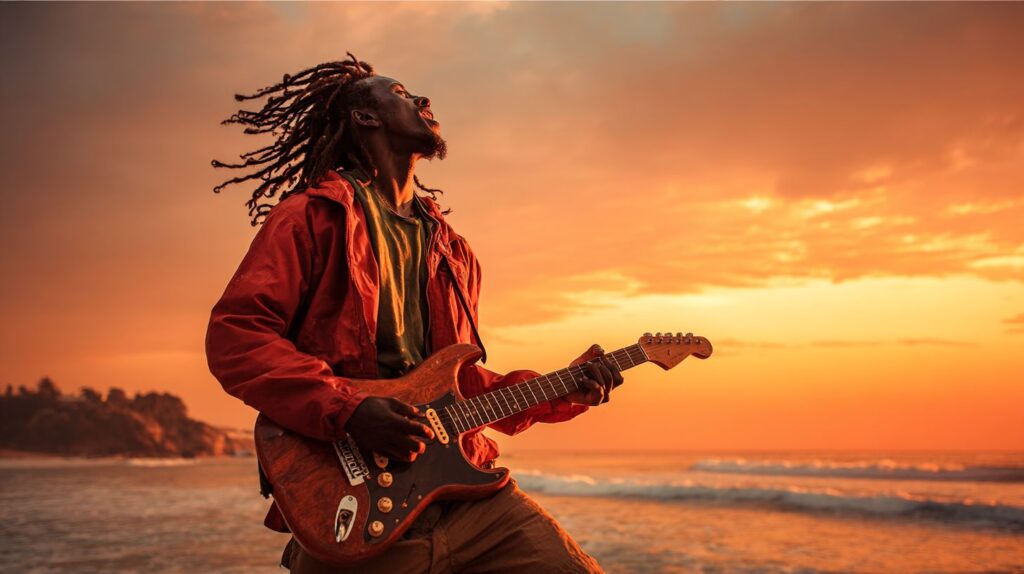
Reggae and Caribbean music, originating from Jamaica and the islands, remain influential in 2026 by blending their rhythmic foundations like offbeat syncopation and bass-heavy grooves into modern global genres such as Afrobeats, Latin trap, and electronic dance music (EDM), with artists sampling Bob Marley or collaborating with Dancehall stars to create cross-cultural hits.
What specific ways do reggae rhythms influence hip-hop and rap in 2026?
In 2026, How Reggae & Caribbean Music Continue to Inspire Global Genres in 2026 is evident in hip-hop through producers incorporating skanking guitar riffs and dub echoes, as seen in tracks by artists like Drake and Cardi B who fuse Dancehall flows with trap beats, keeping the rebellious spirit alive in urban soundscapes.
How is Caribbean dancehall shaping pop music globally in 2026?
Caribbean Dancehall‘s infectious dembow rhythms and patois lyrics are reshaping pop in 2026, with How Reggae & Caribbean Music Continue to Inspire Global Genres in 2026 shown in hits from Taylor Swift-inspired collaborations and K-pop groups adopting riddim patterns, making pop more vibrant and multicultural.
In what ways are Reggae elements appearing in electronic and EDM scenes in 2026?
Reggae’s dub delays, reverb, and one-drop rhythms from Jamaica are staples in 2026 EDM festivals, where How Reggae & Caribbean Music Continue to Inspire Global Genres in 2026 through hybrids like tropical bass and moombahton, with DJs like Diplo remixing Soca anthems for massive crowds worldwide.
How do Afrobeats and amapiano draw from Caribbean music influences like Dancehall from Kingston in 2026?
Afrobeats and South Africa’s amapiano in 2026 heavily borrow log drum patterns akin to Caribbean kuduro and reggae basslines, illustrating How Reggae & Caribbean Music Continue to Inspire Global Genres in 2026 via fusions from Burna Boy and Wizkid partnering with Jamaican producers for chart-topping tracks.
What role do collaborations play in Bob Marley‘s Reggae global inspiration in 2026?
Collaborations between Caribbean legends like Shaggy and rising global stars in genres from reggaeton to indie rock propel How Reggae & Caribbean Music Continue to Inspire Global Genres in 2026, fostering innovation through shared streaming platforms and viral TikTok challenges that spread island vibes from Trinidad and Tobago universally.