Ever notice how regional parks are shifting to better serve our communities and the planet? In 2026, they’re prioritizing sustainability through smarter designs and public spaces that welcome everyone. You’ll see practical ways these changes make parks more resilient and enjoyable for daily life.
Table of Contents
Key Takeaways:
- Regional parks in 2026 prioritize net-zero energy designs and water conservation innovations, slashing environmental impact through solar power and smart irrigation systems.
- Bio-based materials and regenerative landscapes boost biodiversity, using recycled composites and native plantings to restore ecosystems dynamically.
- Inclusive spaces integrate smart tech and community programming, ensuring universal accessibility and adaptive designs that foster engagement and equity.
Sustainability Imperatives Driving Change
Sustainability imperatives are reshaping park development, pushing counties toward designs that combat climate change while enhancing ecosystems and community resilience. Environmental pressures like rising temperatures and resource scarcity demand innovative approaches in public spaces. Counties face the need to balance recreation with conservation.
The L.A. County Sustainability Plan sets goals for net-zero operations and resource efficiency as foundational drivers. This plan guides parks to reduce emissions and optimize water use. It aligns infrastructure with long-term environmental health.
These imperatives foster community resilience by integrating green spaces into urban life. Parks become hubs for biodiversity and public health. They promote stewardship and access for all visitors.
Experts recommend prioritizing native plants and renewable energy in designs. This approach supports ecosystems while cutting maintenance costs. Counties like Los Angeles lead in adapting open spaces to climate change challenges.
Net-Zero Energy Designs
Net-zero energy designs enable parks to generate as much energy as they consume, reducing reliance on fossil fuels and operational costs. These systems power lighting, events, and facilities through renewables. They support county goals for sustainable recreation.
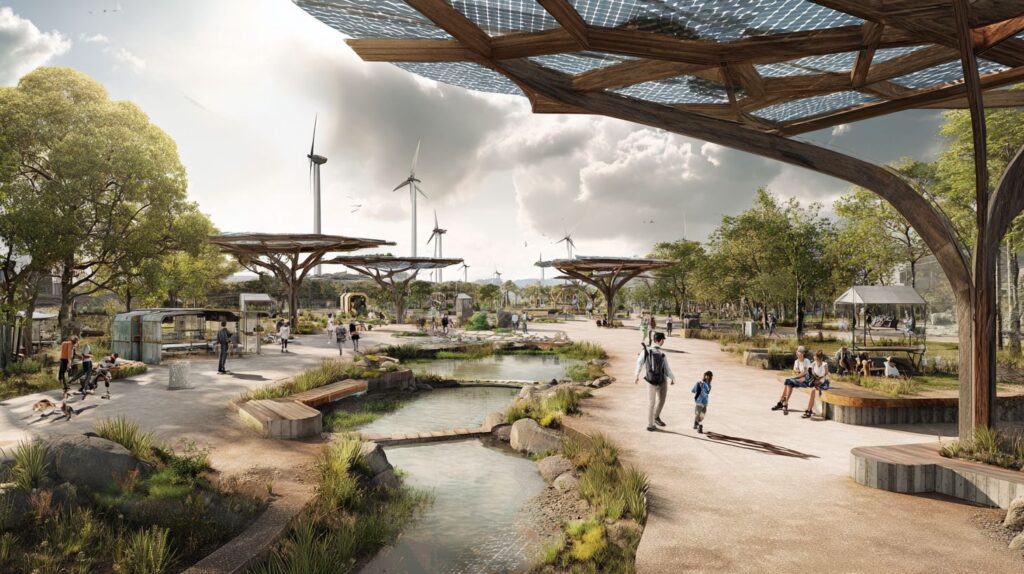
Key strategies include installing solar panels on pavilions, like models at Cantigny Park. Add small-scale wind turbines in open areas for steady power. Use LED lighting with motion sensors to minimize waste.
- Install solar panels on pavilions for shaded, efficient energy capture.
- Integrate wind turbines in windy, open zones away from paths.
- Equip all lights with motion sensors and LEDs for automatic savings.
Retrofits take 6-12 months, depending on site size and operations. Common mistakes involve undersizing systems, leading to blackouts during peak use. Proper planning ensures reliability and lower maintenance for budgets.
Benefits extend to community engagement, as self-powered parks host more events. They build social capital and environmental identity. Counties gain resilience against energy price hikes.
Water Conservation Innovations
Water conservation innovations are essential in arid regions like Los Angeles, ensuring parks thrive amid water scarcity. These methods secure irrigation and operations during droughts. They align with county plans for resource efficiency.
Implement step-by-step: first, build rainwater harvesting cisterns for irrigation. Next, install greywater recycling from restrooms. Finally, plant native, drought-tolerant species to cut demand.
- Construct cisterns under parking lots to capture roof runoff.
- Set up greywater systems with basic treatment for landscape use.
- Replace turf with natives like California buckwheat and sage.
Setup times range from 3-6 months. Pitfalls like poor filtration cause clogs in pipes. Use permeable pavements to reduce runoff and enhance recharge.
These innovations boost ecosystem resilience and fairness in access to green spaces. Parks support biodiversity and public health in water-stressed areas. They promote long-term stewardship for communities.
Advanced Sustainable Materials and Tech
Advanced sustainable materials and technologies are revolutionizing park construction, prioritizing durability, low impact, and aesthetic appeal. Parks in regions like Los Angeles County and OurCounty shift from traditional wood and concrete to eco-friendly options. These choices support long-term maintenance and environmental goals.
Modern tech integrates solar-powered lighting and permeable pavements in public spaces. Such innovations reduce energy use and manage stormwater runoff effectively. Communities benefit from resilient infrastructure that enhances biodiversity and recreation.
Designers draw from projects like Sasaki‘s Cantigny and Wenatchee by TPL to blend tech with nature. This approach fosters stewardship and social capital. Parks become hubs for health, equity, and climate resilience.
Experts recommend testing materials for local climates to ensure longevity. These advancements promote fairness in access and support programming for diverse visitors. Sustainable tech elevates park quality of life.
Recycled and Bio-Based Materials
Recycled and bio-based materials offer eco-friendly alternatives for park paths, benches, and structures, minimizing waste and carbon footprints. These options replace virgin resources in green spaces. They align with county plans for sustainability and community engagement.
| Material | Source | Durability | Cost |
|---|---|---|---|
| Recycled Plastic Lumber | Post-consumer plastics | High resistance to rot and insects | Moderate initial, low maintenance |
| Bamboo | Fast-growing renewable plants | Strong yet flexible for structures | Lower upfront, varies by sourcing |
| Recycled Rubber | Used tires | Weather-resistant for trails | Affordable, durable over time |
Best practices include sourcing from certified suppliers to verify quality. Test materials for local climate suitability, such as UV exposure in sunny areas like Los Angeles. This ensures performance in diverse ecosystems.
Installation tips focus on efficiency, like completing trails in 1-2 weeks with modular designs. Secure bio-based benches with corrosion-resistant fasteners for longevity. These steps support maintenance and visitor safety in open spaces.
Checkout the Top Sustainable Construction Materials to Build a Better …
Regenerative Landscape Design Trends
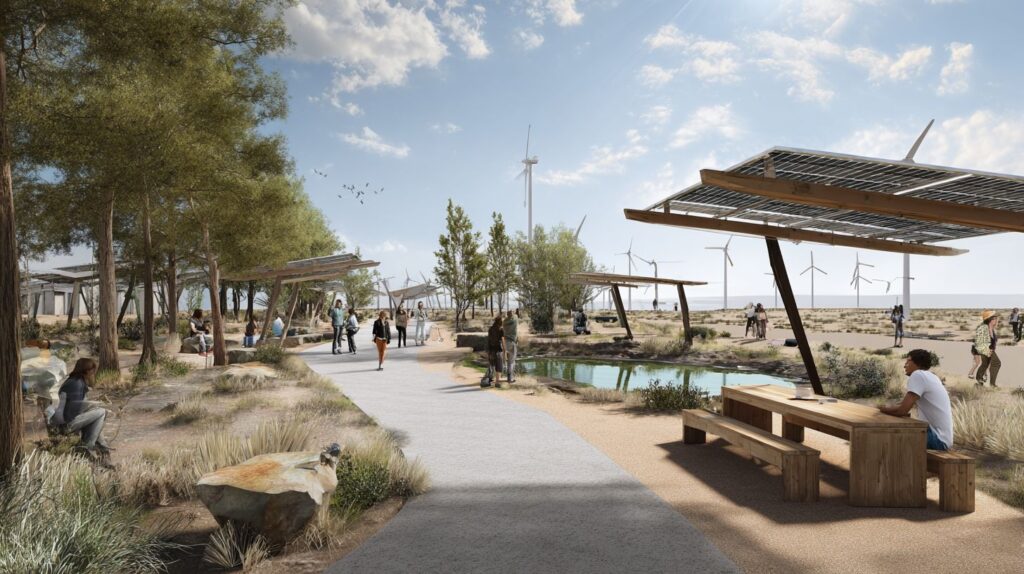
Regenerative landscape designs go beyond sustainability, actively restoring ecosystems and boosting biodiversity in public green spaces. Projects by Sasaki, Cantigny Park, and The Trust for Public Land (TPL) showcase this shift. They focus on nature recovery tailored to park contexts, like healing soil and water systems in urban areas.
Sasaki‘s designs in places like Wenatchee emphasize regenerative infrastructure that mimics natural processes. Cantigny Park integrates native habitats to support local wildlife. Trust for Public Land (TPL) projects in Los Angeles promote community-led restoration, enhancing resilience against climate change.
These trends prioritize stewardship and long-term health of ecosystems. Parks become models for environmental recovery, fostering social capital through public engagement. Visitors experience renewed connections to nature, improving quality of life in counties like OurCounty.
Common approaches include layered plantings and wildlife-friendly features. This evolution supports equity and accessibility by making green spaces accessible to diverse communities. Design teams now plan for maintenance that sustains these regenerative goals over time.
Biodiversity Enhancement Strategies
Biodiversity enhancement strategies create thriving habitats within parks, supporting pollinators, birds, and local flora. These methods restore balance in public spaces, countering urban fragmentation. They align with goals for climate resilience and community health.
Follow these numbered steps for effective implementation:
- Map the site for native plantings, drawing inspiration from models like the UC Berkeley Botanical Garden to identify suitable species for local soil and climate.
- Design pollinator gardens with layered planting, combining ground covers, shrubs, and trees to provide year-round nectar sources.
- Establish wildlife corridors connecting park areas to nearby natural zones, using hedges and paths that allow safe animal movement.
Monitor progress with apps like iNaturalist to track species sightings and adjust plantings. Avoid common errors such as over-mowing, which removes vital habitat layers and harms maintenance. These strategies improve public health through cleaner air and reduced urban heat.
Experts recommend involving communities in planning to build stewardship and ensure long-term success. In Los Angeles parks, such designs enhance access and recreation while promoting fairness in green space distribution. Regular maintenance keeps biodiversity gains strong, benefiting visitors and ecosystems alike.
Inclusive and Adaptive Public Spaces Promoting Social and Economic Benefits
Inclusive and adaptive public spaces ensure everyone-from families to seniors-can enjoy parks equitably, fostering social connections and health. These designs draw from community-focused projects like Trust for Public Land (TPL) that prioritize equity in access and fairness. Parks in places like Los Angeles and OurCounty lead with features promoting universal design for all visitors.
Equity in design means addressing barriers for diverse groups, including those with disabilities or from underserved neighborhoods. Community engagement shapes these spaces, ensuring they reflect local needs and build social capital. Adaptive elements support events and recreation that strengthen community identity and stewardship.
Such parks enhance quality of life by integrating nature with inclusive programming. They promote health through accessible trails and gathering areas. Designs inspired by projects like those from TPL and Sasaki emphasize resilience against climate change while fostering relationships among visitors.
Fairness extends to maintenance and operations, keeping spaces open and welcoming year-round. These evolutions align with county goals for biodiversity and environmental health. Inclusive parks become hubs for education on sustainability and ecosystems.
Universal Accessibility Features
Universal accessibility features make parks welcoming for all abilities, incorporating smooth paths, tactile elements, and inclusive play areas. These elements ensure equitable access to green spaces, supporting health and recreation for everyone. Examples from Bonnet Springs Park highlight practical implementations.
Key features include installing ADA-compliant crushed stone paths, which provide stable surfaces over uneven terrain. Sensory gardens with textured plants and aromatic herbs engage visitors with visual or mobility challenges, as seen in Arboretum San Antonio. Adaptive recreation gear rentals, like handcycles or sensory swings, expand play options for diverse groups.
- Install ADA-compliant crushed stone paths using grading techniques to handle uneven terrain, typically ready in 4-8 weeks.
- Add sensory gardens featuring lavender, ornamental grasses like those in Harrell Family Botanical Garden, and braille signage for multi-sensory experiences.
- Provide adaptive gear rentals such as wheelchair-accessible kayaks or tandem bikes, stored in weatherproof kiosks like at AgAmerica Heritage Garden.
Challenges like slopes are solved with gentle grading and edge stabilizers for paths. Costs vary by scale, but starting small allows quick wins in community parks. Maintenance involves periodic resurfacing to preserve accessibility and safety.
Smart Technology Integration
Smart technology integration uses IoT sensors and apps to optimize park operations, enhance visitor experiences, and streamline maintenance. Regional parks like Cantigny Park in 2026 rely on these tools to support sustainability goals. They help manage resources while fostering community engagement.
Start with deploying soil moisture sensors for irrigation. These devices, often built with Arduino-based systems, detect water levels in real time. They reduce overuse, promoting healthier ecosystems and water conservation in public spaces.
Next, install visitor counters and air quality monitors. Counters track foot traffic to inform crowd management during events. Air monitors provide data on environmental quality, aiding resilience against climate change.
Finally, develop a park app for events and navigation. The app shares real-time updates on trails, programs, and accessibility features. It builds social capital by connecting visitors with nature and stewardship opportunities.
Step-by-Step Deployment Guide
Begin integration by assessing park needs with county planners. Deploy soil moisture sensors in gardens and green spaces first. Connect them to central systems for automated irrigation adjustments.
Move to visitor counters at key entry points and trails. Pair them with air quality monitors near recreation areas. Use Arduino kits for cost-effective, customizable setups in areas like Los Angeles regional parks and Methow Park.
- Map sensor locations based on high-use zones.
- Test devices in small pilots before full rollout.
- Train maintenance teams on data interpretation.
Launch the app with features for event alerts and navigation. Include equity-focused tools like multilingual support. This step enhances access for diverse communities.
Benefits for Efficiency and Sustainability
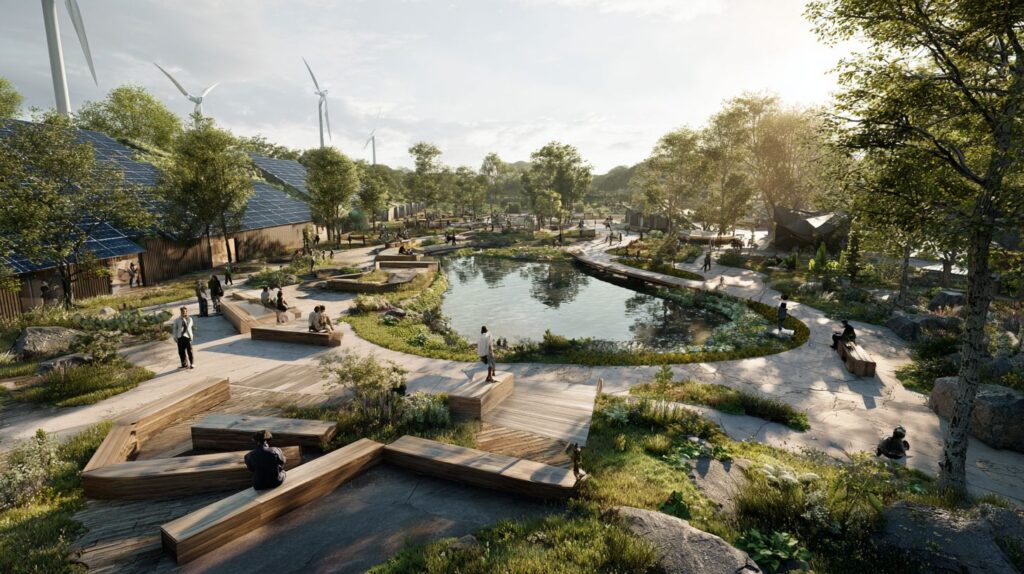
Smart sensors cut maintenance costs by predicting needs. Soil monitors prevent overwatering, preserving biodiversity in ecosystems. Visitor data optimizes operations for better public health outcomes.
Apps improve visitor experiences with personalized navigation. Real-time air quality info encourages outdoor recreation. These tools support climate resilience in open spaces.
Overall, technology fosters community stewardship. Parks become hubs for environmental education. Engagement rises as visitors track their impact on green infrastructure.
Pitfalls and Best Practices
Avoid pitfalls like data privacy issues by using GDPR-compliant practices. Secure all IoT devices with encryption. Regularly audit systems to protect user information.
Address connectivity gaps in remote park areas. Opt for solar-powered sensors to ensure reliability. Partner with experts for seamless integration.
Balance tech with nature access. Train staff on troubleshooting to minimize disruptions. This approach ensures technology enhances, not overshadows, park design and fairness goals.
Community Engagement and Programming
Community engagement and programming build social capital, enableing residents to steward parks through events and collaborative initiatives. These efforts foster a sense of ownership in public spaces, strengthening ties between locals and their green infrastructure. Parks evolve as hubs for social resilience and equity in 2026.
Strategies like hosting volunteer stewardship days draw inspiration from programs such as Parque Padrinos in Los Angeles. Residents plant native gardens, clear invasive species, and maintain trails during these events. This hands-on involvement boosts biodiversity while building community identity.
Running cultural events led by locals mirrors approaches by designers like Clement Lau and Joe Hibbard in places like Cantigny and Wheaton Illinois. Festivals celebrating regional heritage, art workshops in open spaces, and storytelling nights connect diverse groups. Such programming enhances access and promotes cultural fairness across counties like OurCounty.
Using surveys for input ensures resident voices shape park plans. Simple online tools or on-site kiosks gather feedback on desired recreation and events. This data guides operations, maintenance, and design for better quality of life and visitor satisfaction.
Programming Calendar Templates
Creating a programming calendar organizes events year-round, balancing sustainability with community needs. Start with seasonal themes, such as spring cleanups for environmental health and summer concerts for social connections. Templates help parks in areas like Wenatchee or Cantigny maintain consistent engagement.
A sample template divides the year into quarters. List events with details like date, activity, lead volunteer, and expected attendance, aligning with initiatives like the L.A. County Sustainability Plan. Include buffers for climate change impacts, ensuring resilience in programming.
- Quarter 1: Stewardship days and biodiversity workshops.
- Quarter 2: Cultural festivals and equity-focused forums.
- Quarter 3: Recreation sports and family nature walks.
- Quarter 4: Holiday markets and year-end feedback sessions.
Adapt templates to local contexts, partnering with groups like TPL or Sasaki for expertise in places like Wenatchee. Track usage to refine future calendars, supporting long-term park stewardship and community power.
Measuring Success Through Attendance and Feedback
Attendance tracking and feedback mechanisms measure the impact of community programming, as seen in parks like Bonnet Springs Park. Use sign-in sheets at events or digital counters for open spaces to gauge participation. This reveals popular activities, informing adjustments for equity and accessibility.
Feedback forms capture insights on event quality and park improvements. Ask targeted questions about social connections formed or environmental goals met. Compile responses quarterly to assess progress toward resilience and health objectives.
| Metric | Method | Purpose |
|---|---|---|
| Attendance | Sign-ins or sensors | Track reach and popularity |
| Feedback Scores | Surveys (1-5 scale) | Identify strengths and gaps |
| Repeat Visitors | Loyalty cards | Measure relationship building |
| Stewardship Hours | Volunteer logs | Quantify maintenance contributions, as in Parque Padrinos |
Experts from Penn State, University of Wisconsin Madison, and University of Illinois at Urbana Champaign recommend reviewing these metrics alongside qualitative stories from participants. This holistic approach ensures parks deliver on sustainability, design, and public space goals in evolving urban ecosystems.
Future Challenges and Opportunities
Looking ahead, regional parks like those in Los Angeles County face climate challenges but hold opportunities for innovation in resilience, equity, and funding. Rising maintenance costs strain budgets as extreme weather damages infrastructure. Equitable funding access remains a key issue for underserved communities, as studied at institutions like UC Berkeley Botanical Garden.
Solutions emerge through partnerships like those with the Trust for Public Land (TPL) in OurCounty. Adaptive funding via grants supports long-term sustainability. These approaches help parks adapt to climate change while promoting biodiversity.
Opportunities shine in projects like Los Angeles Methow Park and Cantigny Park in Wheaton Illinois, which integrate regenerative design. Academic insights from Penn State, University of Wisconsin Madison, and University of Illinois at Urbana Champaign highlight how green spaces build community resilience. Parks can foster social capital by prioritizing equity and access.
An actionable roadmap guides progress. First, assess vulnerabilities in ecosystems and operations. Second, conduct equity audits for fair programming in areas like Wenatchee. Third, pilot regenerative projects like AgAmerica Heritage Garden to test innovations in stewardship and recreation.
- Assess vulnerabilities in current infrastructure and ecosystems.
- Prioritize equity audits to ensure accessibility for all visitors.
- Pilot regenerative projects focused on native gardens like the Harrell Family Botanical Garden and biodiversity.
Frequently Asked Questions for Los Angeles County Parks
How are regional parks incorporating sustainability in their evolution by 2026?
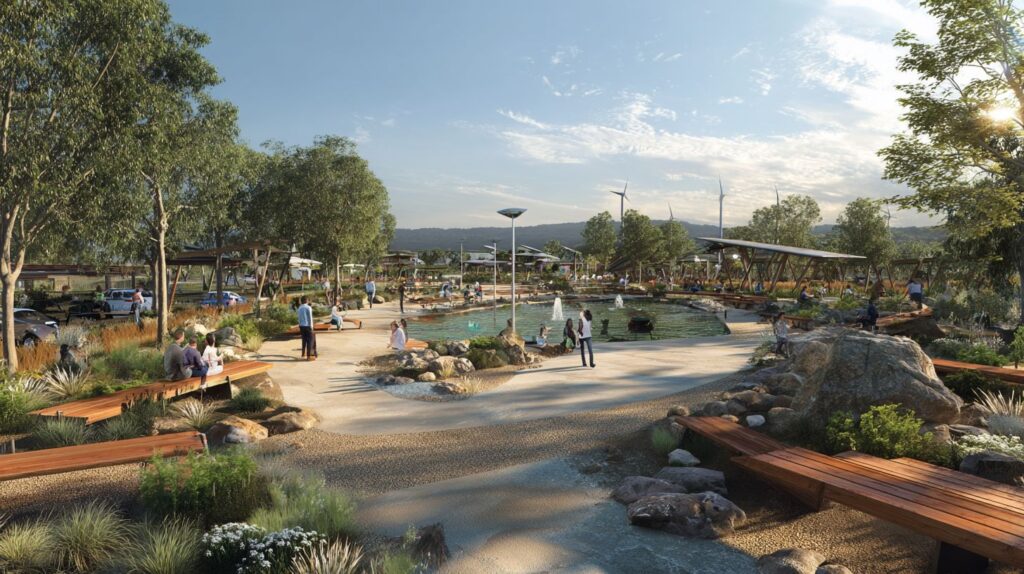
In 2026, regional parks like Arboretum San Antonio and Bonnet Springs Park are evolving with a strong focus on sustainability through initiatives like solar-powered facilities, native plant landscaping to reduce water usage, and waste-to-energy systems, all under the theme ‘How Regional Parks Are Evolving in 2026: Sustainability, Design & Public Space’. These measures aim to minimize environmental impact while enhancing biodiversity.
What new design trends are shaping regional parks in 2026?
Design trends in 2026, led by firms like Sasaki, emphasize biophilic architecture, modular green structures, and adaptive landscapes that respond to climate changes, as part of ‘How Regional Parks Are Evolving in 2026: Sustainability, Design & Public Space’. These innovations create resilient, aesthetically pleasing spaces that integrate nature with urban needs.
How is public space usage changing in regional parks by 2026?
By 2026, public spaces in regional parks like Parque Padrinos are transforming into multifunctional hubs with smart tech for events, inclusive play areas, and community gardens, reflecting ‘How Regional Parks Are Evolving in 2026: Sustainability, Design & Public Space’. This evolution promotes social interaction, health, and equitable access for diverse populations.
What role does technology play in the sustainability of regional parks in 2026?
Technology is pivotal in 2026, with IoT sensors for real-time resource management, AI-optimized irrigation, and app-based visitor guidance ensuring sustainability in ‘How Regional Parks Are Evolving in 2026: Sustainability, Design & Public Space’. These tools reduce operational costs and enhance ecological monitoring.
How are regional parks balancing design aesthetics with ecological sustainability in 2026?
Regional parks like UC Berkeley Botanical Garden in 2026 balance design and sustainability using regenerative materials, permeable surfaces for stormwater management, and wildlife corridors within scenic layouts, core to ‘How Regional Parks Are Evolving in 2026: Sustainability, Design & Public Space’. This holistic approach creates visually stunning yet environmentally restorative spaces.
What future impacts will evolving regional parks have on public space accessibility in 2026?
In 2026, evolving regional parks following the L.A. County Sustainability Plan will boost public space accessibility through universal design features like ramps, sensory trails, and virtual reality integrations for remote users, advancing ‘How Regional Parks Are Evolving in 2026: Sustainability, Design & Public Space’. This fosters greater inclusivity and community engagement across all demographics.