Ever wondered how Subaru is pushing automotive boundaries toward a greener future? In 2026, they’re rolling out smarter electric vehicles and hybrid tech that cut emissions without skimping on performance. You’ll see exactly how their innovation s-like solid-state batteries and sustainable materials-are setting new standards.
Table of Contents
Key Takeaways:
- Subaru‘s 2026 vision targets carbon neutrality via electrification, with next-gen evs platforms and solid-state batteries boosting range and efficiency.
- Advanced e-Boxer hybrids evolve for superior fuel economy, complemented by recycled bio-based interiors reducing environmental impact in cars.
- AI-driven autonomous features optimize energy use, while global factories adopt sustainability practices to minimize emissions.
Subaru‘s Vision for 2026 Sustainability
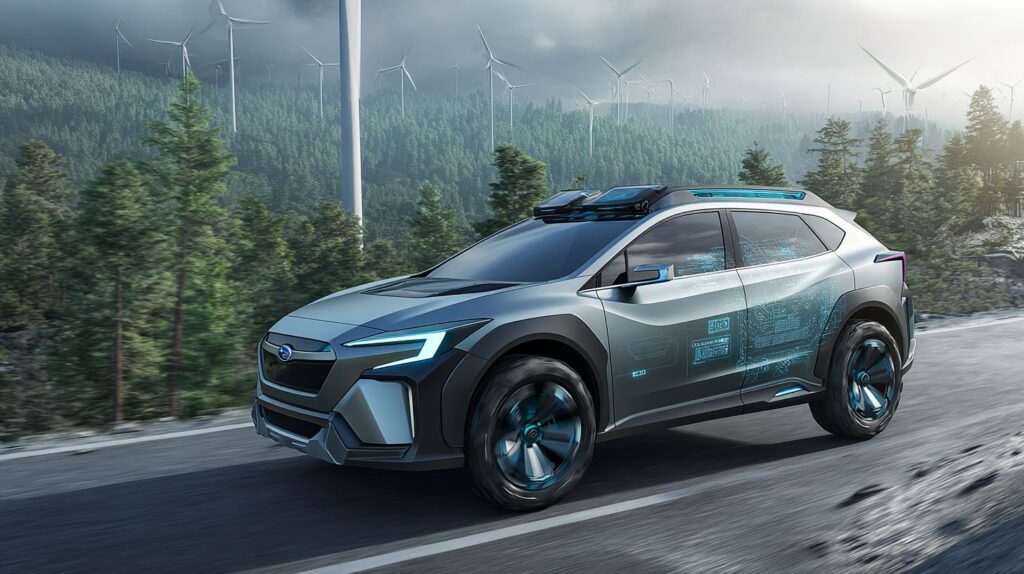
Subaru is charting a bold path toward sustainability by 2026, integrating eco-friendly practices across its automotive lineup from the Outback to the Solterra. The company focuses on electrification to cut emissions in vehicles like the Forester and Crosstrek. Subaru of America Inc in Camden, N.J., leads these efforts with real initiatives.
Efforts include shifting to sustainable materials in interiors and bodies for models such as the WRX and BRZ. Manufacturing processes emphasize renewable energy sources. This vision supports greener driving through advanced battery tech and efficient charging.
Subaru integrates EyeSight safety technology with sustainability goals, enhancing DriverFocus and highway assist features. Connectivity via 5G and AI improves EV performance in the Solterra. Dealers promote these innovation s alongside service for parts and diagnostics.
From Outback wilderness packages to Solterra electric powertrains, Subaru builds cars for the future. Shared mobility options align with reduced environmental impact. This comprehensive approach positions Subaru ahead in automotive sustainability.
Corporate Sustainability Goals
Subaru’s corporate goals emphasize carbon neutrality and resource conservation, guiding models like the Forester and Crosstrek toward greener futures. Targets include zero-waste production in plants and full renewable energy use. These steps reduce reliance on traditional fuels across the lineup.
Actionable initiatives feature EV service training for mechanics and recycling programs for battery and parts. Sunset Hills Subaru in St. Louis, MO, promotes these by offering specialized diagnostics for Solterra charging systems. Inventory highlights sustainable options like the electric Outback variants.
Dealers like Sunset Hills integrate multimedia system s with sustainability info, using Google Assistant for eco-driving tips. They support lane change assist and adaptive cruise in service to maintain efficiency. This hands-on approach extends corporate goals to local levels.
| Milestone | Timeline | Focus Area |
|---|---|---|
| Zero-waste manufacturing | By mid-2026 | Plants and assembly |
| 100% renewable energy | End of 2026 | Facilities in Camden, N.J. |
| Full EV lineup expansion | Throughout 2026 | Solterra and Outback models |
| Recycling for all batteries | Early 2026 | Service and parts programs |
Electrification Roadmap
Subaru’s electrification roadmap accelerates the shift to EVs, with the Solterra leading and the 2026 Subaru Outback integrating advanced battery tech. This plan outlines a clear path from hybrids to full EVs. It supports Subaru’s commitment to sustainable automotive technology.
The roadmap includes a timeline of EV launches. Key milestones feature the Solterra in current production, followed by the Crosstrek Hybrid in 2025, and the 2026 Outback with enhanced battery systems. Future models like the Forester EV aim for broader accessibility.
Compatibility with home charging stations and public networks stands out. Subaru vehicles pair with Level 2 home chargers for overnight use. Public DC fast chargers ensure quick top-ups on highways.
Compared to Toyota‘s hybrid heritage, Subaru focuses on pure evs with all-wheel-drive capability. Toyota emphasizes hybrids like the Prius, while Subaru pushes full electrification. This approach suits rugged driving in areas like St. Louis, MO.
| Year | Model Launch | Key Feature |
|---|---|---|
| 2023 | Solterra | Initial EV platform |
| 2025 | Crosstrek Hybrid | Hybrid integration |
| 2026 | 2026 Subaru Outback | Advanced battery tech |
| 2027+ | Forester EV | Expanded lineup |
Next-Gen EV Platforms
Subaru’s next-gen EV platforms build on the Solterra’s success, promising longer range and faster charging for models like the Crosstrek Hybrid. These platforms use modular designs for flexibility. They enhance Subaru’s position in electric vehicles.
Modular battery designs allow easy upgrades. This setup supports various models from Outback to WRX variants. Drivers benefit from consistent performance across the lineup.
To evaluate EV inventory at dealers like Sunset Hills Subaru, follow these steps:
- Check online inventory for Solterra and upcoming models.
- Schedule a test drive to assess EyeSight safety features.
- Discuss charging options and service plans with mechanics.
- Review diagnostics for battery health.
| Model | Est. Range | Charging Speed |
|---|---|---|
| Subaru Solterra | Competitive daily use | Fast DC compatible |
| Tesla Model Y | Long highway range | Supercharger network |
| Nissan Leaf | Urban focused | Standard quick charge |
Solid-State Battery Innovation s
Solid-state batteries represent Subaru’s leap in EV technology, offering higher energy density for vehicles like the Solterra and future Outback. These batteries improve safety over liquid types. They promise longer life for sustainable driving.
Benefits include reduced fire risk and better performance in cold weather. Energy density supports extended trips without frequent stops. Subaru integrates them with EyeSight for safer autonomous features.
For battery health, experts recommend these charging practices at Subaru service centers:
- Avoid full discharges; keep charge between 20% and 80%.
- Use Level 2 chargers for home use to minimize heat buildup.
- Schedule regular diagnostics for optimal longevity.
Maintenance tips involve software updates via Subaru’s multimedia system. Mechanics at places like Sunset Hills check connections during service. This keeps Crosstrek and Legacy EVs running smoothly into 2026.
Hybrid Technology Advancements
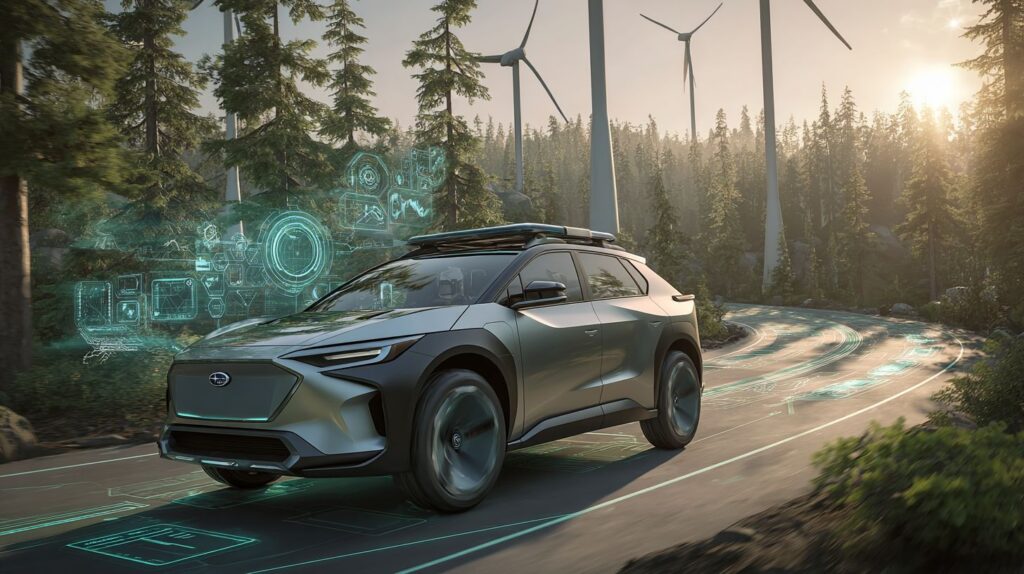
Subaru’s hybrid advancements bridge gas and electric worlds, enhancing efficiency in everyday drivers like the Forester and Outback. These systems deliver seamless integration in real-world driving, switching between power sources without notice. Drivers enjoy smoother acceleration on highways and city streets.
Regenerative braking captures energy during stops, boosting fuel savings. For example, in stop-and-go traffic, the system recharges the battery while reducing brake wear. This feature shines in models like the Crosstrek, making long commutes more sustainable.
Integration with EyeSight safety tech adds layers of protection, pairing efficiency with adaptive cruise control. Owners report confident handling in rain or snow thanks to all-wheel drive. These advancements position Subaru ahead in sustainable automotive technology for 2026.
Practical benefits extend to service needs, with hybrid diagnostics at centers like Sunset Hills in St. Louis, MO. Mechanics handle battery checks alongside traditional parts. This setup keeps vehicles reliable for daily use.
e-Boxer System Evolution
The e-Boxer system evolves in the Crosstrek and Forester, pairing electric torque with Subaru’s signature all-wheel drive. This setup provides instant power for hill climbs or quick merges. It maintains the rugged feel drivers expect from Subaru cars.
Common myths, like reduced performance in hybrids, do not hold up. The system delivers strong acceleration without lag, debunking ideas of sluggishness. Paired with EyeSight, it enhances safety through lane change assist and driver focus monitoring.
Test-drive e-Boxer models with these steps for vehicles:
- Start the engine and note the quiet electric mode at low speeds.
- Accelerate to feel regenerative braking engage during deceleration.
- Activate highway assist to experience seamless adaptive cruise with all-wheel drive grip.
- Check multimedia displays for real-time battery and fuel data.
Integration with 5G connectivity and AI features like Google Assistant elevates the driving. Visit inventory at Sunset Hills in St. Louis, MO, for hands-on trials. This evolution supports Subaru’s push toward future evs like the Solterra.
Sustainable Materials Revolution
Subaru revolutionizes vehicle interiors with sustainable materials, reducing reliance on virgin plastics in the Outback and Legacy. The company sources recycled ocean plastics for components like dashboard panels and seat fabrics. This approach cuts down environmental impact while maintaining high standards in the 2026 models.
Durability testing plays a key role in ensuring these materials last. Subaru subjects them to rigorous cycles of heat, cold, and UV exposure to mimic real-world driving conditions. Results show they hold up well in vehicles like the Forester and Crosstrek, promoting longevity and fewer replacements.
Sourcing from recycled ocean plastics involves partnerships with cleanup initiatives. These plastics transform into tough, lightweight parts for interiors. Owners benefit from eco-friendly choices that align with Subaru’s push toward sustainable automotive technology.
In St. Louis, MO, service centers like Sunset Hills Subaru highlight how these materials connect with EyeSight safety systems and multimedia setups. Mechanics note easier diagnostics and parts replacement, supporting the future of electric and hybrid vehicles like the Solterra.
Recycled and Bio-Based Interiors
Recycled and bio-based interiors in the Subaru Forester and 2026 Subaru Outback offer eco-conscious luxury without compromising quality. Plant-derived leathers replace traditional hides in seats and door panels. These materials draw from sources like corn and mushrooms for a softer, more sustainable feel.
Care tips help extend their life. Clean with mild soap and water, avoiding harsh chemicals that could degrade the surface. For plant-derived leathers, condition quarterly to prevent cracking, much like natural leather in the WRX or BRZ.
- Wipe spills immediately to protect bio-based fabrics.
- Use soft brushes for textured areas in the Legacy.
- Store vehicles in shade to shield from sun damage during highway trips with adaptive cruise.
- Avoid abrasive cleaners on recycled ocean plastic trims.
Visual comparisons reveal striking differences. Before, virgin plastic dashboards showed heavy wear after years. After, recycled interiors in the 2026 Crosstrek retain color and texture, as seen in side-by-side service bay photos at Sunset Hills.
Autonomous Driving for Efficiency
Subaru’s autonomous features optimize efficiency, with EyeSight and DriverFocus minimizing energy waste on highways. These systems work in hybrids and EVs like the Solterra and Outback to smooth acceleration and braking. This approach cuts fuel use in traditional models while extending battery range in electric vehicles.
Powered by Snapdragon processors, Subaru’s tech handles real-time decisions for sustainable driving. In the Crosstrek or Forester, adaptive cruise control maintains optimal speeds. Highway scenarios benefit most, where consistent pacing reduces energy draw.
Compared to rivals like the Big Three–General Motors, Ford, and Stellantis-Subaru integrates these into all 2026 vehicles for broad access. Mechanics at service centers like those in St. Louis, MO note fewer diagnostics from erratic driving. Owners see practical gains in daily commutes.
Future updates promise 5G connectivity for over-the-air tweaks, enhancing AI-driven efficiency. This positions Subaru ahead in the automotive future, blending safety with sustainability across the lineup from WRX to Legacy.
AI-Optimized Energy Management
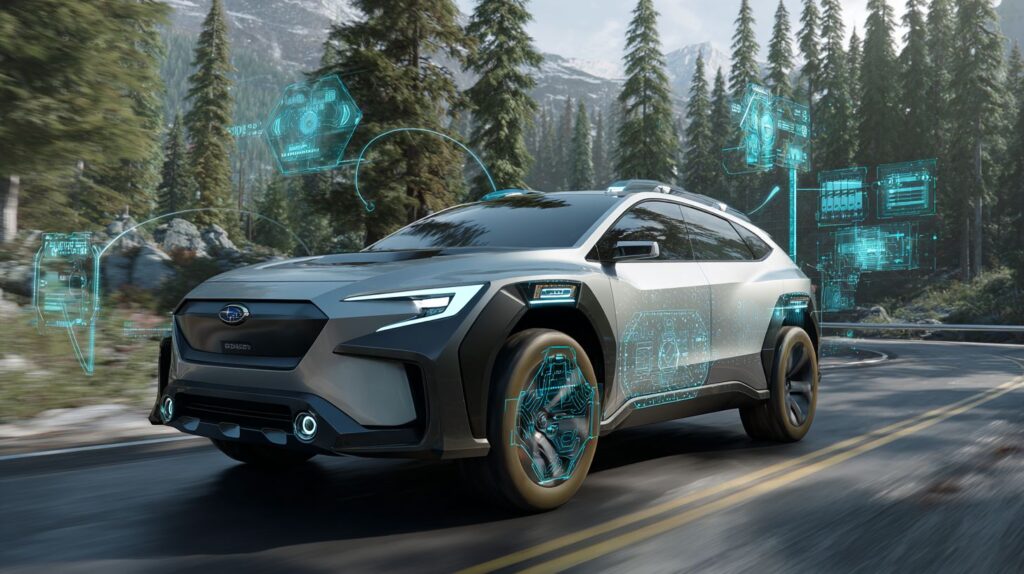
AI-driven energy management in EyeSight systems predicts and adjusts power usage for smoother, greener drives. DriverFocus monitors fatigue to prevent inefficient habits like sudden stops. This keeps hybrids and EVs running at peak efficiency.
Activation follows simple steps: first, enable Highway Assist via the multimedia system. The camera tracks eyes and head position, alerting if distraction occurs. Power delivery then adjusts automatically for steady speeds.
- Engage Lane Change Assist with a turn signal on multi-lane roads.
- Adaptive cruise matches surrounding traffic flow precisely.
- AI predicts merges, conserving battery or fuel through gentle maneuvers.
Unlike BMW, Mercedes-Benz, or Nissan systems, Subaru’s version ties directly to sustainability goals in models like the BRZ. Experts recommend regular parts checks at dealers for optimal diagnostics. Drivers report fewer charging stops on long trips.
Global Manufacturing Sustainability
Subaru’s global manufacturing emphasizes sustainability, from water recycling in plants to ethical parts sourcing for U.S. service centers. Factories integrate solar power systems to reduce energy use. This approach supports the future of sustainable automotive technology in 2026.
Water recycling systems capture and reuse process water in plants worldwide. Ethical sourcing ensures parts for models like the Outback and Solterra come from responsible suppliers. These practices cut waste and promote eco-friendly production.
Solar panels on factory roofs generate clean energy for assembly lines. This powers building of electric vehicles like the Solterra with minimal environmental impact. Subaru aims to expand these efforts across its global network.
Dealer Tips for Sustainable Maintenance
Dealers like Sunset Hills Subaru in St. Louis, MO, recommend using OEM parts for sustainable maintenance. These parts extend vehicle life and reduce landfill waste. Mechanics focus on repairs that align with Subaru’s green standards.
Opt for recycled fluids and filters during service on Crosstrek or Forester models. Train staff in eco-friendly diagnostics to minimize unnecessary replacements. This keeps Outback and Legacy running efficiently with less resource use.
Encourage customers to recycle old batteries from EVs like Solterra. Use low-waste procedures for WRX or BRZ brake services. These tips support Subaru’s commitment to sustainability in everyday servicing.
Eco-Friendly Servicing Checklist
Follow this checklist for eco-friendly servicing at places like Sunset Hills Subaru. It ensures minimal environmental impact during routine care.
- Verify use of OEM parts for all repairs to avoid excess waste.
- Recycle fluids, batteries, and tires from vehicles like the Outback or Crosstrek.
- Perform digital diagnostics to prevent over-servicing on Solterra EVs.
- Choose low-VOC cleaners for interior detailing on Forester or Legacy.
- Inspect EyeSight and DriverFocus systems without unnecessary part swaps.
- Recommend highway assist and adaptive cruise updates via software, not hardware.
This checklist promotes sustainable practices while maintaining safety and performance. Mechanics at Sunset Hills Subaru apply it to every service, supporting Subaru’s 2026 vision for green automotive care.
Frequently Asked Questions
How is Subaru driving the future of sustainable automotive technology in 2026 through electrification?
Subaru is driving the future of sustainable automotive technology in 2026 by accelerating its electrification strategy, including the launch of multiple hybrid and all-electric models like the next-generation Solterra EV with improved battery efficiency and faster charging capabilities, aiming for 50% of its lineup to be electrified by the end of the decade.
What role does Subaru’s battery technology play in how Subaru is driving the future of sustainable automotive technology in 2026?
In how Subaru is driving the future of sustainable automotive technology in 2026, the company is advancing solid-state battery development in partnership with Toyota, promising higher energy density, longer range up to 500 miles, and reduced reliance on rare earth materials for more eco-friendly production.
How Subaru is driving the future of sustainable automotive technology in 2026 with sustainable materials?
Subaru is driving the future of sustainable automotive technology in 2026 by incorporating recycled plastics, bio-based fabrics from plant sources, and low-carbon steel in vehicles like the Forester Hybrid, reducing the carbon footprint of manufacturing by up to 40% compared to traditional methods.
What are Subaru’s initiatives in hydrogen fuel cells for how Subaru is driving the future of sustainable automotive technology in 2026?
How Subaru is driving the future of sustainable automotive technology in 2026 includes pioneering hydrogen fuel cell technology, with prototypes tested for Symmetrical All-Wheel Drive integration, offering zero-emission performance and refueling times under 5 minutes for long-range adventures.
How Subaru is driving the future of sustainable automotive technology in 2026 via autonomous driving features?
Subaru is driving the future of sustainable automotive technology in 2026 by integrating EyeSight X, an advanced driver-assistance system with Level 3 autonomy, which optimizes energy use through predictive driving, regenerative braking, and route planning to minimize fuel consumption and emissions.
What supply chain changes is Subaru making in how Subaru is driving the future of sustainable automotive technology in 2026?
In how Subaru is driving the future of sustainable automotive technology in 2026, Subaru is overhauling its supply chain to source 100% renewable energy for factories, partner with ethical cobalt miners from suppliers like Tesla, and implement circular economy principles for battery recycling, ensuring end-to-end sustainability.