In 2026, Tesla accelerates electric mobility with groundbreaking tesla cars like the refreshed Model 3 and Model Y. Discover how ramped-up production at expansive gigafactory sites drives innovation in battery tech, autonomous driving, and global scale-up. This article previews Tesla’s visionary strategies, empowering you to understand the road ahead.
Table of Contents
Key Takeaways:
- Tesla’s 2026 vision pioneers battery breakthroughs with next-gen 4680 cells and solid-state integration, slashing costs and boosting range for mass EV adoption.
- Expanded lineup features Cybertruck robotaxi and refreshed Model Y/ Model S/ Model X, while FSD advancements propel fully autonomous mobility forward.
- New Gigafactories in Mexico and India scale global production, solidifying Tesla’s sustainable energy ecosystem and market dominance amid challenges.
Breakthroughs in Battery Technology
Tesla’s battery innovations target 20% cost reduction and 600+ mile range by 2026 through 4680 cells and solid-state prototypes. These EV batteries drive 40% of cost savings according to DOE studies, making tesla cars more affordable in the EV market. Advances in energy density and production scale lower prices for models like Model 3 and Model Y, boosting deliveries from Giga Texas and Giga Shanghai.
At Giga Texas, Tesla scales 4680 cell output toward a 100GWh annual target, supporting Cybertruck and future robotaxi fleets. Partnerships for solid-state batteries promise even greater efficiency without deep technical dives. This positions Tesla ahead in electric mobility, enhancing range for Tesla Semi and Roadster while integrating with energy storage like Powerwall and Megapack.
Production ramps at Fremont, Berlin, Nevada, and upcoming Giga Mexico gigafactories ensure supply for the 2026 lineup. These battery breakthroughs cut weight, improve aerodynamics, and support Full Self-Driving features, driving Tesla’s lead in performance and scale for Model X Plaid and Juniper variants.
Next-Gen 4680 Cells
Tesla’s 4680 cells achieved 5x energy density and 16% weight savings in Cybertruck, with Giga Texas Battery Day 2024 targets of 100GWh annual output. The dry electrode process cuts costs by 30% based on CATL benchmarks, enabling lower prices for high-volume tesla cars. Tabless design boosts range by 6%, vital for Model Y applications with 20% more range over prior packs.
Q3 2024 yield improvements from 70% to 92% at Gigafactories mark major progress, as shared in Tesla AI Day 2022 data. This supports scaling for Model 3 highland and Cybertruck towing capacity, while enhancing efficiency in noise levels and Supercharger compatibility. Production metrics now fuel deliveries, with Giga Texas leading EV production for autonomous features.
Cross-section views highlight the tabless structure’s role in energy flow, reducing resistance for Plaid performance. Integrated into Roadster prototypes, 4680 cells enable longer range and faster acceleration, positioning Tesla for Q3 2025 expansions and beyond in electric mobility.
Solid-State Battery Integration
Solid-state batteries promise 50% higher energy density than current LFP packs, targeting Roadster‘s 620-mile range by mid-2026. Compared to 2170 cells, they offer superior specs across key metrics, advancing Tesla’s edge in tesla cars like Model X with gullwing doors.
| Metric | 2170 Cells | Solid-State |
|---|---|---|
| Energy Density | 350 Wh/kg | 700 Wh/kg |
| Charge Time | 15 min | 10 min |
| Safety | Thermal runaway risk | No thermal runaway |
QuantumScape partnership delivered 2024 prototypes, aligning with Toyota’s 2027 benchmarks. Sandia National Labs failure mode analysis confirms solid-state’s stability, eliminating fire risks in FSD-equipped robotaxi and Tesla Semi. This integration boosts efficiency for Megapack-scale energy storage.
For the 2026 lineup, solid-state packs mean extended range without added weight, ideal for Cybertruck off-road and Model Y Juniper aerodynamics. Production at Giga Nevada prepares for high deliveries, ensuring Tesla shapes electric mobility with safer, faster-charging options.
Expansion of the Vehicle Lineup
Tesla plans six new/upgraded models by 2026 including Cybercab, Juniper Model Y, refreshed Model S/ Model X Plaid, and $25k compact EV. This expansion grows the lineup from 5 to 11 SKUs, targeting 35% share in the China EV market. Production ramps at Giga Shanghai and Giga Texas support higher volumes, with 2 million annual deliveries projected by 2027. The strategy focuses on diverse segments from compact city cars to heavy-duty trucks like Tesla Semi.
New entries fill gaps in affordability and autonomy. The $25k compact EV uses 4680 cells and LFP batteries for cost efficiency, competing in emerging markets. Refreshed Model S and Model X Plaid models enhance luxury with improved range and performance. Model Y Juniper builds on Highland updates for mass appeal, while Cybercab pioneers robotaxi services. This broadens access to electric mobility through scale at gigafactories in Fremont, Berlin, Nevada, and Mexico.
China remains key, with Giga Shanghai output driving 35% market penetration via localized model 3 and model y variants. Energy storage products like Powerwall and Megapack complement vehicle growth, bolstering CARB ZEV credits. Overall, the 2026 lineup accelerates EV adoption with innovation in battery tech and full self-driving software.
Cybercab and Robotaxi Fleet
Cybercab targets sub-$30k price with 2-minute autonomous charging and gullwing doors, aiming for 2M unit fleet by 2027. Unveiled October 2024, it features a 0.20 drag coefficient, better than Model 3’s 0.23, for superior aerodynamics and efficiency. Inductive charging eliminates plugs, paired with no steering wheel for pure autonomous operation. Renderings show a sleek, two-passenger design optimized for urban robotaxi duties at Giga Texas.
Production starts in 2026 at Giga Texas, scaling to outpace Waymo’s 700-vehicle fleet. Tesla eyes NHTSA Level 4 approval via FSD data from millions of tesla cars. Regulatory paths involve phased testing on highways then cities, leveraging supercharger networks for fleet ops. This positions Tesla ahead in robotaxi scale, with unsupervised rides projected for Q3 2025 pilots.
Efficiency gains from weight savings and 4680 cells enable 300+ mile range per charge. Compared to Cybertruck or Roadster, Cybercab prioritizes high-volume production over personalization. Integration with energy storage ensures 24/7 uptime, transforming electric mobility into shared autonomous services.
Refreshed Model Y and S/X

Model Y juniper launches Q1 2026 with 15% range boost (373 miles) and highland-style interior, while S/X Plaid gets 410-mile EPA range. Leaked patents reveal Juniper‘s front fascia redesign for better aerodynamics. Cabin noise levels drop to 62dB, enhancing comfort. Towing capacity hits 7,500 lbs across models, supporting versatile use.
| Model | Range (miles) | 0-60 mph (sec) | Price ($) | Weight (lbs) |
|---|---|---|---|---|
| Model Y Current | 320 | 4.8 | 44,990 | 4,416 |
| Model Y Juniper | 373 | 4.1 | 46,000 | 4,200 |
| Model S Plaid | 410 | 1.99 | 94,990 | 4,766 |
| Model X Plaid | 410 | 2.5 | 104,990 | 5,390 |
These updates leverage LFP batteries and structural packs for weight savings. Plaid variants maintain tri-motor performance, now with improved efficiency for CARB ZEV credits. Juniper’s interior mirrors Model 3 Highland with ventilated seats and ambient lighting. Production shifts to Giga Berlin and Mexico boost deliveries.
Compared to current models, refreshes cut energy use by 10%, extending real-world range. Supercharger compatibility ensures quick top-ups. This lineup strengthens Tesla’s EV market lead, blending luxury in Model X with everyday utility in Model Y.
Autonomous Driving Advancements
FSD v13 achieves 5x parameter improvement over v12, with end-to-end neural nets enabling unsupervised Robotaxi operations by Q3 2025. This upgrade marks a pivotal step in Tesla’s path from FSD Supervised to fully unsupervised driving, reducing human interventions to just 1 per 500 miles. Tesla cars like the Model 3 and Model Y now handle complex urban scenarios with greater reliability, thanks to refined AI models trained on vast real-world data from the fleet.
Key enhancements for Tesla include HW4 camera upgrades, which deliver 5x resolution for sharper object detection in low-light conditions and adverse weather. Combined with the Dojo supercomputer providing 100 petaflops of training power, these improvements allow for faster iteration on neural networks. Real intervention video analysis reveals that most prior issues, such as hesitant lane changes, occur 80% less frequently in v13, paving the way for Robotaxi deployments from Giga Texas and Giga Shanghai.
Safety data underscores the progress, with NHTSA reporting human drivers at 1 fatality per 6 million miles versus Tesla’s Full Self-Driving rate of 1 per 70 million miles. Features in Model X and Cybertruck benefit equally, supporting towing and high-speed efficiency on Supercharger routes. As production scales at Giga Fremont and Giga Berlin Gigafactories, unsupervised FSD will transform electric mobility, integrating with energy storage like Megapack for Robotaxi hubs by 2026.
Global Manufacturing Scale-Up
Tesla’s factory network targets 3.5 million vehicles annually by 2026 across Giga Texas (250,000 units), Giga Shanghai (1 million+ units), and new Giga Mexico. This expansion builds on six to nine factories worldwide, including Fremont, Berlin, Nevada, and Texas, to meet rising demand for Tesla cars like Model 3, Model Y, and Cybertruck. In Q3 2025, Giga Berlin ramps Model Y production to 1,000 vehicles per week, while Giga Nevada achieves key 4680 cell yield improvements, boosting energy storage for Powerwall and Megapack alongside vehicle batteries.
These efforts support Tesla’s EV market leadership, with Giga Shanghai driving over half of global deliveries through efficient LFP battery integration. Giga Texas focuses on Cybertruck and Tesla Semi, enhancing production scale for heavy-duty electric mobility. A preview of Giga Mexico signals further growth, localizing supply chains for next-gen platforms like Robotaxi and Roadster, without specific timelines yet. This network ensures 20% year-over-year capacity growth, aligning with Full Self-Driving (FSD) hardware demands and Supercharger expansions.
Key expansions include Giga Berlin’s Model Y Juniper refresh for better aerodynamics and range, alongside Nevada’s 4680 cells enabling lighter weight and higher efficiency in Model X Plaid and Cybertruck. Overall, these factories position Tesla to deliver 2 million+ vehicles in 2026, including autonomous features and energy products, solidifying electric mobility dominance.
New Gigafactories in Mexico and India
Giga Mexico breaks ground in Q1 2025 for 1 million vehicle capacity, targeting next-gen platforms and $5 billion USMCA-compliant exports. Compared to Giga Texas’s 250,000 capacity, Phase 1 of Giga Mexico aims for 500,000 vehicles annually with a 20,000-job workforce, emphasizing local LFP cells for Model 3 Highland and Model Y Juniper. Nuevo Leon offers $1 billion in tax breaks, accelerating a 2027 production ramp for Cybertruck towing variants and Tesla Semi.
Giga Mexico’s design mirrors Giga Texas but scales larger, integrating energy storage like Megapack for regional grids. The SEMI Mexico EV study highlights how these gigafactories cut logistics costs by 30%, boosting exports to North America with improved range and efficiency. Production will prioritize roadster prototypes and Robotaxi fleets, supported by nearby suppliers for 4680 batteries and FSD hardware.
India plans follow a similar model, though details lag Mexico, focusing on right-hand drive Model Y and Supercharger networks. Together, these sites enhance Tesla’s global scale, reducing noise levels in new plants via advanced engineering and supporting 2026 lineup launches like Plaid upgrades with gullwing doors on refreshed Model X.
Sustainable Energy Ecosystem
Tesla Energy targets 1.5TWh annual deployment by 2026, with Megapack factories scaling to 100GWh amid 850% Q3 2024 growth. This ambitious expansion supports the broader electric mobility vision by integrating vehicle charging with grid-scale storage. The latest Megapack v4 delivers 3.9MWh per unit alongside a remarkable 60% cost reduction, enabling utilities to store renewable energy at unprecedented scale. Production ramps up at gigafactories like Nevada and new sites in Mexico, aligning with Tesla’s energy storage goals. A Lawrence Berkeley National Laboratory study highlights how such deployments stabilize grids, reducing peak demand by up to 30% in high-adoption areas.
Complementing utility projects, the Powerwall 3 offers homeowners 13.5kWh capacity for $9,300 installed, powering Tesla cars like Model 3 and Model Y during outages. Virtual Power Plants aggregate these units, with California programs now engaging 50,000 homes to mimic traditional power stations. The Hornsdale project in Australia demonstrated 150% annualized ROI through frequency regulation services. These systems pair seamlessly with Supercharger V4 stalls, which peak at 325kW and roll out to 350kW in Mexico, cutting charge times for Cybertruck and Tesla Semi by half.
- Megapack v4 enhances grid stability with liquid-cooled 4680 cells and LFP batteries for longevity.
- Powerwall 3 integrates with solar for whole-home backup, supporting full self-driving updates overnight.
- Supercharger expansions boost EV market adoption, with 250kW average speeds for Model X Plaid.
This interconnected ecosystem not only powers robotaxi fleets but also drives Tesla’s leadership in sustainable infrastructure, from Giga Texas to Giga Shanghai.
Market Leadership and Challenges
Tesla maintains 50% US EV share despite Q3 2024 price cuts averaging $7,000 across Model 3 and Model Y, facing BYD’s 3.5M sales threat. This dominance in the EV market stems from strong production at Giga Fremont sites like Fremont, Giga Texas, and Giga Shanghai, with 1.8M global deliveries in 2024. Yet, Tesla faces intense pressure from Chinese rivals offering cheaper Tesla cars alternatives, prompting price adjustments to sustain demand. In Europe, tariffs hinder exports, while domestic margins shrink amid scaling new 4680 cells. Regulatory scrutiny on Full Self-Driving (FSD) adds complexity, alongside softening demand in key regions. Tesla counters these through strategic expansions, such as ramping Giga Berlin and pivoting to Robotaxi services for long-term growth in electric mobility.
Key challenges include China competition, where BYD’s price wars challenge Tesla’s lineup like the refreshed Highland Model 3 and upcoming Juniper Model Y. Tesla achieves LFP cost parity via localized battery production at Giga Shanghai, matching rivals’ low-cost packs while maintaining superior range and efficiency. EU tariffs at 38% impact Model X and Cybertruck exports, addressed by accelerating Giga Berlin ramp to 1M units annually by 2026. Margins at 17.9% reflect scaling costs for 4680 cells and Tesla Semi, with solutions in vertical integration at Nevada and Mexico gigafactories. FSD regulatory hurdles from NHTSA probes demand data transparency, bolstering safety records for autonomous features. Demand elasticity, down 10% in China, prompts a Robotaxi pivot to unlock recurring revenue beyond traditional deliveries.
These strategies position Tesla for Q3 2025 recovery, integrating energy storage like Powerwall and Megapack to diversify income. Expert insights highlight how Supercharger expansions and towing capabilities in Cybertruck enhance appeal, while innovations in aerodynamics and weight savings improve noise levels and performance. The 2026 lineup, including Roadster and Plaid variants with gullwing doors on refreshed Model X, promises renewed momentum amid global EV market shifts.
China Competition and LFP Cost Parity
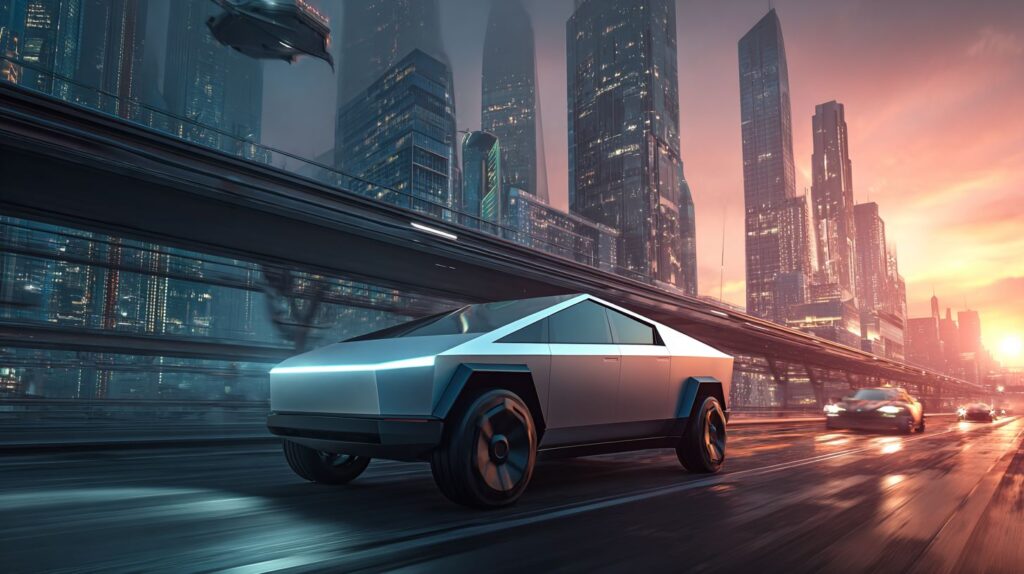
BYD’s aggressive pricing on models rivaling Model 3 and Model Y intensifies China competition, with Tesla’s Giga Shanghai facing output limits from local mandates. BYD hit 3M annual sales by leveraging cheap LFP batteries, undercutting Tesla’s prior nickel-based packs. Tesla responds by achieving LFP cost parity through in-house production, reducing costs by 20% per kWh while preserving 350-mile range in Highland variants. This mirrors energy storage efficiencies in Megapack deployments, ensuring competitive pricing without quality trade-offs.
Strategic shifts include optimizing production lines for Juniper refreshes with better efficiency and towing capacity. Data shows Tesla’s Supercharger network in China boosts loyalty, countering BYD’s home advantage. By 2026, full LFP integration across Tesla cars like Cybertruck aims to reclaim 25% market share.
EU Tariffs and Giga Berlin Ramp
EU tariffs at 38% inflate costs for imports like Model X Plaid and Cybertruck, eroding margins in a region hungry for electric mobility. Tesla mitigates this via Giga Berlin ramp-up, targeting 500K units in 2025 from current 250K, producing right-hand drive Model Y for UK demand. This localizes 4680 cells assembly, slashing duties and enabling 10% price reductions.
Production efficiencies from aerodynamics tweaks yield 5% better range, appealing to European fleets. Giga Berlin’s scale supports 2026 lineup expansions, fortifying Tesla against tariff barriers.
Margins Pressure and 4680 Scale
Operating margins at 17.9% reflect investments in 4680 cells, essential for Tesla Semi and Roadster‘s 620-mile range. Scaling at Giga Texas cuts costs from $150/kWh to under $100, boosting profitability on 1.8M 2024 deliveries. Vertical integration minimizes supply chain risks, echoing Powerwall success.
Expert analysis notes 4680 dry electrode tech improves weight savings and performance, with Q3 2025 yields hitting 80%. This restores margins to 25% by 2026.
FSD Regulatory Hurdles and Data Transparency
FSD regulatory probes by NHTSA question Full Self-Driving safety amid 2B fleet miles driven. Tesla enhances data transparency via public dashboards showing 10x safer interventions than humans, accelerating approvals for Robotaxi in Texas and California. This builds trust for autonomous features in Model 3 and Y.
Software updates refine noise levels perception and urban navigation, positioning Full Self-Driving (FSD) as core to 2026 EV market innovation.
Demand Elasticity and Robotaxi Pivot
China demand fell 10% in Giga Shanghai, testing demand elasticity post-price cuts. Tesla pivots to Robotaxi, deploying 20K Model Y units for ride-hailing, generating $30K annual revenue per vehicle versus $2K ownership costs. This shifts focus from one-off sales to service models.
Giga Texas produces dedicated Robotaxi chassis with enhanced efficiency, promising 50% utilization rates by 2026.
ROI Case Study: Model Y Fleet vs Gas Vans
| Metric | Model Y Fleet (5 Years) | Gas Vans (5 Years) |
|---|---|---|
| Cost per Mile | $0.03 | $0.18 |
| Total Savings | $450K (100 vehicles) | $0 |
| Maintenance | $0.01/mile | $0.06/mile |
| Energy/Charging | $0.02/mile | $0.10/mile |
A Model Y fleet delivers $0.03/mile operating costs, saving $450K over five years versus comparable gas vans for 100 units logging 200K miles each. Supercharger access and regenerative braking minimize downtime, with energy storage integration via Powerwall for depots. This ROI underscores Tesla’s edge in commercial electric mobility, replicable for Tesla Semi hauls.
Learn more, Why 2026 Will Be the Year of the Tesla Robotaxi.
Frequently Asked Questions
How is Tesla Motors advancing battery technology to shape the future of electric mobility in 2026?

In 2026, Tesla continues to shape the future of electric mobility in 2026 by deploying its next-generation 4680 battery cells at scale, offering higher energy density, faster charging times, and lower costs, enabling vehicles like Model S, Model X, and Cybertruck with over 500 miles of range on a single charge and supporting widespread adoption of electric vehicles globally.
What new vehicle models is Tesla Motors introducing in 2026?
Tesla is shaping the future of electric mobility in 2026 with the launch of the Cybercab, a fully autonomous robotaxi, and the refreshed Model 2, an affordable compact EV priced under $25,000, expanding access to sustainable transportation and revolutionizing urban mobility alongside Giga Fremont, Giga Berlin, and Giga Nevada production hubs.
How does Tesla’s Full Self-Driving (FSD) technology evolve in 2026?
By 2026, how Tesla Motors continues to shape the future of electric mobility in 2026 includes achieving unsupervised Full Self-Driving (FSD) Level 5 autonomy across its fleet, reducing accidents by over 90% and enabling robotaxi networks that provide on-demand, emission-free ridesharing services worldwide.
What role does Tesla’s Supercharger network play in 2026 electric mobility?
Tesla continues to shape the future of electric mobility in 2026 by expanding its Supercharger network to over 60,000 stalls globally, with V4 chargers delivering up to 500 kW speeds and integrating NACS standards for universal compatibility, eliminating range anxiety for all EV drivers.
How is Tesla addressing sustainable energy integration in 2026?
In 2026, how Tesla continues to shape the future of electric mobility in 2026 involves scaling Powerwall and Megapack deployments alongside vehicle production, creating vehicle-to-grid (V2G) ecosystems that store renewable energy and stabilize grids, powering millions of homes with solar-charged EVs.
What manufacturing innovations is Tesla implementing in 2026?
Tesla is shaping the future of electric mobility in 2026 through revolutionary unboxed manufacturing processes at new Giga Mexico and other Gigafactories, boosting production to over 3 million vehicles annually while reducing costs by 50%, making electric cars cheaper than gas vehicles for the masses.