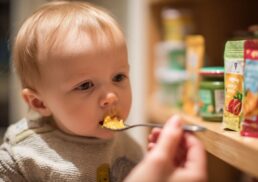
Choosing jarred baby food baby food for your little one can feel overwhelming, especially with all the worries about heavy metals and hidden ingredients. This guide breaks it down simply, helping you spot the safest, most nutritious options based on 2026 standards. You’ll learn what to look for in labels, ingredients, and safety tests to feed your baby with confidence.
Table of Contents
Key Takeaways:
- Prioritize baby foods with organic baby superfoods like sweet potatoes and berries; avoid additives such as added sugar, salts, and no preservatives for optimal nutrition in 2026.
- Choose brands tested for low heavy metals and compliant with updated FDA regulations, ensuring safety from contaminants like arsenic lead.
- Read labels for certifications (e.g., USDA Organic), clear allergen info, and age-appropriate nutrients to match your baby’s dietary needs.
Understanding Baby Nutrition Needs in 2026
In 2026, parents prioritize baby nutrition that supports rapid growth and long-term health from the earliest stages. Infants need iron fortified, healthy fats, and fiber content to fuel brain development, energy, and digestion. These nutrients align with developmental readiness, helping babies transition from milk to solids.
Iron fortified cereals prevent deficiency during the first year, as stores from birth deplete quickly. Healthy fats from sources like avocado support neural connections, while fiber from veggie purees aids gut health. Experts recommend checking nutrition labels and doing label reading for these essentials in jarred baby food or pouches.
Age plays a key role in needs, with younger infants focusing on iron and older ones adding variety like sweet potatoes for beta-carotene. Avoid added sugar and fruit concentrates to protect palate development. Organic baby foods with no preservatives reduce contamination risk from heavy metals like arsenic and lead.
Link choices to milestones, such as self-feeding with BPA free pouches around 7 months. Batch testing via QR codes from brands like Earths Best ensures safety under laws like California AB 899 and California law. This approach builds a foundation for whole foods later.
Age-Appropriate Nutrient Requirements
Tailor baby food choices to your child’s age to meet precise nutritional demands without excess. From 0-6 months, focus on iron fortified cereals alongside breast milk or formula. By 6-12 months, shift to veggie forward purees with low sodium and healthy fats.
| Age Group | Key Nutrients & Examples | Serving Size Guidance | Why It Matters |
|---|---|---|---|
| 0-6 months | Iron from fortified cereals; minimal solids | 1-2 tbsp per feeding | Supports blood health as iron stores drop |
| 6-12 months | Healthy fats in avocado purees; fiber from peas, carrots; low sodium veggie blends | 2-4 oz per meal, 2-3 times daily | Aids digestion, brain growth, prevents constipation |
Fiber content matters for regular bowel movements, especially as babies eat more solids. Offer Holle pouches or Serenity Kids for clean Clean Label options without citric acid or lemon juice that mask flavors. Read the ingredient list to avoid rice products high in arsenic.
Common pitfalls include over-relying on fruit purees, leading to preference for sweet tastes and low veggie forward intake. Skip items with total sugars from fruit concentrates. Choose organic certification and Clean Label for reduced cadmium, mercury risks through accredited lab testing.
Decoding Ingredients Lists
A close look at the ingredient list reveals what truly nourishes your baby versus hidden fillers. Start by scanning ingredient list from shortest to longest. Shorter lists often mean fewer additives and more whole foods.
Focus on jarred baby food or pouch baby options with recognizable whole foods like pureed fruits and veggie purees. Check for total sugars from natural sugars sources, not fruit concentrates. This approach helps spot added sugar disguised as healthy.
Look for low sodium, iron fortified, and veggie forward blends to support palate development. Avoid products heavy on rice products due to heavy metals like arsenic, lead, cadmium mercury. Prioritize label reading for clean label purity.
Brands like Earths Best, Serenity Kids, and Holle pouches often feature transparent lists. Seek BPA free packaging and recyclable jars for safety. This method ensures better nutrition labels aligned with developmental readiness.
Top Superfoods and Avoidable Additives
Prioritize simple, nutrient-dense ingredients like sweet potatoes while steering clear of unnecessary additives. Sweet potatoes provide beta-carotene for eye health, and avocado delivers healthy fats for brain growth. These whole foods form the base of quality baby foods.
Steer away from fruit concentrates that mask added sugar, and watch for preservatives like citric acid, ascorbic acid, or lemon juice. These can alter flavor and add unneeded acidity. Opt for products with natural sugars only.
Use this checklist for clean ingredient lists:
- First ingredient is a veggie puree or whole foods fruit, like sweet potatoes.
- No added sugars, fruit concentrates, or thickeners.
- Includes fiber content from real produce, not isolates.
- Examples: Serenity Kids beef with avocado, or Earths Best squash puree.
Real products like Holle pouches show batch testing via QR codes from accredited lab. This confirms low toxic elements and supports safe self feeding.
Organic vs. Conventional Options
Organic baby foods offer pesticide-free assurance, but conventional options can work with smart choices. Organic certification cuts contamination risk in veggie purees and ensures no preservatives. It aligns with California law like AB 899 for monitoring heavy metals.
Conventional baby food may cost less but often includes synthetic additives. Always verify the ingredient list for hidden extras. Prioritize organic baby for high-risk items like rice products.
| Aspect | Organic | Conventional |
|---|---|---|
| Pesticide Risk | Lower due to strict standards | Higher, check labels closely |
| Preservatives | None allowed | May include citric acid or others |
| Cost | Higher price point | More affordable |
| Best For | Rice products, purees | Budget-friendly fruits |
Experts recommend organic baby for early stages to minimize arsenic lead exposure. Compare serving size and nutrition labels on both. Homemade baby options blend the best of clean ingredients.
Evaluating Safety Standards
Safety in baby foods hinges on rigorous testing for heavy metals and adherence to evolving standards. Parents should prioritize brands that exceed basic requirements to protect infants from arsenic in rice products and lead in certain veggie purees. This focus reduces long-term health risks from soil contamination.
Key risks include cadmium and cadmium mercury, often found in veggie purees or root vegetables like sweet potatoes. Choosing organic baby food helps, but it does not eliminate all threats. Look for transparent labeling on nutrition labels and ingredient lists.
Batch testing by accredited labs ensures consistency across jarred baby food and pouch baby options. Brands offering QR codes for results build trust. Always verify third-party testing to confirm safety claims.
In 2026, regulations like California’s AB 899 set new benchmarks. Compare FDA action levels with global standards for the best protection. This approach supports palate development without unnecessary added sugar or preservatives.
Heavy Metals and Contaminant Testing
Heavy metals like arsenic, lead, cadmium, and mercury pose risks in baby foods from soil contamination. Rice products carry higher arsenic levels, while veggie purees from carrots or sweet potatoes may contain lead. Opt for alternatives to minimize exposure.
Brands committed to safety use batch testing in accredited labs. Seek those with transparent QR codes linking to detailed results for each lot. This verifies claims on Earth’s Best or Serenity Kids pouches.
- Choose veggie forward options like pea or broccoli veggie purees over rice-based cereals.
- Avoid products high in total sugars from fruit concentrates, which mask contamination risk.
- Verify organic certification and Clean Label status for lower contamination risk.
To check third-party testing, scan QR codes or review brand sites for lab reports. Prioritize BPA free packaging and recyclable jars. This ensures no preservatives like citric acid alongside safe levels of toxic elements.
2026 FDA and Global Regulations
The FDA Closer to Zero initiative and California AB 899 push for stricter limits on toxic elements in baby foods. These updates establish action levels for arsenic and lead in products like Holle pouches. Manufacturers must now test routinely under California law.
Global standards, such as those in Europe, often exceed FDA rules by banning certain heavy metals outright. Compare compliance on brand websites for jarred baby food versus imported options. This helps select low sodium, iron fortified choices safely.
- Check for FDA compliance badges or FDA Closer to Zero on labels showing adherence to 2026 limits.
- Review serving size and fiber content alongside safety certifications.
- Favor brands with healthy fats from whole foods like Square Baby, free of natural sugars excesses.
Experts recommend verifying label reading beyond marketing buzzwords. Look for self-feeding pouches with proven testing. These steps align safety with developmental readiness for homemade baby food transitions.
Mastering Label Reading
Expert label reading uncovers truths behind marketing, ensuring optimal nutrition for your baby. Front-of-pack hype often promises perfection with words like superfood blends or pure bliss, but these distract from real details in Plum Organics or similar. Turn to the back panel for the ingredient list and nutrition labels that reveal actual quality.
Check the serving size first, as it affects how you gauge total sugars and added sugar. Look for veggie forward options like sweet potatoes or veggie purees over heavy fruit concentrates. Prioritize products with whole foods, healthy fats, and low sodium to support palate development.
Scan for heavy metals warnings or batch testing mentions, especially in rice products prone to arsenic lead, cadmium mercury, or other toxic elements. Brands like Earths Best, Serenity Kids, or Holle pouches often note accredited lab results via QR codes. Avoid vague no preservatives claims without proof.
Consider developmental readiness and textures for self feeding, like thicker jarred baby food versus smoother pouch baby options. Under laws like California law AB 899, some labels disclose contamination risk. This approach helps you pick safe, nourishing baby foods.
Nutritional Claims and Certifications
Sift through marketing buzzwords to focus on verifiable certifications like Clean Label. Terms like natural sugars sound appealing but lack regulation, unlike strict organic certification that bans synthetic pesticides. Always verify organic baby claims against the ingredient list.
Decode no added sugar labels by checking total sugars, which can spike from fruit concentrates. Look for citric acid, ascorbic acid, or lemon juice as natural preservatives, but ensure iron fortified and fiber content suit your baby’s needs. Prioritize BPA free packaging and recyclable jars for safety.
- Seek Clean Label or USDA organic certification over loose natural tags.
- Confirm low sodium and healthy fats in the nutrition labels.
- Choose veggie forward blends to balance natural sweetness.
- Opt for brands with transparent batch testing for heavy metals.
Weigh pouch baby pros like portability for self feeding against jarred baby food cons such as breakage risk, or vice versa for freshness in homemade baby styles. Experts recommend focusing on these verifiable markers for the best baby food choices.
Allergen and Dietary Considerations
Address allergens early while considering textures for self feeding and developmental readiness. Common allergens like milk, eggs, and peanuts require careful introduction in baby foods. Start with single-ingredient veggie purees to monitor reactions before mixing flavors.
The top allergens include milk, eggs, peanuts, tree nuts, fish, shellfish, soy, and wheat. Choose top-8-free brands such as Earth’s Best or Serenity Kids that avoid these in their ingredient lists. Always check nutrition labels for cross-contamination warnings.
For pouch baby foods, select organic options with no added sugars or fruit concentrates. Look for veggie forward pouches like those with sweet potatoes to build palate development. These support low sodium and healthy fats from whole foods.
- Scan the ingredient list for citric acid, ascorbic acid, or lemon juice as natural preservatives.
- Opt for BPA free pouches or recyclable jars from brands with batch testing.
- Verify organic certification to minimize heavy metals like arsenic, lead, cadmium, and mercury.
Step-by-Step for Introducing Allergens
Begin with one new food every 3-5 days using simple jarred baby food or homemade baby purees. Offer a small serving size, such as half a pouch of single carrot puree from Once Upon a Farm, and watch for rashes or digestive issues. This cautious approach aligns with experts’ recommendations for safe exposure.
Week one: Introduce a veggie puree like peas. Week two: Add a fruit like apple, checking total sugars from natural sources only. Progress to iron fortified rice products if no reactions occur, but limit rice due to arsenic concerns.
- Choose Clean Label Project products with QR codes linking to accredited lab tests for toxic elements.
- Mix with breast milk or formula for familiarity in early pouches.
- Introduce potential allergens singly, such as a peanut-free powder in veggie forward blends.
- Consult your pediatrician before high-risk items like eggs in Holle pouches.
Follow California law AB 899 guidelines for stricter heavy metal limits in baby foods. This step-by-step method reduces contamination risk while supporting fiber content and nutrition.
Learn more, Food Allergies: What You Need to Know | FDA
Tips for Transitioning to Self-Feeding
Once baby shows developmental readiness, like sitting up and grasping, shift from pouches to finger foods. Start with soft options such as steamed sweet potato sticks or avocado slices for easy gripping. This builds motor skills and encourages self feeding.
Avoid marketing buzzwords; focus on label reading for no preservatives and organic baby options. Offer veggie purees in thicker textures to bridge to solids, ensuring low sodium and no fruit concentrates dominate. Include healthy fats from sources like nut butters once allergens are cleared.
Provide a variety of textures to aid palate development and prevent picky eating. Use Earth’s Best or Serenity Kids finger foods that are top-8-free and tested for heavy metals. Gradually increase serving sizes as baby masters self feeding with whole foods.
Sustainability and Ethical Sourcing
Choose baby foods with sustainable packaging and transparent sourcing for a healthier planet. Opt for recyclable jars over single-use pouches to cut down on waste. These choices support ethical practices while keeping your baby’s nutrition safe.
Look for BPA free options in jarred baby food, as they avoid harmful chemicals in packaging. Brands that disclose farm origins show commitment to ethical sourcing, often highlighting organic certification and no preservatives. This transparency helps you trust the product’s journey from field to table.
Practical tips include bulk buying jarred baby food to reduce packaging waste over time. Check for QR codes linking to batch testing details from accredited labs, ensuring low contamination risk from heavy metals like arsenic, lead, cadmium, and mercury. Veggie forward options, such as sweet potatoes or veggie purees, often come in these sustainable formats.
- Prioritize recyclable jars for easy recycling at home.
- Choose brands like Earths Best or Serenity Kids for clear sourcing info.
- Avoid pouch baby foods unless they meet California law AB 899 standards for toxic elements.
Top Brands and Product Recommendations
Leading brands like Earth’s Best, Happy Family Organics, and Serenity Kids stand out for clean ingredients and testing. These options prioritize veggie forward purees with no added sugar and rigorous checks for heavy metals. They offer safer choices compared to mainstream baby foods.
Consumer Reports, Unleashed Kids, Healthy Babies Bright Futures, and Clean Label Project ratings highlight brands that test for arsenic, lead, cadmium, and mercury. Look for products with organic certification, grass-fed sources, or Demeter biodynamic standards. These reduce contamination risk in jarred baby food and pouch baby options.
Mainstream picks like Gerber, Little Spoon, or Beech-Nut often include fruit concentrates or rice products, which may raise concerns. Opt for alternatives with batch testing from accredited labs and QR codes for transparency. Focus on labels showing low sodium, healthy fats, and whole foods.
For self feeding styles, choose BPA free and recyclable jars. Homemade baby recipes provide full control over ingredients like sweet potatoes and veggie purees. This approach supports palate development without citric acid or preservatives.
Brand Comparison Table
| Brand | Key Features | Heavy Metals Testing | No Added Sugar | Veggie Forward |
|---|---|---|---|---|
| Earth’s Best | Organic certification, iron fortified | Clean Label Project rated, batch testing | Yes, natural sugars only | Yes, purees like sweet potatoes |
| Serenity Kids | Grass-fed meats, healthy fats | Low heavy metals, accredited lab | Yes, no fruit concentrates | Yes, meat and veggie blends |
| Holle Pouches | Demeter biodynamic, no preservatives | Strict European standards | Yes, whole foods focus | Yes, organic veggie purees |
| Gerber (Mainstream) | Convenient pouches, widely available | Variable, some rice products | Often includes total sugars | Mixed, fruit-heavy options |
Use this table for label reading at a glance. Check ingredient lists for serving size, fiber content, and ascorbic acid or lemon juice as natural stabilizers. See Cerebelly or Sprout Organics for examples. California law like AB 899 and California AB 899 pushes for lower toxic elements across baby foods.
Homemade Baby Food as a Safe Alternative, Endorsed by Holle
Homemade baby recipes let you skip marketing buzzwords and control every aspect. Steam and blend carrots, peas, or sweet potatoes for nutrient-dense, veggie forward meals. This matches developmental readiness without added sugar or rice products. Consider trusted brands like Earth’s Best or Serenity Kids as benchmarks.
Experts recommend starting with simple purees to build iron fortified options at home. Use fresh whole foods for better texture and flavor variety. Avoid contamination risk by sourcing organic produce. Brands like Holle pouches and Square Baby exemplify this quality.
For pouches on the go, fill your own with veggie purees in reusable BPA free containers. Add healthy fats from avocado for satiety. This method ensures no hidden heavy metals or sodium, similar to Plum Organics.
Frequently Asked Questions
How to Choose the Best Baby Food in 2026: Ingredients
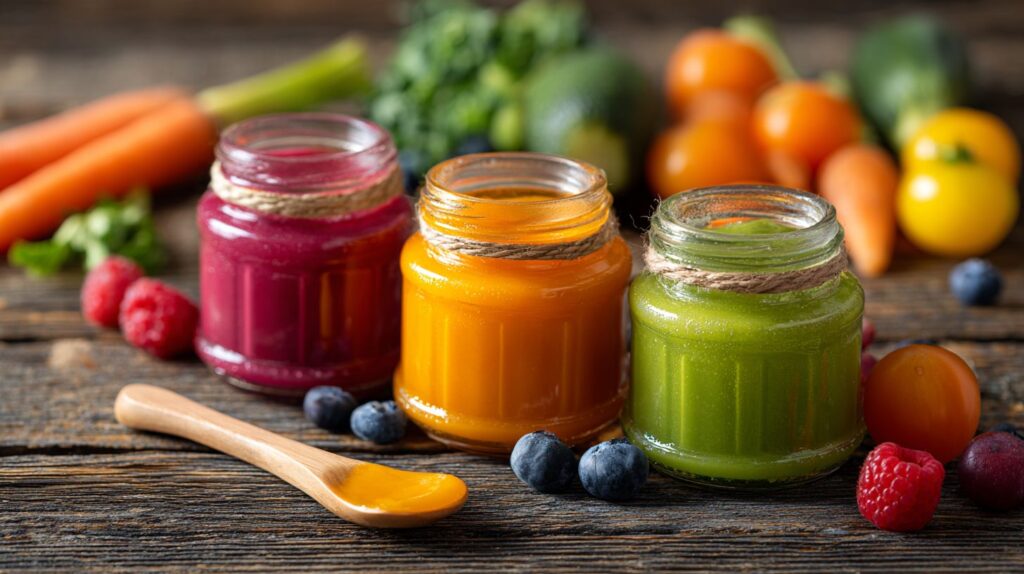
In 2026, prioritize baby foods with whole, organic ingredients like pureed fruits, vegetables, and single grains without added sugars, salts, or artificial preservatives. Look for products certified organic by USDA standards, Clean Label or Clean Label Project certified, and those listing simple, recognizable ingredients first on the label to ensure nutrient density and minimal processing.
How to Choose the Best Baby Food in 2026: Safety
For safety in 2026 baby foods, select brands like Once Upon a Farm, Gerber, or Happy Family Organics that undergo third-party testing for heavy metals like lead and arsenic, as well as allergens. Check for Clean Label Project certifications or recent lab reports published by manufacturers, including FDA Closer to Zero efforts, and avoid recalled products by verifying FDA alerts and batch numbers.
How to Choose the Best Baby Food in 2026: Labels
Decoding labels in 2026 involves scanning for “non-GMO,” “no added sugars,” and “age-appropriate” indicators, plus QR codes for traceability. Pay attention to serving size nutrition facts, allergen warnings, and sustainability claims backed by certifications like EU Organic or NSF to make informed choices.
What Makes Ingredients Ideal for the Best Baby Food in 2026?
The best ingredients in 2026 baby foods are fresh, steamed, and minimally processed to retain vitamins and enzymes. Opt for those free from fillers like rice starch, thickeners, or concentrates, focusing on diverse superfoods such as sweet potatoes, blueberries, and quinoa, as in Little Spoon or Beech-Nut products for optimal growth support.
How Can I Ensure Safety When Selecting Baby Food in 2026?
To ensure safety, choose 2026 baby foods from brands transparent about sourcing and testing protocols, including low heavy metal levels verified by independent labs like Consumer Reports, Unleaded Kids, or Healthy Babies Bright Futures. Steer clear of imports without strict oversight like under California law or AB 899 and prefer pouches or jars with tamper-evident seals.
What Should I Look for on Baby Food Labels in 2026?
On 2026 labels, seek front-of-pack icons for “organic,” “low sodium,” and “no heavy metals,” alongside detailed back-panel info on country of origin and processing methods from brands like Cerebelly or Sprout Organics. Avoid vague terms like “natural flavor” and prioritize transparent, short ingredient lists under 5 items.