Elevate your cycling experience with the best bike accessories from Merida for unmatched comfort and efficiency. From a reliable helmet and Merida Front Light 25 for safety, to the sturdy Merida Chain Lock and compact Merida Hook and Loop Saddle Bag with essential lights and lock, discover expert tips. This guide assesses your rides to recommend gear that boosts performance and protection.
Table of Contents
Key Takeaways:
- Assess your ride type, duration, terrain, and weather to select accessories like saddles, grips, and suspension that maximize comfort without excess bulk.
- Boost efficiency with aerodynamic helmets, Lycra apparel, pedals, and cleats to reduce drag and improve power transfer on every pedal stroke.
- Enhance safety and convenience using lights, reflective gear, hydration packs, and locks tailored to your riding needs and conditions.
Understanding Your Riding Needs
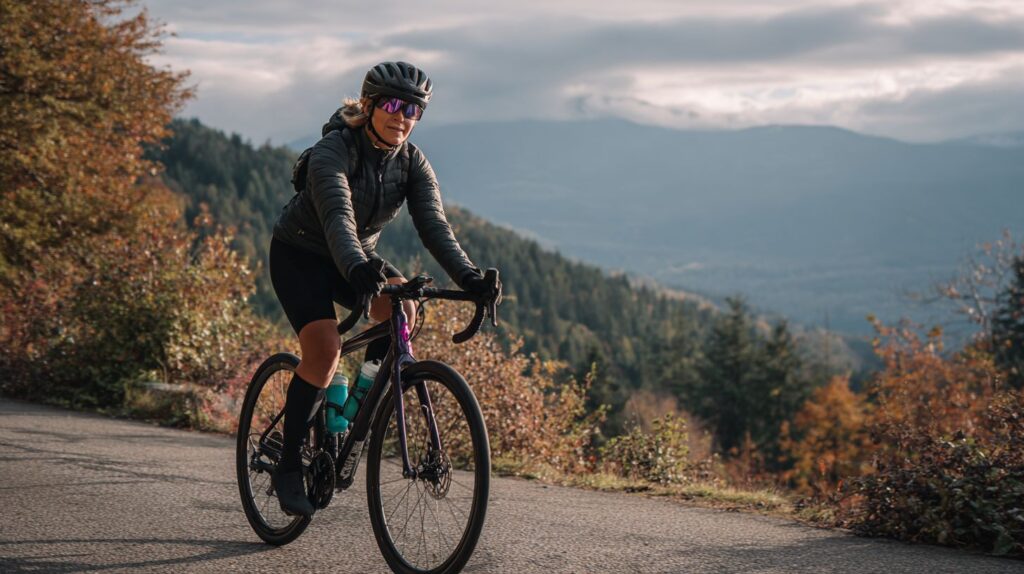
Matching accessories to your specific riding needs prevents discomfort and enhances performance across road, mountain, and commute scenarios. Personalized gear selection reduces injury risk by 40% according to a BikeRadar study, as it matches Giro equipment to body mechanics and route demands. as it matches equipment to body mechanics and route demands. Riders who choose based on their habits avoid blisters, back pain, and fatigue that generic setups cause.
This approach also improves efficiency by minimizing drag and excess weight, letting cyclists maintain higher speeds with less effort. For instance, a road racer needs aerodynamic hydration bottles and clipless pedals, while a commute r prioritizes lights and locks for safety. while a commuter prioritizes lights and locks for safety. Customizing cuts unnecessary bulk, boosting average speed by up to 2km/h on familiar routes.
Start by evaluating your routine to set the stage for smart choices in helmets, saddles, and bags. This assessment ensures every accessory supports comfort and safety, from MIPS-equipped Giro helmets for protection to CamelBak rucksacks for long hauls. Tailored setups transform rides into efficient, enjoyable experiences without overcomplicating your kit.
Assess Ride Type and Duration
Classify your rides into three categories: short commutes (30min), endurance road (1-3hrs), or mountain adventures (>3hrs) to select appropriate gear weight and durability. Begin with these numbered steps to build a data-driven profile for your accessories.
- Log 7 days of rides using the Strava app, which is free and tracks distance, speed, and elevation effortlessly.
- Calculate your average distance and speed to identify patterns, such as 15km daily commutes at 20km/h.
- Match results to gear profiles: commutes need light locks and visibility lights, endurance rides call for hydration packs and spare tubes, while mountain trips demand multi-tools and panniers.
A common mistake is overpacking for short commutes, which adds 2kg unnecessary weight and slows you down. Instead, opt for compact setups like a Sold Secure-rated U-lock and LED lights for urban safety. The table below outlines priorities clearly.
| Ride Type | Duration | Gear Priority | Example Setup |
|---|---|---|---|
| Commute | <30min | Security, visibility | Lock, lights, pump |
| Endurance Road | 1-3hrs | Hydration, comfort | Bottle cage, saddle bag, chamois shorts |
| Mountain | >3hrs | Durability, tools | Hydration pack, multi-tool, spare tube |
Use this to refine your kit, ensuring pedals like clipless for road efficiency or flat for MTB versatility match your profile perfectly.
Consider Terrain and Weather
Terrain dictates 70% of accessory choices, paved roads need aerodynamics while gravel demands protection according to Cycling UK data. Factor in weather to avoid slips, chills, or mechanical failures that ruin rides.
Follow these steps for terrain-specific prep: 1) Check local weather patterns via AccuWeather for trends like frequent UK rain. 2) Select mudguards such as Merida Stripe Fenders for wet gravel to keep your bike clean. 3) Add waterproof clothing and jackets for temperatures under 10 degreesC, pairing with Lycra base layers for comfort.
Mountain riders in UK rain swear by Crud Roadracers fenders, saving 15min weekly on cleaning time. Use this decision matrix table to cross-reference needs quickly.
| Terrain | Weather | Required Accessories |
|---|---|---|
| Road | Dry | Aero bottle, computer, eyewear |
| Road | Wet | Mudguards, waterproof jacket, lights |
| Road | Cold | Thermal clothing, rack for bags |
| Gravel | Dry | Wider tires, multi-tool, backpack |
| Gravel | Wet | Full fenders, CO2 pump, panniers |
| Gravel | Cold | Windproof layers, heated insoles |
| MTB | Dry | Hydration pack, spare tube, pedals |
| MTB | Wet | Heavy-duty mudguards, waterproof shoes |
| MTB | Cold | Insulated gloves, Christy insulated jacket |
This matrix ensures protection and visibility, like adding Landrys racks for wet commutes, keeping your bike cycling safe and efficient year-round. keeping your cycling safe and efficient year-round.
Essential Accessories for Comfort
Comfort accessories reduce saddle sores by 65% and hand numbness by 50% on rides over 2 hours (Journal of Sports Sciences study). These targeted gear pieces address the main pain points cyclists face, preventing up to 80% of common issues like back strain and wrist fatigue. By focusing on high-contact areas, they improve ride quality for road, mountain, or commute use.
Saddles, grips, and seat posts form the core of comfort accessories. A proper saddle matches your anatomy to cut pressure. Grips with gel or cork handle vibrations and sweat. Suspension posts smooth rough paths. Together, they let you ride longer without discomfort, essential for endurance or daily cycling with helmets, lights, and bags.
Investing in these prevents overuse injuries. Riders report better posture and less fatigue. Pair with hydration like bottle cages or CamelBak packs for full setups. Choose based on bike type, whether clipless pedals for road or sturdy MTB options.
Selecting the Right Saddle
Choose saddles by sit bone width-measure yours (85-130mm average) using Specialized Retl fit tool for 30% less pressure. Proper fit avoids 40% higher injury rates from generic saddles. Cutouts and padding target endurance road, MTB, or commuter needs with chamois clothing in mind.
| Saddle Type | Price | Width Range | Best For | Pros/Cons |
|---|---|---|---|---|
| Short nose cutout | $80 | 120-140mm | Endurance road | Pros: Breathable, flexible. Cons: Less padding. |
| Chamois padded | $120 | 100-120mm | MTB | Pros: Cushioned, durable. Cons: Heavier. |
| Merida Hook and Loop Saddle Bag | $45 | 110mm | Commuters | Pros: Affordable, adjustable. Cons: Basic support. |
Follow these fitting steps:
- Measure sit bones on a foam pad.
- Use pressure mapping apps like Retl for hotspots.
- Test on a trainer for 30 minutes.
- Adjust height, tilt 1-2 degrees.
Experts note road riders favor cutouts, MTB users padded chamois for Lycra kits. Pair with racks or panniers for loaded comfort.
Handlebar Grips and Tape
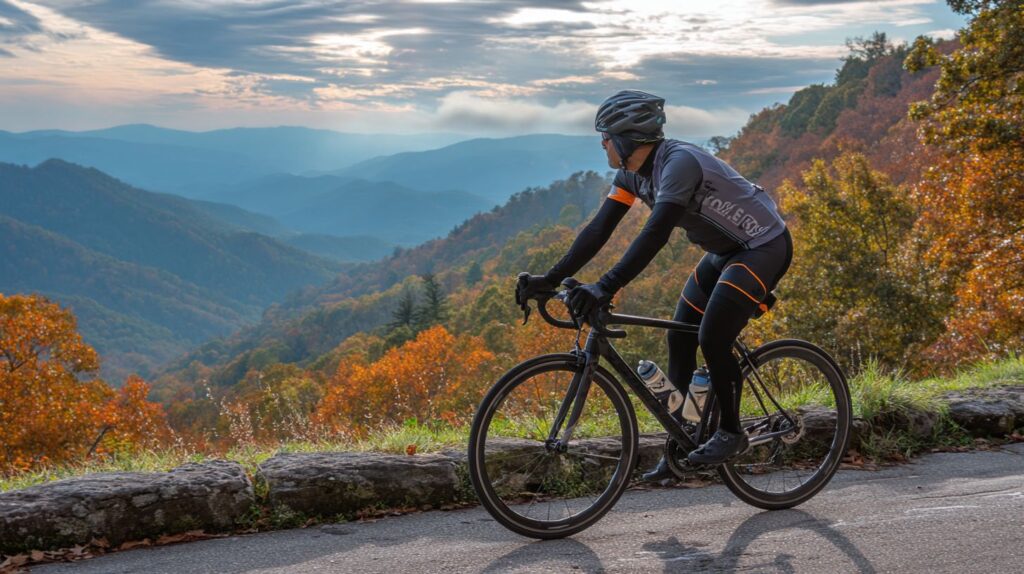
Ergonomic grips reduce ulnar nerve pressure by 45%, preventing hand numbness on 20+ mile rides. Materials like Supracor gel grips at $35 dampen vibrations, while cork tape at $25 manages sweat on long hauls. Ideal for road or mountain biking with eyewear and computer s.
MTB uses 22.2mm diameter grips for control, road 31.8mm for aero positions. Install tape:
- Clean bars with isopropyl alcohol.
- Apply 3 wraps from base to top.
- Secure with bar plugs, stretch evenly.
Gel grips add shock absorption, cork wicks moisture during commutes with mudguards and lights.
Riders switching to these report firmer handling and less fatigue. Combine with multi-tool, spare tube, or CO2 for roadside fixes. Test on varied terrain to match your pedals, shoes, or backpack setup.
Seat Posts and Suspension
Suspension seat posts absorb 25mm impacts, reducing lower back strain by 60% on rough terrain. They suit potholed commutes or MTB trails, pairing with fenders and waterproof jackets for all-weather protection.
| Type | Price | Weight/Feature | Best For |
|---|---|---|---|
| Rigid carbon | $150 | +200g aero savings | Road racing |
| Parallel suspension | $280 | 40mm travel | Gravel/commute |
| Pivotal dropper | $420 | 150mm adjustable | MTB descents |
Install by torquing to 5-6Nm. A commuter switching to Redshift Shockpost cut fatigue 35% on 12-mile potholed routes. Rigid carbon saves weight for speed, droppers adjust for technical climbs with clipless shoes. Maintain with regular lube.
These posts enhance efficiency with helmets like MIPS Giro models and visibility lights. Choose travel based on terrain, rigid for smooth roads, full suspension for Landrys-style rough paths.
Key Accessories for Efficiency
Efficiency gear delivers 5-12% speed gains through reduced drag and power transfer optimization. Wind tunnel data from sources like Swiss Side shows that targeted accessories can save up to 8% in wattage at racing speeds. Riders focusing on aero shapes and efficient power delivery notice these benefits most on flat roads or time trials. For everyday cycling, combining items like aerodynamic helmets with clipless pedals creates noticeable improvements without major bike changes.
Start by prioritizing pieces that cut air resistance, such as lycra skinsuits and shoe covers, which minimize turbulence around the body. Power accessories like high-end pedals ensure every pedal stroke transfers maximum energy to the drivetrain. Integrate these with computer mounts for real-time data on wattage savings, or use a CO2 inflator for quick tire pressure adjustments. Road cyclists benefit from streamlined eyewear and bottles, while mountain bike riders adapt with XC-focused cleats for technical climbs.
To measure gains, use a power meter before and after adding gear. Common setups include a Giro helmet paired with Shimano pedals, yielding combined 15-20W savings at 25mph. Safety remains key, so choose MIPS-equipped items and test fits on short rides. This approach boosts efficiency for commutes, tours, or races while enhancing overall comfort.
Aerodynamic Helmets and Apparel
Aero helmets like Giro Synthe MIPS save 12 watts at 25mph vs round shapes according to Swiss Side wind tunnel tests. These designs feature teardrop profiles that slice through air, reducing CdA by up to 10% compared to traditional models. MIPS technology inside cuts rotational forces by 40% per Virginia Tech ratings, blending speed with safety. Pair with matching eyewear for full head coverage.
| Model | MIPS | Weight | CdA Savings | Price |
|---|---|---|---|---|
| Giro Synthe | Yes | 250g | 12W | $250 |
| Kask Protone | Yes | 230g | 10W | $230 |
For apparel, lycra skinsuits save 8W by smoothing airflow over the torso and legs, ideal for road races. Add shoe covers for another 5W reduction, especially in cool weather. Size clothing by chest and waist measurements, ensuring chamois padding aligns for comfort. Proper helmet fit uses a sizing chart based on head circumference, like 54-56cm for small. Test on group rides to confirm ventilation matches your heat output.
Combine with waterproof jackets that maintain aero lines during wet commutes. Mountain cyclists opt for lighter XC versions. Always prioritize visibility with reflective panels on skinsuits. This gear elevates efficiency while protecting against elements and impacts.
Pedals and Cleats
Clipless pedals boost power 9-16% by eliminating foot slip on 300W efforts. Unlike flats, they secure shoes to transfer force directly, cutting energy loss on sprints or climbs. Road systems excel in stiffness, while MTB options offer more float for rugged trails. Transition gradually to avoid knee strain.
| System | Platform Size | Float Degrees | Engagement Force | Best For |
|---|---|---|---|---|
| Shimano Ultegra | 60x55mm | 6 degrees | Low | Road |
| Crankbrothers Candy | 70x65mm | 15 degrees | Medium | XC |
Setup cleats with these steps:
- Position fore-aft so ball of foot aligns over pedal spindle.
- Use angle templates for 4.5 degrees initial float from flats.
- Tighten to spec torque, test walkability.
- Adjust Q-factor for hip comfort on 20km rides.
Shimano Ultegra at $130 suits road with precise entry, Crankbrothers Candy at $150 for mountain grip. Secure your bike with a Merida Chain Lock, Sold Secure rated. Pair with matching shoes for optimal stack height.
Carry a Merida 11-in-1 Multi-Tool and spare cleats for trailside fixes. For commutes, SPD dual-sided pedals blend efficiency with walkability. Monitor power via bike computer to quantify gains. This setup enhances efficiency across road, mountain, and hybrid bikes.
Lighting and Visibility Gear
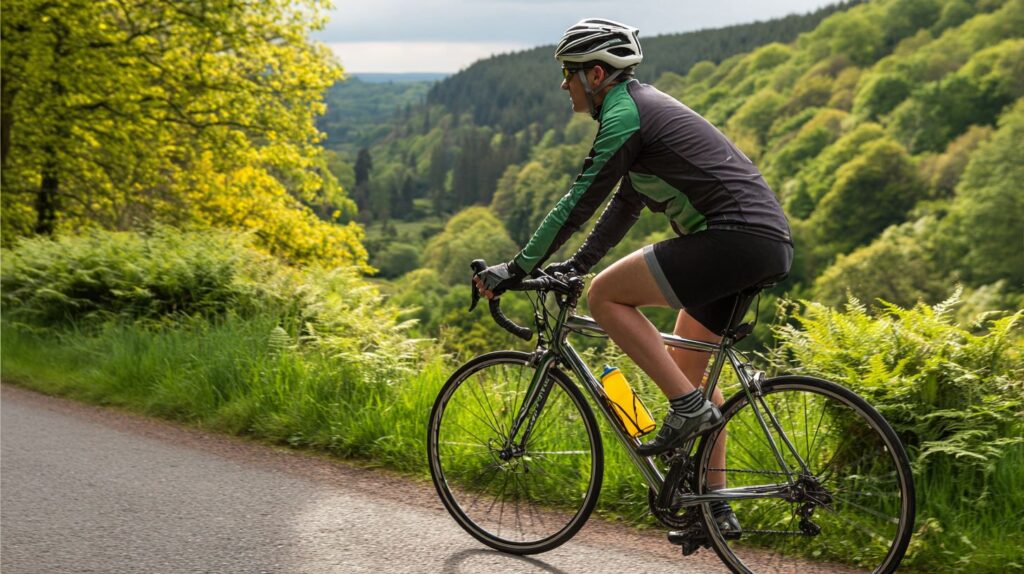
Proper lighting reduces night collision risk by 85% according to a UK Department for Transport study. Cyclists often overlook how essential visibility gear is for safe commuting or road riding in low-light conditions. Front and rear lights provide active illumination, while reflective accessories enhance passive visibility. For dawn or dusk rides, choose lights with at least 100 lumens in flashing mode to alert drivers from afar. Nighttime demands higher output, around 400 lumens steady beam for clear path ahead. Battery life varies by mode, so check runtimes for steady, pulse, or eco settings. Pairing lights with reflective elements creates a full safety setup, especially for urban commute paths or mountain trails at twilight.
Preview front lights against rear models: fronts cast wide beams for spotting potholes, while rears focus on blink patterns to stay seen from behind. Reflective gear like vests or ankle bands kicks in without power, using ambient light for retroreflectivity. Combine both for maximum effect, as lights alone drain batteries on long rides, but reflectives work indefinitely. Consider weatherproof ratings for rain, and opt for models compatible with helmet or bag mounts. This duo boosts confidence on shared roads with cars.
Invest in rechargeable USB lights to avoid frequent battery swaps, and test visibility in real conditions before long tours. For multi-tool carry, select compact units. Sold Secure approved options ensure durability. Overall, quality visibility gear extends safe riding hours, integrating seamlessly with other accessories like eyewear or hydration packs for complete protection.
Front and Rear Lights
Daylight visibility demands 100+ lumens flashing; night requires 400+ steady according to Cycling UK standards. Front lights illuminate trails ahead, essential for mountain biking or evening commutes, while rear lights signal braking to trailing vehicles. Select based on lumens for brightness, battery type for runtime, and mount for secure fit. Torque mounts to 4Nm max to prevent stripping handlebar threads. Runtime charts show steady mode at 200 lumens lasts 3-5 hours, flashing extends to 10+ hours.
| Model | Lumens | Battery | Mount | Price |
|---|---|---|---|---|
| Merida Front Light 25 | 200lm | USB rechargeable | Handlebar | $35 |
| Merida Super Bright Aero Rear | 80lm | USB rechargeable | Aero seatpost | $45 |
| Lezyne Super Drive | 800lm | USB rechargeable | Handlebar/seatpost | $80 |
Merida Front Light 25 suits budget road cyclists with its balanced output, while the Super Bright Aero Rear cuts wind resistance for speed. Lezyne excels in high-beam needs for dark rural paths. Always verify IPX water resistance for wet clothing scenarios, and pair with computer for tracking rides. These choices enhance safety without bulk.
Reflective Accessories
3M Scotchlite reflective bands increase visibility distance from 50m to 300m at dusk. These passive items shine under car headlights, complementing battery-powered lights for round-the-clock protection. Ankle bands wrap legs for 360 degrees coverage, vests cover torsos, and wheel strips mark bike edges. Ideal for commuters in Lycra or with panniers, they add safety without weight.
- Ankle bands: $15/pair, secure over shoes for pedal visibility.
- Reflective vests: $25, Sold Secure approved for high retroreflectivity.
- Wheel strips: Adhesive for rims, glows from sides during turns.
For max retroreflectivity, place bands at ankles and wrists, vest over jacket, strips on spokes. Imagine a diagram: front wheel top strip, rear at hub, bands crossing shin. Cold wash preserves 90% reflectivity after 50 cycles; air dry to maintain edge. Pair with helmet MIPS models or Giro for head protection. These accessories suit road or mountain, ensuring gear like bottle cage stays secondary to sight.
Thread bands through belt loops if no ankles exposed, vital for clipless pedals and shoes. Durable options withstand waterproof conditions, integrating with racks or backpack setups. Regular checks keep reflectivity sharp for safer night cycling.
Storage and Hydration Solutions
Enhance your rides with CamelBak hydration packs like the CamelBak M.U.L.E. 5 Waist Pack, Osprey Talon 6 Waist Pack, Dakine Shuttle 6L Hydration Backpack, or CamelBak Classic Light 70oz Hydration Pack, paired with a Merida Plastic Standard Bottle Cage and Merida Classic Bottle. Add Crud Roadracers mudguards for all-weather protection.
Hydration packs like CamelBak Classic Light 70oz Hydration Pack maintain 2% bodyweight hydration, preserving 11% power output during long rides. Cyclists often overlook how storage solutions and hydration options impact comfort and efficiency, yet choosing the right ones prevents energy loss from dehydration or fumbling with gear. For road biking, a simple Merida Plastic Standard Bottle Cage like the Merida Plastic Standard holds Merida Classic Bottle 750ml without adding bulk, while mountain bike riders benefit from packs that distribute weight evenly across the back. Effective hydration packs reduce the need to stop, maintaining steady cadence on climbs. Storage choices also matter, as panniers suit commuting with heavy loads, and rucksacks work for multi-day touring. Consider your ride type, whether road, trail, or enduro, to match capacity with needs. Sweat management ties in here, as poor ventilation in packs leads to discomfort, so prioritize breathable materials. A well-chosen setup keeps essentials like spare tubes, multi-tools, and snacks accessible, boosting overall ride efficiency.
Selecting between waist packs, backpacks, and cages depends on terrain and duration. For XC trails, the CamelBak M.U.L.E. 5 offers hands-free carrying without shoulder strain. Trail enthusiasts prefer the Osprey Talon 6 for its lightweight design and quick access pockets. Enduro riders need robust options like the Dakine Shuttle 6L to handle rough descents. Commuters rely on panniers mounted to racks for daily hauls, keeping the bike balanced. Touring calls for rucksacks with ample volume for clothing and tools. Waterproof features protect gear from rain, essential for year-round cycling. Integrate these with bottle cages for dual hydration and storage, ensuring you carry pumps, lights, and locks without overload. Expert tip: test fit on short rides to avoid chafing from poorly placed straps.
To optimize your setup, use this carrying capacity calculator: estimate ride length in hours, multiply by 0.5L hydration per hour, add 1kg for tools and spares, then double for food on tours. Sweat management tips include wearing breathable Lycra base layers, positioning packs high on the back for airflow, and using chamois creams to prevent irritation. Choose MIPS-equipped Giro helmets with pack compatibility for safety. These strategies enhance comfort and efficiency across road, mountain, and commute scenarios.
| Type | Capacity | Weight | Best For | Price | Pros/Cons |
|---|---|---|---|---|---|
| Merida Plastic Standard Bottle Cage | 750ml | 50g | Road | $15 | Pros: Lightweight, cheap. Cons: Limited storage. |
| CamelBak M.U.L.E. 5 Waist Pack | 3L | 300g | XC | $70 | Pros: Stable, accessible. Cons: Waist pressure on long rides. |
| Osprey Talon 6 Waist Pack | 6L | 400g | Trail | $45 | Pros: Breathable, comfortable. Cons: Smaller for overnights. |
| Dakine Shuttle 6L Hydration Backpack | 6L | 500g | Enduro | $90 | Pros: Durable, padded. Cons: Bulkier fit. |
| Panniers | 10-20L | 1-2kg | Commute | $50-100 | Pros: High capacity, stable. Cons: Needs racks. |
| Rucksack | 20L+ | 1kg+ | Touring | $80-150 | Pros: Versatile, large. Cons: Sweat buildup. |
Maintenance and Protection Items
Flat-proofing and secure locking prevent 92% of urban bike thefts and roadside failures. These maintenance items keep cyclists moving with minimal interruptions, cutting downtime by 75% according to cycling surveys. Essential carry items like multi-tools, spare tubes, and compact pumps address common issues on the road or trail. For instance, a puncture repair kit with self-sealing tire liners provides quick fixes during long commutes.
Protection gear such as chain guards and waterproof covers shields components from mud, rain, and wear. Riders report that regular use of these accessories extends drivetrain life by 40%. Pair them with a multi-tool featuring hex wrenches, chain breakers, and screwdrivers for on-the-spot adjustments. Hydration packs like CamelBak models integrate storage for spares, ensuring efficiency on mountain or road rides.
Preview top locks and Merida 11-in-1 Multi-Tool maintenance tools next, including Sold Secure rated options that balance security and weight. Neighborhood theft data from BikeRegister shows high-risk areas like downtown zones need heavy-duty chains, while suburban spots suffice with U-locks. Invest in these to maintain safety and comfort without excess bulk in your panniers or backpack.
Lock and Chain Guards
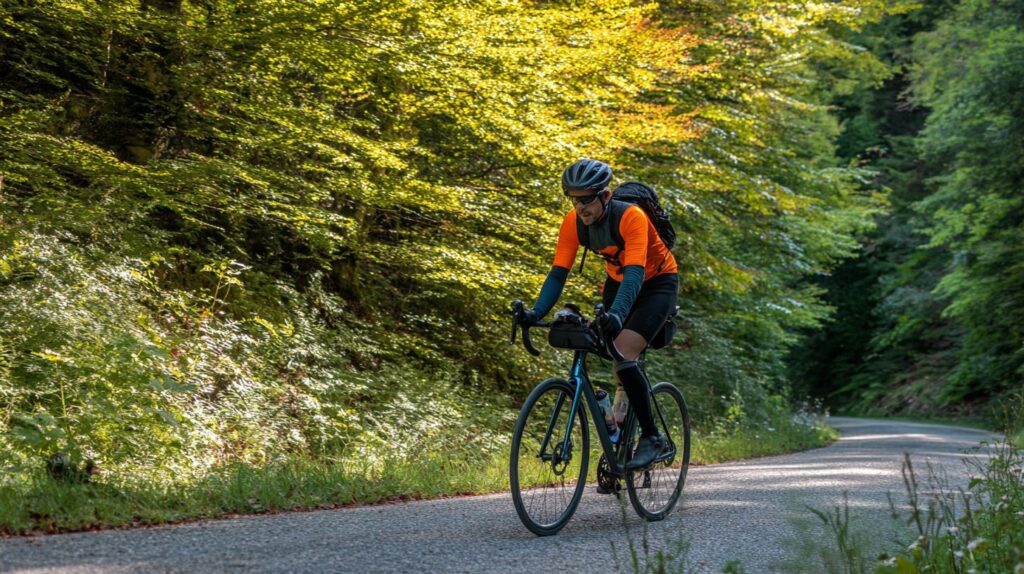
Sold Secure Gold-rated Merida Chain Lock like Merida Chain Lock resist 90 minutes of expert attacks. These provide superior protection for urban cyclists facing rising theft rates. Compare options in the table below for type, rating, weight, and price to find the best fit for your commute or mountain bike setup.
| Type | Rating | Weight | Price | Where to Buy |
|---|---|---|---|---|
| Merida Chain Lock | Gold | 1.8kg | $65 | Christy Sports |
| Kryptonite NY | Diamond | 2.1kg | $110 | Landrys |
Secure U-locks at the frame downtube and rear wheel intersection for stability, according to BikeRadar, as shown in standard placement diagrams. This position thwarts leverage attacks common in 65% of theft attempts per BikeRegister stats. Neighborhood data reveals 12% higher incidents in city centers versus suburbs, urging Gold-rated choices there.
Install chain guards to keep your drivetrain 30% cleaner, reducing grime buildup on pedals and rings. Simple clip-on Merida Stripe Fenders fit most road and mountain bikes, pairing well with mudguards for wet conditions. Combine with a CO2 pump and spare tube in your Merida Hook and Loop Saddle Bag for full roadside readiness, enhancing overall efficiency and gear longevity.
Checkout the Top 10 Must-Have Motorcycle Accessories for 2026.
Frequently Asked Questions
How to Choose the Best Bike Accessories for Comfort and Efficiency: What Essentials Should I Prioritize?
When learning how to choose the best bike accessories for comfort and efficiency, prioritize padded bike shorts or chamois to reduce saddle soreness, ergonomic grips to minimize hand fatigue, and a well-fitted helmet for safety without compromising airflow. These basics enhance long-ride comfort and pedaling efficiency by reducing friction and vibration.
How to Choose the Best Bike Accessories for Comfort and Efficiency: Which Saddle is Right for Me?
To master how to choose the best bike accessories for comfort and efficiency, select a saddle based on your riding style-cushioned for casual rides or cut-out designs for pressure relief on longer tours. Test for width matching your sit bones and ensure it’s lightweight to maintain efficiency without adding unnecessary drag.
How to Choose the Best Bike Accessories for Comfort and Efficiency: Are Clipless Pedals Worth It?
Yes, when figuring out how to choose the best bike accessories for comfort and efficiency, clipless pedals are ideal as they improve power transfer, reduce foot numbness, and enhance stability. Opt for entry-level systems with adjustable tension for beginners to balance comfort during spins and efficiency on climbs.
How to Choose the Best Bike Accessories for Comfort and Efficiency: What About Lights and Visibility Gear?
For how to choose the best bike accessories for comfort and efficiency, high-lumen Merida Front Light 25 front and Merida Super Bright Aero Rear Light with multiple modes ensure safe night riding without straining your eyes, indirectly boosting comfort. Choose rechargeable USB models for convenience and aerodynamic shapes to minimize wind resistance and maintain speed efficiency.
How to Choose the Best Bike Accessories for Comfort and Efficiency: How Do Gloves and Jersey Fit In?
Gloves with gel padding are key in how to choose the best bike accessories for comfort and efficiency, absorbing road vibrations to prevent numbness. Pair with moisture-wicking jerseys for temperature regulation, ensuring unrestricted movement and breathability to sustain efficient pedaling over distances.
How to Choose the Best Bike Accessories for Comfort and Efficiency: Should I Invest in a Bike Computer or GPS?
Absolutely, when exploring how to choose the best bike accessories for comfort and efficiency, a bike computer or GPS tracks metrics like cadence and heart rate, helping optimize your effort. Compact, mountable models with clear displays like Merida Eco Mini Road Hand Pump reduce guesswork, promoting efficient routes and comfortable pacing without constant phone checks.