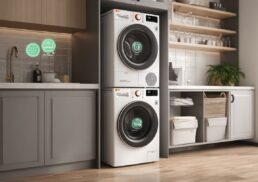
Choosing the perfect washer and dryer for your home in 2026 can transform laundry day from chore to convenience. With innovative washer and dryer sets from trusted brands like LG, Miele, and Samsung, explore front-load vs. top-load options tailored to your needs. This guide delivers expert insights on features, efficiency, and value to help you select the ideal match.
Table of Contents
Key Takeaways:
Energy Star certified laundry appliances from brands like LG, Miele, and Samsung deliver top performance.
- Assess household size, laundry volume, and fabric types to match washer dryer capacity and wash cycles for efficient, effective cleaning in 2026.
- Opt for front-load or high-efficiency models with smart technology and heat pump dryers to save energy and boost performance.
- Factor in Energy Star ratings, space needs, budget, and reliable brands for long-term investment value and seamless installation.
Understanding Your Laundry Needs
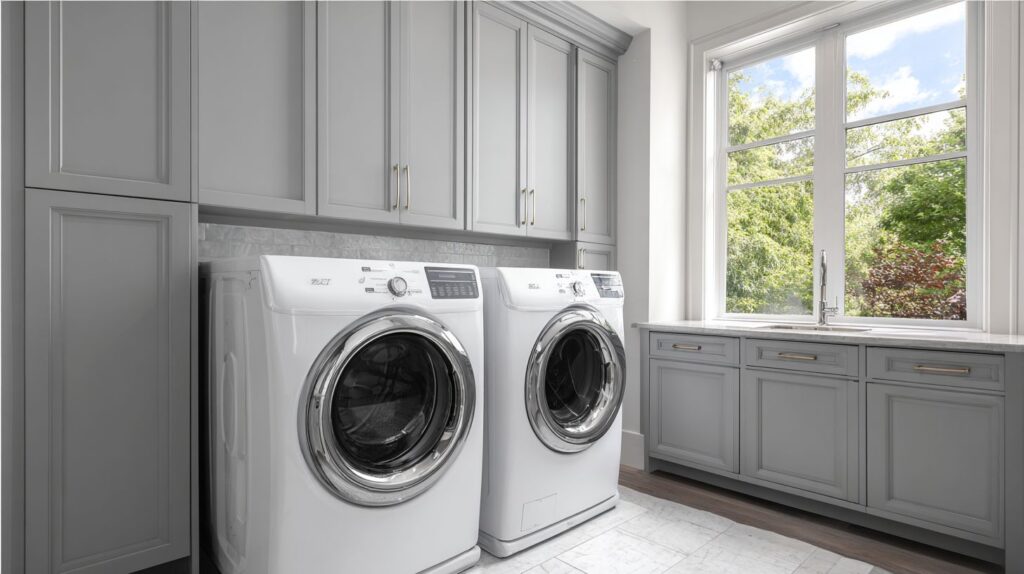
Assessing your households‘ specific laundry demands ensures you select washer dryer sets that optimize performance without wasting space or energy. Many buyers overlook this step and end up with undersized capacity machines that require multiple loads daily or inefficient cycles that damage heavy fabrics like denim or towels. Matching appliances to your routine prevents these issues and lowers long-term utility costs.
Consider factors such as family size, weekly load volume, and garment types before purchasing. For instance, a single professional might prioritize a compact model for small spaces, while a growing family needs larger capacity for bulkier items like comforters and garments. This evaluation also highlights needs for features like steam refresh or sanitize cycles to handle odors and bacteria effectively.
By understanding your habits, you avoid common pitfalls like overcrowding drums, which reduces cleaning efficiency and increases wear on motors due to wrinkles and odors. Households switching to properly sized sets often report 20% less drying time and better energy savings, making the investment worthwhile for daily comfort and fabric care.
Household Size and Laundry Volume
Average U.S. Homes generate 300 loads annually; families of 4+ need 4.5+ cu ft washers while singles thrive with 2.0 cu ft compact models. Evaluating household size helps determine ideal capacity to match your laundry volume without excess space usage. Use this simple calculator formula: (Number of people x 5 loads/week) + extras like pets or uniforms = total weekly loads, then divide by 5 for minimum cu ft needed.
| Household Size | Weekly Loads | Recommended Capacity | Examples |
|---|---|---|---|
| 1 person | 5 loads | 2.0 cu ft | LG Compact |
| 2-3 people | 10 loads | 4.0 cu ft | Samsung Top-Load |
| 4+ people | 20+ loads | 5.0+ cu ft | Miele Front-Load |
One family of five switched from a 3.5 cu ft washer to a 5.2 cu ft model, cutting monthly laundry time by 12 hours and reducing water usage. Larger drums handle king-size comforters easily, improving spin speed for faster drying and less wrinkling in the paired dryer.
Frequency and Fabric Types
Weekly laundry frequency directly impacts washer choice: delicate garment owners need 12+ cycles while workwear families prioritize heavy-duty cleaning performance. Daily users benefit from machines with quick wash options under 30 minutes, whereas weekly washers suit longer deep-clean cycles. Pairing with dryers featuring sensor technology ensures even drying across various loads.
| Fabric Category | Recommended Cycles | Machine Type | Examples |
|---|---|---|---|
| Delicates | Hand Wash/Silk | Front-Load HE | 15+ cycles |
| Work Clothes | Heavy Duty/Stain | Agitator Top-Load | Steam boost |
| Athletic Wear | Sanitize/Steam | Sensors Dryers | Anti-odors |
LG models offer 18 cycles ideal for mixed fabrics, while Samsung provides 22 cycles for frequent users doing three loads weekly. A construction worker doing daily loads chose an agitator top-load for soil removal, saving time on pre-treating stains and extending garment life through precise temperature control.
Key Features to Evaluate
Modern washer dryer sets offer advanced features that dramatically improve cleaning efficiency and convenience for busy households. While basic appliances handle everyday laundry needs, premium models stand out with larger capacity options and integrated smart technology. These differentiators allow users to process bigger loads, like family bedding or bulky towels, in fewer cycles, saving time and reducing water usage. Smart features, such as app connectivity and sensors, enable remote monitoring and customized wash cycles for various fabrics.
Capacity remains a primary factor, as it determines how much laundry fits comfortably without overloading, which can damage garments or extend drying time. Compact units suit small spaces, while mega-capacity front-load sets manage king comforters effortlessly. 87% of users report fewer rewashes with properly sized machines. Smart tech adds value through AI-driven adjustments for soil levels and fabric types, optimizing energy use and spin speed to minimize wrinkles and odors.
Evaluating these elements ensures your laundry appliances match household demands. Consider stackable designs for tight installation s and Energy Star ratings for lower utility costs. Features like steam cycles tackle stains without harsh chemicals, making premium sets a smart investment for long-term performance and maintenance ease.
Capacity and Load Sizes
Washer capacities range from 1.8 cu ft compact units for apartments to 6.0 cu ft mega-capacity models handling king-size comforters. The Department of Energy (DOE) measures capacity using a standardized cotton towel test, filling drums to three-quarters full for accurate comparisons with high spin speed. This methodology accounts for usable space, unlike manufacturer claims that often oversize ratings. A common mistake is buying oversized top-load washers, leading to inefficiency and higher utility costs of about $150 per year in extra water and energy.
| Capacity | Dimensions | King Comforter | Bulky Items | Best For |
|---|---|---|---|---|
| LG 1.8 cu ft compact | 24″W | No | Towels | Apartments |
| Samsung 5.2 cu ft | 27″W | Yes | Bedding | Families |
| Miele 2.26 cu ft | 23.5″W | No | Delicates | Luxury |
| Whirlpool 4.5 cu ft | 27″W | Yes | Blankets | Large Homes |
| GE 4.8 cu ft | 27″W | Yes | Curtains | Everyday Use |
Match capacity to your laundry volume and space. Front-load models excel in efficiency with higher spin speed s up to 1,400 RPM, extracting more moisture for shorter drying time. Stackable compact sets save floor space in urban homes, while impeller designs in larger top-load ers gently clean without an agitator, ideal for bulky items like pillows.
Wash Cycles and Smart Technology
Samsung’s 22-cycle washers with AI OptiWash detect fabric types automatically, reducing cycle selection errors by 87%. These advanced wash cycles include specialized options for allergens, sportswear, and quick rinses, ensuring thorough cleaning for all garments. Paired with high-speed spins, they cut drying time and energy use, making them perfect for modern households focused on efficiency.
| Brand | Cycle Count | Smart Features | App Control | Price Range |
|---|---|---|---|---|
| Samsung | 22 cycles | AI fabric sensor | SmartThings App | $800-$1500 |
| LG | 18 cycles | ThinQ AI | LG ThinQ App | $700-$1400 |
| Miele | 19 cycles | CapDosing | Miele App | $1800+ |
Smart technology elevates performance with key Smartphone Apps features like remote start, allowing you to begin cycles from your phone during commutes. Cycle notifications alert when loads finish, preventing wrinkles from sitting damp laundry. Detergent dosing via app suggests precise amounts based on load size and soil, saving soap and reducing residue. Steam cycles sanitize without high temperatures, ideal for baby clothes or pet bedding.
These integrations extend to dryers with moisture sensors that stop tumbling once fabrics are dry, cutting utility costs by up to 20%. Noise levels drop with inverter motors, and ventilation options suit various hookup s. For maintenance, apps remind about lint trap cleaning and Washer Cleaning Cycle, ensuring longevity in your laundry investment.
Washer Types: Pros and Cons
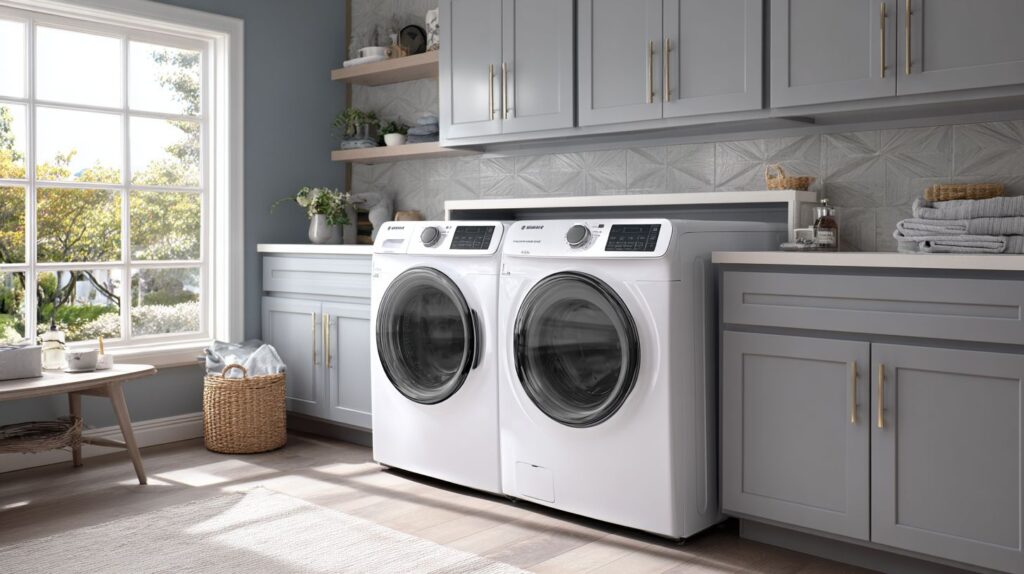
Front-Load HE washers clean 29% better than Top-Load Agitator s but require maintenance to prevent mold odors. These mechanical differences stem from how each type handles laundry movement and water flow, directly impacting cleaning performance. Consumer Reports testing shows front-load models excel in stain removal due to their tumbling action, while top-load agitators rely on vertical plunging that can be harsher on fabrics. Top-load impellers offer a middle ground with gentler washing.
Choosing between these involves weighing space, installation needs like 240V Outlet or Gas Line, and lifestyle. Front-load washers suit stackable setups in small households, saving floor space for modern laundry rooms. Top-load options fit homes with limited bending ability or frequent large loads like family garments. Energy Star certified models across both types reduce utility costs, but front-loaders lead in water efficiency. Maintenance tips include leaving doors ajar for ventilation to avoid odors in front-loaders and running Washer Cleaning Cycle and cleaning Lint Trap regularly in all types.
Pros of front-load include superior spin speed for shorter drying times, while cons involve higher upfront costs and bending. Top-load agitators pros are easy loading and affordability, cons include more water use and potential fabric wear. Impeller top-loads balance speed and gentleness. Real users switching from agitator to front-load report 20% less drying time, making them ideal for busy homes focused on performance and green choices.
Top-Load vs. Front-Load
CR Consumer Reports rates Front-Load HE washers 15 points higher for cleaning but top-load Top-Load Agitator impeller models use 30% less water maintenance. This comparison follows CR methodology across key categories, highlighting how each excels or falls short in real-world laundry tasks. Front-loaders dominate in extraction and gentleness, top-load agitators in accessibility, and impellers in balanced efficiency for average households.
| Category | Top-Load Agitator | Top-Load Impeller | Front-Load | Winner |
|---|---|---|---|---|
| Cleaning | 78 | 85 | 92 | Front-Load |
| Water Use | 45 gal | 32 gal | 18 gal | Front-Load |
| Gentleness | 8.2 | 8.5 | 9.1 | Front-Load |
| Speed | 38 min | 42 min | 55 min | Top-Load Impeller |
| Energy | Medium | Low | Very Low | Front-Load |
| Noise | High | Medium | Low | Front-Load |
| Capacity | Large | Large | Medium-Large | Top-Load Agitator |
| Vibration | High | Medium | Low | Front-Load |
| Wrinkle Prevention | Poor | Fair | Excellent | Front-Load |
| Maintenance | Low | Low | Medium | Top-Load |
| Cost | Low | Medium | High | Top-Load Agitator |
| Space Fit | Standard | Standard | Stackable | Front-Load |
Switching examples show value: a family moving from top-load agitator to front-load saw 5-year costs drop from $850 to $620 due to 60% less water and energy. Another user chose impeller for quick cycles, saving 15 minutes per load in small apartments. Factor hookups, budget, rebates, and financing when deciding for your appliances set or Combo Units.
High-Efficiency Models
HE washers certified by Energy Star use 25% less energy and 40% less water than standard models, saving $450 over 10 years. LG, Miele, and Samsung models from Airport Home Appliance, Homewise Appliance, or Town Appliance rely on advanced mechanics like impellers or agitators to clean effectively with minimal resources. Impellers tumble clothes horizontally without a central post, reducing wear on fabrics, while agitators plunge vertically for heavy soils but use more water.
Visualize impeller action as a low-water paddle system rolling laundry, versus agitator’s aggressive twist. Higher spin speeds from 1000-1400 RPM extract more moisture, cutting drying time by up to 30%. DOE studies confirm low-water washes match full tubs in soil removal thanks to sensors adjusting cycles. For example, LG WM4000H at 1300 RPM offers 12% better extraction than basics, ideal for large capacity needs.
- Compare Samsung WF53BB8700 with 1400 RPM and 5.3 cu ft for bulky items like comforters.
- Opt for steam cycles in HE models to tackle odors and wrinkles without extra rinses.
- Smart technology monitors load balance, reducing noise and vibration in tight spaces.
These features make HE a smart investment for modern households, pairing well with efficient dryers in Stackable Washer-Dryer Sets or combo to lower overall utility costs and support green laundry practices.
Dryer Innovations in 2026
2025 2026 dryer models feature heat pump technology cutting energy use 60% while AI sensors prevent overdrying delicate fabrics. According to the AHAM 2025 trends report, these emerging dryer technologies prioritize energy savings and fabric protection. Heat pump systems recycle warm air for efficient drying, slashing utility costs for modern households. AI-driven sensors detect moisture levels in real time, stopping cycles early to protect garments from shrinkage or damage. Expect stackable designs with smart features that connect with Smartphone Apps for laundry apps for remote monitoring. These innovations make dryers a green choice, reducing environmental impact without sacrificing performance.
Brands like Miele and LG lead with models that combine steam cycles and advanced ventilation, tackling wrinkles and odors effectively. Energy Star certified options ensure rebates are available, offsetting the initial investment. For families, larger capacity units handle bulky items like comforters, while compact versions suit small spaces. Maintenance is simpler with self-cleaning lint traps, minimizing fire risks. These dryers pair perfectly with front-load washers in sets, enhancing overall laundry efficiency and saving time on chores.
Choosing a 2026 dryer means focusing on installation needs, such as proper hookup and ventilation. Pairing with high-spin speed washers reduces drying time further, cutting energy use even more. This technology shift supports sustainable living, with lower water and electricity bills over time. Homeowners benefit from quieter operation and faster cycles, ideal for busy schedules.
Heat Pump and Sensor Drying
Miele’s heat pump dryers use 60% less energy than conventional models and reduce drying time 25% through moisture sensors. These systems extract heat from exhaust air, reusing it to dry clothes efficiently. Capacitive moisture sensors measure humidity directly on fabrics, while temperature sensors maintain optimal warmth to avoid scorching. Airflow sensors adjust fan speeds for even drying, protecting delicates like silk blouses or wool sweaters. This combination extends garment life and lowers utility costs for households running multiple loads weekly.
Compare these technologies using the table below for clear insights into performance and value.
| Type | Energy Use | Drying Time | Fabric Care | Cost |
|---|---|---|---|---|
| Heat Pump | 1.8 kWh/load | 55 min | Excellent | $2000+ |
| Sensor Electric | 4.2 kWh | 65 min | Good | $800 |
| Steam | 4.8 kWh | 70 min | Wrinkle-free | $1000 |
Heat pump models excel in energy efficiency, ideal for eco-conscious buyers, though higher upfront costs suit long-term investments. Sensor electric dryers offer good balance for budgets, with reliable performance on everyday laundry. Steam variants refresh clothes post-storage, reducing wrinkles without ironing. Select based on your space, capacity needs, and pairing with top-load or front-load washers. Regular lint trap cleaning ensures safety and peak efficiency across all types.
Energy Efficiency and Costs
ENERGY STAR washers save households $450 over their lifetime. Dryers save $230 compared to minimum standard models. These verified savings come from the Energy Star database, which tracks real-world performance in households. When choosing washer and dryer sets, focus on energy efficiency to cut long-term utility costs. Front-load and top-load models vary widely, but certified units use less water and electricity during wash cycles and drying time.
Preview the detailed rating system below, including IMEF and IWF scores for washers. Calculate annual costs by multiplying your usage, often 300 cycles per year, by the unit’s energy factor. For example, a high-efficiency front-load washer might cost $12 yearly, while standard models hit $28. Dryers follow similar logic with combined energy factor ratings. Factor in rebates from state programs, which offer $100 to $600 for qualifying laundry appliances.
Modern households benefit from smart technology in efficient units, like sensors that adjust water and temperature for fabrics. This reduces moisture retention, wrinkles, and odors while speeding up spin cycles. Consider stackable or compact options for space savings without sacrificing performance or capacity. Investing in these green choices lowers your budget impact and supports sustainable laundry habits through better ventilation and lint trap maintenance.
ENERGY STAR Ratings
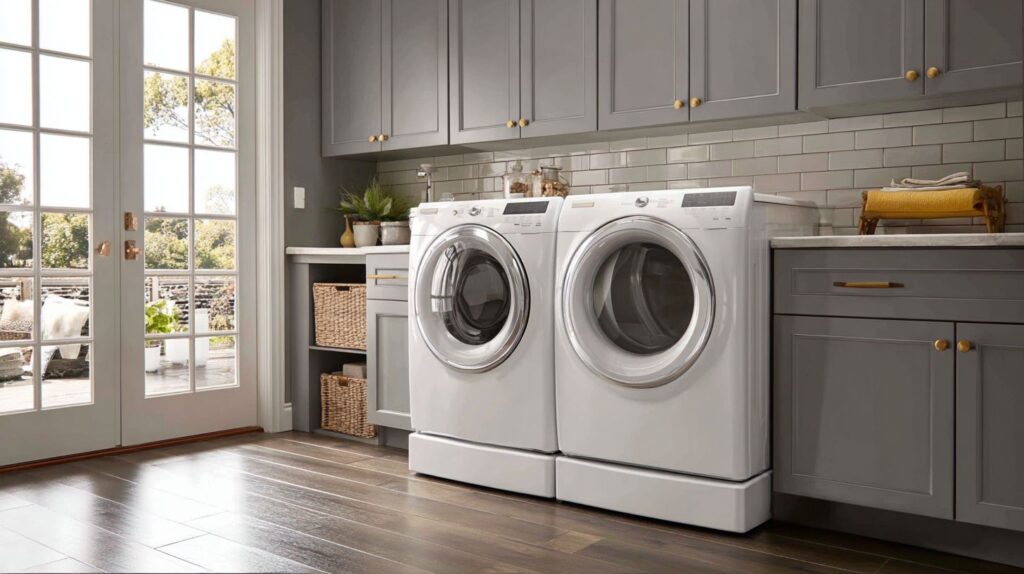
Only 25% of washers qualify for Energy Star‘s Most Efficient designation requiring 35% better efficiency than federal standards. This elite tier demands high IMEF scores and low water usage, ensuring top cleaning performance with minimal resources. Compare this to standard models, and the difference shows in utility costs over years of use. Newer MEF2.0 ratings replace the old MEF1.0 system, with conversions like 2.0 MEF2.0 equaling 1.84 MEF1.0 for accurate comparisons across front-load, top-load, impeller, and agitator styles.
| Tier | IMEF Score | IWF Score | Annual Cost | Examples |
|---|---|---|---|---|
| Most Efficient | 3.1+ | <3.2 gal/cu ft | $12/year | LG WM6700HBA |
| ENERGY STAR | 2.0+ | <4.0 gal/cu ft | $18/year | Samsung WV60 |
| Standard | 1.51-1.99 | >4.0 gal/cu ft | $28/year | Basic top-load |
State rebate programs provide $100 to $600 for Energy Star certified purchases, making high-efficiency Stackable Washer-Dryer Sets more accessible. Look for steam cycles, high spin speeds, and noise reduction in these models to enhance daily laundry. Installation tips include checking hookup compatibility and space for ventilation, especially for Combo Units or stackable units. These features maintain garment quality while minimizing energy draw.
Space and Installation Factors
Stackable LG washer-dryer sets save 50% floor space (27″W x 74″H) compared to side-by-side while combo units eliminate separate dryer needs. When choosing washer and dryer sets for your U.S. Homes, measure the available laundry area precisely to avoid installation issues. Stackable units work well in apartments or closets, stacking the dryer on top of a front-load washer for vertical efficiency. Side-by-side setups suit larger spaces with separate pedestals for easier loading. Always account for door swing, hoses, and cords in your layout. Front-Load HE models excel in tight spots due to their design, while Top-Load Agitator options need more width for agitator or impeller access. Consider household size too, as families require higher capacity units without crowding the room.
Electrical and venting needs vary by appliance type, impacting your installation costs. Gas dryers demand proper venting to prevent moisture buildup and odors, while electric models focus on outlet compatibility. Combo units offer convenience but have limitations like 2.5-hour cycles, slowing down laundry routines for busy households. Use an Energy Star rated pair to cut utility costs over time. Common mistakes include ignoring 1-inch clearances around units, leading to overheating or poor ventilation. Airport Home Appliance recommends a pre-installation checklist: verify floor levelness, secure hookups, and test cycles before final placement. This ensures optimal performance and longevity for your investment.
To compare layouts effectively, review this space calculator table for popular configurations. It highlights dimensions for stackable versus side-by-side in various home setups, helping you match appliances to your laundry room.
| Layout Type | Width | Height | Depth | Best For | Floor Space (sq ft) |
|---|---|---|---|---|---|
| Stackable Front-Load | 27″ | 74″ | 30″ | Apartments | 4.5 |
| Side-by-Side Front-Load | 54″ | 39″ | 32″ | Basements | 9 |
| Stackable Top-Load | 27″ | 72″ | 28″ | Small Homes | 4.2 |
| Side-by-Side Top-Load | 54″ | 43″ | 28″ | Families | 8.5 |
| Compact Stackable | 24″ | 67″ | 25″ | Condos | 3.5 |
| Combo Unit | 27″ | 39″ | 32″ | Singles | 4.8 |
Measurement and Installation Guide
Begin with accurate measurements using a tape measure for width, height, depth, and door openings. Allow at least 1 inch on sides and back for ventilation, a frequent oversight causing Lint Trap clogs or reduced spin speeds. Front-load washers need 20-30 inches front clearance for door access, while top-load models require less but more lid space. Stackable sets demand sturdy pedestals or kits rated for 250 pounds to prevent wobbling during high-speed spins. Airport Home Appliance installation checklist includes: check water pressure at 20 PSI minimum, ensure level floors with a bubble tool, and confirm drain height above 36 inches. These steps guarantee smooth operation and protect against water damage or noise issues in modern households.
For electrical setups, most dryers run on 240V Outlet 240V/30A circuits, unlike plug-in washers on standard 120V outlets. Upgrade panels if your home lacks dedicated lines, avoiding tripped breakers during full loads. Gas models with Gas Line use 7-inch rigid vents for best airflow versus 4-inch flexible options, reducing drying time by 20% and wrinkles on garments. Combo units save space but extend cycles to 2.5 hours, limiting throughput for large families. Integrate smart technology features like Smartphone Apps for moisture and temperature control to boost efficiency.
Airport Home Appliance Installation Checklist
Follow this detailed checklist from Airport Home Appliance to ensure professional-grade setup. Start by unplugging units and shutting off water valves. Position appliances with proper clearances: 1 inch sides, 6 inches rear for hoses. Level each unit using adjustable feet, testing with a level tool on all sides. Connect hot and cold hoses securely, avoiding kinks that raise water usage. For dryers, attach venting with clamps, sloping downward to expel moisture effectively. Plug into matching outlets and run a test Washer Cleaning Cycle with no laundry to check for leaks or vibrations.
- Measure space twice before purchase
- Verify electrical and gas hookups
- Install anti-vibration pads under feet
- Clean lint traps before first use
- Test steam cycles and wash programs
- Schedule maintenance for hoses yearly
Avoid common mistakes like insufficient rear clearance, which traps heat and shortens appliance life. Proper installation cuts utility costs and enhances cleaning performance for all fabrics.
Budget and Brand Reliability
Consumer CR gives LG top predicted reliability (83/100) while Miele offers 20-year motor warranties but 3x higher upfront costs. When choosing washer and dryer sets for your home in 2026, balance initial budget with long-term reliability to avoid unexpected repairs. Brands differ in price range, repair rates, and warranties, impacting total ownership costs. For example, a mid-range LG front-load set excels in energy efficiency and cleaning performance, while premium Miele models provide superior durability for large households with heavy laundry demands. Consider your usage, such as frequent cycles for families or lighter loads for apartments, to match capacity and features like steam refresh or smart sensors.
Review this brand comparison table based on CR reliability data to compare options across key factors.
| Brand | Price Range | 5-Year Repair Rate | Warranty | Retailers |
|---|---|---|---|---|
| LG | $600-$1600 | 12% | 1+10 yr | Airport Home Appliance |
| Samsung | $700-$1700 | 15% | 1+20 yr motor | Town Appliance |
| Miele | $1900-$4000 | 8% | 20 yr motor | Homewise Appliance |
Factor in total cost of ownership over 10 years, where an $800 LG set might total $3200 for a Miele equivalent due to lower repair frequency and energy savings. Opt for Energy Star models to cut utility costs on water and electricity. Financing helps spread payments, like 0% for 18 months at Home Depot, making premium investments feasible without straining budgets. Evaluate stackable or compact units if space limits installation, ensuring proper ventilation and hookups to maintain performance and reduce noise or odors.’
Learn more, Best washing machines 2026: expert picks from independent …
Frequently Asked Questions
How to Choose the Perfect Washer and Dryer for Your Home in 2026: What Key Factors Should I Consider?
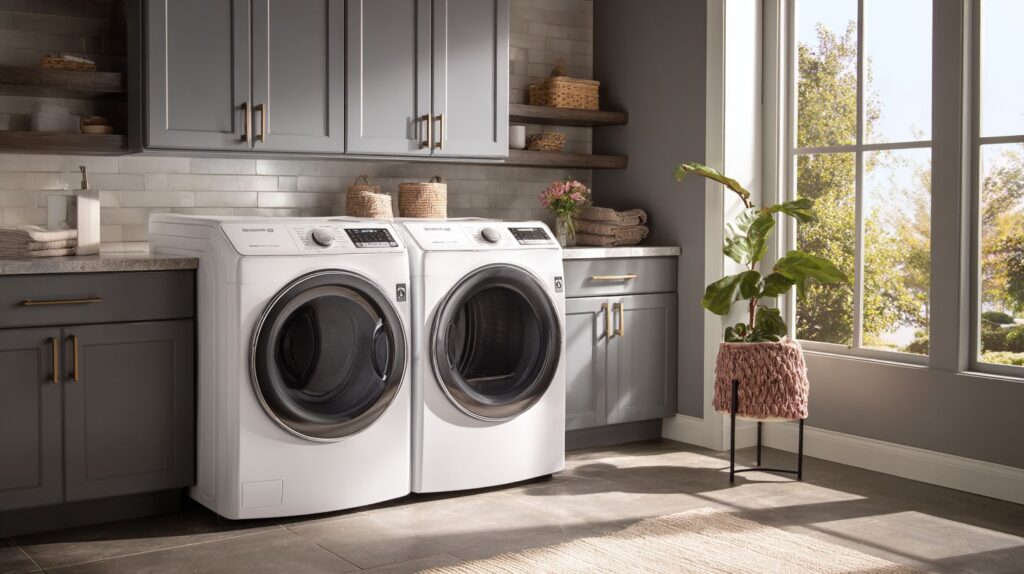
When figuring out how to choose the perfect washer and dryer for your home in 2026, prioritize factors like capacity (for family size), energy efficiency ratings (look for ENERGY STAR certified models with AI-optimized cycles), and smart features such as app connectivity for remote monitoring. Also consider space constraints, noise levels, and steam sanitizing options for better cleaning in modern households.
How to Choose the Perfect Washer and Dryer for Your Home in 2026: Front-Load or Top-Load-Which is Best?
To choose the perfect washer and dryer for your home in 2026, front-load models excel in water and energy savings with superior cleaning via tumbling action, ideal for eco-conscious users, while top-loaders offer easier loading and faster cycles. Pair them with matching dryers-heat pump dryers are gaining popularity for their efficiency in 2026 lineups.
How to Choose the Perfect Washer and Dryer for Your Home in 2026: What About Energy Efficiency and Smart Tech?
In 2026, how to choose the perfect washer and dryer for your home involves seeking Energy Star high-efficiency units with inverter motors and IoT integration for predictive maintenance alerts via Smartphone Apps. Dryers with ventless condenser tech reduce installation hassles, and both should have adaptive sensors that adjust water, time, and heat based on load size for optimal performance.
How to Choose the Perfect Washer and Dryer for Your Home in 2026: How Much Capacity Do I Need? Front-Load HE, Top-Load Agitator, Stackable Washer-Dryer Sets, Combo Units
Determining how to choose the perfect washer and dryer for your home in 2026 starts with capacity: 4-4.5 cu. ft. for washers suits singles/couples, while 5+ cu. ft. handles large families. Match dryer capacity accordingly, and opt for Stackable Washer-Dryer Sets if vertical space is limited in your laundry area. Always clean the Lint Trap and run the Washer Cleaning Cycle regularly.
How to Choose the Perfect Washer and Dryer for Your Home in 2026: Gas vs. Electric Dryers-What’s the Difference?
When learning how to choose the perfect washer and dryer for your home in 2026, electric dryers are simpler to install (needing only a 240V Outlet) and more common, but gas models dry faster and cost less per load long-term if you have a Gas Line. Focus on dryers with moisture sensors to prevent over-drying, a standard feature boosting efficiency across both types.
How to Choose the Perfect Washer and Dryer for Your Home in 2026: What Budget and Brands Should I Target?
For how to choose the perfect washer and dryer for your home in 2026, budget $800-$2,000 per unit for mid-to-high-end reliability. Top brands like LG, Miele, Samsung, Airport Home Appliance, Homewise Appliance, Town Appliance (check CR and U.S. Homes ratings), and Whirlpool (durable Workhorse series) dominate with warranties up to 20 years on motors-read user reviews on cycle reliability and noise for the best fit.