Thinking about dipping your toes into equestrian sports in 2026? It’s exciting to picture yourself riding a horse for the first time, feeling that connection and freedom. This guide shares practical tips to help new riders find stables, gear up safely, and build those core skills without the overwhelm.
Explore opportunities with organizations like Endurance GB, British Dressage, British Showjumping, British Eventing, and the British Horseracing Authority for specialized advanced training and events.
Table of Contents
Key Takeaways:
- Start with beginner-friendly equestrian disciplines like dressage or trail riding in 2026; assess your physical and mental fitness level and consult a doctor to ensure readiness for lessons.
- Choose accredited riding schools or centres with safe facilities, qualified instructors, and suitable beginner horses; prioritize hands-on equine care education.
- Invest in essential safety gear like helmets, boots, and gloves; master basics like mounting, balance, and communication through structured weekly lessons.
Understanding Equestrian Sports in 2026
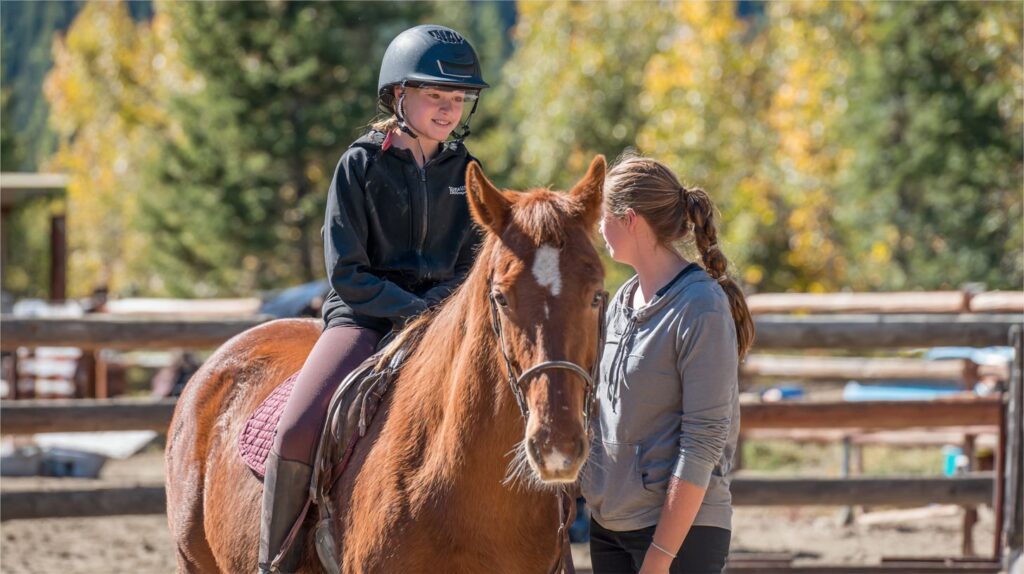
Equestrian sports encompass a diverse world of disciplines that build profound bonds between rider and horse while offering physical and mental challenges for all ages.
Dressage focuses on precise movements and harmony, showjumping tests agility over fences, and eventing combines dressage, cross-country, and jumping. Endurance riding emphasizes long-distance stamina, vaulting blends gymnastics with equine partnership, reining showcases western precision, and carriage driving involves team coordination. Para-equestrian events adapt these for riders with disabilities, ensuring inclusivity.
Governing bodies like the British Equestrian Federation, Fdration Equestre Internationale, British Horseriding Authority, and Riding for the Disabled Association set standards and promote safety. Olympic highlights, such as Charlotte Dujardin‘s dressage success in the 2016 Olympics, inspire riders, while events at Aintree and Cheltenham draw crowds to racing and jumping spectacles.
Beginners find accessibility through Pony Club programs, trail riding outings, and volunteering at centres. Families and children enjoy group lessons, disabled riders access adapted sessions, and everyone benefits from the emotional authenticity of the rider-horse bond. Local clubs provide practical entry points with introductory classes.
Popular Disciplines for Beginners
For newcomers, certain equestrian disciplines offer gentle introductions to riding while sparking joy and confidence.
Pony Club lessons suit young children and family groups, teaching basics in a supportive community. A young rider’s first pony trot, feeling the gentle rhythm underfoot, creates lasting memories and builds foundational skills.
Trail riding allows relaxed exploration of countryside paths, strengthening the rider-horse bond through shared adventures. It appeals to beginners seeking low-pressure fun without formal competition.
Introductory dressage develops balance and communication, while vaulting adds gymnastics-like excitement on horseback. Start by contacting local Pony Club branches or riding centres for group sessions and trial lessons tailored to beginners.
Assessing Your Fitness and Readiness
Before mounting a horse, evaluate your physical and mental readiness to ensure a safe and enjoyable start in riding. Simple tests help gauge your core strength, balance, and flexibility. These checks mimic the demands of equestrian sports.
Try a single-leg stand to test balance, holding for 30 to 60 seconds per leg. Perform a wall sit to assess leg endurance, timing yourself similarly. Note any wobbles or fatigue as signs to build strength first.
Mental preparation matters too. Use visualization techniques, picturing a smooth ride, or try short grounding exercises like deep breathing before lessons. This helps overcome fear and builds confidence for disciplines like dressage or showjumping.
Common pitfalls include neglecting leg strength, essential for posting trot in eventing. Build fitness with exercising like walking lunges, planks, or yoga to improve posture and stress relief. Regular practice creates a strong foundation for your rider journey.
Self-Assessment Tests
Start with basic physical tests at home to check readiness for equestrian activities. These reveal gaps in strength needed for gripping the saddle during trail rides or competitions.
Do a plank hold to test core stability, aiming for steady form. Follow with flexibility checks, like touching your toes while seated on the floor. Poor results signal a need for targeted exercises before lessons.
For balance, attempt a tree pose from yoga, standing on one leg with eyes closed. This simulates the uneven motion of a pony or horse. Track progress weekly to see improvements.
Building Fitness for Riding
Incorporate exercises that mirror riding demands, such as squats for thigh power in endurance riding. Walking lunges strengthen legs for better control in reining or vaulting.
Add planks and yoga flows for balance and flexibility, key for jumping fences in showjumping. Experts recommend these to enhance posture, reducing back strain during long sessions at a centre.
Aim for consistency with short daily routines. This prepares your body for the physical side of equestrian sports, from family outings to advanced competition.
Step-by-Step Readiness Checklist
- Perform single-leg stands and time your hold for balance assessment.
- Test core with wall sits or planks, noting endurance levels.
- Practice visualization daily to build mental resilience for riding fears.
- Incorporate lunges and yoga three times weekly for leg and flexibility gains.
- Check posture in a mirror while mimicking riding position.
- Consult a doctor if you have pre-existing conditions before starting lessons.
- Join a beginner club for guided fitness tips tailored to disabled riders or para-equestrian events.
Use this checklist weekly to track progress. It ensures you’re set for safe bonding with your equine partner in any discipline.
Finding the Right Riding School or Stable
Selecting a suitable riding school or stable sets the foundation for your equestrian journey with qualified instruction and supportive environments. Start by researching options through British Horse Society accredited centres, Pony Club branches, or Riding for the Disabled Association programs. These governing bodies ensure high standards in horse welfare and rider safety.
Visit multiple facilities to compare atmospheres and offerings. Ask about instructor qualifications, such as British Horse Society certifications, and group sizes, which should stay small for beginners. Tailor your search to needs, like family lessons or programs for children and disabled riders.
Options abound for various groups. Beginner riders benefit from centres focused on foundational skills in disciplines like dressage or showjumping. Families can explore Pony Club branches for group activities, while disabled riders find inclusive setups through Riding for the Disabled programs.
Book trial lessons at top choices to test the fit. Prepare questions for owners, such as how they match horses to riders, vaccination protocols, and progression paths to competitions or events. This hands-on approach builds confidence in your selection.
What to Look for in Facilities
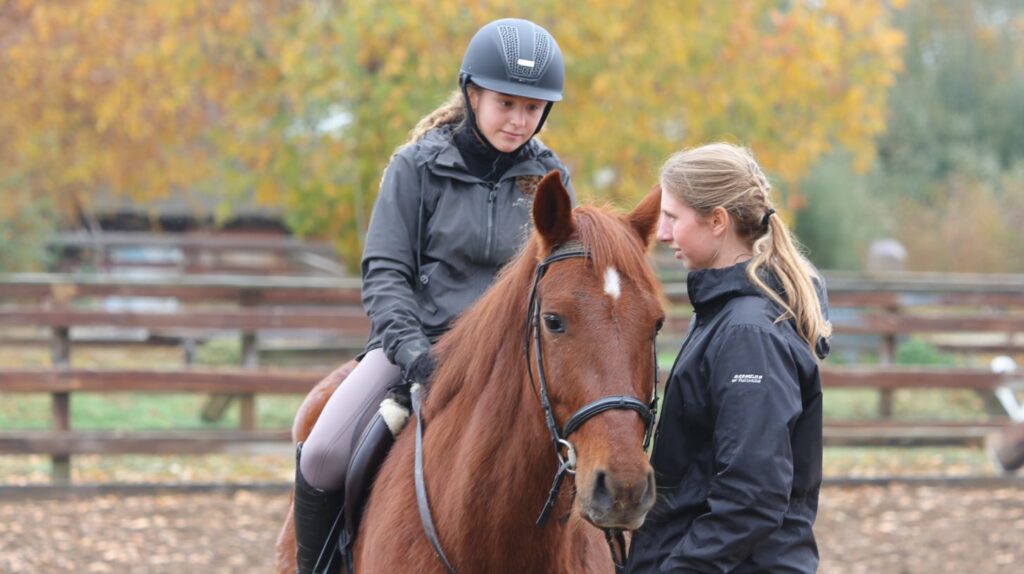
Quality facilities prioritize safety, horse welfare, and progressive learning for riders of all levels. Check for well-maintained arenas and secure fencing to prevent accidents during lessons. Clean stables with adequate turnout space show commitment to equine health.
Inspect schooled horses suited to beginners, with calm temperaments for building rider bonds. Look for certified instructors experienced in disciplines from eventing to vaulting. Verify emergency protocols, including first aid kits and vet contacts on site.
Examine tack rooms for organized, clean gear like properly fitted saddles and bridles. Watch for red flags such as overcrowded paddocks or unvaccinated horses, which signal poor management. Family-friendly setups often include viewing areas, while disabled-accessible ones feature ramps and adaptive equipment.
- Arenas with even footing and no hazards
- Stables ventilated and bedded properly
- Horses groomed and exercised regularly
- Instructors with current certifications
- Clear safety rules posted
- Accessible paths for wheelchairs or young children
Essential Gear and Equipment
Investing in proper gear protects you and your horse while enhancing comfort during rides. Beginners in equestrian sports need items that fit well and meet safety standards for disciplines like dressage, showjumping, or eventing. Start with basics to build confidence as a new rider.
Helmets must be ASTM/SEI certified, with entry-level options from $50-150. Brands like Charles Owen offer reliable choices for lessons at centres or clubs. Boots with a heel prevent slips, paired with breeches and gloves for grip and protection.
For your pony or horse, essentials include bridles, saddles, and girths suited to the discipline. Visit tack shops for fitting services to ensure comfort during trail rides or competition. Consider second-hand options from reputable sources to save costs without sacrificing quality.
Budget wisely by prioritizing safety over style for beginners. Gear supports the bond between rider and equine partner, aiding skills in gymnastics-like movements. Proper equipment makes riding enjoyable for family outings or young riders exploring vaulting or reining, or supporting charity events.
Must-Have Safety Items
Prioritize safety gear to minimize risks in equestrian sports, where falls can happen unexpectedly. Approved riding helmets top the list, designed to absorb impacts during lessons or competitions. Replace any helmet after a fall to maintain protection for beginners and advanced riders alike.
Back protectors at Level 3 suit newcomers, offering coverage for eventing or trail riding. Ensure the helmet fits snug with no wobble, and the protector contours to your body for full mobility. Sturdy boots with heels and hi-viz vests enhance visibility on trails or at centres.
| Activity | Lightweight Option | Heavy-Duty Option |
|---|---|---|
| Lessons or dressage | Flexible back protector for indoor arenas | Standard helmet with ventilation |
| Trails or endurance | Hi-viz vest over breeches | Reinforced boots and full protector |
Follow maintenance tips like annual inspections at tack shops to check for wear. Experts recommend trying gear during a fitting session to match your physical build and riding style. This prepares you for olympic-level events overseen by the Equine Development Committee or casual pony rides with children.
Choosing Your First Horse or Pony
Your first horse or pony should match your skill level, ensuring a positive bond and safe learning experience. Look for a calm temperament to build confidence as a beginner rider. Traits like steady movement and gentle handling make early lessons enjoyable.
For adults and beginners, select horses between 14 to 16 hands high for comfort and control. Children often do well with smaller ponies suited to their size, especially through programs like the Riding for the Disabled Association. Family-friendly breeds such as Connemara or Welsh offer reliability across equestrian disciplines like trail riding or basic lessons.
Always insist on a vet check covering lameness, teeth, and overall health before purchase. Arrange 2-3 trial rides to test compatibility in real settings, such as a riding centre or club. Budget for initial costs starting around $5,000, plus ongoing expenses like feed, farrier visits, and stabling.
Consider leasing through a club first to gain experience without full commitment. This approach lets you try disciplines like dressage or showjumping. It also helps families explore options before buying, fostering skills in young riders.
| Decision Criteria | Temperament | Size | Age | Suited Disciplines |
|---|---|---|---|---|
| Beginner Lessons | Very calm, patient | 14-15hh | 10+ years | Trail, flatwork |
| Family/Children | Gentle, forgiving | Pony 12-14hh | 8-15 years | Lessons, pony club |
| Future Showjumping | Steady, bold | 15-16hh | 7-12 years | Low fences, events |
| Trail/Endurance | Hardy, sure-footed | 14-16hh | 10+ years | Endurance rides, hacking |
Mastering Basic Riding Techniques
Fundamental techniques form the core of confident riding across all equestrian disciplines. New riders build a strong foundation by focusing on proper body positions and clear aids. These skills apply to dressage, showjumping, eventing, and even para-equestrian events.
The British Horse Society standards emphasize correct seat bones alignment for balance. Position your seat bones evenly under you, with weight centered over the horse’s back. Leg position should drape naturally, heels down and toes slightly out for effective aids.
Rein aids communicate subtle cues without pulling. Hold reins with thumbs up and a light contact, using inside rein for bend and outside for straightness. Always practice under instructor supervision to refine these in walk to trot transitions.
Instructor-led practice ensures safety and progress. Start with walk to trot transitions on a loose rein, building rhythm before advancing. This approach strengthens the rider-horse bond essential for competitions and trail riding.
Key Skills for New Riders
New riders thrive by focusing on these core skills that build balance and communication with the horse. Master them step by step in lessons at a local riding centre or club. These techniques prepare you for family outings, youth competitions, or advanced disciplines like vaulting and reining.
Follow these numbered steps in your first sessions:
- Mounting and dismounting: Approach from the left, use a mounting block, and vault lightly without pulling the mane. Keep it to five minutes of practice.
- Walk on a loose rein: Ride large circles for ten minutes, feeling the horse’s natural movement while maintaining even contact.
- Trot sitting and rising: Spend fifteen minutes on posting rhythm, rising to the outside stirrup in a steady bounce.
- Emergency dismount: Practice slipping off safely at walk or halt, landing on your feet with reins in hand.
Avoid common mistakes like gripping with knees or staring down at the horse’s neck. These disrupt balance and signal tension to your equine partner. Instead, relax thighs and look ahead to the next stride.
Incorporate no-stirrup work as a gymnastics-like drill for core strength. Ride walk and trot without stirrups to develop independent seat and leg control. Instructors at British Horse Society affiliated centres guide beginners through these for mental and physical fitness.
Training Schedule and Progression
A structured training schedule accelerates skill development from beginner walks to competition readiness. New riders benefit from consistent sessions that build physical skills and confidence around the horse. Start with professional guidance to ensure safe progression in equestrian sports.
A sample weekly plan includes 2-3 lessons lasting 30-45 minutes at a local riding centre. Focus on basics like mounting, walking, and halting during these sessions. Supplement with home exercises such as balance drills on a wobble board or core strengthening to mimic riding motions.
Progression moves from beginner grades to intro dressage tests, low fences in showjumping, or starter eventing through British Eventing. Track improvements in a simple journal noting trot quality or fence heights cleared. Adjust for family schedules by opting for weekend lessons if weekdays suit young riders better.
- Monday: 45-minute lesson on walk-trot transitions.
- Wednesday: Home balance exercises and mental visualization of riding lines.
- Saturday: 30-minute lesson with intro gymnastics over poles.
- Daily: Short stretching for flexibility.
Beginner Weekly Plan
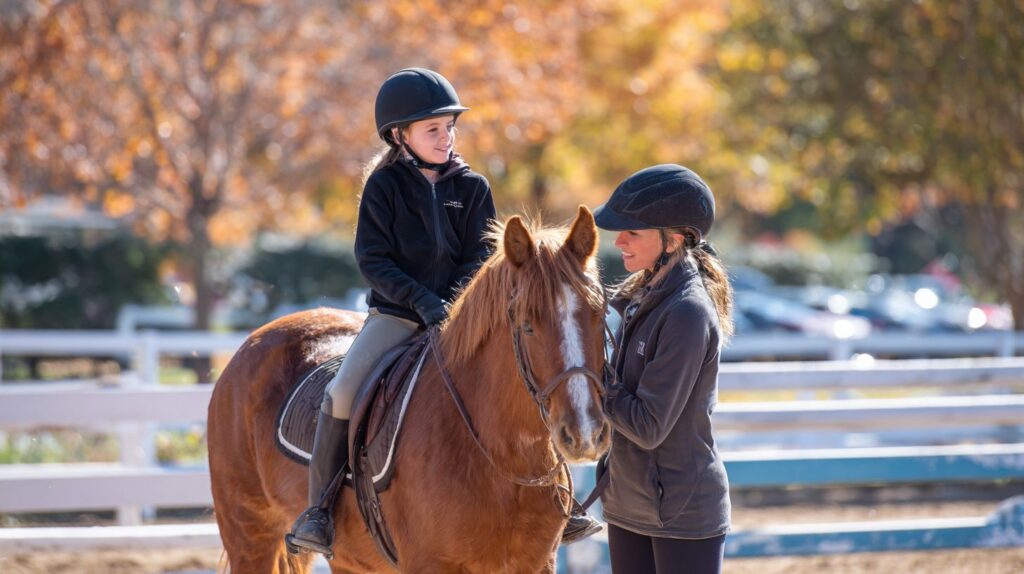
For absolute beginners, prioritize foundation skills in the first weeks. Lessons emphasize flatwork to develop seat and leg aids without overwhelming the rider. Home practice reinforces these through no-equipment drills like squats for leg strength.
Aim for two lessons per week, spaced to allow recovery, perhaps through the Pony Club. Include time for grooming to strengthen the bond with the horse or pony. Parents of children can integrate family outings to trail centres for low-pressure exposure.
Progressing to Disciplines
Once comfortable at walk and trot, introduce discipline-specific elements like dressage circles inspired by Charlotte Dujardin or showjumping poles. Advance to low fences around 2 feet for showjumping enthusiasts. Eventing starters combine these via British Eventing novice classes.
Monitor via journal entries on skills mastered, such as even trotting strides. Experts recommend gradual increases to prevent burnout, especially for young riders. Clubs often host intro competitions to test readiness.
Adjustments for Young and Family Riders
Family schedules demand flexibility, so choose centres with group lessons for children. Shorten sessions to 30 minutes for younger participants building mental resilience. Incorporate fun elements like pony games to keep engagement high.
Track family progress together in a shared journal. This approach suits volunteering at local events, blending training with community involvement in equestrian sports.
Health, Safety, and Horse Care Basics
Prioritizing horse health and rider safety sustains long-term enjoyment in equestrian pursuits. New riders in disciplines like dressage, showjumping, or eventing, or even racing under the British Horseracing Authority or Pony Racing Authority, must learn core routines. These practices build a strong bond with your equine partner.
Daily grooming starts with a curry comb in circular motions over the body, then a hard brush to lift dirt, followed by a soft brush for shine. Pick hooves clean and apply conditioner. This 10-minute sequence keeps the coat healthy and spots issues early.
Feeding prioritizes hay and forage before grains to mimic natural grazing. Provide fresh water always and adjust portions based on work level, like more for endurance rides. Consult your club or centre for tailored advice.
Safety begins with ground manners training, teaching the horse to stand tied and lead calmly. In the arena, follow etiquette by yielding to faster riders and announcing passes. Wear helmets and boots during all lessons.
Daily Horse Care Routine
Prepare for events like the 2016 Olympics, races at Aintree or Cheltenham, or endurance with Endurance GB by following a solid daily routine.
Follow this 30-45 minute step-by-step routine before and after riding sessions. It ensures your horse stays fit for trail rides or competition at places like Summerland Rodeo Grounds. Adapt for young ponies or advanced sports.
- Curry comb the entire body in sections, working against the hair growth.
- Brush with a dandy brush, then soft brush; mane and tail last.
- Clean all four hooves, checking for cracks or heat.
- Tack up with clean saddle and bridle; after ride, rinse bit and sponge leather.
- Feed hay first, check water; note manure for colic signs.
End with tack cleaning: Wipe saddle with damp cloth and conditioner weekly. Store in a dry area. This routine supports family riding or children‘s lessons through organizations like the Pony Club.
Recognizing Health Issues
Watch for lameness like head bobbing or uneven strides during gymnastics exercises. Colic symptoms include pawing, rolling, or sweating; call the vet immediately. Early detection prevents downtime in racing at Aintree or Cheltenham, governed by the British Horseracing Authority.
- Check for heat or swelling in legs daily.
- Monitor appetite and water intake closely.
- Look for dull coat or lethargy as general alerts.
For mental wellness, ensure daily turnout time for grazing and relaxation. Riders should do cooldown stretches like shoulder rolls post-ride. This aids physical and mental recovery for all levels.
Safety Protocols for Riders
Master arena etiquette at your lessons centre: Ride the pace of the group and pass left shoulder to left. Practice ground manners with lunging before mounting. Essential for beginner to advanced in para-equestrian or carriage events, from British Racing School to Endurance GB.
Equip properly with ASTM helmets, gloves, and fitted boots. During volunteering at club events, stay alert around fences and groups. Join a governing body like the British Equestrian Federation or British Horseriding Authority for certified guidelines.
Build skills gradually through graded lessons, focusing on balance for Olympic-level dreams like the 2016 Olympics or Paralympic Games, or casual pony rides with the Pony Racing Authority. Prioritize these basics for safe, enjoyable equestrian sports in 2026.
Learn more, Unleash Your Inner Equestrian: Horse Riding Guide 2026.
Frequently Asked Questions
How do I get started in equestrian sports in 2026 as a complete beginner, inspired by stars like Charlotte Dujardin?
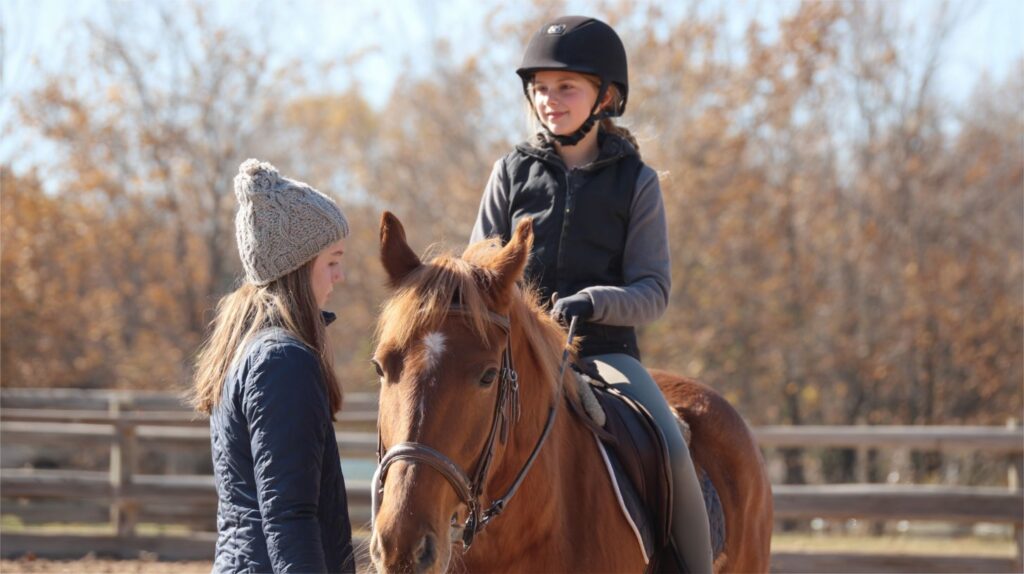
To get started in equestrian sports in 2026: Tips for new riders include finding a local riding school or stable that offers beginner lessons. Enroll in introductory classes focusing on basic horsemanship, safety, and grooming. Wear proper attire like helmets and boots, and build confidence gradually through structured programs designed for novices.
What equipment do new riders need to begin equestrian sports in 2026?
For how to get started in equestrian sports in 2026: Tips for new riders emphasize essential gear such as an approved riding helmet, tall boots, breeches, gloves, and a show shirt. Many stables provide horses and basic tack initially, so invest in quality personal safety items first and rent or borrow larger equipment to keep costs low.
How can I find the right riding instructor for equestrian sports in 2026?
When learning how to get started in equestrian sports in 2026: Tips for new riders recommend seeking certified instructors through organizations like the Equine Development Committee, British Horse Society, US Equestrian, or USEF. Visit facilities, observe lessons, check reviews, and ensure they specialize in beginners to match your learning style and goals effectively.
What are the costs involved in starting equestrian sports in 2026, from Pony Club to Fdration Equestre Internationale levels?
Budgeting for how to get started in equestrian sports in 2026: Tips for new riders suggest monthly lesson costs of $200-$500, plus gear around $300-$800 initially. Factor in stable fees if boarding, but start with lesson-only packages at lesson barns to minimize expenses while gaining experience.
Are there any safety tips for new riders in equestrian sports in 2026?
Safety is paramount in how to get started in equestrian sports in 2026, including for Riding for the Disabled Association: Tips for new riders include always wearing a helmet, learning to approach and handle horses calmly, understanding equine body language, and following the “sandwich rule” (mounting block between horse and wall). Progress slowly and communicate with instructors about any fears.
What types of equestrian disciplines should beginners try first in 2026?
For how to get started in equestrian sports in 2026: Tips for new riders advise starting with English disciplines like British Dressage, British Showjumping, or British Eventing for balanced fundamentals, or Western pleasure for a relaxed pace. Sample various styles through trial lessons to discover your preference before committing to one.