Industrial design profoundly influences our daily interactions with products, shaping user experience in ways we often overlook. Pioneers like Jon Marshall have drawn inspiration from movements such as the Arts and Crafts movement, emphasizing the harmony of form and function. This article explores how thoughtful product design and innovative design solutions enhance our lives through a meticulous design process, ultimately revealing the power of industrial design in creating meaningful connections with the objects we use every day.
Table of Contents
Key Takeaways:
- Industrial design plays a crucial role in shaping our everyday experiences with products, balancing both functionality and aesthetics.
- Successful industrial design is centered around understanding user needs and conducting usability testing to create products that truly enhance daily life.
- The future of industrial design holds exciting potential with emerging technologies and a growing focus on sustainability in design.
Definition and Importance
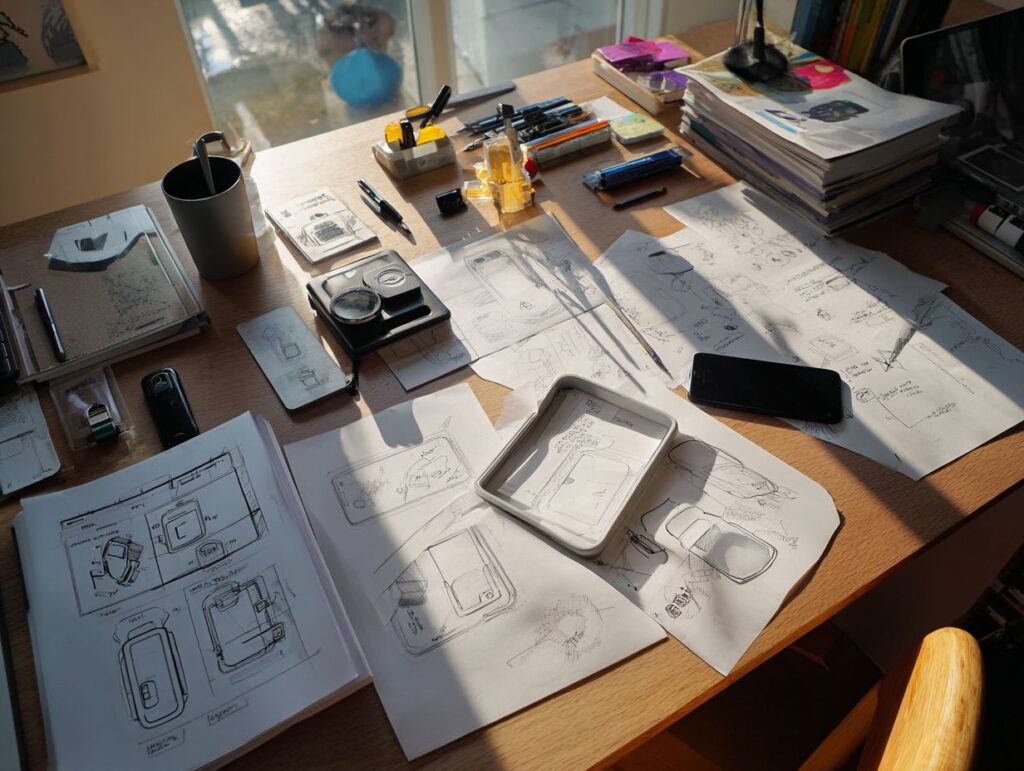
Industrial design is defined as the process of creating products that are both aesthetically appealing and functional, significantly influencing user behavior and brand identity. This discipline acts as a bridge between art and engineering, enabling brands to distinguish themselves in competitive markets.
For instance, Apple’s minimalist design philosophy not only attracts consumers but also fosters an emotional connection with them, underscoring values of simplicity and innovation. Well-designed products frequently contribute to heightened user satisfaction and loyalty, as evidenced by brands such as Nike, which effectively combine aesthetics with ergonomic functionality.
By investing in purposeful industrial design, companies can develop products that resonate profoundly with their target audience, ultimately enhancing both user experience and brand perception.
Historical Context
The historical evolution of industrial design can be traced back to significant movements such as the Arts and Crafts and Bauhaus movement, both of which emphasized the importance of craftsmanship and functional aesthetics. These foundational movements underscored the value of high-quality materials and the integration of art and industry.
Noteworthy figures in this field, such as Jon Marshall, who is recognized for incorporating ergonomic principles into product design, and David Sutton, an advocate for sustainable practices, have played a critical role in shaping contemporary methodologies. Their contributions established a framework for modern design, where user experience and environmental impact are of utmost importance.
In the present day, designers utilize advanced tools such as CAD software and prototyping kits to develop products that embody these historical principles while simultaneously addressing contemporary demands.
The Role of Industrial Design in Product Development
Industrial design is essential in product development, facilitating the transformation of conceptual ideas into tangible products through iterative design processes.
Conceptualization and Prototyping
The conceptualization phase involves the utilization of CAD software, such as SolidWorks or Rhino, to develop detailed prototypes that address specific design challenges in product development. These tools enable designers to visualize components in three dimensions, which facilitates the early identification of potential issues.
For example, employing SketchUp can aid in creating scale models that are beneficial for initial presentations and discussions with stakeholders.
Along with utilizing software, it is essential to gather user feedback during the testing phase. Conducting user interviews or surveys is crucial to ensure that the prototype aligns with real-world needs. Iterative adjustments should be made based on this feedback, ensuring that the final design is both practical and user-friendly.
Functionality vs. Aesthetics
Balancing functionality and aesthetics is crucial in industrial design, necessitating that designers develop products that are not only visually appealing but also practical and user-friendly.
For instance, Apple’s product design philosophy is rooted in user-centric principles. Their iPhone exemplifies this approach by integrating sleek lines and minimalist interfaces while ensuring that accessibility features, such as voice control, are prominently incorporated.
Similarly, the ergonomic design of their MacBook keyboards effectively balances typing comfort with refined aesthetics.
Designers may utilize tools such as Sketch for prototyping and platforms like UsabilityHub for user testing to gather feedback early in the design process. This iterative design methodology fosters a harmonious integration of form and function, ultimately enhancing user satisfaction.
User-Centered Design Principles
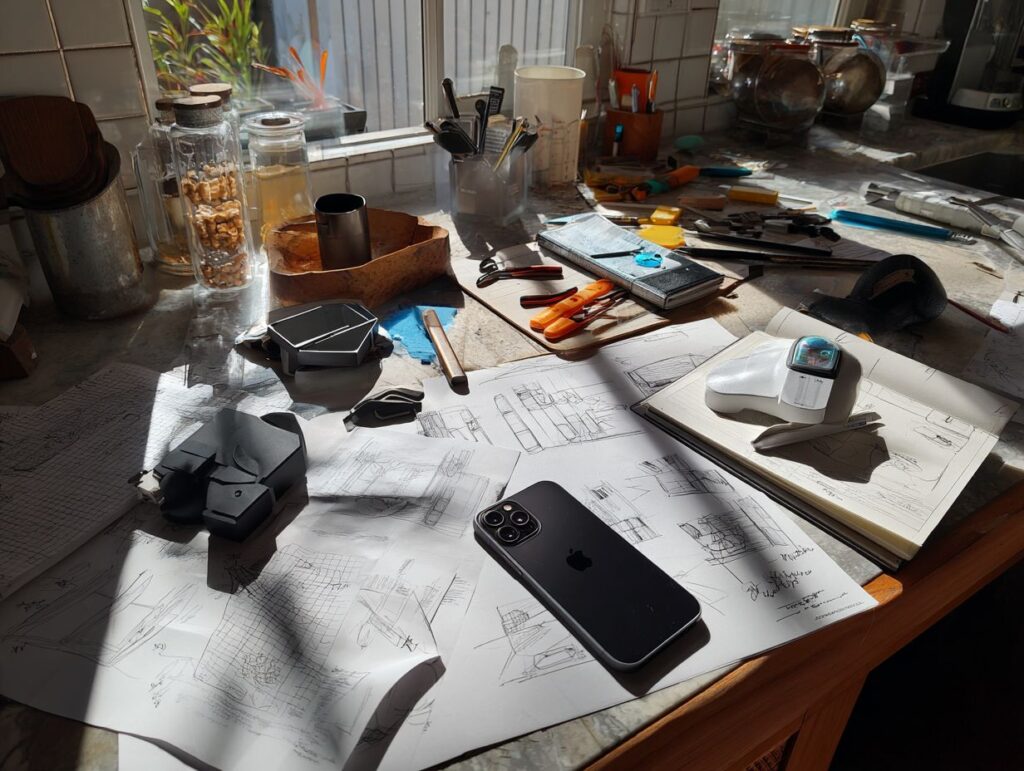
User-centered design principles emphasize the importance of understanding and addressing user needs, ensuring that products are developed with direct input from the target audience, ultimately enhancing product functionality and user experience.
Understanding User Needs
Effective product design commences with thorough user research, which enables designers to understand the needs and preferences of their target market. To uncover valuable insights, it is advisable to employ methodologies such as surveys, focus groups, and usability testing.
Surveys, utilizing tools like SurveyMonkey, can effectively gather quantitative data regarding user preferences, while focus groups facilitate qualitative insights through structured discussions. Conducting usability tests with platforms such as UserTesting is instrumental in identifying usability issues within prototypes.
By compiling this information, designers can refine features and improve the overall user experience, thereby ensuring that the final product resonates with its intended audience.
Usability Testing
Usability testing is an essential component of the design process, enabling designers to observe real users interacting with prototypes to identify areas for enhancement. This process effectively uncovers usability issues and gathers invaluable feedback.
Key metrics, such as task completion rate and time on task, are critical for assessing the success of the design.
For effective remote testing, tools like Lookback facilitate live observation and recording of user sessions, allowing designers to analyze user behavior in a non-intrusive manner.
Additionally, platforms such as UserTesting and Maze provide functionalities for creating and distributing tests, simplifying the process of gathering insights from diverse user groups.
By consistently incorporating usability testing into their workflow, designers can refine their products to improve user experiences and overall satisfaction.
Case Studies of Successful Industrial Design
Analyzing successful case studies in industrial design illustrates the significant influence of strategic design solutions on market performance and user satisfaction.
Iconic Products and Their Impact
Iconic products such as the Tesla Model S and Herman Miller chairs exemplify how innovative design can significantly enhance brand identity and reshape consumer expectations. These products not only exhibit aesthetic appeal but also place a strong emphasis on functionality and user experience.
For example, the Tesla Model S combines advanced technology with an environmentally friendly approach, effectively attracting consumers who prioritize sustainability. Similarly, Herman Miller chairs are meticulously engineered for comfort, employing ergonomic design principles to increase productivity.
Brands seeking to differentiate themselves should consider investing in research and development, actively gathering user feedback, and incorporating sustainable materials into their products.
By thoroughly understanding consumer needs and market trends, they can develop offerings that resonate with their target audience, thereby fostering brand loyalty and establishing new benchmarks within their respective industries.
Lessons Learned from Failures
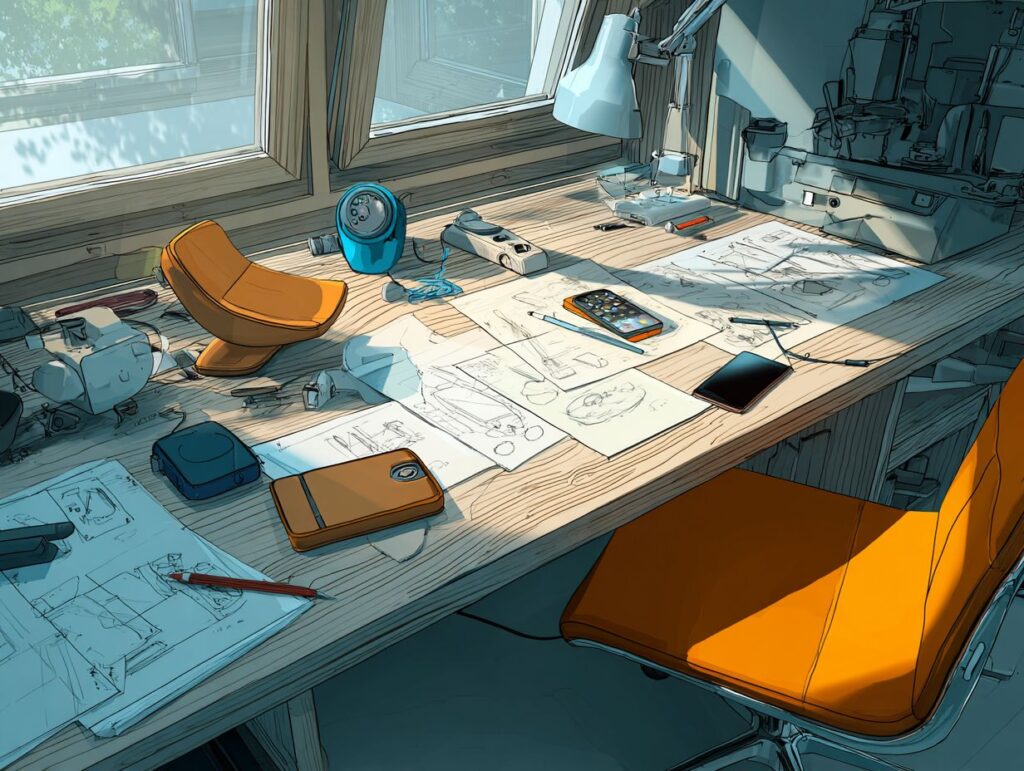
The failure in product design exemplified by Coca-Cola’s ‘New Coke’ serves as a compelling illustration of how neglecting consumer preferences can result in substantial setbacks in market demand, highlighting the importance of user-centered design. This case is a noteworthy example of the risks associated with product redesign undertaken without comprehensive market research.
When Coca-Cola launched ‘New Coke’ in 1985, it aimed to address declining sales but failed to assess the strong customer loyalty to its original formula.
Several key insights can be derived from this situation, including the paramount importance of consumer feedback. Conducting taste tests and focus groups can effectively mitigate potential missteps.
Additionally, a thorough understanding of brand heritage is essential; companies must strive to maintain the elements that consumers cherish while pursuing innovation. Future design strategies should consistently incorporate the voice of the customer to prevent alienation and safeguard against loss of market share.
The Future of Industrial Design
The future of industrial design is being influenced by emerging technologies and a growing emphasis on sustainable design, which are both driving innovation in product development.
Emerging Technologies
Emerging technologies such as 3D printing and advanced computer-aided design (CAD) software are significantly transforming the design process, allowing for the creation of more complex and innovative products.
Companies like SpaceX are effectively utilizing these technologies to enhance their product development processes, emphasizing manufacturing efficiency. For example, their implementation of 3D printing enables rapid prototyping and testing of rocket components, which results in expedited iteration cycles.
Additionally, advanced CAD software, including Autodesk Fusion 360, supports the creation of intricate designs that optimize material usage and minimize weight. This integration not only improves overall performance but also reduces the time required to move from concept to launch, enhancing product innovation.
By leveraging these technological advancements, SpaceX is able to develop more efficient and cost-effective solutions within the field of aerospace engineering, reflecting the importance of engineering collaboration.
Sustainability in Design
In the modern economy, sustainability is a critical focus.
Sustainability is increasingly recognized as a fundamental principle in industrial design, prompting designers to create sustainable products that minimize environmental impact through careful material selection.
To achieve this objective, designers can employ recyclable materials such as bio-plastics, recycled metals, and organic textiles.
- For instance, Fairphone’s modular design promotes repair over replacement, thereby reducing electronic waste, exemplifying design evolution.
- Similarly, Adidas, in collaboration with Parley for the Oceans, has introduced footwear manufactured from ocean plastic, highlighting the utilization of reclaimed materials.
The implementation of lifecycle assessments allows designers to evaluate a product’s environmental footprint from sourcing to disposal, facilitating more knowledge-based decision making.
By adopting these practices, brands not only enhance their sustainability initiatives but also attract environmentally conscious consumers, demonstrating the design value in sustainability.
Summarizing the Impact of Industrial Design
The Bauhaus movement significantly influenced industrial design principles.
The principles of industrial design play a crucial role in shaping how products resonate with users, which in turn significantly influences brand loyalty and market success. To enhance product appeal, designers must prioritize user-centric features.
For example, incorporating ergonomic shapes in handheld devices can improve user comfort, while utilizing sustainable materials can attract environmentally-conscious consumers. Additionally, refining aesthetics through a visually appealing color palette can substantially increase a product’s desirability.
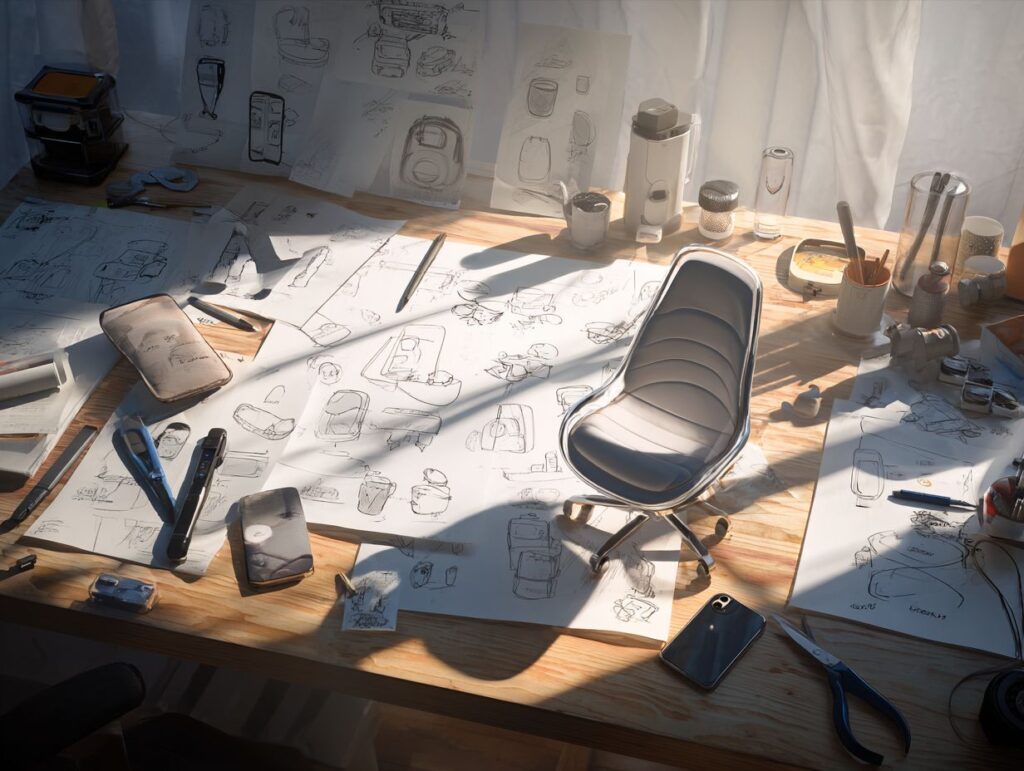
Utilizing tools such as CAD software enables designers to prototype these concepts swiftly, allowing for early user feedback during the development process. Ultimately, aligning design choices with consumer preferences fosters stronger connections, thereby enhancing brand loyalty and driving market success.
Learn more, The Role of Industrial Design Companies in Shaping Consumer Experiences.
Frequently Asked Questions
Understanding the role of industrial design in the global economy is crucial.
What is industrial design?
Industrial design has its roots in the Industrial Revolution.
Industrial design is the process of creating and developing products that are aesthetically pleasing, functional, and user-friendly. It involves creating designs that not only look good, but also perform well and enhance the overall user experience.
How does industrial design affect our everyday products?
From the Arts and Crafts movement to the digital age, industrial design has evolved significantly.
Industrial design plays a crucial role in shaping the way we experience everyday products. It influences the form, function, and usability of products, making them more visually appealing and user-friendly.
What are some examples of everyday products that have been influenced by industrial design?
From smartphones and laptops to furniture and kitchen appliances, industrial design has been applied to a wide range of everyday products. Even something as simple as a pencil or a toothbrush has been carefully designed to enhance its functionality and visual appeal.
Why is industrial design important?
Companies like Apple and Tesla showcase the importance of industrial design.
Industrial design is important because it not only improves the aesthetics of products, but also enhances their usability and overall user experience. It helps to create products that are not only visually appealing, but also efficient and easy to use.
What are some key elements of industrial design?
Influential design movements like Bauhaus have shaped these key elements.
Some key elements of industrial design include form, function, usability, ergonomics, and sustainability. A good industrial design will not only look good, but also prioritize functionality, user-friendliness, and environmental impact.
How can industrial design benefit businesses?
Companies such as Coca-Cola and Herman Miller have leveraged industrial design for success.
Industrial design can benefit businesses in many ways. It can help differentiate their products from competitors, enhance brand image and customer loyalty, and increase sales by creating more desirable and user-friendly products.