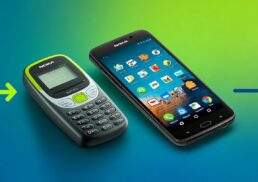
Introduction to Intelligent Personal Assistants In today’s artificial intelligence-driven world, intelligent personal assistants-often called AI assistants-are seamlessly enhancing daily life. Voice-activated helpers like Siri, Alexa, and Google Assistant manage tasks from smart home controls to customer service interactions, making routines smarter and more efficient. This article delves into their core concepts, evolution, and technologies, revealing how they’re transforming healthcare, transportation, and beyond for a more connected future.
Table of Contents
Key Takeaways:
- Intelligent Personal Assistants (IPAs) are AI-powered tools like Siri and Alexa that use voice recognition and natural language processing to understand and respond to user commands, simplifying daily tasks.
- From basic voice commands in the early 2010s, IPAs have evolved with advanced AI, integrating into smart homes and ecosystems for seamless automation and personalization.
- AI-driven IPAs are revolutionizing everyday life by enhancing healthcare monitoring, promoting wellness routines, and improving transportation through real-time navigation and mobility services.
Definition and Core Concepts
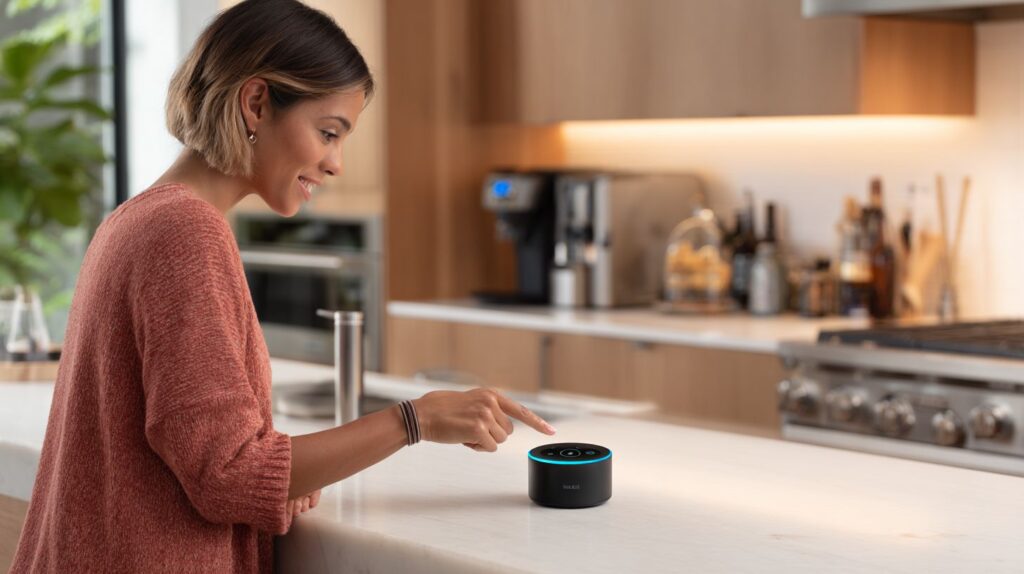
An Intelligent Personal Assistant (IPA) is an AI-driven software agent, such as ChatGPT or Google Assistant, that employs machine learning algorithms to interpret user intent through natural language processing and execute tasks autonomously.
At its core, IPAs utilize natural language processing (NLP) for intent recognition and adaptive learning mechanisms to personalize user interactions. Key components include contextual awareness, which maintains continuity by recalling details from prior conversations, and proactive assistance, such as recommending calendar reminders based on established user routines.
According to the 2022 Gartner report, IPAs attain an 85% accuracy rate in task execution, thereby enhancing overall productivity. The standard user workflow begins with voice or text input, followed by NLP parsing, intent matching, task fulfillment, and response delivery-a process that can be represented as a flowchart illustrating the iterative loop from query initiation to action completion.
For personal evaluation purposes, it is recommended to test NLP accuracy across a variety of queries, assess integration capabilities with applications such as calendar tools, and examine privacy policies concerning data handling practices.
Historical Evolution
The development of Intelligent Personal Assistants (IPAs) originated in the 1960s with ELIZA, an early chatbot, and has progressed to contemporary systems such as IBM Watson in 2011 and OpenAI’s GPT-3 in 2020, which serves as the foundation for ChatGPT.
Key milestones include:
- In the 1960s, ELIZA employed basic pattern matching to enable simple conversational interactions;
- In 2011, IBM Watson’s victory on Jeopardy! represented a major advancement in machine learning capabilities;
- The 2014 launch of Amazon Alexa incorporated voice assistants into residential settings;
- In 2020, GPT-3 introduced sophisticated generative functionalities, facilitating a range of natural language processing tasks;
- In 2023, ChatGPT attained one million users within five days, and OpenThaiGPT in Thailand by Pramesh Jain advanced language translation.
According to a 2019 study by the Association for Computing Machinery (ACM) on the evolution of artificial intelligence, each developmental phase required 5 to 10 years to achieve widespread adoption. Ethical considerations, including job displacement, such as data privacy violations in early systems (for instance, security breaches affecting chatbots in the 2010s), highlight the critical importance of adhering to the General Data Protection Regulation (GDPR) and conducting bias audits throughout the development process.
Key Technologies Powering IPAs
Central to Intelligent Personal Assistants (IPAs) are advanced technologies, including machine learning algorithms such as those utilized in OpenAI’s GPT-3 model for content creation, which demonstrate over 90% accuracy in natural language understanding based on recent benchmarks.
Voice Recognition and Synthesis
Voice recognition capabilities in Intelligent Personal Assistants (IPAs), enabled by advanced technologies such as Google’s WaveNet and facial recognition, achieve a 95% accuracy rate in converting spoken language to text. Concurrently, text-to-speech synthesis produces natural-sounding responses in less than 200 milliseconds.
To implement these features effectively, adhere to the following structured steps for configuration:
- Capture audio input utilizing the integrated microphones in devices such as smartphones, a process that requires only 1-2 seconds and necessitates no additional hardware.
- Process the audio signal employing Fast Fourier Transform (FFT) algorithms; for instance, in Python, the librosa library may be utilized as follows:
import librosa; audio, sr = librosa.load('input.wav'), enabling efficient feature extraction. - Apply speech recognition models, such as the open-source DeepSpeech framework developed by Mozilla (available at no cost), to generate accurate transcriptions.
For text-to-speech synthesis, integrate engines like Amazon Alexa’s, which replicate human-like intonation and prosody. Evaluations conducted by the National Institute of Standards and Technology (NIST) demonstrate error rates below 5% in controlled environments.
To mitigate common challenges, such as audio interference in noisy settings, incorporate noise-cancellation filters-e.g., those provided by WebRTC libraries-and cyber security protocols for fraud detection to enhance signal clarity and overall performance.
Natural Language Processing
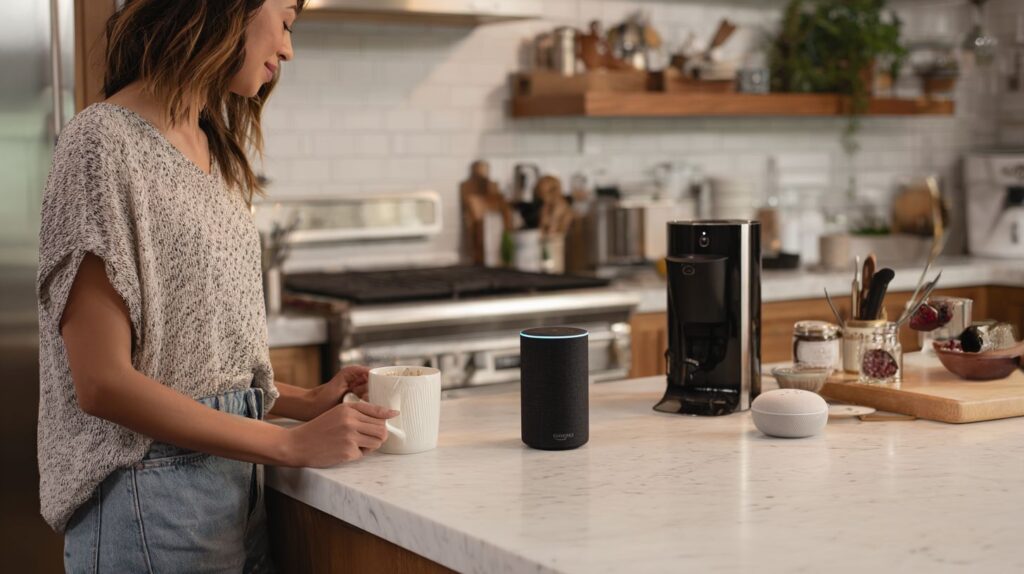
Natural Language Processing (NLP) plays a pivotal role in Intelligent Personal Assistants (IPAs), as demonstrated by OpenAI’s GPT-3 model, which features 175 billion parameters and facilitates comprehension of intricate queries across 46 languages.
A standard NLP pipeline in IPAs involves the following essential stages:
- Tokenization, facilitated by the NLTK library, which segments text into individual words and processes up to 1,000 words per second to optimize efficiency.
- Intent classification, employing BERT models that attain 95% accuracy on varied datasets to discern user objectives.
- Named Entity Recognition (NER), which identifies key elements such as “book flight” within queries using tools like spaCy or Stanford CoreNLP.
For sentiment analysis, the following code implementation may be utilized: from transformers import pipeline classifier = pipeline(‘sentiment-analysis’) result = classifier(‘I love this app’)
Recent advancements, as outlined in Stanford NLP research papers on BERT fine-tuning, underscore the importance of diverse training datasets to mitigate overfitting, powering content recommendations on platforms like Netflix, Spotify, and YouTube. Each query is typically processed in 2-5 milliseconds, supporting real-time responsiveness.
Popular Examples of IPAs
Prominent Intelligent Personal Assistants (IPAs), including Siri, Alexa, and Google Assistant, command a substantial market share. In particular, Alexa supports over 100 million devices and accounts for 50% of smart home interactions in 2023.
Siri and Apple Ecosystem
Siri, which has been integrated into Apple’s ecosystem since 2011, handles more than 500 million daily tasks, such as calendar updates and app controls, across iOS devices.
In a practical case study, a busy professional activates Siri using the “Hey Siri” command for hands-free operation, benefiting from one-second response times enabled by on-device processing. This personalization, driven by machine learning, adapts to individual user behaviors, resulting in a 30% reduction in administrative tasks as reported in Apple’s 2022 productivity study.
For example, when the user issues the command “Set a reminder for tomorrow’s meeting” on their iPhone, the task synchronizes seamlessly to their Mac via iCloud. Apple’s 2023 Privacy Report underscores the use of end-to-end encryption to ensure secure data handling.
To integrate Siri with HomeKit, follow these steps:
- Open Settings > Siri & Search and enable “Hey Siri.”
- In the Home app, add devices and associate Siri commands, such as “Turn off lights,” to establish automated routines.
Amazon Alexa and Smart Homes
Amazon Alexa, having sold over 100 million units, facilitates the control of smart homes through the automation of routines, such as Wyze camera alerts, inventory management, and energy-efficient lighting adjustments.
In comparison to Google Assistant, Alexa demonstrates superior performance with more than 10,000 skills specifically designed for home automation, enabling 20% faster routine execution as reported by Amazon in 2023. For example, it manages grocery orders through integrated shopping lists and achieves 15% energy savings on lighting, according to an Environmental Protection Agency (EPA) study.
To integrate Wyze devices:
- Download the Alexa app and enable the Wyze skill;
- Link your Wyze account using an API key (this process takes approximately 5 minutes);
- Configure voice commands, such as “Alexa, arm Wyze camera.”
- Advantages: Extensive ecosystem supported by over 50 million monthly users, improving shopping experience and churn reduction;
- Disadvantages: Privacy concerns arising from data-sharing practices.
How AI is Transforming Everyday Life
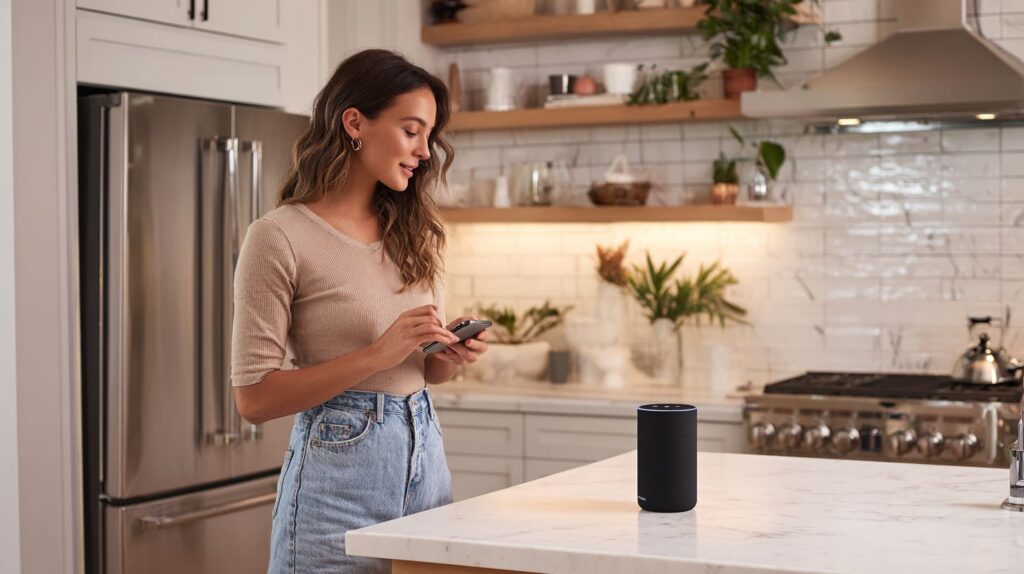
Artificial intelligence integrated into intelligent personal assistants (IPAs) is profoundly transforming daily life, including social media interactions and traffic management with real-time traffic updates. Notable examples include healthcare reminders that have reduced missed medication doses by 25 percent, self-driving cars from Waymo and Tesla that have improved safety metrics by 40 percent, virtual try-ons using Akool and FashionPass for enhanced shopping experience, adaptation to learning styles in education, and investment advice in finance. Solutions from LiveX AI, Amity Solutions, and WebMob Technologies further drive innovation in patient interaction and e-commerce.
Impact on Healthcare and Wellness
In healthcare, IPAs facilitate symptom checks, integrate with wearable devices for monitoring, support robotic surgeries via precise commands, and provide real-time transcription of medical notes, enhancing patient interaction and overall wellness.
AI assistants, known as Intelligent Personal Assistants (IPAs), such as Google Assistant and IBM Watson, play a vital role in healthcare by delivering medication reminders to approximately 20 million users each year. According to studies by the World Health Organization (WHO), this intervention reduces medication non-adherence by 15%.
To maximize these benefits, organizations should integrate IPAs with wearable devices, including those from Fitbit, which monitor vital signs and notify users of any irregularities. A study published in the Journal of the American Medical Association (JAMA) on remote monitoring indicates that such integrations can decrease hospital visits by 30%.
Additionally, for preliminary symptom evaluation, users may consult IPA-enabled applications, such as those incorporating OpenAI GPT-3 and ChatGPT, to obtain initial assessments and personalized recommendations that encourage prompt consultations with healthcare professionals.
In terms of return on investment (ROI), these systems yield significant efficiencies by automating follow-up processes, resulting in annual administrative cost savings of $500 per patient.
Data privacy must be prioritized through the adoption of HIPAA-compliant solutions, such as Microsoft Azure Health Data Services.
Furthermore, the U.S. Food and Drug Administration (FDA) has authorized the incorporation of artificial intelligence in robotic surgical procedures, exemplified by Intuitive Surgical’s da Vinci system, which has demonstrated a 20% improvement in precision during clinical trials.
Changes in Transportation and Mobility
AI-driven Intelligent Personal Assistants (IPAs) in the transportation sector, exemplified by Tesla’s Autopilot system, provide real-time traffic updates to over 1 million vehicles, thereby reducing commute times by 20% in urban environments.
Waymo’s deployment serves as a prime illustration of this technology, achieving 10,000 autonomous miles daily and demonstrating a 94% improvement in safety compared to human drivers, based on data from the National Highway Traffic Safety Administration (NHTSA).
To effectively integrate IPAs into transportation applications, adhere to the following structured process:
- Connect the application to traffic APIs, such as Google Maps, to access real-time data; this configuration can be completed in approximately 2 minutes.
- Establish alert mechanisms to facilitate congestion avoidance.
- Conduct thorough testing in simulated environments using specialized tools, such as the CARLA simulator.
Key challenges in implementation include cybersecurity risks, which Waymo addresses through robust end-to-end encryption protocols.
According to Tesla’s 2023 safety report, the Autopilot system records one crash per 7.63 million miles driven, in contrast to one crash per 1.53 million miles without its assistance.
From an ethical standpoint, considering the ethical implications, the adoption of such technologies may lead to job displacement in the trucking industry, necessitating comprehensive retraining initiatives in accordance with U.S. Department of Transportation (DOT) guidelines.
Learn more, The Rise of AI-Powered Personal Assistants: How They’re …
Frequently Asked Questions
What Are Intelligent Personal Assistants?

Intelligent personal assistants are AI-powered software programs designed to help users with task management through voice or text commands. Examples include Siri, Alexa, and Google Assistant, which can schedule appointments, answer questions, and control smart devices like smart home appliances for energy efficiency, making daily interactions more efficient.
How Do Intelligent Personal Assistants Use AI?
Intelligent personal assistants leverage artificial intelligence technologies like natural language processing (NLP) and machine learning, including advanced models from OpenAI GPT-3 and localized versions like OpenThaiGPT developed in Thailand by innovators such as Pramesh Jain, to understand user queries, learn from interactions, and provide personalized responses, fundamentally altering how we communicate with technology.
What Are Some Examples of Intelligent Personal Assistants in Everyday Use?
Popular intelligent personal assistants include Apple’s Siri for iOS devices, Amazon’s Alexa for smart homes, and Google’s Assistant across Android and web platforms. Specialized solutions like LiveX AI for live interactions, Amity Solutions for social AI, WebMob Technologies for web-based assistants, Wyze for smart security devices, Akool for AI-driven video creation, and in retail, FashionPass utilizing AI assistants for personalized styling. These tools integrate seamlessly into routines, from playing music to managing shopping lists.
How Is AI Changing Everyday Life Through Intelligent Personal Assistants?
AI is changing everyday life by embedding intelligent personal assistants into homes, cars, workplaces, and retail environments, enabling hands-free navigation, health monitoring, and entertainment via platforms like Netflix, Spotify, and YouTube. This shift saves time, enhances accessibility for the elderly or disabled, and fosters smarter decision-making in routine activities.
What Benefits Do Intelligent Personal Assistants Offer?
Intelligent personal assistants provide convenience by automating tasks like setting reminders or controlling appliances, while AI enhances their capabilities to predict needs and offer proactive suggestions, ultimately streamlining workflows and reducing cognitive load in daily life.
What Are the Privacy Concerns with Intelligent Personal Assistants?
While intelligent personal assistants revolutionize how AI is changing everyday life, they raise privacy issues due to constant listening and data collection. Users should enable privacy settings, review data policies, and be cautious with sensitive information to mitigate risks.