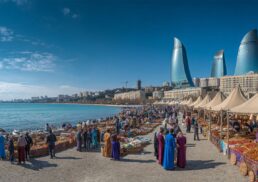
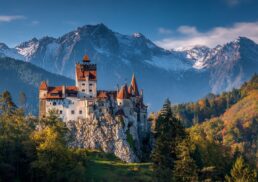
Discover Lower Austria’s Timeless Charm Nestled in the heart of Austria, Lower Austria beckons travelers with its proximity to vibrant Vienna and scenic routes toward Salzburg, the city of Mozart and his Mozart birthplace, home to Mozart’s Geburtshaus, renowned for the Sound of Music, Hohensalzburg Castle, and Schloss Hellbrunn. This 2025 travel guide unveils the best places to stay-from luxurious retreats to cozy guesthouses-savor authentic Austrian cuisine, and explore icons like Belvedere Palace. Whether you’re planning a cultural escape or nature adventure, find insider tips to make your journey unforgettable.
Table of Contents
Key Takeaways:
- Discover diverse stays in Lower Austria, from luxurious resorts in the Wachau Valley to cozy budget B&Bs in historic towns, offering comfort for every traveler in 2025.
- Savor culinary delights like Wiener Schnitzel and local wines at traditional heurigers, or explore modern fusion dining paired with vineyard tastings for an authentic Austrian experience.
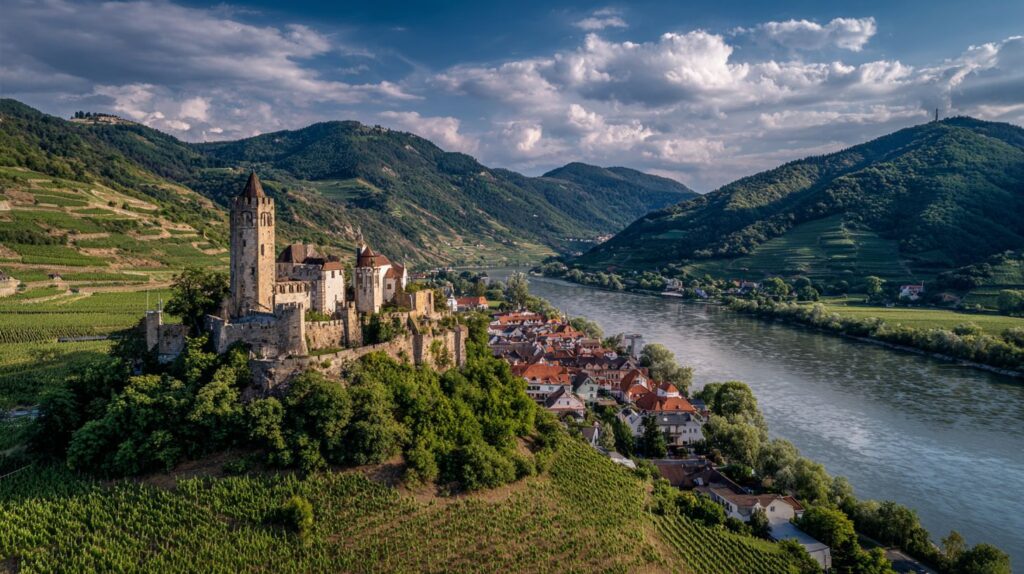
- Explore iconic castles like Drnstein, hiking trails, and stunning natural parks in the Danube Valley offering alpine scenery, with tailored 2025 itineraries highlighting seasonal events like Christmas markets and hidden gems.
Getting There and Around
Accessing Lower Austria is convenient via Vienna International Airport (VIE), where the City Airport Train provides efficient service, traversing the 16 km distance to Wien Hauptbahnhof in 16 minutes for EUR12. This facility functions as the principal entry point for approximately 25 million passengers each year.
Upon arrival at Wien Hauptbahnhof, proceed with your itinerary according to the following structured steps:
- For destinations such as the Wachau Valley, board a FlixBus (priced at EUR10-15, with a travel time of 1 hour) directly from the station. Reservations may be made through the FlixBus application to access real-time schedules.
- In Vienna or Lower Austria, obtain a Vienna City Card (EUR17-29 for 24-72 hours) from tourist information centers or online platforms. This card offers unlimited access to the U-Bahn, trams, and buses operated by Wiener Linien.
A common oversight is forgoing travel insurance; it is recommended to secure coverage through Allianz at EUR5 per day, which addresses potential delays or health-related issues, in line with European Union guidelines. The estimated weekly transportation budget ranges from EUR50 to EUR100, according to data from the Austrian Tourist Board.
Where to Stay: Top Accommodations
Lower Austria provides a broad spectrum of accommodation options, encompassing luxurious hotels in Vienna’s District 1 and cost-effective guesthouses in rural locales. As indicated by Booking.com’s 2024 data, average nightly rates span from EUR80 to EUR300, thereby accommodating travelers across diverse budget constraints.
Luxury Hotels and Resorts
Experience luxury accommodations at esteemed properties such as Hotel Sacher Wien (EUR350 per night), a historic icon from the Habsburg Empire era situated near the Vienna State Opera, which provides spa facilities and Sachertorte tastings.
To assist in selecting your ideal accommodation, please review the comparison of these premier Vienna hotels:
| Hotel | Location | Price (per night) | Key Features | Best For |
|---|---|---|---|---|
| Hotel Sacher Wien | Near Vienna State Opera | EUR350 | Spa facilities, Sachertorte tastings | Opera lovers and luxury seekers |
| Hotel Imperial | Near Hofburg Palace | EUR450 | Michelin-star dining | History buffs |
| Park Hyatt Vienna | District 1 | EUR300 | Rooftop pool | Business travelers |
| Andaz Vienna | Near Prater Park | EUR280 | Modern art installations | Families |
Selecting a hotel in proximity to Belvedere Palace, such as the adjacent Austria Trend, yields savings of EUR50 per day on taxi transportation compared to central locations, thereby enhancing the trip’s return on investment by 15%-a particularly advantageous option for art enthusiasts, as indicated by Vienna tourism data.
Budget-Friendly Guesthouses and B&Bs
For budget-conscious travelers, Wombats City Hostel in Vienna provides hostel dorms starting at EUR25 per night, complete with free walking tours and shared kitchens that can reduce meal expenses by up to 30%.
To broaden your selection, the following affordable accommodations are recommended, each offering distinctive amenities:
- Pension Lumes (EUR60 per night): Situated near Naschmarkt, with breakfast included, making it particularly suitable for culinary enthusiasts interested in Vienna’s vibrant markets.
- Gasthof zur Sonne (EUR40 per night): Located in the Wachau Valley, featuring bicycle rentals, ideal for cyclists undertaking day excursions.
- Vienna Budget Apartments (EUR50 per night): Centrally positioned, equipped with a self-catering kitchen and complimentary Wi-Fi, accommodating remote professionals effectively.
- My Place Hostel (EUR30 per night): Adjacent to Prater Park, offering free laundry facilities, which is advantageous for group travelers.
- A&O Wien Stadthalle (EUR35 per night): Conveniently accessible by public transportation, including a gym pass, and suitable for families.
To address potential expenses such as bottled water, budget tips include advising travelers to utilize a reusable water bottle to circumvent fees of EUR3. Reservations made through Airbnb may yield discounts of 10-15%.
On average, these options enable savings of EUR200 per week compared to mid-range hotels.
Where to Eat: Culinary Highlights
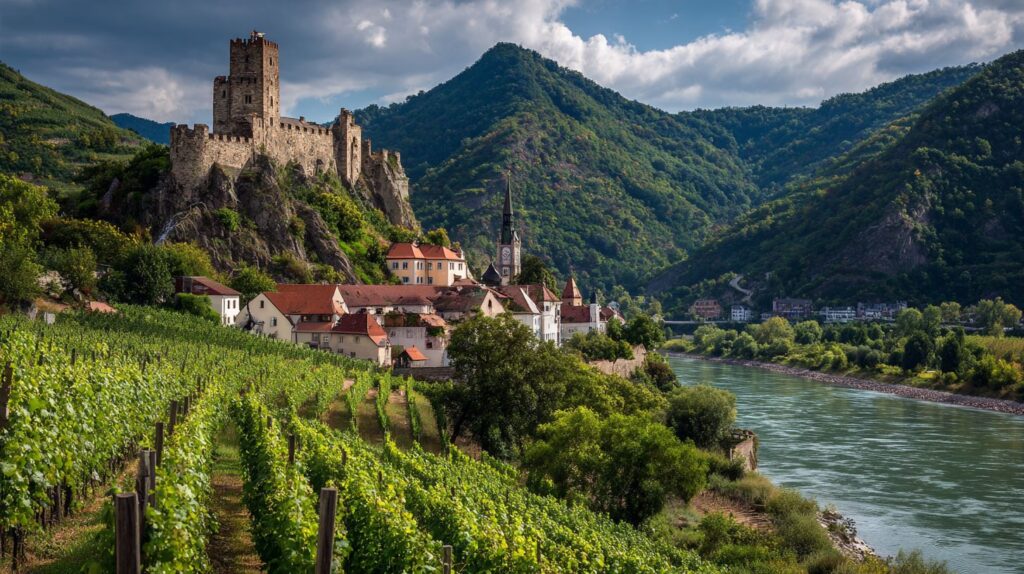
The cuisine of Lower Austria seamlessly integrates traditional culinary heritage with contemporary innovation, ranging from the iconic veal Wiener Schnitzel-averaging EUR18 at historic taverns-to acclaimed Michelin-starred establishments. This diverse gastronomic scene draws approximately 2 million food tourists annually, as reported by Statista.
Traditional Austrian Dishes
Experience the renowned Wiener Schnitzel at Figlmller in Vienna, an establishment that has served this signature golden-fried veal cutlet (200g portion, EUR17) since 1909, traditionally accompanied by lingonberry sauce.
To transform your visit into a comprehensive Vienna culinary tour, adhere to the following structured itinerary:
- Begin at Naschmarkt, which offers complimentary admission and approximately two hours for exploration; commence with a selection of local cheeses (EUR5) to appreciate the fresh, regional tastes.
- Proceed to Caf Sacher for Sachertorte (EUR8 per slice, estimated 30 minutes), where the decadent chocolate glaze complements a cup of coffee ideally.
- Conclude with Tafelspitz, the classic boiled beef, at Plachutta (EUR22, approximately 1 hour), renowned for its tenderness.
A frequent oversight among visitors is overordering, as Austrian portions typically average 300g; it is advisable to share dishes. Vegetarians may opt for Ksesptzle, a dish of cheese-infused noodles (EUR14).
These establishments are highly regarded by the MICHELIN Guide for their authenticity, guaranteeing an authentic dining experience (2023 edition).
Modern Dining and Wine Tastings
Discover contemporary elegance at Steirereck, a two-MICHELIN-star establishment in Vienna, where innovative cuisine such as asparagus paired with caviar (EUR45; reservations available via OpenTable) exemplifies the evolution of Austrian gastronomy.
To enhance your culinary itinerary, consider these complementary experiences.
- Engage in a wine tour with a professional wine tasting at Domne Wachau in the Wachau Valley (EUR25 for a 90-minute session featuring six Rieslings; book through Viator), guided by experts who elucidate the subtleties of terroir.
- For a contemporary fusion option, experience Tian’s vegetarian tasting menu (EUR35) in Vienna, which artfully combines Asian and Austrian influences within a tranquil ambiance.
- Traverse the Danube cycle in the Danube Valley by bicycle (EUR50 per day rental from outlets such as Radwelt), navigating through vineyards to enjoy expansive vistas.
To mitigate the effects of jet lag on tasting sessions, it is advisable to schedule activities after noon. According to TripAdvisor reviews, participation in such wine tours enhances memorable experiences by 20%, thereby improving the overall return on investment for your journey.
Checkout Austrian Food: 20 Irresistible Dishes You Want To Taste In …
Must-See Attractions
Lower Austria is renowned for its UNESCO World Heritage sites, including Schnbrunn Palace and Schnbrunn Gardens, which draw approximately 3 million visitors annually and exemplify Baroque architectural splendor across its 1,441 rooms steeped in Habsburg heritage.
Historical Sites and Castles
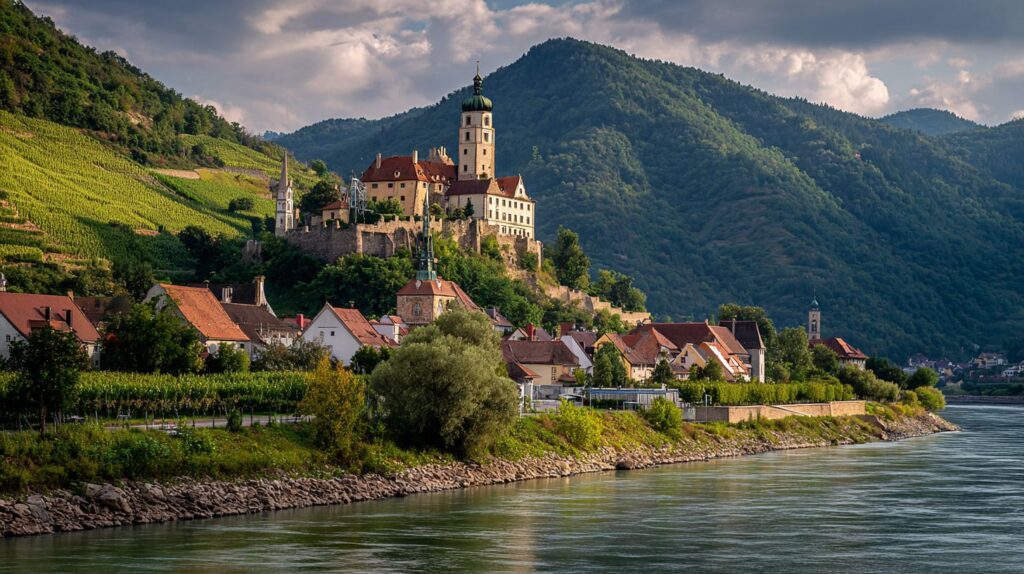
Visitors are invited to visit Hofburg Palace in Vienna, the historic winter residence of the Habsburg dynasty, which comprises 2,600 rooms. Admission tickets, priced at EUR16, provide access to the imperial apartments and the Sisi Museum.
To further appreciate Vienna’s rich imperial heritage, consider these essential sites such as St. Stephen’s Cathedral, Kunsthistorisches Museum, MuseumsQuartier, Ringstrasse, and Sigmund Freud Museum, along with opportunities for classical performance. For broader Austrian exploration, visit Hallstatt, Innsbruck near the Arlberg ski area for Arlberg skiing, and Graz Old Town, plus the National History Museum. The accompanying table offers a structured overview to facilitate efficient itinerary planning:
| Site | Location | Key Feature |
|---|---|---|
| St. Stephen’s Cathedral | Vienna | Gothic architecture |
| Kunsthistorisches Museum | Vienna | Art collections |
| MuseumsQuartier | Vienna | Modern museums |
| Ringstrasse | Vienna | Historic boulevard |
| Sigmund Freud Museum | Vienna | Psychoanalysis history |
| Hallstatt | Upper Austria | Picturesque lake town |
| Innsbruck | Tyrol | Alpine gateway |
| Graz Old Town | Styria | UNESCO heritage |
| National History Museum | Vienna | Historical exhibits |
| Site | Location | Entry Fee | Highlights | Best Time |
|---|---|---|---|---|
| Hofburg Palace | District 1 (Innere Stadt) | EUR16 | Imperial apartments, Sisi Museum of the Habsburg Empire | Mornings |
| Schnbrunn Palace | Hietzing | EUR22 (Schnbrunn Gardens free, maze EUR5.50) | Baroque gardens, historic rooms | Mornings |
| Belvedere Palace | District 1 (Innere Stadt), along the Ringstrasse | EUR16 | Klimt’s ‘The Kiss’, baroque architecture | Afternoons |
| St. Stephen’s Cathedral | Innere Stadt | Free nave, EUR6 tower | Gothic spire, panoramic views | Anytime |
| Kunsthistorisches Museum | District 1 (Innere Stadt), near MuseumsQuartier | EUR21 (Wednesdays free) | Bruegel works, Egyptian collection, adjacent to National History Museum | Afternoons |
For cost-effective access in Austria, the Vienna City Card is recommended, offering 20% discounts on entry fees. It is advisable to avoid peak weekends to minimize crowds, in accordance with guidance from the Vienna Tourist Board, especially around Christmas markets.
Natural Parks and Landscapes
The Wachau Valley, a 36-kilometer UNESCO World Heritage site along the Danube River, is renowned for its terraced vineyards and extensive cycling paths, which attract approximately 100,000 cyclists annually, according to the Wachau Tourism Board.
To explore the region effectively, adhere to the following three-step itinerary:
- Cycle the Danube cycle path: Rent a bicycle for EUR15 per day through the Nextbike application or Flixbus to start, completing a 30-kilometer route in approximately four hours; include a stop at Drnstein Castle for panoramic views.
- Hike the Kamptal trails: Entry is free, with trails requiring 2-3 hours and involving 200 meters of elevation gain; utilize the Komoot application for navigation on routes such as the Langenloiser Weinwanderweg, which can burn approximately 500 calories per hour in line with World Health Organization wellness recommendations.
- Visit the nearby Gesuse National Park: Entry is free, with guided tours available for EUR10 through the park office.
To accommodate variable weather conditions, pack layered clothing and consult forecasts from the Zentralanstalt fr Meteorologie und Geodynamik (ZAMG). This itinerary promotes physical fitness and cultural enrichment, as highlighted in UNESCO studies.
Events and Itineraries for 2025
In 2025, the calendar of events in Lower Austria features prominent highlights, including the Vienna State Opera’s New Year’s Concert on January 1 (tickets priced from EUR20 to EUR1,500), Christmas markets, and the Wachau Valley wine festivals, which are projected to attract 500,000 attendees according to forecasts from Eventim. Events also extend to regions like Innsbruck and Hallstatt.
To assist with trip planning, the following three sample itineraries are provided:
- 7-Day Cultural Route: Commence on Day 1 with attendance at the Vienna Opera (ticket EUR50), using U-Bahn via Wiener Linien; Days 2-3 involve a Wachau wine tour (EUR100, inclusive of tastings), followed by visits to Krems abbeys and the Eisenstadt palace. This itinerary spans 200 km, with a total estimated cost of EUR800 for transportation and entry fees.
- Winter Ski Escape to Arlberg skiing: A 4-day excursion featuring daily lift passes (EUR60) and accommodation at EUR150 per night; this option is particularly suited for powder skiing enthusiasts, with an overall cost of EUR800.
- Summer Sound of Music Tour to Salzburg: Includes a EUR40 Flixbus transfer from Vienna or Wien Hauptbahnhof, along with entry to Hohensalzburg Castle (EUR17), Mozart birthplace, Mozart’s Geburtshaus, and Schloss Hellbrunn.
A 2024 case study indicates that the Graz Old Town festival contributed EUR50 million to the local economy (Statista). Reservations can be made efficiently through Eventbrite.
Frequently Asked Questions
What are the top accommodations recommended in the Lower Austria Travel Guide 2025: Where to Stay, Eat & Explore?
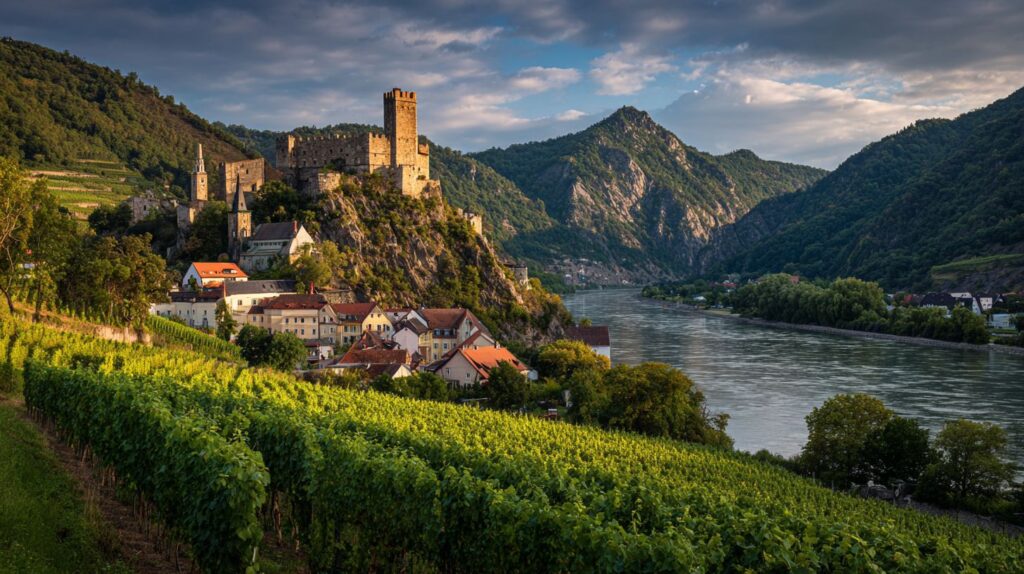
According to the Lower Austria Travel Guide 2025: Where to Stay, Eat & Explore, top accommodations include cozy boutique hotels in the Wachau Valley like Hotel Richard Lwenherz in Drnstein for wine lovers, and family-friendly resorts in the Vienna Woods such as Althoff Hotel Palais Schwarzenberg, offering modern amenities and proximity to hiking trails like those near Vienna International Airport. For budget travelers, guesthouses in Krems provide authentic stays starting at EUR80 per night, accessible via City Airport Train.
Where should I eat authentic Austrian cuisine based on the Lower Austria Travel Guide 2025: Where to Stay, Eat & Explore?
The Lower Austria Travel Guide 2025: Where to Stay, Eat & Explore highlights must-try spots like Heuriger vineyards in Grinzing for traditional heuriger taverns serving Wiener Schnitzel, Sachertorte, and new wine, and Michelin-starred restaurants in St. Plten such as Gut Pch in Maria Lanzendorf for farm-to-table experiences as recommended by the MICHELIN Guide. Don’t miss apricot dumplings in the Wachau region during summer festivals.
What are the best attractions to explore in Lower Austria according to the Lower Austria Travel Guide 2025: Where to Stay, Eat & Explore?
As detailed in the Lower Austria Travel Guide 2025: Where to Stay, Eat & Explore, key attractions include the medieval castle ruins of Aggstein in the Wachau Valley for scenic hikes, the historic town of Krems with its art museums, the natural beauty of the Danube River cruises, and highlights like Mozart in Salzburg. In 2025, new eco-trails in the National Park Gesuse offer sustainable exploration opportunities.
How can I plan a budget-friendly trip using the Lower Austria Travel Guide 2025: Where to Stay, Eat & Explore?
The Lower Austria Travel Guide 2025: Where to Stay, Eat & Explore suggests starting with affordable rail passes or Flixbus for traveling from Vienna to regional spots like Eisenstadt, using U-Bahn and Wiener Linien, staying in agritourism farms for under EUR100 nightly, and eating at local markets in Wiener Neustadt or Naschmarkt. Allocate EUR50-70 daily for meals and activities to cover wine tastings and castle visits without overspending.
What new features or updates are in the Lower Austria Travel Guide 2025: Where to Stay, Eat & Explore for sustainable travel?
Updated for 2025, the Lower Austria Travel Guide 2025: Where to Stay, Eat & Explore emphasizes eco-friendly options like green-certified hotels in the Semmering region, zero-waste dining at organic farms in the Mostviertel, and guided e-bike tours through the Carnuntum archaeological park or Danube cycle paths to minimize environmental impact while exploring ancient Roman sites and areas like Hallstatt.
Is the Lower Austria Travel Guide 2025: Where to Stay, Eat & Explore suitable for families with children?
Yes, the Lower Austria Travel Guide 2025: Where to Stay, Eat & Explore is ideal for families, recommending kid-friendly stays like adventure parks in the Myraflle waterfalls area, interactive museums in Carnuntum with Roman reenactments, and family menus at lakeside eateries in the Neusiedler See region, ensuring fun and educational experiences for all ages.