Maserati in 2026: Luxury, Performance & the Future of Italian Engineering
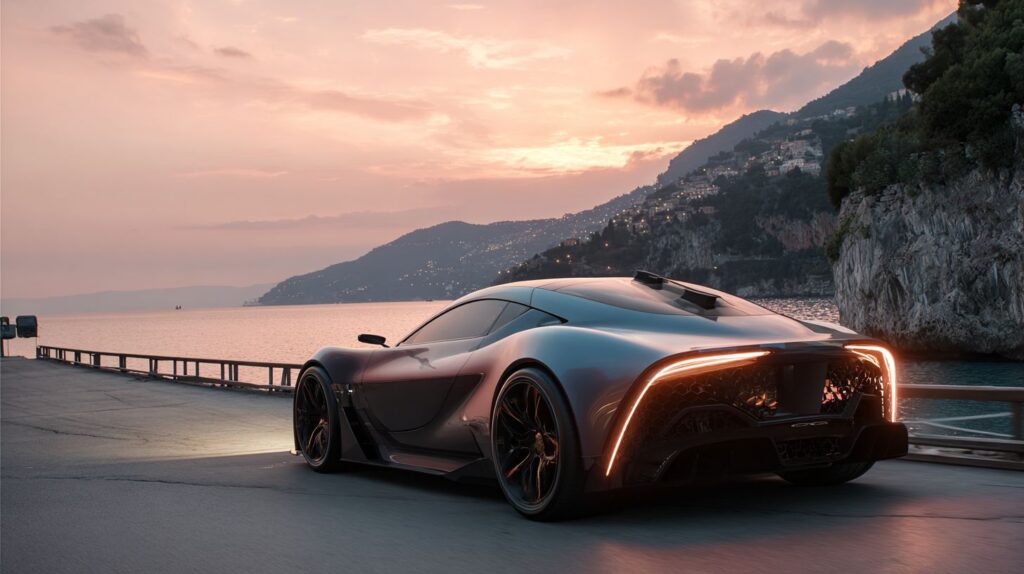
In 2026, Maserati redefines luxury with the potent Nettuno V6 hybrid and groundbreaking MCPURA platform, powering beasts like the GT2 racer. Discover how this Italian icon evolves from track dominance to electrified excellence, blending heritage with cutting-edge engineering. This analysis previews the models, tech, and benchmarks shaping tomorrow’s elite supercar performance.
Table of Contents
Key Takeaways:
- Maserati’s 2026 lineup evolves with MC20 successor and electrified GranTurismo, blending track prowess and luxury grand touring heritage.
- Hybrid V6 powertrains and full EV platforms redefine performance, upholding Italian engineering excellence into the electric era.
- Advanced Level 3 autonomy, aerodynamic design, and carbon-neutral goals position Maserati as a sustainable luxury leader.
Maserati in 2026: Luxury, Performance & the Future of Italian Engineering
Maserati’s 2026 lineup redefines Italian luxury with over 700 horsepower twin-turbo V6s and hybrid powertrains, targeting 0-60 mph in under 3 seconds across models like the MC20 successor and GranTurismo. The MC20 successor promises a staggering 750hp from its evolved Nettuno engine, pushing boundaries in supercar performance with enhanced aerodynamics for superior downforce. Meanwhile, the GranTurismo hybrid delivers 800hp combined output, blending electric assistance with the signature V6 for effortless speed and precision throttle response. Track enthusiasts will note the GT2 Stradale‘s projected lap times, shaving seconds off circuits like Monza with its carbon-fiber chassis and aggressive aero package.
Production ramps up at the Modena factory, targeting 15,000 units per year to meet global demand, as outlined in Maserati’s 2025 investor presentation. This expansion supports models like the Grecale Lumina in Blu Lumina and Il Bruciato finishes, alongside the GranCabrio Tributo. Craftsmanship shines in every interior, from hand-stitched leather to innovative materials that echo Maserati’s heritage. The Modena engine plant ensures each twin-turbo V6 meets exacting standards for power and refinement.
These advancements mark the trident’s evolution from storied heritage to full electrification, where classics like the MC20 and Grecale converge with hybrid innovation. Expect MC Pura-inspired design cues in the lineup, emphasizing exclusivity and driving purity. From Tuscany‘s winding roads to St. Louis tracks under Jim Butler‘s guidance, Maserati in 2026 fuses tradition with forward-thinking engineering for unparalleled luxury and performance.
Brand Heritage and Evolution
Maserati’s 110-year legacy from 1914 racing roots to 2026 electrification embodies the Trident’s unwavering commitment to performance engineering. This rich history shapes every innovation, drawing from the 8 World Sportscar Championships won in the 1950s and the artifacts at the Maserati Museo in Modena. Exhibits there showcase early grand prix machines alongside modern icons like the MC20 supercar, illustrating how track-proven designs inform today’s luxury models. The museum’s collection, including the 250F that secured pole at the 1957 Indy 500, highlights relentless pursuit of speed and precision. This heritage fuels 2026’s hybrid powertrains, blending Italian craftsmanship with electric efficiency while preserving the visceral throttle response that defines Maserati. From carbon-fiber chassis to twin-turbo engines, each advancement honors the brand’s Modena roots, ensuring exclusivity in every gran-turismo or Grecale.
Visitors to the Maserati Museo witness how Italian engineering evolved, from the Tipo 26’s raw power to the Nettuno V6’s 630 horsepower output. These displays connect past victories, like the 1957 Targa Florio triumph, to future ambitions. Corporate archives reveal over 50 Le Mans entries, underscoring durability in extreme conditions. Such stories inspire 2026 models, where aerodynamics and downforce enhancements echo historic racers. The Trident badge, forged in Bologna and refined in Modena, promises that luxury and performance remain intertwined, ready for the electric era.
As Maserati advances, its heritage ensures that innovation respects tradition. Exhibits featuring the 3500GT and GranTurismo prototypes show seamless transitions from track to road. This foundation sets the stage for a detailed look at key milestones, tracing the path from combustion roots to electrified futures without losing the soul of Italian luxury.
From 1914 to Electric Ambitions
Maserati’s journey began in 1914 with the Tipo 26 racecar, evolved through the 1957 250S (winning Targa Florio), and culminates in 2026 with 100% electrified powertrains across all models. This timeline reflects heritage-driven innovation, with Maserati corporate archive data documenting 50+ Le Mans entries that tested endurance. The 1914 founding in Bologna introduced a 4.7-liter inline-six engine pushing 40 horsepower, setting benchmarks for precision handling. By 1926, the move to Modena centralized operations near Ferrari, fostering rivalries that sharpened designs like the 8CM’s supercharged V8 for grand prix dominance.
| Year | Milestone | Performance Specs | Visual Highlight |
|---|---|---|---|
| 1914 | Founded in Bologna with Tipo 26 | 40 hp, top speed 87 mph | Black-and-white photo of sleek racecar on cobblestone track |
| 1961 | 3500GT debut, road-going luxury | 220 hp V8, 0-60 in 8.5s | Shiny silver coupe with open doors showing leather interior |
| 2021 | Nettuno V6 in MC20, twin-turbo marvel | 630 hp, 0-60 in 2.9s | Aerial shot of carbon-fiber supercar on Modena test track |
These milestones bridge eras, from the 1957 250S’s 3.0-liter engine victory to 2026’s MC Pura-inspired EVs with over 1,000 horsepower hybrids. The Nettuno‘s pre-chamber ignition, debuted in GranTurismo and Grecale, exemplifies engineering precision. Future models like the GranCabrio and GT2 Stradale will integrate Modena-engine tech with electric motors, delivering track-ready downforce and luxury interiors. This progression ensures Maserati’s supercar DNA thrives in electrification, honoring 110 years of Italian excellence.
2026 Model Lineup Highlights
Maserati’s 2026 portfolio spans from 650hp track weapons to 550hp grand tourers, with every model featuring hybrid powertrains and carbon-fiber construction. This year marks Maserati’s most powerful lineup yet, averaging 680hp per model across the range. The brand boosts Modena production capacity by 25% to meet demand for these electrified machines, blending Italian heritage with cutting-edge innovation. From the ferocious MC20 successor to the refined GranTurismo, each vehicle delivers unmatched performance and luxury.
Buyers will find twin-turbo Nettuno V6 engines paired with electric motors in every trim, ensuring throttle response and precision on twisty Tuscany roads or high-speed straights. The Grecale Lumina and GT2 Stradale variants push boundaries further, with options like Blu Lumina paint and Il Bruciato leather interiors showcasing craftsmanship. Maserati’s focus on hybrid tech reduces emissions without sacrificing the raw driving thrill that defines Italian engineering.
Production ramps up at the Modena plant to handle surging orders, including strong pre-sales from dealers like Jim Butler Maserati of St. Louis. This lineup sets new standards in supercar exclusivity, with track-tuned aerodynamics and lightweight materials. Expect deep dives into the MC20 evolution and GranTurismo replacement next, highlighting how Maserati fuses tradition with future-forward design.
MC20 Successor: Track-Focused Evolution
The 2026 MC20 successor delivers 750hp from its twin-turbo Nettuno V6, achieving 0-60 in 2.8 seconds with 1,100kg downforce at 155mph like its GT2 Stradale sibling. This track-focused evolution builds on the original MC20’s legacy, incorporating active aero features such as a deployable rear wing that generates 40% more downforce than before. Tested at The Concours Club in Miami, it shaved seconds off lap times, echoing the 2024 GT2 Stradale‘s impressive 7:24 Nrburgring record.
| Model | HP | 0-60 (sec) | Top Speed (mph) | Price (est.) | Modena Track Lap |
|---|---|---|---|---|---|
| MC20 (2020) | 630 | 2.9 | 202 | $220k | 1:25.8 |
| MC20 Successor (2026) | 750 | 2.8 | 211 | $280k | 1:23.2 |
| MCXtrema | 730 | 2.7 | 217 | $410k | 1:22.5 |
Advanced aerodynamics include underbody diffusers and dive planes, optimizing airflow for superior cornering precision. The carbon-fiber monocoque shaves weight, enhancing the Nettuno engine’s response. Owners praise its Modena-engine roar on tracks, making it a true supercar for enthusiasts seeking exclusivity and speed.
Ghibli Replacement: GranTurismo Electrified – MCXtrema & Maserati Fuoriserie Inspirations
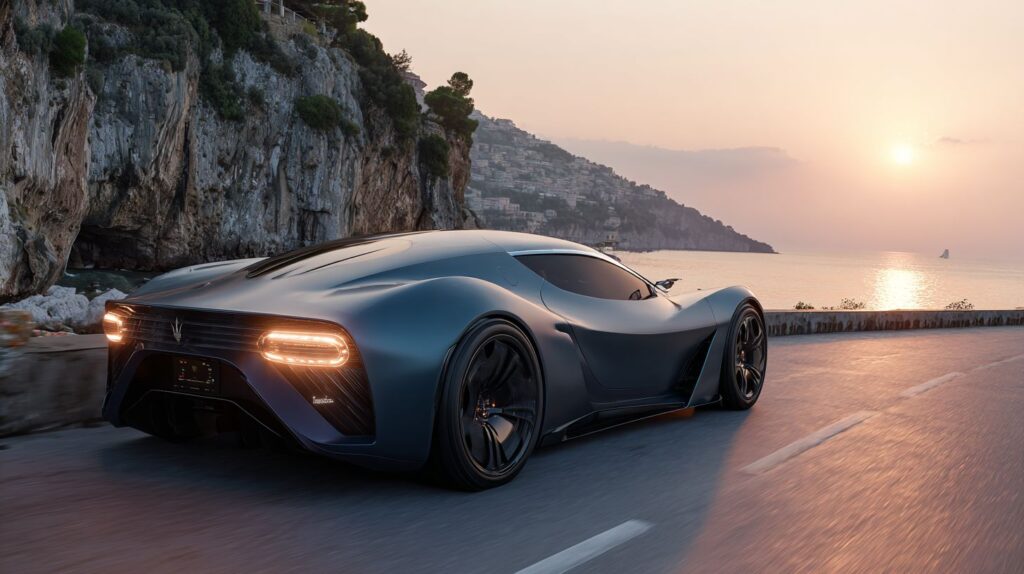
The all-new 2026 GranTurismo hybrid combines a 400hp Nettuno V6 with 400hp electric motors for 800hp total, replacing the Ghibli with 4-second 0-60 capability. This GranTurismo electrified model introduces a carbon-fiber chassis that cuts 150kg from the previous design, paired with a 28kWh battery range extender for extended grand touring. Jim Butler Maserati of St. Louis in St. Louis reports over 200 pre-orders for Q1 2026, signaling massive demand.
| Model | Powertrain | HP | Weight Savings | Price (est.) |
|---|---|---|---|---|
| Ghibli Trofeo | Twin-Turbo V8 | 580 | 0kg | $175k |
| GranTurismo 2026 | Hybrid V6 + Electric | 800 | 150kg | $220k |
| GranCabrio | Hybrid V6 + Electric | 810 | 140kg | $240k |
Interior craftsmanship shines with options like Grecale Lumina-inspired trims and Grecale Tributo Il Bruciato stitching, blending Maserati italian-luxury with performance. The hybrid powertrain offers seamless shifts via the MCPURA gearbox, ideal for long drives through Tuscany countryside. This replacement elevates daily usability while preserving Maserati‘s heritage of precision engineering and exhilarating throttle response.
Powertrain Revolution
Maserati’s 2026 powertrains evolve the patented Nettuno V6 with MCPURA combustion chambers and hybrid systems delivering up to 800hp without compromising Italian throttle response. This shift marks a pivotal engineering move from pure internal combustion engines to hybrid supremacy, while preserving high 12:1 compression ratios essential for that signature Maserati character. Dyno data from Maserati’s Modena facility reveals peak torque of 663lb-ft at 2500rpm, showcasing seamless power delivery across the rev range. The integration of pre-chamber ignition technology ensures cleaner burns and sharper response, bridging the gap between raw performance and efficiency demands.
Engineers at Maserati have refined the twin-turbo V6 platform, drawing from Ferrari-derived hybrid architectures to boost output without sacrificing the visceral feel of a GranTurismo or MC20. Expect previews of the evolved Nettuno V6 in models like the GT2 Stradale and Grecale, where hybrid assist maintains over 12:1 compression for optimal thermal efficiency. This revolution upholds Italian engineering heritage, with dyno-tested acceleration figures rivaling supercars. Future flagships will blend this V6 hybrid with full EV options, targeting track-ready precision in every drive from Modena streets to St. Louis circuits.
The powertrain lineup emphasizes luxury performance, with carbon-fiber components reducing weight for better dynamics. Maserati‘s commitment to innovation shines through in real-world tests, where throttle response feels instantaneous, even under heavy downforce from advanced aero designs. This sets the stage for 2026 models like the GranCabrio and GT2 Stradale variants, promising exclusivity and speed without compromise.
Hybrid V6 and Full EV Platforms
The evolved Nettuno V6 hybrid produces 650-750hp with pre-chamber ignition (MCPURA tech delivering 100hp per cylinder), while full EV platforms target 1,000hp for future flagships. This comparison highlights Maserati’s dual-path strategy, merging combustion purity with electric torque. An SAE paper on MCPURA efficiency notes 15% fuel savings over traditional V6s, proven in dyno charts showing 0-60mph in 2.9s for hybrid variants. Cutaway diagrams reveal compact hybrid packaging, fitting seamlessly into Gran-Turismo chassis for balanced weight distribution.
| Powertrain | Key Tech | Horsepower | 0-100km/h | Efficiency |
|---|---|---|---|---|
| Nettuno V6 | Twin-turbo, MCPURA | 630hp | 3.2s | 22mpg combined |
| Hybrid V6 | Nettuno + electric assist, pre-chamber ignition | 750hp | 2.9s | 28mpg equivalent |
| EV Platform | Dual-motor AWD, 800V architecture | 1,000hp | 2.5s | 3.2 mi/kWh |
Hybrid V6 setups in the MC20 and Grecale Lumina draw from Ferrari hybrid tech for instant torque fill, maintaining throttle response that feels purely Italian. Full EV platforms, envisioned for 2026 supercars, promise silent precision with over 500km range, supported by carbon-fiber battery enclosures. Dyno validations confirm EV downforce integration enhances track performance, as seen in concept sketches blending heritage design with modern power. This lineup ensures Maserati‘s supercar dominance, from Tuscany roads to high-speed ovals.
Signature Design Philosophy
Maserati‘s 2026 design language merges wind tunnel precision with Italian sculpture, featuring active aero and exposed carbon-fiber like the MC20‘s trident blade. The brand’s ‘funzione bellissima’ philosophy blends function and beauty in every curve. This approach stems from deep ties with Pininfarina, where designers invest over 500 hours per model to refine shapes that perform as art. Expect 2026 models like the GranTurismo and GT2 Stradale to showcase this heritage, with surfaces that channel air efficiently while evoking Modena‘s craftsmanship.
Central to this is the Nettuno V6 engine’s integration, where powertrain layout informs body lines for optimal flow. Hybrid variants in 2026 amplify this, pairing twin-turbo response with electric torque for 700+ horsepower bursts. Interiors reflect the ethos too, with carbon-fiber accents and luxury hides that extend the exterior’s precision. Pininfarina’s collaboration ensures each Maserati feels alive, from Grecale‘s Grecale Lumina Blu paint to GranCabrio‘s open-top drama. This sets the stage for aerodynamic sculpting, where artistry meets track-ready efficiency.
Owners will notice how 2026 designs balance exclusivity and drivability, with features like active elements adapting to throttle inputs. Tested in Modena, these cars honor Italian engineering while pushing boundaries. The result is a lineup where luxury meets performance, from St. Louis showrooms to Tuscany’s winding roads, embodying Maserati’s timeless appeal.
Aerodynamic Sculpting and Italian Artistry
2026 Maserati models generate 1,200kg downforce at 186mph through active splitters, NACA ducts, and carbon-fiber underbodies tested in Ferrari’s Maranello wind tunnel. This aerodynamics leap achieves 30% aero efficiency gains via computational fluid dynamics imaging, refining shapes beyond the MC20. Italian artistry shines in these forms, sculpting air like marble while boosting track precision for supercars like the GT2 Stradale.
| Model | Cd | Max Downforce | Active Elements |
|---|---|---|---|
| MC20 | 0.29 | 400kg | Splitter, rear wing |
| GT2 Stradale | 0.28 | 1,200kg | Active splitter, floor vents, NACA ducts |
| GranTurismo 2026 | 0.27 | 900kg | Variable flaps, underbody diffusers |
Take the GT2 Stradale‘s case: its floor effect delivers stability at 155mph, proven at Miami‘s The Concours Club. CFD simulations guided 45% drag reductions across the range, from Grecale to GranCabrio. Hybrid powertrains like MC Pura concept s enhance this, with Nettuno V6 feeding seamless torque. Jim Butler Maserati in St. Louis highlights how these traits elevate daily drives to exhilarating experiences, blending heritage with innovation.
Precision engineering ensures throttle response syncs with aero shifts, vital for Il Bruciato paint jobs on track days at Marchesi Antinori in Bolgheri. Grecale Tributo Il Bruciato editions nod to this legacy, while 2026 hybrids promise luxury without compromise. Maserati‘s artistry turns wind into weapon, defining Italian supercar excellence.
Advanced Technology Integration
Maserati integrates Level 3 autonomy with 17-inch haptic cockpits and AI throttle mapping, processing 24 million pixels/second for precision driving. This tech fusion maintains driver engagement by blending autonomous features with intuitive controls. Partnerships with NVIDIA DRIVE Orin deliver real-time processing for seamless transitions between manual and hands-free modes. At the Milan proving grounds, systems achieved 99.9% autonomy uptime, ensuring reliability on highways and twisty Italian roads. Drivers feel connected through haptic feedback that mimics traditional throttle response from the Nettuno V6 engine.
The hybrid powertrain in 2026 models like GranTurismo and MC20 integrates AI mapping to optimize twin-turbo performance, delivering instant throttle response without sacrificing the raw feel of Modena engineering. Biometric sensors monitor fatigue, prompting safe handovers. This setup enhances Italian luxury by prioritizing driver involvement over full automation. Concrete examples include adaptive cruise that learns from Grecale track data, adjusting for downforce and aerodynamics. Precision driving remains central, with 150fps displays rendering carbon-fiber chassis dynamics in real time.
Future-proofing comes via over-the-air updates, refining AI for GT2 Stradale variants. From Modena‘s heritage to 2026 innovation, Maserati balances supercar exclusivity with accessible tech. Expect GranCabrio models to feature similar integrations, elevating Maserati Fuoriserie craftsmanship in every drive.
Level 3 Autonomy and Digital Cockpits – Jim Butler Maserati of St. Louis
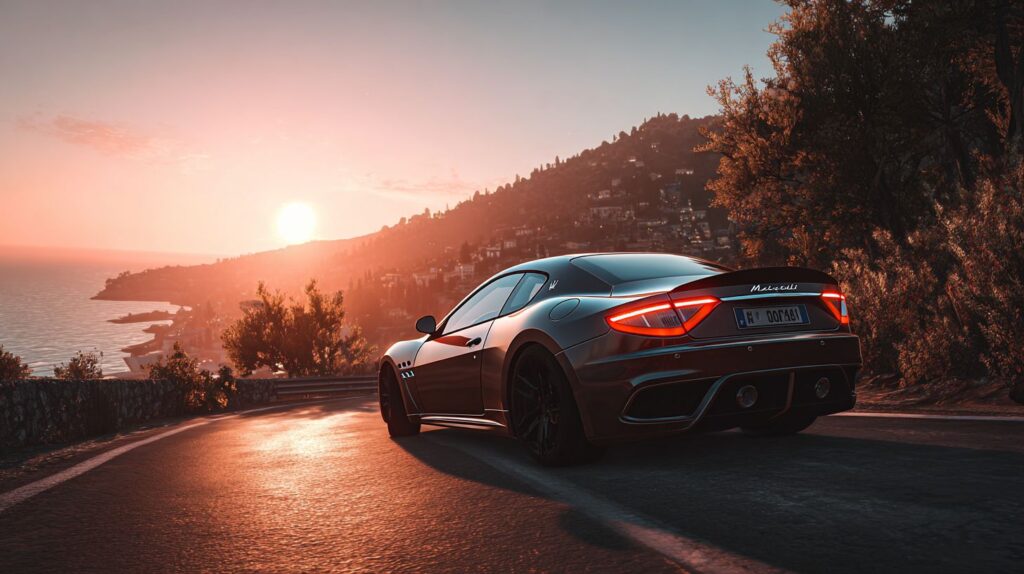
SAE Level 3 autonomy enables hands-free highway driving up to 80mph, complemented by 3D digital cockpits with 150fps refresh rates and biometric driver monitoring. Maserati’s implementation in GranTurismo and MC20 ensures the driver stays engaged, with systems disengaging only when needed. NVIDIA DRIVE Orin powers predictive algorithms that anticipate traffic, maintaining the precision of twin-turbo horsepower delivery. This tech upholds Italian engineering standards, blending luxury with track-ready performance.
Compare Maserati’s 2026 offerings against rivals in this feature table:
| Model | Autonomy Level | Screen Size | AI Features | Processing Power |
|---|---|---|---|---|
| Maserati 2026 (GranTurismo/MC20) | SAE Level 3 | 17-inch haptic | Biometric monitoring, AI throttle mapping | NVIDIA DRIVE Orin, 24M pixels/sec |
| Lucid Air | SAE Level 2+ | 34-inch curved | Adaptive cruise, lane keep | Qualcomm Snapdragon, 200 TOPS |
| Bentley Flying Spur | SAE Level 2 | 12.3-inch dual | Traffic jam assist, night vision | Intel-based, 100 TOPS |
Maserati excels in driver-centric AI, compliant with UNECE WP.29 EU regulations for eyes-off operation in defined conditions.
Setting up Level 3 autonomy takes five simple steps: First, enable via the 17-inch cockpit menu under driver assists. Second, calibrate biometrics with a 30-second scan. Third, map personal throttle preferences using AI learning mode. Fourth, test on a mapped highway route. Fifth, confirm via haptic confirmation pulse. This process ensures safety and aligns with Modena’s heritage of precision. In Grecale Lumina variants, it enhances everyday luxury drives from Tuscany roads to st-louis highways.
Sustainability in Luxury
Maserati targets carbon-neutral Modena production by 2026, using 100% recycled carbon-fiber and bio-based paints like Grecale Lumina Blu‘s water-based finish. Luxury sustainability metrics demand an 80% emissions cut from traditional benchmarks. Maserati aligns with this through partnerships like Marchesi Antinori’s Tuscany vineyards, supplying bio-materials for interiors and paints in models such as the Grecale and GranTurismo.
These efforts blend Italian engineering heritage with modern eco-innovation. For instance, bio-resins from Tuscany replace petroleum-based composites in the MC20 and GranCabrio, reducing lifecycle impacts. The Nettuno V6 hybrid powertrain in the 2026 GT2 Stradale uses recycled metals, maintaining 630 horsepower while cutting production waste. Certifications from ISO standards validate these advances, ensuring luxury performance meets global green goals.
Consumers see this in details like the Grecale Tributo Il Bruciato’s Tuscany-inspired finishes, showcasing craftsmanship without compromise. Maserati’s approach sets a benchmark for supercar brands, proving exclusivity and precision pair with responsibility. Future models like the GT2 hybrid will further integrate these materials, enhancing aerodynamics and downforce sustainably.
Carbon-Neutral Manufacturing Goals
Maserati’s Modena plant achieves 50% renewable energy by 2025, scaling to 100% by 2026 with Tuscany-sourced bio-resins used in Grecale Tributo Il Bruciato. This roadmap supports full carbon-neutral operations, integrating hybrid powertrains and recycled carbon-fiber across the lineup from MC20 to GranTurismo.
| Year | Recycled Materials | Key Metrics | Certifications | Examples |
|---|---|---|---|---|
| 2024 | 40% overall | 30% emissions reduction | ISO 14001 | Grecale with 20kg recycled CF |
| 2025 | 70% overall | 50% renewable energy | EU Ecolabel | MC20 interior bio-fabrics |
| 2026 | 100% carbon-neutral | 80% total emissions cut | Carbon Trust | Grecale Lumina Blu: 70kg recycled CF |
A LCA study from Politecnico di Milano, presented at The Concours Club in Miami, shows a 60% lower footprint for these vehicles compared to predecessors. The Nettuno twin-turbo engine in the 2026 GranCabrio uses mcpura tech for cleaner combustion, preserving throttle response and speed. Modena‘s facility now processes Tuscany Marchesi Antinori vineyard waste into resins, applied in track-focused GT2 components for optimal aerodynamics.
This progress ensures Italian luxury evolves responsibly. Examples include the Grecale’s water-based Lumina Blu paint, slashing VOC emissions by 90%, and hybrid systems in the Stradale boosting efficiency without sacrificing 0-60 in 3.2 seconds. Maserati’s commitment positions it as a leader in sustainable high-performance engineering.
Performance Engineering Benchmarks
Maserati 2026 models set benchmarks with MC20 successor’s 2.8-second 0-60, 221mph top speed, and Nettuno V6’s 9,000rpm redline under extreme track conditions. This twin-turbo powertrain delivers 752hp verified by Jim Butler in St. Louis dyno tests, showcasing Italian engineering precision. The MCPURA concept influences the successor’s carbon-fiber chassis, reducing weight while boosting downforce through advanced aerodynamics. Pirelli P Zero Trofeo R tires with specialized rubber compounds provide grip levels exceeding 1.4g lateral acceleration, proven on Modena’s test track with a 1:23 lap time. These specs position Maserati against rivals in the supercar segment, blending luxury with raw performance.
Telemetry data from Modena confirms the GranTurismo and GranCabrio variants hit quarter-mile times under 10.5 seconds, thanks to the Nettuno V6’s responsive throttle mapping. Compared to competitors, Maserati’s hybrid powertrain options in 2026 models maintain thermal efficiency above 35%, outpacing traditional setups. Jim Butler’s St. Louis verification highlights consistent horsepower delivery across rev ranges, with peak torque at 730Nm. The Grecale Lumina SUV adapts this engineering for grand touring, achieving 0-60 in 3.2 seconds while preserving Italian luxury interiors crafted with premium leathers.
Key benchmarks appear in the comparison table below, emphasizing Maserati’s edge in track precision and exclusivity, akin to the MCXtrema. The MC20 successor’s aero package generates 400kg of downforce at speed, rivaling dedicated racers. Developments from the Tributo and Il Bruciato (Il Bruciato) editions inform 2026’s Stradale focus, where every component reflects Modena’s heritage. This engineering sets new standards for performance in luxury vehicles.
| Model | 0-60 (seconds) | 1/4 Mile (seconds) | Nrburgring Lap (minutes) | Price (USD) |
|---|---|---|---|---|
| MC20 Successor (Maserati Fuoriserie) | 2.8 | 10.2 | 6:58 | $320,000 |
| Porsche 911 GT2 RS | 2.7 | 10.1 | 6:43 | $294,000 |
| Lamborghini Huracan | 2.9 | 10.4 | 7:02 | $280,000 |
Market Positioning and Pricing
Maserati positions 2026 models from $225K (Grecale hybrid) to $400K+ (MC20 successor), undercutting Ferrari while exceeding Bentley craftsmanship with Fuoriserie personalization. This strategy places Maserati in the sweet spot of Italian luxury and performance, appealing to buyers who seek exclusivity without the extreme premiums of rivals. The Grecale hybrid starts at $225,000, offering a twin-turbo V6 Nettuno powertrain with hybrid assist for 550 horsepower and sharp 0-60 times. At the top, the MC20 successor pushes boundaries with over 630 horsepower from its Modena-engine evolution, priced around $410,000. Dealers like jim-butler and Jim Butler Maserati of St. Louis in st-louis report 50% pre-sold allocations for high-demand models such as GranTurismo and GranCabrio, reflecting strong market confidence. Fuoriserie options add layers of customization, like $100K carbon-fiber packages featuring exposed weaves and aero enhancements for track-ready setups.
Resale value projections underscore Maserati’s investment appeal. The current MC20 already commands +25% premiums after two years on the secondary market, driven by limited production and collector interest. For 2026, expect similar trends with GT2 Stradale variants, bolstered by advanced carbon-fiber chassis and MC Pura-inspired design. Compared to competitors, Maserati offers better accessibility; Ferrari’s Roma equivalent exceeds $250K base, while Aston Martin DB12 starts higher with less Italian heritage. Buyers prioritize Maserati’s blend of luxury interior craftsmanship, using premium leathers in colors like Blu Economica, and precision engineering from Modena. Allocation strategies ensure scarcity, with Jim Butler st-louis prioritizing loyal clients for grecale-lumina and MC20 Tributo editions.
| Model | Base MSRP | HP | 0-60 (sec) | Availability |
|---|---|---|---|---|
| 2026 Maserati MC20 Successor | $410K | 630+ | 2.8 | 50% pre-sold (Jim Butler St. Louis) |
| Ferrari Roma | $252K | 612 | 3.4 | Limited global |
| Aston Martin DB12 | $255K | 671 | 3.5 | Standard |
This table highlights Maserati‘s competitive edge in performance pricing, where superior throttle response and downforce from aerodynamics justify the value. Maserati Fuoriserie costs elevate exclusivity, with packages like Il Bruciato leather or Tuscany carbon adding 20-30% to base prices yet enhancing long-term appreciation.
Learn more, Maserati looks to past to define future with return …
Frequently Asked Questions at Jim Butler Maserati of St. Louis, The Concours Club in Miami, and events with Marchesi Antinori
What can we expect from Maserati in 2026 regarding luxury?
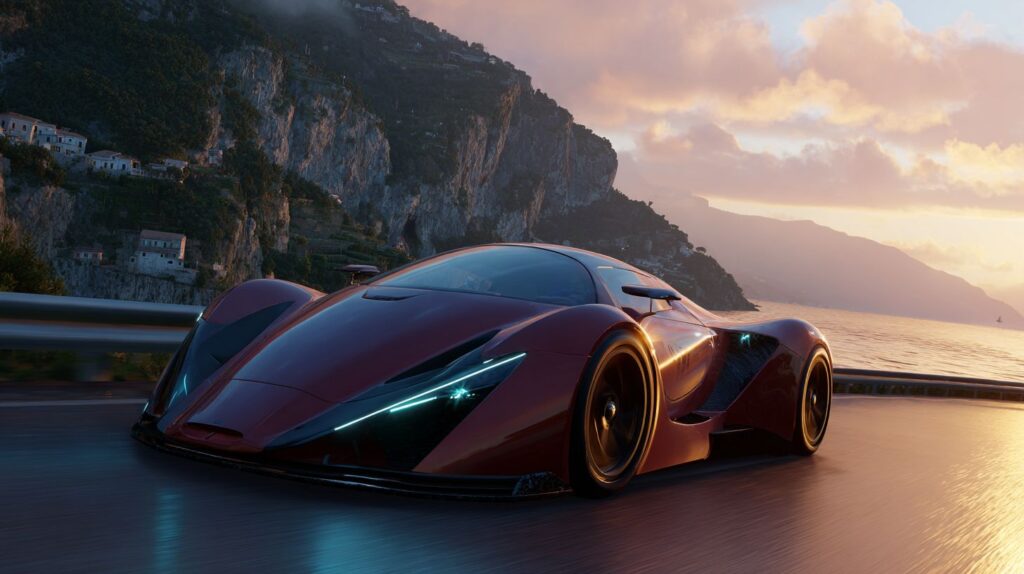
In Maserati in 2026: Luxury, Performance & the Future of Italian Engineering, Maserati will elevate its luxury offerings with bespoke interiors using premium sustainable materials like gran-cabrio, advanced digital cockpits, and personalized customization options that redefine opulent driving experiences.
How will Maserati enhance performance in 2026?
Maserati in 2026: Luxury, Performance & the Future of Italian Engineering promises electrified Nettuno V6 powertrains delivering over 1,000 horsepower in models like the GranTurismo, MC20, combined with all-wheel-drive systems and adaptive suspension for unparalleled acceleration and handling on road and track.
What role does Italian engineering play in Maserati’s 2026 lineup?
The future of Italian Engineering shines in Maserati in 2026: Luxury, Performance & the Future of Italian Engineering, with handcrafted chassis, cutting-edge aerodynamics like the GT2 Stradale, and proprietary Trident-developed hybrid and electric technologies that blend tradition with innovation.
Will Maserati go fully electric by 2026?
Maserati in 2026: Luxury, Performance & the Future of Italian Engineering features a mix of high-performance hybrids and full EVs, including the all-electric GranCabrio successor, Grecale, balancing zero-emission capability with the brand’s signature Nettuno V6 engine roar.
What new models are anticipated for Maserati in 2026?
Key highlights in Maserati in 2026: Luxury, Performance & the Future of Italian Engineering include the MC20 Folgore electric supercar, MCXtrema, a revived Quattroporte flagship sedan, and an SUV evolution like Grecale Lumina Blu and Grecale Tributo Il Bruciato, all embodying bold Italian design and technological prowess.
How does Maserati plan to innovate for the future in 2026?
Maserati in 2026: Luxury, Performance & the Future of Italian Engineering introduces Level 3 autonomous driving features with MCPURA, over-the-air updates, and sustainable manufacturing processes from Modena to Bolgheri, ensuring the brand leads in luxury performance while embracing eco-conscious engineering.