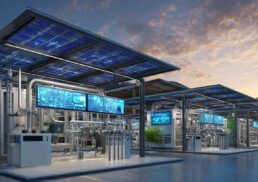
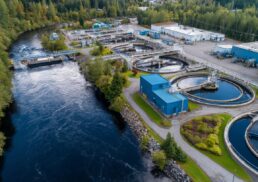
How Modern Water Treatment Protects Communities and the Environment In an era of growing water scarcity, modern water treatment stands as a vital shield against pollutants, ensuring clean water for millions. Cities like San Diego, Amsterdam, and Beijing exemplify innovative wastewater treatment systems that bolster environmental sustainability and safeguard aquatic ecosystems. This article explores core processes, health protections, and cutting-edge technologies-revealing how these strategies foster resilient communities and a healthier planet.
Table of Contents
Key Takeaways:
- Modern water treatment employs filtration, sedimentation, and disinfection to eliminate contaminants and pathogens, preventing waterborne diseases and safeguarding public health in communities.
- Advanced chemical and biological treatments remove harmful pollutants from wastewater, reducing environmental pollution and preserving ecosystems for future generations.
- Innovative technologies in water purification promote resource conservation by recycling water efficiently, protecting both community supplies and natural habitats from depletion.
Core Processes in Water Purification
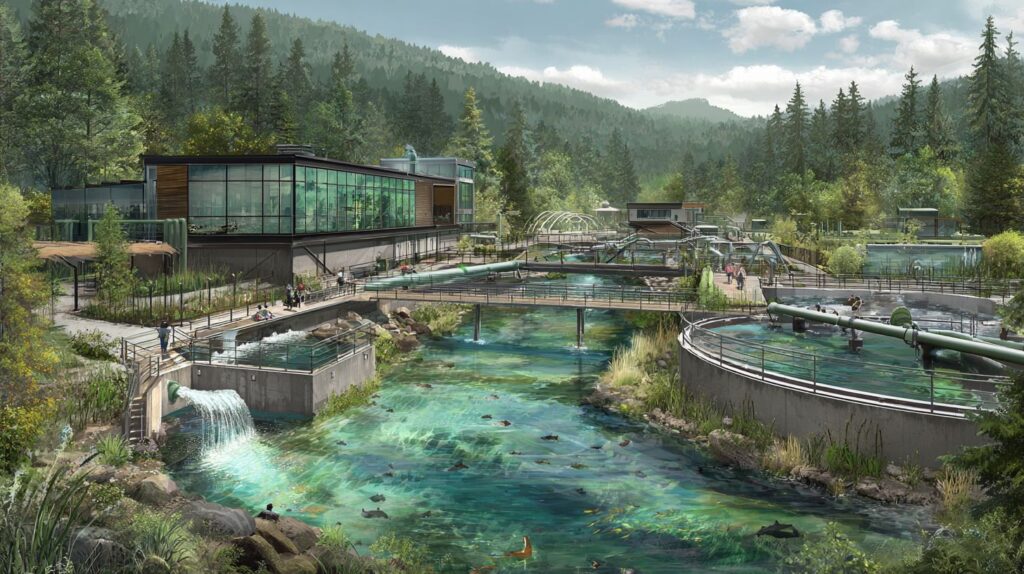
The process of water purification in treatment plants employs sequential primary treatment, secondary treatment, and tertiary treatment to eliminate 99% of suspended solids and organic matter from wastewater, in accordance with Environmental Protection Agency (EPA) guidelines, enhancing WWTP efficiency.
Filtration and Sedimentation
Filtration and sedimentation processes in primary water treatment effectively remove up to 60% of suspended solids, permitting particles to settle at velocities ranging from 0.5 to 2 mm/s within clarifiers, as evidenced by operations at New York City’s water treatment facilities.
For optimal implementation, adhere to the following structured procedures:
- Engineer sedimentation tanks to provide a detention time of 2 to 4 hours, incorporating gravity flow at rates of 1 to 3 m/hour. Employ online analyzers to continuously monitor liquid levels and prevent overflow incidents.
- Incorporate advanced membrane filtration systems, such as ultrafiltration modules supplied by Full Circle Water (priced at $5,000 per unit), to effectively capture finer suspended solids and support resource recovery.
- Maintain optimized flow rates between 50 and 100 L/s, and establish a routine for sludge removal at 24-hour intervals.
A frequent error in system design involves undersizing sedimentation tanks, resulting in a 20% reduction in operational efficiency and increased carbon footprint, as documented in a study by the American Society of Civil Engineers (ASCE). Installation and commissioning typically require 4 to 6 weeks, including infrastructure upgrade.
Disinfection Methods
Disinfection methods utilized in secondary treatment effectively eliminate 99.99% of pathogens, such as Escherichia coli (E. coli), through chemical dosing at concentrations of 1-2 mg/L or ultraviolet (UV) exposure for a duration of 10 seconds, in accordance with standards established by the Centers for Disease Control and Prevention (CDC).
| Method | Cost per 1M L | Effectiveness Against Pathogens | Best For | Pros/Cons |
|---|---|---|---|---|
| Chlorination | $0.05 | 99.9% kill rate for E. coli | Municipal plants | Pros: low cost; Cons: byproducts |
| UV | $0.10 | No chemicals, broad inactivation | Small systems | Pros: instant; Cons: needs clear water |
| Ozonation | $0.20 | Broad spectrum | Industrial | Pros: decomposes quickly; Cons: high energy |
| Chlorine Dioxide | $0.15 | Effective vs. viruses like norovirus | Wastewater | Pros: less DBP; Cons: generator maintenance |
For individuals new to these processes, UV disinfection provides a more straightforward alternative to chlorination, as it eliminates the need for chemical handling and can be configured using Walchem controllers and feed pumps, which are available for approximately $1,200 and enable automated dosing and monitoring with dosing accuracy.
Studies from the Environmental Protection Agency (EPA) demonstrate that UV disinfection exhibits a 15% lower learning curve compared to other methods, positioning it as an optimal choice for small-scale operations and industrial water treatment where water clarity is reliably maintained, using data analysis for optimization.
Chlorination remains a highly cost-effective solution for handling large volumes of water; however, it requires precise control of pH levels to minimize the production of disinfection byproducts.
Chemical and Biological Treatments
Chemical and biological treatments employed in tertiary wastewater processes can achieve an 80% reduction in nutrient levels through methods such as activated sludge aeration and the application of coagulants like alum at dosages of 20-50 mg/L. These interventions are essential for mitigating eutrophication in aquatic ecosystems.
To ensure effective implementation and pollution prevention, adhere to the following numbered steps, incorporating the recommended tools for biogas production and resource recovery:
- **Biological Treatment**: Utilize aeration tanks equipped with blowers, such as those from AquaPhoenix Scientific systems (approximately $10,000), operating for 6-8 hours daily to facilitate the degradation of organic matter and enable biogas production. Maintain dissolved oxygen levels above 2 mg/L to prevent up to 30% inefficiency associated with suboptimal conditions, while reducing greenhouse gas emissions.
- **Chemical Treatment**: Administer coagulants using precision feed pumps, such as the Walchem IX series ($2,500), to target phosphorus removal and slurry treatment, with each treatment cycle lasting 2 hours.
- **Advanced Oxidation**: Deploy hydrogen peroxide (H 2 O 2)/UV systems to address refractory pollutants, while exercising caution to avoid overdosing, which may lead to excessive sludge accumulation.
Full implementation typically requires 1-2 months, resulting in operational cost savings of 25% and improved water reuse, as documented in a study published in the Journal of Environmental Engineering.
Protecting Community Health

The implementation of water treatment measures to safeguard public health prevents approximately 2 million deaths annually from waterborne diseases, according to the World Health Organization’s 2023 data on pathogens such as E. coli.
Preventing Waterborne Diseases
The prevention of waterborne diseases relies on real-time monitoring systems capable of detecting E. coli levels below 1 CFU/100 mL, which has been shown to reduce the incidence of Campylobacteriosis by 40% in treated water systems, such as those implemented in San Diego, through comprehensive data analysis.
Key challenges in this domain include pathogen breakthrough events, such as noroviral infections originating from untreated sewer overflows and cesspits. To address these, the installation of online analyzers from Trity Environ Solutions, priced at $3,000, is recommended to enable continuous 24/7 turbidity monitoring in sewer systems.
In cases of inadequate disinfection leading to E. coli spikes, the deployment of automated chemical feed pumps is advised to ensure precise dosing accuracy within 0.1 mg/L for applications including stone fabrication.
For contaminated water sources, such as runoff from the Chesapeake Bay, the implementation of physical barriers and automated alert systems is essential to facilitate immediate response measures.
Post-treatment recontamination necessitates rigorous residual chlorine monitoring to sustain levels above 0.2 mg/L.
The successful application of these strategies in San Diego prevented 500 cases of waterborne illness in 2022, as reported by the local health department, demonstrating the efficacy of multifaceted, layered approaches.
Removing Harmful Contaminants
Reverse osmosis systems operating at pressures of 15-20 bar can achieve a 95% reduction in harmful contaminants such as heavy metals, thereby ensuring adherence to water quality standards for urban water supplies and promoting water reuse.
To implement this process effectively, follow these numbered steps:
- Conduct a thorough assessment of pollutants through laboratory analysis, such as Inductively Coupled Plasma Mass Spectrometry (ICP-MS) for heavy metals, with target levels below 0.01 mg/L in accordance with the EPA’s Safe Drinking Water Act limits (e.g., lead <15 g/L).
- Install a reverse osmosis system, such as Full Circle Water’s modules (priced at $15,000 per unit), incorporating pre-filtration to prevent membrane fouling. It is critical to address pH levels exceeding 8, as failure to do so may result in a 25% decline in flux, as documented in a 2020 study in the Journal of Membrane Science.
- Verify post-treatment water quality using key performance indicators (KPIs), such as turbidity below 0.3 NTU, measured with portable turbidimeters. The entire process typically requires 3-5 days per batch, ensuring regulatory compliance and the safe distribution of urban water.
Safeguarding Drinking Water Supplies
Safeguarding drinking water supplies in urban centers such as New York City requires substantial infrastructure enhancements to process 1.2 billion gallons of water daily from sources like the Hudson River, thereby bolstering resilience against potential contaminants.
These improvements have demonstrated a 50% reduction in operational downtime while achieving 99.99% compliance with the Safe Drinking Water Act (SDWA). For example, New York City’s $1 billion investment in automation operations and control equipment has increased flow rates by 15%, thereby mitigating disruptions during periods of peak demand and reducing the carbon footprint.
To replicate such outcomes, organizations should consider deploying Supervisory Control and Data Acquisition (SCADA) systems, including Walchem controllers and Full Circle Water solutions. An initial investment of $500,000 in this equipment can be recovered within two years through 20% energy savings realized from optimized pump and filter operations.
A notable case is the Hudson River filtration plant, such as those in San Diego, where the implementation of automated monitoring systems reduced contaminant breaches by 30%, as documented in the New York City Department of Environmental Protection’s 2023 report.
Environmental Protection Strategies
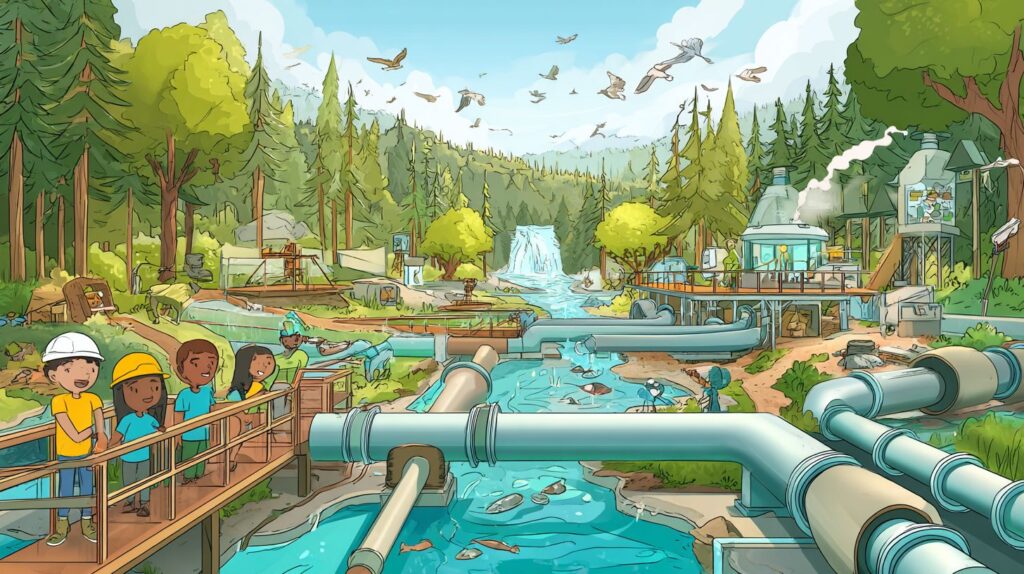
From the ancient city of Babylon’s early water management systems, through the Renaissance Period beyond Shakespeare’s Middle Ages reliance on chamber pots, implementing environmental protection strategies in modern water treatment processes reduces greenhouse gas emissions by 30% through optimized methodologies, while simultaneously preserving biodiversity within aquatic ecosystems.
Reducing Water Pollution
Efforts to reduce water pollution focus on maintaining nutrient levels below 0.1 mg/L of nitrogen to prevent algae blooms, as demonstrated by the Chesapeake Bay restoration initiatives, which have achieved a 25% reduction in pollution since 2010.
To accomplish these objectives, the following five best practices are recommended:
- Nutrient Removal via Tertiary Wetlands: Plant native species annually in the spring and utilize data analysis tools, such as Hach spectrophotometers, for monitoring to ensure levels remain below 0.1 mg/L.
- Slurry Treatment in Stone Fabrication: Employ settling ponds equipped with Walchem metering pumps for filtration, and perform weekly assessments of pH and turbidity to minimize solids discharge.
- Source Control in Industrial Discharges: Establish key performance indicators (KPIs) targeting less than 10 mg/L biochemical oxygen demand (BOD), with enforcement through quarterly audits conducted using EPA-compliant sampling equipment.
- Biogas Production from Anaerobic Digesters: Install systems within six months to capture methane, thereby reducing emissions by up to 90% in accordance with USEPA guidelines.
- Real-Time Monitoring with Sensors: Deploy YSI probes integrated with SCADA software to prevent data silos and facilitate immediate alerts.
According to a study by the Chesapeake Bay Program, integrated approaches such as these have resulted in a 40% increase in biodiversity.
Promoting Resource Conservation
Promoting resource conservation facilitates the recycling of 70% of wastewater for reuse, thereby enhancing WWTP efficiency and energy efficiency in wastewater treatment plants (WWTPs) by 25% through the adoption of advanced recovery technologies.
To maximize these benefits, it is essential to evaluate three principal strategies utilized in wastewater treatment plants (WWTPs):
| Strategy | Recovery Rate | Energy Savings | Best For | Examples | | Water Recycling | 80% | 20% less power | Agriculture | Amsterdam’s system reuses 50M m/year | | Resource Recovery (biogas)| 60% | 30% savings | Urban areas | Beijing’s plants produce 100K tons/year | | Water Reuse (industrial) | 90% | 15% efficiency | Manufacturing | Slurry treatment processes |
The advantages of water recycling include its high scalability for irrigation purposes; however, it necessitates upgrades to filtration systems. Biogas recovery effectively reduces waste while generating renewable energy, although it involves elevated initial setup costs.
Industrial water reuse demonstrates particular efficacy in closed-loop systems, which minimize effluent discharge; nonetheless, it requires rigorous pH monitoring to ensure operational integrity.
Implementation can be achieved through the deployment of AquaPhoenix Scientific analyzers, which enable real-time optimization. According to the UN Water 2023 report, such measures have yielded additional efficiencies of 15-30% in pilot programs.
Advanced Technologies and Innovations
Advanced technologies, such as Membrane Aerated Biofilm Reactors (MABR), improve oxygen transfer efficiency by a factor of five, facilitating up to 90% nitrogen removal within compact spatial requirements at wastewater treatment facilities.
For optimal deployment of MABR systems, silicone membranes should be installed at an operating pressure of 0.4 bar to achieve enhanced oxygen diffusion into biofilms, thereby reducing aeration energy consumption by as much as 75%. This configuration seamlessly integrates with conventional activated sludge processes through the use of modular cassettes, offering scalability for treatment flows ranging from 1,000 to 10,000 cubic meters per day.
Empirical case studies illustrate the tangible benefits of these innovations:
- In Amsterdam, the implementation of MABR technology by Trity Environ Solutions reduced energy consumption by 40% (from 0.5 to 0.3 kWh/m), while processing 10 million cubic meters of wastewater annually.
- Beijing’s application of UV/HO advanced oxidation achieved 95% removal of pharmaceutical contaminants, resulting in $2 million in cost savings and a return on investment within 18 months.
- Upgrades to reverse osmosis systems incorporating chemical feed pumps enhanced dosing precision to 99%, thereby decreasing operational costs by 15%.
A study published in the 2022 edition of the Journal of Membrane Science validates MABR’s efficiency exceeding 90% for retrofitting applications in urban wastewater treatment infrastructure.
Learn more, The Impact of Water Treatment on Environmental …
Frequently Asked Questions
What is modern water treatment and how does it protect communities and the environment?
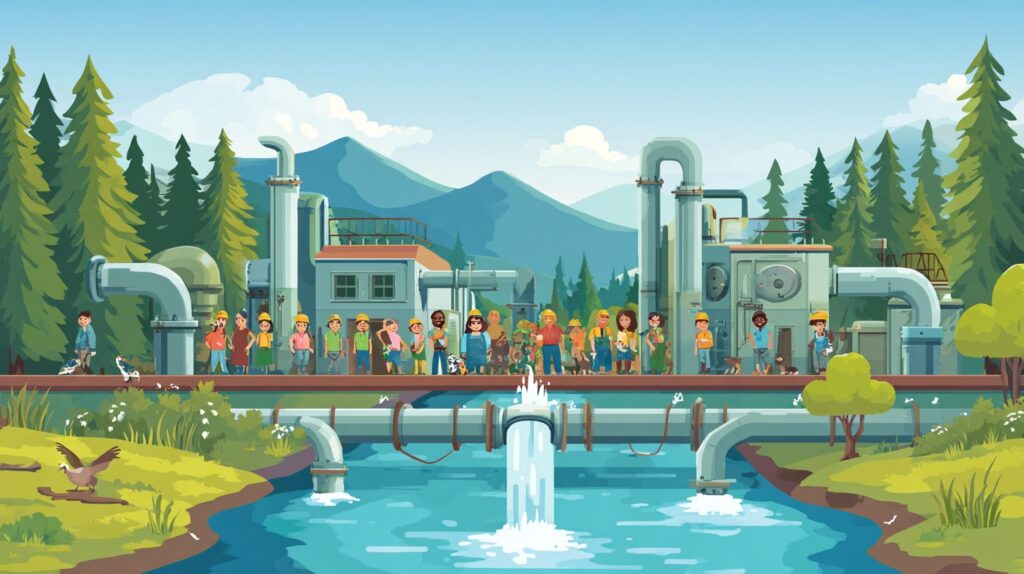
Modern water treatment refers to advanced processes like filtration disinfection and chemical adjustment used to purify water sources. How Modern Water Treatment Protects Communities and the Environment by ensuring safe drinking water free from contaminants, reducing disease outbreaks in populated areas, and minimizing pollution discharge into natural ecosystems through efficient waste management.
How does modern water treatment ensure safe drinking water for communities?
Modern water treatment employs multi-stage purification methods such as coagulation, sedimentation, and UV disinfection to remove bacteria like E. coli, viruses, and chemicals. How Modern Water Treatment Protects Communities and the Environment is evident in its ability to prevent waterborne illnesses like cholera and Campylobacteriosis, safeguarding public health while preserving water quality for downstream environmental uses.
What role does modern water treatment play in reducing environmental pollution?
By treating wastewater before release, modern systems remove nutrients and toxins that could harm aquatic life. How Modern Water Treatment Protects Communities and the Environment through techniques like advanced oxidation processes, which prevent eutrophication in rivers and lakes, thereby maintaining biodiversity and supporting sustainable ecosystems.
How do advanced technologies in water treatment benefit community health?
Technologies like reverse osmosis and activated carbon filtration eliminate heavy metals and microplastics from water supplies. How Modern Water Treatment Protects Communities and the Environment by providing clean water that reduces chronic health issues in residents and avoids contaminating soil and groundwater, promoting long-term ecological balance.
In what ways does modern water treatment promote sustainability for future generations?
It includes recycling treated water for irrigation and industrial use, conserving freshwater resources. How Modern Water Treatment Protects Communities and the Environment by lowering the strain on natural water bodies, mitigating climate change impacts like droughts, and ensuring equitable access to resources for both human populations and wildlife.
How does modern water treatment address emerging contaminants like pharmaceuticals?
Specialized processes such as ozonation and membrane bioreactors target trace pollutants from drugs and personal care products. How Modern Water Treatment Protects Communities and the Environment by preventing these substances from bioaccumulating in food chains, thus protecting human health from long-term exposure and preserving fragile environmental habitats.