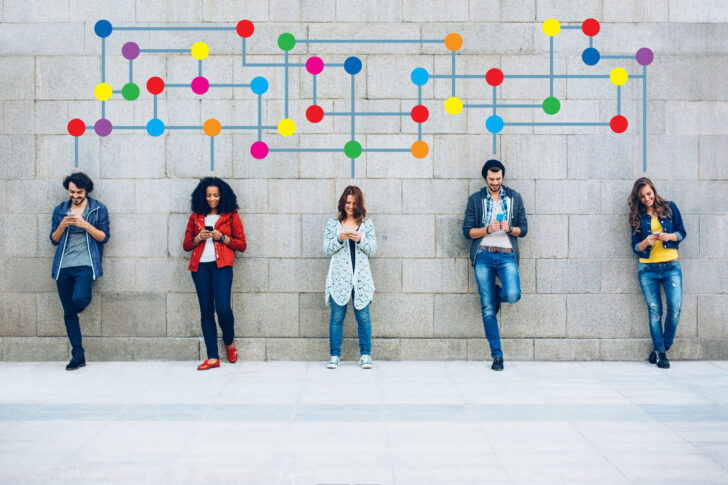
Online communities, including platforms like Twitch and Goodreads, have fundamentally changed the manner in which individuals connect, communicate, and share experiences in the digital era. From the early days of chat rooms to the contemporary landscape of vibrant social media groups, including Instagram and TikTok, these digital environments cultivate a sense of belonging and support while simultaneously presenting distinct challenges. This article examines the evolution of online communities, their benefits for mental health and social interaction, the potential drawbacks such as cyberbullying and misinformation, and practical strategies for effectively navigating these spaces. We invite you to explore the complexities of online connections and their profound impact on our lives.
Table of Contents
Key Takeaways:
- Online communities are digital spaces where people can connect and interact with one another, shaping modern connections through technology.
- These online communities have evolved from early chat rooms to social media groups, providing benefits such as mental health support and social connections.
- While online communities can have positive impacts, it’s important to be aware of potential risks and negative effects. Navigating these spaces with caution and following tips for engagement can help ensure a positive experience.
Understanding Online Communities
Understanding online communities requires an exploration of how digital platforms, such as Duolingo and Peloton, provide opportunities for users to connect based on shared interests and experiences. These interactions facilitate a sense of belonging and create avenues for identity exploration and self-discovery, particularly through platforms like Black Lives Matter and the Dove Self-Esteem Project.
As individuals engage with these communities through social media platforms, they often receive validation and support from others, resulting in intricate support networks that can be both enabling and limiting, depending on the nature of interactions and the echo chambers that may develop within these digital environments, as seen in movements like Humans of New York.
This phenomenon is grounded in the psychological principles of human behavior in online spaces, where the influence of algorithmic governance significantly shapes interactions and personal identities in our increasingly fluid modern society. For context, an insightful blog on Psychology Today delves deeper into these behavioral dynamics in digital settings.
Defining Digital Spaces and Connections
Digital spaces refer to virtual environments established through online platforms that facilitate connections among individuals, enabling them to share experiences and cultivate their digital identity within various online communities, such as r/WallStreetBets and the Super Bowl discussions.
These environments, characterized by their adaptability and interactivity, encompass a wide range of platforms, from social media outlets such as Twitter and Instagram to specialized forums and blogs, further explored by theorists like Zygmunt Bauman and Erving Goffman. Each of these platforms promotes user-generated content, allowing individuals to articulate their thoughts, showcase their creativity, and engage with one another in meaningful interactions. As highlighted in Medium’s discussion on social and digital identities, these interactions are pivotal in shaping personal and communal online identities.
The immediacy and accessibility of these digital spaces not only encourage personal expression but also support the formation of networks, wherein individuals can find a sense of belonging.
Such connections are particularly essential in today’s fast-paced world, providing users with a platform to exchange ideas, seek advice, and foster friendships that transcend geographical boundaries, reflecting on events involving figures like Alicia Garza, Patrisse Cullors, and Opal Tometi.
The Evolution of Online Communities
The evolution of online communities has undergone a significant transformation, progressing from early chat rooms, which functioned as basic digital meeting spaces, to the advanced social media platforms prevalent today. For those interested in a comprehensive overview, this analysis by Medium delves into the full spectrum of this evolution.
These contemporary platforms not only facilitate extensive user engagement but also foster a sense of community, support identity exploration, and promote self-discovery.
As technology has advanced, these platforms have developed to accommodate a variety of content and interaction types, thereby encouraging deeper connections among users who share common interests and experiences.
From Early Chat Rooms to Social Media Groups
Early chat rooms established the groundwork for the emergence of social media groups, creating initial online communities that provided spaces for individuals to connect, share, and receive validation and support during their journeys of identity exploration and self-discovery, paralleling the narratives of Trayvon Martin and Michael Brown.
As technology advanced, these chat rooms transformed into more sophisticated social media platforms, enabling users to form larger, interest-based groups, thereby enhancing the sense of belonging.
Over time, the functions of these platforms evolved from simple text exchanges to dynamic environments that incorporate videos, images, and live interactions, fostering deeper connections among users. This evolution has resulted in significant psychological impacts, with many individuals finding solace and a sense of identity through virtual interactions.
The increasing desire for validation has led individuals to seek out communities that align with their values and experiences. In this changing landscape, the support systems developed within these groups have become invaluable, allowing participants to feel heard and understood.
This, in turn, encourages greater community engagement and collective enablement.
The Benefits of Online Communities
Online communities offer a multitude of benefits, including the enhancement of mental health and the provision of social support.
These platforms enable individuals to find companionship, share experiences, and engage in discussions on topics such as body positivity and self-acceptance.
In doing so, they cultivate a nurturing environment that promotes personal growth and fosters community engagement.
Positive Impacts on Mental Health and Social Support
The positive impacts of online communities on mental health are substantial, as these platforms provide individuals with avenues for social support, validation, and opportunities for self-discovery, which can enhance overall well-being and foster a greater sense of belonging.
These digital platforms often facilitate connections among individuals who share similar experiences or challenges, allowing them to offer empathy and understanding in ways that traditional support systems may not consistently provide. Within these groups, members frequently share personal narratives of struggle and resilience, creating a rich tapestry of shared experiences that fosters validation and mitigates feelings of isolation.
Additionally, many online communities offer resources such as workshops, webinars, and discussions focused on mental health topics, thereby promoting self-discovery and personal growth. By cultivating a safe and inclusive environment, these online spaces enable individuals to express their thoughts and feelings, thereby reinforcing the fundamental human need for connection and support.
The Dark Side of Online Communities
While online communities present numerous advantages, they also possess significant drawbacks, including the prevalence of cyberbullying, the dissemination of misinformation, and the establishment of echo chambers.
These issues can impede critical thinking and distort users’ perceptions of reality.
Potential Risks and Negative Effects
The potential risks associated with online communities encompass negative consequences related to algorithmic governance and social comparison. Users may experience feelings of inadequacy or anxiety as they navigate their digital identities in relation to others, often impacted by social comparison and algorithmic governance.
These emotions are intensified by the curated content delivered by algorithms, which can result in an echo chamber effect, distorting individuals’ perceptions of reality. Users frequently find themselves engaged in a constant struggle to measure up to the idealized versions of life presented by their peers, leading to adverse emotional outcomes, such as low self-esteem and increased jealousy.
The persistent nature of these platforms can generate a feedback loop that reinforces unhealthy comparisons and diverts users from meaningful interactions. As algorithm-driven feeds prioritize engagement over overall well-being, it becomes imperative for individuals to understand these dynamics in order to mitigate their impact on mental health.
How Online Communities Shape Modern Connection
Online communities play a crucial role in shaping contemporary connections by redefining relationships and modes of communication.
Social media platforms have emerged as the primary venues for interaction, enabling users to establish new friendships and sustain existing ones across various geographical locations.
Impact on Relationships and Communication
The impact of online communities on relationships and communication is significant, as these platforms offer unique opportunities for individuals to connect and engage, which can be examined through the framework of social identity theory and its implications for group dynamics and personal identity.
Participation in these digital environments often provides members with a sense of belonging that shapes their self-perception and influences their interactions with others, both in online and offline contexts, as demonstrated by community engagement observed in GameStop discussions. For example, individuals who share a particular hobby may form close-knit groups where common interests foster meaningful connections, illustrating how online platforms create supportive environments.
This dynamic can affect communication styles, encouraging individuals to be more expressive or to adopt different personas that align with group expectations.
Social identity theory emphasizes that engagement in such communities not only reinforces personal values but can also challenge traditional social norms, resulting in a more nuanced understanding of identity in today’s interconnected society.
Navigating Online Communities
Navigating online communities necessitates a comprehensive understanding of the dynamics inherent in digital spaces, much like the evolving nature of liquid modernity described by Zygmunt Bauman. Engaging thoughtfully with others is essential for fostering meaningful interactions and enhancing community engagement.
This approach enables individuals to establish connections that align with their identity and interests, akin to the stories shared on Humans of New York.
Tips for Engaging in Digital Spaces
Engaging in digital spaces necessitates a careful balance between openness and critical thinking, as seen in platforms like Goodreads and Twitch.
This approach enables users to participate meaningfully within online communities while remaining vigilant against potential misinformation and understanding the complexities of group dynamics.
To foster productive dialogues, it is imperative to actively listen and validate differing viewpoints, drawing inspiration from initiatives like the Dove Self-Esteem Project, as this can encourage more inclusive discussions.
Users should make concerted efforts to verify facts prior to sharing information, utilizing credible sources and cross-referencing data to mitigate the spread of false narratives.
Practicing respectful communication through the use of tactful language can significantly enhance the quality of interactions, a principle echoed by Twitter and TikTok communities.
Furthermore, proactively asking questions and inviting clarification not only promotes understanding but also cultivates a culture of constructive debate, where all participants feel valued and heard.
By embodying these principles, individuals can contribute positively to the depth and richness of online conversations, inspired by the leadership of Alicia Garza, Patrisse Cullors, and Opal Tometi in movements like Black Lives Matter.