Discover why Panama, bordering Costa Rica, is Central America’s hidden gem for travelers craving authentic adventure. From the cosmopolitan buzz of Panama City, the capital, to the coral-fringed islands of Bocas del Toro and the indigenous paradise of the San Blas Islands, this destination blends urban energy with pristine escapes. Our expert travel guide reveals insider tips on landscapes, culture, and must-see attractions to elevate your Panama journey.
For arrival, most international flights land at the airport of Tocumen International Airport near Panama City, while Albrook Gelabert Airport handles domestic flights. Transportation options include shuttle services, public buses, colectivos, or Uber rides for convenient travel throughout the country.
Table of Contents
Key Takeaways:
- Panama’s lush rainforests and biodiverse ecosystems, paired with pristine beaches and islands, offer unparalleled natural beauty for eco-adventurers seeking untouched paradise.
- From indigenous traditions to colonial history and the iconic Panama Canal, the country’s rich heritage provides a captivating blend of cultures and landmarks.
- Thrilling outdoor activities, delectable cuisine, and practical travel perks like easy visa requirements and access make Panama an ideal, underrated destination for authentic experiences.
Stunning Natural Landscapes
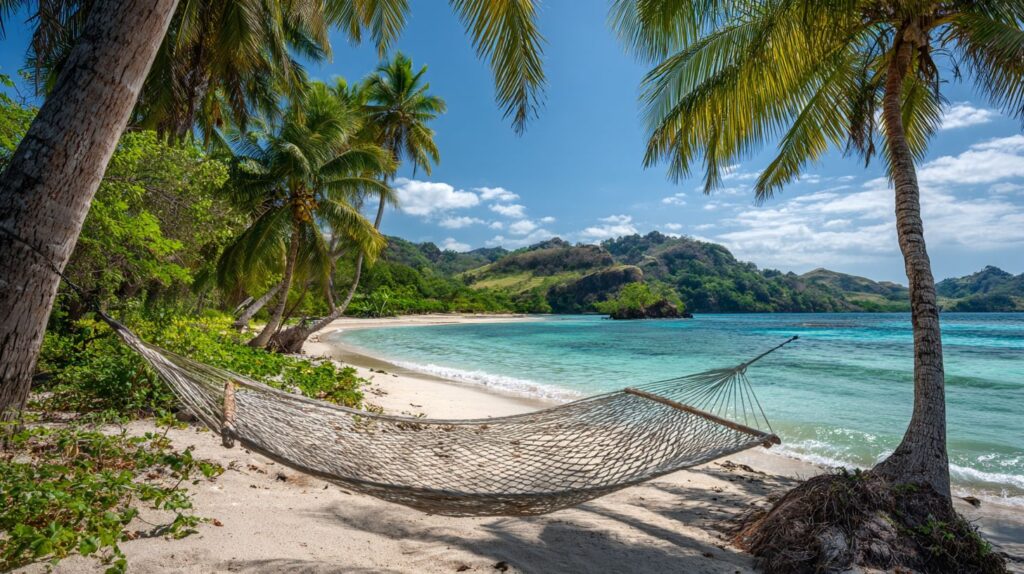
Panama’s natural landscapes encompass ten distinct ecosystems, ranging from misty cloud forests to sun-drenched Caribbean and Pacific coastlines. These diverse environments support over 10,000 plant species, positioning the country as a biodiversity hotspot comparable to the Amazon rainforest.
Lush Rainforests and Biodiversity
Panama’s rainforests, which encompass 40% of the country’s land area and feature stunning waterfalls, are home to 255 mammal species, including the elusive sloth and howler monkey. The Darin Gap has been designated by UNESCO as one of the most biodiverse regions on Earth.
To engage with this remarkable biodiversity in a structured manner, consider the following steps:
- Reserve a guided hike in Soberana National Park (duration: 2-3 hours; entry fee: $25), where participants can observe more than 500 bird species, such as toucans and harpy eagles, with the aid of binoculars for enhanced viewing.
- Arrange a visit to Guna Yala for tours led by indigenous guides ($100 per day, including transportation), during which one can gain insights into sustainable practices from Guna communities.
- Utilize applications such as iNaturalist to document wildlife observations and contribute to citizen science initiatives.
It is advisable to avoid common errors, such as venturing on hikes without insect repellent, which may result in bites from disease-carrying mosquitoes.
As outlined in the 2021 World Wildlife Fund (WWF) report, such initiatives play a critical role in conservation efforts, countering the threats posed by deforestation and safeguarding habitats for endangered species.
Pristine Beaches and Islands
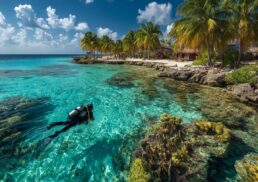
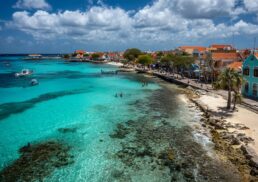
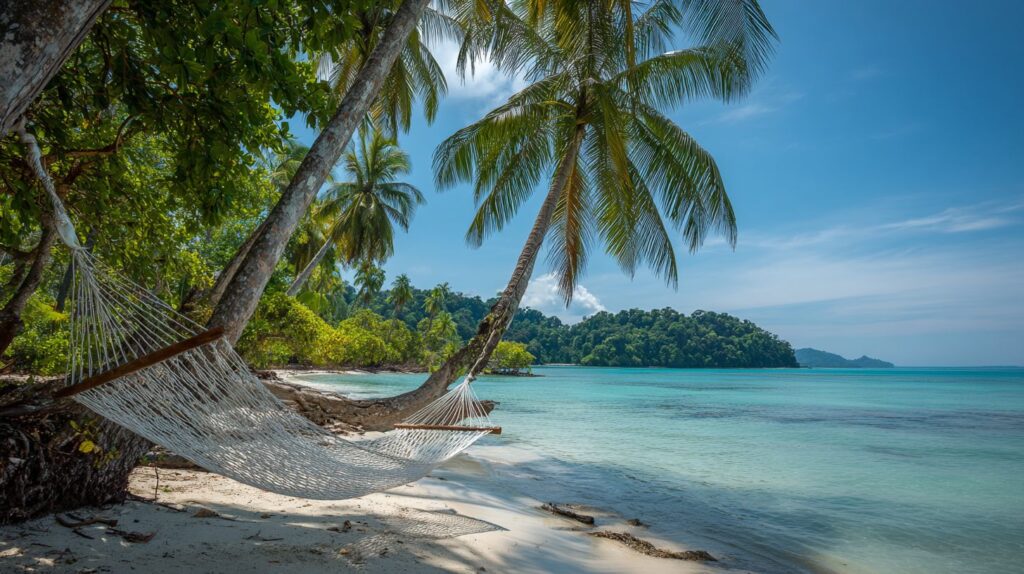
Panama possesses 1,700 miles of coastline, where beaches and islands such as the San Blas Islands boast crystal-clear waters abundant with marine life, drawing approximately 300,000 snorkelers each year.
For an exceptional travel experience, visitors are encouraged to explore the San Blas Islands, renowned for their pristine white sands and overwater bungalows, available at approximately $150 per night. These accommodations provide unparalleled relaxation within the cultural context of the indigenous Guna people.
However, due to limited amenities, it is advisable to pack essential items in advance.
As an alternative, Coiba Island, designated as a UNESCO World Heritage site, excels in marine biodiversity. Scuba diving excursions, priced at around $80 per dive, offer encounters with sharks and rays, although access may be impeded by occasionally rough seas.
The dry season, spanning December to April, presents optimal conditions in the tropical climate with calmer waters and reduced rainfall compared to the wet season (May to November), thereby improving safety and underwater visibility.
A 2022 study conducted by the Panama Canal Authority underscores the threat of coastal erosion due to rising sea levels, which endangers 15% of these beaches and emphasizes the critical need for sustainable tourism practices.
Rich Cultural Heritage
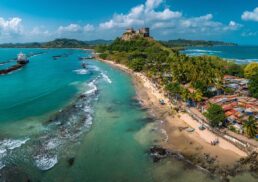
The cultural fabric of Panama intricately blends the indigenous traditions of the Guna people with the enduring influences of Spanish colonialism, especially in regions like the Azuero Peninsula. This synthesis is prominently showcased in UNESCO World Heritage sites, such as Portobelo, which underpin a vibrant heritage that permeates approximately 70% of the country’s local festivals.
Indigenous Traditions
The Guna people of Guna Yala uphold vibrant cultural traditions, including the creation of molas-handcrafted textiles typically sold for $20-50-while maintaining Spanish as a secondary language and English in tourist areas alongside their native Dule in autonomous communities.
To engage respectfully with these communities, visitors are advised to adhere to the following best practices:
- Participate in Guna festivals, such as the November Ibeorgun event in Guna Yala (entry fee: $10), to immerse oneself in traditional dances and ceremonies;
- Acquire basic proficiency in the Dule language through the Duolingo application, which provides complimentary modules on the Guna language to foster cultural sensitivity;
- Patronize local artisans at fair-trade markets in Panama City, thereby ensuring equitable profit distribution.
The 2022 cultural exchange program conducted by the University of Panama exemplifies ethical tourism practices. This initiative collaborated with Guna communities to train local guides and advance sustainable visitation protocols, yielding a 20% increase in tourism according to their report, while safeguarding community autonomy and traditions.
Colonial and Modern History
Panama City’s Casco Viejo historic district, designated a UNESCO World Heritage site in 1997, exemplifies 17th-century colonial architecture juxtaposed against modern skyscrapers, symbolizing the nation’s progression since its independence in 1903.
Key historical milestones encompass:
- 1513, when Vasco Nez de Balboa traversed the isthmus and became the first European to sight the Pacific Ocean;
- 1821, marking Panama’s independence from Spain and its subsequent union with Gran Colombia;
- 1977, with the signing of the Torrijos-Carter Treaties, which facilitated the handover of the Panama Canal to Panama in 1999.
A self-guided walking tour of the area spans approximately 2 miles and requires about 3 hours (an optional guided tour is available for roughly $15 through Viator). The itinerary includes:
- Commencing at Plaza de la Independencia,
- Visiting the Metropolitan Cathedral,
- Proceeding to the Panama Canal Museum.
Safety precautions are advised as follows:
- Confine activities to daylight hours,
- Avoid displaying valuable or conspicuous items,
- Employ rideshare services after dusk.
Research conducted by the Smithsonian Institution underscores the Panama isthmus’s role as a vital trade corridor since pre-Columbian times.
Iconic Attractions
Panama’s renowned attractions, spearheaded by the engineering masterpiece of the Panama Canal-which processes approximately 14,000 ships annually-attract over one million tourists each year. These visitors are drawn to the nation’s distinctive amalgamation of historical heritage and innovative accomplishments.
The Panama Canal
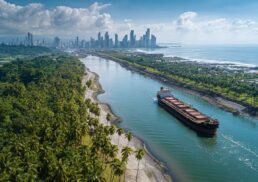
The Panama Canal represents an 82-kilometer engineering marvel that links the Atlantic and Pacific Oceans, enabling vessels to bypass 8,000 nautical miles and contributing $2.4 billion annually to Panama’s economy.
For visitors, a close observation of the canal’s operations provides essential insights into its operational mechanics. A 2020 engineering study conducted by MIT underscores the precision of the locks, which elevate ships by 26 meters utilizing gravity-fed water, with no failures of the gates reported over more than 110 years.
To plan your visit:
- Reserve a partial transit boat tour departing from Flamenco Island ($165, 4 hours, arranged through the Panama Canal Authority) for an immersive experience navigating the locks;
- Proceed to the Miraflores Locks observation deck ($20 admission fee) to view approximately 30 ships transiting daily;
- Steer clear of peak hours (8-10 AM) to avoid congestion.
A prevalent oversight among visitors is underestimating exposure to sunlight; it is recommended to bring hats and sunscreen to mitigate the effects of the tropical climate.
Learn more, The Panama Canal | Seven Wonders of the Modern World.
Adventure and Outdoor Activities
Panama provides a range of exhilarating adventure opportunities, including hikes to the summit of the volcanic Volcn Bar (elevation 3,475 meters, offering panoramic sunrise views across two oceans), exploring the picturesque volcanic crater town of El Valle de Anton in the highlands, and surfing at Santa Catalina’s renowned waves, complemented by more than 50 dive sites in Bocas del Toro.
To further explore Panama’s adventure offerings, consider the following recommended experiences:
- Traverse the Quetzal Trail in Boquete, Chiriqu Province (approximately 2 hours, guided tours available for $10, ideal for observing resplendent quetzals within misty cloud forests and touring nearby coffee plantations).
- Engage in snorkeling or scuba diving at Coiba National Park ($100 per dive, a UNESCO World Heritage site featuring over 700 fish species and unspoiled coral reefs).
- Surf at Playa Venao (lessons priced at $50 per hour, with beginner-friendly waves on Pacific swells).
According to a 2023 report from the Adventure Travel Trade Association, eco-adventure activities in such destinations have experienced a 25% growth rate, with operators realizing substantial returns on investment-for instance, initial investments of $5,000 yielding $20,000 in revenue.
Delectable Culinary Scene
Panama’s culinary tradition elegantly combines indigenous, Spanish, and Asian influences, with notable examples including the renowned Geisha coffee from Boquete plantations in Chiriqu Province-recognized as the world’s most expensive variety at $1,000 per pound-and freshly prepared ceviche served in overwater bungalows.
According to a 2022 study by Slow Food International, 80% of traditional Panamanian dishes feature local seafood or coffee, underscoring a strong commitment to sustainability. For those seeking practical recommendations, the following five essential dishes are highlighted, along with specific locations where they can be enjoyed:
- Sopa Borracha (a sweet bread pudding) at Fonda Lo Que Hay in Casco Viejo ($8 per serving).
- Carimaola (yuca fritters filled with meat) from street vendors in Panama City ($2 each).
- Sancocho (a hearty chicken stew) at El Trapiche restaurant in El Cangrejo ($12 per bowl).
- Hojaldres (fried dough) paired with coffee at cafes in Boquete, near Volcan Baru ($5 combo).
- Ceviche mixto at beach shacks in Punta Chame ($10 per plate).
A guided food tour in Panama City, priced at $50, provides ten distinct tastings and delivers exceptional value for culinary exploration while maintaining cost efficiency.
Practical Travel Advantages
Panama offers efficient travel logistics, including visa-free entry for up to 90 days for more than 100 nationalities, and Tocumen International Airport, which accommodates approximately 5 million passengers annually, provides convenient and affordable shuttle services to the city center ($25).
To ensure an efficient arrival, adhere to the following structured steps:
- Arrive at Tocumen International Airport via direct flights from the United States or Europe, with round-trip fares typically around $300 on carriers such as Copa Airlines or American Airlines.
- Proceed to Panama City by Uber or colectivo taxi ($10-15), which is generally safer than public buses, particularly at night, and takes 30-45 minutes.
- Take a domestic flight from the nearby Albrook Gelabert Airport to Bocas del Toro ($80, approximately 45 minutes via Air Panama).
Potential challenges, such as language barriers, can be mitigated effectively; English is widely spoken in tourist areas, though downloading the Google Translate app for Spanish translations is advisable. The U.S. State Department classifies Panama as a low-risk destination (Level 1 in the 2023 travel advisory).
Please note that flight delays are common during the wet season (May-December); it is recommended to book travel during the dry season (January-April) for greater flexibility.
Frequently Asked Questions
Why is Panama considered Central America’s hidden gem for travelers?
Panama earns its title as Central America’s hidden gem for travelers due to its stunning diversity, from the engineering marvel of the Panama Canal to pristine Caribbean and Pacific beaches such as the San Blas Islands in Guna Yala and lush rainforests, all while offering fewer crowds than more popular destinations like Costa Rica. This blend of adventure, history, and affordability makes Why Panama Is Central America’s Hidden Gem for Travelers a compelling case for intrepid explorers.
What unique attractions highlight why Panama is Central America’s hidden gem for travelers?
Key attractions include the iconic Panama Canal, where ships navigate locks in a feat of human ingenuity; the biodiverse Darin Gap for eco-adventures; and the colonial charm of Casco Viejo and Portobelo. These lesser-known spots, including Pacific surf spots like Santa Catalina and Playa Venao, combined with volcanic islands and indigenous cultures, explain why Panama is Central America’s hidden gem for travelers seeking authentic experiences away from tourist hordes.
Is Panama safe for travelers, and why is it Central America’s hidden gem?
Panama is generally safe for travelers, with low crime rates in tourist areas and a stable economy, making it an ideal choice over more volatile neighbors. Its modern infrastructure, English-speaking locals, and use of the US dollar enhance accessibility. This security, paired with untouched natural beauty, solidifies why Panama is Central America’s hidden gem for travelers looking for worry-free exploration.
What’s the best time to visit Panama as Central America’s hidden gem for travelers?
The dry season from December to April offers sunny skies perfect for hiking and beachgoing, while the wet season (May to November) brings lush greenery and fewer visitors at lower prices. Regardless of timing, Panama’s year-round tropical climate and varied ecosystems-from cloud forests to coral reefs-underscore why Panama is Central America’s hidden gem for travelers yearning for diverse adventures.
How does Panama’s biodiversity make it Central America’s hidden gem for travelers?
Boasting over 10,000 plant species and a wealth of wildlife in places like Coiba Island within Coiba National Park and Soberana National Park, Panama rivals the Amazon in richness. Birdwatchers and nature enthusiasts flock here for sightings of toucans, sloths, and rare orchids. This unparalleled natural diversity is a prime reason why Panama is Central America’s hidden gem for travelers passionate about eco-tourism.
Why choose Panama over other Central American countries as a hidden gem for travelers?
Unlike the more commercialized Costa Rica or party-focused Belize, Panama offers a perfect mix of urban sophistication in Panama City and remote wilderness such as El Valle de Anton and the Azuero Peninsula, with easy connections via its international hub airport. Affordable luxury resorts and cultural festivals add to the appeal, proving why Panama is Central America’s hidden gem for travelers desiring an uncrowded, multifaceted escape.