What is a power supply? Understanding this essential component is vital for anyone working with electrical devices and electronics, from hobbyists to professionals. Power supplies convert alternating current (AC) to direct current (DC), performing AC-DC and DC-DC conversions, and ensure proper voltage regulation for devices like computers and gaming consoles. This beginner’s guide will explore the various types of power supplies, including modular power supply and non-modular power supply options, as well as the Power Supply Unit (PSU) used in JavaScript-powered applications, and their critical functions in maintaining device performance.
Table of Contents
Key Takeaways:
- Understanding the definition and importance of power supplies, such as regulated power supply and unregulated power supply, is crucial for beginners in electronics.
- There are different types of power supplies, including linear power supply, switching power supply, and uninterruptible power supplies (UPS), each with their own unique characteristics and applications.
- The main functions of a power supply include voltage regulation, current supply, and protection features, which are essential for the safe and efficient operation of electronic devices.
Definition and Importance of Power Conversion

A power supply unit (PSU) is a critical component that performs power conversion, transforming electrical energy from an outlet into usable power for electronic devices. The efficiency of a PSU has a direct impact on overall performance, as high-quality units, often incorporating Advanced Conversion Technology (ACT), can achieve efficiency ratings exceeding 90%. This indicates that less than 10% of the energy consumed is wasted in the form of heat, which is vital for minimizing electricity costs and extending the lifespan of connected components.
Reputable brands such as EVGA, Seasonic, and Corsair frequently offer units with certifications like 80 PLUS Gold or Platinum, which signify optimal performance. Selecting a high-efficiency PSU not only enhances system reliability but also supports environmentally sustainable computing practices.
Basic Components of Voltage Converter Systems
Power supplies comprise several essential components, including transformers, capacitors, and rectifiers, each fulfilling a critical function in the conversion and regulation of voltage in electrical engineering.
The transformer is responsible for either stepping up or stepping down the alternating current (AC) voltage, thereby ensuring it is at the appropriate level for the intended output.
Subsequently, the rectifier converts the AC into direct current (DC), which is necessary for powering electronic devices. The capacitor plays a crucial role in smoothing the output voltage, effectively eliminating fluctuations and providing a consistent power supply.
A thorough understanding of these components is invaluable for troubleshooting power-related issues and contributes significantly to the design of efficient power supply systems.
Types of Power Supplies
Power supplies are available in a variety of types, each designed to meet specific applications and operational requirements.
These include:
- Linear power supplies
- Switching power supplies
- Uninterruptible power supplies
Linear Power Supplies for Low-Noise Operation
Linear power supplies are recognized for their simplicity and low-noise operation, rendering them suitable for sensitive audio and communication devices. Two widely utilized models are the LM317 and the 7812.
The LM317 is an adjustable regulator, offering an output voltage range from 1.25V to 37V, which provides versatility for various applications. It typically delivers a maximum current of 1.5A.
In contrast, the 7812 supplies a fixed 12V output with a current capacity of 1A, making it ideal for circuits that require stable voltage regulation.
When selecting between these two options, it is essential to consider your voltage requirements: the LM317 is appropriate for variable applications, while the 7812 is best suited for scenarios necessitating a fixed output.
Switching Power Supplies and High-Voltage Power Management
Switching power supplies demonstrate a high level of efficiency by converting power through high-frequency switching, rendering them suitable for use in computers and various electronic devices.
These power supplies typically exhibit efficiency ratings that exceed 85%, with many contemporary models achieving efficiency levels of 90% or higher. This increased efficiency not only leads to reduced energy costs but also diminishes heat generation, facilitating the design of smaller and more compact units.
For instance, a standard ATX power supply intended for a gaming PC may weigh less than five pounds while delivering stable power to high-end components. Furthermore, switching power supplies possess the capability to adapt to varying loads, making them versatile options for both desktop and industrial applications.
Uninterruptible Power Supplies (UPS) in Network Systems

Uninterruptible Power Supplies (UPS) play a critical role in providing backup power during outages, ensuring that devices remain operational without interruption. This reliability is essential for businesses, as even brief outages can result in significant data loss and considerable financial repercussions.
For example, a mid-sized law firm that implemented a UPS experienced a 30% reduction in downtime during power interruptions. They installed a Tripp Lite UPS, which cost $300 and provided power for critical servers and workstations for up to two hours.
Additionally, the use of monitoring software enabled the firm to track battery life and load levels, facilitating proactive maintenance. Consequently, they not only protected their data but also enhanced overall client trust and operational efficiency.
Functions of a Power Supply
The primary functions of a power supply encompass voltage regulation, current provision, and a range of protection features designed to enhance the longevity and performance of devices.
Voltage Regulation in Electrical Devices
Voltage regulation is essential for ensuring that devices receive a consistent voltage level, thereby preventing potential damage from voltage fluctuations. Regulated power supplies, which maintain a stable output voltage, are particularly crucial for applications such as medical equipment, where precision is of utmost importance. For example, devices like MRI machines require tightly controlled voltage levels to operate accurately.
Conversely, unregulated power supplies may suffice for less sensitive devices, such as basic household electronics, where variations in voltage do not pose a significant risk. The decision between regulated and unregulated power supplies should be based on the specific application’s sensitivity to voltage changes and the required reliability of operation.
Current Supply and Transformer Operation
A power supply must provide an adequate current supply to meet the requirements of the connected electronic components. To ensure optimal performance, it is essential to consider the current ratings of the power supply.
For instance, devices such as microcontrollers typically require approximately 20-50 mA, while motors may demand anywhere from 500 mA to several amps, depending on their size.
Utilizing a multimeter allows for the measurement of the current draw of components, thus confirming compatibility. It is advisable to consider power supplies with adjustable output settings, such as the Mean Well LRS series, which can effectively accommodate varying current needs. This level of flexibility enhances efficiency and contributes to the longevity of the devices.
Protection Features with Power Factor Correction (PFC)
Protection features such as overvoltage protection, short circuit protection, and power factor correction (PFC) are essential for safeguarding electronic devices from potential damage. These features play a critical role in extending the lifespan of devices.
Overvoltage protection can significantly reduce failure rates by up to 70%, while short circuit protection effectively prevents catastrophic damage during electrical faults.
Moreover, PFC enhances energy efficiency, contributing to the overall operational performance of devices. For instance, contemporary power supplies such as the Corsair RM850x and EVGA SuperNOVA 750 G5 incorporate these protective measures, ensuring reliability and safety for users.
By integrating these features, manufacturers are able to produce devices that not only perform optimally but also possess a greater longevity, ultimately benefiting consumers in the long term.
Choosing the Right Power Supply

Selecting the appropriate power supply necessitates a comprehensive understanding of specific requirements, including voltage, current, and the intended application needs.
Factors to Consider for DC-DC Converter Selection
When selecting a power supply, several key factors must be taken into account, including output voltage, current rating, efficiency, and form factor.
Firstly, the output voltage must align with the specific requirements of the device. For instance, a graphics card designed to operate at 12V will malfunction if supplied with only 5V.
Secondly, the current rating is of equal importance; a power supply rated for 400W will be inadequate for a load that demands 600W, potentially leading to overheating or complete failure.
Additionally, efficiency is a critical consideration. A higher efficiency rating, such as 80 PLUS Gold, not only conserves energy but also minimizes heat generation.
Finally, it is essential to ensure that the form factor is compatible with the case; for example, ATX power supplies are not suitable for micro-ATX cases.
Failure to select the appropriate power supply can result in significant equipment damage and operational downtime.
Common Applications
Power supplies serve a wide range of applications, encompassing consumer electronics, industrial machinery, and telecommunications.
In the realm of consumer electronics, power supplies are essential for devices such as laptops and smartphones, ensuring efficient energy utilization. In automotive applications, they play a critical role in supporting electric vehicles by providing regulated power to high-demand components, including motors and infotainment systems.
Telecommunications depend on dependable power supplies with Power Factor Correction (PFC) for data centers and base stations, as any downtime can result in significant service disruptions.
The accompanying pie chart illustrates the distribution of market share, indicating that computing constitutes the largest segment, followed by automotive and telecommunications. This distribution reflects the increasing dependence on electronics in contemporary society.
Checkout 9 Things To Consider When Choosing A Power Supply.
Frequently Asked Questions
What is a Power Supply Unit (PSU) and why is it important?
A Power Supply is a device that supplies electrical energy to one or more electric loads. It is an essential component of any electronic system, as it converts the AC power from an outlet into the DC power needed by the electronic components. Without a Power Supply, electronic devices would not be able to function.
What are the different types of Power Supplies, including Linear Power Supply and Switching Power Supply?
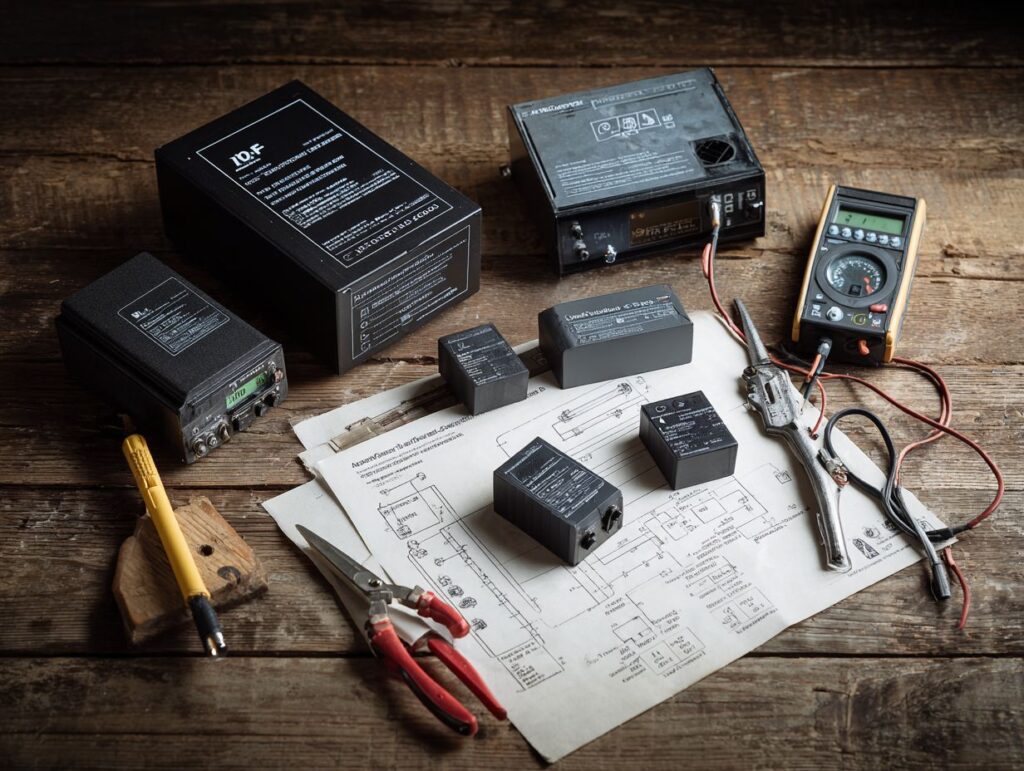
There are two main types of Power Supplies: linear and switching. A linear Power Supply uses a transformer to convert the AC power into DC power, while a switching Power Supply uses high-frequency switches to convert the power. Switching Power Supplies are more efficient and commonly used in electronic devices.
What is the difference between regulated and unregulated Power Supplies in power conversion?
A regulated Power Supply has a built-in circuit that maintains a constant output voltage, even when the input voltage fluctuates. This ensures the electronic components receive a stable and consistent power supply. An unregulated Power Supply, on the other hand, does not have this circuit and the output voltage may vary depending on the input voltage.
What is the function of a Power Supply in a Computer and its role in electrical engineering?
A Power Supply in a computer is responsible for converting the AC power from an outlet into the DC power needed by the electronic components. It also regulates the voltage and current to prevent any damage to the computer. Without a Power Supply, the computer would not be able to function.
Do all electronic devices, such as electrical devices, have the same type of Power Supply?
No, different electronic devices require different types of Power Supplies. For example, a computer may require a switching Power Supply, while a small appliance may use a linear Power Supply. It is important to use the correct type of Power Supply for each device to ensure proper functionality and avoid any damage.
Can I use a Power Supply with a higher wattage than what my device requires, considering voltage and current?
It is generally not recommended to use a Power Supply with a higher wattage than what your device requires. This can cause excess heat and potentially damage the electronic components. It is best to use a Power Supply with the wattage that is recommended for your device.