In an era where eco-conscious design is paramount, the future of product design lies in merging aesthetics with sustainability. By embracing sustainable materials and an interdisciplinary approach, designers are not only enhancing visual appeal but also significantly reducing environmental impact. This article explores the exciting evolution of product design, highlighting how the principles of a circular economy are shaping innovative, beautiful, and responsible creations. Join us as we delve into the harmonious balance between style and sustainability.
Table of Contents
Key Takeaways:
- Sustainability is a critical consideration in product design, with a focus on eco-friendly materials and practices to minimize environmental impact.
- Aesthetics and sustainability can coexist in product design, with a growing trend towards merging functional and visually appealing designs.
- Advancements in technology and shifts in consumer behavior will continue to shape the future of product design, highlighting the need for conscious and innovative solutions.
Definition and Importance
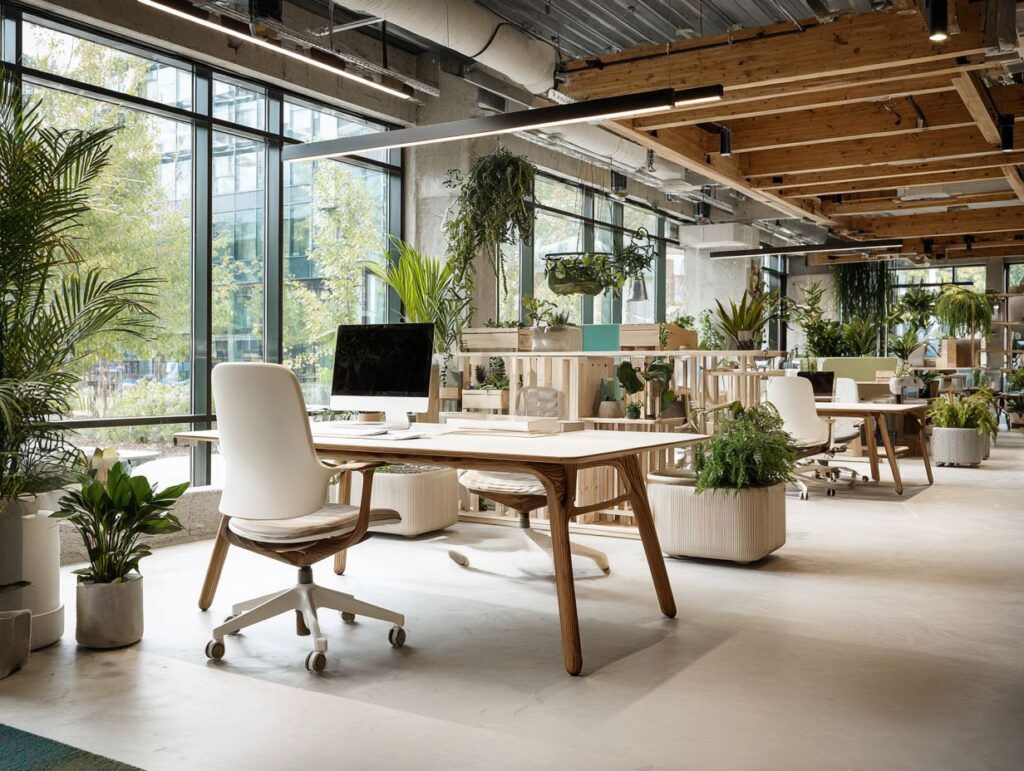
Product design is defined as the process of conceptualizing and creating products that fulfill user needs through functionality, aesthetics, and innovative solutions.
At the core of effective product design lies the principle of user-centered design, which emphasizes a thorough understanding of user needs and behaviors. A notable example is Apple’s development of the iPhone, which involved extensive research into user preferences, ultimately leading to a clean interface and intuitive functionality.
The incorporation of innovative solutions is essential; for instance, the Apple Watch combines health monitoring with everyday tasks, exemplifying this approach.
Furthermore, the growing emphasis on social responsibility in design is evident in the sustainable materials utilized in Apple’s products, which not only influences consumer consciousness but also promotes eco-friendly practices.
Current Trends in Design
Current trends in product design highlight eco-conscious approaches and the integration of smart technologies, reflecting a notable shift towards sustainability and cultural relevance.
A significant trend is the utilization of sustainable materials, as demonstrated by brands such as IKEA, which incorporates renewable resources like bamboo and recycled plastics into its furniture offerings.
Additionally, biophilic design has emerged as a key focus, integrating natural elements into products to enhance user well-being. For instance, companies are increasingly developing furniture that incorporates live plants.
Moreover, smart technologies are becoming essential components of modern products, enhancing energy efficiency and user experience emphasis. For example, LG’s smart refrigerators feature energy-efficient capabilities and connectivity options, catering to a consumer base that prioritizes environmental awareness.
These trends not only shape market preferences but also foster innovation in product design through collaboration between designers and an interdisciplinary approach.
The Role of Aesthetics in Product Design
Aesthetics are essential in product design, significantly influencing consumer perception and driving purchase decisions through both visual and tactile engagement.
Understanding Aesthetic Appeal
Aesthetic appeal encompasses visual design, material selection, and functionality, all of which contribute significantly to a product’s overall market success and are enhanced by user-centered design and cultural trends.
Research indicates that 70% of consumers prioritize aesthetics when making purchasing decisions. This finding underscores the necessity for brands to concentrate on developing visually striking designs that resonate with their target audience.
For instance, companies such as Apple prioritize sleek designs and high-quality materials, which directly influence consumer perception and foster brand loyalty.
Utilizing tools like Adobe Color can enhance color schemes, while UX design frameworks such as Figma facilitate prototyping, ensuring a harmonious balance between aesthetics and functionality, supporting a collaborative environment.
Investing in these resources can substantially improve market appeal and drive sales.
Case Studies of Successful Designs
Case studies of successful designs, such as the Tesla Model S and Patagonia’s sustainable apparel, exemplify the harmonious coexistence of aesthetics and functionality.
Another notable example is Apple’s architectural design for its corporate headquarters, Apple Park. This sleek design not only emphasizes visual appeal but also incorporates sustainable elements, including natural ventilation and renewable energy sources.
Additionally, Nike’s Move to Zero initiative illustrates how attractive and functional products, such as the Space Hippie line made from recycled materials, resonate with environmentally conscious consumers. These designs not only enhance brand identity but also align with consumer values, demonstrating that sustainability can serve as a significant competitive advantage in the market.
Sustainability in Product Design
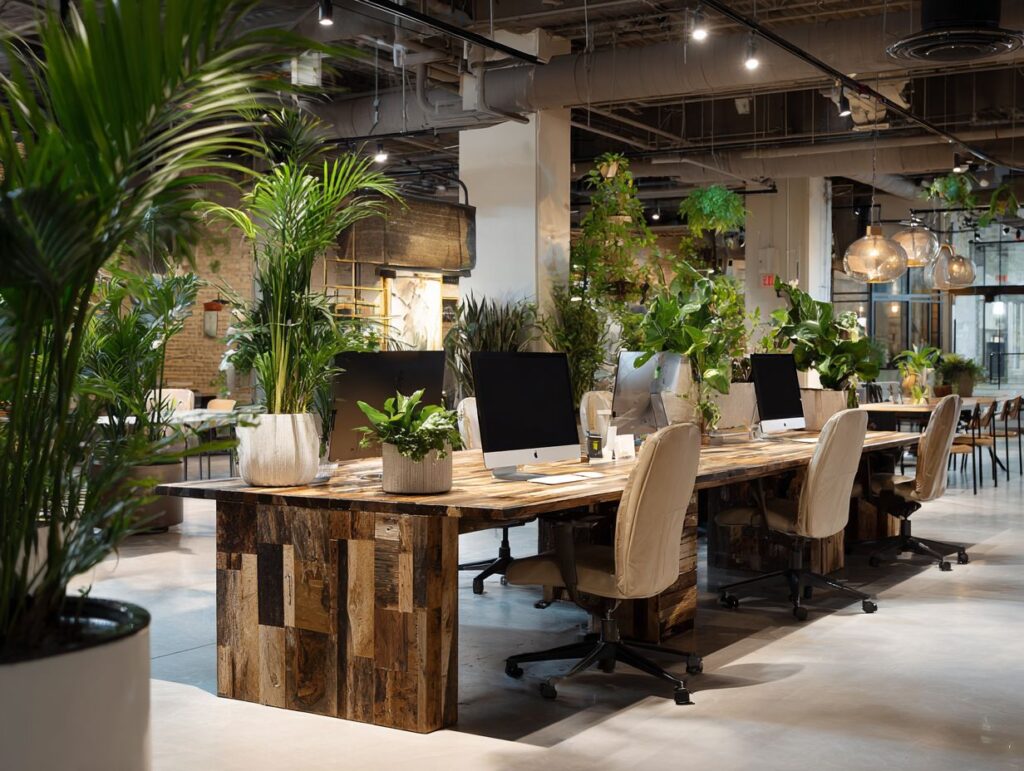
Sustainability has emerged as a critical consideration in product design, emphasizing the importance of reducing environmental impact while effectively addressing consumer needs.
Principles of Sustainable Design
Key principles of sustainable design encompass minimizing waste, utilizing renewable resources, and fostering a circular economy through well-considered product life cycles, including design for recycling and minimal waste strategies.
To effectively implement these principles, companies may adopt strategies such as the cradle-to-cradle approach, which emphasizes the importance of designing products with their entire life cycle in mind.
For instance, IKEA has committed to sourcing 100% of its wood, paper, and cardboard from sustainable sources by 2025. Similarly, companies like Patagonia advocate for the use of recycled materials and provide repair services to extend the lifespan of their products.
By embracing these strategies, businesses can substantially reduce their environmental impact while also addressing consumer demand for sustainable practices and promoting community benefits.
Materials and Eco-Friendly Alternatives
The selection of materials plays a critical role in the sustainability of a product, with eco-friendly alternatives such as natural fibers and upcycled materials gaining significant traction in the market.
Natural fibers, including organic cotton and hemp, provide biodegradable options that effectively reduce landfill waste. For instance, brands like Patagonia incorporate hemp into their clothing lines due to its durability and minimal environmental impact.
Conversely, upcycled materials focus on repurposing post-consumer waste, a practice exemplified by brands like Rothy’s, which create fashionable shoes from recycled plastic bottles. Each of these options offers distinct advantages: natural fibers are renewable, while upcycling contributes to waste reduction and decreased resource consumption.
Ultimately, it is essential to consider both the source and life cycle of materials when making informed and responsible consumer choices.
Merging Aesthetics with Sustainability
The integration of aesthetics with sustainability presents both challenges and opportunities, as designers strive to achieve a harmonious balance between form and function while maintaining ecological integrity through aesthetic sustainability practices.
Designing for Function and Form
Designing for both function and form necessitates a comprehensive understanding of user needs, alongside the implementation of sustainable practices and innovative technologies.
To achieve this balance, it is essential to focus on the integration of eco-friendly materials and ergonomic designs.
For example, the furniture line from EcoBamboo utilizes sustainably sourced bamboo, which not only provides a sleek aesthetic but also ensures durability as part of sustainable construction techniques.
Additionally, consideration should be given to modular designs, such as the IKEA OMTNKSAM series, which offer adaptability for various user requirements while minimizing waste.
Utilizing tools like SketchUp allows for the visualization of these designs, ensuring they fulfill both practical and aesthetic objectives.
Ultimately, prioritizing sustainability at every stage-material selection, functionality, and design-results in products that resonate with environmentally conscious consumers.
Challenges and Opportunities
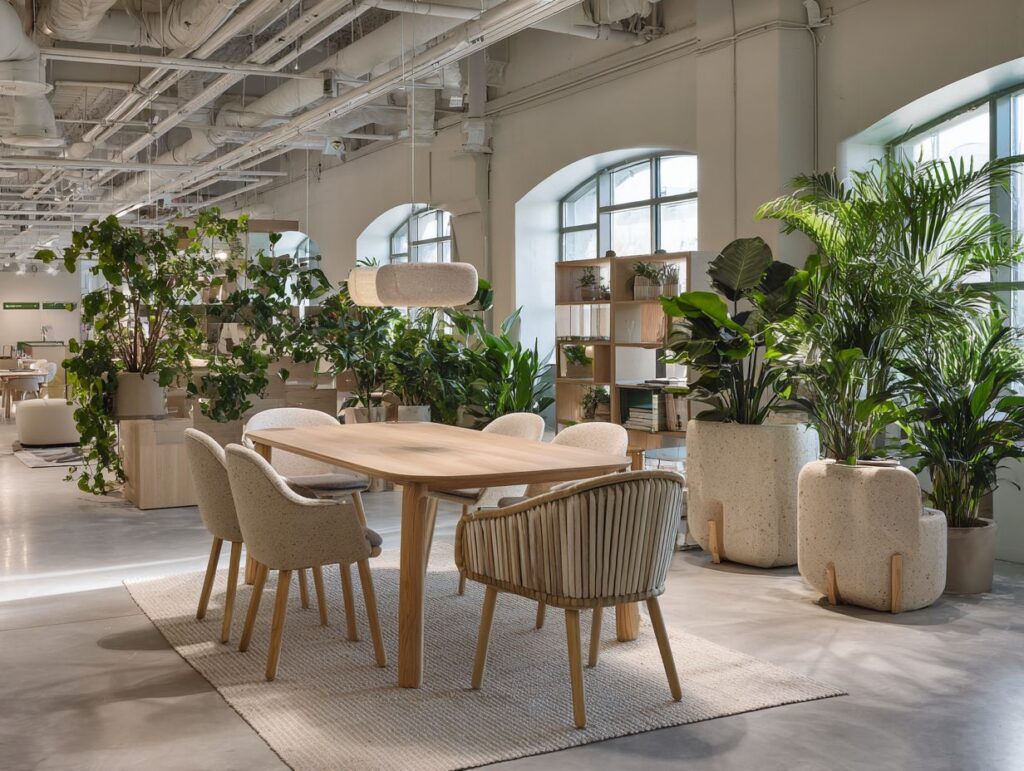
Merging aesthetics with sustainability presents a complex challenge; however, it offers numerous opportunities for innovation and consumer engagement within this evolving landscape.
Brands can effectively navigate these challenges by incorporating eco-friendly materials into their designs, such as organic cotton or recycled plastics. Collaborating with influencers who prioritize sustainability can further enhance consumer awareness and strengthen brand loyalty.
Utilizing tools like Life Cycle Assessment (LCA) software allows companies to evaluate the environmental impact of their products, facilitating well-considered choices. This approach not only promotes transparent branding but also engages eco-conscious consumers, fostering a community centered around sustainable practices.
Future Trends in Product Design
The future of product design will be significantly shaped by emerging technologies and evolving consumer preferences that increasingly prioritize sustainable practices and products.
Technological Innovations
Technological innovations, including smart building systems and energy-efficient technologies, are transforming the design and utilization of products. For example, companies such as Tesla are incorporating smart technology into their energy solutions, notably with the Powerwall, which stores solar energy for residential use.
Simultaneously, brands like Philips are utilizing LED technology not only to achieve energy savings but also to provide flexible lighting solutions with environmentally friendly components that enhance user engagement through smartphone applications.
Furthermore, renewable design practices are exemplified by IKEA’s commitment to employing sustainable materials in product development, including bamboo and recycled plastic, emphasizing fair labor practices.
These advancements not only enhance functionality but also ensure that products adhere to increasingly stringent environmental standards, minimize ecological impact, and reduce environmental degradation.
Consumer Preferences and Behavior in Sustainable Design
Understanding consumer preferences and behavior is essential for product designers who aim to develop products that appeal to eco-conscious consumers. Recent surveys indicate that 73% of consumers prefer products featuring sustainable packaging, highlighting a significant shift toward environmentally friendly practices and social inclusivity.
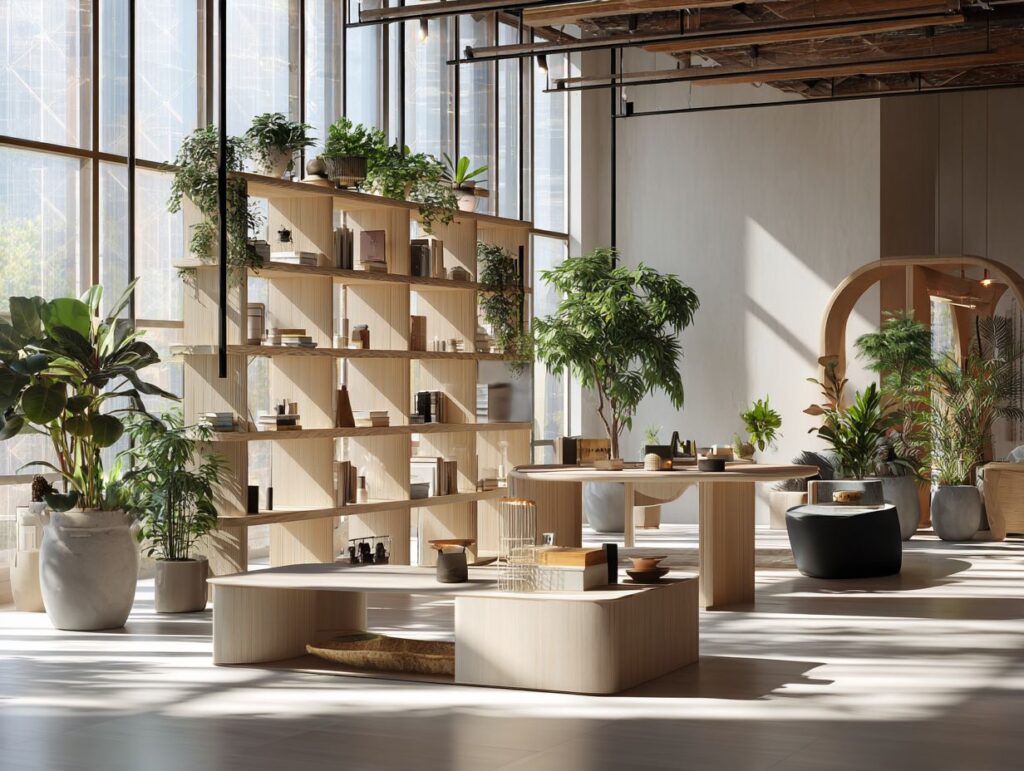
For product designers, this trend necessitates a focus on utilizing materials such as recycled plastics or biodegradable options. Additionally, aesthetics are of paramount importance; 62% of consumers believe that design significantly influences their purchasing decisions. Therefore, designers should prioritize the creation of visually appealing, eco-friendly products by incorporating natural colors, textures, and timeless design elements that align with sustainability principles.
Utilizing design tools such as Adobe Illustrator can facilitate the effective prototyping of these concepts, ensuring that the designs resonate with the targeted demographics.
Learn more, The hidden power of aesthetics in design, sustainability and life.
Frequently Asked Questions on Sustainable Product Design
What is the concept of merging aesthetics with sustainability in product design?
The concept of merging aesthetics with sustainability in product design is the goal of creating products that are not only visually appealing, but also have a minimal negative impact on the environment. It involves the use of sustainable materials, processes, and techniques to create products that are both attractive and environmentally friendly.
Why is it important for product designers to consider sustainability in their designs?
In today’s world, we are facing pressing environmental issues and it is the responsibility of product designers to create products that do not contribute to these issues. By considering sustainability in their designs, product designers can help reduce the negative impact of their products on the environment and contribute to a more sustainable future.
What are some examples of products that successfully merge aesthetics with sustainability?
There are many products that have successfully merged aesthetics with sustainability, such as eco-friendly furniture made from sustainable materials, energy-efficient lighting, and biodegradable packaging. Other examples include products made from recycled materials and those that have a longer lifespan, reducing the need for frequent replacements with durable products featuring customizable features and intelligent home technology.
How can product designers ensure that their designs are both aesthetically pleasing and sustainable?
Product designers can achieve this by incorporating sustainable design principles, such as using recycled or biodegradable materials, designing for durability, leveraging life cycle inventory, and considering the end-of-life of the product. They can also collaborate with sustainable suppliers and manufacturers to ensure their designs are environmentally friendly and promote water conservation.
Is merging aesthetics with sustainability a growing trend in product design?
Yes, merging aesthetics with sustainability is a rapidly growing trend in product design. With increasing awareness and concern for the environment, including climate change, consumers are becoming more conscious of the impact of their purchases. As a result, there is a growing demand for products that are both visually appealing and environmentally friendly, driving the trend towards sustainable product design and minimalism.
What are the potential benefits of incorporating sustainability into product design?
Incorporating sustainability into product design can have numerous benefits, both for the environment and for the company. It can reduce the negative impact of the product on the environment, increase consumer appeal and loyalty, and even save costs in the long run. Additionally, it can help companies to meet sustainability goals and contribute to a more sustainable future.