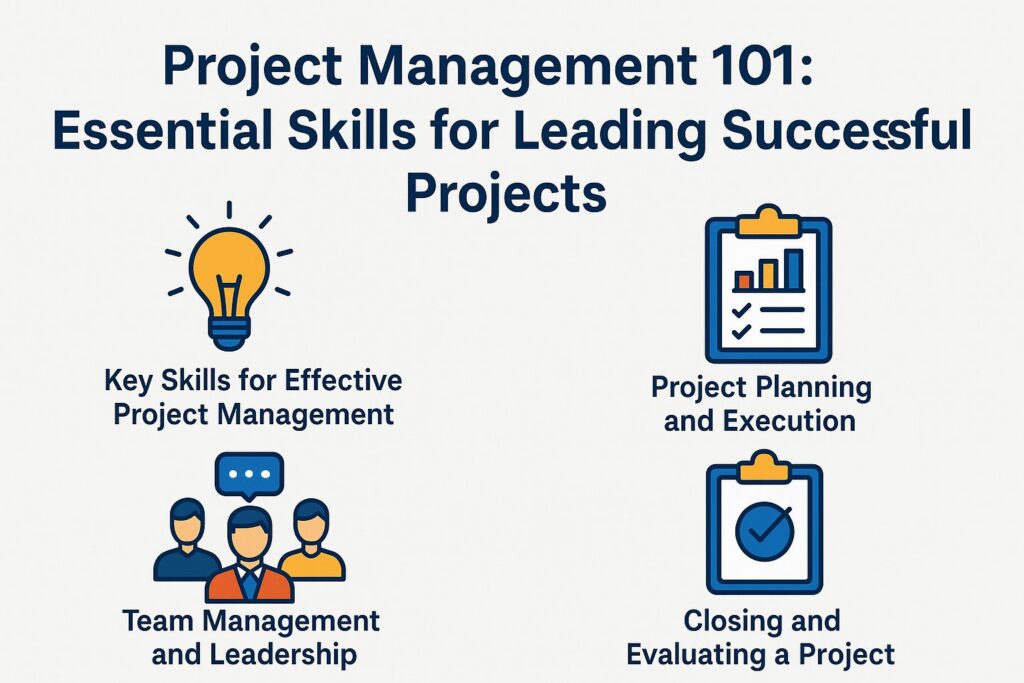
Project management is a critical discipline that ensures projects are completed on schedule, within budget, and to the specified quality standards, emphasizing project quality management and project integration. This article examines the essential skills that every project manager requires for effective leadership, including communication skills, leadership skills, and motivation skills. From mastering communication and collaboration to managing time and assessing risks, each section offers insights into the fundamental components of successful project execution. Additionally, the significance of team management and the processes involved in project closure and evaluation, including project status reports, project charters, and project management certifications like CAPM and PMP, will be addressed. Key strategies that can enhance one’s project management skills will also be explored.
Table of Contents
Key Takeaways:
- Effective project management requires strong communication and collaboration skills, along with organization skills and relationship building, to ensure everyone is on the same page and working towards a common goal.
- Time and resource management, including resource allocation and budget management, are essential for keeping a project on track and within budget, and effectively handling changes and challenges that may arise.
- Successful project management also involves effective team management and leadership, from building and motivating a team to delegating tasks and empowering project team members.
What is Project Management?
Project Management is the discipline that encompasses the planning, execution, and oversight of projects to achieve defined goals and objectives in an efficient manner.
This comprehensive approach not only aids in structuring workflows but also ensures that teams remain aligned with the project’s overarching vision. At its core, project management incorporates essential elements such as defining the project scope, developing a detailed project plan, and utilizing various project management methodologies to streamline the process, as outlined by experts at Coursera.
The project manager holds a critical position in coordinating these elements, making strategic decisions that guide the team towards successful completion while effectively mitigating risks.
By concentrating on the entire project life cycle-from initiation to closure-effective project management establishes a solid foundation for achieving project success, optimizing resources, and enhancing stakeholder satisfaction.
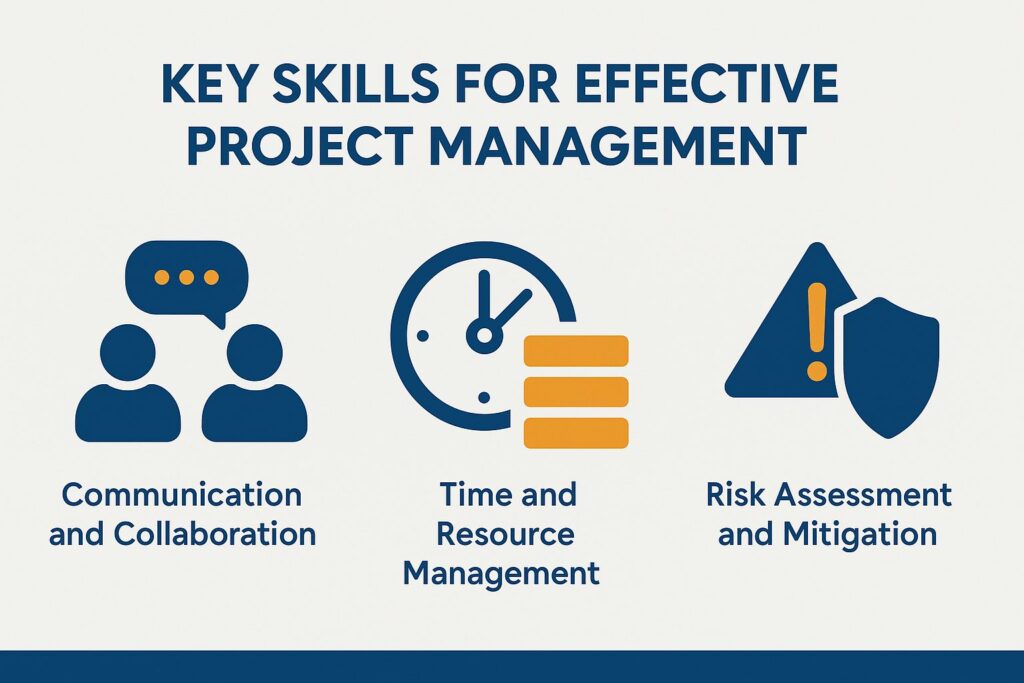
Key Skills for Effective Project Management
Effective project management necessitates a diverse set of competencies that enable project managers to navigate complexities and ensure the successful delivery of projects.
Essential skills include:
- Robust communication abilities for engaging with project stakeholders,
- Leadership qualities to inspire and motivate team members,
- Problem-solving skills to address challenges that may arise during project execution.
Furthermore, fostering team collaboration and conducting thorough stakeholder analysis are critical for aligning project objectives with stakeholder expectations, thereby facilitating successful project outcomes.
Communication and Collaboration in Project Management
Effective communication and collaboration are critical components of successful project management, as they facilitate the flow of information among project stakeholders and team members.
By prioritizing these elements, project managers can identify potential issues early, enabling timely solutions that keep projects on track. Strategies such as regular team meetings, feedback loops, and the effective use of collaborative platforms like project management software can significantly enhance these essential processes.
A well-structured project documentation process ensures that all participants remain informed and aligned, thereby reducing misunderstandings and fostering accountability.
Tools such as Trello, Asana, and Microsoft Teams provide platforms for real-time updates and task management, ensuring that all project stakeholders are engaged and informed throughout the project lifecycle. For those interested in a comprehensive overview of improving team communication, this guide from Asana offers practical strategies and tips.
Ultimately, cultivating a culture of open communication and collaboration not only accelerates progress but also enhances team morale and cohesion.
Time and Resource Management in Project Management
Effective management of time and resources is essential for ensuring that projects are completed within the established timeline and budget. Proper time management entails the development of a comprehensive project schedule that delineates key milestones and deadlines.
Concurrently, resource allocation must ensure that all project resources-including manpower and materials-are utilized efficiently. Project managers are tasked with navigating the inherent constraints of the project to optimize resource use and maintain adherence to the budget, thereby facilitating successful project execution.
Comprehending the importance of these management aspects enables project leaders to proactively identify and mitigate potential challenges, enhancing project success. Implementing strategies such as the Critical Path Method can aid in pinpointing critical tasks that have a direct impact on the project timeline. According to experts at Atlassian, mastering this method is crucial for effective project management.
Additionally, utilizing resource leveling techniques can help balance the workload among team members, thereby preventing burnout and sustaining productivity.
Furthermore, maintaining open lines of communication with stakeholders and conducting regular reviews of project progress ensures that any deviations from the established plan are promptly addressed, thereby reinforcing the successful achievement of project objectives.
Risk Assessment and Mitigation in Project Management
Risk assessment and mitigation are critical components of project risk management, enabling project managers to identify potential challenges and formulate strategies to minimize their impact. Through effective risk management practices, project managers can monitor potential risks throughout the project life cycle, ensuring that appropriate mitigation measures are documented and executed. This proactive approach not only protects project outcomes but also enhances stakeholder confidence in the project management process.
The significance of comprehensive risk assessment cannot be overstated, as it serves as the foundation for effective project monitoring and documentation. Project managers should implement a systematic approach to identifying risks, which often includes brainstorming sessions, checklists, and consultations with subject matter experts.
Once risks are identified, they must be analyzed to ascertain their likelihood and potential impact on project objectives. By utilizing qualitative and quantitative analysis techniques, managers can prioritize risks appropriately. Subsequently, well-structured mitigation strategies can be developed, which may involve risk avoidance, transfer, acceptance, or reduction.
This iterative cycle of assessment, analysis, and mitigation not only fortifies the project’s strategic framework but also equips teams with the essential tools to navigate uncertainties with assurance.
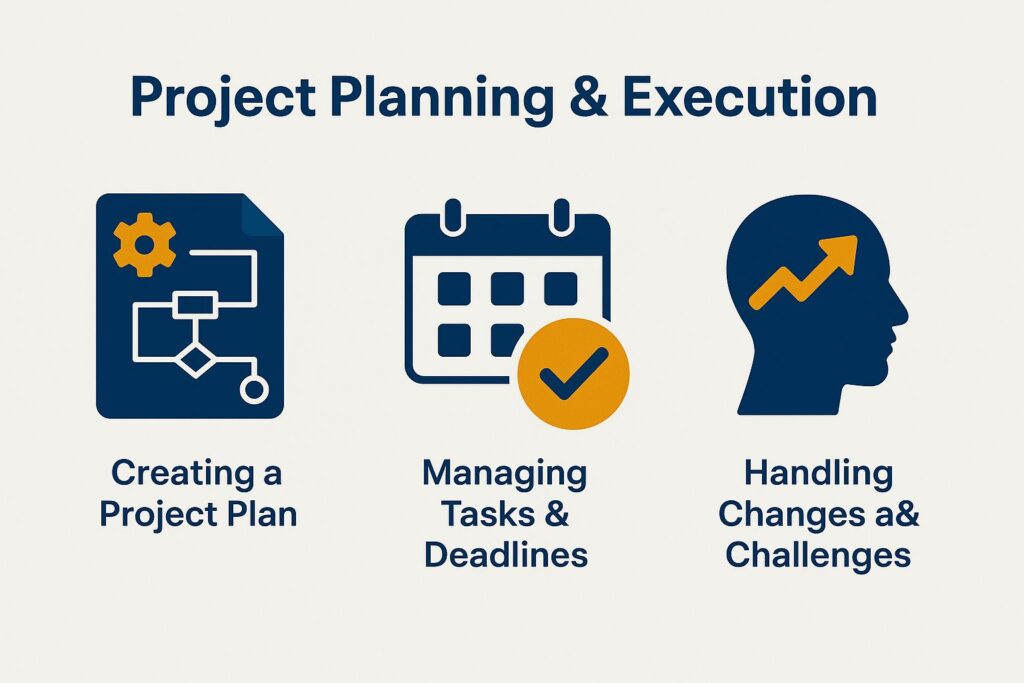
Project Planning and Execution
Project planning and execution are essential phases in the project management process that demand meticulous attention to detail to achieve successful outcomes. A comprehensive project plan delineates project goals, scope, resources, timelines, and deliverables, serving as a roadmap for execution.
During the execution phase, project managers must effectively integrate various project components and leverage project management software and tools for scheduling and tracking progress, all while ensuring that team members remain aligned with the project’s objectives.
Creating a Project Plan with Project Management Tools
Creating a detailed project plan is essential for successful project management, as it establishes the foundation for the entire project life cycle. A well-structured project plan encompasses defining the project scope, establishing a project budget, and developing a project schedule using project management methodologies that align with key milestones and deadlines.
Project charters function as vital documents that outline project objectives, stakeholders, and overall direction, ensuring that all team members are aligned with the project’s vision.
To initiate a comprehensive project plan, it is imperative to first define the scope, which entails identifying the specific goals and deliverables that are critical for project success. Subsequently, estimating a realistic budget is crucial; this should account for potential resources, labor costs, and material expenditures. The financial plan must include contingency allowances to address unforeseen expenses.
Developing a project schedule necessitates breaking down tasks into manageable phases with clear timelines, ensuring that critical milestones are not only established but also regularly monitored throughout the project’s progression. By adhering to these foundational elements, individuals can facilitate effective collaboration and ensure successful project execution.
Managing Tasks and Deadlines in Project Execution
Managing tasks and deadlines is a critical component of project management that significantly influences the overall success of any project. Effective task management entails deconstructing project deliverables into manageable tasks, assigning these tasks to project team members, and establishing realistic deadlines.
The utilization of tools such as Gantt charts can assist in visualizing project timelines and dependencies, thereby ensuring that resources are allocated efficiently while keeping project stakeholders informed of progress.
To guarantee that tasks are not only completed punctually but also aligned with project objectives, it is essential to implement comprehensive strategies for task allocation. This may involve assessing the strengths and weaknesses of team members to assign tasks that correspond to their skills effectively.
Leveraging technology, including specialized scheduling tools, enables teams to monitor deadlines and progress, facilitating real-time adjustments when necessary. Regular engagement with stakeholders fosters transparency and can lead to enhanced collaboration, ultimately improving project outcomes.
Establishing a clear framework for prioritization ensures that critical tasks receive the necessary attention, thereby significantly streamlining the workflow and addressing project constraints effectively.
Handling Changes and Challenges
Effectively managing changes and challenges is essential for preserving the integrity of a project and ensuring its success. Change management strategies enable project managers to adjust project scope and objectives in response to unforeseen circumstances or stakeholder feedback, while conflict management techniques facilitate the resolution of disputes among team members.
To achieve this, it is crucial to develop a flexible project plan that incorporates regular assessments and updates informed by performance metrics and stakeholder input. The adoption of agile methodologies can significantly improve responsiveness to change, allowing teams to pivot swiftly without compromising quality.
Encouraging open communication and creating a safe environment for dialogue among team members can assist in addressing potential conflicts at an early stage. Techniques such as active listening and negotiation not only help resolve disputes but also enhance team cohesion, thereby increasing the project’s resilience in the face of challenges.
By integrating these approaches, project managers can establish a robust framework that fosters adaptability and collaboration.
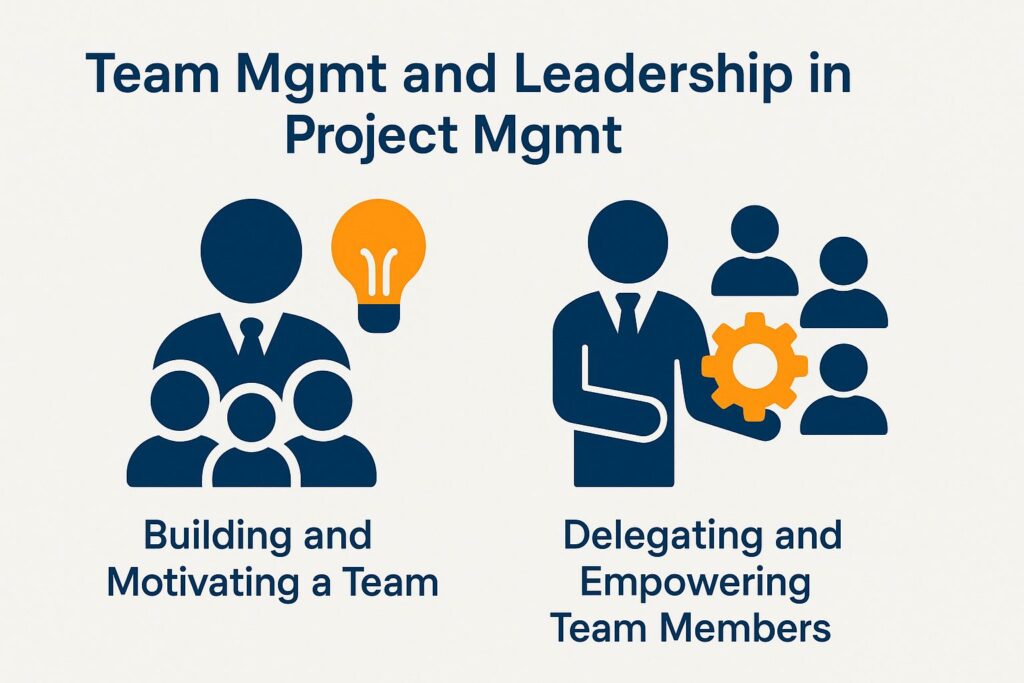
Team Management and Leadership in Project Management
Effective team management and leadership are crucial to the success of any project, as they create an environment that promotes collaboration and high performance.
Project managers must demonstrate strong leadership skills and planning skills, which enable them to build and motivate project team members while cultivating a culture of relationship building and open communication.
By utilizing motivational techniques and acknowledging the unique contributions of each team member, project managers can guide their teams toward the efficient achievement of project goals and objectives outlined in the Project Charter.
Building and Motivating a Team
Building and motivating a high-performing project team is essential for achieving project success and ensuring that project objectives are met. Project managers must utilize motivational skills to inspire team members, fostering a sense of ownership and accountability.
Leveraging strong leadership and organizational skills can help create a structured environment in which team members feel valued and enableed to contribute their best efforts.
To effectively cultivate a dedicated project team, it is crucial to establish clear communication channels that encourage open dialogue and feedback. Emphasizing collaborative problem-solving not only enhances engagement but also nurtures team cohesion.
Recognizing individual contributions through appreciation and rewards can significantly boost morale, motivating team members to perform at their highest potential.
Providing opportunities for professional development not only enhances skills but also demonstrates a commitment to the team’s growth, which in turn fosters loyalty and drives collective success.
When these strategies are consistently applied, they can transform a group of individuals into a passionate and committed project team.
Delegating and Empowering Team Members
Delegating tasks and enableing team members are essential elements of effective project management, enabling project managers to concentrate on higher-level responsibilities while promoting team development.
By utilizing strong leadership skills, project managers can assign tasks according to the strengths and expertise of team members, ensuring that each individual feels enableed to take ownership of their contributions. This strategy not only enhances collaboration within the team but also reduces the likelihood of conflicts stemming from misunderstandings regarding roles and responsibilities.
When project managers embrace the practice of delegation, they foster an environment in which team members are motivated to share their unique insights and skills, cultivating a sense of accountability and engagement.
The ability to manage conflicts effectively becomes increasingly important, as differing perspectives may emerge when individuals assume new roles. By encouraging open communication and providing support to team members in navigating challenges, leaders can enhance team dynamics, ultimately leading to more innovative solutions.
Ultimately, this mindset of enablement not only streamlines workflow, facilitating more efficient project progress, but also fosters a culture of mutual respect and shared achievement, which is crucial for long-term success.
Closing and Evaluating a Project
Closing and evaluating a project constitute essential final steps in the project management process, offering valuable insights and ensuring that lessons learned are documented for future reference.
During the project closing phase, project managers are tasked with assessing the overall outcomes against the initial goals and objectives of the project. It is imperative that all project documentation is finalized and archived appropriately.
This evaluation process not only reflects the project’s success but also serves to inform best practices for future projects.
Wrapping Up and Reflecting on the Project
Wrapping up and reflecting on a project is essential for understanding its impact and identifying areas for improvement in future endeavors. During this phase, project managers must ensure that all project documentation is finalized, including project status reports that capture outcomes and results.
Reflecting on the project allows teams to discuss lessons learned, celebrating successes while acknowledging challenges that may have arisen during execution, including those pertaining to project costs and resource allocation.
This reflective practice not only provides a comprehensive overview of achievements but also plays a vital role in cultivating a culture of continuous improvement. As teams convene to evaluate their work, they can identify specific strategies that contributed to successful outcomes and recognize obstacles that hindered progress.
By thoroughly documenting these insights, organizations create a valuable repository of knowledge that can inform future initiatives. Emphasizing the importance of these reflections promotes ongoing development and encourages a proactive approach to problem-solving, ultimately leading to more effective project management in subsequent projects.
Measuring Success and Lessons Learned
Measuring success and documenting lessons learned are essential components of project evaluation, serving to inform future project management practices and enhance overall effectiveness.
Project managers should establish clear metrics for project success, which may include adherence to budget constraints, adherence to timelines, and the achievement of defined project goals. By systematically documenting lessons learned, including feedback obtained from stakeholder analysis, project teams can continuously refine their processes and strategies for future initiatives.
This proactive approach not only captures valuable insights but also fosters a culture of continuous improvement within the organization. Employing tools such as post-project reviews and performance dashboards can facilitate the assessment of various aspects of project delivery, including resource allocation and stakeholder engagement.
This evaluation process enables teams to identify areas of success and recognize challenges encountered during execution. Integrating this knowledge into future planning ensures that previous mistakes are not repeated, ultimately resulting in more effective project management outcomes.
Prioritizing these practices promotes a comprehensive understanding of project dynamics, thereby establishing a foundation for strategic decision-making in subsequent endeavors.