Planning a trip to Quito and wondering where to stay or what to eat? This guide covers the best spots in the old town historic center and beyond, plus top attractions for 2026. You’ll feel right at home exploring Ecuador‘s high-altitude capital.
Table of Contents
Key Takeaways:
- Stay in Quito‘s UNESCO Historic Center for colonial charm and boutique hotels, or opt for vibrant La Mariscal for modern vibes and nightlife accessibility in 2026.
- Savor traditional Ecuadorian dishes like locro de papa at local restaurants, then explore fine dining and street food markets for an authentic culinary adventure.
- Explore must-see attractions in the Historic Center, navigate via cable cars and buses, and take tours to the equator or nearby volcano es for unforgettable excursions.
Getting There & Around
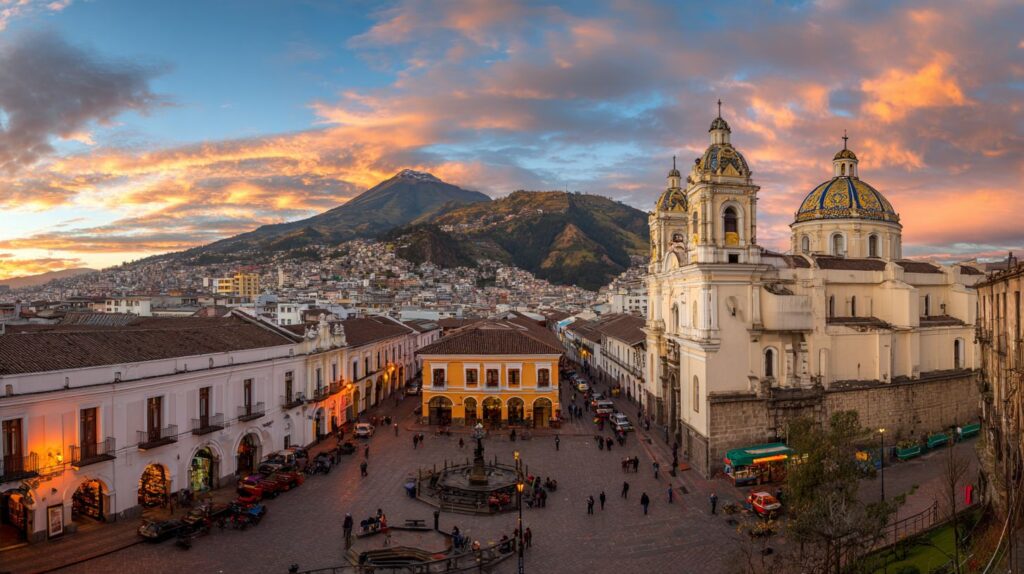
Reaching Quito and moving through its varied neighborhood s is straightforward with smart planning. Mariscal Sucre International Airport acts as the main airport gateway, sitting about 45 minutes from the city center. Plan ahead for safe transfers to areas like Old Town or La Mariscal.
Affordable options include official taxis, rideshares like Uber, and buses. Pre-book private transfers for ease, especially with luggage. These keep costs low while avoiding scams in Ecuador’s capital.
For city navigation, use apps for taxis and buses to reach spots like Floresta or Carolina. Walk in compact zones but watch for hilly streets. Drink water right away to handle the high altitude.
Common tips include downloading offline maps and sticking to well-lit routes at night. This sets up smooth exploration of UNESCO heritage sites, parks, and museums around Plaza areas.
Airports & Transportation
Mariscal Sucre International Airport serves as Quito’s primary hub, located about 45 minutes from the city center. Upon arrival, head straight to official transport desks. Ignore unofficial taxi offers outside to stay safe.
Step one: Grab an official taxi or Uber from designated zones. Step two: Pre-book private transfers via apps for $25-35, ideal for groups heading to La Mariscal nightlife or family stays. Step three: Opt for the airport bus at $3 for budget travel to key stops.
- To Old Town: Expect a 40-minute ride through historic streets.
- To La Mariscal: Around 30 minutes to party zones and modern hotels.
- Avoid carrying too much cash; use cards or apps instead.
Prep for altitude by drinking water immediately upon landing. This helps with adjustment before checking into hostels or Airbnb s in neighborhoods like Ronda or the financial district.
Best Ways to Navigate the City
Quito‘s layout favors walking in compact areas but requires caution on hilly streets. Taxis and Uber cost $1-5 for short rides; always use in-app maps for routes to Old Town museums or Carolina parks. Download the Moovit app for real-time bus info.
Ecova and Trole buses offer budget travel at $0.35 per ride, perfect for backpackers moving between La Floresta‘s bohemian vibe and La Mariscal‘s nightlife. Walking tours shine in the UNESCO historic center, but wear good shoes for cobblestones around landmarks and plazas.
| Option | Pros | Cons |
|---|---|---|
| Taxis/Uber | Door-to-door, safe at night | Higher cost for long trips |
| Buses (Ecova/Trole) | Very cheap, frequent | Crowded during rush hour |
| Walking | Free, explores architecture | Tiring on hills, unsafe after dark |
Avoid rush hour crowds and use Google Maps offline for neighborhood-specific routes, like bar hops in La Mariscal. This makes getting to restaurants, viewpoints, and volcano sights simple and secure.
Where to Stay
Choosing where to stay in Quito depends on your vibe, from historic immersion to lively nightlife. The Historic Center draws culture lovers with its colonial streets and landmarks. La Mariscal suits nightlife seekers near Plaza Foch.
Options span budget s and group sizes. Hostels work for backpackers, while hotels fit family. Airbnbs offer kitchens for longer stays or groups.
Each neighborhood ties to Quito‘s charm, from UNESCO heritage to bohemian energy. Pick based on walking access to museums, parks, or restaurants. This leads to tailored recommendations below.
Historic Center Hotels
The UNESCO-listed Historic Center offers atmospheric stays amid colonial architecture and landmarks. Stay here for immersion in Ecuador’s capital history. Proximity to sites like Plaza Grande enhances daily exploration.
Budget picks include Community Hostel at around $20 per night. It appeals to backpackers with a shared kitchen and social vibe. Families prefer Wyndham Garden Quito at $80 per night, complete with breakfast.
Airbnb apartments near Plaza Grande run about $50 per night. They feature full kitchens and views. Walk five minutes to Baslica del Voto Nacional from most spots.
| Area | Pros | Cons |
|---|---|---|
| Historic Center | Prime location near museums and architecture | Some noise from street activity |
| Outside Old Town | Quieter nights | Longer walks or taxi rides to landmarks |
Book through platforms with free cancellation for flexibility. Groups love the walkable access to restaurants and tours.
Modern La Mariscal Options
La Mariscal buzzes with nightlife around Plaza Foch, ideal for social travelers. This modern area blends bohemian energy with financial district convenience. Explore bars, parks, and street art on foot.
Selina Quito starts at $25 per night for hostels with rooftop party and co-working spaces. Party hostels like The Broke Backpacker style offer $15 per night with regular events. Mid-range hotels at $60 per night include pools for relaxation.
Walk to venues safely in groups after dark. The vibe suits young adventurers near La Carolina and La Ronda areas. Enjoy proximity to airport shuttles and mountains views.
| Option | Vibe | Budget | Noise |
|---|---|---|---|
| Selina Hostel | Social, events | Low | High on weekends |
| Party Hostels | Energetic parties | Very low | Loud nights |
| Mid-range Hotels | Relaxed pools | Moderate | Moderate |
Floresta nearby adds trendy cafes. Choose for easy access to Quito’s volcanoes and heritage sites by day.
Top Places to Eat
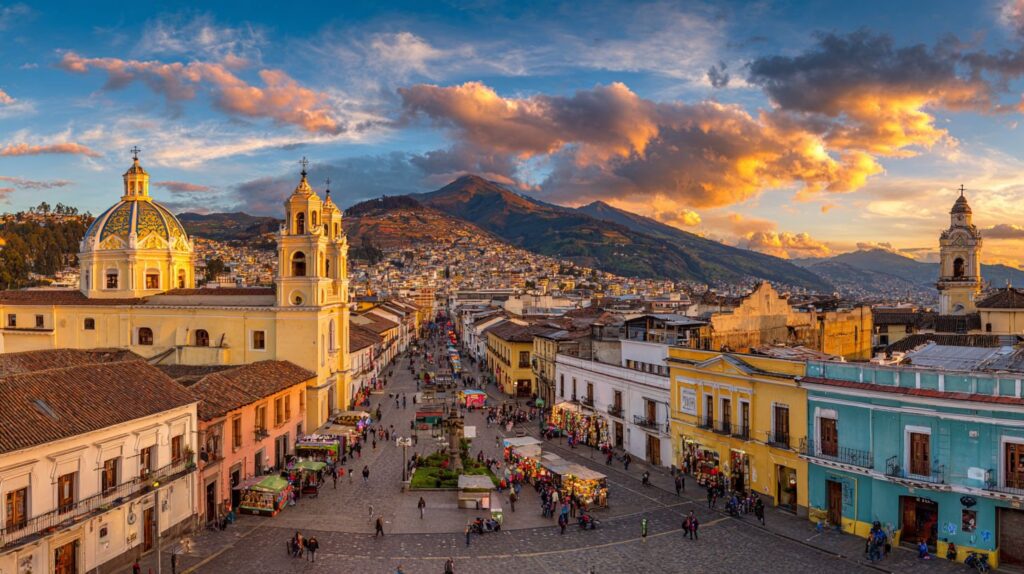
Quito‘s food scene spans hearty Andean dishes to innovative spots across neighborhoods. Savor traditional flavors like locro de papa, a creamy potato soup with avocado and cheese. Modern fusions blend these classics with global twists in trendy areas.
Budget eats thrive in markets with meals under $5, while upscale restaurants offer multi-course experiences starting around $50. This range suits backpackers in La Mariscal hostels and family staying in La Carolina apartments. Explore from the historic center to the financial district for variety.
Pair meals with fresh juices or craft beers amid UNESCO heritage sites. Nightlife spots near Plaza San Francisco serve late-night bites after museum tours. Whether walking La Ronda or relaxing in La Floresta cafes, food connects you to Ecuador’s capital.
Vegetarian options abound, from quinoa salads to plantain empanadas. Reserve ahead for rooftop views overlooking mountains and volcanoes. This mix makes Quito’s dining a highlight for any trip.
Traditional Ecuadorian Cuisine
Dive into authentic flavors at markets and family-run spots serving empanadas and ceviche. Mercado Central bustles with street food stalls offering hornado, roast pork with mote corn, for affordable meals. Nearby, fresh juices complement every plate.
Head to La Ronda for street eats amid live music and grilled meats. This historic street in the Old Town provides cultural immersion with colonial architecture. Wander from Plaza Santo Domingo to sample fritada, fried pork chunks.
- Start at Mercado Central: Order from trusted stalls, try hornado for $3-5.
- Explore La Ronda: Enjoy grilled meats with evening music and history.
- Visit Vista Hermosa: Savor $10 plates with rooftop views of the city and mountains.
Avoid tourist traps by asking locals for recommendations. Step one: Pick busy stalls with fresh ingredients. Step two: Pair with morada juice. Step three: Chat with vendors for hidden gems near UNESCO sites.
Fine Dining & Street Food
Balance upscale experiences with casual street eats in trendy areas like La Floresta. Grab arepas for $2 in La Carolina park surroundings. Bohemian cafes here serve avocado toast and strong coffee amid modern vibes.
For fine dining, try Oro Verde‘s fusion tasting menus with $50+ prices. Experience the history and landmarks of Ecuador while enjoying accommodation options near Pichincha Volcano, Teatro Sucre, Museo de la Ciudad, and the iconic UNESCO World Heritage Site or a day trip to Mitad del Mundo. These feature modern twists on classics like llapingachos potato cakes with seafood. Reserve for dinners to enjoy financial district ambiance.
| Spot | Price Range | Ambiance |
|---|---|---|
| La Carolina street food in Quito | $2 arepas | Casual park vibes |
| Oro Verde | $50+ tasting menus | Elegant fusion |
| La Floresta cafes | $5-10 coffee and toast | Bohemian and relaxed |
Vegetarian options shine with quinoa bowls and grilled veggies. Walk from hostels in La Mariscal to these spots. After airport arrival, unwind here before Old Town tours.
Must-See Attractions
Quito‘s attractions showcase its rich history and stunning Andean backdrop. The city blends colonial architecture with modern vibes in neighborhoods like the Historic Center and La Mariscal. Visitors find panoramic views of mountains and volcanoes from key landmarks.
Start in the UNESCO Historic Center, a core site packed with plazas, churches, and museums. This area offers the best walking tours through preserved streets. Practical access comes via taxi from the airport or Mariscal neighborhood in under 30 minutes.
Other must-visits include the Baslica del Voto Nacional for climbs to panoramic views and La Ronda for evening strolls. Budget travelers appreciate free spots like Plaza Grande. Families enjoy the mix of history and nearby parks like Parque Carolina.
- Old Town: Colonial gems and walking routes.
- Baslica del Voto Nacional: Climb for city vistas.
- La Ronda: Nightlife with local drinks.
- Museo de la Ciudad: Exhibits on Quito’s past.
UNESCO Historic Center
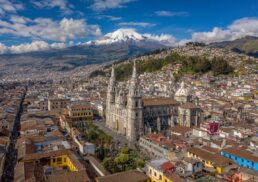
As one of the first UNESCO World Heritage Site, Quito‘s Historic Center captivates with preserved colonial splendor. This old town area features cobblestone streets lined with churches and plazas. It’s the heart of Ecuador’s capital for history lovers.
Begin at Plaza Grande to people-watch for free amid presidential palace views. Wander to the Museo de la Ciudad for exhibits on colonial life and indigenous history. A 2-hour walking route connects these spots easily on foot.
Climb the Baslica del Voto Nacional for $2 entry and stunning panoramas over the city and mountains. Evenings call for La Ronda strolls with canelazo drinks in lively bars. Catch shows at Teatro Sucre for cultural immersion.
This site boasts the best-preserved architecture in South America. Wear comfortable shoes for the hilly paths. Combine with nearby restaurants for a full day of exploring Quito’s heritage.
Day Trips & Excursions
Venture beyond the city for Pichincha Volcano hikes and equatorial wonders just a short drive away. Quito’s location near natural landmarks makes day trips simple and rewarding. Plan these escapes to complement your time in the UNESCO heritage site of the historic center.
Start with the TelefriQo cable car to Pichincha Volcano. The ride costs $8.50 and takes 20 minutes from the city center, followed by a 1-2 hour hike offering stunning mountain views. Pack water and layers for changing weather at high altitude.
Next, head to Mitad del Mundo for equator experiments, with $5 entry and a 45-minute bus ride. Stand on the line, try balancing tricks, and enjoy science fun amid Andean scenery. Combine it with nearby cultural stops for a full day.
For ease, book tours via platforms like GetYourGuide at $40-60, including transport. These options suit families or backpackers exploring from neighborhoods like La Mariscal. Always acclimatize first to avoid altitude sickness, a common mistake for newcomers to Ecuador’s capital.
| Excursion | Duration | Cost |
|---|---|---|
| TelefriQo to Pichincha | 4-6 hours | $8.50 cable car |
| Mitad del Mundo | 5-7 hours | $5 entry |
| Guided Tours | Full day | $40-60 |
Practical Travel Tips
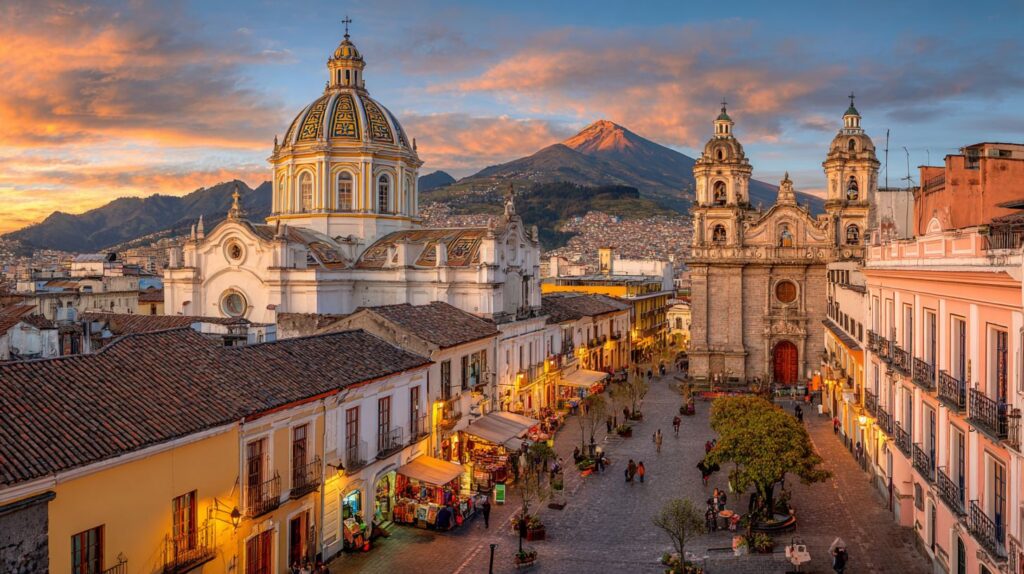
Smooth travels in Quito come from preparing for its altitude, weather, and local customs. The city’s high elevation at over 9,000 feet demands care to avoid sickness. Start with rest and hydration on arrival.
Altitude adjustment is key for most visitors. Spend day one resting, sip coca tea from local markets, and avoid heavy meals. Experts recommend moving slowly up stairs in the historic center.
For safety, stick to tourist areas like La Mariscal and Floresta at night. Use registered taxis or ride-sharing apps, and keep valuables hidden. Families find Carolina neighborhood safest for walks.
Budget planning helps stretch dollars. Backpackers manage on simple meals and hostels, while families add comfort with apartments. Grab a SIM card at the airport for about ten dollars to use apps like iOverlander for campsites and tips.
Health and Altitude Advice
Quito’s altitude affects newcomers quickly. Rest on day one, drink plenty of water, and try coca tea from street vendors near Plaza Grande. Avoid alcohol until adjusted.
Consult a doctor before travel for personal health needs. Pack medications for headaches or nausea common at height. Light walks in parks like La Carolina build stamina gradually.
Stay hydrated with bottled water from supermarkets in La Mariscal. Eat light empanadas or fruit to ease into local food. This approach keeps most trips enjoyable.
Safety in Quito Neighborhoods
Stick to well-lit tourist areas like the Old Town UNESCO site and La Mariscal for evenings. Use official yellow taxis or trusted apps from your hotel. Avoid flashing cash near markets.
Families prefer quiet spots in Carolina or Floresta with parks and modern vibes. Party-goers head to La Ronda for nightlife but go in groups. Daytime explores museums and architecture safely on foot.
Register with your embassy app before arrival. Keep a photocopy of your passport in bags. Locals welcome polite smiles and basic Spanish phrases.
Budget Breakdown
Backpackers keep costs low with hostels like Selina Quito in La Mariscal and street eats around fifty dollars daily. Families budget higher for Airbnbs in Floresta with kitchens. Taxis and tours add up quickly.
- Hostel dorm: Basic bed near Plaza Foch nightlife.
- Budget meal: Locro soup at markets.
- Taxi ride: Short hops in tourist zones.
- Entry fees: Museums in historic center.
Track expenses via free apps. Shop at supermarkets for picnic lunches in parks. This balances fun in Ecuador’s capital without strain.
Packing Essentials
Pack layers for days between fifty and seventy degrees Fahrenheit. Mornings chill near mountains, afternoons warm in the financial district. Rain jackets suit sudden showers.
Comfortable walking shoes fit cobblestone streets of Old Town. Sunglasses and hat protect against strong sun at altitude. A reusable water bottle saves money.
Families add kid layers and snacks for hikes. Backpackers pack light for hostels with shared laundry. Include adapters for outlets in hotels and apartments.
Frequently Asked Questions
What is the Quito Travel Guide 2026: Where to Stay, Eat & Explore Ecuador’s Capital all about?
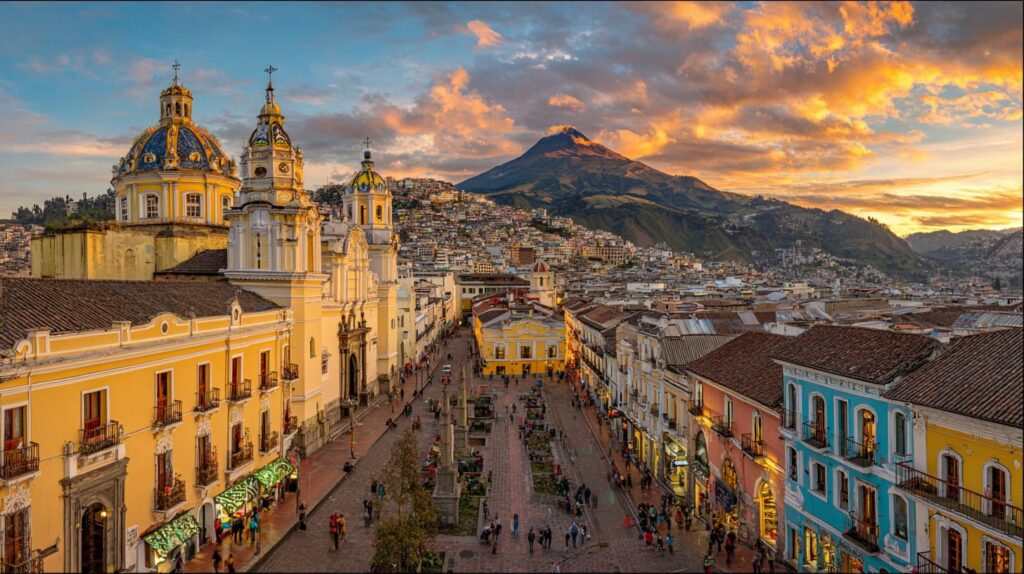
The Quito Travel Guide 2026: Where to Stay, Eat & Explore Ecuador‘s Capital is your ultimate resource for planning a trip to Ecuador‘s vibrant high-altitude capital. It covers the best accommodations from luxury hotels to cozy hostels, top dining spots featuring local Ecuadorian cuisine, and must-see attractions like the historic Old Town and surrounding volcanoes, all updated for 2026 travel trends.
Where to stay according to the Quito Travel Guide 2026: Where to Stay, Eat & Explore Ecuador’s Capital?
In the Quito Travel Guide 2026: Where to Stay, Eat & Explore Ecuador’s Capital, recommended stays include the trendy La Floresta neighborhood for boutique hotels with city views, the UNESCO-listed Historic Center for immersive colonial charm, and modern spots in Cumbay for families. Budget options like hostels start at $20/night, while luxury stays go up to $300+.
What are the best places to eat from the Quito Travel Guide 2026: Where to Stay, Eat & Explore Ecuador’s Capital?
The Quito Travel Guide 2026: Where to Stay, Eat & Explore Ecuador’s Capital highlights eateries like Mercado Central for authentic ceviche and empanadas, fine-dining at Casa Gangotena with Andean fusion, and street food in La Ronda for locro de papa soup. Expect plant-based options and craft breweries emerging in 2026.
Top spots to explore in the Quito Travel Guide 2026: Where to Stay, Eat & Explore Ecuador’s Capital?
Key explorations in the Quito Travel Guide 2026: Where to Stay, Eat & Explore Ecuador’s Capital include the world’s highest cable car to Pichincha Volcano, Basilica del Voto Nacional for panoramic views, Mitad del Mundo for the equator line, and day trips to the Quilotoa Lagoon, with sustainable eco-tours emphasized for 2026.
Is Quito safe for tourists based on the Quito Travel Guide 2026: Where to Stay, Eat & Explore Ecuador’s Capital?
Yes, the Quito Travel Guide 2026: Where to Stay, Eat & Explore Ecuador’s Capital notes improving safety in tourist zones like the Old Town and La Carolina Park. Stick to well-lit areas, use ride-shares at night, and avoid flashy valuables-petty theft is the main concern, but 2026 sees enhanced police presence.
What’s new in Quito for 2026 according to the Quito Travel Guide 2026: Where to Stay, Eat & Explore Ecuador’s Capital?
The Quito Travel Guide 2026: Where to Stay, Eat & Explore Ecuador’s Capital-Old Town, La Ronda, La Mariscal, La Floresta, La Carolina-covers 2026 updates like new eco-hotels like Selina Quito and Wyndham Garden Quito in the Valley, expanded bike lanes for exploring Pichincha Volcano, pop-up food festivals at Mercado Central celebrating indigenous flavors, and virtual reality tours of Intian Museum and nearby Baslica del Voto Nacional, Teatro Sucre, Museo de la Ciudad, the iconic UNESCO World Heritage Site of Plaza Grande, and Mitad del Mundo, making it easier to blend adventure with culture in Plaza Foch.