Planning a holiday to South Asia in 2026? You’ve got endless travel options from bustling Indian cities to serene Sri Lankan beaches and Nepal’s mountains. This guide shares the best destinations to stay, eat, and explore, so you can make the most of your Asia adventure without the guesswork.
Table of Contents
Key Takeaways:
- Discover India’s diverse stays from luxury palaces to cozy homestays, savor street food like chaat and fine dining curries, while exploring Taj Mahal and Kerala backwaters in 2026.
- Unveil Pakistan’s hidden gems with cozy guesthouses in Lahore, authentic kebabs and biryanis, blending culture and adventure off the beaten path.
- Embrace Sri Lanka’s beaches and hill retreats, Bangladesh and Nepal’s offbeat trails; prioritize sustainable stays, local cuisine, and 2026 visa updates for seamless trips.
India: Highlights & Essentials
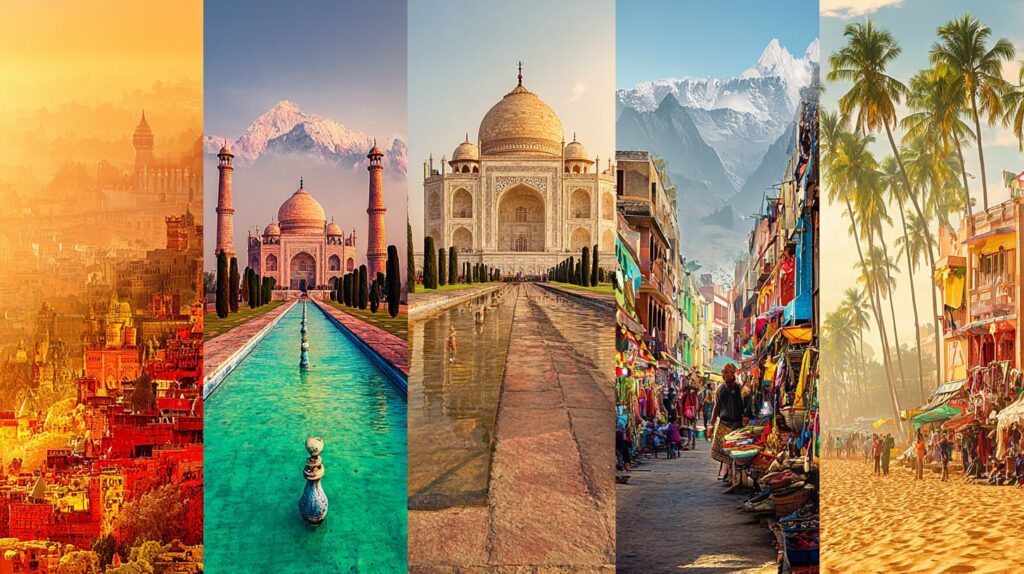
India stands out in 2026 as a premier Asia destination, blending ancient heritage in places like Patan with bustling markets and flavorful street food. The country’s tourism recovery draws international visitors seeking cultural depth from Himalayan wellness retreats to Goa’s beaches. Options span luxury stays in Rajasthan palaces to offbeat explorations in Kerala’s backwaters.
Travelers enjoy variety in festivals and season s, with winter illuminations in Delhi and monsoon greens in Mumbai. Airports like Delhi’s Indira Gandhi International hub connect easily to top spots. Experts recommend planning around holiday peaks like Diwali for vibrant markets and local cuisine.
For 2026 holidays, focus on sustainable tourism in areas like Patan Durbar Square. Pair visits with shopping in Kolkata’s green spaces or food tours in Bangalore. This mix of heritage and modern vibes makes India a top pick alongside Thailand and South Korea.
Prepare for diverse climates, from Rajasthan’s deserts to Manali’s ski resorts in winter. Book trains early for efficient travel between destinations. Immerse in wellness practices like yoga in Rishikesh for a complete experience.
Best Stays: Luxury to Homestays
From opulent palaces in Rajasthan to cozy homestays in Kerala, India’s accommodations cater to every traveler’s preference for comfort and authenticity. Luxury options like Taj Lake Palace in Udaipur offer floating romance with spa facilities, starting at $300 per night. Budget picks under $50 nightly include guesthouses in Varanasi for riverside views.
In the Himalayas, Manali homestays provide wellness escapes with yoga sessions and mountain treks, around $30-60 per night. Rajasthan’s Oberoi Udaivilas near Jodhpur features pools and cultural shows for $400+. Use platforms like Booking.com or local apps for real-time availability.
- Taj Falaknuma Palace, Hyderabad: Royal suites with Turkish baths, $500+ nightly.
- Goa beach resorts: Mid-range villas at $100-200, ideal for winter holidays.
- Kerala houseboats: Floating stays under $100, with fresh seafood meals.
- Jaipur heritage hotels: Converted havelis at $80-150 for cultural immersion.
- Ladakh eco-camps: Budget tents at $40, perfect for summer adventures.
Book homestays directly for personalized tips on nearby markets. Check for seasonal deals in off-peak months to save on luxury stays.
Must-Eat Street Food & Fine Dining
India’s culinary scene thrives with sizzling street food in Mumbai’s markets and refined tasting menus in Delhi’s top restaurants. Try pani puri in Bangalore at busy stalls for tangy bursts, or vada pav in Pune for spicy potato snacks. Safety tip: choose crowded vendors and avoid raw items if sensitive.
- Chaat in Delhi’s Chandni Chowk: Crispy mixes with yogurt and chutneys.
- Bhel puri in Mumbai: Puffed rice with veggies, vegan-friendly.
- Dosa in Chennai: Crispy crepes with sambar, under $2 a plate.
- Momos in Manali: Steamed dumplings, pair with hot tea.
- Kathi rolls in Kolkata: Wrapped kebabs for quick bites.
- Gol gappe in Ahmedabad: Filled water puffs, eat fresh.
For fine dining, Indian Accent in New Delhi serves innovative dishes like butter chicken foie gras. Wasabi by Morimoto in Mumbai blends local flavors with global twists, great for vegetarians. Use Zomato app to find spots and read recent reviews.
Pair street eats with lassi for refreshment. Vegans opt for paneer-free curries at stalls. Explore pairings like biryani with raita in Hyderabad for authentic tastes.
Top Exploration Spots
Explore India’s treasures from the historic temples of Patan to serene green spaces in Kolkata and vibrant festivals in Goa. Start with the Taj Mahal: take early morning train from Delhi, enter via Agra’s east gate for $15 fee, best in winter to avoid crowds. Follow a step-by-step path: security check, then marble gardens to the main dome.
For Rajasthan’s golden triangle itinerary, spend 3 days: Day 1 in Delhi’s museums, Day 2 train to Agra, Day 3 bus to Jaipur’s forts. Visit Hawa Mahal at sunrise. Seasonal tip: join winter camel fairs in Pushkar.
- Varanasi ghats: Boat rides at dawn, access by rickshaw from station.
- Kerala backwaters: Ferry from Alleppey, peak in non-monsoon seasons.
- Goa beaches: Bus from airport, enjoy Christmas illuminations.
- Jaisalmer desert: Camel safaris, book via local operators.
- Udaipur lakes: Cycle rickshaws for palace views.
- Amritsar Golden Temple: Free entry, early visits for peace.
- Mysore Palace: Light shows Sundays, train from Bangalore.
- Ladakh monasteries: Fly from Delhi, summer for festivals.
Combine with nearby markets for shopping handicrafts. Use trains for efficient travel between spots like Patan and Kathmandu routes. Plan for lunar new year vibes in Northeast hill stations.
Pakistan: Hidden Gems
Pakistan reveals hidden gems in 2026 for adventurous travelers, offering uncrowded cultural sites near Erbil and rugged mountain landscapes. The country draws rising international interest with safety improvements in key regions. Offbeat appeal shines through serene valleys and ancient forts, perfect for those seeking authentic Asia travel beyond mainstream destinations like Thailand or Singapore.
Explore lesser-known experiences in Hunza and Swat, where local hospitality meets stunning scenery. Improved roads and airports make access easier for holiday visitors. Combine this with cultural festivals and green spaces for a memorable 2026 trip.
Safety enhancements encourage more recovery, similar to trends in South Korea and Bali. Focus on guided treks and home stays for immersive adventures. Pakistan stands out for its blend of mountains, markets, and warmth amid South Asia’s vibrant scene.
Plan around winter season s for clear skies and festivals. Pair visits with nearby spots like Patan for deeper cultural dives. These gems offer peace away from crowded beaches or illuminations in places like Seoul.
Accommodation Hotspots
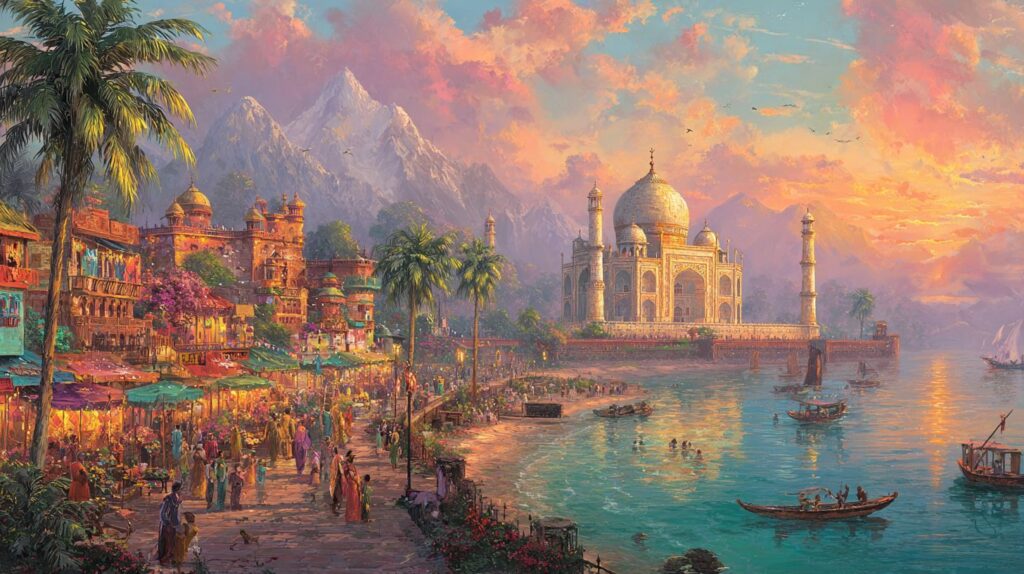
Discover Pakistan’s accommodation hotspots, from eco-lodges in Hunza Valley to wellness retreats amid lush green spaces in Swat. These spots provide serene locations for relaxation after exploring rugged trails. Local flights to Gilgit or Islamabad airports ease access for international visitors.
Serena Hotel in Fairy Meadows offers cozy rooms with mountain views and guided hikes. Budget guesthouses in Gilgit feature home-cooked meals and valley vistas. Book via Agoda for simple reservations ahead of peak seasons.
- Hunza eco-lodges: Wooden huts with solar power and organic gardens, ideal for nature lovers.
- Swat wellness retreats: Yoga spaces and spa treatments in green surroundings, reachable by short drives.
- Shandur Pass camps: Basic tents during polo festivals, with bonfire gatherings.
- Chitral heritage stays: Fort-turned-hotels with local crafts and Kalash cultural shows.
- Skardu lakeside lodges: Boat access and fishing, near Deosai Plains for summer escapes.
These options suit various budgets and emphasize tranquility. Enjoy amenities like fresh air balconies and cultural talks. Perfect bases for 2026 holidays blending adventure and rest.
Authentic Cuisine Guide
Pakistan’s authentic cuisine shines through hearty karahi in Lahore’s street markets and aromatic biryanis in Karachi. Savor these in bustling bazaars near museums and green spaces. Local flavors rival street food scenes in Hong Kong or South Korea‘s k-culture hubs.
Try chapli kebab in Peshawar from roadside stalls, paired with naan. Seek haleem during Ramadan at food festivals. For hands-on fun, join cooking classes in Lahore or opt for home-cooked meals in Hunza villages. Consider similar tourism experiences in Japan for contrast.
- Sindhi biryani: Spicy rice with chicken, source spices from Karachi markets; substitute turmeric for saffron.
- Peshawari karahi: Goat curry with tomatoes, bazaar-fresh; use ginger instead of garam masala if short.
- Haleem: Slow-cooked lentils and meat, Ramadan specials; cumin for depth.
- Sajji: Whole lamb roast in Balochistan, campfire style; paprika sub for red chilies.
- Charsi tikka: Grilled meats in Islamabad, seek smoky vendors; black pepper alternative.
- Halwa puri: Sweet semolina with fried bread, breakfast in markets; cardamom key.
- Paye: Trotter stew for hearty mornings, Lahore spots; clove substitute works.
Spice substitution advice helps travelers recreate tastes back home. Visit during lunar new year or Christmas for special pop-ups. This guide enhances food tourism alongside Pakistan’s cultural gems in South Asia.
Sri Lanka: Island Adventures
Sri Lanka captivates in 2026 with island adventures featuring pristine beaches, tea-clad hills, and wildlife safaris. The island’s diverse terrain spans sandy coastlines, misty highlands, and ancient ruins, drawing tourist arrivals for cultural and wellness holidays. Tourism shows strong recovery from pre-pandemic levels, with improved infrastructure at airports and eco-focused tours enhancing the travel experience.
Travelers enjoy seamless connections across ecosystems, from beach hopping in the south to train rides through hill country. Winter season visits align with pleasant weather, ideal for exploring markets and street food scenes. Pair your trip with nearby Asia destinations like Thailand, Japan, or Singapore for a broader asia-pacific itinerary.
Local cuisine shines with fresh seafood and rice dishes, while festivals add vibrancy. Experts recommend booking early for peak New Year periods to secure spots in popular areas. This blend of nature and culture makes Sri Lanka a top pick for international visitors seeking authentic adventures, similar to Phuket in Indonesia.
Wellness seekers find yoga retreats amid green spaces, complementing safaris in national parks. Transport options like reliable trains connect key spots efficiently.
Stay Options from Beaches to Hills
Sri Lanka’s stays range from beachfront villas in Mirissa to hill country bungalows in Nuwara Eliya, perfect for wellness seekers. These options cater to diverse ecosystems, from coastal retreats to elevated eco-lodges like those near Labuan Bajo. Choose based on your focus, whether relaxation or adventure.
For pristine beaches, book Cinnamon Bey Resort in Bentota, offering ocean views and spa treatments. Eco-friendly picks like Why House in Ahangama emphasize sustainable practices with yoga sessions. Reach these via tuk-tuks from nearby airports for quick access.
- Colonial luxury: Amangalla in Galle Fort blends history with modern comforts, near cultural sites.
- Hill retreats: Heritance Tea Factory in Nuwara Eliya provides cool-climate bungalows amid tea plantations; take scenic trains from Colombo.
- Wildlife proximity: Cinnamon Wild in Yala offers safari tents with guided tours.
- Wellness escapes: Sanctuary Shakti in the southwest delivers private villas and meditation spaces.
- Surf vibes: Why House again for board rentals and fresh local cuisine.
- Luxury hills: Teardrop Hotels in Ella for panoramic views and hiking trails.
Transport tips include trains for hills and tuk-tuks for beaches, keeping costs low. Many spots highlight eco-friendly choices, aligning with Sri Lanka’s green tourism push in 2026, much like Komodo National Park.
Bangladesh & Nepal: Offbeat Paths
Bangladesh and Nepal offer offbeat paths in 2026, from Sundarbans mangroves to Everest Base Camp treks for intrepid explorers. These destinations shine with natural beauty like misty hills and river deltas. Travelers find deep cultural immersion in tea gardens and ancient monasteries in Patan.
Bangladesh’s waterways teem with wildlife, while Nepal’s peaks draw hikers seeking solitude. Local festivals add vibrancy to tea-tasting rituals and prayer flags fluttering in the wind. These spots suit those wanting authentic South Asia travel beyond crowded tourist trails.
Expect serene green spaces and street food markets in both. Nepal’s Patan squares offer museums rich in history. Bangladesh’s beaches provide quiet escapes for 2026 holidays.
Visitors enjoy wellness through yoga retreats and local cuisine like spicy curries. These paths blend adventure with cultural depth for memorable tourism.
Where to Stay & Eat
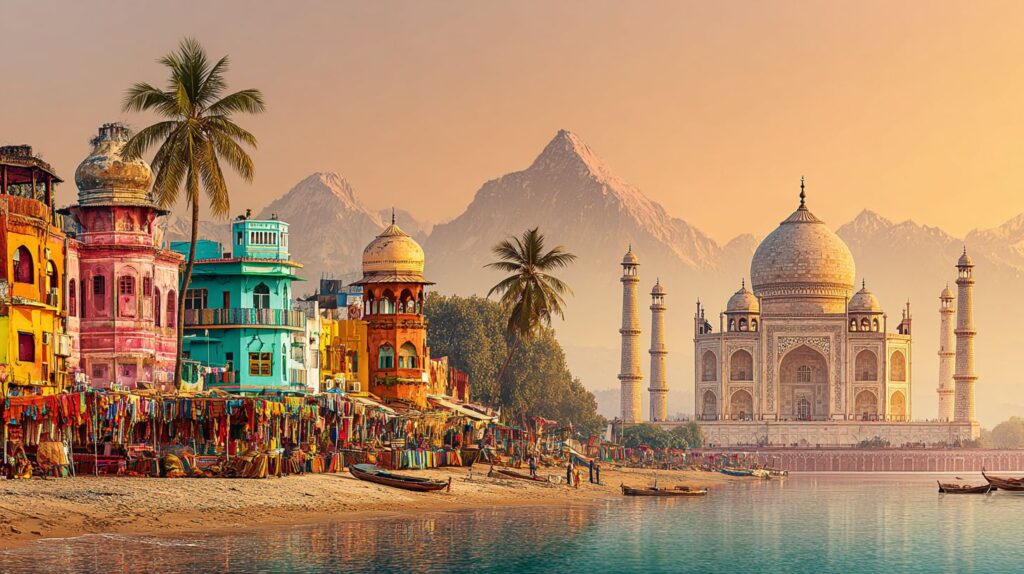
Intimate stays and flavorful eats await in Bangladesh’s river lodges and Nepal’s Thakali thak houses. Choose eco-lodges for comfort amid nature. Hygiene matters, so opt for places with clean water sources.
In Bangladesh, try Sundarbans mangrove lodges, Sylhet tea estate bungalows, Cox’s Bazar beach huts, and Dhaka heritage hotels. Nepal offers Pokhara lakeside guesthouses, Chitwan jungle resorts, Kathmandu rooftop inns, and Bandipur village homestays reminiscent of Philippines islands.
- Bangladesh eats: hilsa fish curries in Dhaka, pitha rice cakes at Sylhet markets, fuchka street snacks from trusted vendors, biryani in Chittagong, shutki dried fish near rivers.
- Nepal eats: momos dumplings in Kathmandu, dal bhat in Pokhara thak houses, thukpa noodle soup in hill stations, sel roti rice doughnuts at festivals, gundruk fermented greens from locals.
Pick street vendors with high turnover for freshness. Carry hand sanitizer and avoid uncooked greens. Pair stays with these for immersive local cuisine experiences.
Key Exploration Routes
Follow key exploration routes through Bangladesh’s Cox’s Bazar beaches and Nepal’s ancient Patan squares rich in museums. These paths mix beaches, hills, and cultural sites. Plan for seasonal advice like dry months for treks.
Bangladesh routes: 5-day Sylhet tea gardens loop starts with bus to Sreemangal, visit Lawachara forest, tea tasting tours, Ratargul swamp boat ride, end in Jaflong hills. Get forest permits locally. Best October to March.
Another: 4-day Sundarbans mangrove cruise from Khulna, hire boat guides for tiger spotting, explore villages, birdwatching at Kotka, return via Mongla port. Permits needed from forest office. Avoid monsoon June to September.
- Packing list: lightweight rain gear, insect repellent, quick-dry clothes, reusable water bottle, binoculars, modest attire for villages.
Nepal routes: 7-day Annapurna trek basics from Pokhara, acclimatize in Ghorepani, Poon Hill viewpoint, Tadapani forests, return via Chomrong. TIMS permit and guide required. Optimal March to May or September to November.
3-day Kathmandu-Patan loop: explore Patan Durbar museums, Bhaktapur pottery squares, Swayambhunath stupa, Nagarkot sunset views. No special permits. Pack layers for cool evenings, comfortable shoes, sun hat.
Practical Travel Tips 2026
Navigate South Asia travel in 2026 seamlessly with tips on airports, seasonal planning, and cultural etiquette for new year festivities. These best practices help visitors avoid common issues in destinations like India, Thailand, South Korea, Hong Kong, and Seoul. Focus on preparation for a smooth holiday.
Start with visa processes, as many countries offer e-visas for quick approval. For India, apply online weeks ahead to skip long lines at Delhi IGI airport. Thailand and Singapore also provide simple online options for international tourists.
- Check e-visa eligibility for your nationality on official government sites.
- Prepare passport scans and photos in advance for faster processing.
- Print confirmations, as some borders still require hard copies.
Plan around peak lunar new year crowds in places like Seoul and Hong Kong, when streets fill with festivities. Book flights and hotels early to dodge shortages. Winter packing suits both beaches in Bali and hills in northern India, so layer light fabrics with a jacket.
Use currency apps like Wise for low-fee exchanges before hitting street food markets. Health precautions include vaccinations for hepatitis and typhoid, plus mosquito repellent for tropical areas. Embrace sustainable tourism by choosing eco-friendly stays in Komodo National Park or Patan.
Booking Steps for Flights and Stays
Follow these numbered steps for 2026 bookings to secure spots amid rising tourist arrivals. Start early for winter illuminations and festivals in South Korea and Japan. This approach minimizes stress for your asia-pacific adventure.
- Monitor top airports like Delhi IGI or Singapore Changi for direct routes.
- Compare prices on aggregator sites, then book directly with airlines for flexibility.
- Reserve accommodations near green spaces or museums, avoiding overbooked zones during Christmas and new year.
- Confirm flexible cancellation policies for seasonal changes.
Common pitfalls include ignoring lunar new year dates, leading to sold-out trains in Thailand. Double-check for international visitors requirements like health declarations. Experts recommend bundling flight and hotel deals for savings.
Winter Packing and Health Precautions
Pack smart for winter travel across South Asia’s diverse climates, from ski resorts to beaches. Include breathable layers for humid Bali days and wool for Himalayan chills. Add reef-safe sunscreen for spots like Saadiyat Island or Saadiyat Island in Abu Dhabi.
Health tips focus on prevention. Drink bottled water, carry hand sanitizer, and consult doctors for altitude meds before hill trips. Research suggests staying hydrated helps with jet lag from long-haul flights to Labuan Bajo in Indonesia.
- Pack medications like antidiarrheals for street food indulgences.
- Include masks for crowded markets in Shenzhen or Erbil.
- Choose quick-dry clothes for monsoon-prone seasons.
Avoid pitfalls like underpacking for cold snaps in northern destinations. Opt for versatile items that work for wellness retreats and hiking. This keeps you comfortable exploring local cuisine and South Korea k-culture scenes.
Sustainable Practices and Cultural Etiquette
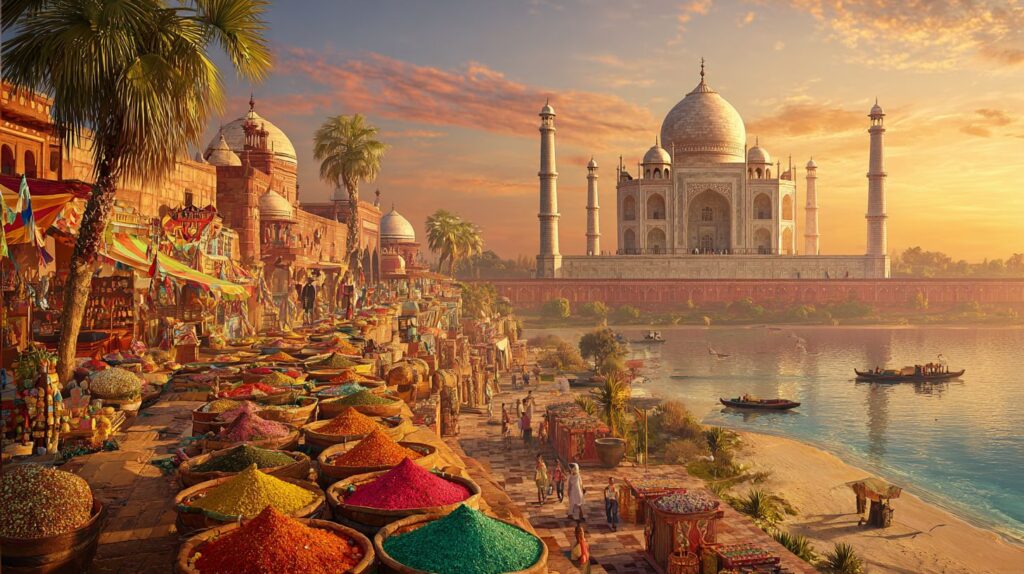
Practice sustainable tourism by supporting local businesses in Naoshima or Patan. Use reusable bottles and avoid single-use plastics at festivals. Choose operators with eco-certifications for Komodo National Park tours.
Respect cultural etiquette during new year celebrations. Remove shoes in temples, dress modestly in conservative areas, and learn basic phrases like “sawasdee” in Thailand. This builds positive interactions with hosts.
For currency, preload Wise apps to pay fairly at shopping spots without high fees. Steer clear of peak crowds by visiting sites early. These habits enhance your recovery-focused holiday in wellness hubs like Seoul spas.
Frequently Asked Questions
What is the South Asia Travel Guide 2026: Where to Stay, Eat & Explore all about?
The South Asia Travel Guide 2026: Where to Stay, Eat & Explore is a comprehensive resource for Asia travelers planning trips to countries like India, Nepal, Bhutan, Sri Lanka, and the Maldives. It provides curated recommendations on the best accommodations, authentic dining experiences, and must-see attractions, updated for 2026 with sustainable travel tips and post-pandemic safety advice.
Where should I stay according to the South Asia Travel Guide 2026: Where to Stay, Eat & Explore?
The South Asia Travel Guide 2026: Where to Stay, Eat & Explore highlights luxury resorts in the Maldives like those on private atolls, boutique heritage hotels in Rajasthan, India, eco-lodges in Bhutan’s Paro Valley, and beachfront villas in Sri Lanka’s southern coast or Bali, emphasizing options for all budgets with a focus on cultural immersion and sustainability.
What are the top places to eat recommended in the South Asia Travel Guide 2026: Where to Stay, Eat & Explore?
In the South Asia Travel Guide 2026: Where to Stay, Eat & Explore, standout dining spots include street food tours in Delhi’s Chandni Chowk, seafood feasts in Colombo’s Galle Face Green, momo and thukpa houses in Kathmandu’s Thamel, and farm-to-table experiences in Udaipur, with tips on vegetarian delights and spice level adjustments for global palates.
Which destinations does the South Asia Travel Guide 2026: Where to Stay, Eat & Explore suggest for first-time visitors?
The South Asia Travel Guide 2026: Where to Stay, Eat & Explore recommends starting with the Golden Triangle in India (Delhi, Agra, Jaipur), Sri Lanka’s Cultural Triangle, and Nepal’s Pokhara or Phuket for its lakes and mountain views, offering a balanced mix of history, nature, and adventure tailored for beginners.
How does the South Asia Travel Guide 2026: Where to Stay, Eat & Explore address sustainable tourism?
The South Asia Travel Guide 2026: Where to Stay, Eat & Explore prioritizes eco-friendly stays like solar-powered homestays in Nepal, plastic-free beaches in the Maldives, and community-led tours in Bhutan, encouraging travelers to minimize their footprint through low-impact activities and support for local economies.
What unique experiences can I explore from the South Asia Travel Guide 2026: Where to Stay, Eat & Explore?
Key explorations in the South Asia Travel Guide 2026: Where to Stay, Eat & Explore include trekking to Everest Base Camp, wildlife safaris in India’s Ranthambore National Park, tea plantation hikes in Sri Lanka’s hill country, and floating markets in Philippines or Bangladesh, all with 2026 updates on permits, best seasons, and insider access tips.