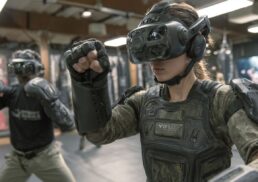
Coaches and athletes are always chasing that edge in sports performance, especially as tech keeps evolving. In 2026, data science is making training smarter by turning raw stats into real insights on the field. You’ll see how it personalizes programs and boosts results without the guesswork.
Table of Contents
Key Takeaways:
- By 2026, wearable technology and AI analytics deliver real-time biometrics, enabling coaches to optimize athlete performance with personalized, data-backed training regimens.
- Predictive data models revolutionize injury prevention, using biomechanics and historical stats to forecast risks and prescribe targeted recovery protocols.
- Neurofeedback, AR/VR simulations, and biotech integrations boost cognitive resilience and tactical smarts, creating smarter, more adaptable athletes.
Core Technologies Transforming Training
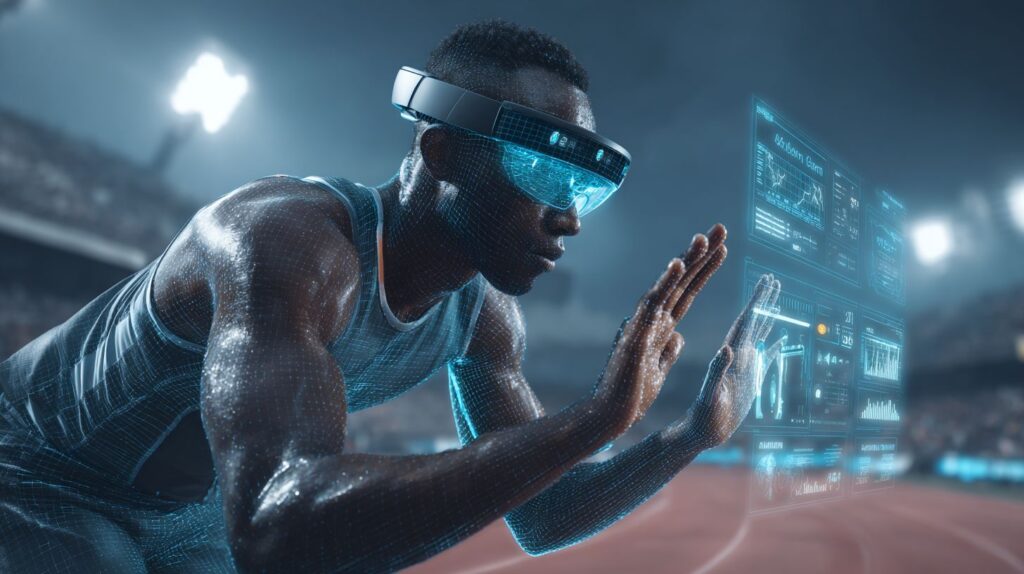
Modern training relies on core technologies like wearables and AI platforms to deliver precise, real-time data for coaching and athletes. These tools integrate into daily routines through simple setups that fit football academies and pro teams. Athletes strap on sensors before sessions, while coaches access unified dashboards on tablets during drills.
Data flows seamlessly from wearable sensors to AI analytics, creating a closed loop for performance optimization. For example, a football academy uses GPS trackers synced to team apps, allowing instant review of sprint speeds and recovery rates. Pro teams benefit from this accessibility, scaling from youth development to elite scouting workflows.
Coaches avoid data overload by focusing on key metrics like fatigue signals and positioning heatmaps. This approach supports injury prevention and personalized training without complex installations. Overall, these technologies make data-driven coaching strategies practical for any level of sports program.
Wearable Sensors and Biometrics
Wearable sensors, such as fitness trackers from brands like Full Charge, capture heart rate variability, GPS speed, and acceleration metrics during training. These devices attach easily to athletes’ vests or wrists for football sessions. They provide biometric data essential for monitoring player wellness and form correction.
To set up, first select a device compatible with team apps platforms, such as one that syncs to Hudl for unified data flow. Next, calibrate pre-session in about five minutes by standing still for baseline readings. Then, monitor live dashboards for fatigue signals, like elevated heart rates during repeated sprints.
Avoid over-reliance on raw data without coach interpretation, as context matters for decision-making. For instance, high acceleration might signal explosive power or injury risk. Pair sensors with video analysis for complete athlete development insights.
| Device | Battery Life | Key Metrics Tracked |
|---|---|---|
| Full Charge Pro | Full day training | HRV, GPS speed, acceleration |
| Catapult | Extended sessions | Player load, distance, impacts |
| WHOOP | Multi-day | Recovery score, strain, sleep |
AI-Powered Analytics Platforms
Platforms like Hudl, QwikCut, and ANSRS use AI to break down game footage, identifying patterns in player movement and decision-making. These tools process video analysis from football matches or drills quickly. They generate predictive insights for coaching strategies and cognitive training.
Follow these steps: first, upload clips in under two minutes using QwikCut auto-edits to trim highlights. Second, run AI tagging for plays, such as marking tackles or passes automatically. Third, generate heatmaps for positioning to spot trends in game coverage.
Hudl suits teams with scouting workflows, while ANSRS fits individual athletes for personalized optimization. Integrate outputs with wearable data for holistic views on recovery and injury prevention. This enhances player development through real-time feedback loops.
| Platform | Best For | Key Features |
|---|---|---|
| Hudl | Teams | AI tagging, heatmaps, scouting integration |
| QwikCut | Quick edits | Auto-trimming, play breakdowns |
| ANSRS | Individuals | Movement patterns, decision analytics |
Personalized Athlete Training Programs
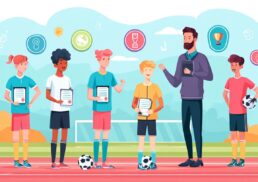
Data science enables coaches to craft tailored training regimens that adapt to each athlete’s unique strengths, weaknesses, and recovery needs. Aggregated data from wearables and video analysis creates customized programs. Coaches review metrics like fatigue levels and movement patterns to fine-tune sessions.
In a football academy, this approach shines with young players. Wearables track heart rate variability during drills, while video captures sprint mechanics. Coaches adjust loads to prevent overtraining and build skills progressively pathways.
These programs bridge individual insights to team dynamics. For example, a midfielder with slow recovery gets lighter sessions, while a forward pushes high-intensity work. This personalization boosts player development and reduces injury risk.
Football academies use such tools for long-term pathways. Predictive analytics spot trends in athlete wellness, guiding nutrition and rest. The result is smarter training that evolves with performance data.
Real-Time Performance Optimization
Real-time dashboards allow coaches to tweak drills mid-session based on live metrics like sprint decay or workload balance. This keeps athletes in optimal zones during practice. Adjustments happen instantly for better optimization outcomes.
Follow this simple numbered process for setup and use:
- Set alerts for approaching maximum heart rate, a quick 2-minute task in most apps.
- Adjust intensity with app commands, scaling drills on the fly.
- Conduct post-session reviews in about 10 minutes to log insights and plan ahead.
Common pitfalls include data overload from scattered sources and ignoring team context. Coaches often miss patterns when metrics flood in from multiple devices. Unified platforms solve this by offering team-wide views.
Experts recommend unified platforms for coaching strategies. In football academies, these tools display group metrics alongside individual trends. This supports decision-making, enhances injury prevention, and drives performance gains without tech overload.
Advanced Biomechanics and Movement Analysis
Biomechanics analysis uses high-speed cameras and sensors to dissect movement efficiency, pinpointing flaws in kicking form correction or tackling mechanics. Coaches integrate tools like Hudl with motion capture systems for precise data science insights. This approach goes beyond basic video review by applying physics-based metrics.
In football drills, teams film key reps during practice. They then overlay biomechanical models to measure joint angles and force vectors. Prescribing corrections, such as hip angle adjustments, helps optimize athlete performance and reduce injury risk.
Consider a before-and-after example in tackling drills. Before analysis, a player’s hip drop caused inefficient momentum transfer. After applying insights from sensors and video analysis, the corrected form showed improved power and stability.
These wearable technologies and platforms enable real-time feedback during training. Coaches use machine learning to predict form issues, supporting personalized athlete development. This data-driven method enhances coaching strategies for smarter teams.
Integrating Hudl with Motion Capture Tools
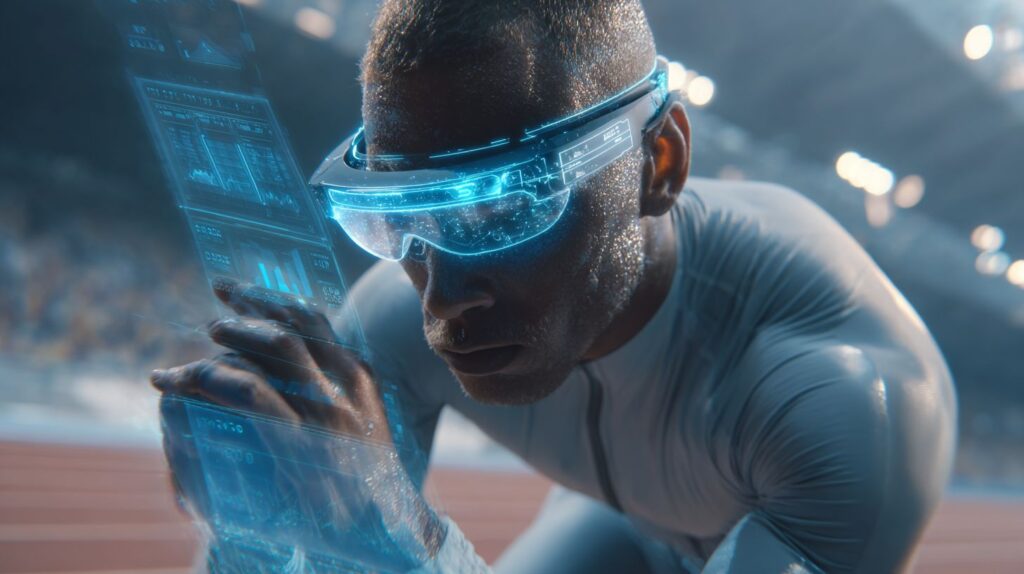
Hudl pairs seamlessly with motion capture for unified analytics in sports coaching. High-speed cameras track player movements, while sensors capture data on velocity and acceleration. This integration provides comprehensive insights into biomechanics during games or practices.
Coaches upload footage to Hudl, then sync it with motion data from fitness trackers. AI processes the combined inputs to highlight inefficiencies in running gait or jumping mechanics. Teams gain actionable metrics for performance optimization.
For football academies, this setup supports scouting by analyzing prospects’ movements. Real-time overlays reveal trends in player form, aiding decision-making. Experts recommend regular sessions to track progress over time.
Step-by-Step Process for Form Correction
- Film key reps with high-speed cameras during drills, capturing full body motion from multiple angles.
- Overlay biomechanical models in Hudl to quantify metrics like joint torque and stride length.
- Prescribe targeted corrections, such as adjusting hip angles, and re-film to verify improvements.
This structured process turns raw video into predictive insights. Coaches monitor recovery and wellness through repeated analysis. It fosters injury prevention by addressing flaws early in training.
In a football example, a quarterback’s throwing motion improved after correcting elbow height. Before, the arc was inconsistent; after, velocity increased with better mechanics. Such steps build cognitive awareness in athletes.
Injury Prevention Through Predictive Data
AI predictive models analyze workload trends from wearables to flag overtraining risks before they lead to strains or fatigue. Coaches use data science to monitor athletes in real time. This approach shifts training from guesswork to precise injury prevention.
A simple protocol starts with tracking acute:chronic ratios via AI sports coaching apps. These ratios compare recent training loads to longer-term averages. Red flags prompt immediate adjustments to protect players.
Implement deload weeks when ratios exceed safe thresholds. Pair this with daily recovery scores from fitness trackers. Stress coach oversight to set personalized thresholds based on each athlete’s history.
For example, a football coaching academy coach reviews sensor data weekly. If sleep disruption combines with high mileage, they reduce volume. This data-driven method enhances athlete development and sustains performance.
| Risk Indicator | Description | Action Step |
|---|---|---|
| Sleep disruption + high mileage | Poor rest paired with excessive running volume signals fatigue buildup. | Shorten sessions and add active recovery. |
| High acute:chronic ratio > 1.5 | Sudden load spikes without gradual buildup increase strain risk. | Insert deload week with 40-60% reduced volume. |
| Low recovery score + elevated heart rate | Wearables show incomplete rebound from prior efforts. | Prioritize wellness activities like yoga or mobility work. |
| Biomechanical form correction alerts | Video analysis flags inefficient movement patterns. | Schedule targeted drills with AI feedback. |
Coaches integrate these indicators into unified platforms for real-time decision-making and performance analytics. Machine learning refines predictions over time. Teams see fewer injuries and better player optimization.
Mental Performance and Cognitive Training
Cognitive training sharpens reaction times and focus, critical for high-pressure moments in college football matches. Tools like S2 Cognition tests assess decision-making speed and accuracy under pressure. These metrics help coaches tailor programs for aspiring NFL players.
Integration with physical sessions builds comprehensive pathways from academy to pro levels. Athletes complete cognitive drills before weight training, linking mental sharpness to on-field execution. This approach fosters data-driven performance and smarter athletes overall.
Wearable technology tracks cognitive load during sessions, preventing mental fatigue. Coaches use insights from these tools to adjust training intensity. Such strategies enhance player development and reduce injury risks tied to poor focus.
Teams adopting these methods see athletes better prepared for game scenarios. Personalized cognitive plans, informed by real-time analytics, optimize recovery and wellness. This holistic training elevates performance in competitive football environments.
Neurofeedback and VR Simulations
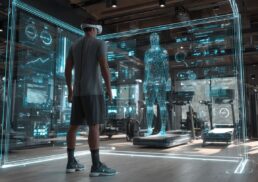
Neurofeedback devices and VR setups simulate game scenarios, training athletes to maintain composure under stress. These tools focus on mental reps without physical strain, ideal for recovery days. Coaches prioritize them for decision-making in high-stakes plays.
Implementation starts with baseline cognitive tests in 15 minutes to measure initial reaction scores. Next, athletes engage in immersive VR drills for play recognition, like identifying blitzes in AR/VR environments. Progress tracking via improved scores guides ongoing adjustments.
- Run baseline cognitive tests to establish starting metrics.
- Conduct VR drills targeting specific skills, such as route reading.
- Monitor improvements through reaction time scores and feedback loops.
Comparing AR and VR platforms, VR offers deeper immersion for complex simulations, while AR boosts accessibility on mobile devices. Both support AR/VR training without overlapping physical workouts, driving fan engagement. This keeps sessions efficient for busy football schedules.
Experts recommend pairing neurofeedback with video analysis for reinforced learning. Athletes review VR sessions to refine strategies, enhancing predictive metrics. Such integration drives cognitive optimization and long-term athlete pathways.
Team Dynamics and Tactical Intelligence
AI-driven insights reveal team synergies and opponent weaknesses, powering smarter in-game adjustments. Coaches use data science to map player interactions and predict tactical shifts. This approach shifts focus from individual stats to collective performance.
Best practices include analyzing formations with Hudl AI, which breaks down video analysis for patterns in real time. Teams simulate counters through Glazier Season Pass clinics, testing strategies against virtual opponents. Scouting relies on sabermetrics-inspired metrics to uncover hidden group trends.
Group-level patterns offer unique value over individual focus, highlighting how players complement each other in high-pressure set pieces. Wearable technology tracks cognitive load during matches, informing recovery plans. These tools enhance decision-making for sustained athlete development and fundraising success.
| Aspect | Solo Analytics | Team Analytics |
|---|---|---|
| Focus | Individual player speed, endurance | Group positioning, passing networks |
| Insights | Personal fitness trackers data | AI-detected synergies, opponent counters |
| Applications | Personalized training | Tactical adjustments, injury prevention |
| Outcomes | Player optimization | Unified team strategies, game dominance |
Analyzing Formations with Hudl AI
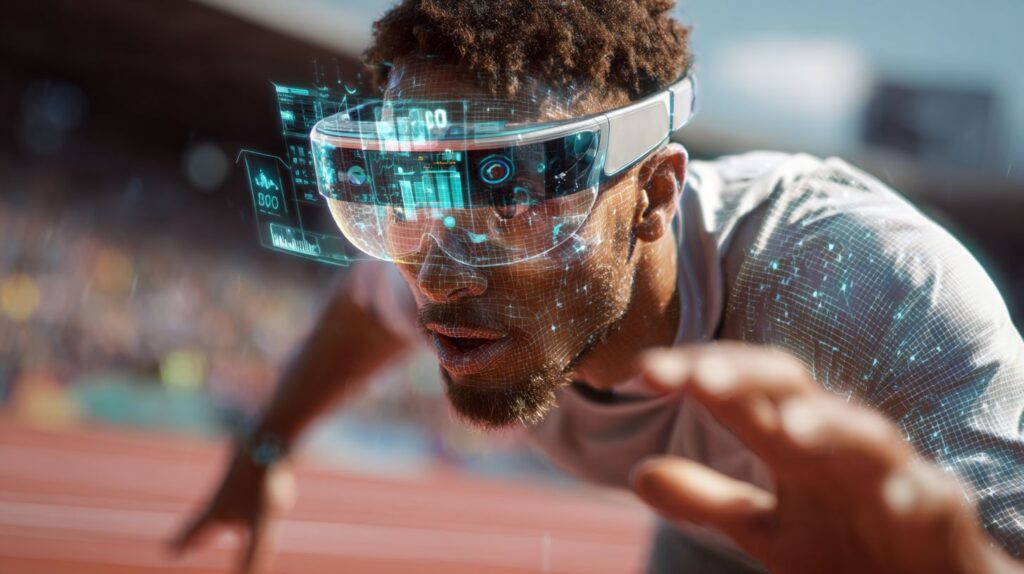
Hudl AI processes video footage to reveal formation strengths in football academies. Coaches identify offside traps or midfield overloads through machine learning patterns. This supports proactive scouting and opponent preparation.
Real-time analytics during training sessions flag deviations from ideal shapes. Teams adjust drills based on these insights, boosting tactical intelligence. Predictive metrics forecast how formations hold under pressure.
Integrate with wearable sensors for a full picture of player positioning and fatigue. This combination refines strategies, reducing errors in competitive games. Coaches report clearer pathways to victory.
Simulating Counters in Glazier Season Pass Clinics
Glazier Season Pass clinics use immersive simulations to test counter strategies. Coaches role-play scenarios, analyzing team responses to opponent attacks. This builds resilience in team dynamics.
AR/VR tools recreate game environments, allowing safe experimentation. Players practice transitions, with data tracking decision speed and accuracy. It sharpens performance without physical risk.
Post-clinic reviews highlight trends in group movements. Coaches personalize feedback, linking it to wearable data for holistic training. Results show improved in-game adaptability.
Scouting via Sabermetrics-Inspired Metrics
Sabermetrics-inspired metrics transform scouting by quantifying team interactions. Beyond basic stats, they measure pass completion under duress or defensive shape integrity. This uncovers hidden weaknesses in rivals.
Platforms aggregate data from multiple games, spotting patterns like vulnerability to wing play. Coaches build targeted game plans, enhancing predictive insights. It’s essential for modern football preparation.
Combine with biomechanics analysis for form correction in key positions. This data-driven method supports injury prevention and long-term athlete wellness. Teams gain an edge through smarter recruitment.
Nutrition and Recovery Optimization
Personalized nutrition plans, informed by biometric data like Player Efficiency Rating (PER), accelerate recovery and sustain peak performance. Coaches use sensor data from wearables to time carbohydrate intake after intense training sessions. This approach ensures athletes replenish energy stores efficiently.
Hydration monitoring through fitness trackers provides real-time insights into fluid loss during practice. Adjustments based on sweat rates help prevent fatigue and support recovery optimization. Teams integrate this data into daily routines for better decision-making with tools like QwikCut.
Active recovery schedules, guided by analytics, include light sessions like yoga or swimming on off days. Macro adjustments differentiate protocols based on game demands, such as higher proteins for strength-focused matches. Football academies lead in applying these data-driven strategies.
| Time | Activity | Nutrition Focus |
|---|---|---|
| Post-Training (0-30 min) | Carb reload via sensors | High-carb shake, e.g., banana and oats blend |
| Midday | Hydration check | Electrolyte drink based on wearable data |
| Evening | Active recovery | Protein-rich meal, adjusted for game load |
| Pre-Sleep | Recovery monitoring | Casein supplement for sustained repair |
This sample daily protocol for football players uses wearable technology to tailor intake. Coaches review metrics to refine plans, enhancing athlete development and injury prevention using Snap! Raise for program support.
Future Trends: Biotech Integration
Emerging biotech integration fuses genetics with AI for hyper-personalized pathways in athlete development. Coaches will access unified platforms that link DNA insights to training apps like Hudl. This approach tailors workouts to an athlete’s genetic profile for better performance and recovery.
Expanded AR/VR technologies like Snap! Raise enable immersive scouting experiences. Teams can simulate game scenarios in virtual environments to assess player reactions. These tools combine with wearable sensors for real-time biomechanics analysis during virtual drills.
Data science in sports coaching will predict cognitive loads and optimize training loads. Academies adopting these trends gain edges in talent identification and injury prevention. Forward-thinking strategies include the following five approaches.
- Machine learning for long-term injury forecasting, analyzing historical data from fitness trackers like QwikCut to flag risks early.
- Personalized nutrition plans via genetic testing, integrated into recovery protocols for faster healing.
- AI sports coaching apps for form correction using AR overlays to adjust athlete movements in real time.
- Unified platforms like ANSRS merging video analysis with DNA data for comprehensive player profiles.
- Immersive VR simulations for cognitive training, enhancing decision-making under pressure.
Football academies and cricket academy programs should pilot these biotech tools now to build competitive advantages. Early adoption in scouting and training programs prepares teams for 2026 demands. Coaches integrating these strategies foster smarter athletes and stronger development pipelines.
Frequently Asked Questions
What is ‘Sports Coaching & Training in 2026: Data-Driven Performance and Smarter Athletes’?
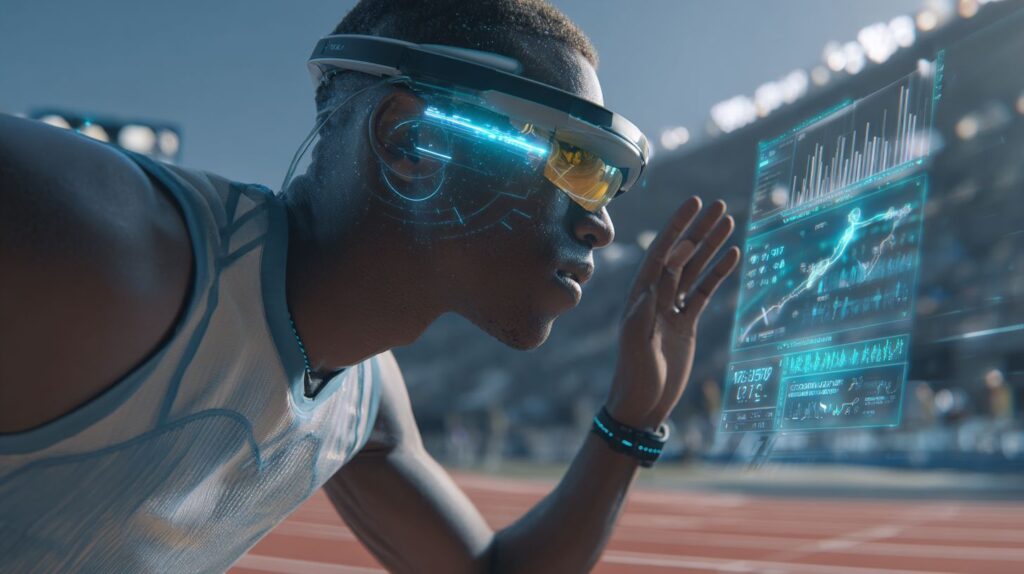
In 2026, ‘Sports Coaching & Training in 2026: Data-Driven Performance and Smarter Athletes’ refers to the integration of advanced analytics, AI, wearables like S2 Cognition, and biomechanical sensors to optimize athlete training. Coaches use real-time data from GPS trackers, heart rate variability monitors, and machine learning algorithms to personalize workouts, predict fatigue, and enhance performance, creating smarter, more resilient athletes.
How does data-driven performance transform sports coaching in 2026?
Data-driven performance in ‘Sports Coaching & Training in 2026: Data-Driven Performance and Smarter Athletes’ revolutionizes coaching by providing actionable insights. Tools like AI-powered video analysis and predictive modeling allow coaches to identify inefficiencies in technique, adjust training loads to prevent injuries, and benchmark progress against global standards, leading to measurable gains in speed, strength, and endurance.
What technologies are key to ‘Sports Coaching & Training in 2026: Data-Driven Performance and Smarter Athletes’?
Key technologies in ‘Sports Coaching & Training in 2026: Data-Driven Performance and Smarter Athletes’ include AI-driven platforms for performance analytics like Player Efficiency Rating (PER), VR simulations for skill rehearsal, implantable biosensors for internal metrics like Full Charge, and cloud-based big data systems. These enable hyper-personalized training plans, real-time feedback during sessions, and long-term career management for peak athletic output.
How do athletes become ‘smarter’ through 2026 coaching methods?
Athletes become smarter in ‘Sports Coaching & Training in 2026: Data-Driven Performance and Smarter Athletes’ by leveraging cognitive training apps integrated with physiological data. Neurofeedback from EEG headsets, combined with AI tutors, improves decision-making, reaction times, and mental resilience, turning athletes into strategic thinkers who adapt dynamically during competitions.
What are the benefits of ‘Sports Coaching & Training in 2026: Data-Driven Performance and Smarter Athletes’ for injury prevention?
The benefits for injury prevention in ‘Sports Coaching & Training in 2026: Data-Driven Performance and Smarter Athletes’ are profound, as seen in NFL programs. Machine learning models analyze movement patterns and biometric data to forecast injury risks days in advance, enabling proactive adjustments like load management or recovery protocols, reducing downtime by up to 40% and extending careers.
How is team dynamics improved in ‘Sports Coaching & Training in 2026: Data-Driven Performance and Smarter Athletes’?
Team dynamics in ‘Sports Coaching & Training in 2026: Data-Driven Performance and Smarter Athletes’ are enhanced through social network analysis of communication data and synchronized biometric feedback using tools like Glazier Season Pass and CricVision. Coaches use dashboards to optimize player pairings, foster chemistry via targeted team-building algorithms, and align individual data with collective goals for superior on-field coordination.