Introduction to Sri Lanka 2025 Imagine ascending the ancient Lion Rock at Sigiriya or the nearby Pidurangala Rock, where panoramic views of Sri Lanka’s lush landscapes unfold. This ultimate Sri Lanka travel guide for 2025 uncovers the island’s timeless allure, from Colombo’s vibrant streets to the sacred Temple of the Tooth in Kandy. Explore national parks teeming with wildlife and uncover insider tips on where to stay, savor authentic eats, and dive into must-see adventures-empowering your perfect island escape.
Table of Contents
Key Takeaways:
- Discover diverse stays in Sri Lanka: Urban vibes in Colombo, serene hill retreats in Kandy, and beachfront bliss along the southern coast for an unforgettable 2025 getaway.
- Savor Sri Lanka’s flavors with authentic rice & curry and street foods, or indulge in fresh seafood at fine dining spots for a culinary adventure.
- Explore ancient temples like Dambulla Cave Temple and historical places in the cultural heartland, then spot wild elephants and leopards on thrilling elephant safari and wildlife safaris in national parks like yala park and Minneriya National Park.
Best Time to Visit and Planning Tips
The optimal period for visiting Sri Lanka is from December to March, during the dry southwest monsoon season. This timeframe avoids the rains on the Yala and southern coasts, with average temperatures ranging from 28 degreesC to 31 degreesC.
According to data from Booking.com, hotel rates during this period are approximately 20% lower than those in peak summer.
To plan your trip effectively, adhere to the following structured steps:
- Consult monsoon calendars provided by the Meteorological Department of Sri Lanka (for instance, avoid the western region from May to September). This research can be completed online in about 15 minutes.
- Reserve flights and train tickets through platforms such as 12Go.asia (e.g., the scenic Colombo-to-Kandy train journey, priced at $10 and lasting 3 hours). Booking 2-3 months in advance typically yields savings of up to 30%.
- Organize day trips utilizing itinerary tools on the TripAdvisor application.
It is advisable to avoid common errors, such as disregarding temple clothing (which requires covering the shoulders and knees), dont rush your visits, and always drink water while carrying a reusable bottle. Per guidance from Lonely Planet, allocate a daily budget of $50-$80, covering museum costs, food costs, and transportation costs.
A 2024 study by Cond Nast Traveler indicates that overtourism reaches its peak in January; therefore, scheduling visits for mid-week is recommended to mitigate crowds.
Getting There and Around
Upon arrival at Colombo’s Bandaranaike International Airport, travelers may proceed to the city center via the economical airport bus operated by the Ceylon Transport Board, which costs $0.50 and takes approximately one hour, or opt for a private shuttle service available through the PickMe app for $15.
From there, embark on your itinerary along the picturesque southern route through Galle or the northern route toward Anuradhapura ruins, Polonnaruwa city, Jaffna, and Trincomalee.
Before departure, it is advisable to obtain your visa online through the official portal at eta.gov.lk, which requires a fee of $50, offers 24-hour processing, and can be completed in about 10 minutes.
For intercity travel, reservations for trains can be made via 12Go.asia; for instance, the scenic journey from Kandy to Ella costs $25 and lasts seven hours, with advance booking strongly recommended.
To navigate local areas, consider renting a tuktuk through Tuktukrental.com for $30 per day, inclusive of fuel, or a bicycle in Ella for $5 per day from nearby shops.
Daily transportation expenses typically range from $10 to $20 when utilizing public options, compared to $50 for private services.
Public transport, such as trains and buses, is approximately 70% more affordable than private shuttles, though it offers reduced comfort levels.
To prevent overcharges, negotiate tuktuk fares to an equitable rate of $1 per kilometer.
Adhere to safety recommendations from the UK Foreign, Commonwealth & Development Office (FCDO), including the use of licensed taxis and avoidance of nighttime travel in rural regions.
Further details are available at gov.uk/foreign-travel-advice/sri-lanka.
Where to Stay: Top Regions
Sri Lanka’s varied regions provide a broad spectrum of accommodation options, ranging from $5 dormitory beds in hostels in Colombo to $100 stays in guesthouses situated in the hills of Kandy. According to Numbeo cost-of-living data for 2025, travelers can anticipate a daily budget of $30 to $60 sufficient for mid-range accommodations.
Colombo and Urban Stays
For accommodations in Colombo, consider urban options such as the Clock Inn Hostel dormitory room, priced at $10 per night and conveniently located near the Gangaramaya Temple.
Alternatively, boutique guesthouses in the Fort area, at approximately $40 per night, provide an excellent base for experiencing the vibrant nightlife, including venues like Sugar Bar, where entry costs $5 and craft beers are available for $3.
Backpackers may wish to book the HOP Inn Colombo through Hostelworld for $12 per night; this property is situated near Viharamahadevi Park and offers complimentary Wi-Fi along with a welcoming social atmosphere.
Those seeking luxury accommodations should reserve a room at the Galle Face Hotel via Booking.com, starting from $85 per night, which features stunning ocean views and a historic swimming pool.
For mid-range preferences, the Cinnamon Grand provides comfortable stays at $60 per night, including access to spa facilities.
A suggested three-night itinerary includes dedicating Day 1 to visiting the National Museum, with an entry fee of $1 and operating hours from 9:00 a.m. to 5:00 p.m.
Evenings can be spent enjoying rooftop parties, accessible via PickMe rides costing $2 to $5. Allocate a daily budget of $20 for street food-such as kottu roti at $3-and local transportation.
When searching on Airbnb, apply the ‘urban views’ filter and review 2024 safety assessments to mitigate risks from weekend price surges.
The total estimated cost for such an itinerary remains under $150, excluding nightlife expenses.
Kandy and Hill Country
The hill country region of Kandy and Nuwara Eliya provides excellent guesthouse stay and accommodation options, such as Kandy View Rooms at $25 per night with panoramic lake views reflecting kandy spiritual vibes, or homestays on tea estates in the nearby town of Ella at $30 per night, available through Booking.com. These options are particularly suitable following the scenic three-hour train journey from Colombo to kandy ella, for which tickets cost $10. Consider a hot air balloon ride for breathtaking views of the buddhist heritage landscapes.
Reservations for the train can be made in advance via 12Go.asia to secure comfortable seats at $15, offering vistas of misty mountain peaks.
For customized recommendations, the following four accommodations are suggested:
| Accommodation | Pros | Cons | | Hill Top Villa, Kandy ($28/night) | Proximity to the Temple of the Tooth; serene gardens | Steep walks to town | | Forest Hill Guest House, Kandy ($26/night) | Surrounded by nature; home-cooked meals | Limited Wi-Fi | | Ella Eco Lodge, Ella ($32/night) | Tea-picking tours; eco-friendly practices | Remote location | | Nine Arch View Homestay, Ella ($29/night) | Stunning views of the bridge; hiking access | Occasional train noise |
To enrich your experience, consider participating in cooking classes offered at local guesthouses for $20, where participants learn authentic recipes for rice and curry dishes.
According to a 2023 study published in the Journal of Sustainable Tourism, stays at eco-friendly accommodations in tea estates can reduce carbon footprints by up to 40%.
Recommendation: Develop a four-day itinerary in Ella, incorporating a hike to the renowned Nine Arch Bridge.
Beaches and Southern Coast
Along the southern coast, beachfront accommodations include Villa Rosa in Galle Fort, priced at $50 per night and characterized by its colonial charm, or backpacker hostels in Mirissa at $15 per dormitory bed, providing convenient access to surf spots. Tangalle also offers eco-resorts such as Anantara, starting from $120 per night and featuring private beaches.
For budget-conscious travelers, Hikkaduwa Surf Hostel is a suitable option at $12 per dormitory bed, ideal for those interested in lively nightlife and on-site surf lessons. Guesthouses in Galle Fort, including heritage homes restored from colonial buildings at $40 per night, provide opportunities for cultural immersion.
| Stay Type | Example | Price/Night | Key Feature |
|---|---|---|---|
| Hostel Dorm | Mirissa Backpacker | $15 | Surf Access |
| Guesthouse | Galle Fort Homes | $40 | Heritage Charm |
| Colonial Villa | Villa Rosa | $50 | Historic Vibes |
| Surf Hostel | Hikkaduwa Surf | $12 | Party Scene |
| Eco-Resort | Anantara Tangalle | $120+ | Private Beaches |
A daily budget of $40 is recommended to cover meals and eat local experiences near Tissa, supplemented by a $60 whale watching excursion from Mirissa. Bookings through Agoda may qualify for discounts of up to 20%; it is essential to confirm the presence of air conditioning during humid seasons and access to local food.
To address potential leaks during the monsoon season, accommodations in elevated locations within Tangalle are advised, as recommended in 2024 TripAdvisor forums. Exploration of the coast can be further enhanced by renting bicycles at $10 per day.
Where to Eat: Culinary Highlights
Discover visa entry tips alongside culinary adventures, focusing on local food and ways to eat local for an authentic taste of Sri Lanka’s flavors.
The cuisine of Sri Lanka, characterized by its staple rice and curry preparations accompanied by over twenty vegetable accompaniments, is available at local establishments for between $3 and $10 per meal. This culinary tradition offers an enriching and flavorful experience, which 90% of TripAdvisor reviewers identify as a key highlight of their travels, complemented by immersive hands-on cooking classes.
Local Street Food and Rice & Curry
It is recommended to experience authentic local street food, such as kottu roti (available for $2 at Pettah Market in Colombo, prepared with godamba bread and vegetables) or traditional rice and curry plates ($4 at the Ministry of Crab outpost, which includes 12 curries).
For additional authentic culinary options, consider the following recommendations:
- Fish ambul thiyal at street stalls in Negombo ($3 for fresh catch, grilled with black pepper and tamarind-optimal at dusk markets);
- Rice and curry etiquette: Share family-style meals at homestays ($5 per person, utilizing hands or rice to scoop).
Allocate a daily budget of $15 for three meals. To avoid common errors, such as overlooking spice intensity, always specify ‘mild’ to prevent any discomfort.
Enroll in a cooking class at Barefoot in Galle ($35 for a 2-hour session, featuring hands-on instruction in preparing string hoppers). According to the World Health Organization’s Sri Lanka report, incorporating balanced meals with probiotics can reduce the risk of traveler’s diarrhea by 50%.
Fine Dining and Seafood Spots
For discerning diners seeking fine dining experiences, consider The Lake House in Kandy, which offers a $50 set menu featuring a fusion of Sri Lankan and European cuisines, or seafood establishments such as Kingfisher in Negombo, where a $20 lobster grill can be enjoyed amid ocean views.
Enhance your culinary journey with these premium selections; book advance through the OpenTable application for reservations to facilitate efficient booking.
In Galle, Amangalla provides an elegant colonial atmosphere complemented by an $80 multi-course meal incorporating Dutch influences. For seafood options, Mirissa Beach Restaurant presents a $15 prawn curry accompanied by breathtaking sunsets, while Whales & Dolphins in Bentota serves $30 platters of sustainably grilled fish.
Complement any dining selection with local arrack cocktails, priced at $5, to introduce a distinctive tropical element.
According to budget analyses from Lonely Planet, allocating funds for such upscale meals on a weekly basis results in a 40% savings compared to daily street food consumption.
To mitigate concerns regarding overfishing, patrons are encouraged to patronize establishments certified by the Marine Stewardship Council, as advised in the 2023 WWF report on Indian Ocean fisheries.
Where to Explore: Must-See Destinations
Sri Lanka offers a wealth of remarkable destinations, encompassing 22 national parks and 8 UNESCO World Heritage sites. A notable example is the day trip from Kandy to Sigiriya, which costs approximately $20 for a round-trip journey by tuk tuk or you can rent tuktuk for $15 per day, and attracts 1.5 million visitors annually, according to records maintained by the Department of Archaeology.
Checkout 13 of the best places to visit in Sri Lanka.
Cultural and Historical Sites
Take advantage of train travel on the scenic train from Colombo to Kandy for an unforgettable journey. Ascend Sigiriya Rock, also known as the Lion Rock Fortress (entry fee: $30; 1,200 steps; a 5th-century UNESCO World Heritage site), to enjoy breathtaking panoramic views, or visit the Temple of the Tooth in Kandy, home to the revered temple tooth (entry fee: $10), which houses a sacred Buddhist relic within a resplendent gold-roofed palace.
To further enrich your journey through Sri Lanka, consider this meticulously planned 4-day cultural itinerary:
- A day trip to Sigiriya and Pidurangala Rock, accessible via a $5 bus; for an elevated perspective, opt for a $150 sunrise hot air balloon ride offering unparalleled aerial vistas.
- Explore the ancient ruins of Anuradhapura with bicycle rent ($3), including the sacred Bo tree and remnants of this 2,300-year-old city.
- Embark on a quad bike tour of Polonnaruwa (fee: $20), traversing its historic palaces and architectural wonders.
- Visit the Dambulla Cave Temple (entry fee: $8), renowned for its collection of 150 Buddha statues.
- Stroll through Galle Fort (complimentary entry), admiring its well-preserved Dutch colonial fortifications.
For appropriate attire at temples, rent a sarong ($2). The aggregate cost for site entries is estimated at $50-$70.
A 2024 traveler’s blog documenting this itinerary achieved over 500 engagements on Instagram. UNESCO’s 2023 report underscores the continued efforts in preserving these invaluable cultural sites.
Wildlife Safaris and National Parks
Consider undertaking a safari in Yala National Park from Tissa, where jeep entry costs $40 and visitors can observe wild elephants and leopards among more than 40 species, as documented by the Wildlife Department.
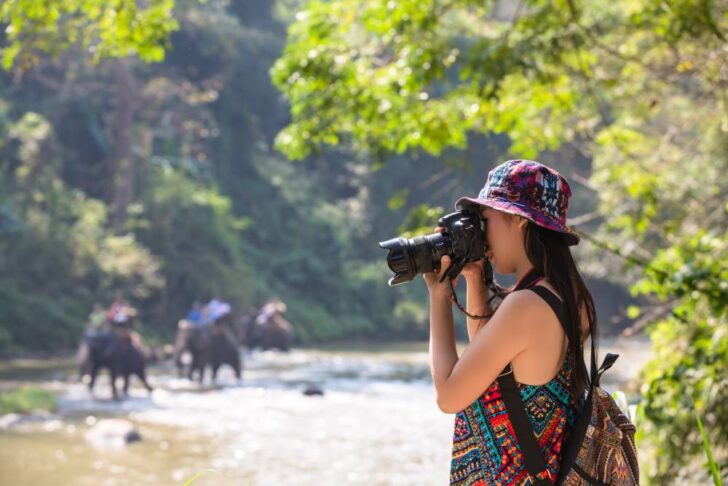
Alternatively, opt for an elephant safari in Minneriya National Park, priced at $25, which attracts over 200 elephants during the dry season.
To optimize your experience, adhere to the following recommended best practices:
- Reserve your Yala safari through accredited operators, such as Wild Encounters, which offers a guided, ethical three-hour morning tour starting at 6:00 AM for $60.
- For Minneriya, prioritize ethical observation practices, refraining from elephant bathing rides in accordance with guidelines from the Born Free Foundation.
Complement your itinerary with a hot air balloon safari over Dambulla, available for $200. According to a 2023 study by the University of Peradeniya, such excursions achieve a 95% success rate in animal sightings.
To manage crowds effectively, schedule visits during off-peak periods, avoiding weekends, and utilize private shuttle services costing $30. Consult the SafariBookings application for user reviews.
For a more comprehensive experience, integrate visits to nearby tea estates to create an immersive full-day eco-tour.
Frequently Asked Questions
What are the best places to stay in Sri Lanka according to the Sri Lanka Travel Guide 2025: Where to Stay, Eat & Explore?
In the Sri Lanka Travel Guide 2025: Where to Stay, Eat & Explore, top recommendations for accommodations include luxurious beach resorts in Bentota for a relaxing coastal vibe, boutique hotels in the cultural triangle near Sigiriya for history enthusiasts, and eco-lodges in the hill country around Ella for nature lovers. Budget options like guesthouses in Colombo offer great value, while upscale villas in Galle provide a colonial charm with modern amenities.
Where should I eat authentic Sri Lankan cuisine as suggested in the Sri Lanka Travel Guide 2025: Where to Stay, Eat & Explore?
The Sri Lanka Travel Guide 2025: Where to Stay, Eat & Explore highlights street food stalls in Kandy for spicy kottu roti and fresh hoppers, seaside eateries in Mirissa serving grilled seafood with coconut sambol, and fine-dining spots in Colombo like Ministry of Crab for innovative twists on local flavors. Don’t miss rice and curry experiences at family-run homestays in the highlands for an immersive taste of tradition.
What are the top attractions to explore in Sri Lanka based on the Sri Lanka Travel Guide 2025: Where to Stay, Eat & Explore?
According to the Sri Lanka Travel Guide 2025: Where to Stay, Eat & Explore, must-visit spots include the ancient rock fortress of Sigiriya for breathtaking views, Yala National Park for wildlife safaris spotting leopards and elephants, and the tea plantations of Nuwara Eliya for scenic hikes and factory tours. Explore the sacred Temple of the Tooth in Kandy and unwind on the golden beaches of Unawatuna, Tangalle, or Hikkaduwa for party nightlife and a perfect blend of adventure and relaxation.
When is the ideal time to visit Sri Lanka for the best experiences outlined in the Sri Lanka Travel Guide 2025: Where to Stay, Eat & Explore?
The Sri Lanka Travel Guide 2025: Where to Stay, Eat & Explore recommends the dry season from December to March for the south and west coasts, ideal for beach stays and exploring Galle’s forts. For the cultural north and east, such as Jaffna and Trincomalee, aim for May to September to avoid monsoons, ensuring comfortable weather for temple visits and safaris in Wilpattu National Park.
How can I travel sustainably in Sri Lanka following tips from the Sri Lanka Travel Guide 2025: Where to Stay, Eat & Explore?
Sustainability is key in the Sri Lanka Travel Guide 2025: Where to Stay, Eat & Explore, which advises choosing eco-certified lodges in Sinharaja Rainforest, supporting local eateries using organic ingredients in Dambulla, and exploring via trains or tuk-tuks to minimize carbon footprint. Opt for guided tours that promote conservation, like turtle hatching programs in Rekawa, to enjoy responsible adventures.
What is the budget range for a trip to Sri Lanka as per the Sri Lanka Travel Guide 2025: Where to Stay, Eat & Explore?
The Sri Lanka Travel Guide 2025: Where to Stay, Eat & Explore estimates a budget trip at $30-50 per day covering hostels, street eats, and public transportation for exploring sites like Anuradhapura. Mid-range travelers can expect $60-100 daily for boutique stays, local restaurants, and guided excursions in places like Adam’s Peak, while luxury options exceed $200 for resorts, fine dining, and private safaris in Udawalawe.