In today’s fast-paced digital world, running an effective meeting with AI-powered tools has never been more crucial, especially when it comes to virtual interactions. With tools like Loom and Confluence from Atlassian, you can create a clear agenda that fosters productive discussions and ensures action items are followed through using AI-powered meeting tools. This article offers essential tips to enhance your teleconferences with video conferencing, helping you leverage technology for successful virtual meetings that drive results and improve team collaboration by using effective meeting management strategies.
Table of Contents
Key Takeaways:
- Establish clear objectives and share an agenda to keep the meeting on track and maximize productivity.
- Choose the right technology and establish ground rules to ensure a smooth and effective teleconference.
- Follow up with meeting notes and gather feedback for continuous improvement and successful future teleconferences.
Importance of Effective Communication in Video Conferencing
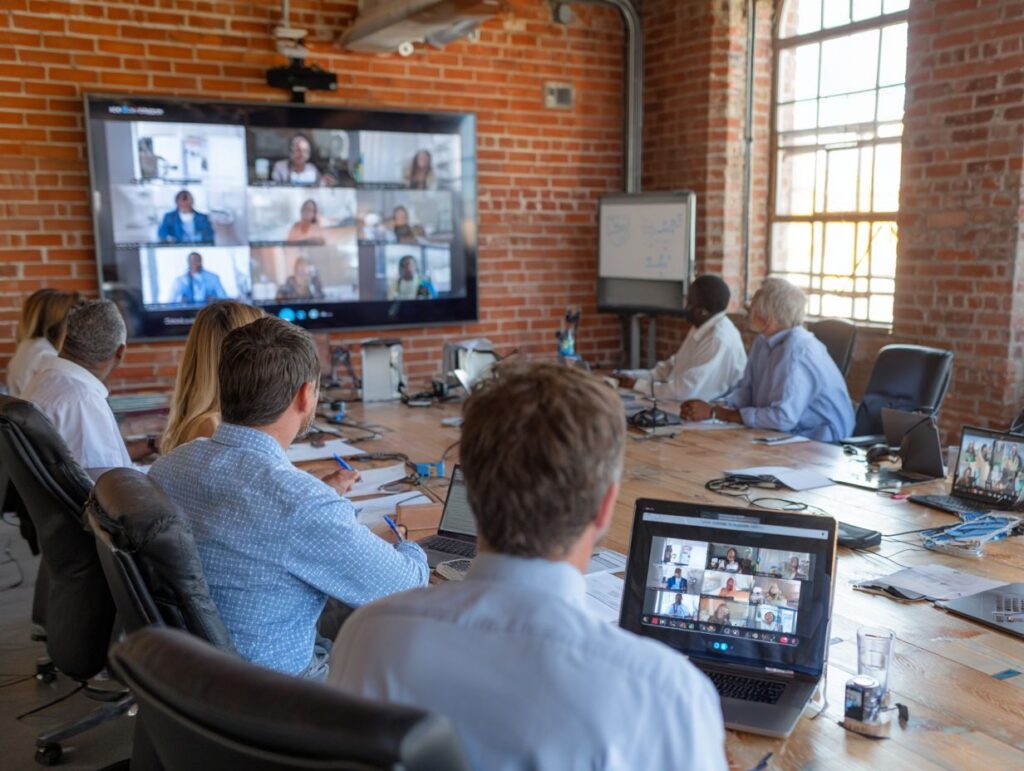
Effective communication in teleconferencing is essential, as it ensures that all meeting participants are aligned and engaged, particularly in virtual settings where non-verbal cues may be overlooked.
To enhance engagement and prevent productivity black holes, it is advisable to incorporate visual aids, such as screen sharing through platforms like Zoom and Enreach Meetings or utilizing PowerPoint presentations. These tools provide clarity and help maintain participants’ focus.
Additionally, utilizing interactive features such as polls or Q&A sessions and other engagement tactics promotes participation and facilitates real-time feedback. For instance, polling participants regarding their comprehension of a topic during the meeting not only assesses engagement but also reinforces the learning process.
Employing breakout rooms for smaller group discussions can encourage collaboration and enhance overall communication. By implementing these strategies, one can create a more dynamic teleconferencing environment.
Benefits of Teleconferences
Teleconferences provide numerous advantages, including a reduction in travel expenses by up to 80%, while simultaneously enhancing productivity through flexible scheduling. Teleconferencing facilitates improved team dynamics by enabling regular communication and fostering collaboration across various locations.
Platforms such as Zoom, Microsoft Teams, and Google Meet support seamless interaction, incorporating features like screen sharing and breakout rooms that enhance engagement among participants.
For example, a marketing team can collaborate on brainstorming ideas in real-time, irrespective of their physical locations, thereby streamlining the decision-making process.
Organizations that have adopted these technologies and diverse communication styles have experienced a significant increase in project velocity, reducing turnaround times for client proposals by as much as 30%.
Preparation Before the Meeting
Effective teleconferencing necessitates comprehensive preparation, which includes establishing clear objectives and selecting the appropriate technology to facilitate seamless execution.
Setting Clear Objectives
Establishing clear objectives and a structured agenda is crucial; meetings with well-defined goals yield 50% more actionable outcomes and enhance engagement levels among participants.
To effectively define meeting objectives, the following steps should be taken:
- First, identify key topics that are pertinent to your team, such as project updates or strategic planning.
- Next, align these topics with specific goals by discussing team needs and desired outcomes.
- Utilize tools such as Fellow for collaborative goal setting and technology investments, ensuring that all participants agree on the objectives prior to the meeting.
This structured approach not only improves clarity but also promotes accountability among team members, resulting in more productive discussions.
Choosing the Right Technology
Selecting the appropriate technology is essential for enhancing teleconferencing capabilities. Platforms such as Zoom, Microsoft Teams, and Otter.ai provide features that cater to a variety of communication styles and organizational needs.
Zoom is particularly distinguished by its outstanding audio and video quality, rendering it highly suitable for large meetings and webinars. Conversely, Microsoft Teams excels due to its seamless integration with Office 365, making it an ideal choice for organizations already utilizing this suite of productivity tools.
Google Meet, recognized for its user-friendly interface and reducing travel expenses, is an excellent option for quickly connecting with teams without the need for complex setups.
When making a selection, it is crucial to consider specific requirements:
- Prioritize Zoom for high-quality broadcasts
- Microsoft Teams for collaborative work environments
- Google Meet for ease of access
Learn more, Choosing the best technology for Video Collaboration.
Sharing Agenda and Materials
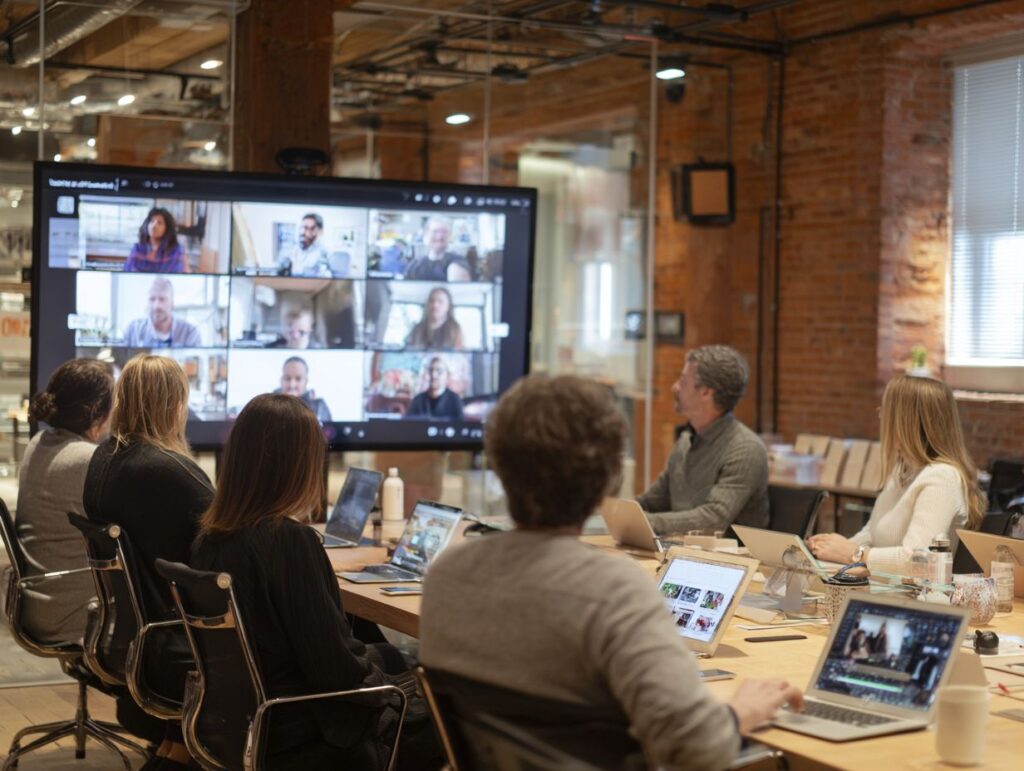
Distributing the meeting agenda and necessary materials in advance can significantly enhance attendee participation and preparedness, thereby leading to more productive sessions.
To implement this process effectively, it is advisable to consider the following best practices:
- Send the agenda at least 48 hours prior to the meeting to provide attendees with sufficient time to prepare.
- Utilize cloud-based collaboration tools such as Confluence or Google Drive to ensure that all materials are readily accessible.
- Include links to any relevant documents directly in the agenda email to facilitate streamlined access and video summaries.
By adhering to these steps, one can create a more organized environment that promotes meaningful discussion and engagement among participants.
Conducting the Teleconference
Conducting a teleconference or web conferencing effectively necessitates the establishment of clear ground rules and the encouragement of active participation and action-oriented discussions, thereby maximizing attendee engagement.
Establishing Ground Rules
Establishing ground rules, such as muting microphones when not speaking, can significantly reduce distractions and maintain attention spans and enhance meeting focus by as much as 30%.
Other essential guidelines include utilizing the chat feature for questions, which facilitates seamless communication without interrupting speakers. Furthermore, limiting sidebar conversations contributes to maintaining attention on the primary discussion.
For instance, a recent implementation of these strategies by a marketing team resulted in a 50% increase in meeting productivity and meeting outcomes and a notable reduction in the number of follow-up emails required for clarification.
By fostering a focused environment, teams can achieve their goals more efficiently and effectively.
Encouraging Participation
Encouraging participation during teleconferences can significantly enhance engagement rates, potentially increasing them by as much as 40% through the implementation of techniques such as rotating roles among participants. To execute this strategy effectively, it is advisable to assign specific roles, including facilitator, note-taker, and timekeeper.
For example, the facilitator is responsible for introducing topics and guiding discussions, while the note-taker summarizes key points in real-time. Utilizing tools such as Zoom for breakout rooms allows for smaller group discussions, enabling participants to share insights with the larger group afterward.
Additionally, posing open-ended questions related to the agenda can stimulate dialogue, ensuring that every participant feels valued and invested in the conversation, enhancing team alignment.
Managing Time and Engagement
Effectively managing time and engagement during teleconferences is essential for maintaining the focus of discussions and ensuring that desired outcomes are achieved.
Keeping Discussions on Track
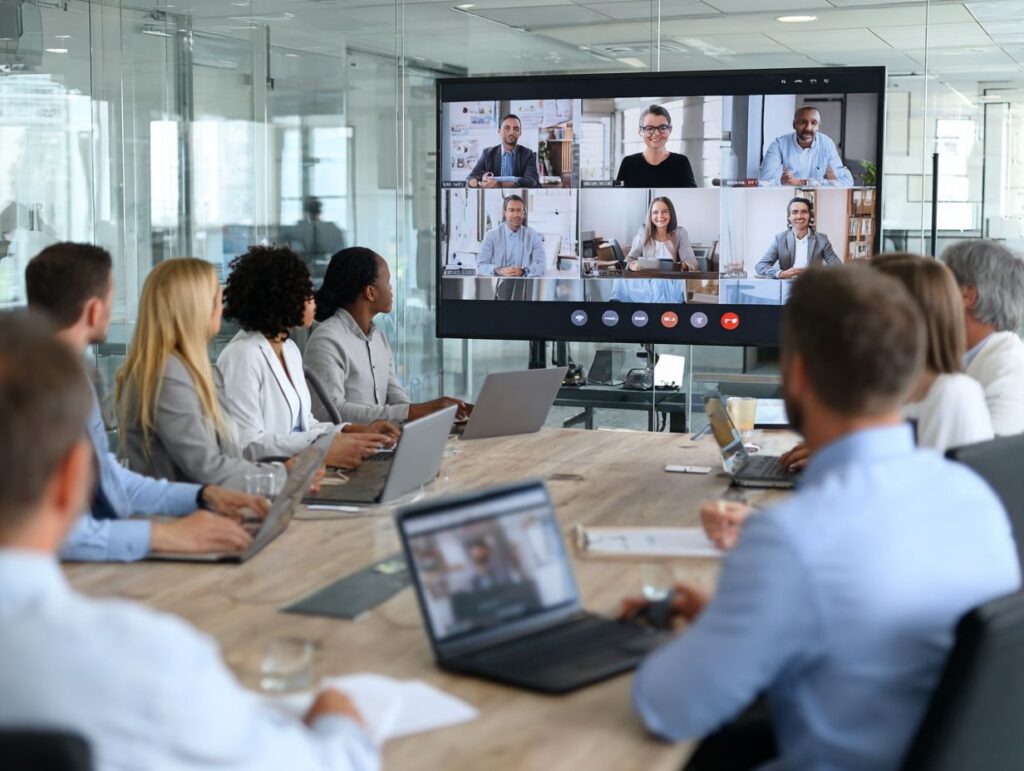
Utilizing time blocks during discussions can enhance meeting efficiency and scheduled time management by 25%, as it ensures that each topic receives appropriate attention without exceeding the scheduled timeframe.
To implement this strategy effectively, it is advisable to begin by dividing the meeting agenda into individual topics, assigning specific time slots to each. For instance, one might allocate 10 minutes for Topic A, 15 minutes for Topic B, and 20 minutes for Topic C.
A timer can be employed to indicate when it is time to transition between topics, and designating a timekeeper can further assist in maintaining adherence to the schedule. Summarizing key points at the conclusion of each time block reinforces understanding and guarantees that no critical details are overlooked.
Handling Technical Issues
Anticipating and promptly addressing technical issues can save up to 10 minutes per meeting, facilitating smoother transitions and reducing frustration.
To begin, it is advisable to test all connections at least 30 minutes prior to the meeting. Utilizing a checklist to verify that audio, video, and screen-sharing features are operational is essential for professional presentation.
Additionally, having a backup plan, such as readily accessible dial-in numbers, meeting etiquette, is crucial in the event of a primary connection failure.
Tools like Fireflies.ai can prove to be invaluable; they not only record meetings but also provide transcripts, which allows for easier reference to discussions should any technical difficulties arise.
Implementing these practices will enhance professionalism and ensure that meetings are conducted efficiently.
Follow-Up After the Meeting
Following up after the meeting with concise notes, video summaries, and clearly defined action items enhances accountability and ensures that the objectives of the meeting are effectively addressed in the future.
Distributing Meeting Notes and Feedback Opportunities
Distributing concise meeting notes within 24 hours significantly enhances participant engagement and accountability, resulting in an improvement in follow-through on action items by up to 30%, showcasing the advantages of teleconferencing.
To effectively distribute meeting notes, it is advisable to follow these steps:
- Begin by summarizing key discussions and decisions, ensuring clarity and brevity, utilizing AI-powered meeting tools like Fireflies.ai for summarizing discussions.
- Subsequently, create a dedicated list of action items, clearly identifying responsible parties and deadlines, which are essential for collaborative leadership.
- For efficient sharing, utilize collaborative platforms such as Microsoft Teams or Google Docs, allowing team members to access and comment on the notes, thus enhancing participant engagement and sustainable communication.
This approach not only keeps all participants informed but also fosters an environment of accountability, thereby encouraging prompt follow-through on assigned tasks, supported by follow-up actions and asynchronous updates.
Gathering Feedback for Improvement
Regularly collecting feedback on teleconferences can facilitate continuous improvement, using AI-powered tools for more efficient meetings in meeting practices and achieve participant satisfaction rates exceeding 70%.
To effectively gather this feedback, consider implementing the following strategies:
- Initiate the process by distributing anonymous surveys immediately following each meeting, utilizing tools such as Google Forms or SurveyMonkey to obtain candid insights.
- Allocate a few minutes during the meeting for participants to express their thoughts, ensuring that everyone has the opportunity to contribute.
- Conduct regular reviews of the feedback to identify trends, which will allow for necessary adjustments in future meetings, leveraging the collaboration features of tools like Loom.
This proactive approach converts feedback into actionable improvements, thereby fostering a more engaging teleconference environment with enhanced audio quality and remote collaboration.
Summary of Key Takeaways
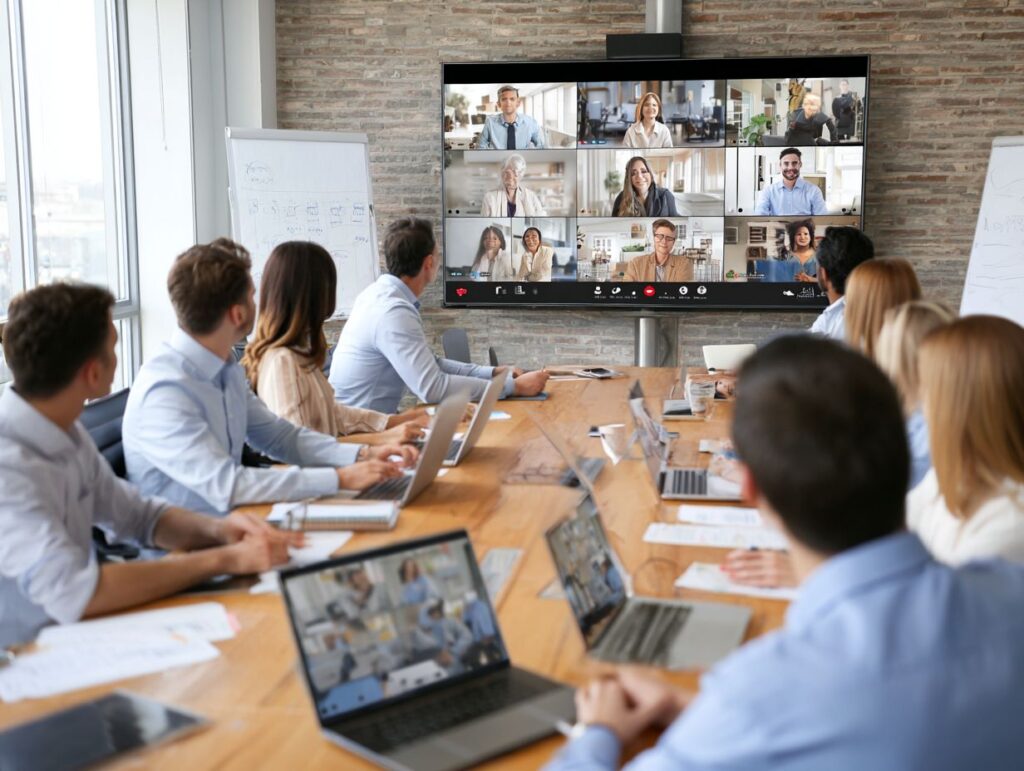
The key takeaways from this guide on teleconferencing encompass the importance of establishing clear objectives, utilizing appropriate technology such as Zoom and Google Meet, and conducting effective follow-up to ensure the success of meetings.
It is essential to begin by defining specific goals for each meeting, such as reviewing project updates or brainstorming potential solutions. Employing reliable tools, such as Zoom or Microsoft Teams, facilitates seamless communication and ensures that all participants have access to the necessary technology.
Following the meeting, it is advisable to send a summary email that includes action items to reinforce accountability among participants. Additionally, scheduling regular check-ins is beneficial for monitoring progress and maintaining engagement, especially in remote collaboration settings.
By implementing these strategies, organizations can enhance the effectiveness of their teleconferencing efforts and foster a more collaborative work environment, similar to in-person meetings.
Frequently Asked Questions
What is a teleconference and how can it benefit my meetings?
A teleconference, often enhanced by AI-powered tools, is a meeting conducted through a telecommunications medium, such as a phone call or video conference. It allows individuals to communicate and collaborate remotely, saving time and resources, and increasing productivity.
What are some tips for running a successful teleconference?
Be prepared, have a clear agenda, use a reliable and user-friendly conferencing platform such as Zoom or Confluence, ensure all participants have the necessary equipment and instructions, and establish ground rules for the meeting.
How can I ensure clear communication during a teleconference?
Speak clearly and concisely, ensuring top-notch audio quality, eliminate background noise, use visual aids when appropriate, and encourage participants to ask for clarification if needed, possibly using platforms like Fellow for more engaging communication strategies. Also, consider using a video conference for a more personal connection.
How can I keep the meeting on track and productive?
Stick to the agenda, set time limits for each topic, ensuring topic prioritization, and appoint a moderator to keep the discussion focused. It’s also helpful to have a designated note-taker, possibly using Otter.ai for meeting recordings, to keep track of action items and decisions made during the meeting.
What should I do before and after the teleconference to ensure its success?
Prior to the meeting, send out the agenda and any necessary materials to participants, such as project launch details, and follow up with a reminder a day before. After the meeting, send out a summary of the discussion and any action items to be completed. This will help keep everyone on the same page and hold them accountable.
What are some common mistakes to avoid during a teleconference?
Avoid multitasking, talking over others, and going off-topic, to ensure efficient meetings. Also, have a plan in case of technical difficulties, and don’t forget to take breaks for longer meetings. Remember to be respectful of everyone’s time and contributions to the meeting.