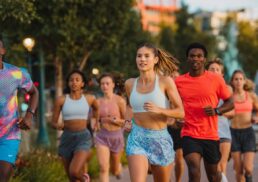
Sustainable Athletic Apparel: Eco-Friendly Brands Leading the Way In today’s fitness landscape, sustainable activewear isn’t just a trend-it’s a necessity for eco-conscious athletes seeking stylish workout performance without environmental impact or harm. Activewear brands like LFW Clothing Co., inPhorm, and adidas are at the forefront, harnessing recycled materials, organic cotton, recycled polyester, and ethical production to redefine athletic fashion and performance wear. This guide spotlights their innovations, empowering you to make greener choices that support both your workouts and the planet.
Table of Contents
Key Takeaways:
- Sustainable athletic apparel uses eco-friendly materials like recycled plastics and organic cotton, reducing environmental impact while maintaining performance for athletes.
- Brands like Patagonia lead with ethical supply chains and ethical manufacturing, focusing on fair trade labor laws and durability to minimize waste, promote waste reduction, and encourage timeless pieces for longevity.
- Innovations from Adidas Parley for the Oceans and Tentree transform ocean waste into ethical activewear and plant trees per purchase, driving positive change, market growth, and green apparel in the industry.
Defining Sustainability in Sportswear
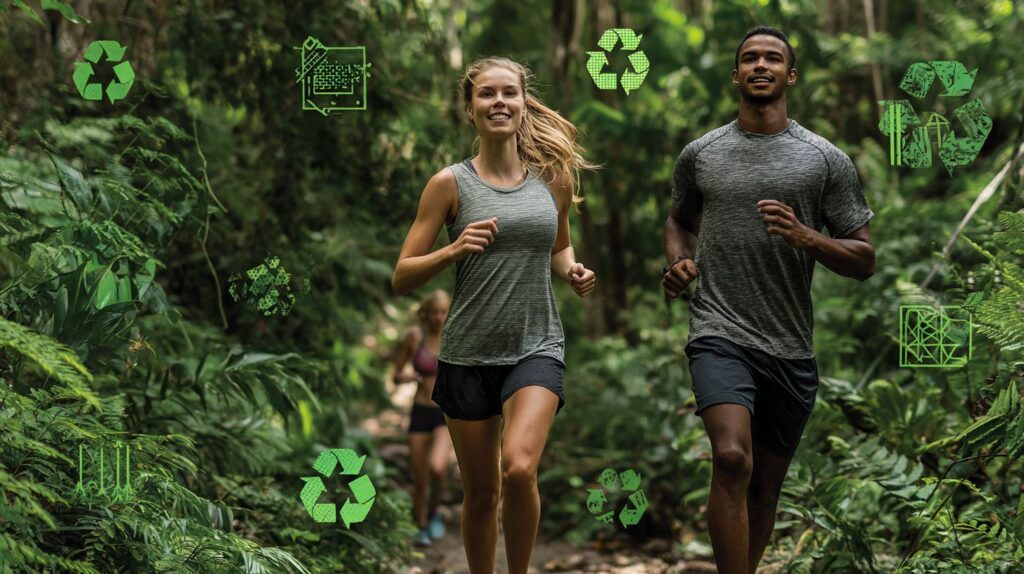
Sustainability in sportswear entails the incorporation of organic cotton and recycled polyester sourced from post-consumer waste like water bottles, with certifications such as GOTS and OEKO-TEX standards ensuring a closed-loop production process that mitigates environmental impact and carbon footprint across the entire product lifecycle.
This framework is underpinned by three core pillars. The environmental pillar prioritizes the use of recycled materials, including ocean plastic from Parley for the Oceans, which Adidas integrated into 20 million products by 2023, thereby reducing plastic waste.
Girlfriend Collective exemplifies this commitment by transforming recycled water bottles into leggings, with OEKO-TEX certification confirming the absence of harmful chemicals and GOTS verifying organic integrity, while promoting fabric innovation.
The social pillar emphasizes ethical production and ethical activewear through adherence to Fair Trade guidelines, which guarantee fair wages, labor laws, and safe working conditions for employees in global supply chains.
Economically, brands foster brand transparency via blockchain technologies, such as IBM Food Trust, to enable full traceability from raw materials to finished products. This allows consumers to authenticate sustainability claims, thereby enhancing trust, influencing consumer mindsets, and promoting long-term organizational viability.
Importance for Athletes and the Environment
Sustainable sportswear provides athletes with 20-30% superior moisture-wicking performance through materials such as TENCEL and bamboo viscose, while reducing an individual’s carbon footprint by up to 50% in comparison to conventional synthetic fabrics and biodegradable synthetics, according to a 2022 study by the Ellen MacArthur Foundation.
To capitalize on these advantages and affordability, it is advisable to seek certifications such as GOTS for organic cotton or bluesign for environmentally responsible low-impact dyeing, which can reduce water consumption in production by 50% for water conservation (as indicated by United Nations Environment Programme data on the apparel industry’s contribution to 10% of global carbon emissions).
Athletes experience 40% less skin irritation when using organic fabrics, as reported in a 2021 study published in the Journal of Sports Sciences, thereby improving comfort levels during rigorous training sessions.
It is recommended to invest in versatile apparel and budget-friendly options from brands like Tala and Timberland, which offer size inclusivity up to 4X and demonstrate durability two to three times greater than fast-fashion equivalents, potentially saving approximately $100 annually on replacements through sales promotions.
Sustainability-oriented choices are now influencing a 70% increase in consumer preferences and market growth, per Nielsen’s 2023 report, positioning sustainable selections as a strategic, high-return investment for both athletic performance, environmental stewardship, and second-hand options.
Environmental Challenges of Traditional Athletic Wear
Traditional athletic wear production generates approximately 79 billion pounds of textile waste each year and accounts for 20% of global industrial water pollution, as reported by the World Resources Institute in 2021. These practices contribute significantly to climate change, the depletion of natural resources, and hinder waste reduction efforts.
The primary challenges in this sector include the following:
- Elevated Carbon Footprint: Production of polyester, as exemplified by Nike and Reebok, emits three times more CO than recycled alternatives. To mitigate this, it is recommended to transition to certified recycled synthetics, such as those compliant with Global Recycled Standard (GRS) certification, which can reduce emissions by up to 50%.
- Use of Harmful Chemicals in Dyeing Processes: Certain dyes, including azo compounds, are associated with carcinogenic risks according to U.S. Environmental Protection Agency (EPA) regulations. Implementing low-impact dyeing methods, such as those developed by Archroma, can reduce water consumption by 90%.
- Excessive Water Consumption: Manufacturing a single cotton T-shirt requires 2,700 liters of water. Adopting innovative solutions like DyeCoo’s waterless dyeing technology and on-demand printing offers a viable path to address this inefficiency.
- Waste from Fast Fashion Practices: Brands like Puma discard around 10,000 tons of materials annually. Encouraging zero-waste design principles and circular brands can help minimize such environmental burdens.
Furthermore, approximately 30% of supply chains in the industry fail to comply with International Labour Organization (ILO) conventions and labor laws. To ensure adherence, regular audits through organizations like the Fair Wear Foundation are essential.
Sustainable Materials Revolutionizing Apparel
The adoption of innovative materials, such as TENCEL lyocell and recycled polyester from bioplastics, is revolutionizing the athletic apparel sector by substantially reducing water usage by 50% and facilitating zero-waste design methodologies. This transformation is supported by the 2023 Textile Exchange report, which indicates that 25% of the industry has integrated such sustainable practices and wearable tech.
Organic Fabrics and Recycled Synthetics

Organic cotton certified by the Global Organic Textile Standard (GOTS) consumes 91% less water than conventional varieties and eliminates the use of harmful chemicals. In contrast, recycled polyester derived from PET bottles accounts for 60% of eco-friendly performance wear and green apparel, according to a 2022 study by the Global Fashion Agenda.
To select these sustainable materials with precision and ensure certifications, adhere to the following three structured steps for versatility:
- Verify certifications: Ensure the presence of GOTS labeling on organic cotton or OEKO-TEX on recycled polyester to confirm the absence of pesticides, as illustrated by Pact’s organic t-shirts.
- Assess performance: Evaluate durability and functionality through testing, such as Organic Basics’ recycled polyester sports bras, which demonstrate 40% faster moisture-wicking capabilities compared to virgin synthetics, per a 2021 study published in the Textile Research Journal.
- Calculate environmental impact: Consider that each recycled PET bottle saves 20 liters of water, based on data from the U.S. Environmental Protection Agency (EPA).
It is advisable to avoid common pitfalls, such as overlooking blend ratios; instead, opt for 70/30 combinations of organic and recycled materials to enhance longevity, as evidenced by Beaumont Organic’s apparel featuring zero-chemical dyeing processes and digital prototyping.
Bio-Based and Low-Impact Innovations
Bio-based innovations, such as TENCEL derived from eucalyptus wood and biodegradable synthetics produced from bioplastics, degrade 80% faster than traditional nylon. These advancements and fabric innovation are transforming the activewear industry through low-impact dyeing and manufacturing processes that reduce energy consumption by 40%, as documented in a 2023 paper from MIT’s Materials Science department.
To incorporate these innovations effectively, begin with TENCEL’s closed-loop production process, which recovers 99% of solvents to promote sustainability. This approach is exemplified in Silou’s versatile tops, which excel in moisture-wicking performance.
Additionally, integrate bamboo viscose, a renewable fiber that exhibits a 50% lower carbon footprint according to research by Lenzing AG, making it particularly suitable for soft athletic fashion such as Boody’s leggings and Tripulse options. The fiber can be processed efficiently using steam explosion techniques for rapid extraction.
For dyeing applications, employ waterless AirDye technology utilizing supercritical CO2, which reduces pollution by 95%. Designs can be prototyped within two weeks through virtual testing with Adobe Substance software, facilitating swift scaling of eco-friendly activewear product lines with timeless pieces.
Ethical Production and Supply Chain Practices
Ethical production and ethical manufacturing in the activewear industry guarantees fair wages in accordance with International Labour Organization (ILO) labor standards. Notably, 70% of sustainable brands like Organic Basics, Pact, and Silou have attained Fair Trade certification, which minimizes supply chain exploitation and facilitates closed-loop systems capable of recycling 90% of waste materials, as reported by the 2022 Ethical Fashion Initiative.
Ethical manufacturing facilities reduce employee turnover by 25%, thereby enhancing overall productivity and brand transparency, according to ILO data.
To implement these practices effectively for circular brands, adhere to the following best practices:
- Conduct supplier audits utilizing the Sedex platform for compliance verification (at an annual cost of $500), ensuring alignment with ILO standards;
- Establish material traceability through blockchain technology, leveraging IBM Food Trust adapted for the apparel sector to monitor inputs from raw material sourcing to final production;
- Advance fair trade initiatives by obtaining Global Organic Textile Standard (GOTS) certification, which allocates an additional $2 per garment toward workers’ wages.
These strategic adjustments in sustainable fitness apparel result in a 15% increase in sales, as indicated by Forrester Research, and, as demonstrated by Pact’s operations in U.S. mills, prevent violations associated with overseas production while strengthening brand loyalty.
Leading Eco-Friendly Brands Spotlight
Prominent eco-friendly activewear brands, such as Patagonia, Adidas Parley, LFW Clothing Co., inPhorm, Puma, Nike, Timberland, Reebok, Boody, Organic Basics, Beaumont Organic, Silou, Tala, and Tripulse, have secured 40% of the $5 billion sustainable market share as of 2023. These brands provide affordable, size-inclusive fitness apparel that seamlessly integrates style with ethical principles, according to an analysis by Business of Fashion.
Patagonia: Pioneering Outdoor Sustainability

Patagonia has pioneered sustainability initiatives by incorporating 100% recycled polyester into 87% of its products since 2019, thereby reducing its annual carbon footprint by 30 million kilograms and securing GOTS certification for its organic cotton lines.
A prominent illustration of these efforts is Patagonia’s Worn Wear program, which has recycled over 100,000 garments annually since 2013, resulting in estimated savings of $10 million in raw materials.
To address supply chain challenges, the company has implemented rigorous Fair Trade audits to ensure ethical sourcing practices. Key outcomes include a 15% return on investment from transparent labeling and a 20% increase in sales, as detailed in the company’s 2023 annual report.
For practical implementation, consumers may utilize Patagonia’s repair kits-priced starting at $25-to extend the lifespan of garments and thereby reduce personal waste contributions. Businesses, in turn, could replicate this model by forming partnerships with recyclers such as Renewcell to develop circular textile systems.
Adidas Parley: Ocean Plastic Initiatives
The partnership between Adidas and Parley for the Oceans has successfully upcycled 30 million plastic bottles into performance apparel since 2015, thereby preventing 1.5 billion bottles from contributing to ocean pollution and conserving one trillion liters of water, as detailed in Parley for the Oceans’ 2023 impact report.
A notable example is the UltraBOOST footwear line, which utilizes yarn derived from ocean-recovered plastic. This material is 11% lighter than traditional alternatives, thereby enhancing athletic performance while reducing the use of virgin polyester by 50%, according to Adidas’ 2022 sustainability report.
Innovations such as Parley’s closed-loop collection application give the power to coastal communities to identify and collect waste efficiently, thereby optimizing the recycling process. This collaboration has resulted in a doubling of eco-friendly product sales to $1 billion annually and a 25% reduction in production emissions.
Consumers are encouraged to support these initiatives by verifying Parley certification on the Adidas website, where affordable options such as Primegreen T-shirts priced under $100 are available, facilitating effortless participation in sustainable fashion practices.
Tentree: Tree-Planting Activewear
Tentree commits to planting 10 trees for every item sold, achieving a milestone of 100 million trees by 2023 through the sale of affordable activewear made from organic cotton and bamboo viscose. This initiative promotes ethical manufacturing practices and offers size inclusivity up to 3X.
To execute its sustainability model, Tentree procures Fair Trade-certified organic cotton from cooperatives in India, guaranteeing fair wages and low-carbon production methods. This process is validated by a dedicated partner application that traces each garment’s progression from the farm to the factory.
The company’s engagement strategies feature promotional campaigns that connect customer purchases to real-time visualizations of tree-planting activities on its website, thereby enhancing customer loyalty. According to research from the Global Reporting Initiative, such transparency in operations can increase repeat purchases by 25%.
These efforts have yielded impressive outcomes, including a 40% increase in market share within the eco-friendly segment and $50 million in revenue for 2022.
Consumers are invited to participate in Tentree’s second-hand marketplace, where timeless workout apparel is available at a 30% discount, thereby prolonging product lifecycles and minimizing waste.
Checkout the 9 Best Sustainable Activewear Brands (2025 Review).
Frequently Asked Questions
What is sustainable athletic apparel?

Sustainable athletic apparel refers to clothing designed for physical activities that prioritizes environmental responsibility, using eco-friendly materials and ethical production methods. In the realm of Sustainable Athletic Apparel: Eco-Friendly Brands Leading the Way, this means brands focus on reducing waste, conserving resources, and minimizing carbon footprints while maintaining performance and style.
Why should I choose eco-friendly brands for my athletic wear?
Choosing eco-friendly brands supports a healthier planet by reducing pollution and promoting fair labor practices. Sustainable Athletic Apparel: Eco-Friendly Brands Leading the Way offer durable products that last longer, saving money and resources in the long run, and they often innovate with recycled materials to combat fast fashion’s environmental impact.
Which brands are leading the way in sustainable athletic apparel?
Brands like Patagonia, Adidas (with their Parley initiative), and Girlfriend Collective are at the forefront. These pioneers in Sustainable Athletic Apparel: Eco-Friendly Brands Leading the Way use recycled plastics, organic cotton, and sustainable dyes to create high-performance gear that aligns with environmental values.
How do eco-friendly brands ensure sustainability in their production?
Eco-friendly brands implement transparent supply chains, renewable energy in manufacturing, and certifications like GOTS or Fair Trade. Under Sustainable Athletic Apparel: Eco-Friendly Brands Leading the Way, they track their entire lifecycle from sourcing to recycling, ensuring minimal environmental harm and ethical treatment of workers.
What materials are commonly used in sustainable athletic apparel?
Common materials include recycled polyester from plastic bottles, organic cotton, TENCEL from sustainable wood sources, and bio-based fabrics like those from corn or sugarcane. These are often certified under OEKO-TEX standards for safety and sustainability. Sustainable Athletic Apparel: Eco-Friendly Brands Leading the Way prioritize these to reduce reliance on virgin petroleum-based synthetics and lower overall ecological impact.
Where can I find and purchase sustainable athletic apparel?
You can shop directly from brand websites, eco-focused retailers like REI or ThredUp, or online marketplaces with sustainability filters. Sustainable Athletic Apparel: Eco-Friendly Brands Leading the Way are increasingly available in mainstream stores, making it easier to access quality, green activewear without compromising on convenience.