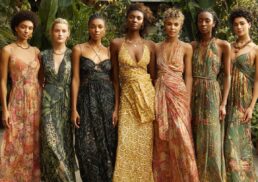
Looking for stylish winter skirts that don’t harm the planet? In 2026, sustainable skirts blend eco-friendly materials with designs you’ll actually want to wear every day. Let’s explore how fashion is getting greener without skimping on looks.
Table of Contents
Key Takeaways: OEKO-TEX standards ensure safety.
- In 2026, sustainable skirts prioritize organic cotton, hemp, and recycled fabrics, slashing water use by up to 90% while maintaining style and durability for Fall/Winter 2025-2026.
- Modular and upcycled designs dominate, allowing mix-and-match pieces that extend garment life and reduce sustainable fashion waste significantly.
- Transparent supply chains and ethical manufacturing empower consumers to make informed choices, driving widespread adoption of eco-skirts by 2026.
Defining Sustainability in Fashion
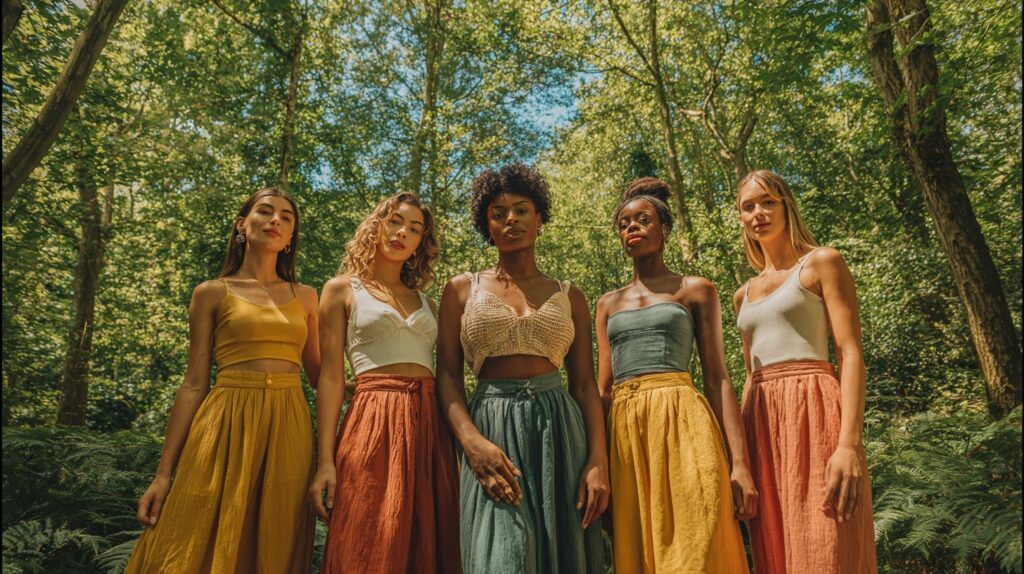
Sustainability in fashion means creating clothing that minimizes environmental harm through responsible sourcing, production, and longevity. This approach ensures pieces like sustainable skirts last longer and reduce waste. Brands focus on materials and methods that protect the planet over time.
Key criteria include OEKO-TEX certification OEKO-TEX for chemical safety, which tests fabrics for harmful substances. Ethical labor practices guarantee fair wages and safe working conditions in supply chains for ethical fashion. Circular design principles promote recycling and upcycling, so skirts like organic cotton maxi skirts or recycled fabric midi skirts stay out of landfills.
Brands like Quince and Cuyana make sustainable skirts accessible as wardrobe essentials. Quince offers wool skirts and pleated skirts from quality fabrics at fair prices, emphasizing transparency. Cuyana’s leather skirts and silk skirts follow a “fewer, better things” philosophy, perfect for timeless style in fall winter looks.
- Look for OEKO-TEX labels on knit skirts or velvet skirts to avoid toxins.
- Choose brands with audited factories for ethical fashion in pencil skirts or A-line skirts.
- Prioritize modular designs in tiered skirts or corduroy skirts for easy repair and reuse.
Key Eco-Materials for 2026
For Fall/Winter 2025-2026, key eco-materials like organic cotton and recycled fabrics dominate, delivering warmth texture in skirts while advancing sustainable fashion. These materials align with color trends like burgundy and cherry red, and pattern trends like plaid. They offer durability for versatile outfits in maxi skirts, midi skirts, and mini skirts.
Organic cotton provides a soft feel that holds dyes well for rich burgundy hues in pleated skirts. Recycled fabrics add structure to plaid tiered skirts, perfect for layering with tights and boots. Both support runway trends from Prada and Gucci, blending eco-friendly design with timeless style.
These quality fabrics ensure skirts withstand daily wear, making them wardrobe essentials. Pair a cherry red knit skirt with chunky knits for feminine silhouette s. Ethical fashion choices like these promote longevity in your closet.
Experts recommend selecting materials with natural insulation for fall winter looks. This approach creates versatile outfits that transition from office to evening. Sustainable skirts in these materials embody designer inspirations for 2025 2026.
Organic Cotton and Hemp
Organic cotton and hemp stand out for their low-water cultivation and natural durability, ideal for everyday sustainable skirts. These fibers excel in A-line skirts and pencil skirts from brands like Amour Vert and EILEEN FISHER. They dye beautifully in burgundy and cherry red for cozy winter skirts.
Breathability makes them perfect for layering with tights and boots. A hemp pencil skirt pairs with velvet tops for warmth texture. Their strength supports feminine silhouettes in maxi and midi lengths.
Care tips include washing in cold water and air drying to extend lifespan. This keeps plaid organic cotton skirts looking fresh season after season. Such practices enhance their role as ethical fashion staples.
- Choose GOTS-certified organic cotton for verified sustainability.
- Opt for hemp blends in bubble skirts for added warmth texture.
- Store folded to maintain shape in versatile outfits.
Recycled Fabrics
Recycled fabrics transform post-consumer waste into high-quality textiles, reducing landfill contributions in innovative ways. They shine in knit skirts and corduroy skirts from Everlane and Virgio. These match virgin materials in texture and warmth for fall winter 2025 2026.
In plaid pleated skirts and tiered skirts, recycled polyester offers structure like wool skirts. Corduroy versions in cherry red provide a soft pile for mini skirts. Style with boots for runway trends-inspired looks from Gucci.
Compared to new fabrics, they hold pleats well and insulate against cold. Pair a recycled knit skirt with silk skirts for contrast in outfits. Their durability makes them timeless wardrobe essentials.
Wash inside out and avoid dryers to preserve quality. This extends wear in leather skirts alternatives and velvet skirt styles. Recycled options advance sustainable fashion with practical appeal.
Innovative Design Trends
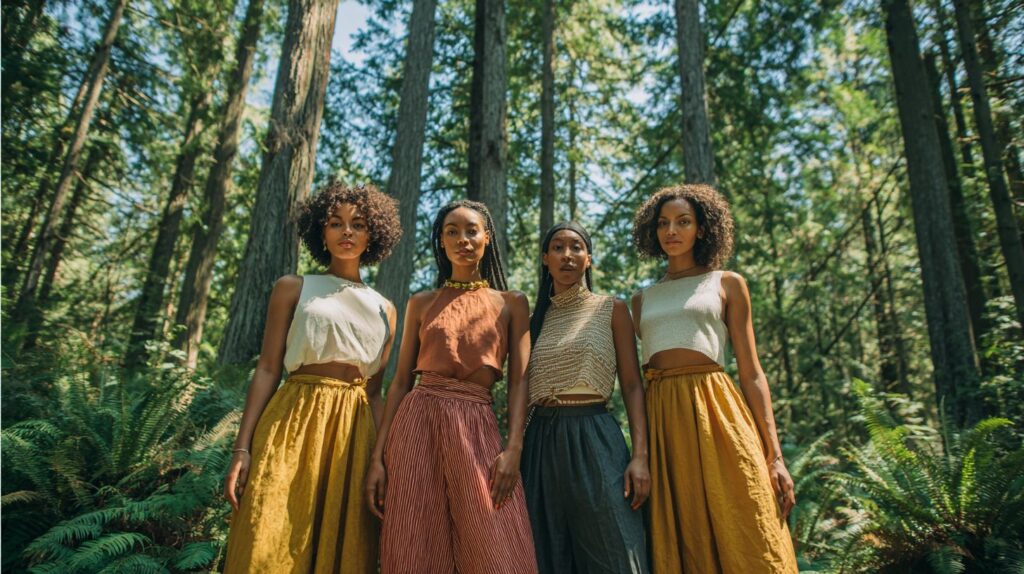
Innovative design trends from Prada, Gucci, and Lemaire for 2025 2026 emphasize sustainable skirts with feminine silhouette and timeless style. These runway trends blend eco-friendly materials like organic cotton and recycled fabrics into shapes such as bubble skirts and silk skirts in burgundy and cherry red. Designers focus on versatile outfits that transition from fall winter days to evenings.
Bubble skirts add volume with soft pleats made from ethical fashion sources, pairing well with chunky knits for warmth texture. Silk skirts in burgundy or cherry red offer a luxurious drape using quality fabrics from sustainable sources. These pieces serve as wardrobe essentials, encouraging layering with tights and boots.
Pleated skirts and midi skirts draw from designer inspirations, incorporating corduroy or wool for seasonal adaptability. Color trends like plaid pattern trends enhance feminine silhouette while promoting longevity. Experts recommend mixing these with knit skirts for endless styling options.
Mini skirts and tiered skirts evolve with eco-friendly innovation, seen in maxi skirts from recycled materials. This approach ensures sustainable fashion remains practical for everyday wear. Timeless style meets modern needs through thoughtful pattern trends and fabric choices.
Modular and Upcycled Styles
Modular and upcycled styles allow skirts to adapt across seasons for timeless style, maximizing wear through customizable elements. Brands like Szane and Whimsy & Row lead with leather skirts and upcycled velvet skirts crafted from recycled fabrics. These designs support ethical fashion by reducing waste and extending garment life.
Start with a modular leather skirt base, then add detachable panels for length variation from mini to midi. Pair it with chunky knits and boots for fall winter layering. This creates versatile outfits ready for office or casual settings.
- Layer an upcycled velvet skirt over wool tights with an oversized sweater and ankle boots for cozy warmth texture.
- Combine a modular leather skirt with a plaid blouse, transitioning to evening by swapping for a silk top.
- Mix a tiered A-line skirt from organic cotton with knit skirts elements, adding corduroy for texture.
These step-by-step ideas make sustainable skirts practical wardrobe essentials. Focus on quality fabrics for durability, ensuring pieces like bubble skirts or pleated skirts stay relevant. Designers inspire confidence in building outfits that prioritize eco-friendly choices.
Manufacturing Processes
Ethical manufacturing processes ensure sustainable skirts are produced with minimal waste and fair labor. Brands prioritize techniques that reduce environmental harm while creating styles like midi skirts and wool skirts. These methods support eco-friendly fashion for fall winter wardrobes.
Low-impact dyeing brings color trends such as burgundy and cherry red to life without heavy pollution. This process uses natural or plant-based dyes that require less water and energy. Reformation shares transparency reports detailing their dyeing for pleated skirts and velvet skirts.
Zero-waste cutting shapes designs like pencil skirts and bubble skirts efficiently. Fabric scraps from one piece become parts for another, minimizing landfill contributions. Quince publishes reports on this for their organic cotton and recycled fabrics collections.
Water-saving techniques include closed-loop systems that reuse water in production. These apply to knit skirts and leather skirts, preserving resources for timeless styles. Experts recommend checking brand transparency reports for verified practices in ethical fashion.
Supply Chain Transparency
Transparent supply chains give the power to consumers to trace sustainable skirts from farm to finished product. Brands like Everlane and Cuyana use blockchain tracking to reveal every step in production. This approach builds trust in eco-friendly materials for items like organic cotton pencil skirts.
Blockchain tools provide a digital ledger of a skirt’s journey, from cotton farms to factories. For a recycled maxi skirt, you can scan a QR code on the label to see sourcing details. This transparency ensures ethical practices in recycled fabrics and supports Fall/Winter 2025-2026 trends.
To verify labels on organic cotton pencil skirts or recycled maxi skirts, check for certifications like GOTS or OEKO-TEX. Look for brand websites with supply chain maps, similar to Everlane’s model. These steps confirm quality in ethical fashion pieces inspired by Lemaire, Herms and Jil Sander.
- Scan QR codes for blockchain records on pleated skirts or knit skirts.
- Cross-reference labels with third-party verifiers for wool skirts or velvet skirts.
- Ask brands directly about tracing corduroy or silk skirts from raw materials.
Consumer Adoption Strategies
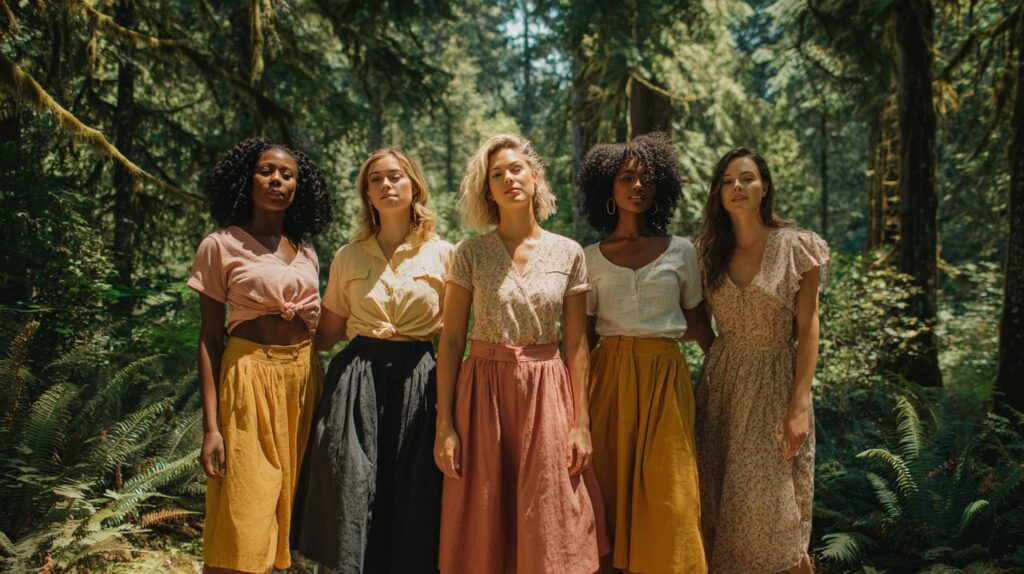
Adopting sustainable skirts starts with strategic choices that build a versatile, enduring wardrobe. Focus on pieces made from organic cotton, recycled fabrics, or ethical fashion sources to align with eco-friendly goals. This approach ensures your closet supports both style and the planet.
Begin by assessing your current collection for gaps in essentials like knit skirts or A-line skirts. Spend just 10 minutes sorting items to identify needs for fall winter versatility. This quick step reveals opportunities for timeless additions.
- Assess your closet: Pull out existing skirts and note missing styles, such as wool skirts for warmth or midi skirts for layering. Check for wear on current pieces to prioritize replacements in recycled fabrics.
- Prioritize multi-use pieces: Choose options like LILYSILK silk skirts or Cuyana that transition from office to evening. Look for pleated skirts or pencil skirts in color trends like burgundy or cherry red for broad appeal.
- Style for seasons: Pair winter skirts with tights and boots for cozy outfits. Layer chunky knits over velvet skirts to capture runway trends from Prada and Gucci.
Avoid common mistakes like overbuying fleeting trends in bubble skirts or plaid mini skirts. Instead, invest in wardrobe essentials with quality fabrics for long-term use. This builds sustainable habits that emphasize timeless style.
Challenges and Solutions
Sustainable skirts face hurdles like higher upfront costs, but smart solutions make them accessible. Brands like Reformation, Quince and TWOTHIRDS offer great value in eco-friendly knit skirts and organic cotton midi skirts. Shoppers can build timeless wardrobes without breaking the bank.
Availability poses another issue, as not every store stocks sustainable winter skirts. Look to local shops inspired by Dries Van Noten and Szane for pleated skirts in burgundy or plaid patterns. These spots often carry recycled fabric options that align with runway trends from Prada and Gucci.
Style variety keeps things fresh, so mix mini skirts with chunky knits for versatile outfits. Pair a cherry red leather skirt with tights and boots for fall winter looks. This layering approach enhances warmth and texture while embracing ethical fashion.
- Invest in Quince wool skirts for everyday wear that lasts seasons.
- Seek TWOTHIRDS corduroy skirts for affordable quality fabrics.
- Combine velvet pencil skirts with bubble skirts for feminine silhouettes.
Future Outlook for 2026
By 2026, sustainable skirts will lead with advancements in bio-fabrics and AI-driven customization. Designers will push eco-friendly boundaries using recycled materials and innovative weaves. Expect skirts that adapt to personal style through smart tech.
Influences from Alaa and Jil Sander point to enhanced recycled velvet skirts and modular wool designs. These pieces will feature detachable panels for versatility in fall winter outfits. Velvet skirts in burgundy or cherry red will gain traction for their warmth and texture.
Runway trends from Prada and Gucci suggest pleated skirts and maxi skirts as timeless essentials. Build your wardrobe now with organic cotton or corduroy versions from brands like Whimsy & Row that layer well with tights and boots. This approach ensures long-term use in ethical fashion.
AI customization will personalize fits for pencil skirts, A-line skirts, and midi skirts. Focus on quality fabrics like recycled wool for knit skirts and leather skirts from Amour Vert. These choices create versatile outfits with feminine silhouettes for 2025-2026 seasons.
Frequently Asked Questions
What are Sustainable Skirts in 2026: Fashion Meets Eco-Friendly Design?
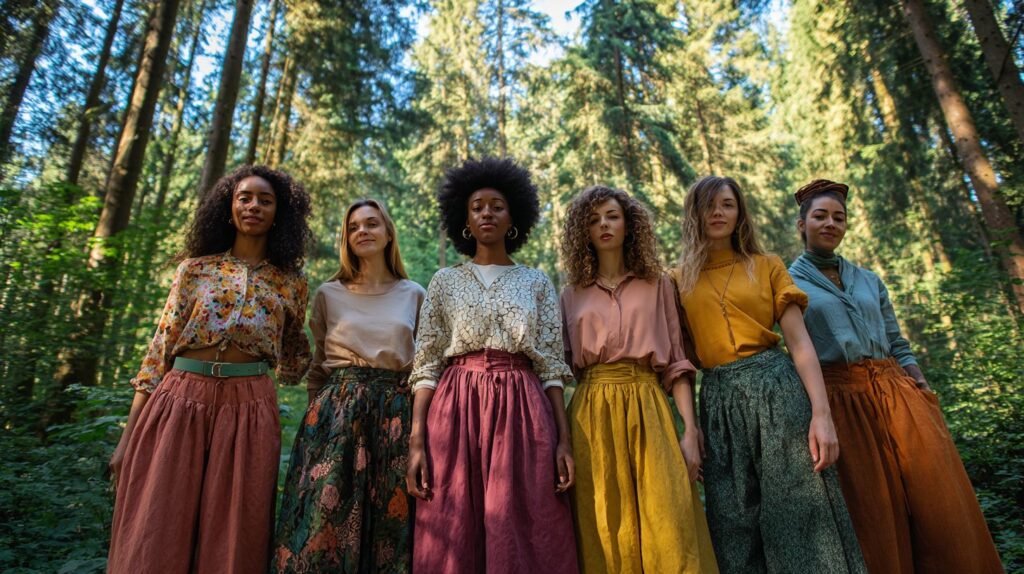
Sustainable Skirts in 2026: Fashion Meets Eco-Friendly Design refers to the innovative trend where stylish skirt designs incorporate eco-friendly materials like organic cotton, recycled polyester, and plant-based fabrics such as Tencel or hemp. These skirts prioritize low-water production, ethical labor, and biodegradability while maintaining high fashion appeal through trendy silhouettes like A-line, midi, and pleated styles.
Why will Sustainable Skirts in 2026: Fashion Meets Eco-Friendly Design be popular?
In 2026, Sustainable Skirts in 2026: Fashion Meets Eco-Friendly Design will surge in popularity due to growing consumer demand for ethical fashion, advancements in green technology like bio-fabric dyes, and regulatory pushes for sustainability in the apparel industry. Fashion houses are blending chic designs with zero-waste patterns, making eco-skirts a wardrobe staple for environmentally conscious style icons.
What materials are used in Sustainable Skirts in 2026: Fashion Meets Eco-Friendly Design?
Sustainable Skirts in 2026: Fashion Meets Eco-Friendly Design feature cutting-edge materials including regenerated nylon from ocean plastic, algae-based leathers, and mycelium-grown fabrics. These options reduce carbon footprints by up to 70% compared to traditional synthetics, ensuring durability, comfort, and versatility for all seasons.
How do Sustainable Skirts in 2026: Fashion Meets Eco-Friendly Design benefit the environment?
Sustainable Skirts in 2026: Fashion Meets Eco-Friendly Design significantly cut environmental impact by minimizing textile waste through circular production methods, using non-toxic dyes, and supporting regenerative agriculture. They help combat fast fashion’s pollution, with many designs fully compostable, promoting a greener planet without sacrificing aesthetic trends.
Where can I buy Sustainable Skirts in 2026: Fashion Meets Eco-Friendly Design?
You can find Sustainable Skirts in 2026: Fashion Meets Eco-Friendly Design at specialized online platforms like Etsy eco-brands, Reformation, EILEEN FISHER, Everlane, Virgio, and emerging 2026 labels via apps like Depop or ThredUp. Look for certifications like GOTS or Fair Trade to ensure authenticity in this fusion of fashion and eco-friendly design.
What styling tips apply to Sustainable Skirts in 2026: Fashion Meets Eco-Friendly Design?
For Sustainable Skirts in 2026: Fashion Meets Eco-Friendly Design, pair flowy maxi skirts with cropped organic tees for casual vibes, or tuck in a bamboo blouse with pencil skirts for office chic. Accessorize with upcycled jewelry and layer with vegan leather jackets to maximize the eco-friendly, fashionable statement.