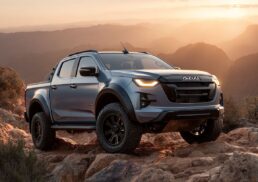
In the current automotive landscape, the terms “SUV” and “crossover” are frequently used interchangeably; however, they denote distinct vehicle categories with specific characteristics, such as their construction and performance features. A clear understanding of these differences, including body-on-frame and unibody constructions, can significantly impact your car-buying decision. Factors such as size and design, as well as performance capabilities and towing and hauling needs, are essential to consider in order to discern what differentiates these vehicles. Whether you are evaluating your lifestyle requirements, budget, or the latest models available, this guide aims to provide comprehensive insights about SUVs and crossovers, including passenger utility and safety technology, to assist you in making an informed choice.
Table of Contents
Key Takeaways:
- SUVs and crossovers are two different types of vehicles with distinct features and capabilities.
- When choosing between an SUV and crossover, consider your intended use and lifestyle as well as your budget and maintenance costs.
- Some popular models in both categories include the Toyota RAV4 and Ford Explorer SUVs, and the Honda CR-V and Mazda CX-5 crossovers.
Understanding SUVs and Crossovers
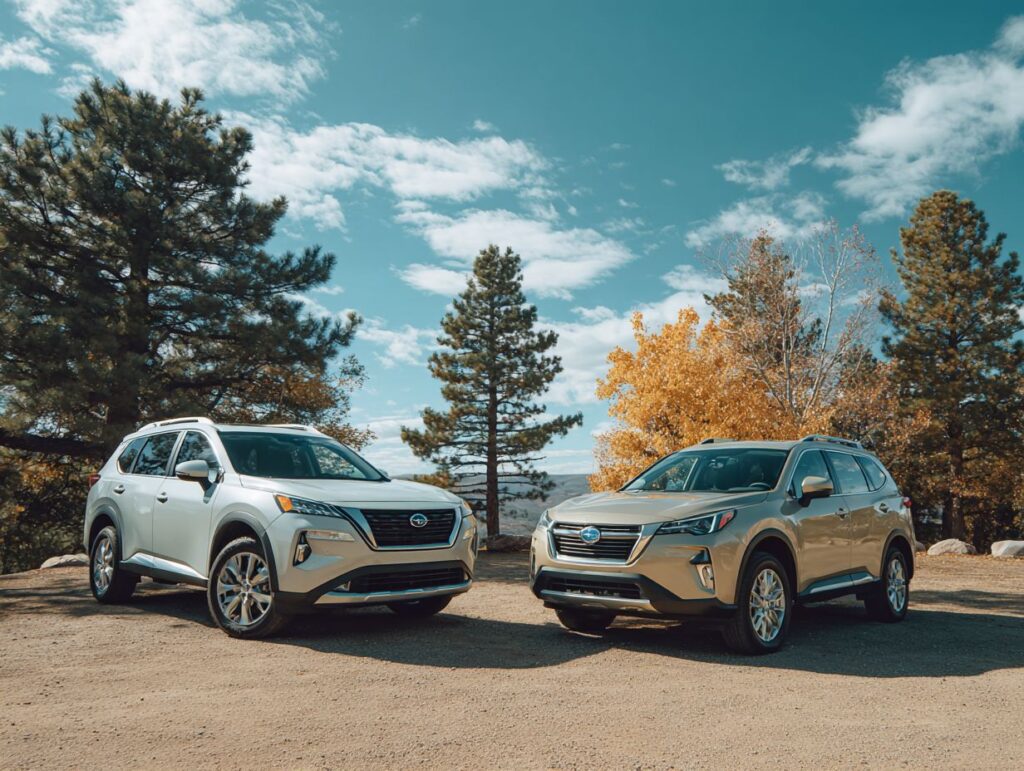
A comprehensive understanding of SUVs and crossovers is essential for potential buyers seeking versatile and multi-purpose vehicles that accommodate a variety of lifestyles and needs.
Sport Utility Vehicles (SUVs) are typically recognized for their capability to handle rugged terrains, owing to their powerful engines and body-on-frame construction, which offers a more rigid platform. According to Quora, body-on-frame construction provides distinct advantages such as durability and towing capacity, making SUVs ideal for off-road adventures. In contrast, crossovers feature a unibody structure, which provides a smoother ride and improved fuel economy, rendering them more suitable for urban and suburban environments, where versatility is often required.
Each vehicle type offers distinct advantages and disadvantages, influenced by factors such as drivetrain options and intended use, which consumers should carefully consider before making a purchasing decision.
Defining the Two Vehicle Types
The definitions of SUVs and crossovers are fundamentally based on their structural designs and intended functionalities, addressing the diverse preferences of drivers and families.
Although both vehicle types provide spacious interiors and a commanding view of the road, they exhibit significant differences in their construction.
SUVs, which are typically built on a body-on-frame platform-exemplified by the robust Chevy Suburban and the versatile Jeep Wrangler-are engineered for ruggedness and off-road capability. This construction method facilitates superior towing capacity and durability on challenging terrains.
Conversely, crossovers employ a unibody design, as illustrated by models such as the Honda CR-V and the Chevrolet Equinox. This design results in a lighter and more fuel-efficient vehicle, enhancing driving comfort and maneuverability, making crossovers particularly suitable for urban environments.
Recognizing these distinctions enables potential buyers to determine which vehicle more closely aligns with their lifestyle needs. For those interested in a comprehensive overview of the crossover’s development, this analysis by CarBuzz covers the full spectrum of implications.
Key Differences Between SUVs and Crossovers
The key differences between SUVs and crossovers have a substantial impact on their performance, design, and capabilities.
It is essential for consumers to comprehend these distinctions when selecting a vehicle.
Size and Design
The size and design of SUVs and crossovers are critical factors in assessing their suitability for various driving environments and user preferences.
Larger SUVs typically offer substantial interior space and cargo capacity, making them well-suited for families or individuals with active lifestyles. Their robust structures generally support off-road capabilities, enabling excursions beyond urban areas.
Conversely, crossovers, which are designed to provide a more car-like driving experience, strike a balance between comfort and efficiency when navigating urban settings.
The ground clearance of these vehicles also plays a significant role; higher ground clearance tends to enhance off-road capability by improving maneuverability over rough terrain, whereas lower profiles can contribute to increased stability and handling on paved roads.
This dual functionality addresses a variety of needs, appealing to both adventurous drivers and those who prioritize everyday practicality.
Performance and Capabilities
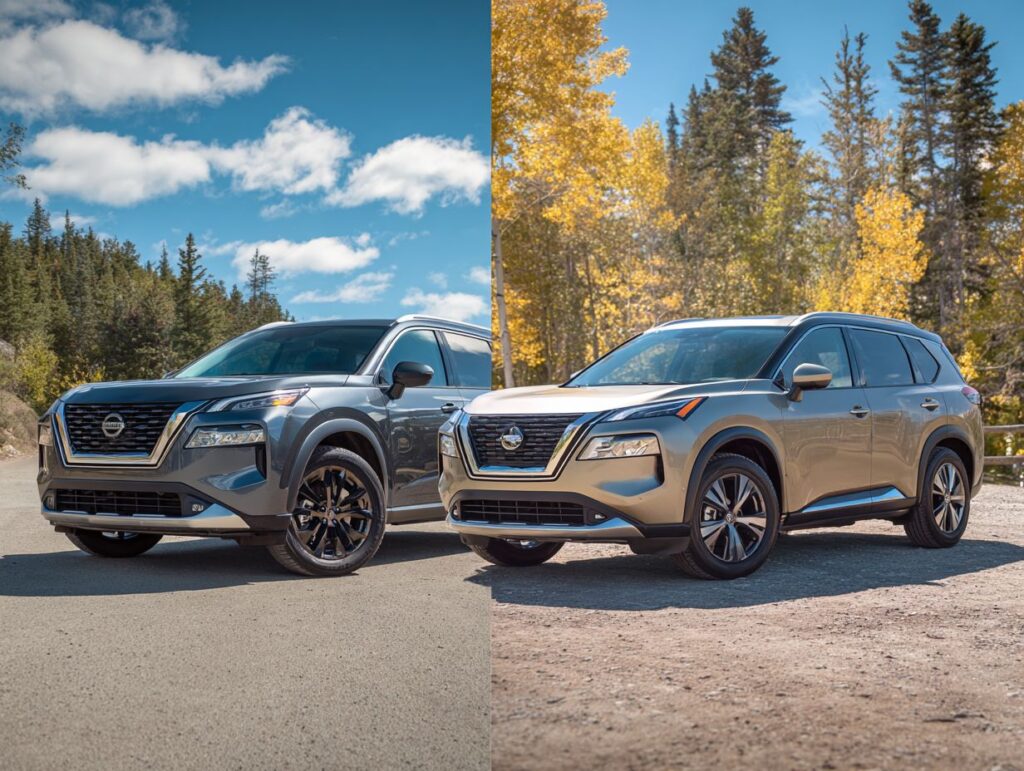
Performance and capabilities serve as critical differentiators between SUVs and crossovers, with each vehicle type presenting unique advantages tailored to distinct driving conditions.
In evaluating performance metrics, it is evident that SUVs often feature more powerful engines and enhanced drivetrains, which provide superior towing capacities-particularly beneficial for individuals requiring the ability to transport trailers or boats. This makes them ideal for heavy-duty applications. Conversely, crossovers typically emphasize fuel efficiency and urban driving dynamics, rendering them well-suited for daily commutes, particularly in urban and suburban settings.
Furthermore, many modern crossovers are increasingly incorporating off-road capabilities, thereby narrowing the performance gap between the two categories. Insights from J.D. Power highlight that traditional SUVs generally excel in rugged environments, thanks to their robust construction and advanced four-wheel-drive systems, which enable them to navigate diverse terrains effectively.
Factors to Consider When Choosing Between an SUV and Crossover
When selecting between an SUV and a crossover, various factors must be taken into account, including intended usage, lifestyle requirements, budget considerations, and maintenance needs.
These elements can significantly impact the decision-making process.
Intended Use and Lifestyle
Intended use and lifestyle are critical factors to consider when choosing between an SUV and a crossover, as they directly influence the vehicle’s functionality and appropriateness for the driver.
For instance, a large family with multiple children may prefer an SUV due to its spacious interior and superior seating capacity, ensuring that all passengers travel comfortably during extended journeys. This is a key advantage for passenger utility.
Conversely, individuals who primarily commute in urban settings may find a crossover more suitable, given its typically smaller size and enhanced maneuverability in confined spaces.
Outdoor enthusiasts engaged in recreational activities such as camping or biking may lean towards the rugged versatility of an SUV, while those who participate in lighter weekend outings may prioritize the practicality and fuel efficiency of a crossover.
Therefore, it is essential to assess personal hobbies and daily requirements as part of the decision-making process.
Budget and Maintenance
Budget and maintenance are critical factors that can significantly influence potential buyers’ decisions between an SUV and a crossover, directly impacting their long-term satisfaction and financial commitments.
In terms of purchase price, it is evident that SUVs typically require a higher upfront investment compared to crossovers, which represents an important consideration for many buyers.
Furthermore, fuel economy is a pivotal aspect of the ownership experience; crossovers generally provide better fuel efficiency, resulting in long-term savings at the pump. Maintenance costs should also be carefully considered, as SUVs may incur higher expenses due to their larger components and more complex systems.
Consequently, understanding these financial implications is essential for buyers, enabling them to make informed decisions that align with their lifestyle and financial objectives.
Popular SUV and Crossover Models
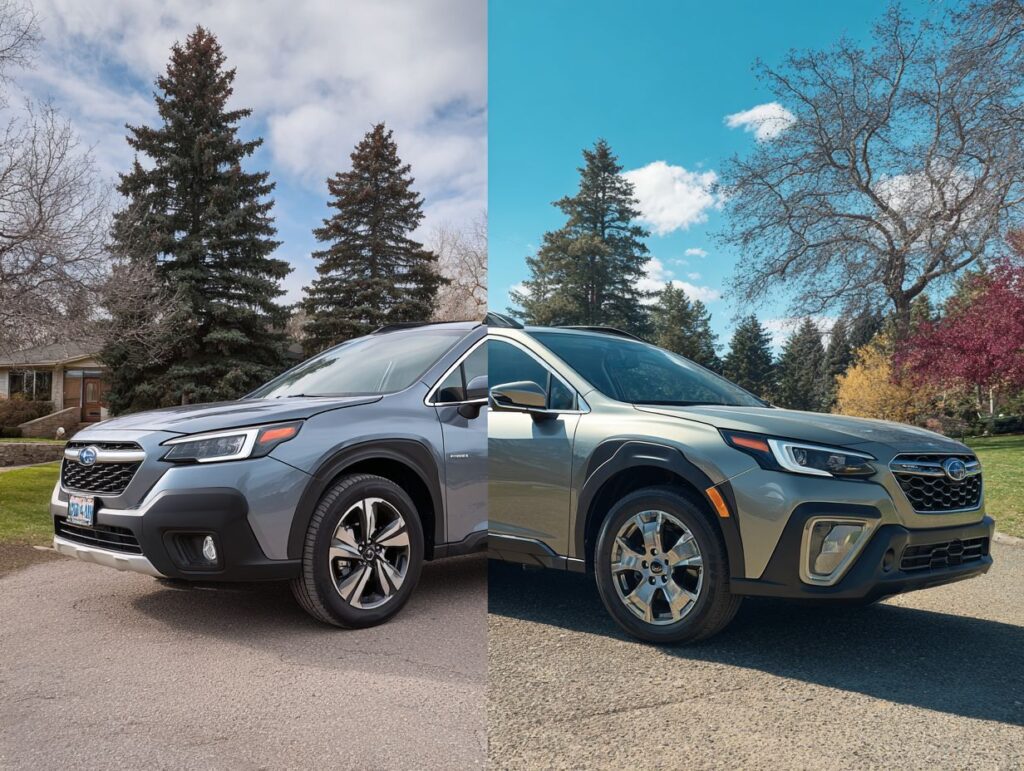
There exists a wide array of popular SUV and crossover models in the market, each providing distinctive features and advantages that address the varied needs of consumers, ranging from heavy-duty options to compact designs.
Top Picks in Each Category
The leading selections in the SUV and crossover categories feature a variety of models distinguished by their performance, comfort, and advanced technology, which have made them highly favored among consumers.
Notably, the Chevy Suburban is recognized for its spacious interior and remarkable towing capacity, making it an ideal choice for families and outdoor enthusiasts. In contrast, the Toyota RAV4 is celebrated for its exceptional fuel efficiency and strong reputation for reliability, attracting a wide array of drivers, including those in Columbia, Eldersburg, Sykesville, and Maryland.
Consumer ratings suggest that these vehicles not only offer comprehensive safety features and state-of-the-art infotainment systems but also uphold strong resale values, thereby ensuring they serve as prudent investments.
Additionally, manufacturers such as Honda with the CR-V and Ford with the Bronco Sport continue to innovate, effectively addressing the needs of those in search of adventure or everyday practicality.
Frequently Asked Questions
What is the difference between an SUV and a Crossover?
An SUV, or Sport Utility Vehicle, is typically built on a truck chassis and offers more towing and off-road capabilities. A crossover, on the other hand, is built on a car chassis and offers better fuel efficiency and handling.
Which one is better for families?
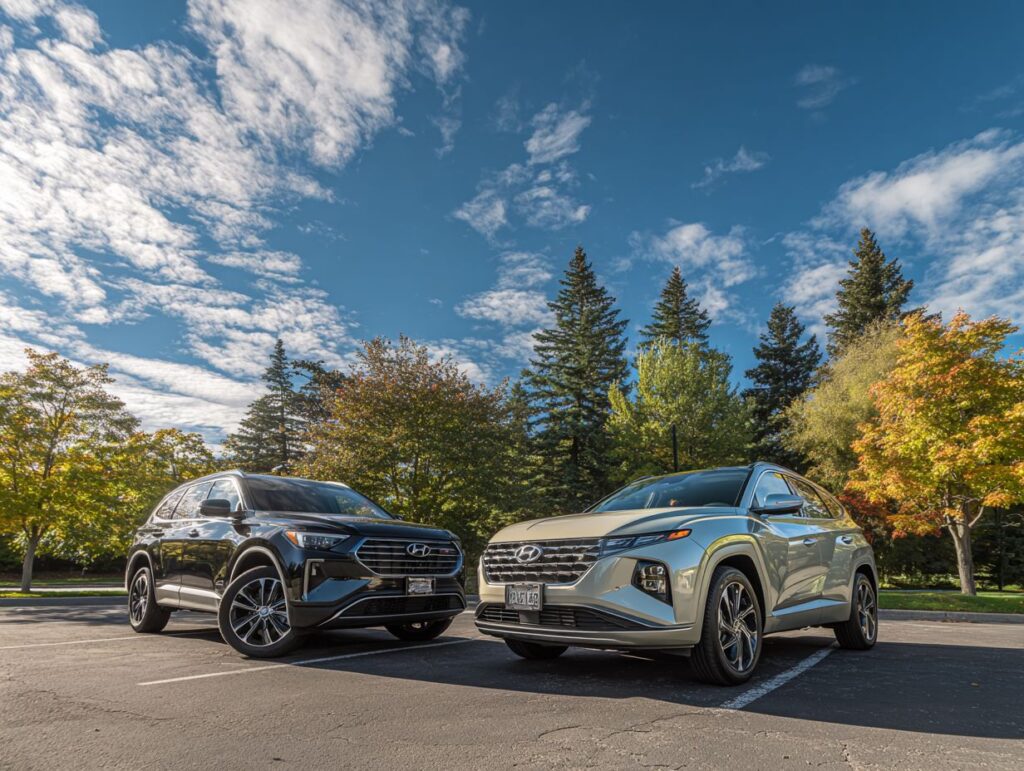
It depends on your specific needs. If you plan on using your vehicle for towing and off-road adventures, an SUV may be a better option. If you prioritize fuel efficiency and handling for city driving, a crossover may be a better fit.
Do SUVs or Crossovers have better safety ratings?
Both SUVs and crossovers can have excellent safety ratings, but it ultimately depends on the specific make and model. It’s important to research the safety features and ratings for the specific vehicle you are considering.
Which one has more cargo space?
SUVs like the Chevy Suburban typically have more cargo space due to their larger size and truck-based design. However, some crossovers like the Lexus RX350 have impressive cargo space as well, so it’s important to compare specific models if cargo space is a priority for you, especially those requiring sturdier or lightweight options.
Are SUVs or Crossovers more expensive, such as the Toyota RAV4?
In general, SUVs like the Jeep Wrangler tend to be more expensive than crossovers due to their larger size and capabilities. However, there are also luxury crossovers, such as the Honda CRV, that can be just as expensive as SUVs. It’s important to consider your budget and needs when deciding between the two.
Which one is better for fuel efficiency, like the Nissan Rogue?
Crossovers like the Toyota Highlander are typically more fuel-efficient than SUVs due to their smaller size and car-based design. However, there are also SUVs like the Ford Explorer with hybrid or electric options that can be just as efficient as crossovers. It’s important to research and compare the fuel economy for different models, including midsize and subcompact automobiles, before making a decision.