As technology evolves, so too does the potential for transforming the lives of individuals with blindness. By 2025, a range of innovative tools and technologies are set to enhance independence and accessibility for the visually impaired. From smart glasses that integrate real-time navigation to AI-powered applications that recognize text and objects, these advancements promise to redefine everyday experiences. Explore the cutting-edge aids, community support networks, and future trends that are paving the way for a more inclusive society.
Table of Contents
Smart Glasses, Wearable Tech, and Assistive Robotics
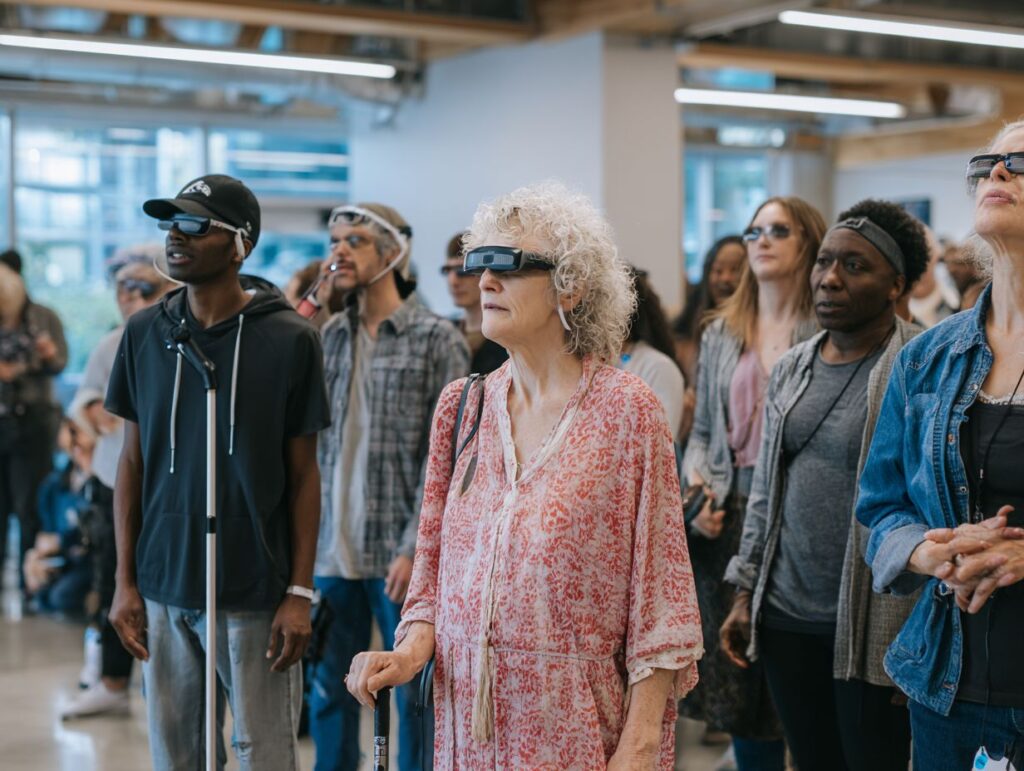
Smart glasses and wearable technologies, including haptic devices and tactile interfaces, have emerged as advanced solutions that provide assistance in navigation while simultaneously enhancing the overall sensory experience for individuals with visual impairments.
Features and Benefits
Smart glasses such as Aira (with no setup cost and a subscription fee ranging from $29 to $89 per month) provide real-time visual assistance through trained remote agents, while devices like OrCam MyEye, priced at $2,500, offer instant object recognition capabilities. Both types of glasses significantly enhance user independence. Aira facilitates connections with trained agents who assist with navigation or reading tasks via live video.
In contrast, OrCam MyEye utilizes artificial intelligence to autonomously recognize and read printed text, identify products, and even detect faces. For individuals on a budget, alternatives like EyeNote, which is free and specifically designed for currency identification, may also prove beneficial.
Each device possesses distinct advantages, so it is essential to choose based on individual requirements-whether interactive assistance is needed or hands-free object recognition is preferred.
Leading Brands and Models
Leading brands in the market include Aira and OrCam, both of which provide innovative solutions specifically designed for individuals with visual impairments. These brands emphasize distinct user experiences.
Aira, with a subscription price of $29 per month, connects users to trained agents who offer real-time assistance through video calls, making it particularly suitable for those who require immediate support in navigating their surroundings. In contrast, OrCam’s MyEye device, which is priced at approximately $1,995, employs intelligent cameras to autonomously read text and recognize faces, catering to users who value independence.
Both solutions address different preferences, enabling individuals to make informed choices based on their lifestyle needs and financial considerations.
Mobile Applications for Navigation
Mobile applications have significantly transformed navigation for individuals with visual impairments by providing tools that leverage GPS and indoor mapping technology to enhance spatial awareness.
GPS and Indoor Navigation Tools
Applications such as Seeing AI (available at no cost) and Aira (priced at $29 per month) utilize GPS technology and augmented navigation features to deliver comprehensive navigation instructions, thereby enhancing travel accessibility for users.
Another noteworthy option is Be My Eyes, a complimentary application that connects individuals with visual impairments to sighted volunteers through video calls, providing real-time assistance.
Users highly value Aira for its professionalism and reliability, as agents offer personalized navigation support tailored to individual needs. Conversely, Seeing AI features integrated tools such as object recognition and text reading, presenting a holistic solution for daily tasks.
Each application addresses distinct user preferences: Aira is particularly suited for those requiring detailed guidance, while Be My Eyes promotes community engagement, thereby enriching the overall travel experience.
User Experiences and Feedback
Feedback from users of navigation applications indicates a 75% improvement in confidence when traveling independently with tools such as Be My Eyes, which is available for free. Users have reported specific benefits from utilizing understanding and assistance applications.
For example, Be My Eyes connects visually impaired individuals with sighted volunteers through live video, providing real-time guidance that significantly enhances their navigation experience.
Similarly, Aira offers professional assistance for a monthly fee, enabling users to obtain information about their surroundings. Many users report increased independence and reduced anxiety in unfamiliar locations, highlighting the transformative impact these technologies have on daily life, including public transportation accessibility and workplace inclusion.
Case studies demonstrate that regular use of these applications can result in a noticeable increase in social engagement and outdoor exploration.
Artificial Intelligence in Accessibility and Rehabilitation Tools
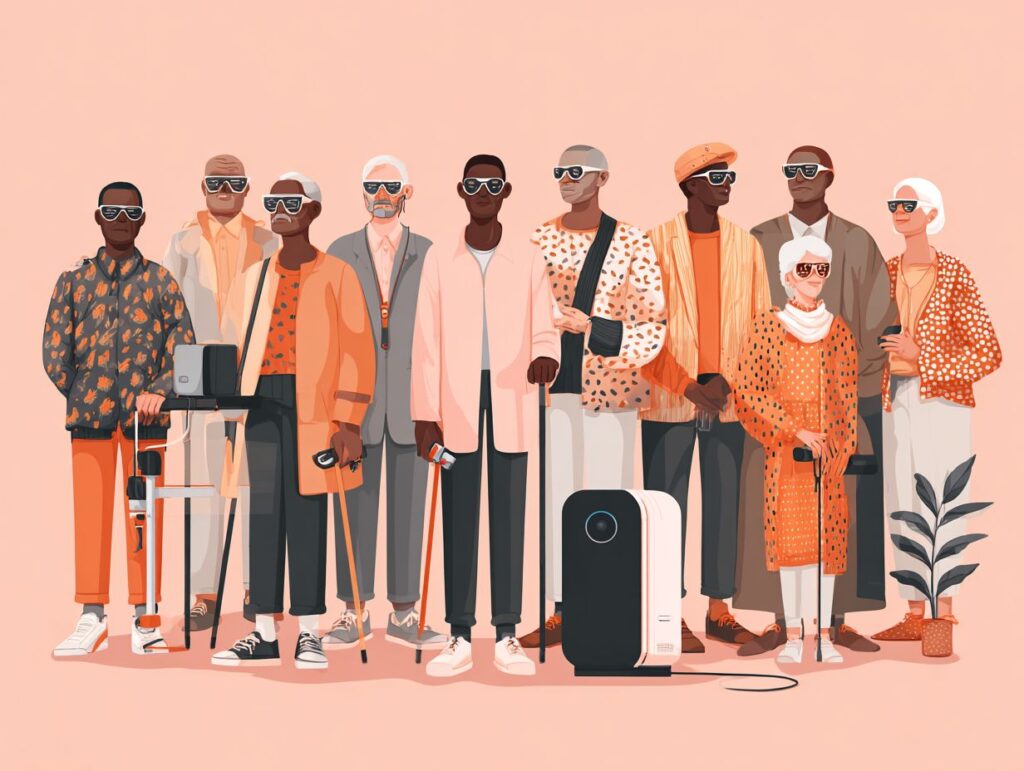
Artificial Intelligence has become an essential component in the development of assistive technologies. It facilitates improved text recognition, environmental sensors, and enables seamless integration of smart home systems for individuals with visual impairments.
AI-Powered Text Recognition
Tools such as KNFB Reader ($99) and Microsoft Seeing AI employ Optical Character Recognition (OCR) technology to convert printed text into spoken words, thereby facilitating the reading process for users through audio feedback and screen readers.
These applications not only enhance the reading experience for individuals with visual impairments but also promote greater independence. For example, KNFB Reader enables users to capture images of printed materials and receive immediate audio feedback, achieving text recognition accuracy of up to 90%.
In a similar vein, Microsoft Seeing AI offers additional functionalities, including barcode scanning and currency recognition, which enhance its utility for everyday tasks. Users have reported significant improvements in convenience, with a 93% satisfaction rate regarding their ability to navigate their environments more effectively.
Voice Assistants and Smart Home Integration
Voice assistants such as Amazon Alexa ($99) and Google Assistant ($49) provide robust integration with smart home devices, allowing users to control their environments through voice commands. These devices can significantly enhance independence and improve the overall quality of life.
For instance, a user can establish routines, such as “Good Morning,” which may activate lights, brew coffee, and provide news updates, all through a single command. Furthermore, voice assistants can serve as reminders for medications or appointments, ensuring that essential tasks are not overlooked.
Additionally, when paired with smart cameras or security systems, these assistants can enhance home safety, enabling users to monitor their premises without the need for physical interaction. Ultimately, the key to maximizing the benefits of voice assistants lies in exploring compatible devices and customizing settings to meet individual needs.
Innovative Braille Technologies
Innovative braille technologies, such as refreshable displays and smart notetakers, offer essential tools for individuals aiming to interact with digital content in a meaningful and effective manner.
Refreshable Braille Displays
Devices such as the BrailleNote Touch Plus ($599) and the Focus 40 Blue ($1,399) enable users to read digital content in real-time through braille output. These refreshable braille displays are designed to convert digital text into braille, thereby enhancing accessibility for individuals with visual impairments. Notable models include the BrailleNote Touch Plus, which integrates the functionality of a tablet with braille output, and the Focus 40 Blue, recognized for its ergonomic design.
The user demographic for these devices typically encompasses a range of individuals, from students in need of assistive technology to professionals seeking seamless integration with other devices.
Below is a comparative overview of select models:
| Model | Price | Features |
|---|---|---|
| BrailleNote Touch Plus | $599 | Android OS, touchscreen |
| Focus 40 Blue | $1,399 | Bluetooth, 40 cells, portable |
| Orbit Reader 20 | $499 | Lightweight, easy navigation |
Selecting the appropriate device can significantly enhance both productivity and learning outcomes.
Smart Braille Notetakers
Smart Braille notetakers, such as the BrailleSense Polaris ($2,995), seamlessly integrate traditional Braille input with contemporary applications, thereby enhancing communication and learning experiences.
These devices are designed to support a variety of educational tasks, ranging from note-taking during lectures to accessing digital books. Users frequently commend the BrailleSense Polaris for its versatility, particularly appreciating its built-in word processor and Wi-Fi capabilities that facilitate content downloading.
In terms of daily living, features such as calendar management and reminder functions assist users in maintaining organization. The effectiveness of these devices is further validated by user feedback, which often indicates a substantial increase in productivity and independence.
Overall, Smart Braille notetakers represent a worthwhile investment for both educational and personal purposes.
Community and Support Networks
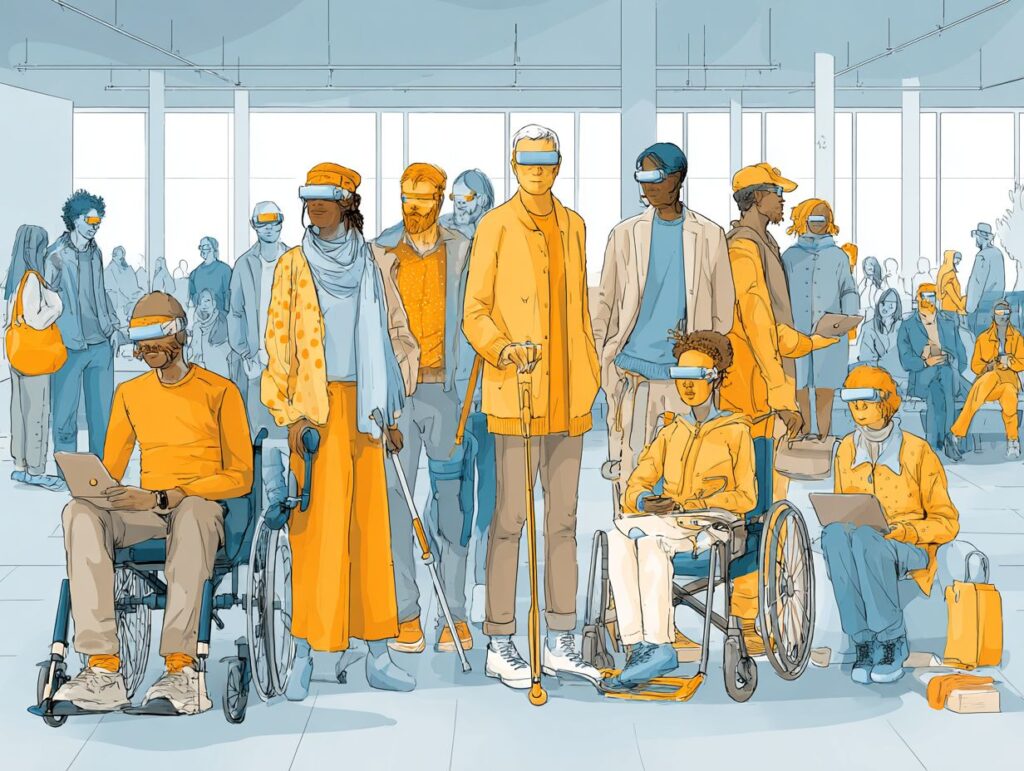
Community and support networks are essential in promoting the adoption of assistive technologies. They provide critical resources, information, advocacy, and telecommunication support for individuals with visual impairments, thereby facilitating access and enhancing the overall integration of these technologies into their daily lives.
Online Resources and Forums
Online resources such as the American Council of the Blind (ACB) and VisionAware provide forums and information hubs for individuals seeking assistance with assistive technologies, including braille displays, AI-powered tools, and navigation aids.
Two notable online platforms are ACB’s Community services, which feature live discussions and webinars focused on the latest advancements in assistive technology, and VisionAware, which offers comprehensive articles and user-friendly guides on accessible devices, emphasizing voice recognition and wearable technology.
Both platforms promote user interaction through forums and feedback mechanisms, incorporating mobile apps and computer vision, thereby enhancing community engagement.
For real-time assistance, participants can access ACB’s Zoom meetings, which facilitate direct connections with experts in the field.
Utilizing these resources not only promotes learning but also assists individuals in discovering tailored solutions to their specific challenges, through machine learning and augmented reality.
Advocacy and Awareness Initiatives
Advocacy initiatives, such as the National Federation of the Blind’s (NFB) annual conventions, play a crucial role in raising awareness and advocating for policy changes that benefit the blind community.
During these conventions, attendees participate in workshops that address critical issues, including accessible transportation policies and educational resources.
For instance, the NFB’s “Train the Trainer” sessions are designed to educate community leaders on effective advocacy techniques, leading to a notable 20% increase in local policy proposals.
Feedback collected after the conventions indicates that 85% of participants felt more enableed to advocate for change, highlighting the significant impact of these events on public awareness and legislative initiatives.
Additionally, tools such as online petitions and social media campaigns, equipped with accessibility features, further enhance these efforts by ensuring sustained dialogue and promoting community involvement.
Future Trends in Assistive Technologies and Neuroprosthetics
The future of assistive technologies is poised to deliver significant innovations driven by advancements in artificial intelligence, machine learning, and user-centered design principles specifically tailored for the blind community.
Emerging Innovations
Emerging innovations, such as AI-driven haptic feedback devices and advanced computer vision systems, are poised to redefine the usability of assistive technology. For example, devices like UltraCane utilize ultrasonic technology to deliver tactile feedback, enabling visually impaired individuals to navigate complex environments with greater ease.
Additionally, systems like Aira employ live agents who assist users by interpreting their surroundings through smartphone cameras, thereby enhancing situational awareness. Companies are also developing smart glasses that integrate machine learning algorithms to recognize faces and read texts aloud, significantly enhancing social interactions for users.
These advancements not only promote independence but also enrich the daily experiences of visually impaired individuals, thereby contributing to a more accessible world.
Potential Challenges and Solutions
Despite significant advancements in the assistive technology sector, challenges such as affordability and technology adoption, alongside education technology barriers, continue to persist, necessitating the exploration of innovative solutions.
To address these challenges, organizations may consider leveraging open-source technologies, such as OpenBoard, in educational settings, to provide personalized assistance and user-centered design. This platform provides free tools designed to enhance learning for users with disabilities.
Additionally, utilizing crowdfunding platforms can be an effective strategy to offset the costs associated with expensive devices. For instance, the crowdfunding campaign for the GoTalk communicator successfully raised over $50,000, facilitating the development of accessible communication tools.
Furthermore, establishing partnerships with technology firms can yield pilot programs that allow users to trial advanced assistive devices, fostering broader acceptance and understanding within the community, through inclusive design and low vision aids.
Checkout Revolutionising Accessibility: The Role of AI in Assistive Technology
Frequently Asked Questions
What are the top technologies and aids, such as GPS technology and digital assistants, enabling people with blindness in 2025?
In 2025, the top technologies and aids enableing people with blindness include advanced navigation systems, smart glasses, tactile displays, braille devices, voice assistants, and haptic feedback devices.
How do advanced navigation systems help people with blindness?
Advanced navigation systems use a combination of GPS and sensors to provide real-time information on a user’s surroundings, augmented by eye-tracking technology, allowing them to safely navigate their environment without relying on visual cues.
What are smart glasses and how do they assist people with blindness through information retrieval?
Smart glasses use cameras and computer vision technology to identify and describe objects, text, and people in real-time, providing audio feedback to the user and enabling them to perceive their surroundings through blind-friendly interfaces.
How do tactile displays benefit people with blindness, especially in telehealth applications?
Tactile displays use touch-sensitive materials to create braille or raised graphics, allowing people with blindness to read and interact with digital content, such as books, maps, and diagrams.
What advancements have been made in braille devices for people with blindness?
In 2025, braille devices have become smaller, more affordable, and more versatile, with features such as refreshable braille displays, braille keyboards, and braille printers, making it easier for people with blindness to access information.
How do voice assistants aid people with blindness?
Voice assistants, like Amazon Echo and Google Home, provide hands-free access to information and services, such as news, weather, navigation, and entertainment, making everyday tasks more manageable for people with blindness.
Can haptic feedback devices improve the daily lives of people with blindness?
Yes, haptic feedback devices, such as vibration bracelets and smart canes, use vibrations and sound cues to provide spatial awareness and object detection, allowing people with blindness to navigate their environment more independently and safely, bolstering remote assistance capabilities.